AI & Ethical Wildlife Tourism: Sustainable Safari & Conservation Guide
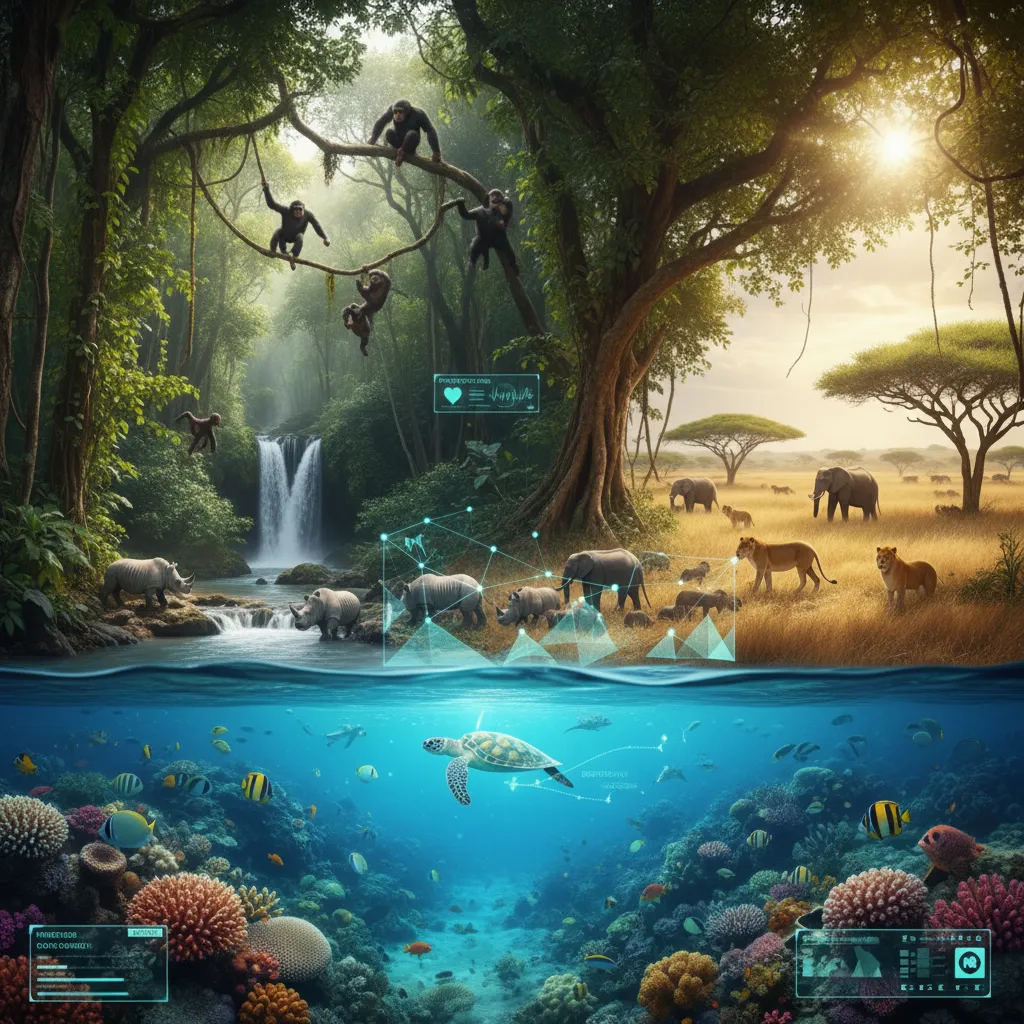
For decades, traditional wildlife tourism was plagued by exploitative practices: captive animal petting attractions, crowded safari convoys chasing distressed predators, and staged animal performances that damaged animal welfare.
Today, a global movement powered by Artificial Intelligence and ethical conservation technology is transforming nature travel—allowing adventurers to experience majestic wildlife in natural habitats while actively funding species preservation.
[!NOTE] What is Ethical Wildlife Tourism? Ethical wildlife tourism is travel focused on observing wild animals in their natural, free-roaming ecosystems under strict non-intrusive protocols, ensuring that 100% of tourism revenues support anti-poaching, habitat restoration, and local indigenous communities.
⚖️ Commercial Animal Exploitation vs. AI-Powered Ethical Safaris
| Wildlife Experience Factor | Commercial Exploitative Tourism | AI-Powered Ethical Eco-Safari | Animal & Community Impact |
|---|---|---|---|
| Animal Confinement | Caged, chained, or captive petting | 100% free-roaming wild ecosystems | Preserves natural wild behaviors |
| Vehicle Density | Dozens of jeeps cornering a single animal | AI convoy pacing & strict distance limits | Eliminates animal stress |
| Data & Educational Value | Pure entertainment spectacle | AR biological overlays & citizen science tracking | Deep educational conservation value |
| Anti-Poaching Support | Profits diverted to commercial operators | Tour revenues fund thermal drone patrols | Actively protects endangered species |
| Economic Beneficiary | Foreign-owned tour conglomerates | Direct employment of certified indigenous rangers | Sustainable local economic growth |
🐘 The 4 Pillars of Next-Generation Wildlife Adventures
Ethical Wildlife Cycle:
Reserve Telemetry ──► AI Crowd Dispersion ──► AR Educational Safari ──► Citizen Science Verification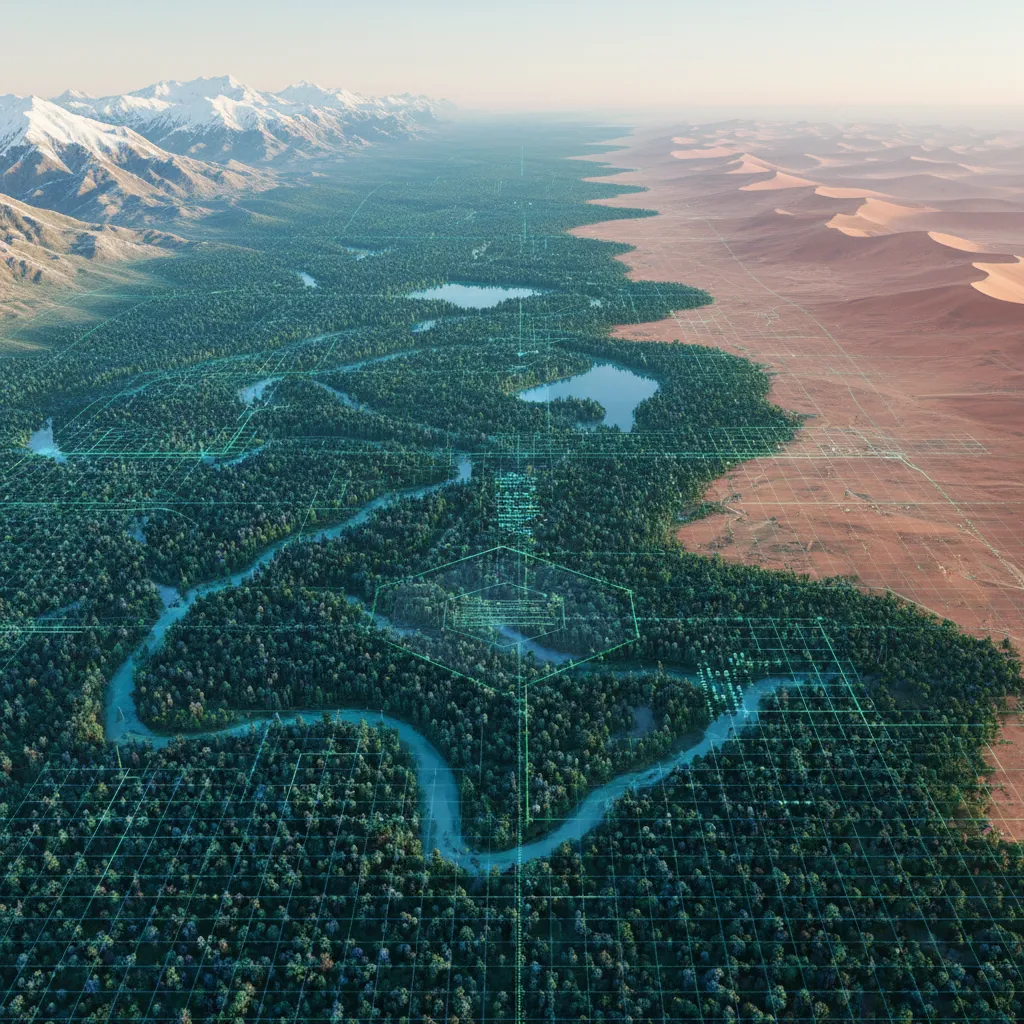
1. Reserve Telemetry & Intelligent Herd Protection
Park authorities deploy mesh-networked acoustic sensors and thermal drone corridors that monitor endangered rhino and elephant herds 24/7 without human disturbance.

2. Algorithmic Safari Route Optimization
Machine learning algorithms track vehicle GPS positions across vast national parks, dynamically staggering safari vehicle routes to prevent disruptive vehicle clustering around watering holes.
For aerial surveillance and anti-poaching technology, read our guide on AI Drones for Wildlife Conservation.
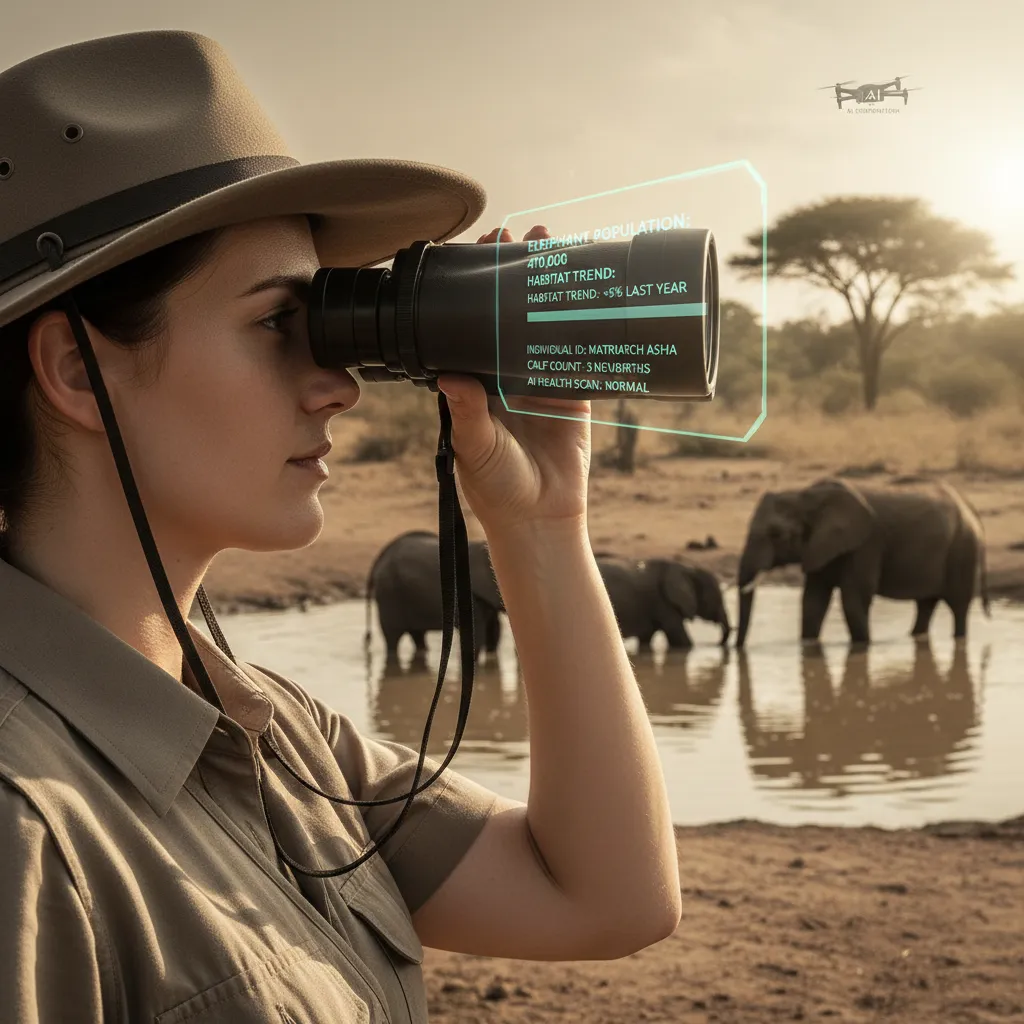
3. Augmented Reality (AR) Conservation Guides
Travelers use AR mobile interfaces to learn about individual animal histories, maternal lineages, and ecological roles from respectful viewing distances (minimum 100 meters).
For responsible adventure travel guidelines, check out our Adventure Travel & Responsible Exploration Guide.

4. Citizen Science & Visual Animal Biometrics
Tourists upload safari photos to platforms like Wildbook, where computer vision models scan unique whisker patterns, zebra stripes, and whale fluke contours to assist biologists with global population censuses.
For low-carbon sustainable travel itineraries, explore our AI Eco-Travel Guide.
🚀 3 Rules for Booking an Ethical Wildlife Safari in 2026
- Verify the “No Direct Contact” Guarantee: Never book excursions that permit touching, riding, bathing, or feeding wild animals.
- Insist on Certified Local Guides: Choose tour operators that employ licensed indigenous trackers and naturalists.
- Contribute Your Safari Photos: Upload your high-resolution wildlife photos to citizen science databases to aid global species conservation.