Adventure Travel & Responsible Exploration: Thrilling Eco-Journeys
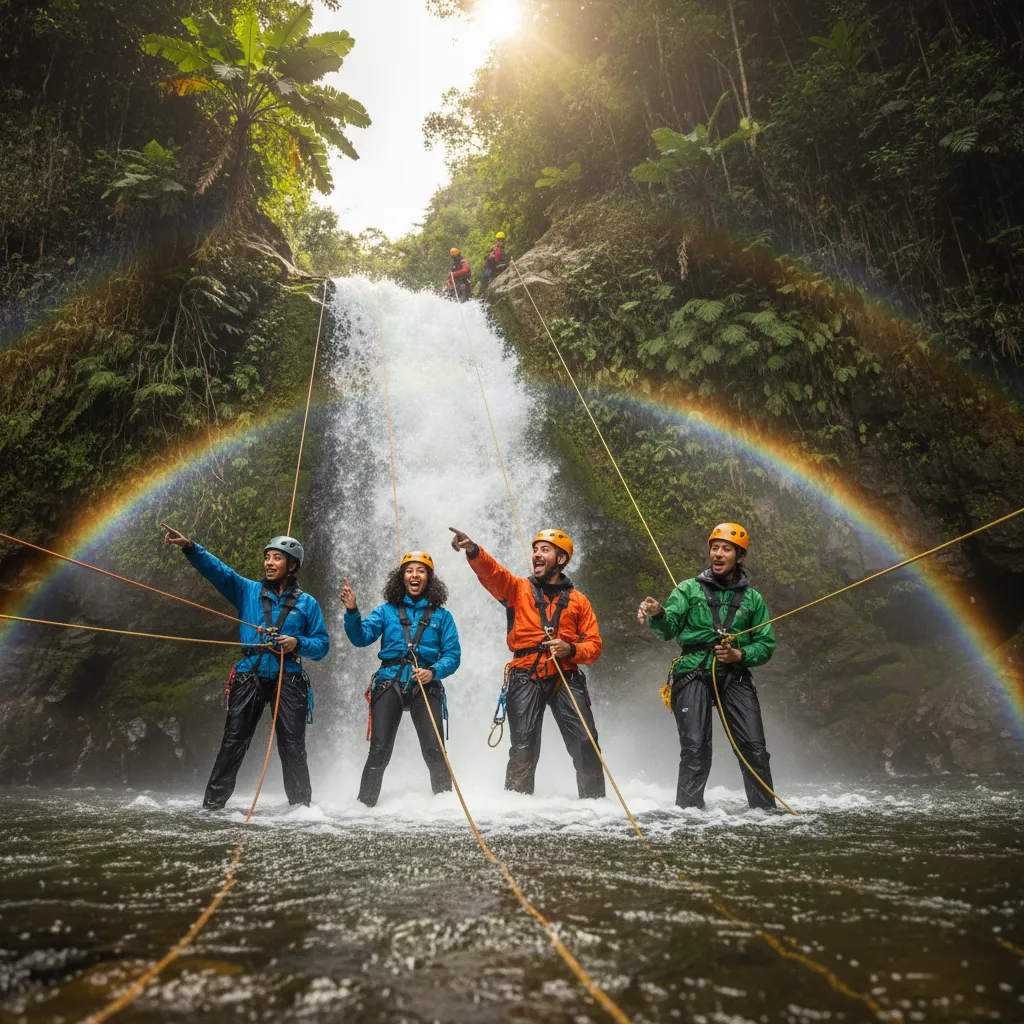
Adventure travel is more than an adrenaline rush—it is an immersive connection to remote landscapes, living cultures, and personal resilience.
As outdoor travel surges globally, modern adventurers face a vital mandate: pairing thrilling exploration with ethical conservation and local economic empowerment.
[!NOTE] What is Responsible Adventure Travel? Responsible adventure travel is the practice of engaging in physical outdoor exploration—such as mountaineering, whitewater rafting, and wilderness trekking—while actively minimizing ecological impact, respecting indigenous heritage, and directly supporting local conservation economies.
⚖️ Conventional Tourism vs. Sustainable Eco-Adventure
| Feature | Mass Conventional Tourism | Sustainable Eco-Adventure | Long-Term Benefit |
|---|---|---|---|
| Environmental Footprint | High resource consumption / crowded | Strict Leave No Trace ethics | Preserves fragile biomes |
| Local Economic Impact | 80% revenue leaks to foreign chains | Direct hiring of local guides & homestays | Fosters community wealth |
| Experience Quality | Passive bus sightseeing | Active physical & cultural immersion | Deeper personal growth |
| Crowd Density | Overcrowded tourist hotspots | Off-the-beaten-path trails | Intimate wilderness encounters |
| Wildlife Interaction | Exploitative petting/feeding | Ethical observation in natural habitats | Protects endangered species |
🗺️ The 5 Pillars of Modern Adventure Travel
Adventure Exploration Matrix:
Wilderness Trekking ──► Marine Expeditions ──► Ethical Wildlife ──► Cultural Immersion ──► Overland Travel
1. High-Altitude Trekking & Mountaineering
From the alpine circuits of Patagonia to high-altitude routes in the Himalayas, multi-day trekking tests stamina while rewarding hikers with untouched panoramas.
- Pro Tip: Never skip altitude acclimatization schedules. Increase elevation by no more than 300–500 meters per day above 3,000 meters.
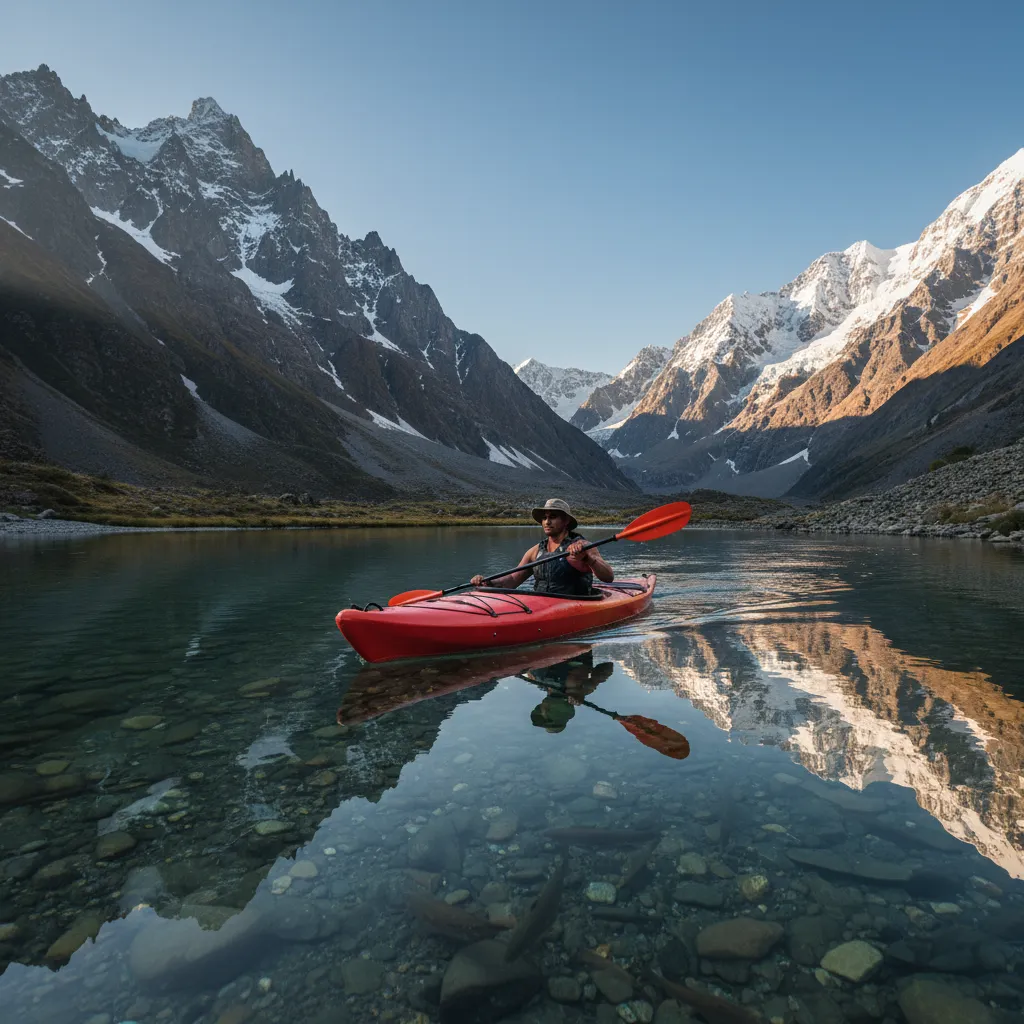
2. Aquatic Expeditions & River Navigation
Navigating class IV rapids, ocean kayaking across sea caves, and snorkeling pristine reefs provide immersive sensory experiences.
- Safety Rule: Always inspect river guide certification and river-running safety records before booking whitewater itineraries.
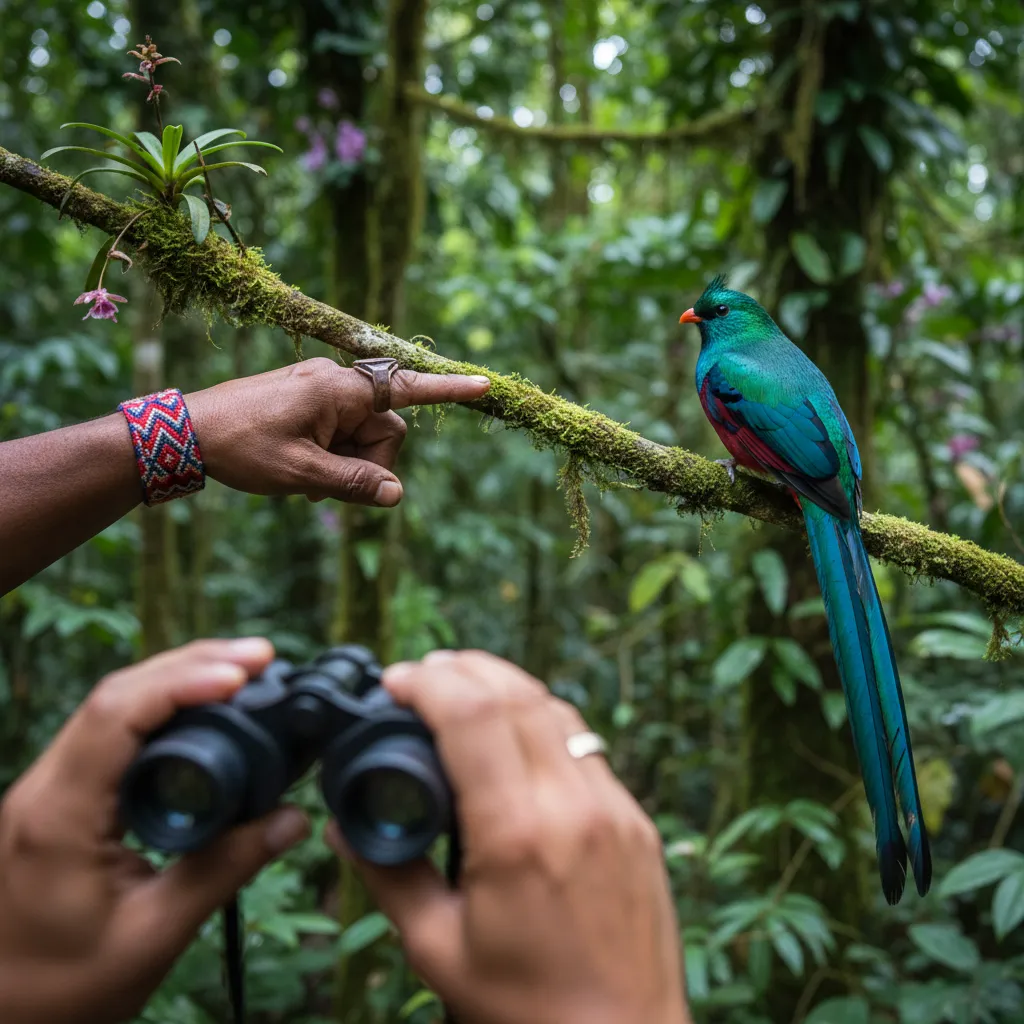
3. Ethical Wildlife Encounters
Witnessing apex predators and marine giants in their natural habitats requires strict ethical standards:
- Never patronize tours that guarantee physical touch or performative animal shows.
- Maintain minimum safe approach distances (at least 100 meters for large predators, 50 meters for marine mammals).
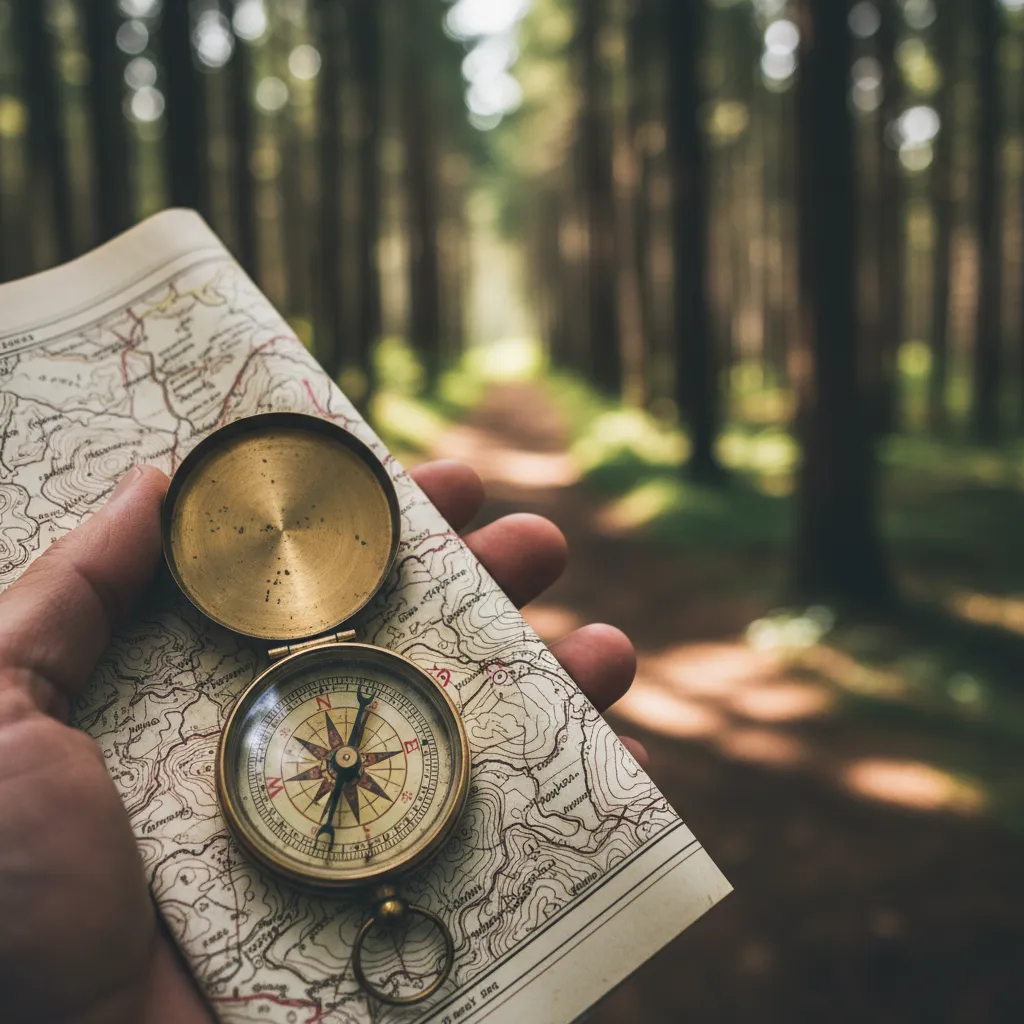
4. Deep Cultural Immersion
True exploration goes beyond scenery. Partnering with indigenous guides and staying in community-run eco-lodges delivers authentic cultural exchange while funding local schools and infrastructure.
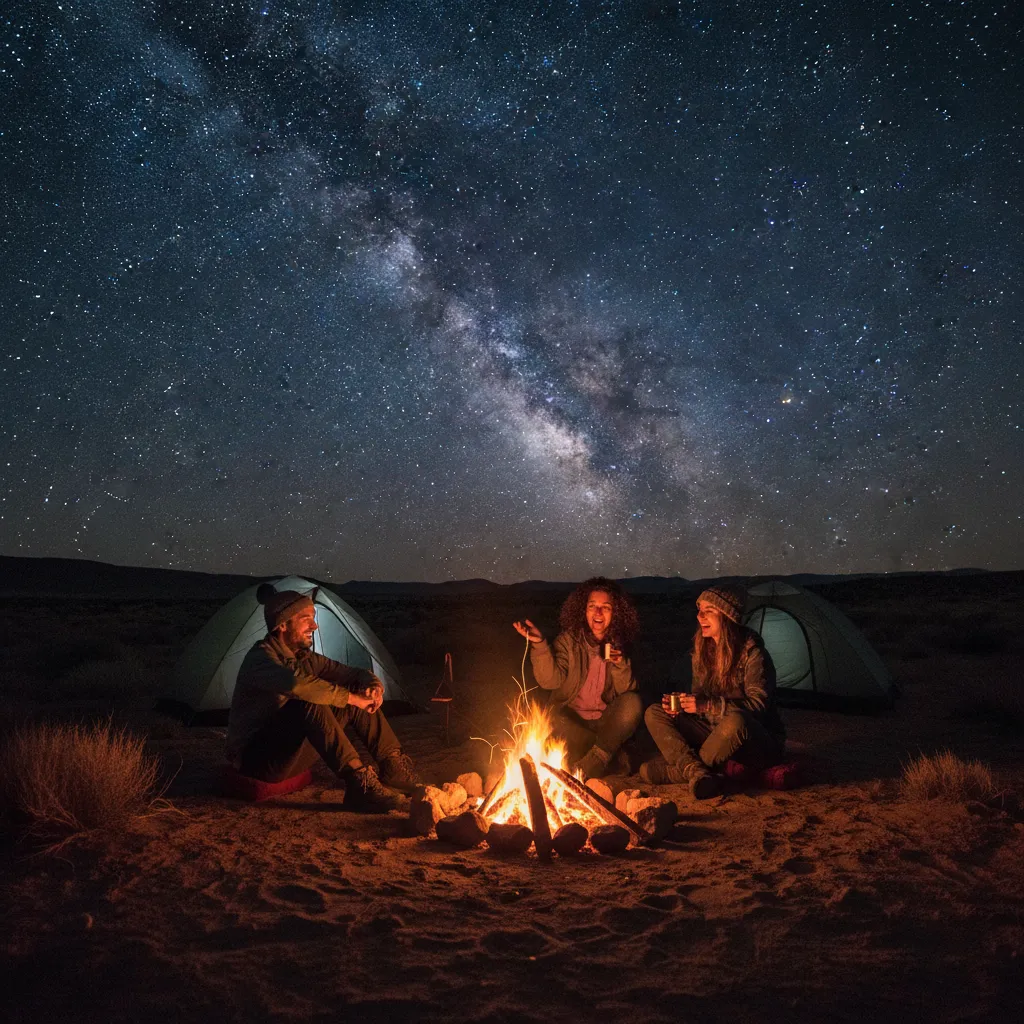
5. Overland Cross-Country Journeys
Self-sufficient 4x4 overland expeditions across rugged terrains reward travelers with total autonomy, turning the journey itself into the destination.
🎒 The Responsible Adventure Checklist: 7 Leave No Trace Principles
Before setting out on any backcountry expedition, commit to these core principles:
- Plan & Prepare in Advance: Check regional permits, seasonal weather extremes, and emergency evacuation protocols.
- Camp on Durable Surfaces: Stick to marked trails and established gravel/rock campsites to avoid trampling alpine flora.
- Pack It In, Pack It Out: Carry all packaging, micro-trash, and organic food scraps out of wilderness zones.
- Leave Natural Relics Intact: Leave stones, wildflowers, fossils, and cultural artifacts where you discover them.
- Minimize Fire Impacts: Use portable camp stoves rather than building open campfires in dry wilderness areas.
- Respect Native Fauna: Observe animals quietly from a distance; secure all food stores in bear-resistant containers.
- Be Courteous on the Trail: Yield the uphill trail to climbing hikers and maintain reasonable group noise levels.
For modern travelers utilizing AI assistants and digital workflows to plan complex itineraries, check out our guide on AI Agents for Daily Task Automation.