AI in Education: Personalized Learning Paths & Future-Proof Skills
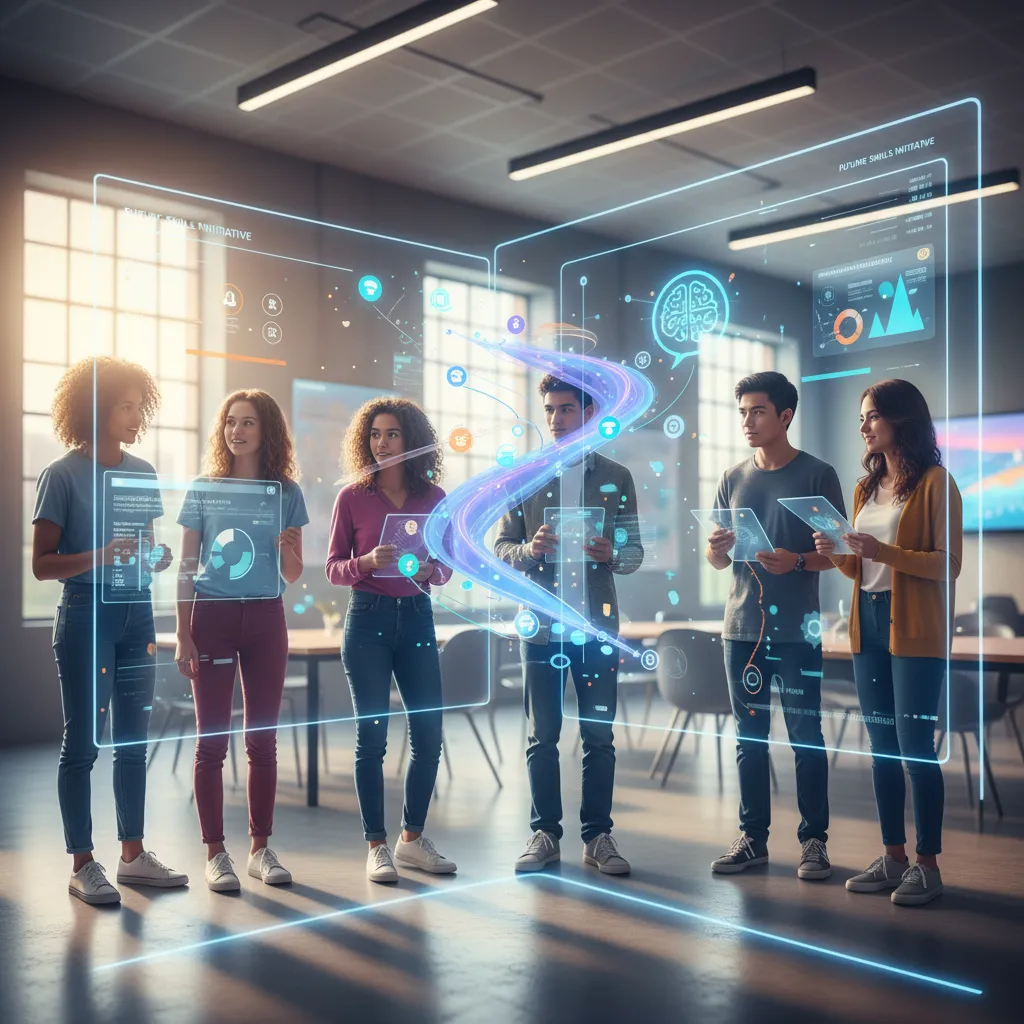
The traditional factory model of education—teaching identical lessons to thirty students simultaneously—was designed for an industrial economy that no longer exists.
In the 21st-century digital economy, AI-guided personalized learning ecosystems transform classrooms into adaptive environments where every student masters foundational knowledge at their own pace and builds the high-leverage skills required for future careers.
[!NOTE] What is AI-Guided Personalized Learning? AI-guided personalized learning is an educational framework that combines continuous diagnostic telemetry, intelligent Socratic tutoring, and dynamic curriculum branching to optimize learning velocity, close conceptual gaps, and cultivate critical thinking.
⚖️ Standardized Lecture Models vs. AI-Guided Personalized Pathways
| Learning Dimension | Standardized Industrial Lecture | AI-Guided Adaptive Pathway | Student Advantage |
|---|---|---|---|
| Learning Velocity | Fixed to classroom median | Self-paced dynamic acceleration & remediation | 2x to 3x faster mastery |
| Concept Retention | Rapid forgetting curve after exams | Spaced repetition & interactive VR simulations | 85%+ long-term retention |
| Feedback Loop | Weeks waiting for graded test sheets | Millisecond step-by-step diagnostic hints | Immediate misconception fix |
| Teacher Role | 60% repetitive grading & admin | 80% direct 1-on-1 mentorship & coaching | Meaningful human guidance |
| Curriculum Flexibility | Rigid linear chapters | Branching, interest-driven project modules | Inspires lifelong curiosity |
🎒 The 4 Technological Engines of Future Education
Future Skills Learning Engine:
Diagnostic Baseline ──► Adaptive Socratic Tutor ──► Spatial VR Immersion ──► Collaborative Group Work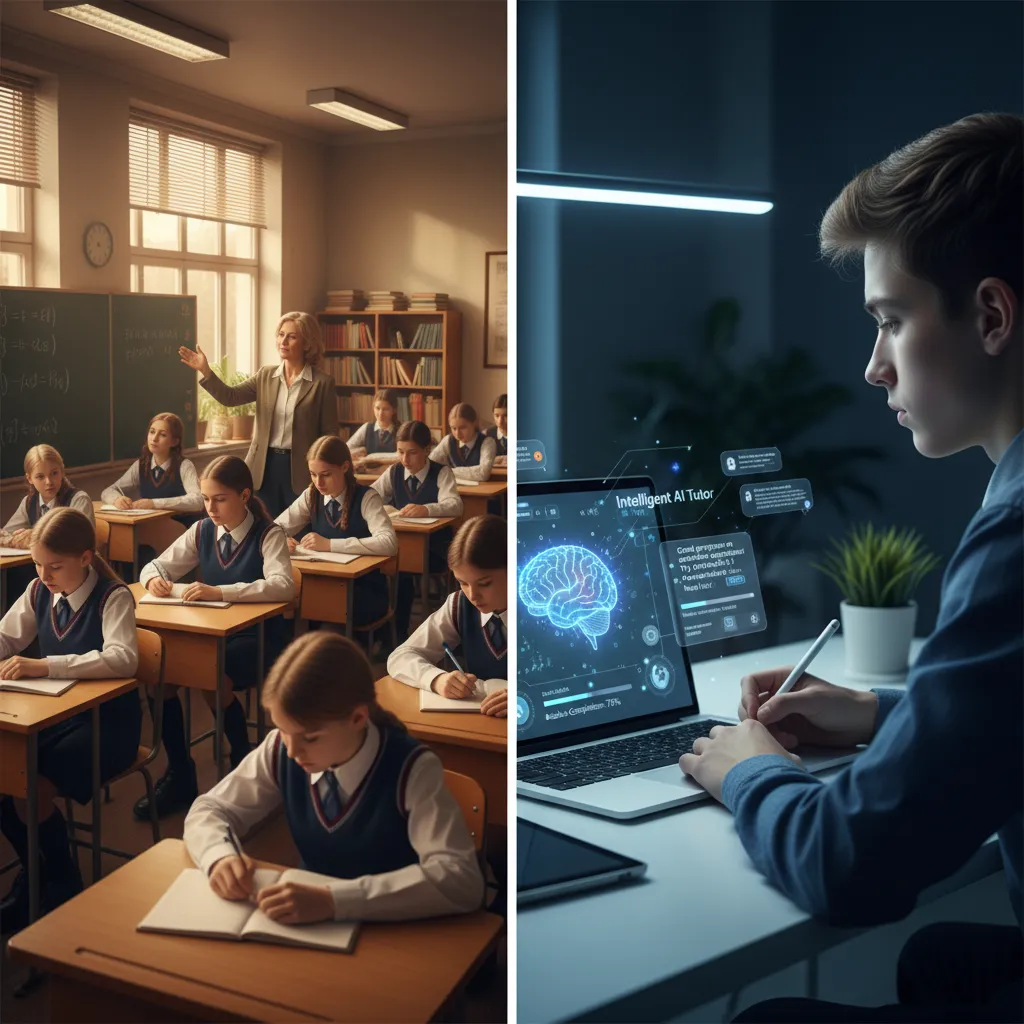
1. Instant Socratic Feedback & Conceptual Coaching
Rather than simply providing answers, intelligent tutoring agents ask probing diagnostic questions, guiding students through the logic of mathematics and coding step-by-step.
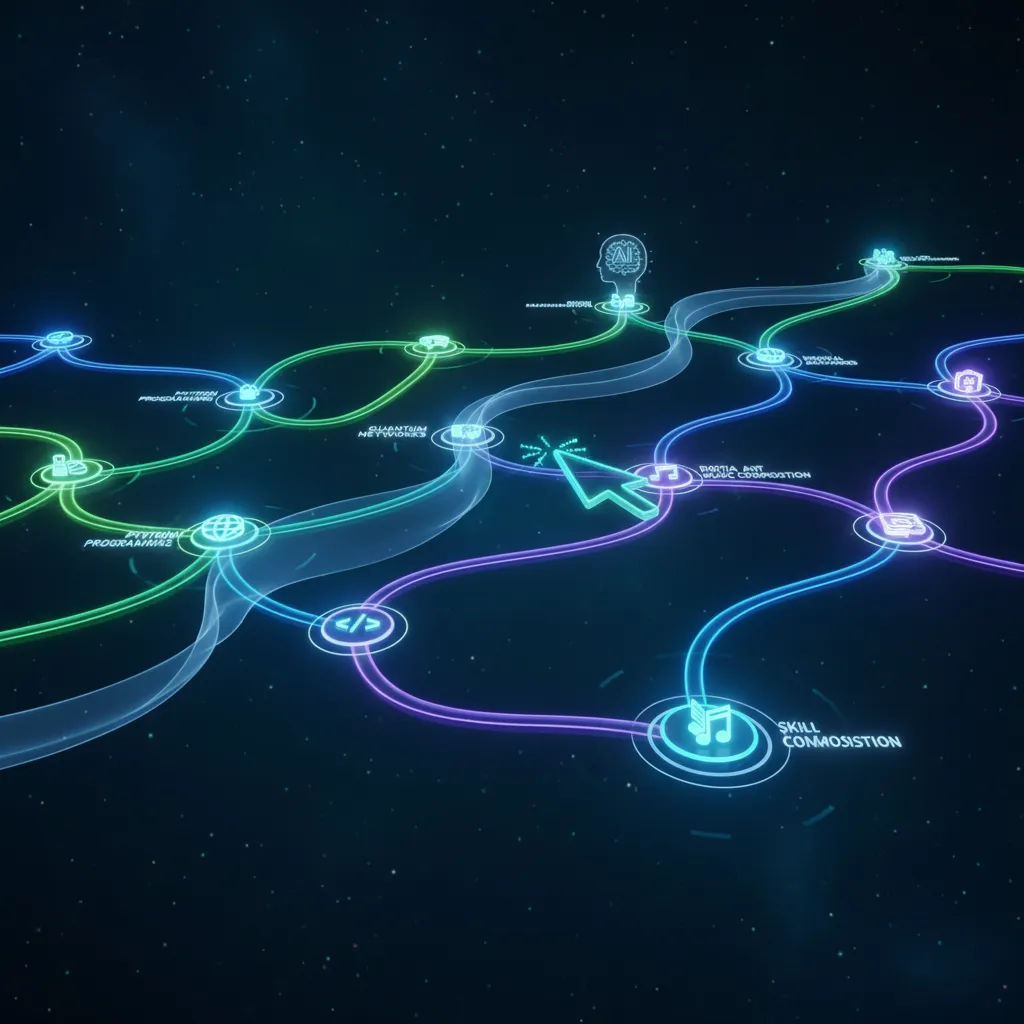
2. Dynamic Career Skill Mapping
Adaptive platforms analyze global tech job trends, recommending specialized learning modules (prompt engineering, cybersecurity, data science) to prepare students for high-demand modern careers.
For institutional frameworks on scaling adaptive tech, explore our guide on AI-Powered Personalized Learning Guide and AI Adaptive Learning Ecosystems.
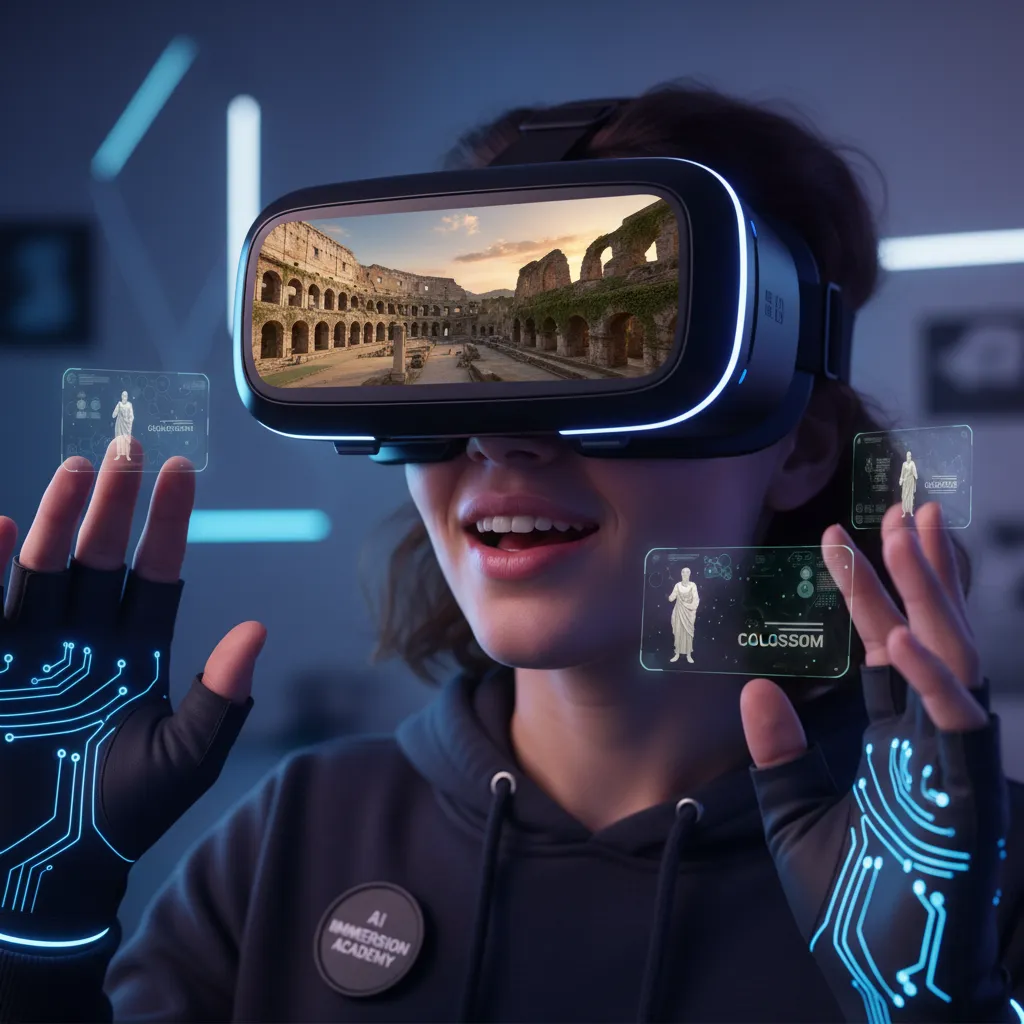
3. Spatial VR Field Trips & Hands-On Science
Students step inside human cells, tour deep-space nebulas, and walk through ancient civilizations, transforming passive memorization into active experiential discovery.
For broader immersive tech applications, read our guide on AI, AR, and VR Immersive Travel.
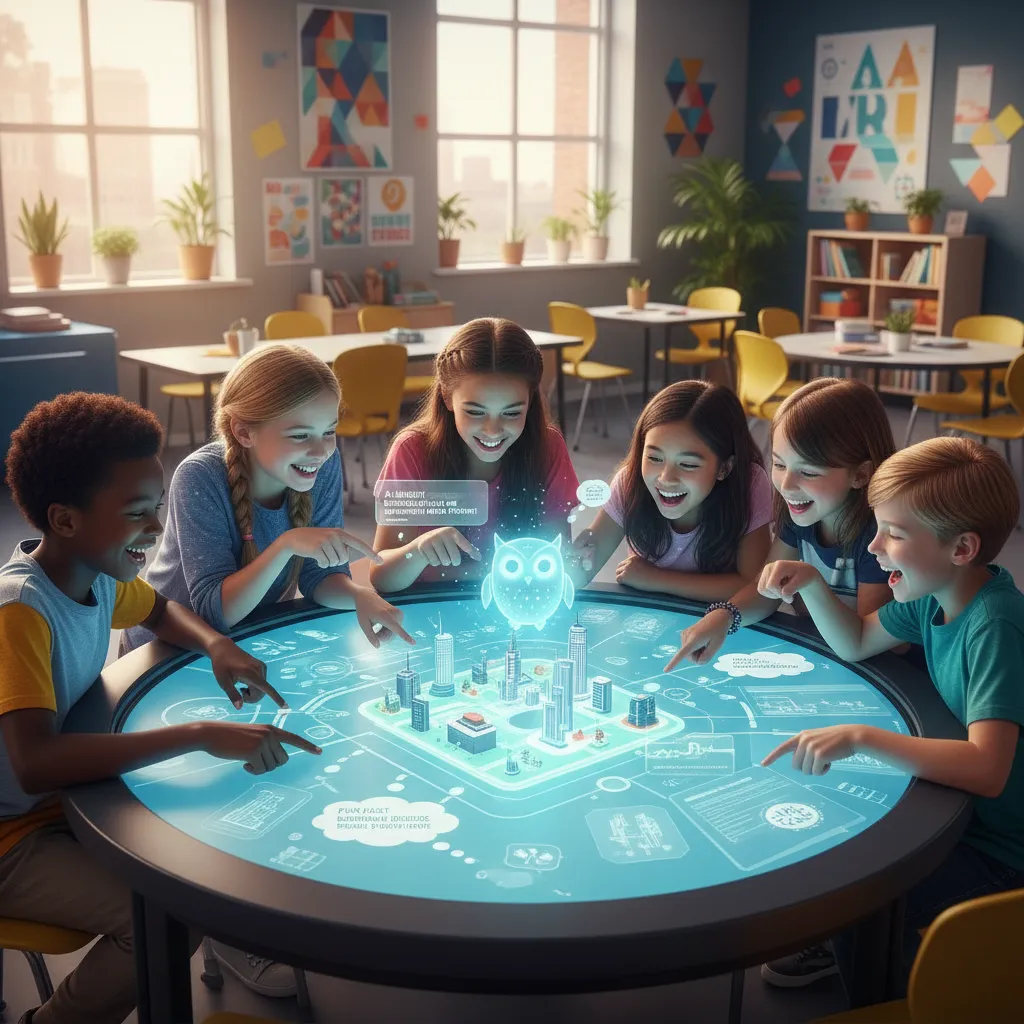
4. Interactive Collaborative Problem-Solving
Smart tabletop displays facilitate small-group challenges, encouraging students to combine diverse perspectives to solve complex environmental and engineering problems.
🚀 3 Recommendations for Learners and Educators in 2026
- Adopt Mastery-Based Learning: Do not advance to advanced modules until scoring 90%+ on foundational concepts.
- Cultivate Prompt Literacy: Teach students how to direct and evaluate AI outputs critically rather than passively accepting generated text.
- Prioritize Human Connection: Leverage time saved by AI automation to foster empathy, ethical debate, and creative collaboration.