AI & Adaptive Learning Ecosystems: Master Future Skills Faster
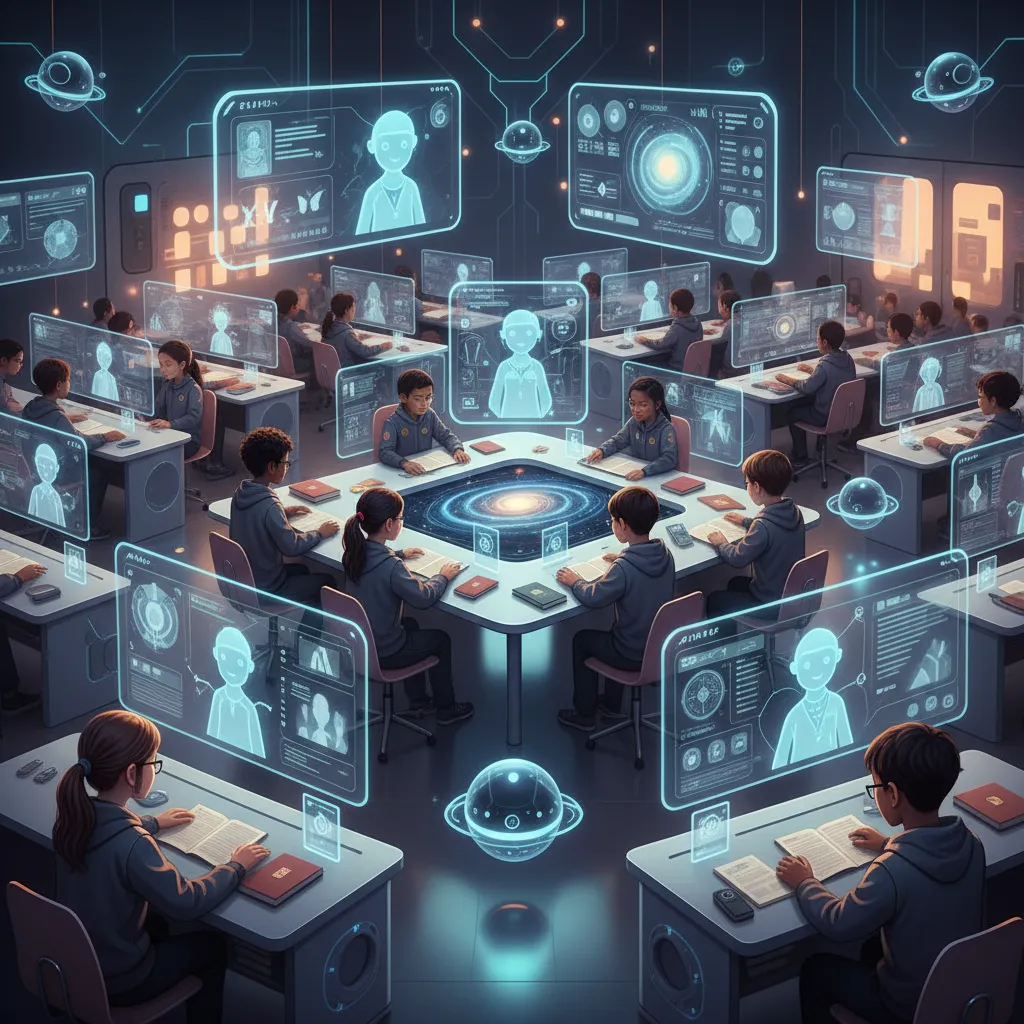
Standardized education historically treated learning like an assembly line: one textbook, one timetable, and thirty students advancing in lockstep regardless of mastery.
Today, the convergence of Artificial Intelligence and adaptive learning ecosystems transforms static courses into intelligent, responsive environments tailored to each learner’s unique cognitive fingerprint.
[!NOTE] What is an Adaptive Learning Ecosystem? An adaptive learning ecosystem is a multi-layered software architecture combining real-time student telemetry, predictive learning analytics, intelligent tutoring agents, and modular content delivery to continually recalibrate instructional difficulty and pacing.
⚖️ Linear Curriculum vs. AI Adaptive Ecosystems
| Feature | Static Linear Curriculum | AI Adaptive Ecosystem | Impact |
|---|---|---|---|
| Learning Path | Fixed sequence for all students | Dynamic branching based on live diagnostic data | 2.5x faster skill mastery |
| Pacing Control | Teacher-determined class average | Self-paced with automated acceleration/remediation | Eliminates boredom & frustration |
| Error Handling | Graded as pass/fail on exams | Analyzed conceptually with instant diagnostic hints | Prevents misconception buildup |
| Skill Retention | Rapid forgetting curve | Spaced repetition algorithms based on memory decay | 85%+ long-term retention |
| Assessment Model | High-stress periodic tests | Continuous low-stakes embedded telemetry | Clear, holistic skill mapping |
🏛️ The 4 Core Engines of an Adaptive Learning Ecosystem
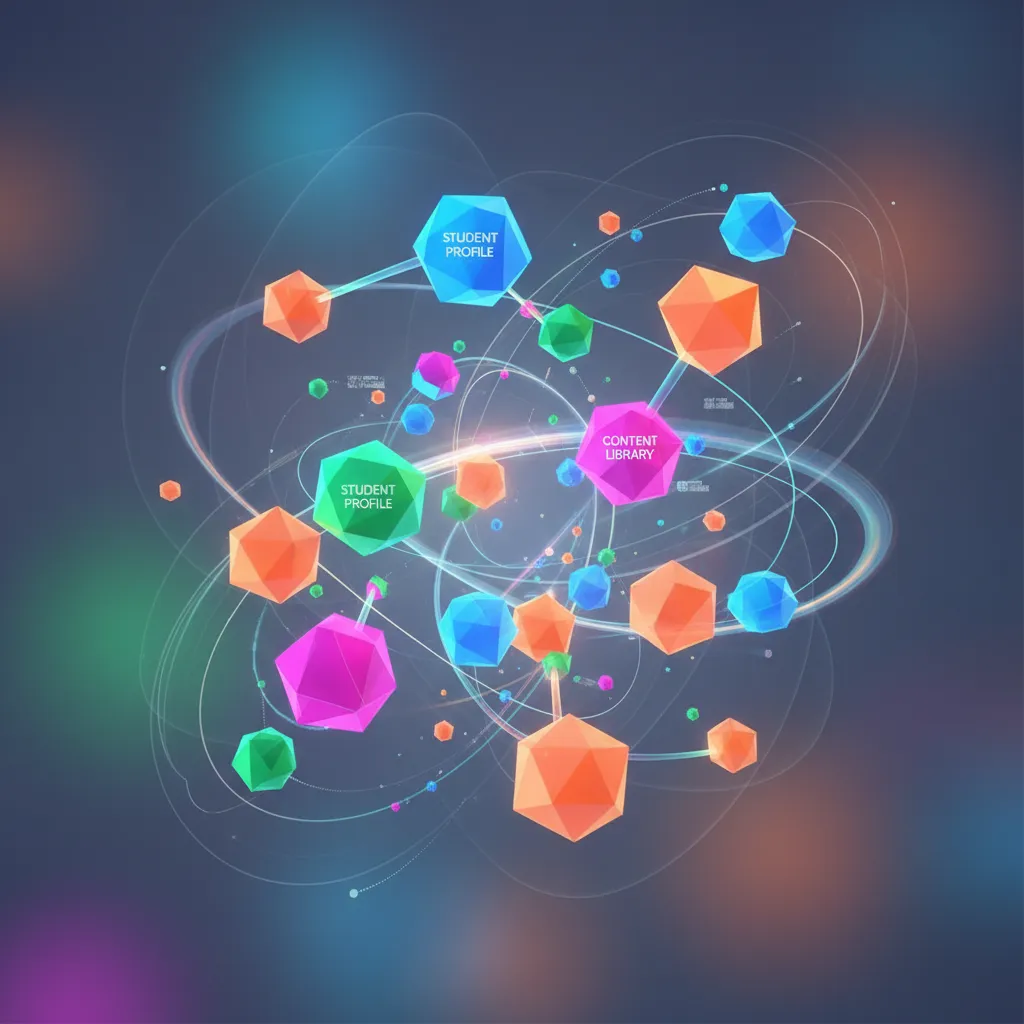
Adaptive Learning Architecture:
Telemetry Stream ──► Diagnostic Analytics ──► Intelligent Tutor (ITS) ──► Adaptive Content Delivery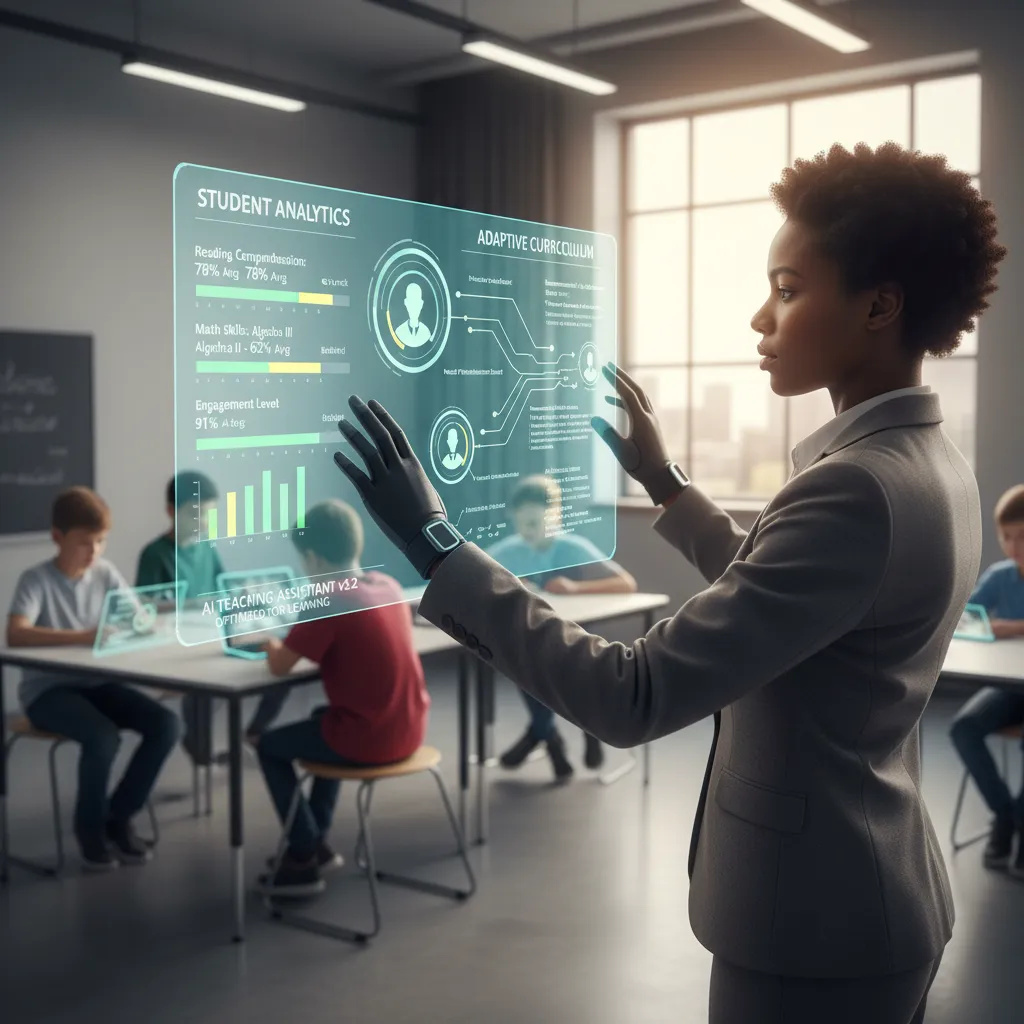
1. Telemetry & Learning Analytics
Every digital interaction provides diagnostic signal. The system monitors response latencies, hesitation patterns, video playback speeds, and revision frequencies to build an evolving cognitive profile of the learner.

2. Intelligent Tutoring Systems (ITS)
Rather than acting as simple question banks, intelligent tutoring agents provide Socratic dialogue. When a learner makes an error, the system offers progressive hints and conceptual analogies to guide self-discovery.
3. Dynamic Curriculum Mapping
If a student demonstrates intuitive grasp of fundamentals, the platform automatically accelerates them to advanced problem sets. If prerequisite gaps are detected, the system inserts targeted micro-modules before progressing.
For related insights on how AI systems are transforming education and career workflows, explore our guide on AI Personalized Learning in Education and AI Everyday Automation.

4. Continuous Adaptive Assessment
Unlike stressful end-of-term exams, adaptive assessments calibrate question difficulty with every answer, zeroing in on a student’s precise knowledge boundary in half the testing time.
🏢 Scaling Adaptive Training in Modern Enterprise & Web3
Beyond traditional classrooms, corporate enterprises and decentralized Web3 teams use adaptive ecosystems for continuous workforce upskilling:
- Rapid Developer Onboarding: Dynamically train engineers on new blockchain frameworks based on their existing programming strengths.
- Compliance & Security Drills: Simulate real-world phishing and smart contract auditing scenarios adapted to employee risk profiles.
🚀 Key Takeaways: How to Leverage Adaptive AI Today
- Adopt Mastery-Based Learning: Do not advance to complex modules until scoring 90%+ on foundational prerequisites.
- Utilize Spaced Repetition: Let intelligent review engines determine when to revisit key concepts before neural pathways fade.
- Engage with Socratic AI Prompts: Use intelligent tutors to test your reasoning rather than searching for instant answers.