AI-Powered Personalized Learning: How Adaptive Tech Builds Future Skills
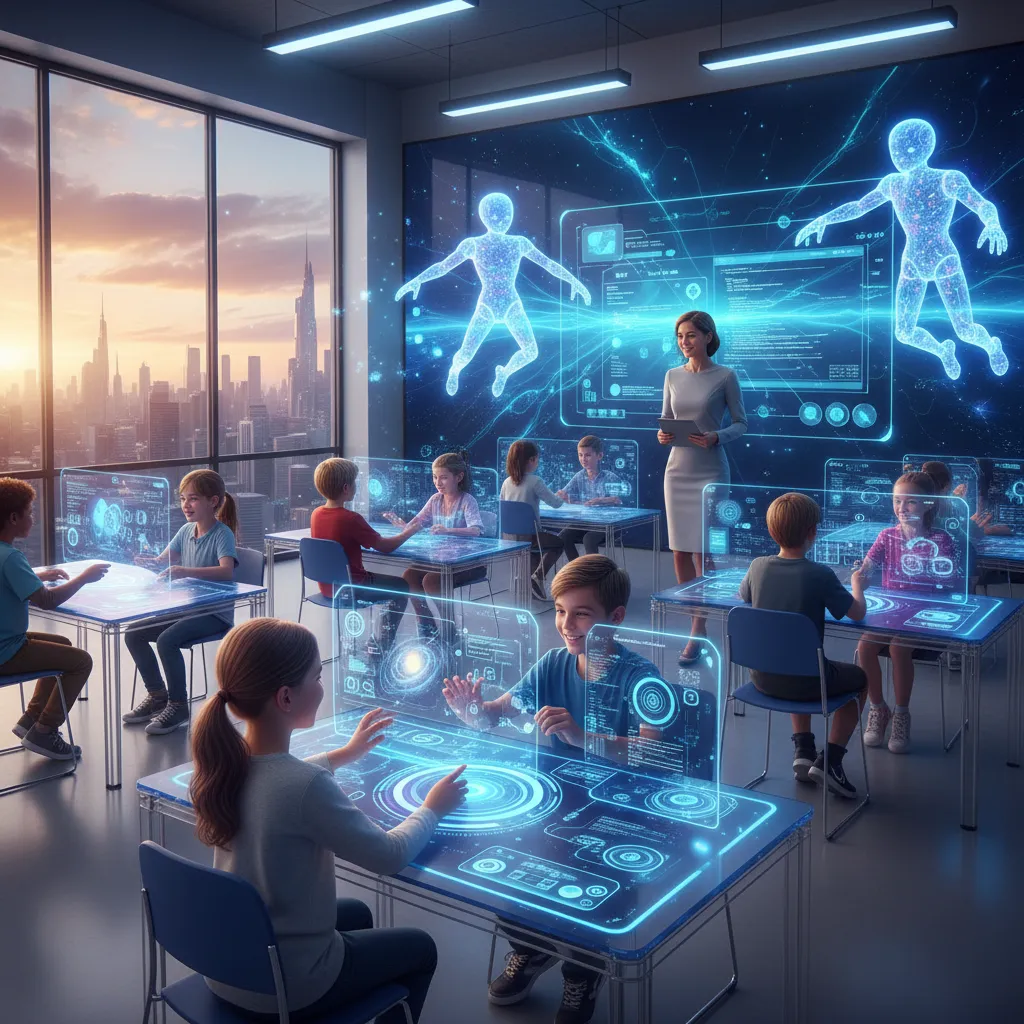
For over a century, traditional education operated on a simple factory-model premise: one teacher, one textbook, and thirty students progressing at the exact same pace regardless of comprehension.
That model is breaking down. Today, AI-powered personalized learning transforms rigid classrooms into dynamic, responsive environments where instruction adapts to the student—not the other way around.
[!NOTE] What is AI-Powered Personalized Learning? AI-powered personalized learning is an educational framework that uses machine learning algorithms, natural language processing, and real-time performance diagnostics to generate customized curriculum paths, dynamic challenge levels, and immediate feedback for individual learners.
Traditional Classrooms vs. AI-Powered Adaptive Learning
To understand why institutions and self-directed learners are rapidly transitioning to smart learning systems, compare how traditional teaching models stack up against adaptive platforms:
| Feature | Traditional Education | AI Adaptive Learning | Advantage |
|---|---|---|---|
| Instruction Pace | Fixed to class average | Real-time adaptive speed | Faster mastery, zero boredom |
| Feedback Loop | Days or weeks (graded tests) | Instant (millisecond diagnosis) | Immediate misconception correction |
| Curriculum Path | Linear, identical for all | Branching, tailored to skill gaps | 40% faster retention rates |
| Teacher Focus | 60% administrative / grading | 80% mentoring & high-order thinking | Higher quality human mentorship |
| Availability | School hours only | 24/7 on-demand AI tutor | Unrestricted learning access |
The 3 Pillars of AI-Driven Learning Platforms
Modern adaptive education systems rely on three interconnected machine learning layers to deliver individualized instruction at scale.
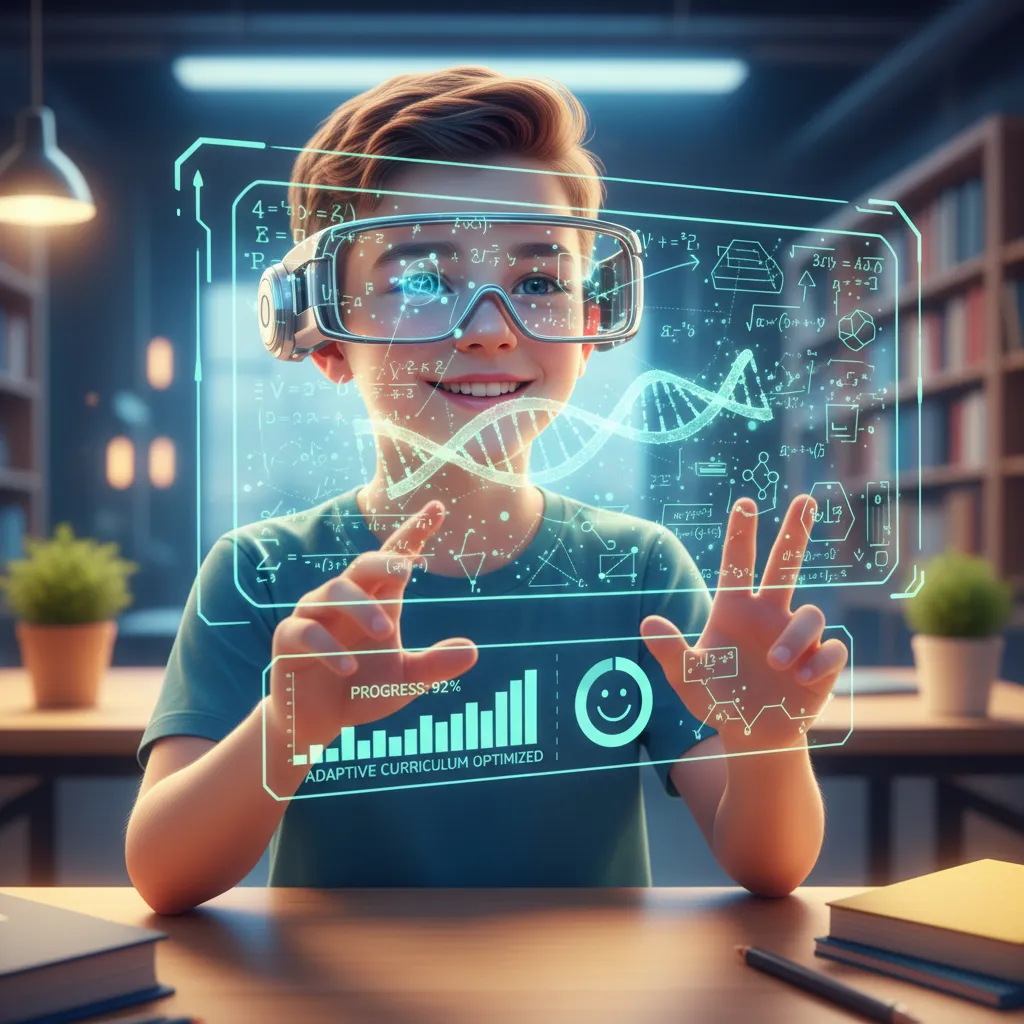
1. Diagnostic Data Collection
Unlike static quizzes that only record final scores, adaptive platforms track behavioral signals during study sessions:
- Time-to-Solution: Gauges cognitive load and identifies whether a correct answer was intuitive or a lucky guess.
- Error Clustering: Isolates exact conceptual misunderstandings (e.g., distinguishing between a calculation error versus a formula misapplication).
- Engagement Drop-offs: Identifies when a learner becomes fatigued or disconnected.
2. Dynamic Curriculum Branching
Using predictive analytics, the system constructs a customized path forward. If a student breezes through algebra fundamentals, the platform automatically skips redundant drills and introduces quadratic equations. If another student struggles with fractions, the algorithm serves interactive visual models before advancing.
For deeper insights into how intelligent autonomous systems automate complex knowledge workflows, explore our guide on AI Agents and Everyday Automation.
3. Real-Time Intelligent Tutoring
When learners hit roadblocks at midnight, waiting for office hours the next day halts momentum. AI tutoring interfaces break problems down into guided Socratic prompts rather than simply giving away answers, cultivating true problem-solving resilience.
Tangible Impact Across K-12, Higher Education, and Workforce Training
Personalized Learning Trajectory:
Diagnostic Baseline ──► Real-Time Skill Mapping ──► Adaptive Interventions ──► Accelerated Mastery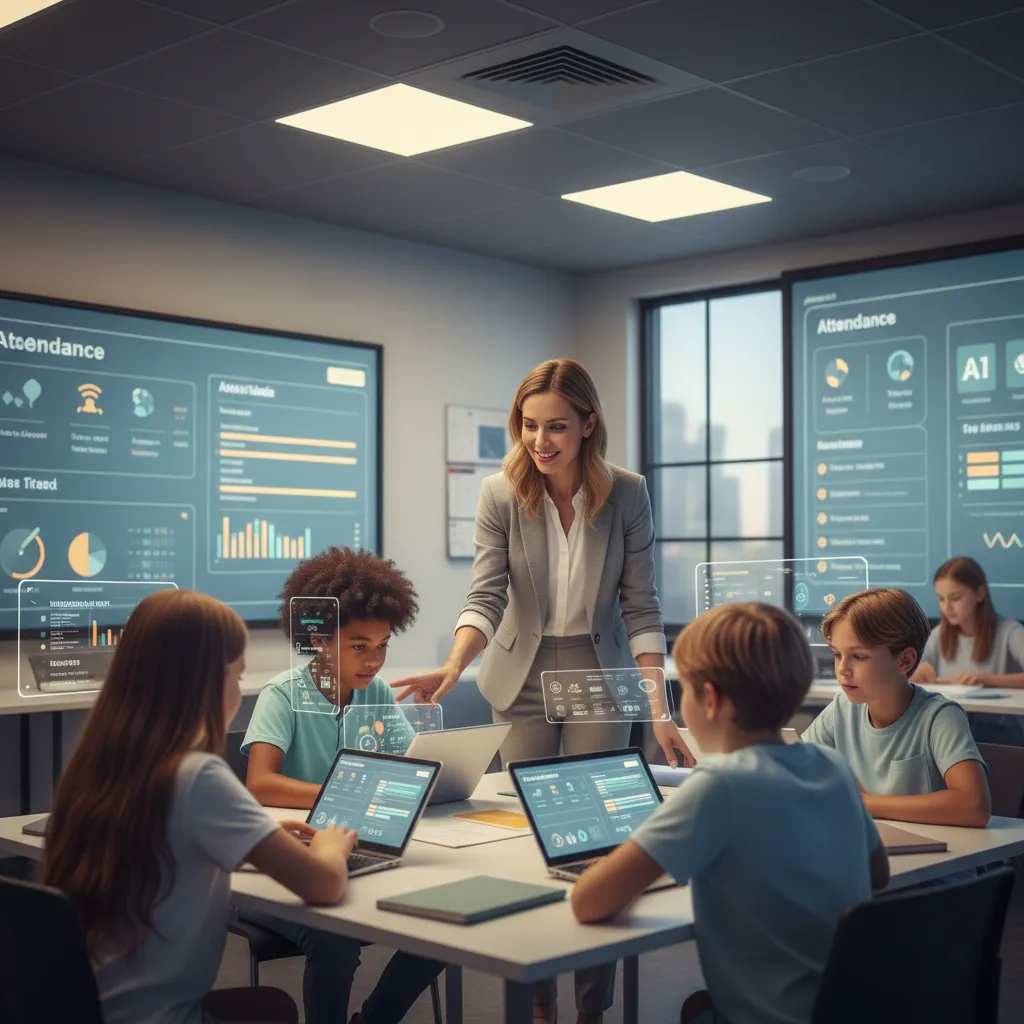
K-12 Education: Eliminating Foundational Gaps
Early math and literacy gaps compound over time. Adaptive platforms like DreamBox and Lexia allow elementary and middle school students to master core concepts before advancing, preventing the “snowball effect” of falling permanently behind grade level.
Higher Education: Personalized Degree Acceleration
Universities are leveraging predictive AI models to flag students at risk of course failure weeks before midterms, enabling proactive academic counseling. Intelligent platforms also recommend tailored elective sequences based on emerging tech job market demands.
Corporate Upskilling & Web3 Innovation
In rapidly evolving industries like fintech and blockchain, static training materials expire within months. Adaptive enterprise training systems automatically generate micro-modules to upskill developers and analysts in real time.
If you are exploring how Web3 and digital ecosystems are evolving alongside AI, check out our in-depth Affizy Network Web3 Advertising Review and our analysis on AI Adaptive Learning Ecosystems.
Key Challenges: Privacy, Bias, and the Human Element
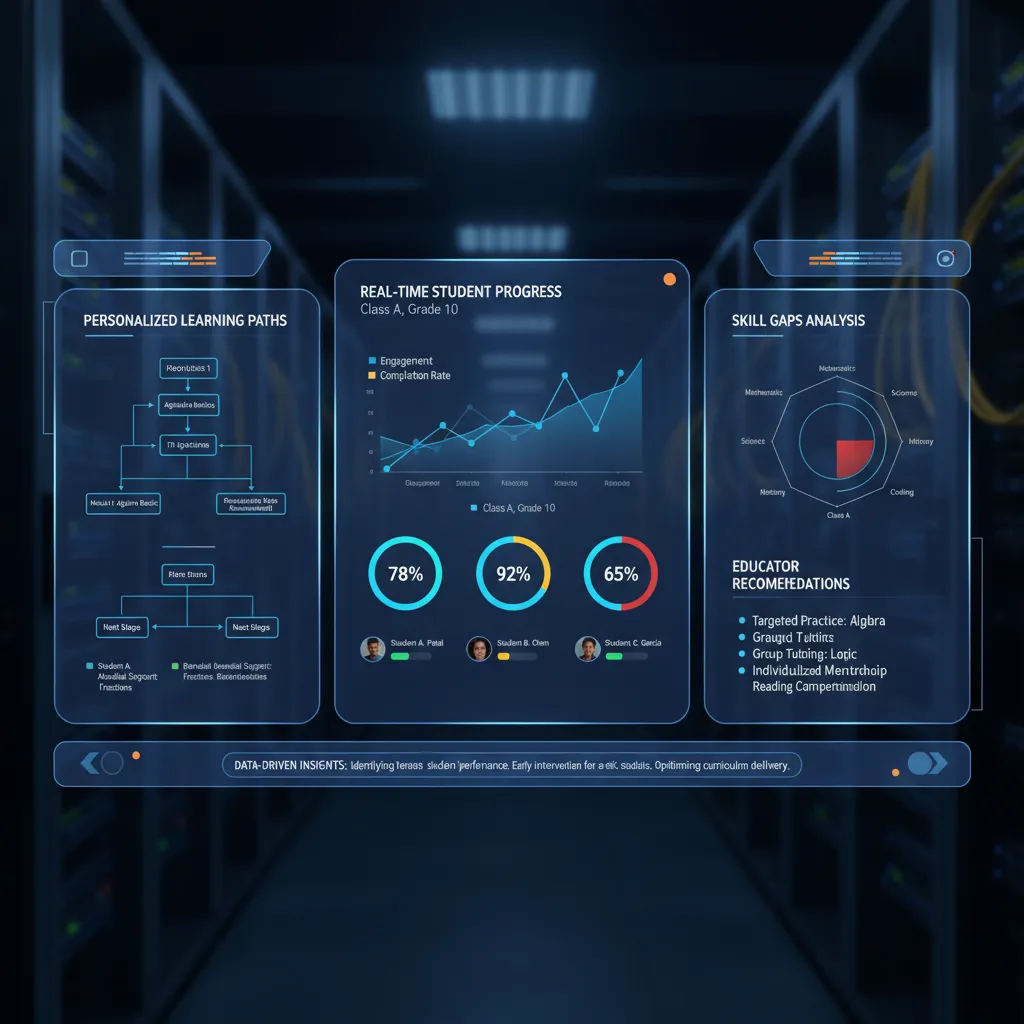
While adaptive platforms offer unprecedented instructional efficiency, institutional leaders must navigate critical guardrails:
- Student Data Security: Protecting student learning profiles and biometric data with strict encryption standards.
- Algorithmic Fairness: Auditing training datasets to ensure pacing algorithms do not systematically bias recommendations across demographic groups.
- Preserving Human Connection: Technology handles data analysis and repetitive drilling; human teachers provide the inspiration, empathy, and ethical guidance that algorithms cannot replicate.
Actionable Steps to Implement AI Learning in 2026
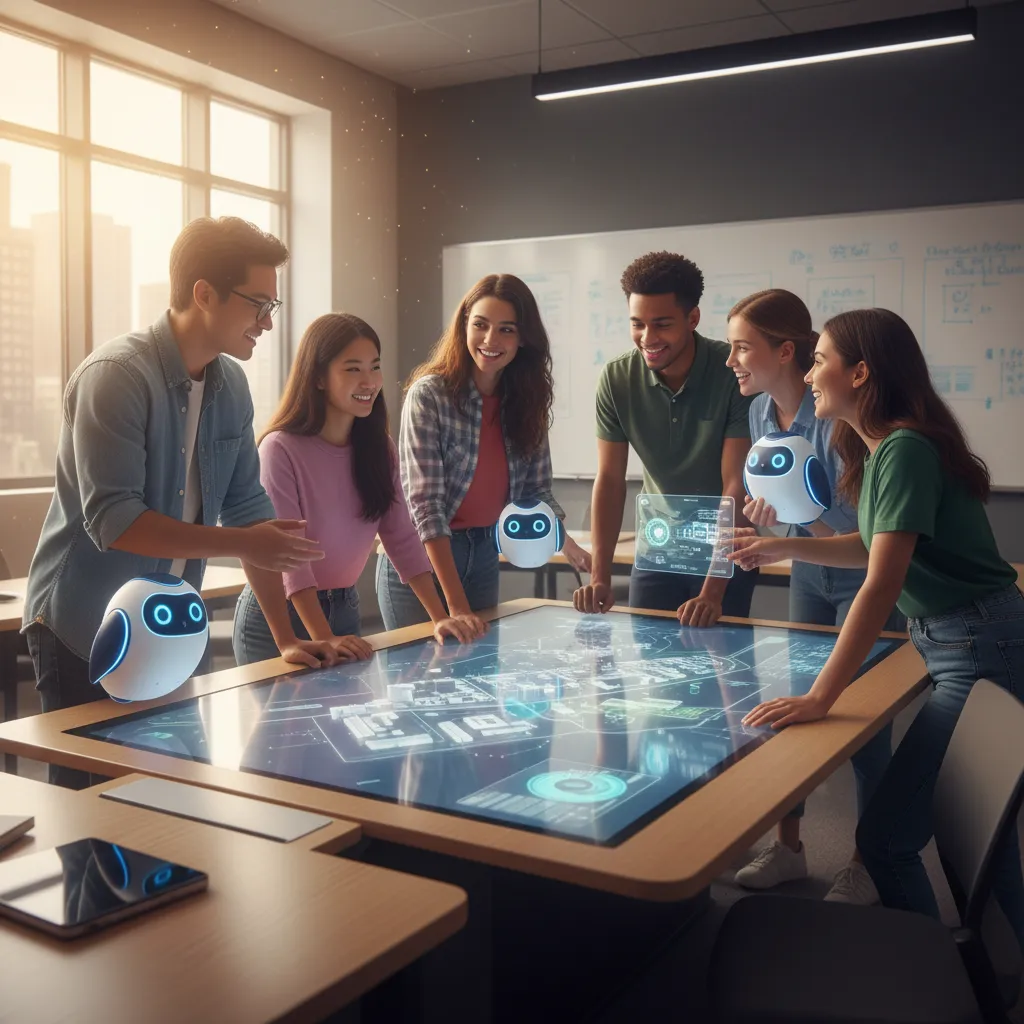
If you are an educator, student, or self-directed learner looking to leverage adaptive AI tools today, follow this 4-step framework:
- Establish a Diagnostic Baseline: Use tools like Khanmigo or diagnostic assessments to map current skill strengths and hidden gaps.
- Set Micro-Learning Cadences: Schedule 20–30 minute focused adaptive sessions daily rather than multi-hour passive video bingeing.
- Audit Error Logs Weekly: Review the platform’s error categorization to target weak conceptual areas with manual practice.
- Integrate Real-World Projects: Apply learned concepts immediately through hands-on building, writing, or coding to cement neural retention.