AI, AR & VR: The Future of Immersive Virtual Travel
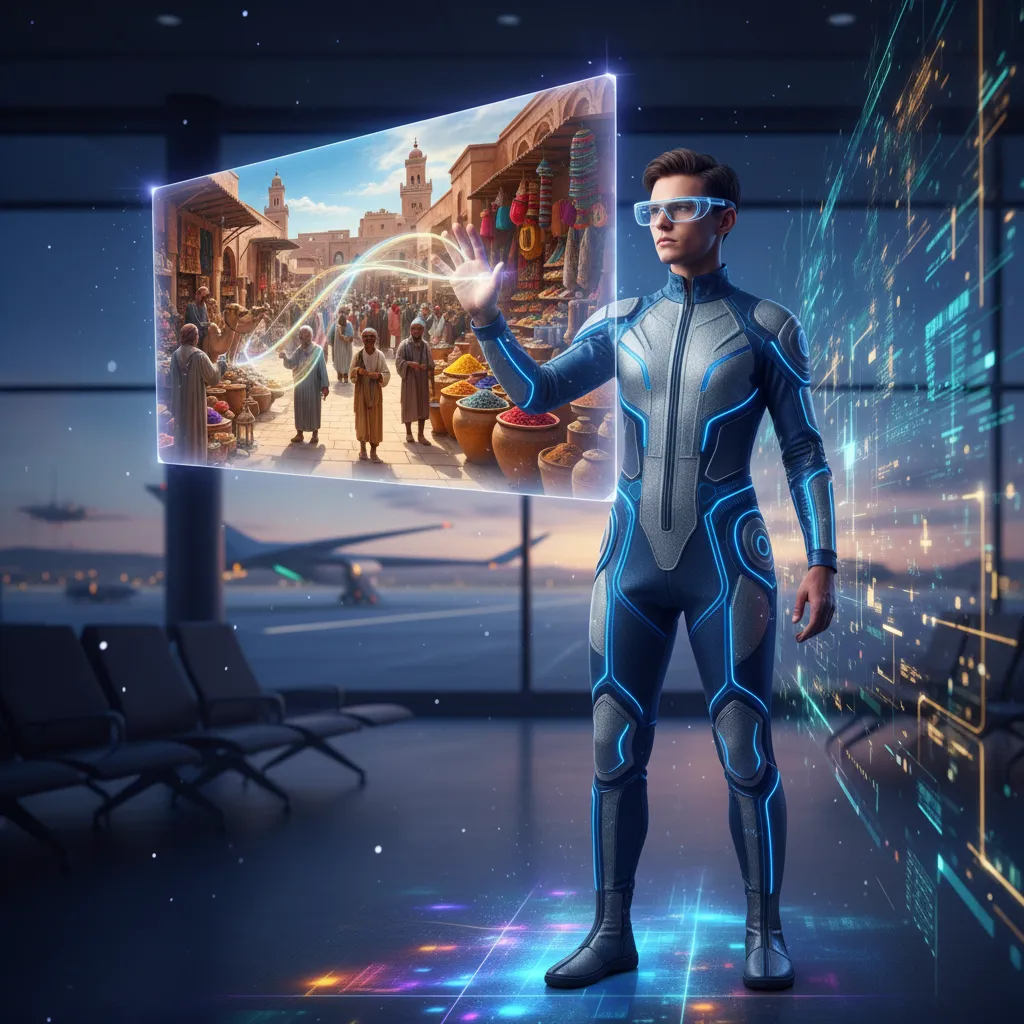
For centuries, exploring the world required physical planes, guidebooks, and language barriers.
Today, the fusion of Artificial Intelligence, Augmented Reality (AR), and Virtual Reality (VR) is revolutionizing how we discover the globe—blurring the line between physical exploration and digital immersion.
[!NOTE] What is AI-Powered Immersive Travel? AI-powered immersive travel is the integration of spatial computing headsets, generative AI algorithms, and real-time computer vision to create photorealistic virtual expeditions, live language translation, and contextual historical reconstructions.
⚖️ Traditional Tourism vs. Immersive AI/AR/VR Travel
| Dimension | Traditional Physical Travel | Immersive AI / AR / VR Travel | Advantage |
|---|---|---|---|
| Pre-Trip Planning | Static brochures & star ratings | Photorealistic 3D VR destination walkthroughs | 100% accurate expectation matching |
| Historical Sightseeing | Reading placards at ancient ruins | Real-time AR 3D architectural overlays | Brings ancient civilizations to life |
| Language Translation | Pocket dictionaries or translation apps | Live real-time audio & subtitle AR translation | Seamless cross-cultural dialogue |
| Environmental Impact | High carbon footprint from long flights | Zero-emission virtual ecotourism | Protects fragile ecosystems |
| Accessibility | Limited by mobility, visas, & budget | Global access for anyone with spatial headsets | Fully democratized exploration |
🌍 The 4 Pillars of Next-Generation Immersive Tourism
Immersive Travel Ecosystem:
VR Preview Expeditions ──► AI Itinerary Assembly ──► AR Physical Overlay ──► Spatial Cultural Immersion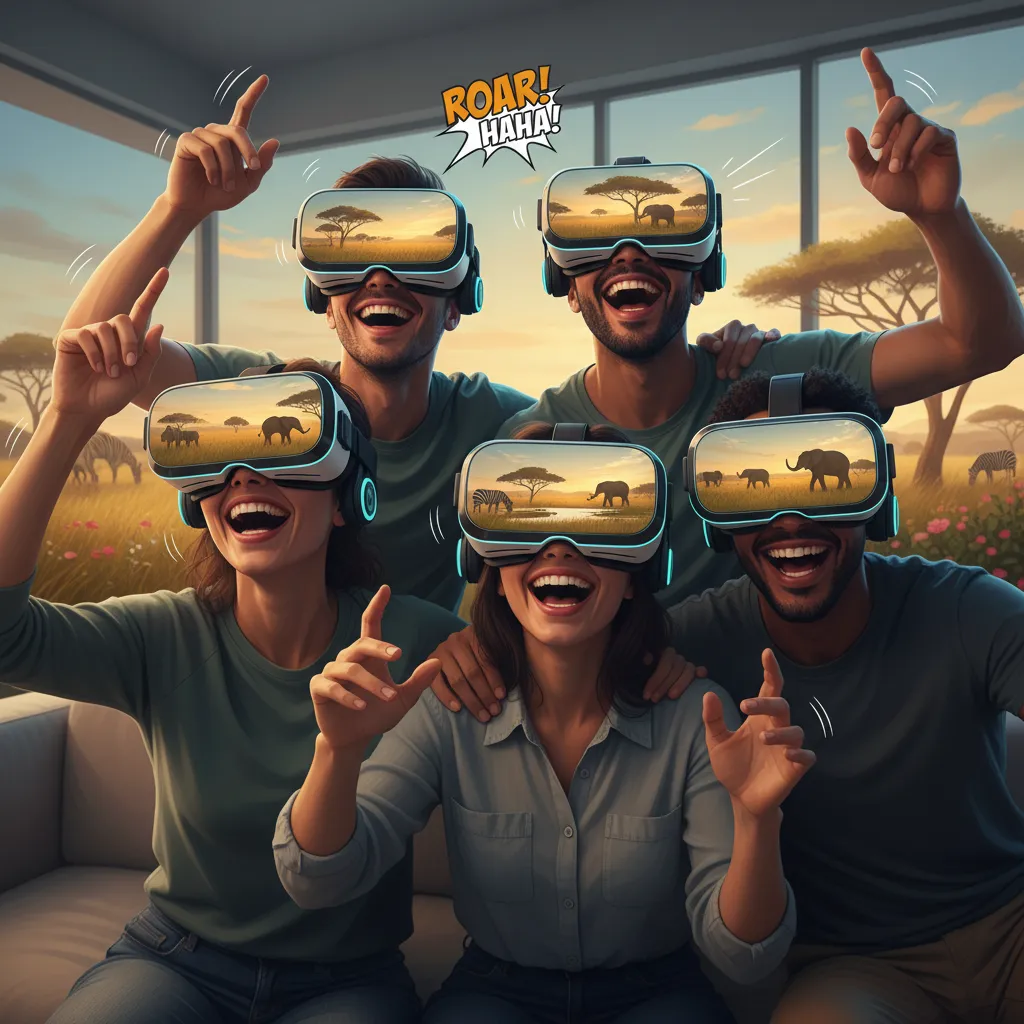
1. Photorealistic Virtual Expeditions & Eco-Tourism
High-fidelity headsets paired with 8K volumetric video allow users to embark on guided African wildlife safaris, deep-sea trench dives, and Antarctic expeditions without disturbing delicate ecosystems.

2. Augmented Reality Historical Overlays
When standing before the Roman Colosseum or Mayan pyramids, AR glasses reconstruct the ancient structures in full color, populating historical figures and events right before your eyes.
For responsible outdoor and adventure tourism guidelines, read our Adventure Travel & Responsible Exploration Guide.
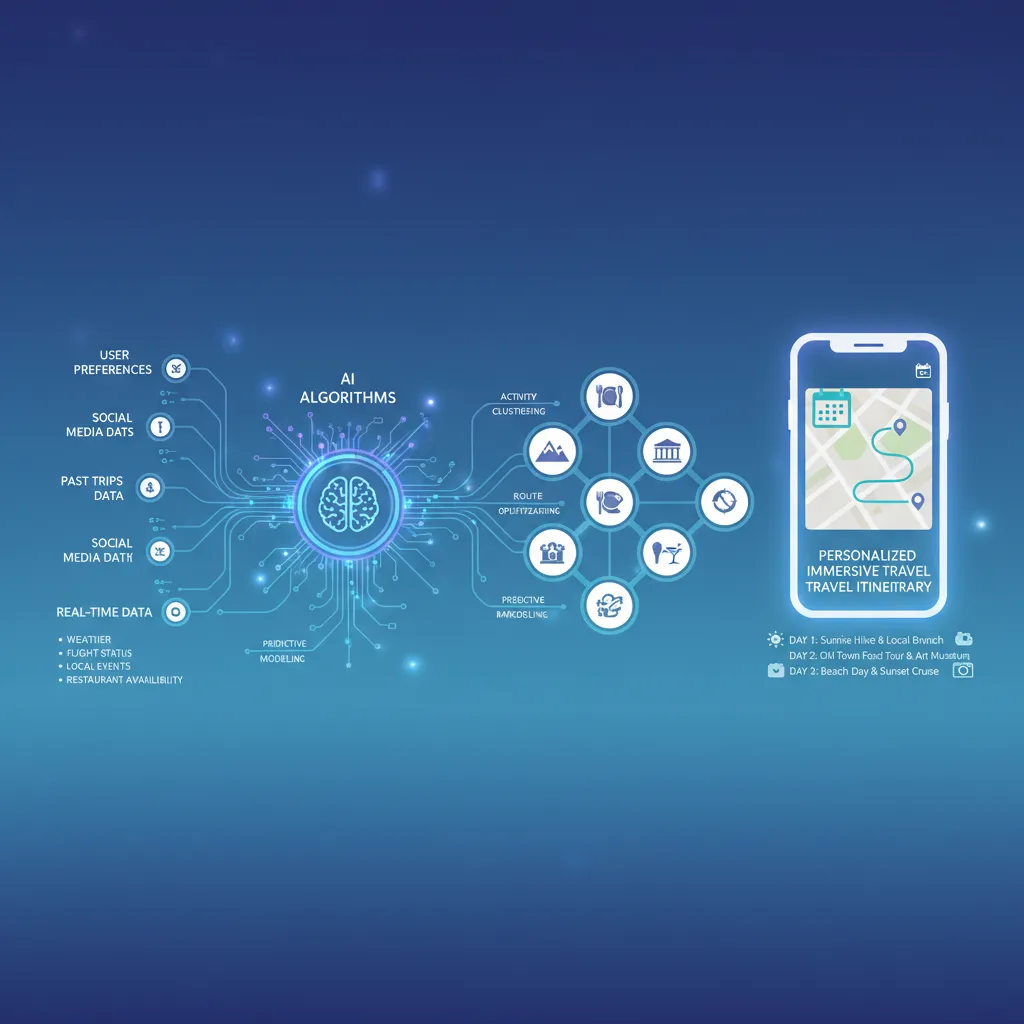
3. Real-Time Dynamic Itinerary Assembly
AI travel copilots continuously balance crowd density telemetry, flight pricing fluctuations, and personalized dining preferences to generate seamless daily travel itineraries in seconds.
For broader daily productivity and scheduling agents, explore our Mastering Daily Tasks with AI Agents.

4. Smart Navigation & Real-Time Spatial Translation
Navigating foreign cities is simplified with AR arrows projected onto sidewalks and real-time voice translation delivering crystal-clear bilingual conversations in your spatial audio earbuds.
🚀 3 Ways to Experience Immersive Travel in 2026
- Test Pre-Trip VR Walkthroughs: Use headsets like Meta Quest 3 or Apple Vision Pro to explore hotel rooms and neighborhoods before booking flights.
- Download AR City Guide Apps: Install location-aware AR apps when visiting historic centers for interactive museum and street tours.
- Leverage AI Trip Architects: Use generative travel agents to optimize transit routes and discover hidden local culinary spots.