AI in K-12 Education: The Future of Adaptive Learning & Student Success
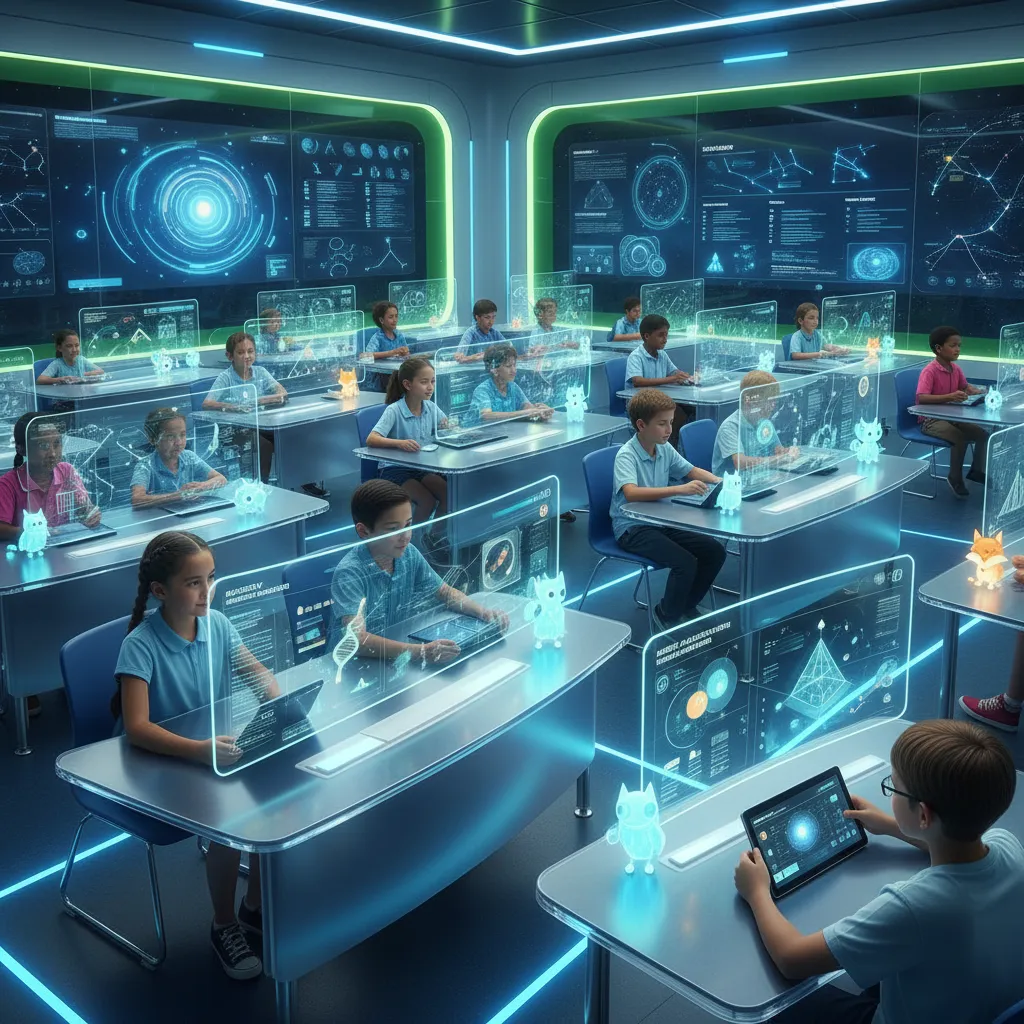
For over a century, primary and secondary education operated on an industrial batch-processing model—teaching entire classrooms of thirty students the exact same textbook lesson at the exact same pace.
This rigid structure left struggling students frustrated while failing to challenge gifted learners. AI-driven K-12 adaptive learning systems provide a dynamic alternative—customizing instruction to every child’s unique cognitive pace to close learning gaps and foster lifelong intellectual curiosity.
[!NOTE] What is K-12 Adaptive Learning? K-12 adaptive learning is an educational technology framework where machine learning algorithms continuously analyze student problem-solving steps, diagnosing conceptual bottlenecks and delivering tailored micro-lessons to ensure complete foundational mastery before advancing.
⚖️ Standardized K-12 Instruction vs. AI-Driven Adaptive Learning
| Educational Factor | Traditional Industrial Curriculum | AI-Driven Adaptive Learning | Student Academic Outcome |
|---|---|---|---|
| Learning Pace | Locked to class average | Self-paced dynamic acceleration/remediation | 2.5x faster grade-level mastery |
| Feedback Latency | Days or weeks (graded tests) | Instant (millisecond step-by-step guidance) | Eliminates compound learning deficits |
| Curriculum Structure | Rigid linear textbook chapters | Dynamic branching skill mastery graphs | Zero student boredom or anxiety |
| Teacher Support | Overwhelmed by administrative grading | AI copilot handles grading & generates lesson plans | 10+ hours reclaimed for 1-on-1 mentorship |
| Assessment Model | High-stress end-of-unit exams | Continuous, invisible diagnostic telemetry | Accurate, holistic skill evaluation |
🎒 The 4 Engines of the K-12 Adaptive Learning Ecosystem
K-12 Adaptive Learning Cycle:
Diagnostic Skill Map ──► Intelligent Socratic Tutoring ──► Hands-On Activities ──► Teacher Copilot Insights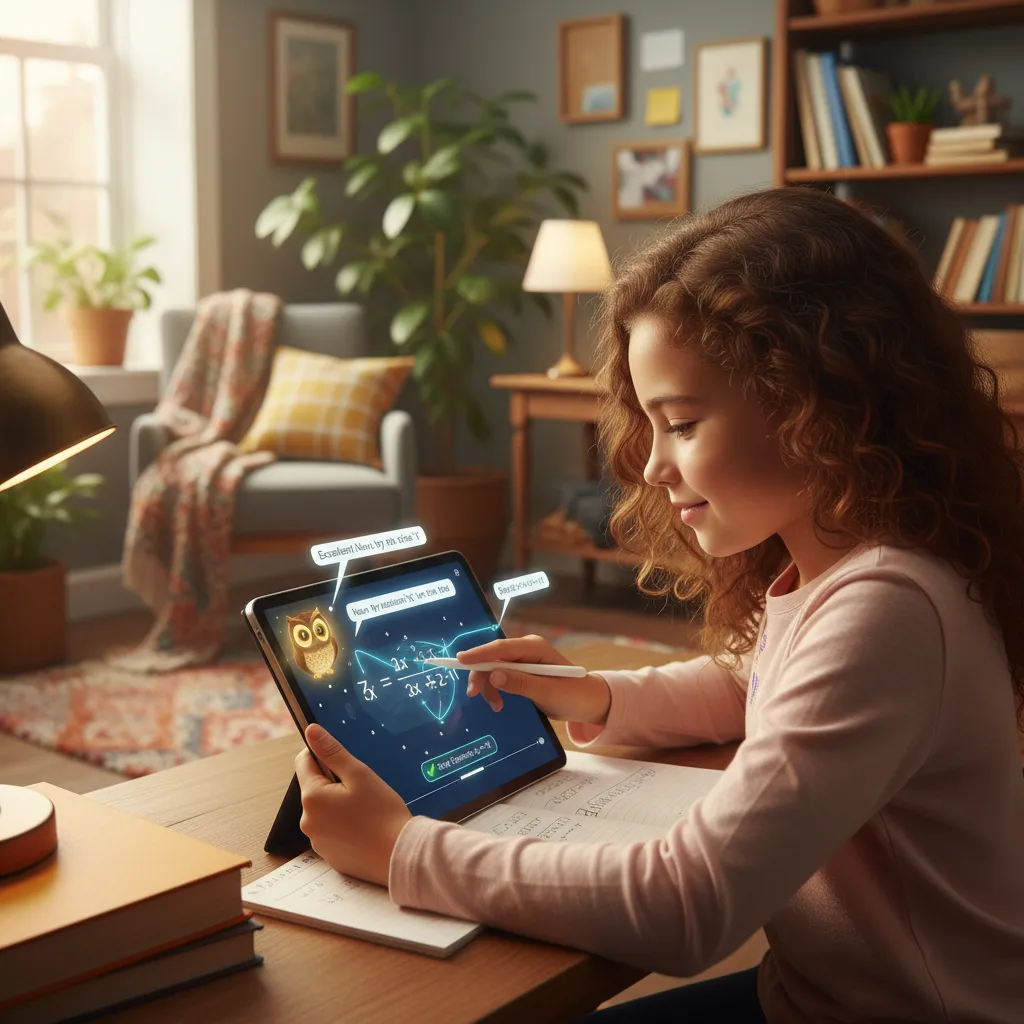
1. 24/7 Intelligent Socratic Tutors
When students get stuck on algebra or science homework at home, conversational AI tutors guide them with progressive hints and interactive diagrams, cultivating true independent problem-solving skills.
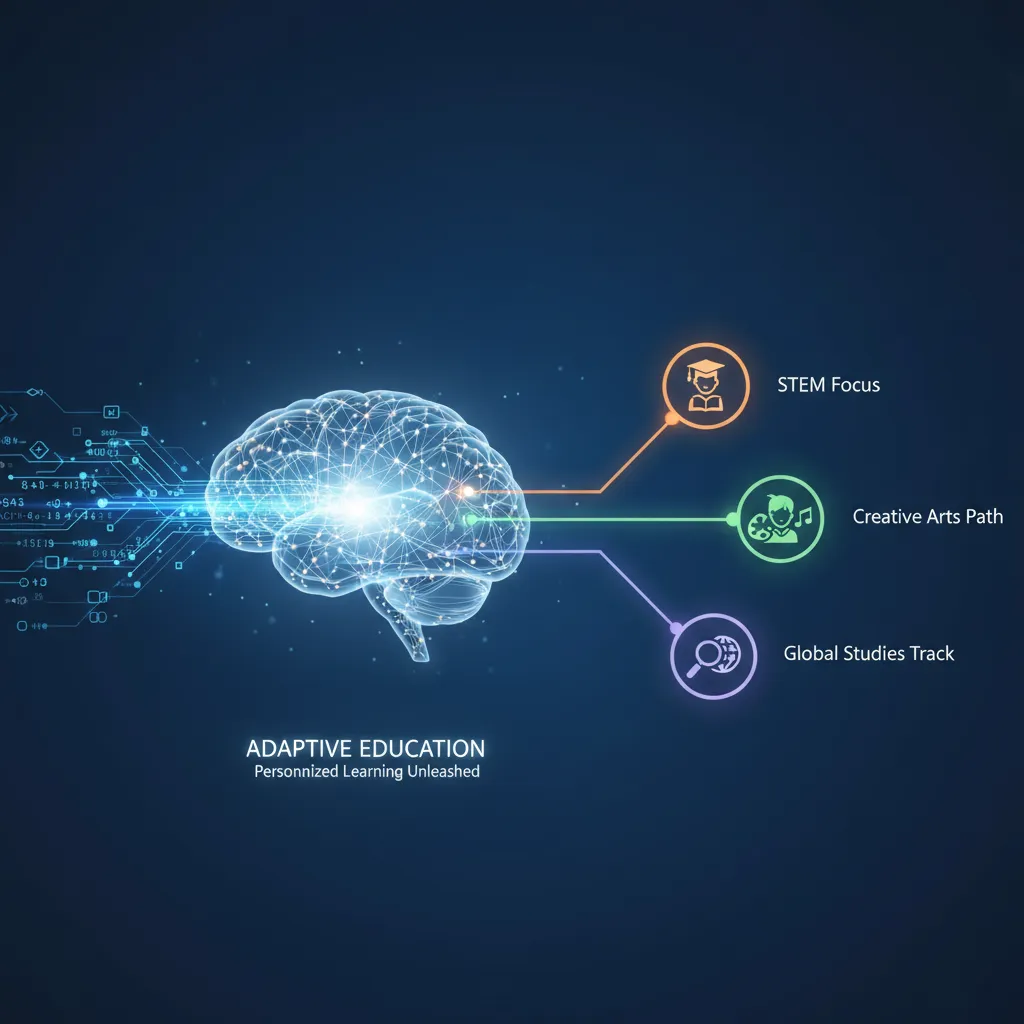
2. Dynamic Curriculum Pathways & Skill Branching
If a 4th grader demonstrates intuitive mastery of fractions, the system automatically advances them to pre-algebra concepts, while providing visual fraction models for students needing extra practice.
For institutional strategies and adult upskilling, explore our guide on AI-Powered Personalized Learning Systems and AI Adaptive Learning Ecosystems.
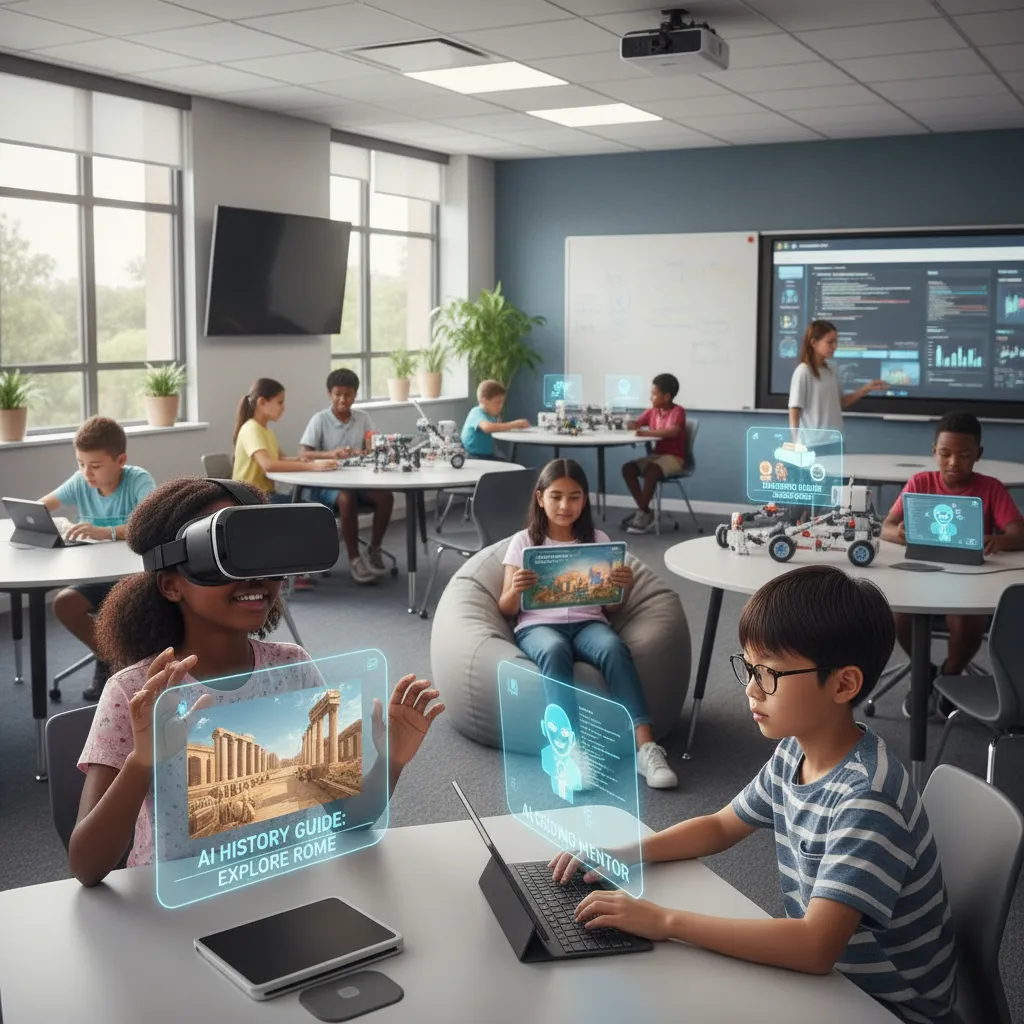
3. Diverse Collaborative Learning Activities
AI platforms orchestrate small-group collaborative projects, grouping students with complementary cognitive strengths to solve real-world environmental and scientific challenges.
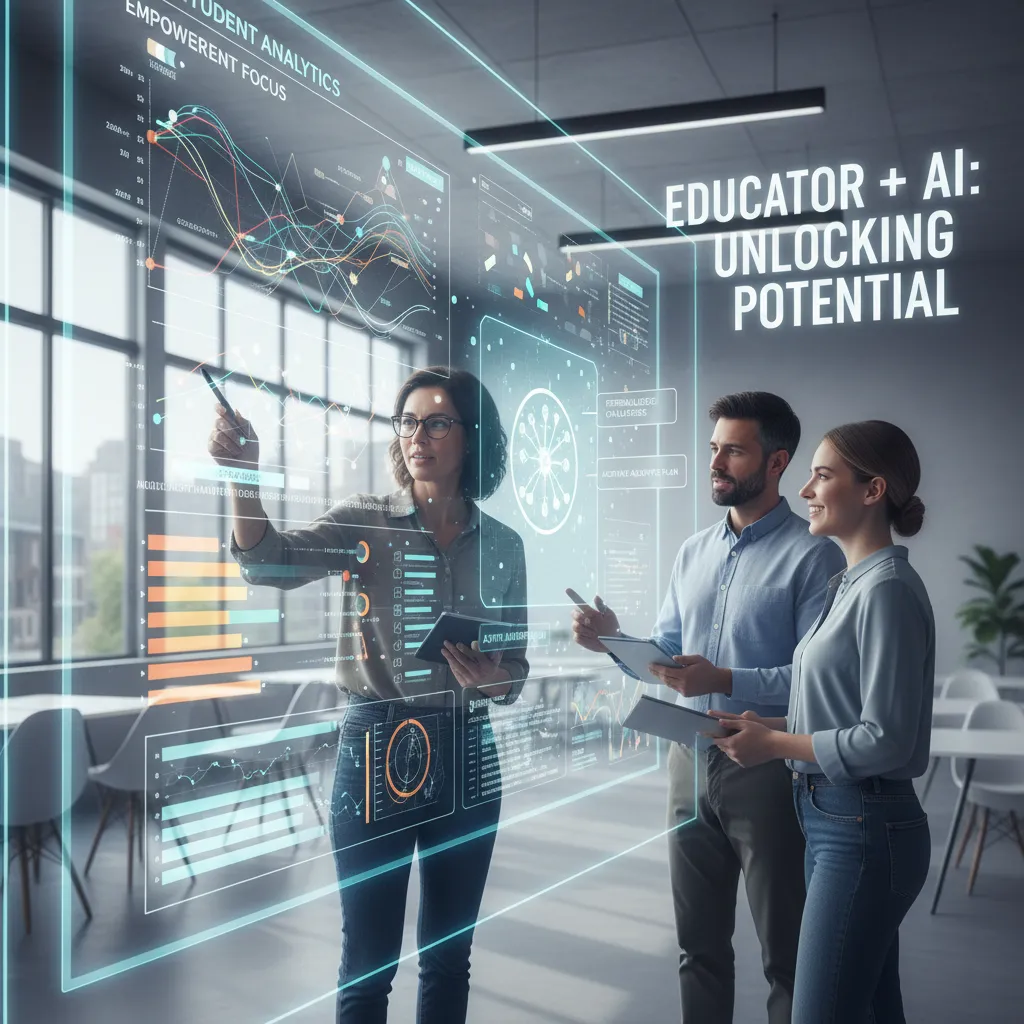
4. Teacher Copilots & Real-Time Classroom Analytics
Educators view a live classroom heat map showing which students need immediate 1-on-1 intervention, allowing for targeted small-group breakout instruction during class time.
For broader applications in classroom transformation, read our guide on The AI Classroom Revolution.
🚀 3 Recommendations for K-12 Educators and Parents in 2026
- Focus on Mastery, Not Speed: Ensure students achieve 90%+ comprehension on foundational math and reading units before advancing.
- Encourage Socratic Prompting: Guide children to ask AI tutors “Why is this the solution?” rather than simply asking for the final answer.
- Protect Screen-Life Balance: Balance adaptive digital study sessions (20–30 minutes) with physical book reading, outdoor play, and hands-on science crafts.