The AI Classroom Revolution: Adaptive Tutoring & Immersive VR Education
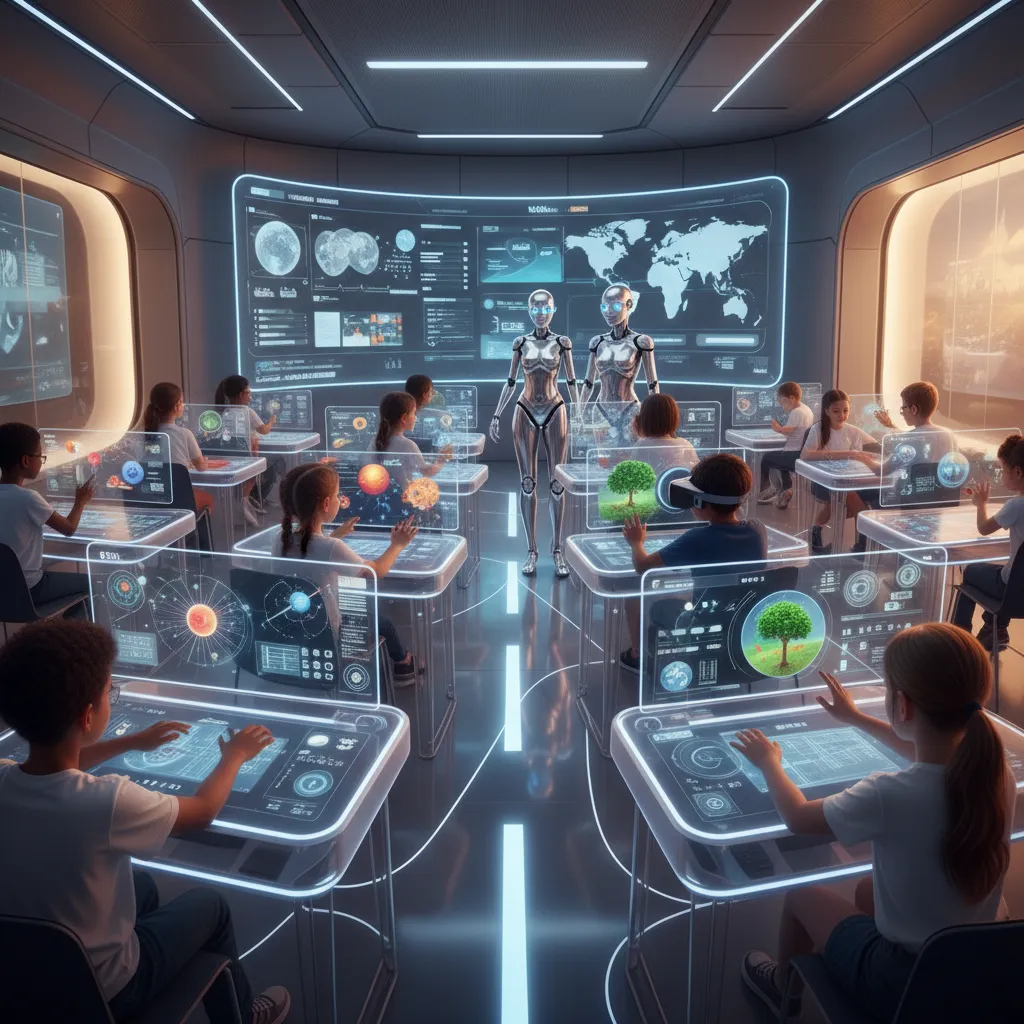
For generations, classroom education was defined by rigid schedules, standardized textbooks, and one-size-fits-all lectures that left struggling students behind while boring advanced learners.
The AI classroom revolution is dismantling this outdated structure. By pairing real-time adaptive tutoring algorithms with immersive spatial VR, modern classrooms engage every student at their precise cognitive level.
[!NOTE] What is the AI Classroom Revolution? The AI classroom revolution is an educational model where intelligent software platforms continuously assess student comprehension, adjust instructional pacing dynamically, and supply educators with diagnostic analytics to maximize individual academic achievement.
⚖️ Standardized Industrial Classrooms vs. AI-Enhanced Learning Spaces
| Educational Factor | Industrial 20th-Century Classroom | AI-Enhanced Smart Classroom | Student Outcome |
|---|---|---|---|
| Instruction Pace | Fixed to classroom median | Self-calibrating real-time speed | 2x faster curriculum mastery |
| Engagement Format | Passive 45-minute lectures | Interactive VR simulations & AI Socratic debates | 75% higher concept retention |
| Grading & Feedback | Multi-day turnaround for test scores | Instant automated diagnostic feedback | Immediate misconception correction |
| Teacher Role | 60% administrative paper grading | 80% direct mentorship & critical thinking coach | High-impact human connection |
| Curriculum Customization | Single rigid textbook path | Branching personalized learning pathways | Eliminates student frustration |
🎒 The 4 Pillars of Next-Generation Educational Tech
Smart Classroom Learning Engine:
Diagnostic Baseline ──► Adaptive Practice ──► Immersive VR Exploration ──► Teacher Dashboard Insights
1. Real-Time Adaptive Tutoring & Socratic Guidance
Intelligent tutoring agents guide students through complex math and science problems step-by-step, providing progressive hints and visual conceptual models rather than simply providing answers.
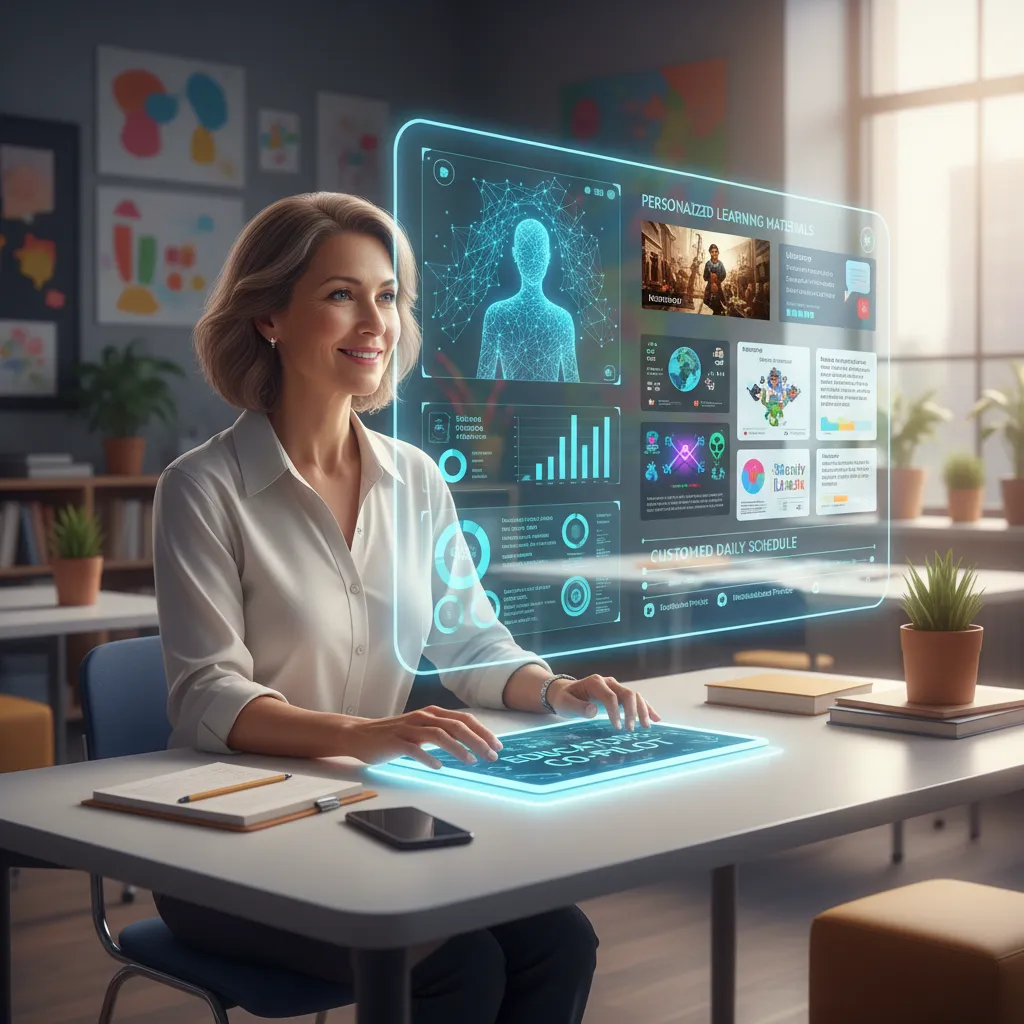
2. Teacher Copilots & Differentiated Lesson Planning
Educators use generative AI assistants to create tiered reading materials matching varying literacy levels in a single classroom, saving hours of weekly prep time.
For institutional strategies on scaling these systems, explore our guide on AI-Powered Personalized Learning Systems and AI Adaptive Learning Ecosystems.
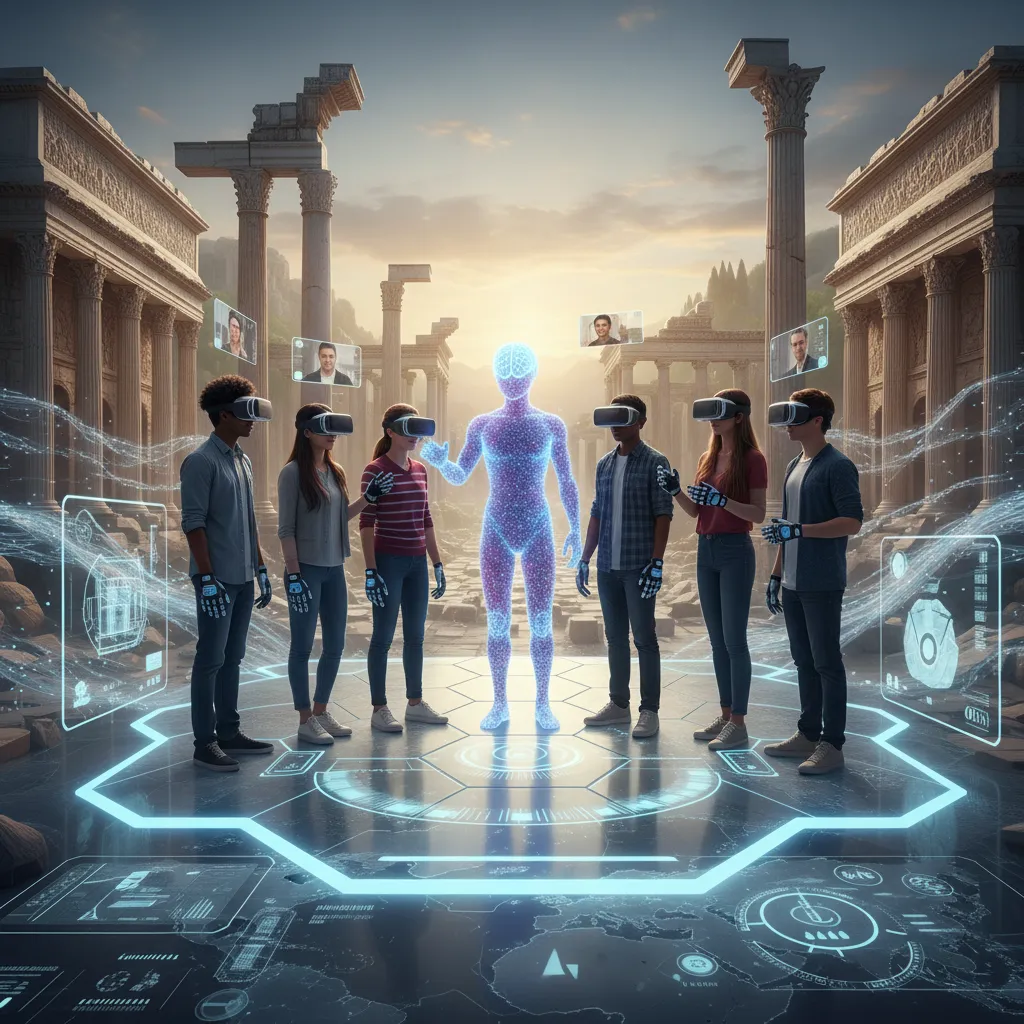
3. Spatial VR Field Trips & Virtual Lab Experiments
Instead of reading about ancient civilizations or astrophysics in flat books, students put on spatial computing headsets to explore ancient Roman forums or pilot probes through the solar system.
For related insights on how virtual tourism is revolutionizing cultural exploration, read our guide on AI, AR, and VR Immersive Travel.
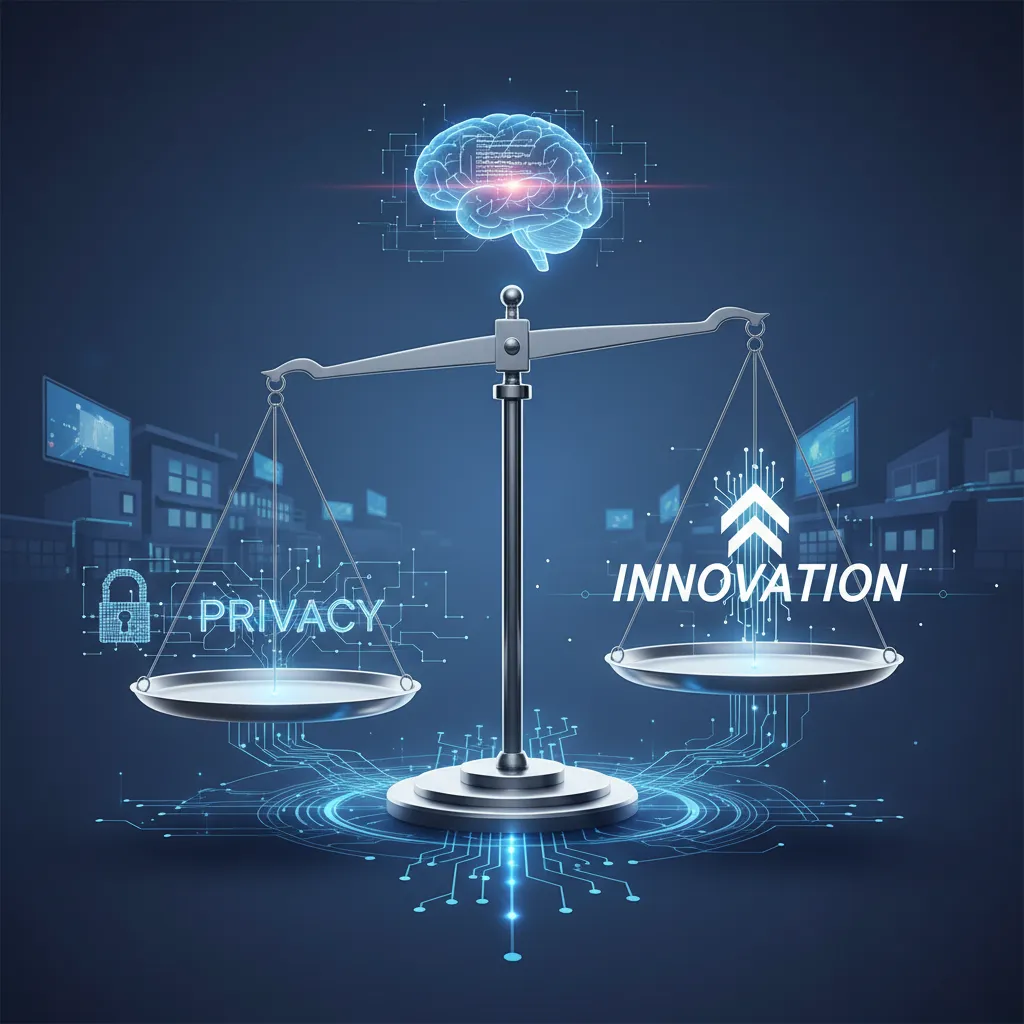
4. Ethical AI Integration & Algorithmic Guardrails
Responsible smart schools audit algorithms regularly to prevent demographic biases, enforce strict student data privacy, and teach critical media literacy to help students evaluate AI outputs.
🚀 3 Steps for Schools Implementing AI in 2026
- Adopt AI-Assisted Formative Assessments: Replace high-stakes end-of-term testing with continuous low-stakes diagnostic telemetry.
- Train Teachers as Orchestration Mentors: Equip educators with professional development on prompt engineering and learning analytics interpretation.
- Establish Data Privacy Firewalls: Guarantee all student learning profiles remain strictly encrypted and isolated from external advertising brokers.