AI Financial Fraud Prevention: The Machine Learning Security Revolution
Financial crime has evolved into a multi-billion-dollar global enterprise. Cybercriminals deploy generative deepfakes, automated botnets, and sophisticated synthetic identities that outmaneuver legacy banking security rules.
Defending against these automated attacks requires machine learning fraud detection and autonomous cybersecurity defense—analyzing millions of transactions in milliseconds to neutralize fraud before money leaves accounts.
[!NOTE] What is AI Financial Fraud Prevention? AI financial fraud prevention is the use of deep neural networks, graph analysis, and behavioral biometrics to monitor payment networks, identify anomalous transactions, verify user identities, and block malicious activity in real time with sub-millisecond latency.
⚖️ Static Rule-Based Filters vs. Machine Learning Fraud Detection
| Security Factor | Legacy Static Rule-Based Filters | Machine Learning Fraud AI | Defense Impact |
|---|---|---|---|
| Analysis Latency | Batch processing (hours or days) | Sub-millisecond real-time scoring | Blocks fraud before checkout |
| Zero-Day Attack Defense | Blind to new unseen attack vectors | Behavioral anomaly detection catches new patterns | Stops 95%+ of novel fraud schemes |
| False Decline Rate | High (frequently blocks real shoppers) | Context-aware continuous learning | 60% fewer false decline headaches |
| Identity Verification | Static passwords & SMS 2FA codes | Continuous behavioral biometrics & passkeys | 100% phishing-resistant |
| Synthetic Identity Catch | Bypassed by fake credit profiles | Graph neural networks uncover fraud rings | Unmasks sophisticated fraud networks |
🛡️ The 4 Lines of Machine Learning Fraud Defense
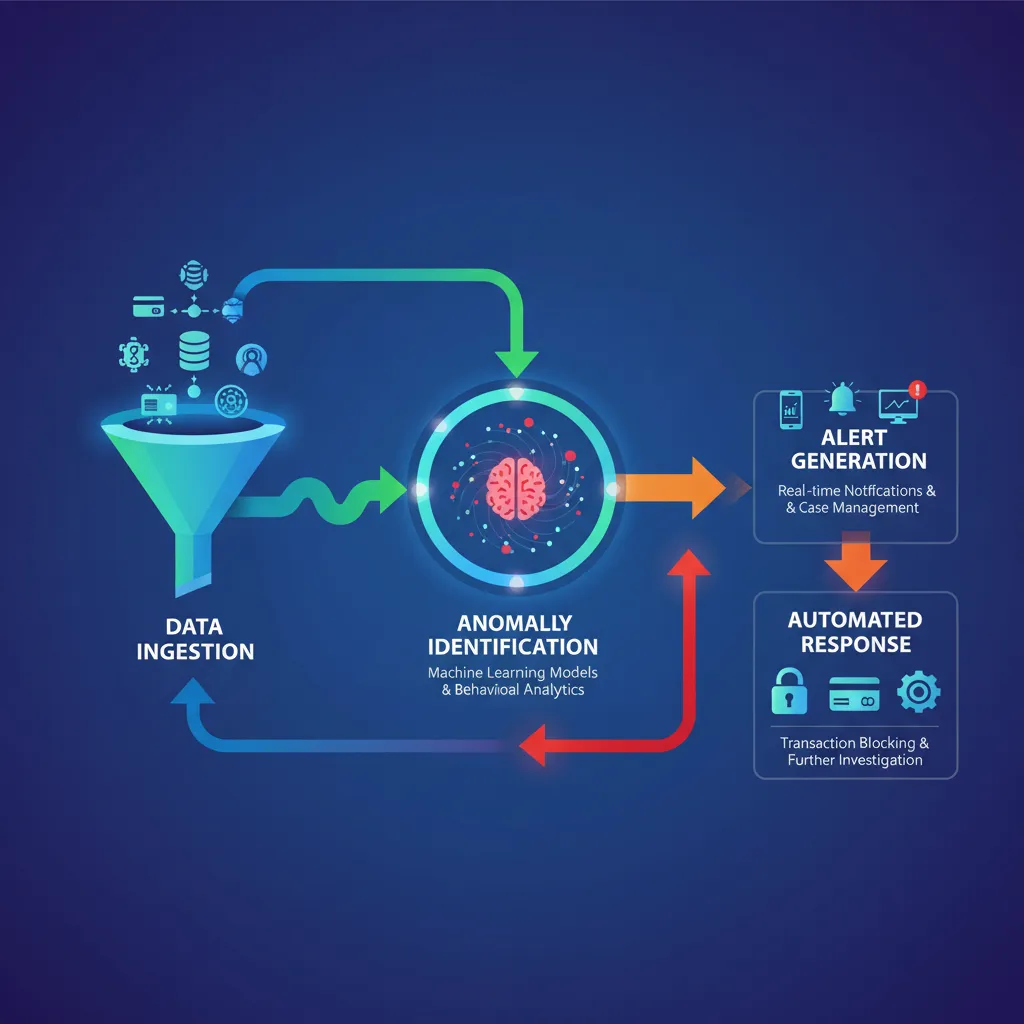
Fraud Prevention Pipeline:
Transaction Stream ──► Feature Engineering (1,000+ points) ──► Neural Risk Scoring ──► Sub-Millisecond Decision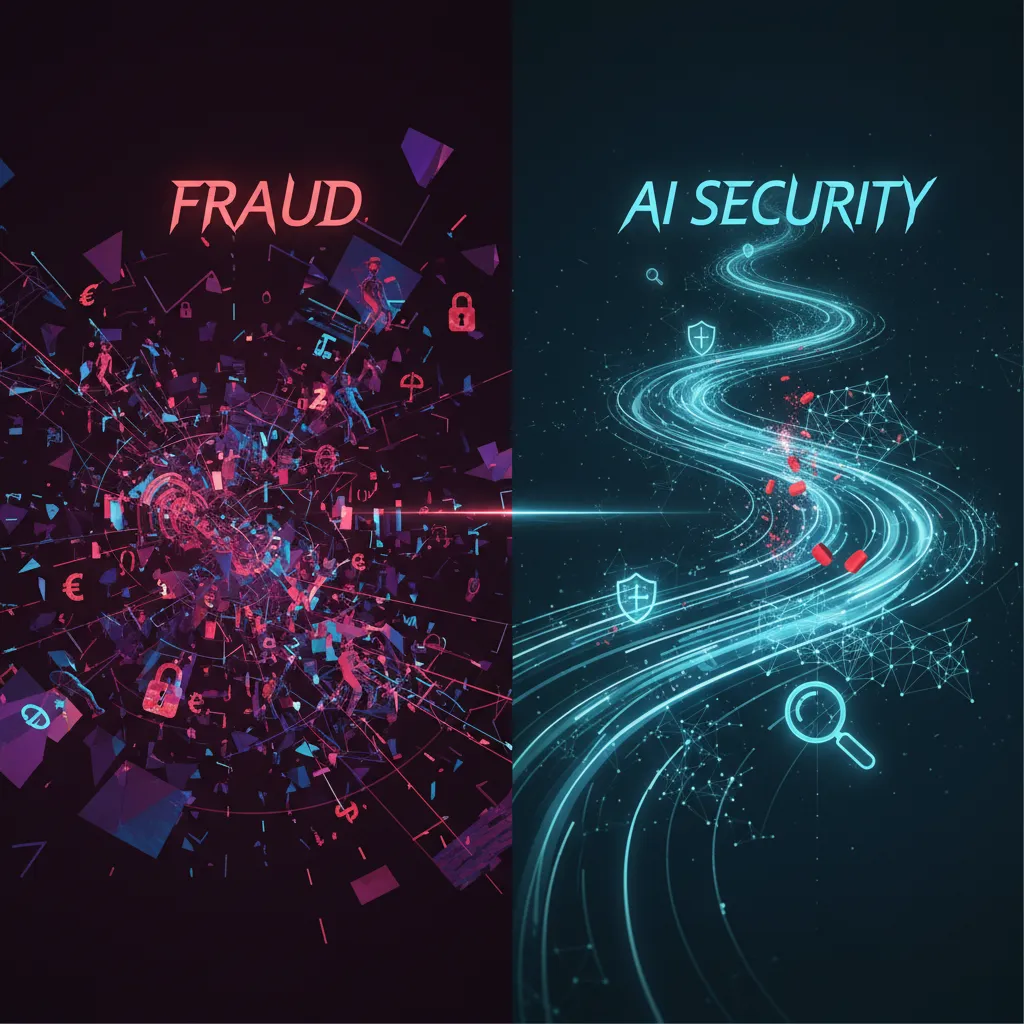
1. Real-Time Transaction Scoring & Anomaly Hunting
Deep learning models evaluate device telemetry, network routing, and historical spending cadences within 50 milliseconds, distinguishing between a customer on vacation and an international hacker.

2. Multi-Layered Behavioral Biometrics & Passkeys
Financial institutions track how users interact with screens—touch pressure, swipe angles, and mouse trajectories—creating an invisible behavioral signature that blocks account takeovers.
For biometric identity standards, explore our guide on AI Biometrics & Secure Identity Access.
3. Anti-Money Laundering (AML) & Graph Neural Networks
Graph neural networks trace complex networks of shell corporations and nested cryptocurrency wallets, identifying illicit laundering patterns and structuring schemes that evade manual audits.
For blockchain governance and smart contract security, check out our guide on AI DAOs & Decentralized Governance.
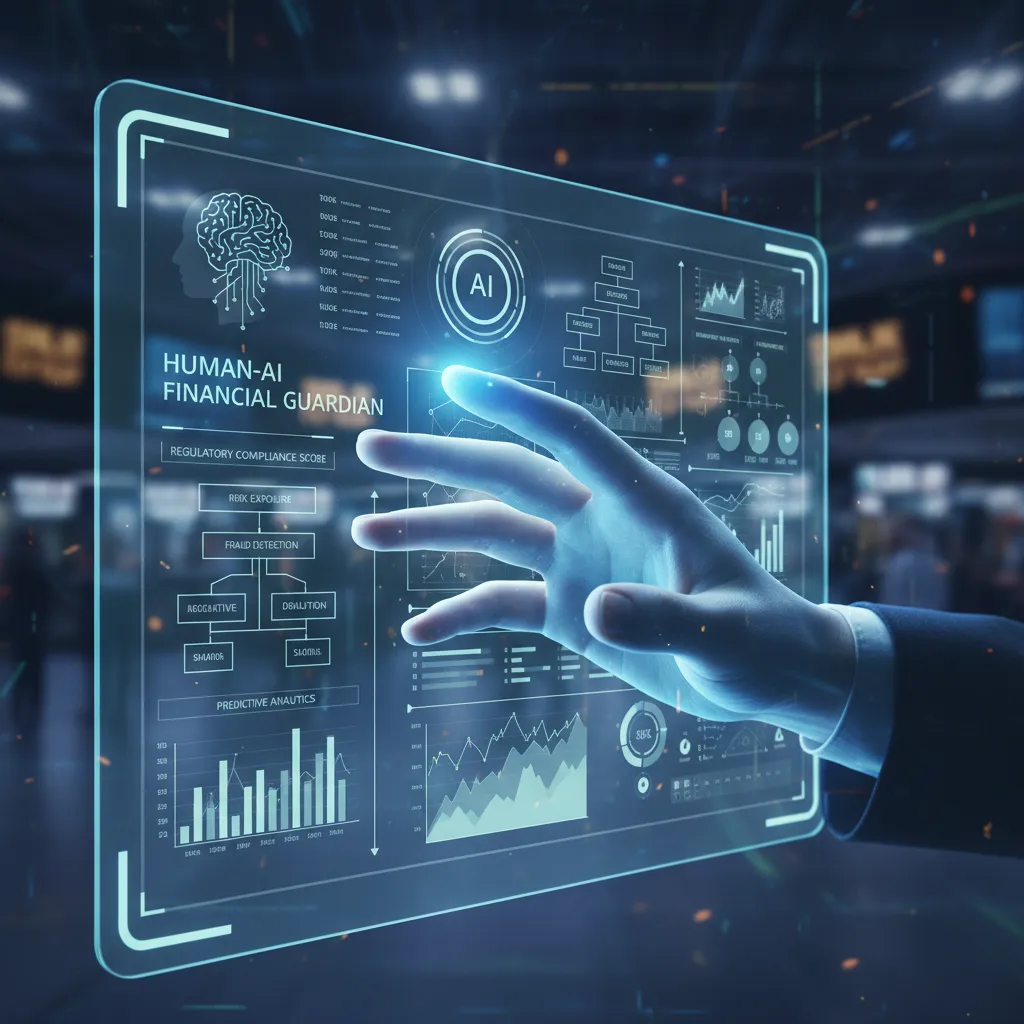
4. Human-AI Collaborative Risk Analytics
Fraud analysts collaborate with AI copilots to investigate large-scale cybercrime networks, generating automated evidence dossiers for international law enforcement agencies.
For broader cybersecurity frameworks, read our guide on AI Cybersecurity & Digital Defense.
🚀 3 Personal Security Rules for Consumers in 2026
- Enable Biometric Passkeys on Banking Apps: Replace SMS verification codes with FIDO2 hardware passkeys.
- Review Real-Time Push Alerts: Set immediate mobile push notifications for all credit and debit card transactions over $1.
- Use Virtual Credit Cards for Online Shopping: Generate single-use disposable card numbers for unfamiliar online merchants.