AI Biometrics & Secure Identity Access: Next-Gen Cybersecurity
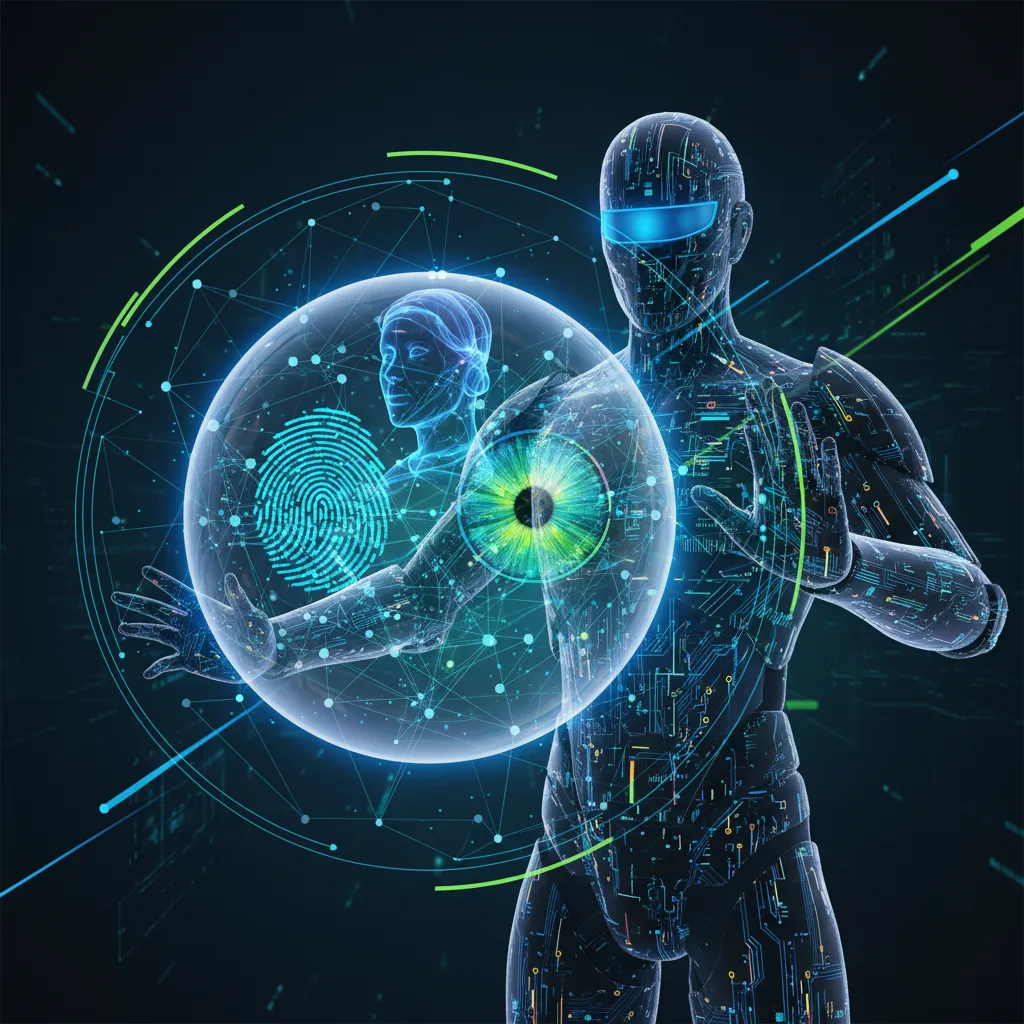
Traditional passwords are the single weakest link in digital security—vulnerable to phishing, credential stuffing, and data breaches compromising billions of accounts annually.
AI-powered biometric authentication is replacing static credentials with unforgeable physical and behavioral telemetry, creating a frictionless, passwordless future.
[!NOTE] What is AI Biometric Authentication? AI biometric authentication is a cybersecurity framework combining computer vision, thermal liveness detection, and machine learning pattern recognition to verify user identities instantly based on physical markers (facial geometry, iris patterns, fingerprints) or behavioral telemetry (keystroke dynamics, gait).
⚖️ Static Passwords / 2FA vs. AI-Powered Biometrics
| Security Factor | Legacy Passwords & SMS 2FA | AI-Powered Biometric Authentication | Advantage |
|---|---|---|---|
| Phishing Vulnerability | High (interceptable via fake login forms) | Zero (cannot be stolen via phishing) | 100% phishing-resistant |
| Authentication Speed | 10–20 seconds typing & checking SMS | Less than 200 milliseconds (glance/touch) | Instant frictionless access |
| Spoofing Defense | Susceptible to credential theft | Multi-spectral 3D liveness detection | Blocks deepfakes & synthetic masks |
| Continuity | One-time authentication at login | Continuous background behavioral verification | Prevents session hijacking |
| User Experience | Frequent forgotten password resets | Natural, passive human verification | Eliminates password fatigue |
🔐 The 4 Pillars of Next-Generation Biometric Security
Biometric Identity Architecture:
Sensor Capture ──► 3D Liveness Detection ──► Vector Encryption ──► Secure Enclave Match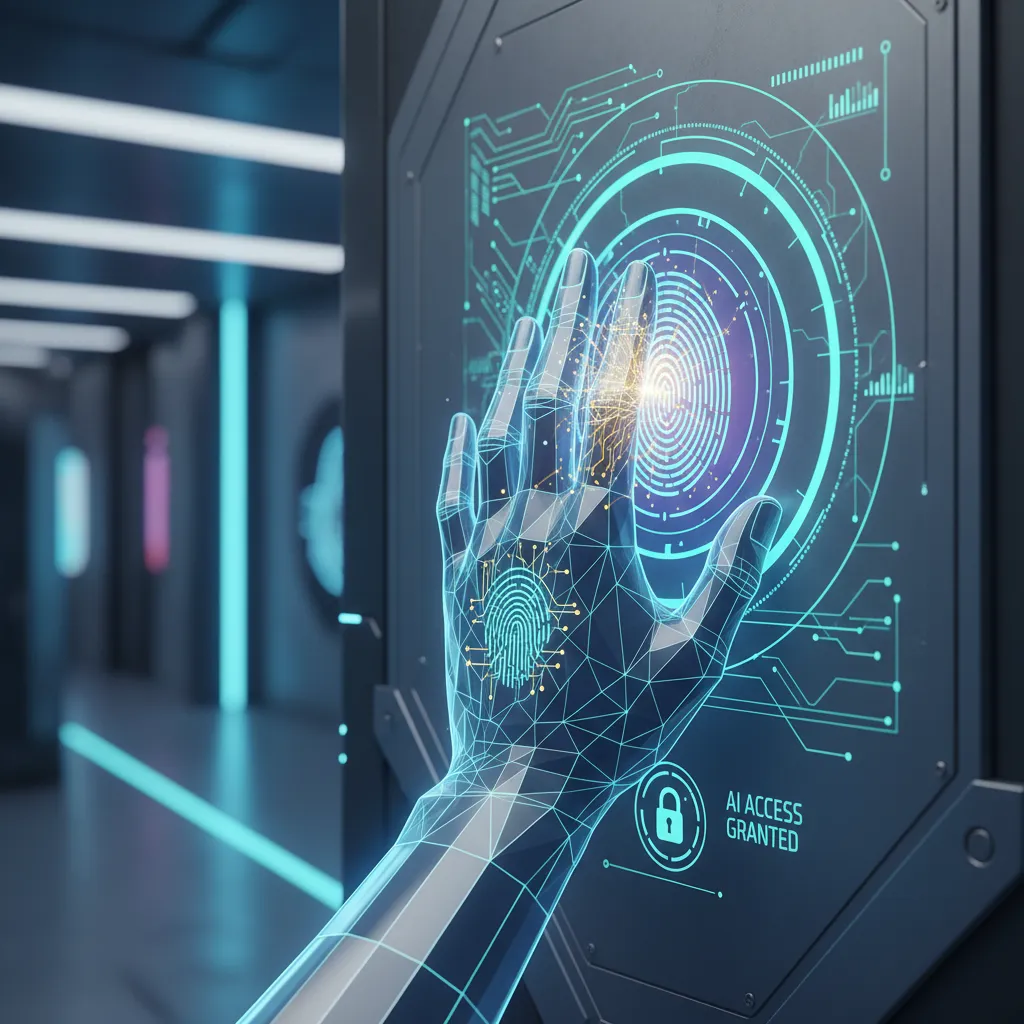
1. Ultrasonic Fingerprint Geometry
Modern ultrasonic sensors bounce high-frequency sound waves off the epidermal skin layers to construct a 3D topographic map of fingerprint ridges and pores, working effortlessly through moisture and lotion.
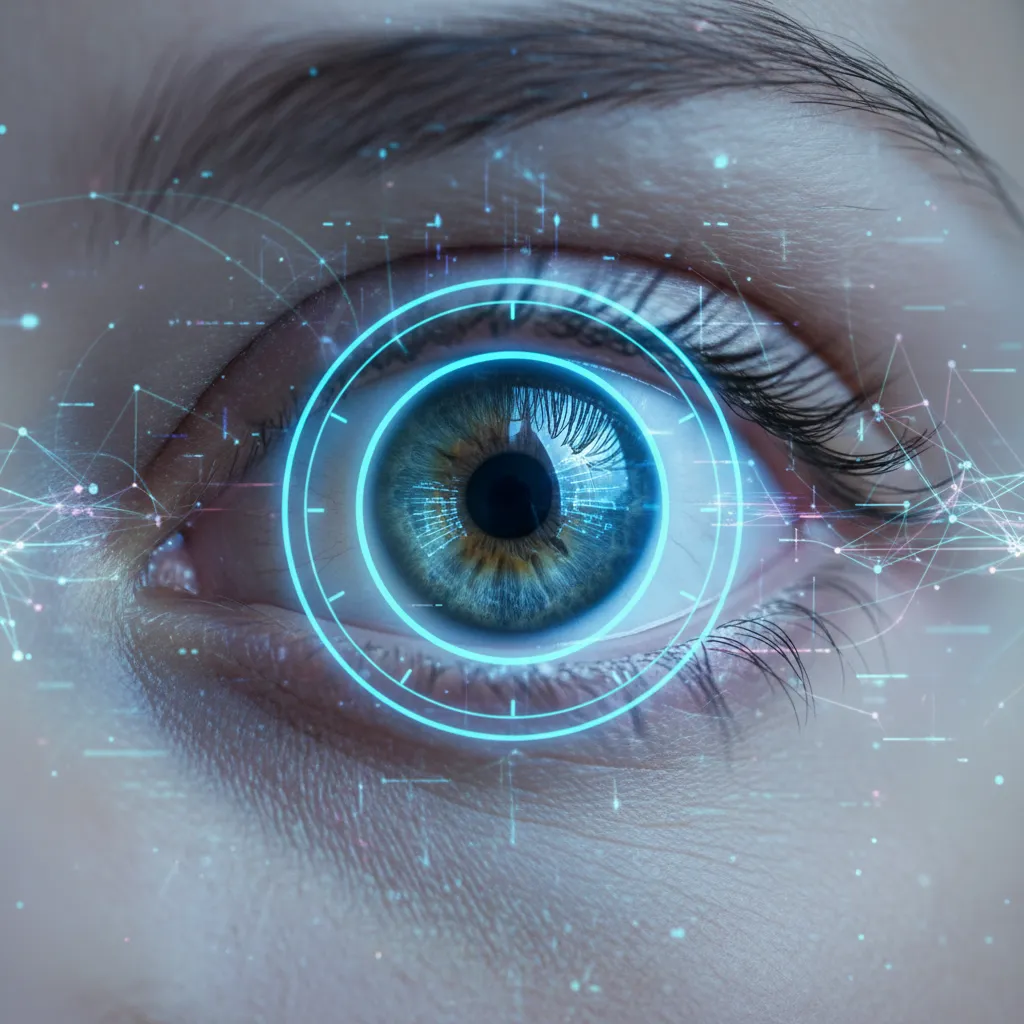
2. High-Precision Infrared Iris Scanning
With over 200 unique biometric degrees of freedom, infrared iris scanning remains one of the most mathematically secure authentication methods on Earth, completely unaffected by aging, cosmetic changes, or identical twins.
For securing enterprise automation systems and personal digital agents, explore our guide on AI Agents for Daily Life Automation.
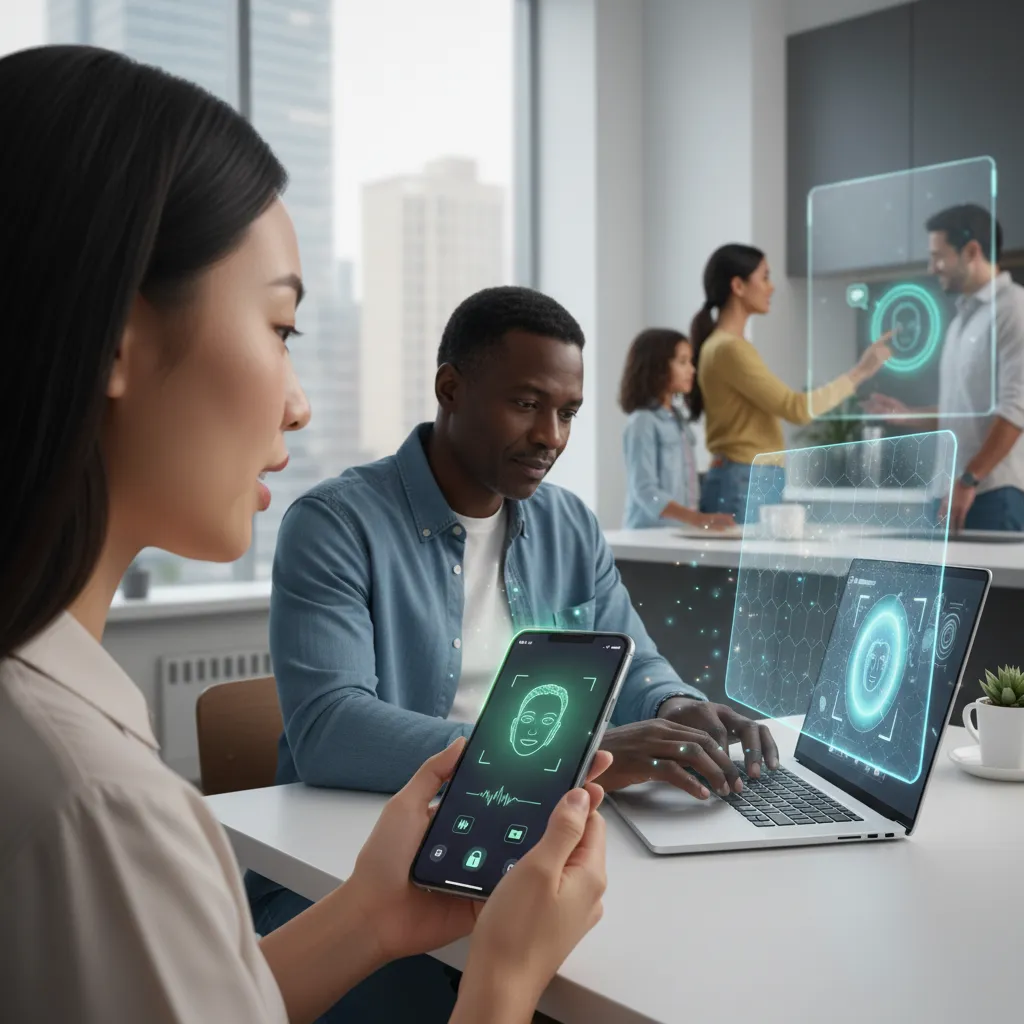
3. Multi-Modal Facial Liveness Detection
By projecting thousands of invisible infrared dots and measuring blood flow micro-pulses in skin capillaries, computer vision models distinguish genuine live users from high-resolution digital screens and 3D silicone replicas.
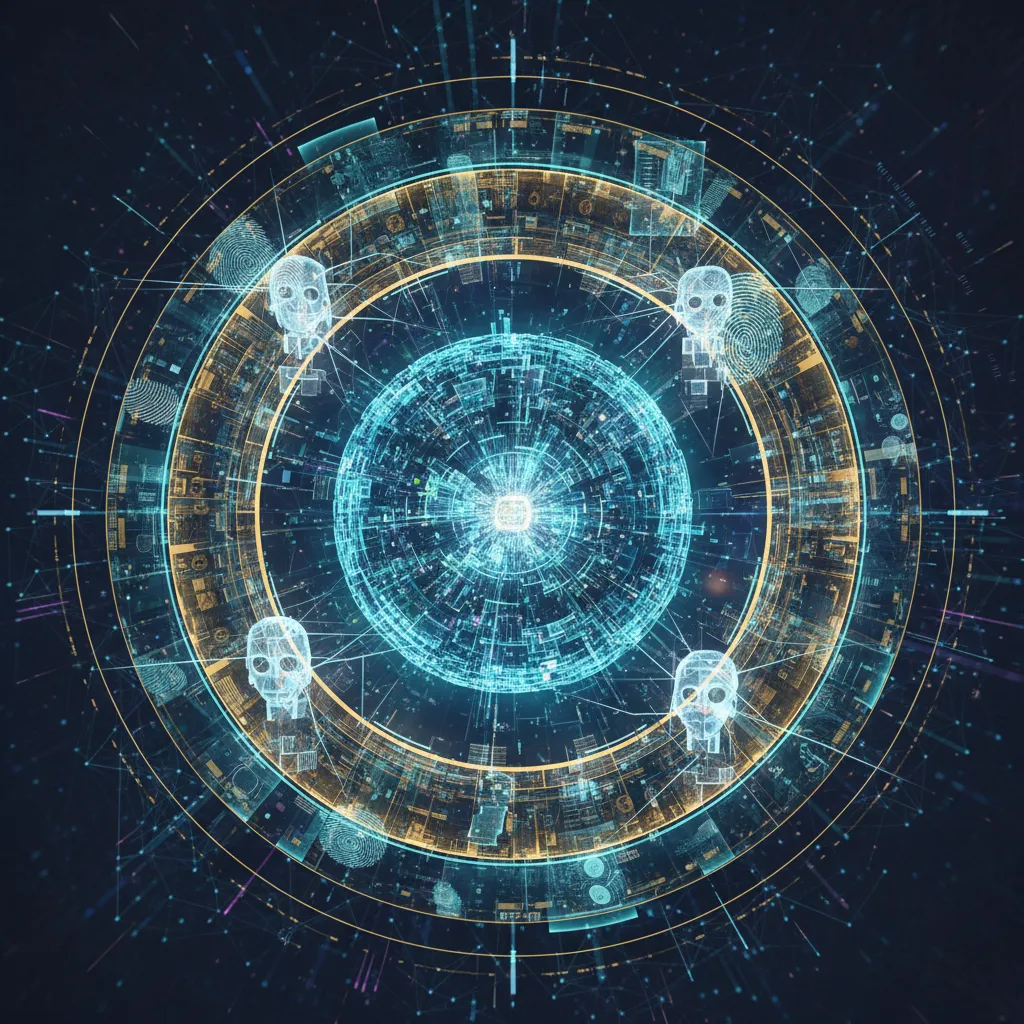
4. Zero-Knowledge Cryptographic Storage
Biometric profiles are converted into one-way mathematical hashes stored inside hardware Secure Enclaves, ensuring raw biometric images can never be reverse-engineered or extracted by hackers.
🚀 3 Best Practices for Biometric Security in 2026
- Enable Passkeys Across All Services: Replace legacy passwords with FIDO2/WebAuthn biometric passkeys on Google, Apple, and financial portals.
- Require Hardware Enclave Isolation: Ensure mobile and desktop devices use dedicated cryptographic security chips (Titan M2, Apple Secure Enclave).
- Combine Biometrics with Multi-Factor Recovery: Maintain secondary encrypted physical security keys (e.g., YubiKey) as disaster recovery backups.