AI Cybersecurity & Digital Defense: Autonomous Threat Detection & Zero Trust

As global digital infrastructure expands across cloud networks, decentralized protocols, and billions of connected IoT devices, the cyber threat landscape has become asymmetrical.
Adversaries deploy automated malware and AI-generated phishing lures that execute in fractions of a second. Defending against these modern threats requires autonomous AI cybersecurity and predictive digital defense.
[!NOTE] What is Autonomous AI Cybersecurity? Autonomous AI cybersecurity is the deployment of deep learning telemetry, behavioral anomaly detection, and automated orchestration to predict, identify, quarantine, and remediate digital threats in real time without human latency.
⚖️ Legacy Rule-Based Firewalls vs. Autonomous AI Cyber Defense
| Security Dimension | Legacy Signature-Based Firewalls | Autonomous AI Cyber Defense | Protection Edge |
|---|---|---|---|
| Zero-Day Exploit Defense | Blind to unknown, uncataloged malware | Behavioral anomaly detection catches novel threats | Stops brand new zero-days |
| Response Latency | Hours to days of human SOC triage | Sub-second automated endpoint isolation | Neutralizes threats instantly |
| Phishing & Social Engineering | Easily bypassed by AI-written text | Semantic linguistic analysis & voice verification | 99.8% phishing block rate |
| Alert Fatigue | Thousands of daily false-positive alarms | Intelligent noise filtering & alert clustering | 90% reduction in SOC alert noise |
| Access Verification | Static password & SMS perimeter check | Continuous Zero-Trust behavioral risk scoring | Prevents session hijacking |
🛡️ The 4 Lines of Next-Generation Digital Defense
Autonomous Cyber Defense Loop:
Telemetry Stream (SIEM) ──► Anomaly Pattern Detection ──► Automated Quarantine ──► Root-Cause Forensic Report
1. Real-Time Telemetry & Behavioral Anomaly Hunting
Deep learning models monitor millions of network event logs, establishing dynamic baselines of normal user activity to catch lateral hacker movements and unusual data exfiltration spikes.
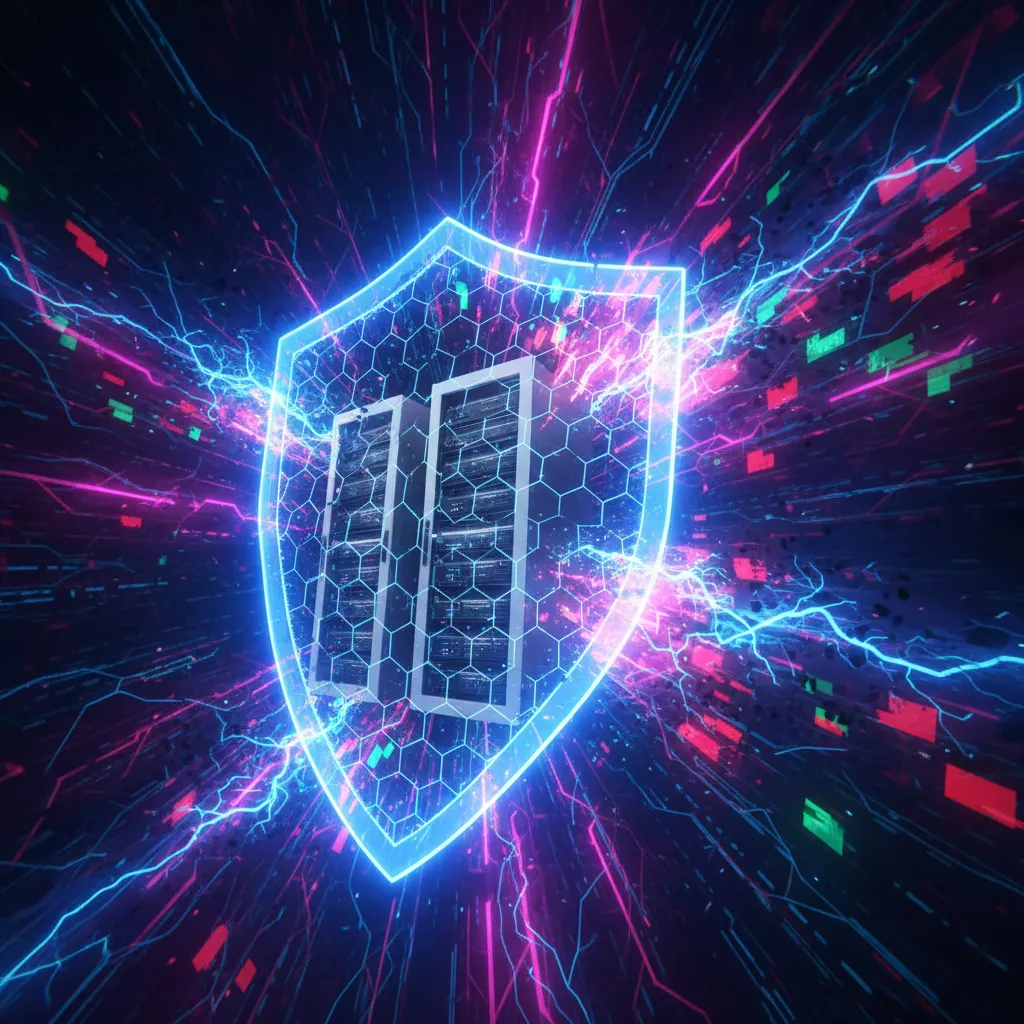
2. Autonomous Incident Quarantine & Micro-Segmentation
The moment ransomware or suspicious shell execution is detected, AI defense agents sever network connections to the affected container, preventing lateral infection across the enterprise cloud.
For biometric identity verification and secure passkey technologies, read our guide on AI Biometrics & Secure Identity Access.

3. Human-AI Collaborative Threat Hunting
Human cybersecurity architects collaborate with AI agents to conduct proactive penetration testing, uncovering hidden cloud configuration flaws before attackers exploit them.
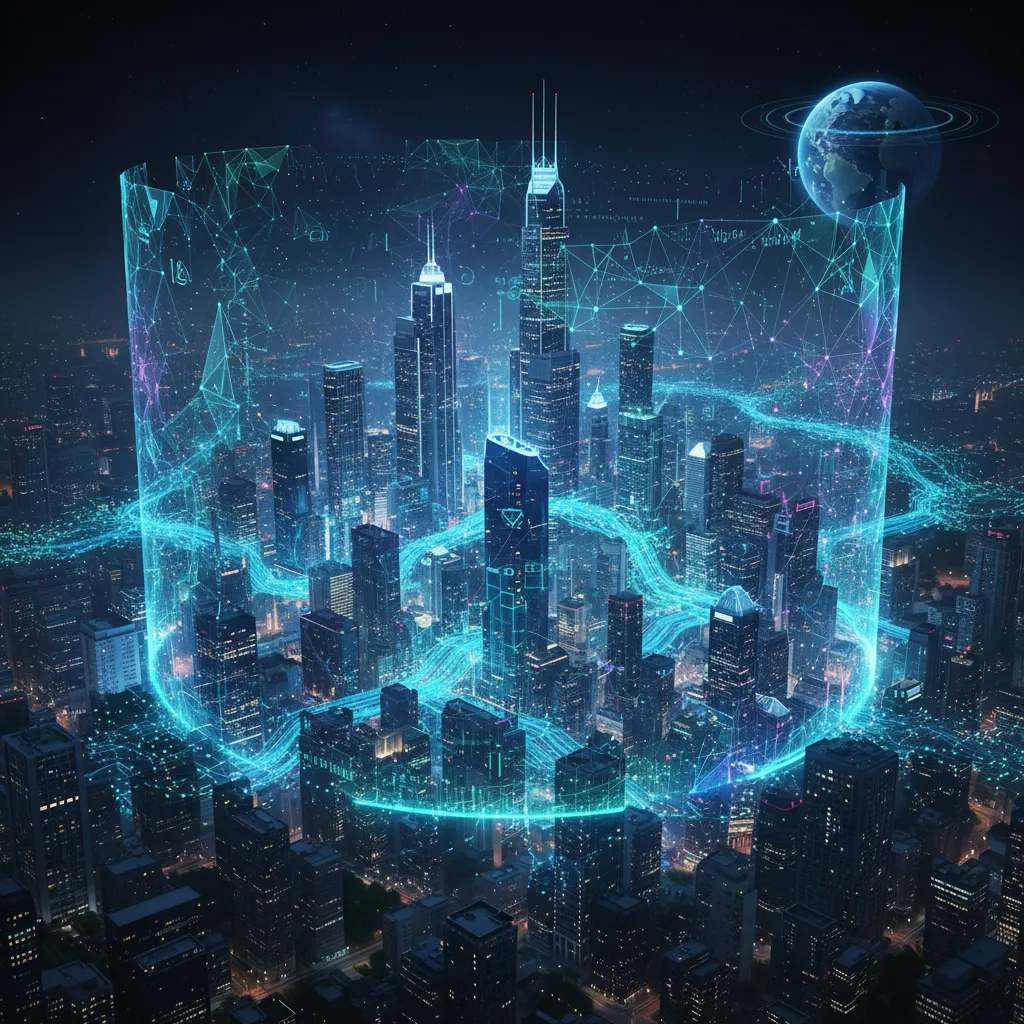
4. Global Threat Intelligence & Collaborative Immune Networks
When an AI security agent detects a novel attack vector in one enterprise, signature-free mitigation rules are propagated across global client networks in seconds, creating a collective digital immune system.
For decentralized governance and blockchain security frameworks, explore our breakdown on AI DAOs and Decentralized Governance.
🚀 3 Essential Security Actions for Organizations in 2026
- Enforce Continuous Zero-Trust Verification: Eliminate static VPN perimeters in favor of identity-aware, device-health verified access controls.
- Automate Patch Deployment: Deploy automated vulnerability scanners that generate and test software dependency patches in sandbox environments.
- Train Employees with Realistic AI Simulations: Conduct regular synthetic phishing drills to keep team members alert to advanced social engineering tactics.