Web3 & The Creator Economy: Empowering Artists & Innovators
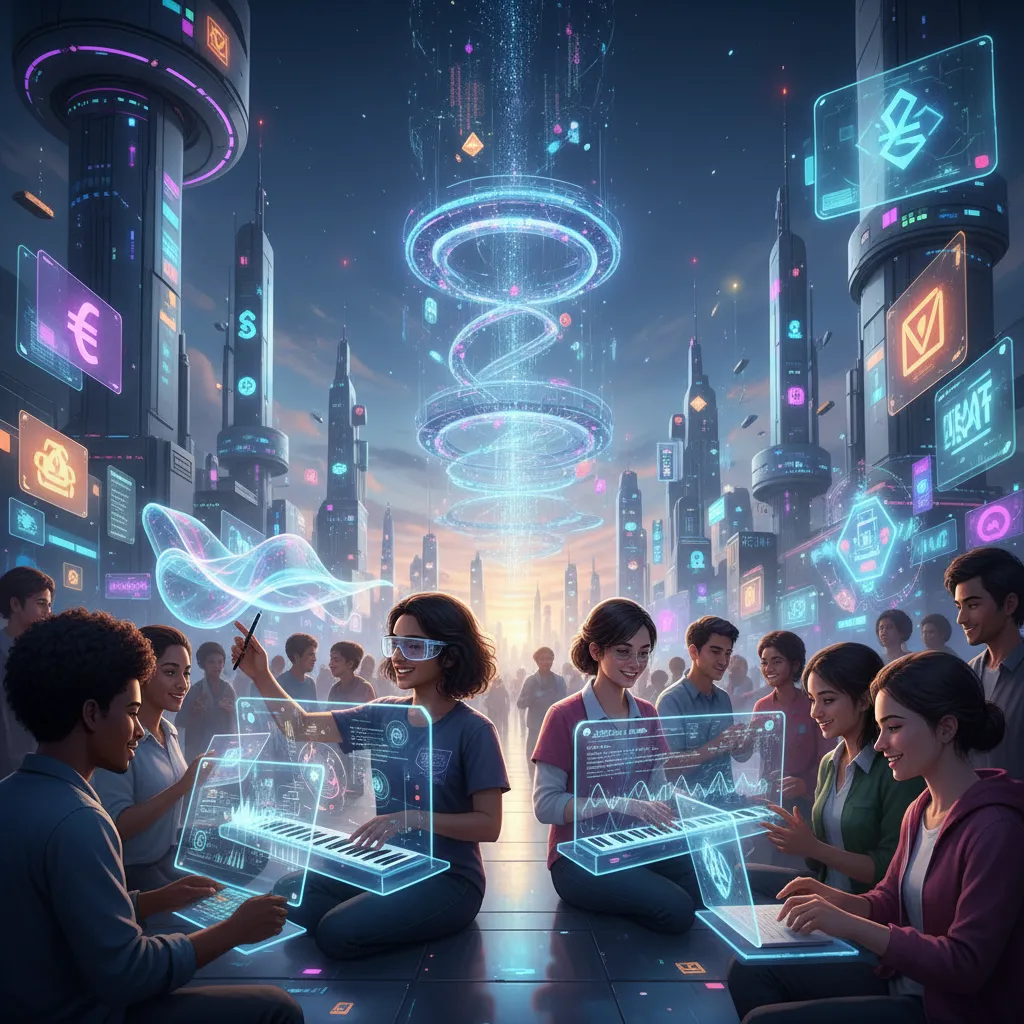
Introduction: A New Paradigm for Creative Control and Compensation
The digital age has ushered in an unprecedented era for creators, allowing artists, musicians, writers, and innovators to connect with global audiences like never before. However, the existing “Web2” model, dominated by centralized platforms, often leaves creators grappling with significant challenges: opaque algorithms, unfair revenue shares, limited ownership of their work, and a constant battle for visibility. It’s a landscape where platforms often dictate terms, leaving many feeling disempowered despite their creative brilliance.
Enter Web3 – the next evolution of the internet, built on blockchain technology, decentralization, and user ownership. The web3 creator economy represents a revolutionary shift, promising to put power back into the hands of the very individuals who drive digital culture. This isn’t just about new tools; it’s about fundamentally rethinking how value is created, distributed, and owned online. From decentralized content creation to innovative blockchain content monetization strategies, Web3 offers a compelling vision for a more equitable and direct relationship between creators and their fans.
In this comprehensive guide, we’ll dive deep into how Web3 is empowering artists and innovators. We’ll explore the core concepts, examine the transformative technologies like NFTs and DAOs, discuss novel monetization strategies, and envision the future of the creator economy. Whether you’re a seasoned artist or a web3 for beginners creators, prepare to discover how this paradigm shift is paving the way for true creator ownership web3 and a vibrant new era of digital entrepreneurship.
Understanding the Web3 Revolution and its Impact on Creators
At its heart, Web3 is about shifting away from centralized control towards a decentralized, transparent, and user-owned internet. This architectural change has profound implications for the creator economy, addressing many of the pain points that have plagued artists for years.
From Web2 Gatekeepers to Web3 Empowerment
In the Web2 world, platforms like YouTube, Spotify, and Instagram act as intermediaries. While they provide discovery and distribution, they also take a significant cut of revenue, control user data, and can deplatform creators at will. This system often leads to a lack of transparency regarding earnings and intellectual property rights.
Web3, conversely, offers a different model. By leveraging blockchain technology, it enables:
- Digital Ownership Web3: Creators can truly own their digital assets, rather than just leasing space on a platform. This ownership is verifiable on a public ledger.
- Direct Monetization: Eliminating intermediaries allows creators to receive a larger share of their earnings directly from their audience.
- Transparency: All transactions and ownership records are immutable and publicly accessible on the blockchain.
- Community Governance: Through mechanisms like DAOs (Decentralized Autonomous Organizations), communities can have a say in the platforms and projects they support.
This fundamental shift from “renting” to “owning” is the cornerstone of empowering creators blockchain technologies enable. It fosters an environment where web3 entrepreneurship can flourish, allowing creators to build sustainable web3 business models on their own terms.
The Pillars of Web3 for the Creator Economy
Several key technologies and concepts underpin the web3 creator economy:
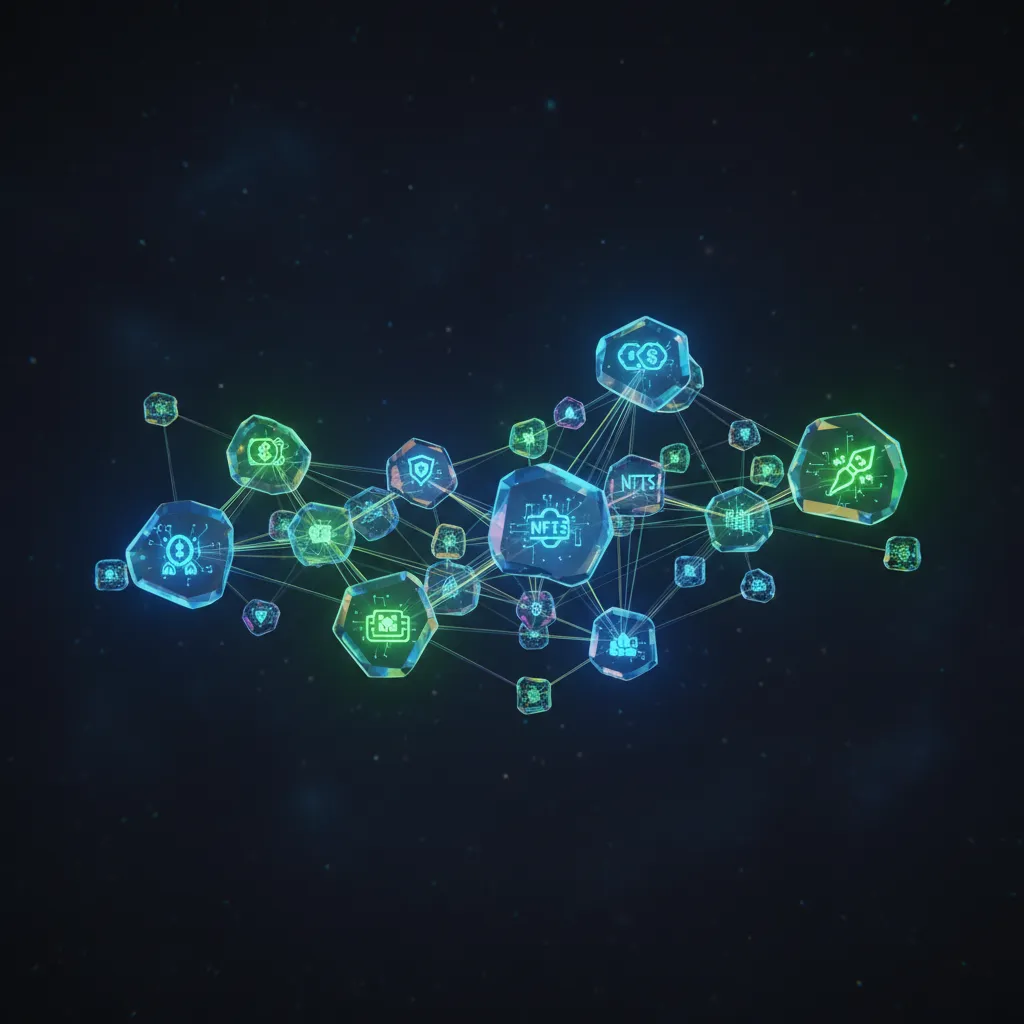
Non-Fungible Tokens (NFTs): Redefining Digital Art and Collectibles
NFTs are unique digital assets stored on a blockchain, representing ownership of specific items – be it art, music, videos, or even tweets. For creators, NFTs have been a game-changer, offering a verifiable way to establish scarcity and authenticity in the digital realm.
- Art NFTs: Digital artists can now sell unique pieces of their work directly to collectors, retaining royalties on secondary sales. This opens up entirely new markets and revenue streams, moving beyond traditional gallery models.
- Music NFTs: Musicians can sell ownership stakes in their songs, grant exclusive access to unreleased tracks, or even sell royalty rights, establishing a direct connection with fans and diversifying their music NFTs monetization.
- Collectible NFTs: From digital trading cards to unique in-game items, collectible NFTs allow creators to build vibrant communities around scarce digital goods, fostering deep fan engagement.
NFTs are not just about selling JPEGs; they represent a fundamental shift in how creators can define, distribute, and monetize their digital ownership web3 assets. They are central to NFT for creators strategies, offering unprecedented control over intellectual property.
Decentralized Autonomous Organizations (DAOs): Community-Driven Creativity
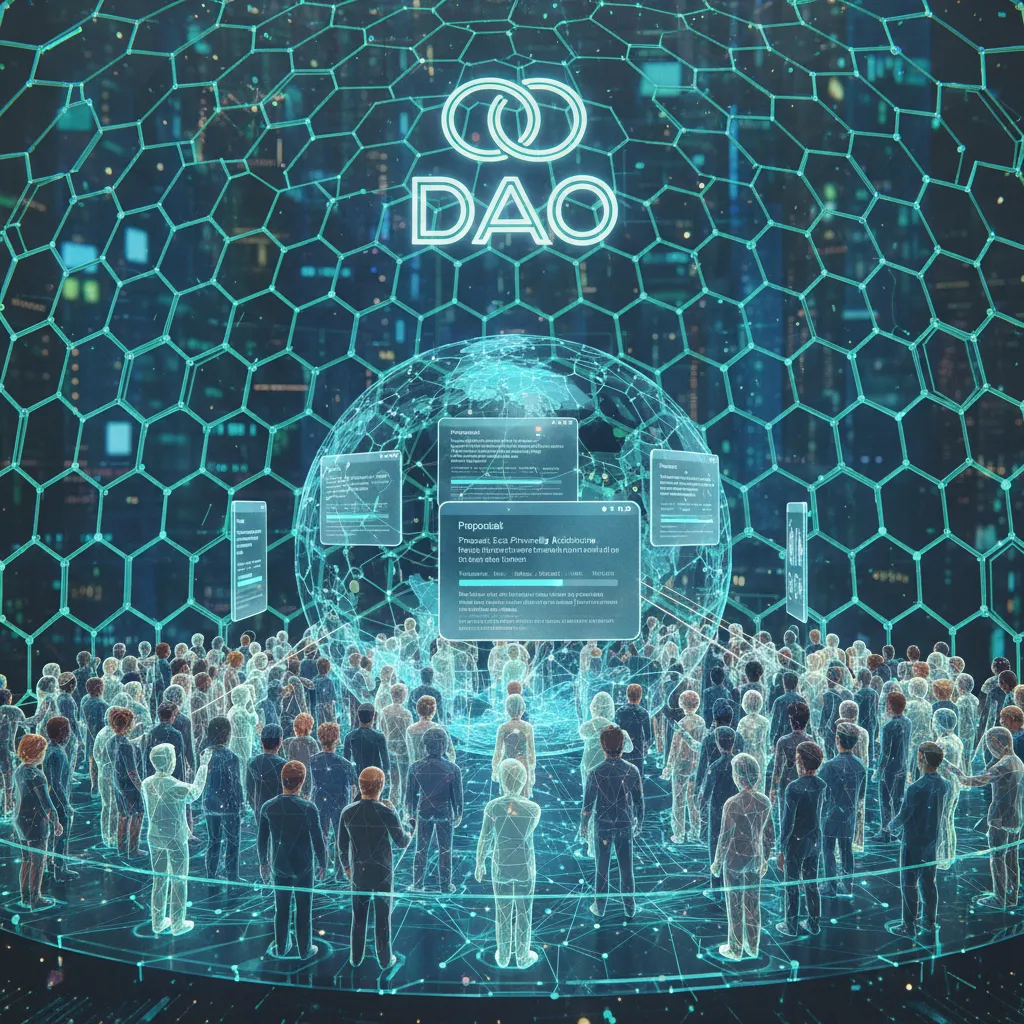
Decentralized Autonomous Organizations creators are internet-native organizations owned and governed by their members. Decisions are made transparently through proposals and voting, typically using blockchain-based tokens. For creators, DAOs offer a powerful framework for:
- Collective Project Funding: Artists can pool resources and collectively fund ambitious projects, fostering collaboration and innovation.
- Community Curation: DAOs can be formed to curate digital art galleries, music labels, or content platforms, with members deciding which works to feature.
- Shared Ownership of IP: Groups of creators can jointly own and manage intellectual property, sharing in its success and governance.
- DAO for artists: Provides a democratic structure where artists and their supporters can co-create, co-own, and co-govern projects, fostering genuine web3 community building.
The transparency and democratic nature of DAOs empower communities to directly support and shape creative endeavors, moving beyond the traditional hierarchical structures of the creative industries.
Social Tokens and Token-Gated Content: Deepening Fan Engagement
Social tokens are cryptocurrencies issued by individuals or communities that represent value, access, or influence within a specific ecosystem. For creators, they are a powerful tool for building deeper connections with their most loyal fans.
- Fan Engagement Web3: Creators can reward loyal fans with social tokens, granting them exclusive perks, voting rights on creative decisions, or early access to new content. This fosters a sense of belonging and ownership within the fan base.
- Token-Gated Content: By requiring fans to hold a certain amount of a creator’s social token or a specific NFT, creators can offer exclusive token-gated content. This could include private Discord channels, early access to releases, behind-the-scenes footage, or even one-on-one interactions.
- Creator Income Web3: Social tokens provide a direct way for fans to invest in a creator’s journey, aligning incentives and creating a symbiotic relationship.
These mechanisms allow creators to cultivate highly engaged communities and build a sustainable web3 monetization strategies beyond traditional advertising or subscription models.
Metaverse Creator Tools and Experiences
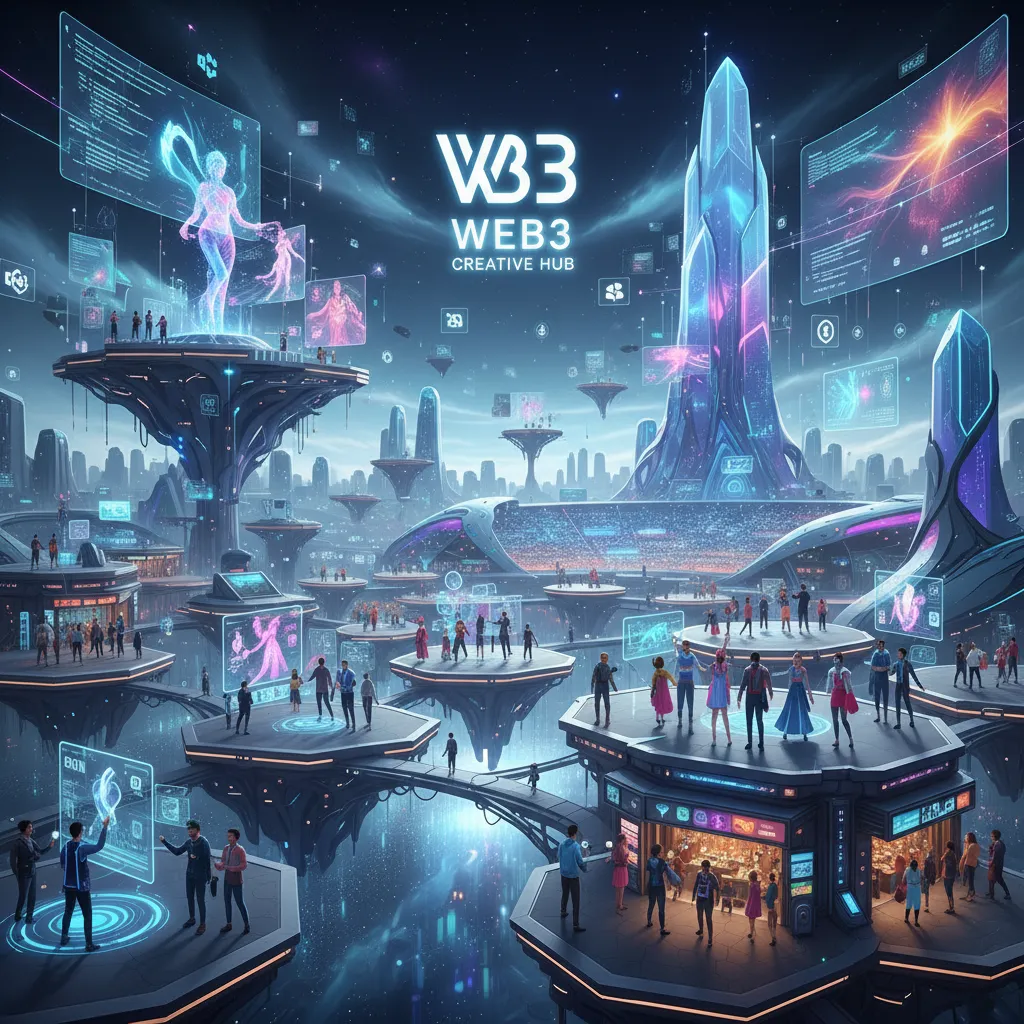
The metaverse creator tools are evolving rapidly, offering new frontiers for artists and innovators. The metaverse, a persistent, shared, 3D virtual space, provides an immersive canvas for decentralized content creation.
- Virtual Art Galleries: Artists can display and sell their NFT art in virtual galleries, accessible to anyone with an internet connection, transcending physical limitations.
- Interactive Experiences: Creators can design and build entire virtual worlds, games, and experiences within the metaverse, monetizing virtual land, in-game assets, and interactive events. This is especially relevant for gaming and web3 creators.
- Digital Fashion and Avatars: Designers can create unique digital apparel and accessories for metaverse avatars, selling them as NFTs.
- Live Performances: Musicians can host virtual concerts in the metaverse, reaching global audiences and offering unique interactive experiences.
The metaverse represents a vast new market for creators, enabling them to build, own, and monetize digital assets and experiences in ways previously unimaginable. It’s a key area for creator economy innovation.
Web3 Monetization Strategies: Building Sustainable Creator Businesses
One of the most appealing aspects of the web3 creator economy is the diversity of web3 monetization strategies available. Creators are no longer solely reliant on ad revenue or platform subscriptions.
Direct-to-Fan Sales and Royalties
- NFT Sales: The most direct form of monetization, allowing creators to sell unique digital assets directly to collectors. Crucially, creators can embed royalty clauses into NFTs, ensuring they receive a percentage of every secondary sale, creating a perpetual income stream.
- Crypto for Creators: Direct payments in cryptocurrencies facilitate global transactions with lower fees and faster settlement times, providing artists with greater financial autonomy.
Subscription and Membership Models with Tokens
- Token-Gated Subscriptions: Instead of monthly fiat payments, fans might need to hold a specific amount of a creator’s social token or a membership NFT to access premium content or community features. This creates a vested interest in the creator’s ecosystem.
- Staking for Access: Fans could stake (lock up) tokens to gain access to exclusive content or governance rights, further incentivizing long-term engagement.
Fractional Ownership and Crowdfunding
- Fractionalized NFTs: High-value NFTs can be broken down into smaller, more affordable fractions, allowing a wider range of fans to own a piece of a valuable asset. This democratizes investment and can act as a form of crowdfunding.
- Decentralized Crowdfunding: Creators can launch their projects on decentralized funding platforms, raising capital directly from their community without relying on traditional venture capitalists or crowdfunding sites.
Play-to-Earn and Create-to-Earn Models
- Gaming and Web3 Creators: In Web3 gaming, players can earn crypto for creators and NFTs by participating, contributing, or winning. Creators design these economies, generating revenue from in-game assets and transactions.
- Create-to-Earn: Platforms rewarding users for generating content (e.g., writing, art, music) with tokens, directly aligning user contribution with economic reward.
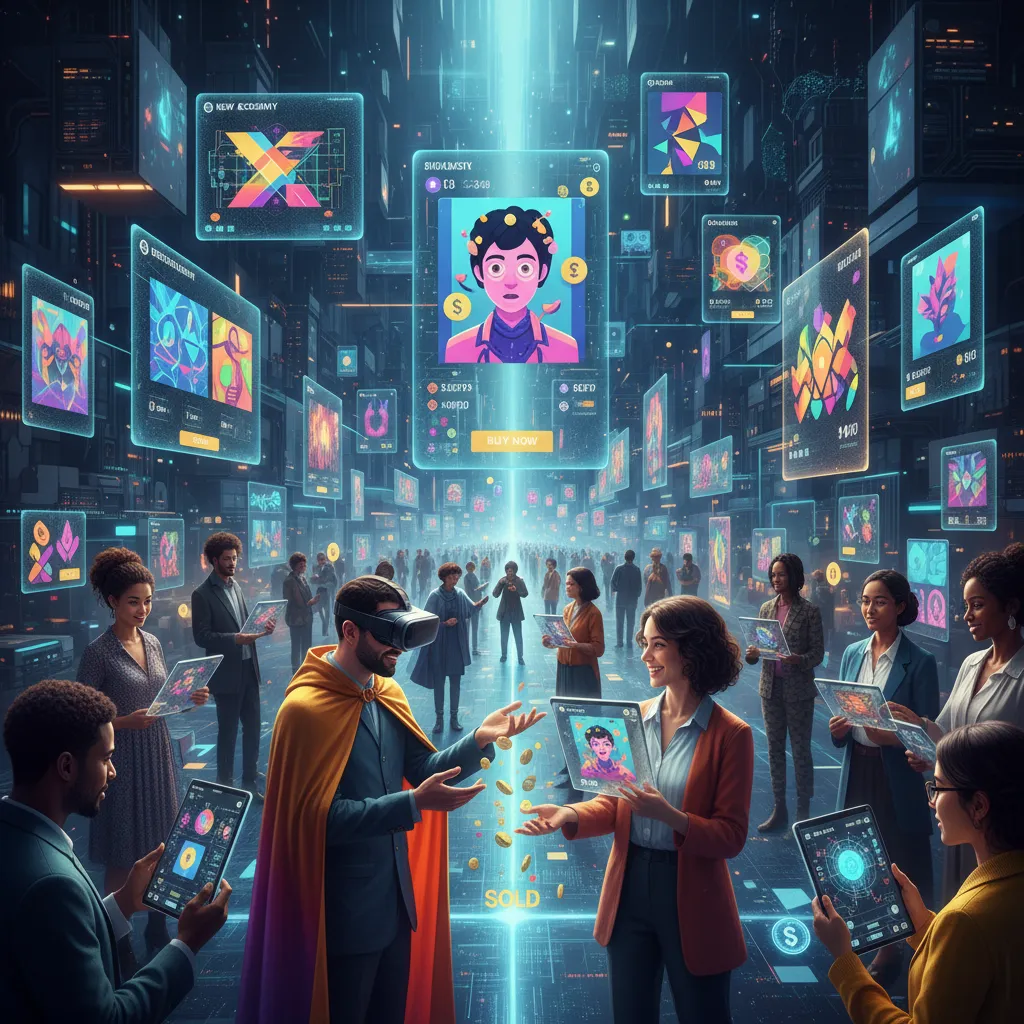
These models provide creators with unprecedented control over their revenue streams and foster more direct, equitable relationships with their audience. The rise of these alternative revenue models is a significant creator economy trends.
Building on Web3: Tools and Platforms for Creators
For web3 for beginners creators or seasoned innovators, getting started in this new ecosystem requires understanding the available tools and platforms.
Decentralized Social Media and Content Platforms
The vision of decentralized social media aims to free creators from algorithmically controlled feeds and censorship. Platforms built on Web3 principles allow creators to own their data and content, and potentially earn directly from their contributions. Examples include:
- Lens Protocol: A decentralized social graph where creators own their profiles and content, choosing how it’s distributed and monetized.
- Mirror.xyz: A publishing platform that allows writers to monetize their work through NFTs, crowdfunding, and community ownership.
These web3 content platforms represent a significant shift from platforms that “own” user data and content to those that empower creator ownership web3.
Web3 Development Frameworks and Tools
For creators with a technical bent, or those collaborating with developers, understanding basic build on web3 concepts is crucial. Tools and frameworks facilitate the creation of dApps (decentralized applications), smart contracts, and NFTs.
- Smart Contract Platforms: Ethereum, Polygon, Solana, and others provide the foundational blockchain layers for building Web3 applications.
- No-Code/Low-Code NFT Platforms: Platforms like OpenSea Studio, Manifold, or even custom smart contract tools simplify the process of minting and managing NFTs without extensive coding knowledge.
- Metaverse Building Platforms: Tools within platforms like Decentraland, The Sandbox, or Roblox (which is increasingly integrating Web3 elements) allow creators to design and implement virtual experiences.
The ecosystem for web3 entrepreneurship is expanding rapidly, offering more accessible pathways for creators to leverage blockchain technology.
The Challenges and Opportunities in the Web3 Creator Economy
While the promise of Web3 for creators is immense, it’s essential to acknowledge the challenges and navigate them effectively.
Navigating the Learning Curve
- Complexity: Web3 can be daunting for newcomers. Concepts like wallets, gas fees, seed phrases, and smart contracts require a learning investment.
- User Experience: Many Web3 applications are still in their early stages, and the user experience can be less intuitive than their Web2 counterparts.
Opportunity: As the ecosystem matures, platforms are focusing on simplifying the onboarding process and improving UX, making web3 for beginners creators increasingly accessible. Educational resources are also proliferating, helping creators master prompt engineering for AI tools or understand complex blockchain concepts. (Internal Link: Mastering Prompt Engineering: Unlock AI Potential)
Volatility and Security Concerns
- Crypto Market Volatility: The value of cryptocurrencies and NFTs can be highly volatile, posing financial risks for creators whose income is tied to these assets.
- Security Risks: Phishing scams, smart contract vulnerabilities, and wallet hacks are real threats in the Web3 space.
Opportunity: Enhanced security measures, robust smart contract auditing, and increased user education on best practices are continuously evolving. Creators need to prioritize security awareness, much like they would with any digital frontier. (Internal Link: Guardians of the Digital Frontier: AI Revolutionizing Cybersecurity)
Environmental Concerns
- Energy Consumption: Some blockchain networks (particularly older Proof-of-Work systems) have faced criticism for their high energy consumption.
Opportunity: Many newer blockchains and upgrades to existing ones (like Ethereum’s transition to Proof-of-Stake) are significantly more energy-efficient, addressing these concerns head-on. The industry is actively moving towards more sustainable practices.
The Power of Community and Collaboration
- Web3 Community Building: Despite the challenges, Web3 inherently fosters strong communities. Creators can leverage DAOs, social tokens, and decentralized platforms to build incredibly loyal and engaged fan bases who are invested in their success.
- Collaboration: The open-source nature of many Web3 projects encourages collaboration, allowing creators to team up on projects and share resources in unprecedented ways.
The creator economy innovation fostered by Web3 is truly about collective empowerment.
The Future of the Creator Economy with Web3
The trajectory of the web3 creator economy points towards a future where creators have unparalleled autonomy, direct relationships with their audience, and diversified income streams.
Interoperability and Cross-Platform Creativity
As the metaverse evolves and more web3 content platforms emerge, interoperability will become key. Creators will be able to move their digital assets (NFTs, avatars, experiences) seamlessly across different platforms and virtual worlds, expanding their reach and utility. Imagine a digital artwork created in one metaverse being displayable in another, or an NFT character playable across multiple games.
AI and Web3 Synergies
The integration of AI with Web3 holds immense potential. AI tools can assist creators in generating content, optimizing discoverability, and even creating personalized experiences within decentralized environments. Conversely, Web3 can provide transparent and fair monetization models for AI-generated content, ensuring creators are properly compensated. (Internal Link: AI Video Generation: Future of Content, Mastering Generative AI Art: Tools, Trends, and Creative Futures)
Decentralized Physical Infrastructure Networks (DePIN) and the Creator Economy
While primarily focused on physical infrastructure, the rise of DePIN (Decentralized Physical Infrastructure Networks) could indirectly benefit creators by providing more robust, decentralized networks for content distribution, storage, and access. This could enhance the resilience and reach of decentralized content creation. (Internal Link: The Rise of DePIN: Decentralized Physical Infrastructure Networks Reshaping the Future)
Mainstreaming and Accessibility
The long-term success of Web3 in the creator economy hinges on its ability to become more accessible to the mainstream. As user interfaces improve, educational resources expand, and underlying technologies become more robust, we will see a broader adoption of these powerful tools by artists and innovators from all backgrounds. The goal is to make web3 for beginners creators as intuitive as traditional social media.
The future of creator economy is not just about technology; it’s about shifting mindsets towards genuine ownership, transparent value exchange, and community-driven innovation. This is where creator income web3 truly blossoms, offering a sustainable path for creative professionals worldwide.
Conclusion: Seizing the Opportunity for Creative Freedom
The web3 creator economy represents more than just a technological upgrade; it’s a philosophical recalibration of the internet’s core principles. By championing creator ownership web3, enabling decentralized content creation, and fostering innovative blockchain content monetization strategies, Web3 offers a powerful antidote to the limitations of the past. Artists, musicians, writers, and developers are no longer passive participants; they are active owners, builders, and beneficiaries of the digital worlds they enrich.
From the verifiable scarcity of NFT for creators to the democratic governance of DAO for artists, and the loyal communities forged through social tokens and token-gated content, the tools of empowerment are here. While challenges remain in terms of accessibility, security, and sustainability, the pace of innovation within Web3 is rapidly addressing these hurdles, making the future brighter for web3 entrepreneurship.
For every artist and innovator seeking greater control, fairer compensation, and deeper engagement with their audience, the time to explore and build on web3 is now. Embrace the shift, educate yourself on the web3 business models, and join the vanguard of those redefining what it means to be a creator in the digital age. The creator economy innovation is just beginning, and with Web3, you hold the keys to unlock your full creative and economic potential.
FAQs
Q1. What is the web3 creator economy?
The web3 creator economy is a new model where creators leverage blockchain technology and decentralization to gain direct ownership of their digital content, monetize it more fairly, and build stronger communities without relying on centralized intermediaries.
Q2. How do NFTs empower creators in Web3?
NFTs (Non-Fungible Tokens) empower creators by providing verifiable digital ownership web3 over unique digital assets like art or music. They allow creators to sell their work directly, establish scarcity, and earn royalties on subsequent sales, providing new blockchain content monetization channels.
Q3. What role do DAOs play for artists and innovators?
DAO for artists (Decentralized Autonomous Organizations) allow creators and their communities to collectively govern projects, pool resources, make transparent decisions through voting, and share ownership of intellectual property, fostering collaborative decentralized content creation.
Q4. How can creators monetize their work using Web3?
Creators can monetize in Web3 through various web3 monetization strategies, including direct NFT sales, earning royalties on secondary NFT markets, issuing and utilizing social tokens for exclusive access (token-gated content), receiving crypto for creators payments, and participating in create-to-earn models within metaverses.
Q5. What are social tokens and how do they enhance fan engagement?
Social tokens are cryptocurrencies issued by individuals or communities that represent value, access, or influence within a specific ecosystem. They enhance fan engagement web3 by allowing creators to reward loyal fans with exclusive perks, voting rights, or access to token-gated content, fostering deeper community ties.
Q6. Is Web3 suitable for all types of creators, including beginners?
Yes, while there’s a learning curve, the web3 creator economy is rapidly evolving to be more accessible. Platforms and tools are becoming more user-friendly, making it increasingly viable for web3 for beginners creators across various disciplines, from artists and musicians to writers and developers.
Q7. What are some examples of Web3 content platforms?
Examples of web3 content platforms include Mirror.xyz for writers, Lens Protocol for decentralized social media, and various NFT marketplaces like OpenSea or Foundation for digital artists and musicians. These platforms prioritize creator ownership web3 and direct monetization.
Q8. What is the future outlook for the creator economy with Web3?
The future of creator economy with Web3 looks promising, envisioning a landscape of greater creative freedom, direct economic empowerment, and highly engaged, community-driven ecosystems. It anticipates increased interoperability, innovative web3 business models, and deeper integration with technologies like AI and the metaverse.