Revolutionizing Wellness: AI-Powered Bio-Wearables for Predictive Health

For decades, our approach to health has been fundamentally reactive. We wait for symptoms—a cough, a pain, a fever—and then we seek help. The annual check-up has been our primary tool for “proactive” care, a single snapshot in a year of 365 days. But what if we could monitor our body’s subtle signals continuously, catching deviations from our baseline long before they become symptoms? This isn’t science fiction; it’s the reality being built by the convergence of bio-wearables and artificial intelligence.
We’ve entered a new era of proactive health management, where wearable technology AI transforms everyday devices into sophisticated health sentinels. These next gen health devices go far beyond counting steps. They provide a constant stream of body data insights, which AI then deciphers to offer predictive analytics and deeply personalized wellness guidance. This article explores this monumental shift, diving into the technology, the benefits, and the future of a world where healthcare is predictive, personal, and always on.
Beyond Step Counting: The Evolution of Wearable Technology
The journey of wearable tech has been a rapid sprint. We started with clip-on pedometers, novelties that gamified walking. Then came the first wristbands from companies like Fitbit and Jawbone, which added sleep tracking to the mix. While groundbreaking at the time, these devices were essentially data loggers. They told you what you did, but not necessarily what it meant or what you should do next.
Today’s AI health tech landscape is vastly different. The focus has shifted from simple tracking to holistic health monitoring. Modern bio-wearables are equipped with an arsenal of advanced wearable sensors health-care professionals could only dream of having access to 24/7 just a decade ago. We’re talking about clinical-grade sensors that measure:
- Heart Rate Variability (HRV): A key indicator of nervous system balance and recovery.
- SpO2: Blood oxygen saturation, a vital sign for respiratory health.
- Skin Temperature: Can indicate immune responses and hormonal cycle phases.
- Electrodermal Activity (EDA): Measures stress responses.
- Continuous Glucose Levels: Provides a real-time look at your metabolic health.
This explosion of data created a new challenge: how can anyone make sense of these millions of daily data points? That’s where AI becomes the indispensable co-pilot for your health journey.
The AI Engine: Turning Raw Data into Predictive Power
A constant stream of biometric data is useless without the ability to interpret it. The sheer volume and complexity are beyond human comprehension. This is the core problem that health data analytics AI is built to solve. It acts as a sophisticated translation layer between your body’s raw signals and actionable, life-changing insights.
The Role of Machine Learning in Health Data Analytics
At the heart of this revolution are machine learning algorithms. These AI models are trained on massive datasets, learning to recognize intricate patterns that would be invisible to the human eye. In the context of biometric tracking AI, this means:
- Establishing a Personalized Baseline: The AI learns your unique normal. It understands your typical heart rate during sleep, your glucose response to a specific meal, and your average HRV after a workout.
- Anomaly Detection: Once your baseline is established, the AI’s primary job is to spot deviations. A sudden, unexplained drop in your HRV or a spike in your resting heart rate can be an early warning sign of impending illness, overtraining, or heightened stress, often days before you consciously feel sick. This is the foundation of AI driven diagnostics.
- Predictive Modeling: By analyzing trends over time, AI can forecast future health risks. It might notice a gradual decline in sleep quality or a creeping insulin resistance, prompting you to make lifestyle changes before these issues escalate into chronic conditions. This is the essence of AI for preventive medicine.
This powerful analytical capability is what separates modern smart wearables medical devices from their predecessors, marking a critical step toward true health optimization AI.
The New Wave of Bio-Wearables: A Look at Today’s Innovations
The market is now brimming with devices that embody this new philosophy. They are less about being gadgets and more about being integrated health companions, each specializing in capturing different facets of your well-being.
Smart Rings: The Unobtrusive Health Guardians
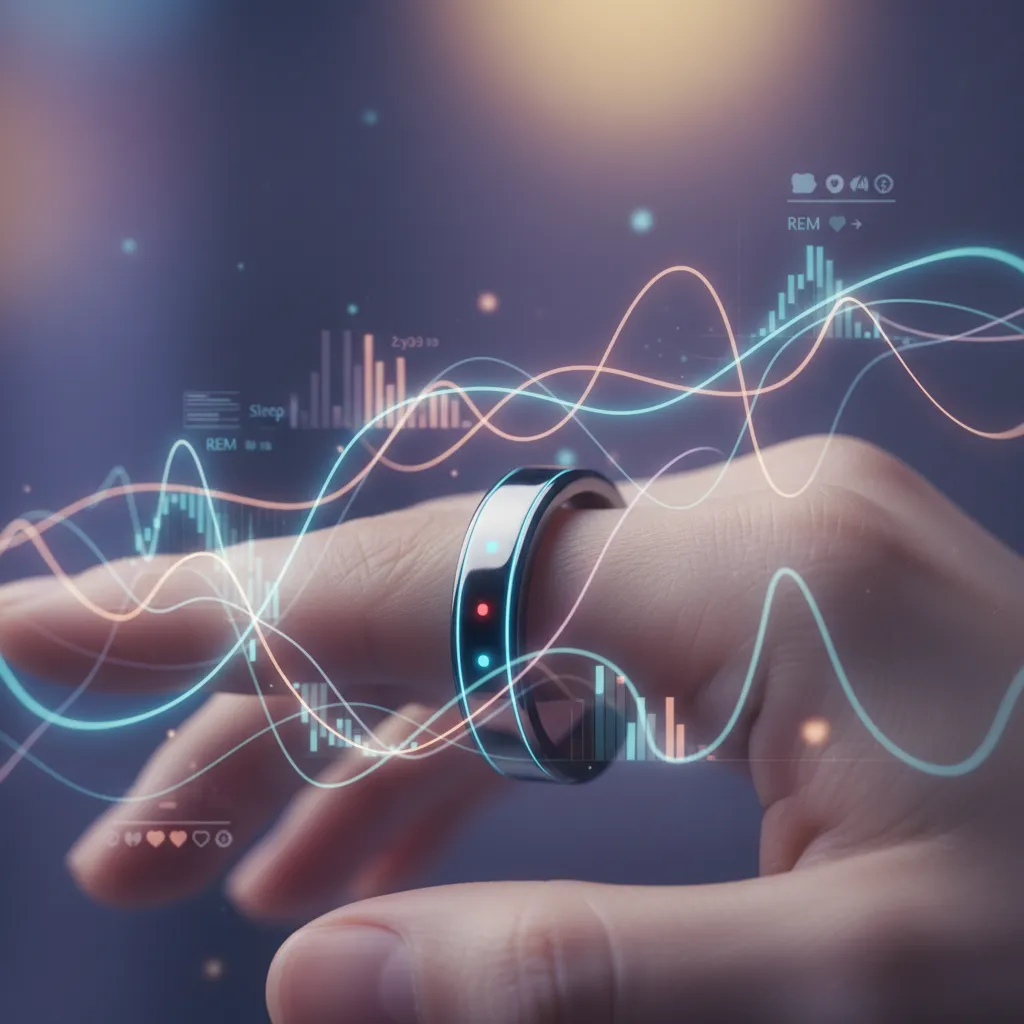
Leading the charge in discreet, powerful health tracking are smart rings like the Oura Ring and Ultrahuman Ring AIR. By being worn on the finger, they have direct access to the arteries, allowing for more accurate heart rate and temperature readings compared to the wrist. Their primary strength lies in passive, overnight tracking.
While you sleep, these devices are hard at work, analyzing sleep stages, respiratory rate, and body temperature. The result is a daily “Readiness Score”—an AI-generated number that tells you how prepared your body is for the day’s stressors. This sophisticated sleep tracking AI and analysis empowers users to make smarter decisions about their workout intensity, work schedule, and need for rest. This form of AI empowered self-care is a game-changer for performance and recovery.
Continuous Glucose Monitors (CGMs): Metabolic Health for Everyone
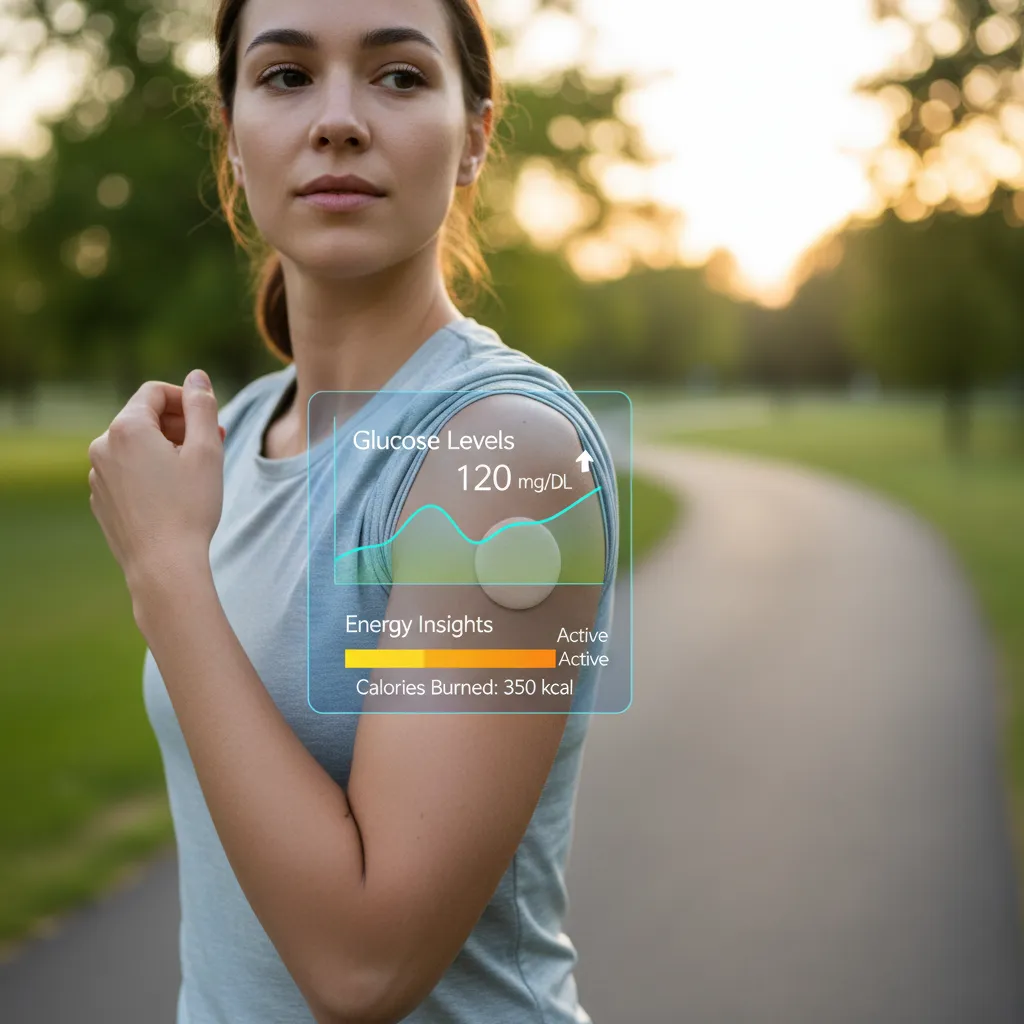
Once reserved for individuals with diabetes, Continuous Glucose Monitors (CGMs) are storming the wellness scene. The trend of continuous glucose monitoring non-diabetic individuals is driven by companies like Levels, NutriSense, and Veri. A small sensor, typically worn on the back of the arm, measures glucose levels in your interstitial fluid 24/7.
The data is streamed to your phone, where an AI-powered app provides a real-time window into your metabolic health. You can see exactly how a bowl of oatmeal, a stressful meeting, or a brisk walk impacts your blood sugar. This immediate feedback loop is incredibly powerful for behavior change. It’s the ultimate tool for personalized nutrition AI, helping you build a diet that stabilizes your energy, reduces inflammation, and minimizes your risk for metabolic dysfunction long-term.
Smart Patches and Biosensors: The Future is Stick-On
Beyond rings and wristbands, the future of health tech includes flexible, disposable smart patches. These wearable medical devices can be placed anywhere on the body to monitor specific functions, from ECG and hydration levels to muscle oxygenation. They are a cornerstone of modern remote patient monitoring, allowing doctors to track a patient’s recovery or condition from afar, but their potential in the consumer wellness space is just beginning to be tapped.
AI-Empowered Self-Care: Your Personalized Wellness Co-Pilot
The ultimate goal of these digital health solutions isn’t just to present you with data, but to provide clear, actionable guidance. This is where AI truly shines, acting as a personal health strategist. Related: The AI Revolution in Proactive Emotional Wellbeing
Hyper-Personalized Fitness and Nutrition Plans
Generic advice like “eat healthy” or “exercise more” is no longer enough. AI fitness trackers and connected apps can now deliver hyper-personalized recommendations. By analyzing your sleep data, CGM readings, and activity levels, the AI can suggest:
- “Your recovery is low today. Consider a light yoga session instead of high-intensity training.”
- “Your blood sugar spiked after your last meal. Next time, try adding more protein or going for a 10-minute walk afterward.”
- “You’ve hit your activity goals for five days straight, and your HRV is trending up. Your body is ready for a more challenging workout.”
This level of personalization ensures that your efforts are always aligned with your body’s actual state, optimizing results and preventing burnout.

Proactive Stress and Recovery Management
Chronic stress is a silent epidemic. Stress management wearables use metrics like HRV, resting heart rate, and electrodermal activity to quantify your physiological stress levels in real-time. When the AI detects that your sympathetic nervous system (your “fight-or-flight” response) is in overdrive, it can prompt you to take a break, engage in a guided breathing exercise, or meditate. This proactive approach helps you manage stress before it becomes overwhelming, directly impacting your long-term health and resilience.
The Paradigm Shift: From Reactive Sick-Care to Proactive Health Management
This technological evolution is fueling a fundamental paradigm shift in how we view our health. We are moving away from a reactive model of “sick-care” and toward a proactive, continuous model of “healthcare.”
The traditional system relies on infrequent snapshots of health, often taken only after a problem has arisen. The new model, powered by AI in preventative health, is like watching a movie of your health, with the AI ready to alert you to any plot twists. This is the definition of health tech innovation. It democratizes health data, putting the power of early detection and prevention directly into the hands of individuals.

Navigating the Challenges: Data Privacy, Accuracy, and Regulation
As with any transformative technology, the rise of AI-powered bio-wearables comes with important challenges that need to be addressed. Building trust is paramount for widespread adoption.
Who Owns Your Health Data?
The data collected by these devices is some of the most personal information imaginable. Users must have confidence that their data is secure and used ethically. Leading companies in this space are prioritizing user privacy with robust encryption and clear policies about data ownership and sharing. As this field matures, the demand for transparency and user control will only grow. Related: AI Biometrics and the Future of Secure Identity
The Quest for Medical-Grade Accuracy
It’s crucial to distinguish between a wellness device and a regulated medical device. While many consumer bio-wearables offer impressive accuracy, they are generally intended to track trends and promote healthy habits, not to diagnose disease. However, the line is blurring. More devices are undergoing rigorous testing and seeking FDA clearance for specific features (like ECG or atrial fibrillation detection), bringing clinical-grade capabilities into our daily lives.
Conclusion: The Dawn of a Healthier Future
The fusion of artificial intelligence and bio-wearable technology is not a distant dream; it’s a rapidly expanding reality that is reshaping the future of personal health. We are at the cusp of an era where continuous, personalized, and predictive insights will be the norm. These wellness technology trends are empowering us to move beyond generic advice and embrace a truly individualized approach to well-being.
By giving us the tools to understand our bodies’ unique language, AI health tech is turning the art of staying healthy into a science we can all practice daily. The journey from reactive to proactive health is well underway, promising a future where we can not only live longer but live healthier, more vibrant lives.
Frequently Asked Questions (FAQs)
Q1. What is predictive health AI?
Predictive health AI uses artificial intelligence and machine learning algorithms to analyze vast amounts of health data, including data from bio-wearables, to identify patterns and forecast potential future health issues. Its goal is to enable early intervention and preventive medicine before symptoms manifest.
Q2. How do AI bio-wearables work?
AI bio-wearables use advanced sensors to collect continuous biometric data like heart rate, body temperature, and blood oxygen levels. An integrated AI engine then analyzes this data in real-time to establish your personal baseline, detect anomalies, and translate the complex signals into simple, actionable insights and health recommendations.
Q3. Can wearables detect illness before symptoms appear?
Yes, this is one of the most significant benefits. By tracking subtle changes in metrics like resting heart rate, heart rate variability (HRV), and respiratory rate, AI algorithms can often detect the body’s response to an infection or illness 2-3 days before a person feels consciously sick, enabling them to rest and recover faster.
Q4. Is continuous glucose monitoring (CGM) useful for non-diabetics?
Absolutely. For non-diabetics, a CGM is a powerful bio-feedback tool for understanding metabolic health. It reveals how diet, exercise, stress, and sleep impact blood sugar levels, empowering users to make better nutritional and lifestyle choices for stable energy, weight management, and long-term health.
Q5. What is the future of wearable health technology?
The future of health tech is moving towards even more integrated and less invasive sensors. We can expect to see more “invisible” wearables like smart patches, sensor-equipped clothing, and potentially even ingestible or implantable sensors. The AI will become more sophisticated, acting as a true “digital twin” that can model the effects of different lifestyle choices before you make them.
Q6. What are the main privacy concerns with health wearables?
The primary concerns revolve around data security and usage. Users worry about who has access to their sensitive health data, how it’s protected from breaches, and whether it could be used by third parties like insurance companies without their consent. Reputable brands address this with strong encryption, transparent privacy policies, and user control over data sharing. Related: The DePIN Revolution and the Future of Decentralized Networks