Generative AI Unleashed: Crafting Hyper-Personalized Experiences

Introduction
Remember when an email starting with “Hi [Your Name]” felt personal? That era of basic personalization is quickly becoming a relic of the past. We’re now standing at the dawn of a new age—the personalized AI era—powered by the revolutionary force of Generative AI. This isn’t just about slotting a name into a template; it’s about creating digital experiences so uniquely tailored to an individual that they feel like a one-on-one conversation.
From the content you read and the products you see to the way you plan your life, Generative AI is the engine crafting truly hyper-personalized experiences. This technology understands context, anticipates needs, and creates entirely new, relevant content on the fly, transforming the AI customer experience from static to dynamic and deeply engaging.
In this deep dive, we’ll explore how Hyper-personalization AI is moving beyond simple recommendations to build bespoke AI solutions for every user. We’ll unpack the technology, examine its groundbreaking applications across various industries, and tackle the critical ethical questions that come with this unprecedented level of customization. Get ready to discover how AI for unique user journeys is not just a futuristic concept but a present-day reality that’s reshaping our digital world.
Beyond First Names: The Evolution from Personalization to Hyper-Personalization
For years, “personalization” has been a buzzword in digital marketing. But what did it really mean? For the most part, it involved rule-based segmentation. You’d fall into a bucket with others who shared similar demographics or browsing history, and you’d all receive the same “personalized” content. It was a step up from a one-size-fits-all approach, but it was far from a one-to-one experience.
Traditional Personalization:
- Rule-Based: “If a user views a product in category X, show them other products in category X.”
- Segment-Based: Grouping users by broad categories like “new visitors,” “repeat buyers,” or “located in New York.”
- Reactive: Based on past actions, not predictive of future intent.
- Limited Data: Primarily used structured data like purchase history and page views.
Enter Hyper-personalization AI. This is a quantum leap forward. It leverages the full power of artificial intelligence, particularly machine learning and Generative AI, to treat every single user as an individual with a unique, evolving context.
Hyper-Personalization:
- AI-Driven: Uses complex algorithms to understand individual behavior in real-time.
- 1-to-1 Experience: Creates a unique journey for each person, not for a segment.
- Predictive: Anticipates needs and desires before the user even articulates them.
- Rich Data: Analyzes massive amounts of both structured and unstructured data—reviews, chat transcripts, social media comments, and even images—to build a deep, nuanced profile.
Think of it like the difference between a store clerk who recognizes you and a personal shopper who knows your style, budget, upcoming events, and what would complement the items you already own. That’s the level of detail AI personalization now aims for.
The Engine Room: How Generative AI Powers Bespoke AI Solutions
So, how does this magic actually happen? The core technology driving this revolution is Generative AI, the same family of models behind tools like ChatGPT and Midjourney. These are not just analytical tools; they are creative engines.
At its heart, Generative AI excels at understanding patterns in vast datasets and then using that understanding to generate entirely new, original content. This could be text, images, code, or even a personalized user interface.
Here’s a simplified breakdown of the process:
- Data Ingestion: The system gathers data from every touchpoint—website clicks, app usage, support chats, social media interactions, and historical data. This provides a 360-degree view of the user.
- Contextual Understanding: Advanced models like Large Language Models (LLMs) process this data, including unstructured text, to understand context, sentiment, and intent. They don’t just see what you bought; they understand why you might have bought it based on your reviews or queries. This is crucial for generating accurate AI consumer insights.
- Real-Time Generation: When you interact with a website, app, or service, the Generative AI model doesn’t just pull from a pre-made library of content. It creates dynamic AI content on the spot. This could be a unique product description that highlights the features most relevant to you, a personalized email that summarizes your recent interests, or a chatbot response that perfectly matches your conversational style.
- Feedback Loop: Every interaction feeds back into the system, making it smarter and more attuned to your preferences over time. These adaptive AI systems learn and evolve with each click, query, and purchase.

This ability to generate novel content is what separates hyper-personalization from its predecessors. It’s not just about showing the right product; it’s about creating the perfect message, image, and journey to accompany it, making the entire experience feel custom-built. Related: GPT-4o: What We Know About The New ‘Omni’ Model and Free Access
Real-World Applications: Where Generative AI is Crafting Custom AI Experiences
The theoretical power of Generative AI applications is immense, but its real-world impact is already being felt across numerous sectors. It’s moving from a niche technology to a core component of modern business and lifestyle platforms.
Revolutionizing Marketing and E-commerce
This is where hyper-personalization has made its most visible splash. The generic ad banner is dying, replaced by content that speaks directly to the individual.
- Dynamic Landing Pages: Imagine visiting a clothing website. Instead of a generic homepage, the entire layout, from the hero image to the featured collections, is tailored to your previously viewed styles, brand affinities, and even the local weather.
- AI-Driven Content Creation for Ads: Generative AI can create thousands of variations of ad copy, images, and calls-to-action, then test them in real-time to find the perfect combination for each user segment, or even each individual user. This is AI in marketing personalization at its most potent.
- Next-Generation Product Recommendations: Amazon’s “Customers who bought this also bought…” was groundbreaking. Today, personalized product recommendations go deeper. An AI can suggest a camera lens not just because others bought it, but because it analyzed your photography blog and knows you specialize in low-light portraits.
- Conversational Commerce: Conversational AI personalization is transforming chatbots from frustrating, script-following bots into genuinely helpful shopping assistants. They can remember your sizes, preferences, and past issues, offering a seamless and supportive AI customer experience.

The Future of Learning: AI in Personalized Education
Education is poised for a massive disruption. For centuries, the classroom model has been one-to-many. AI in personalized education promises a one-to-one tutoring experience for every student on the planet.
- Adaptive Learning Paths: An AI can assess a student’s strengths and weaknesses in real-time. If a student is struggling with algebra, the system can generate new practice problems, provide alternative explanations, and offer video tutorials tailored to their specific learning style.
- Custom Curriculum Generation: Teachers can use AI to create AI-tailored content for their classrooms. A history lesson could be instantly modified to include local historical figures or events relevant to the students in that specific class.
- Personal AI Assistants for Students: Imagine a homework helper that doesn’t just give you the answer but guides you through the problem-solving process, available 24/7. These assistants can help with research, writing feedback, and exam preparation.
Curating Your World: AI in Lifestyle Customization
Beyond shopping and learning, Generative AI is becoming a key tool for AI enhancing personal life. It’s about using technology to streamline decisions and open up new possibilities.
- Personalized Travel Planning AI: Instead of spending hours on dozens of websites, you can tell an AI: “I want a 7-day trip to Italy in May. I love historical sites but hate crowds. I’m a vegetarian, and my budget is $3,000.” The AI will then generate a complete, day-by-day itinerary with flights, accommodations, and restaurant suggestions that perfectly match your criteria.

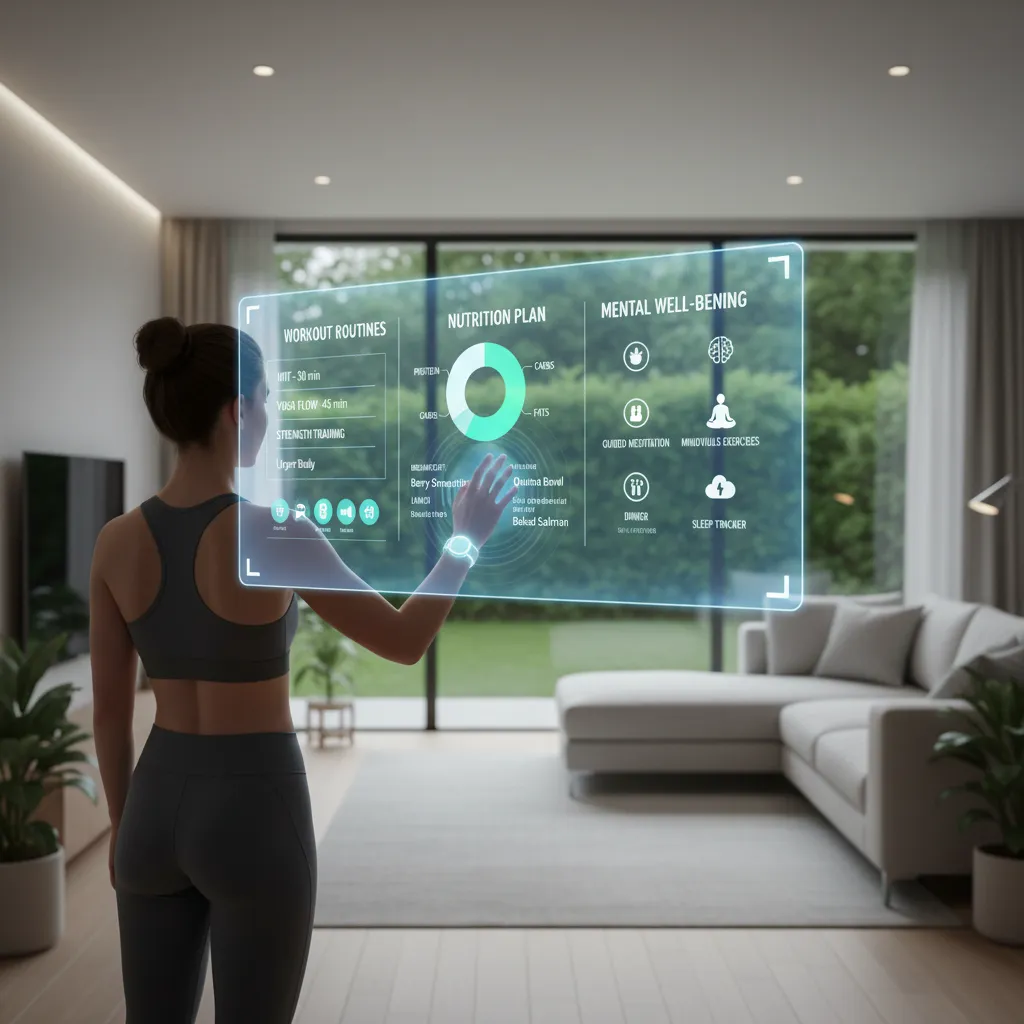
- AI Wellness Customization: Health and wellness are deeply personal. Generic fitness apps are being replaced by AI platforms that create truly custom plans. By analyzing data from your wearables, diet logs, and stated goals, an AI can generate daily workout routines, meal plans, and even mindfulness exercises. It can adjust the plan in real-time if you report an injury or a sleepless night. Related: AI in Digital Mindfulness: The Future of Our Wellbeing
- Entertainment and Media: Streaming services are already good at recommendations. Generative AI will take it a step further. It could create custom movie trailers that highlight the actors or themes you care about most or even generate personalized playlists that blend music and podcasts to match the mood and cadence of your day. Related: The AI Music Revolution: Composing Tomorrow’s Hits Today
The Scalability Challenge: Delivering Hyper-Personalization to Millions
Creating a single custom AI experience is one thing; delivering millions of them simultaneously and in real-time is a massive engineering challenge. This is where scalable AI personalization comes in.
The computational power required to run large generative models for every user interaction is significant. Companies are investing heavily in:
- Efficient AI Models: Developing smaller, more specialized models that can perform specific personalization tasks without the overhead of a giant, all-purpose model.
- Cloud Infrastructure: Leveraging scalable cloud computing platforms to handle fluctuating demand.
- Real-Time Data Pipelines: Building robust systems that can collect, process, and act on user data in milliseconds.
The goal is to make real-time AI personalization not just possible but cost-effective, so it can be deployed across every facet of a business, from the homepage to the customer support email.
The Ethical Tightrope: Navigating Privacy and Bias in AI Personalization
With great power comes great responsibility. The very data that fuels hyper-personalization also raises significant ethical and privacy concerns. The line between “delightfully personal” and “uncomfortably intrusive” is incredibly thin.
AI Privacy and Personalized Data
To create a truly personalized experience, a system needs to know a lot about you. This raises critical questions:
- Consent and Transparency: Are users fully aware of what data is being collected and how it’s being used? Companies must be crystal clear and provide users with granular control over their data.
- Data Security: The more centralized personal data becomes, the more attractive it is to malicious actors. Robust security is non-negotiable.
- Anonymization: Can personalization be achieved without tying data directly to an individual’s real-world identity? Techniques like federated learning, where the model trains on user data locally without it ever leaving the device, are promising avenues.
Ethical AI Personalization and Bias
AI models are trained on data from the real world, and the real world contains biases.
- Filter Bubbles and Echo Chambers: If an AI only shows you content it thinks you’ll like, it can reinforce your existing beliefs and limit your exposure to diverse perspectives. This has significant social and political implications.
- Reinforcing Stereotypes: An AI might inadvertently learn and perpetuate harmful stereotypes present in its training data, leading to discriminatory outcomes in areas like job or loan application recommendations.
- Manipulation: Where is the line between personalization and manipulation? An AI that understands a user’s emotional state could potentially exploit vulnerabilities to drive a sale.
Building ethical AI personalization systems requires a proactive approach, including regular audits for bias, human oversight, and a commitment to putting the user’s well-being first. Related: Combating AI Hallucinations: Building Trustworthy Systems
Looking Ahead: The Future of AI Personalization
We are only at the very beginning of the hyper-personalization journey. As the technology matures, we can expect even more seamless and integrated custom AI experiences.
The future of AI personalization points towards a world where our digital environments are constantly and proactively adapting to us. Imagine personal AI assistants, like those promised in Apple Intelligence, that don’t just respond to commands but anticipate your needs. Your assistant might pre-order your groceries because it knows your schedule, draft an email reply in your exact tone of voice, or suggest a weekend activity based on your recent conversations and stress levels.
This is the promise of the personalized AI era: a partnership between humans and machines that removes digital friction and unlocks new potential for creativity, efficiency, and well-being. It’s about moving from a world where we serve the technology to one where the technology truly serves us, one individual at a time.
Conclusion
Generative AI is not just another tech trend; it is a fundamental paradigm shift. It is transforming the digital landscape from a series of static, one-size-fits-all pages into a fluid, dynamic universe of hyper-personalized experiences. By understanding context and generating novel content in real-time, these adaptive AI systems are creating unique user journeys that are more relevant, engaging, and valuable than ever before.
From marketing and education to wellness and travel, the applications are as vast as human imagination. However, this power must be wielded with care. The path forward requires a dual focus on technological innovation and a steadfast commitment to ethical AI personalization and user privacy.
The age of generic interaction is over. Welcome to the personalized AI era, where every click, every query, and every moment is part of a conversation crafted just for you.
FAQs
Q1. What is hyper-personalization with generative AI?
Hyper-personalization with Generative AI is an advanced strategy that uses AI models to create unique, real-time experiences for each individual user. Unlike traditional personalization, which groups users into segments, it analyzes vast amounts of data to generate dynamic, one-to-one content, recommendations, and interactions on the fly.
Q2. How is generative AI used in marketing personalization?
In marketing, Generative AI is used to create highly tailored content at scale. This includes generating unique ad copy and visuals for different audiences, personalizing website landing pages in real-time, writing email subject lines that resonate with an individual’s past behavior, and powering chatbots that offer a deeply contextual customer experience.
Q3. What is the main difference between personalization and hyper-personalization?
The main difference lies in the scale and method. Traditional personalization is typically rule-based and targets broad user segments with pre-made content. Hyper-personalization is AI-driven, operates in real-time, and treats each user as a “segment of one,” often generating brand-new content to fit their precise, immediate context.
Q4. What are the risks of AI in personalization?
The primary risks involve privacy, ethics, and bias. Concerns include the over-collection of personal data without clear consent (AI privacy personalized data), the potential for AI to manipulate users, and the risk of creating filter bubbles that limit exposure to diverse viewpoints. Additionally, biased training data can lead to unfair or discriminatory outcomes.
Q5. Can AI create truly unique user journeys?
Yes, this is a core strength of Generative AI. By analyzing a user’s complete history of interactions, preferences, and real-time behavior, AI for unique user journeys can dynamically adjust a website’s layout, content, and product suggestions to create a path that is exclusive to that individual, making the experience feel uniquely curated.
Q6. What are some examples of AI-tailored content?
Examples of AI-tailored content include product descriptions that highlight features relevant to a specific user, personalized news articles that adjust their focus based on a reader’s interests, custom-generated travel itineraries, and adaptive educational materials that change difficulty based on a student’s performance.
Q7. How do adaptive AI systems enhance personalization?
Adaptive AI systems are crucial because they continuously learn from every new user interaction. This feedback loop allows the personalization engine to become more accurate over time. It can adapt to a user’s changing tastes, new interests, or life events, ensuring that the personalized experiences remain relevant and valuable.