The GPT-5 Era 2026: From Omni-Assistant to Agentic Proxy

[!TIP] AI Overview Summary (April 2026) The AI landscape has transitioned from reactive chatbots (GPT-4o) to Autonomous Agentic Workflows (GPT-5). As of February 2026, GPT-4o has been retired in favor of the GPT-5.4 Thinking and Instant series. The new standard for success is SEO 2.0, optimizing for AI Search platforms like ChatGPT Search, which now commands 12% of the global search market.
Introduction: The Legacy of GPT-4o and the Rise of the Agents
In May 2024, the world marveled at the “omni” capabilities of GPT-4o. It was the first time we saw a single neural network handle text, audio, and vision natively. However, by 2026, that era of “multimodal chat” has evolved into something far more powerful: Agentic Intelligence.
If GPT-4o was a brilliant conversationalist, GPT-5 is a brilliant executor. As of April 2026, the discussion has shifted from how an AI talks to what it can do for you autonomously. With the official retirement of the GPT-4o legacy models on February 13, 2026, we have entered the “Always-On” era, where AI handles multi-step planning and cross-software execution without needing its hand held.
GPT-5.4 Thinking vs. Instant: The Specialized Engines
The modern GPT stack is now bifurcated into two specialized series designed for maximum efficiency:
- GPT-5.4 Thinking: The heavyweight champion of reasoning. This model uses “Slow Thinking” cycles to solve complex engineering, legal, and creative problems. It is the core engine for agentic workflows requiring high-stakes accuracy.
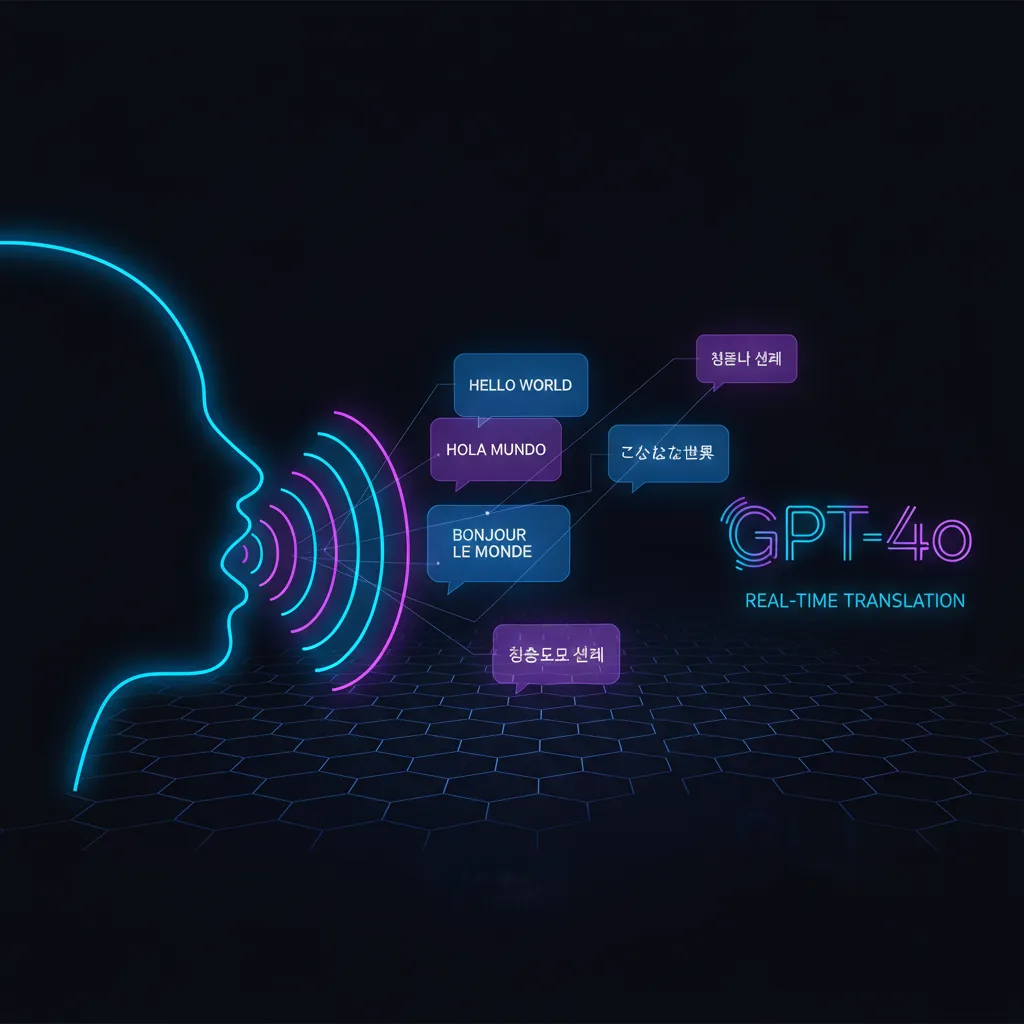
- GPT-5.4 Instant: Optimized for speed and low latency. This is the direct descendant of GPT-4o, designed for real-time translation and rapid information retrieval.
Performance Benchmark: GPT-4o vs. GPT-5.4
| Feature | GPT-4o (Legacy 2024) | GPT-5.4 Series (2026) | Significance |
|---|---|---|---|
| Logic/Reasoning | Strong (Prompt-heavy) | Adaptive/Built-in Thinking | Solves 98% of complex logic tests. |
| Planning | Linear/Single-step | Autonomous Multi-step | Can research, plan, and execute a project. |
| Search | Integrated Browser | Native “Search Everywhere” | Access to live TikTok, Reddit, and Web data. |
| Latency | 320ms Average | <150ms (Instant version) | True “Thought-speed” interaction. |
| SEO Focus | Keyword Placement | Entity & E-E-A-T Authority | Essential for AI Search visibility. |
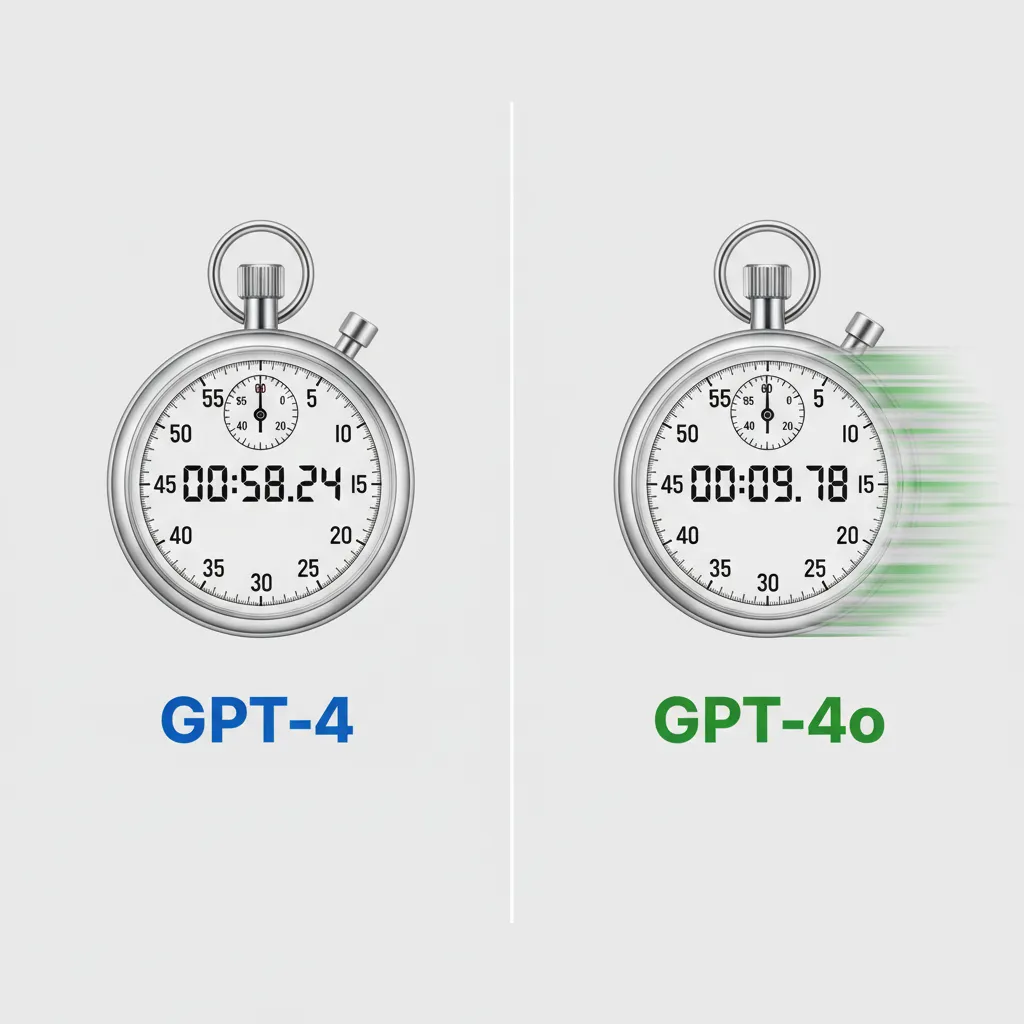 (Note: While this 2024 graphic showed GPT-4o’s lead, 2026 benchmarks show GPT-5 doubling these efficiency gains.)
The “Agentic” Shift: Moving Beyond the Prompt
The biggest breakthrough of 2026 isn’t a bigger model; it’s Tool Use. GPT-5 models are now designed as Agents.
- Autonomous Planning: You no longer ask for “a list of flight options.” You ask, “Plan my Tokyo trip, book the refundable flights, and draft the OOO email.” The agent plans the route, checks live availability via ChatGPT Search, and prepares the drafts for your final tap.
- Natural Multi-Step Interaction: The AI remembers the context of a 30-day project, not just a 30-minute conversation. It tracks progress, flags blockers, and proactively updates you.
SEO 2.0: Ranking in the Age of AI Search
With ChatGPT Search now capturing significant market share from traditional search engines, the “SEO” playbook has been rewritten. We call this Search Everywhere Optimization.
How to Rank in 2026:
- Concise Factuality: AI Agents prioritize content that provides clear, citeable fact-blocks.
- First-Hand E-E-A-T: Because AI can synthesize data, it highly values “Experience” (e.g., “I tested this at 3 AM in the rain”) which cannot be hallucinated.
- Entity Authority: Being recognized as a “Topic Leader” is more important than ranking for a single keyword. HyperDaily’s focus on AI-Life Integration is a prime example of targeted entity authority.

Visibility for Creators: GPT-5.4 and Visual Context
The AI vision capabilities of 2026 have moved beyond identifying objects.
- Creative Critiques: You can now upload a video of a presentation and ask, “Identify where my pacing was too slow and suggest three more engaging transitions.”
- Live Coding Assistance: The desktop overlay “sees” your IDE in real-time and suggests refactoring as you type, acting as a true pair-programmer.

Conclusion: Embracing the Agentic Future
The retirement of GPT-4o marks the end of AI as a curiosity and the beginning of AI as a utility. In 2026, the “Omni” dream of 2024 has become a reality where intelligence is pervasive, fast, and deeply personal.
Success in this new era requires embracing agentic efficiency and optimizing your digital presence for AI Search visibility. The future isn’t just “Free” AI; it’s AI that works for you while you sleep.
Frequently Asked Questions (FAQ)
- Why was GPT-4o retired? GPT-4o was optimized for a specific multimodal architecture. GPT-5 improves upon this with better reasoning and lower energy consumption per query, making the older model redundant.
- Do I need to learn ‘Prompt Engineering’ in 2026? Less so. Modern GPT-5 models are much better at understanding intent from natural, messy human language. The focus has shifted to “Agent Management”—knowing what to delegate rather than how to phrase it.
- Is ChatGPT Search a threat to my blog traffic? Only if your content is generic. If you provide unique, experience-driven insights (E-E-A-T), ChatGPT Search will cite and link to you as an authoritative source, leading to high-quality referral traffic.
- When will GPT-5.5 be released? Current rumors suggest a “Thinking Plus” update in late 2026, focusing on even longer-duration autonomous tasks.