Unlock Peak Performance: The Non-Diabetic’s Guide to Continuous Glucose Monitoring

Ever hit that 3 PM wall, feeling like your brain is running on fumes despite a “healthy” lunch? Or maybe you’re an athlete pushing for a new personal best, but your energy levels are frustratingly unpredictable. You’re doing everything right—or so you think. But what if you had a direct window into your body’s fuel gauge, showing you in real-time how your choices affect your energy, focus, and performance?
Welcome to the world of Continuous Glucose Monitoring (CGM) for non-diabetics. Once a tool reserved for managing diabetes, this revolutionary piece of wearable technology is rapidly becoming the ultimate accessory for anyone serious about metabolic health optimization and peak performance. It’s a cornerstone of the data-driven wellness movement, offering profound personal health data insights that were previously inaccessible.
This guide will demystify the Continuous Glucose Monitor, exploring why this wearable glucose tracker is making waves in the biohacking, fitness, and wellness communities. We’ll dive into how you can leverage real-time glucose data to stabilize your energy, personalize your nutrition, supercharge your workouts, and even improve your sleep. It’s time to stop guessing and start knowing.
Beyond the Hype: What Exactly is a Continuous Glucose Monitor?
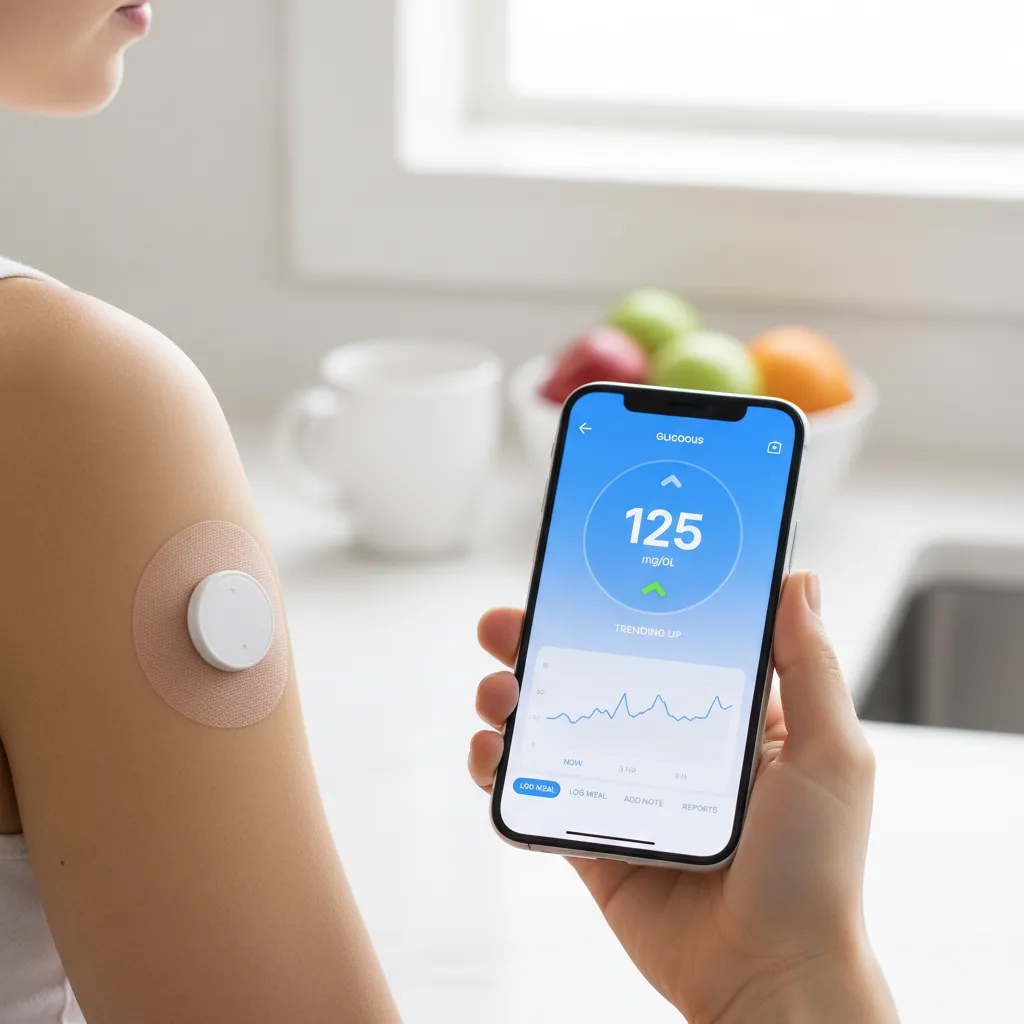
A Continuous Glucose Monitor (CGM) is a small, wearable device that tracks your glucose (sugar) levels 24/7. It consists of three main parts:
- A Small Sensor: A tiny, flexible filament is inserted just under the skin (usually on the back of the arm) with a simple, painless applicator. It measures the glucose in your interstitial fluid—the fluid surrounding your cells.
- A Transmitter: This sits on top of the sensor, attached to your skin with an adhesive patch. It wirelessly sends glucose readings to a receiver or your smartphone.
- A Receiver/App: Your smartphone becomes the command center, displaying your glucose levels in real-time, showing trend arrows, and storing your historical data.
Unlike a traditional finger-prick test, which gives you a single snapshot in time, a CGM provides a continuous stream of data. This allows you to see the full picture: not just the number, but the direction and speed at which your glucose is changing. For a non-diabetic, this glucose trends analysis is the real gold, revealing the subtle cause-and-effect relationships between your lifestyle and your metabolic health. It’s the ultimate tool for proactive glucose management for non-diabetics.
The New Frontier of Wellness: Why Non-Diabetics Are Embracing CGMs
The conversation around health is shifting from a reactive model of treating sickness to a proactive one of optimizing wellness. We’re moving beyond generic advice and entering an era of hyper-personalization. This is where smart glucose monitoring shines, offering a level of insight that empowers you to take control of your health in a way that wasn’t possible before.
Stable Blood Glucose: The Cornerstone of Peak Performance
Think of blood glucose as your body’s primary energy currency. When it’s stable, everything just works better. The stable blood glucose benefits are profound and impact nearly every aspect of your daily life:
- Consistent Energy: Say goodbye to the rollercoaster of energy spikes and crashes. Stable glucose means sustained fuel for your brain and body throughout the day.
- Enhanced Cognitive Function: A steady supply of glucose to the brain supports better focus, memory, and mental clarity. No more brain fog. Related: Deep Work Mastery: Unlock Focus & Boost Productivity In a Distracted World
- Improved Mood: Volatile blood sugar can contribute to irritability and mood swings. Stability promotes a more balanced emotional state.
- Reduced Cravings: Sharp drops in glucose trigger powerful cravings for sugary, high-carb foods. Keeping levels stable helps you regain control over your appetite.
- Better Physical Performance: Whether in the gym or during an endurance event, stable glucose ensures your muscles have the fuel they need when they need it.
Using a CGM is the most effective way to learn how to prevent blood sugar spikes and maintain this optimal state.
Data-Driven Wellness: Moving Beyond Generic Health Advice
We’ve all heard the advice: “eat whole foods,” “get more sleep,” “manage stress.” But how do these actions specifically impact your unique biology? A CGM acts as your personal bio-feedback device. That bowl of oatmeal lauded as a “healthy breakfast” might be perfect for your friend, but it could be sending your personal glucose levels soaring. A late-night snack might be fine for your partner, but it could be disrupting your sleep architecture.
This technology allows you to run “N-of-1” experiments on yourself, finally answering questions like:
- Which fruits can I eat without a major spike?
- How much does a stressful meeting affect my body?
- Does a pre-workout snack actually improve my performance, or does it hinder it?
- What’s the optimal time for me to eat dinner to improve my sleep quality?
This is the essence of personalized nutrition CGM and true biohacking glucose levels for a better life.
Decoding Your Data: How to Use CGM for Metabolic Health Optimization
Once you have this stream of real-time glucose data, the real journey begins. It’s not about achieving a perfectly flat line—that’s neither realistic nor healthy. It’s about understanding your responses and making informed adjustments to optimize metabolism.
Personalized Nutrition: See Exactly How Food Affects You
This is where a CGM delivers its most immediate and eye-opening insights. You can directly observe the diet insights CGM provides by seeing how your body metabolizes different foods and combinations.
- Test Your Carbs: Discover your personal tolerance for different carbohydrate sources. You might find that a sweet potato gives you a gentle, rolling hill of glucose, while white rice creates a sharp, mountainous spike.
- The Power of Pairing: Learn the magic of food order and pairing. See firsthand how adding protein, healthy fats, and fiber (like a handful of nuts or a side of avocado) to a carbohydrate source can dramatically blunt the glucose response.
- Vinegar & Walks: Test common biohacks. Does a tablespoon of apple cider vinegar before a meal really help? How much does a 10-minute walk after eating flatten your curve? Now you can see the data for yourself.
- Uncover Hidden Sugars: You’ll be shocked to see how seemingly “healthy” items like sauces, dressings, and yogurts can spike your glucose due to hidden sugars.
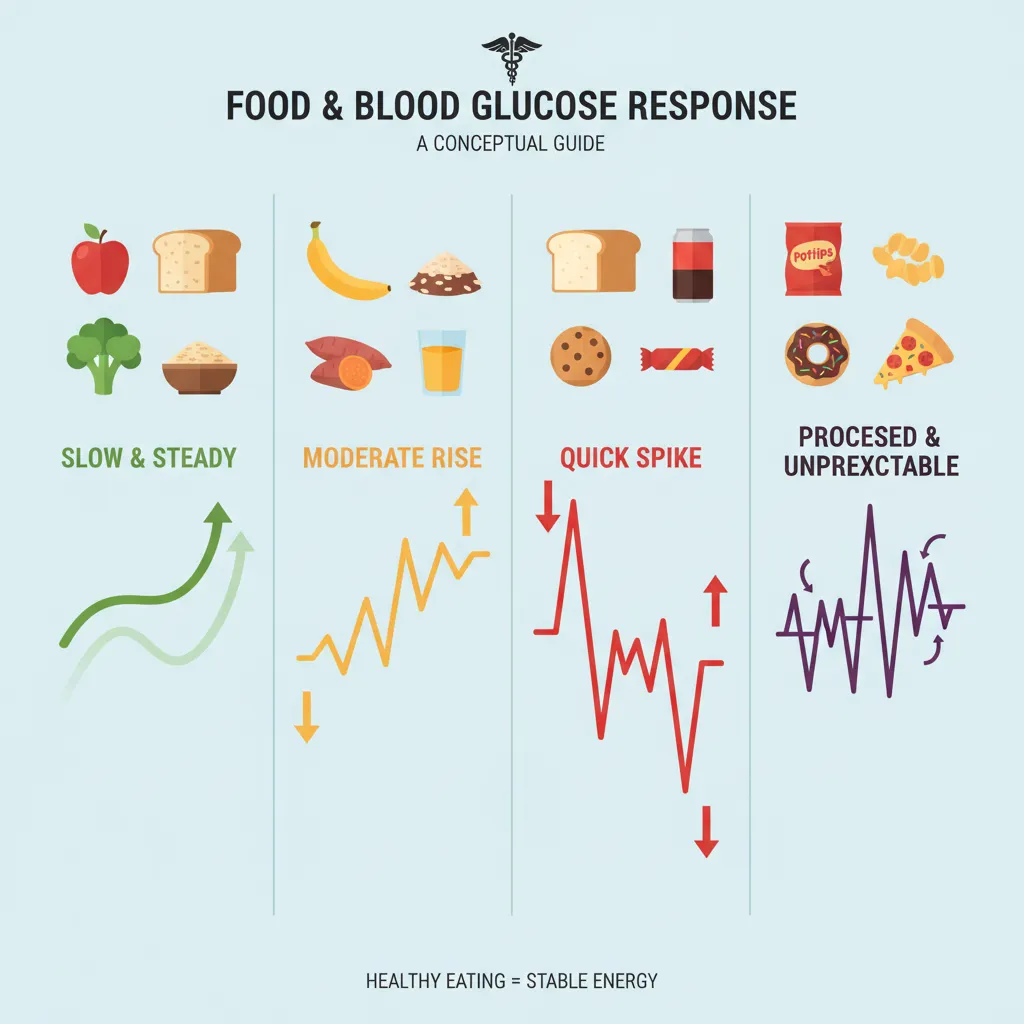
By systematically observing these responses, you can build a truly personalized blood sugar control diet that fuels your body optimally without relying on restrictive, one-size-fits-all rules.
Fueling Fitness: Improve Athletic Performance with Glucose Tracking
For athletes, glucose is high-octane fuel. Managing it effectively is the key to unlocking new levels of performance and endurance. Glucose tracking fitness is a game-changer.
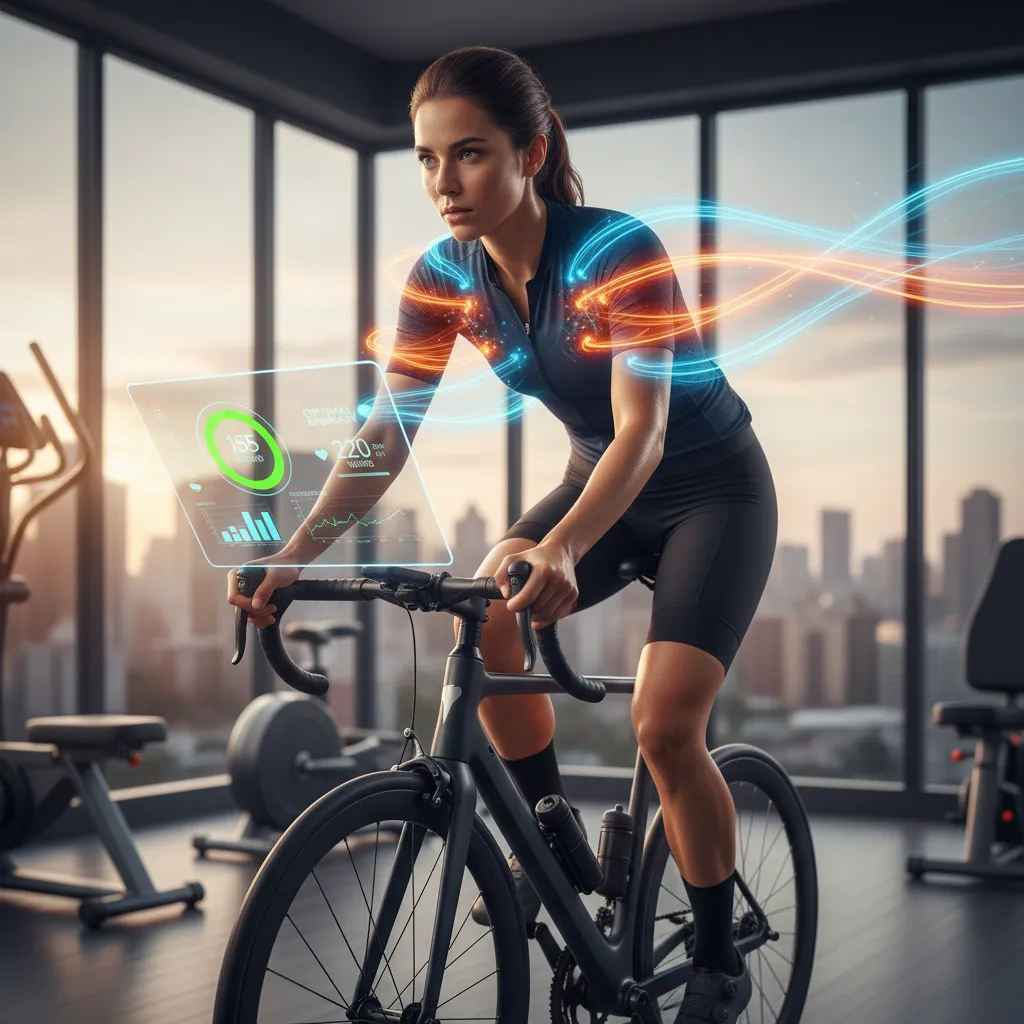
- Pre-Workout Fueling: A CGM helps you dial in your pre-workout nutrition perfectly. You can learn exactly how long before a workout you need to eat to ensure your glucose is at an optimal, stable level when you start, preventing a “bonk” or a mid-workout crash.
- Intra-Workout Energy: For endurance athletes, a CGM can show when your glucose levels are starting to dip, signaling the perfect time to take in a gel or sports drink to maintain performance without over-fueling.
- Post-Workout Recovery: The period after exercise is a critical window for replenishing glycogen (your muscles’ stored glucose). A CGM can help you confirm that your post-workout meal is effectively and efficiently restoring your energy stores without causing a massive, unnecessary spike.
This approach transforms athletic performance nutrition from guesswork into a precise science, tailored to your body’s real-time needs.
The Sleep-Glucose Connection: Unlocking Better Rest and Recovery
The relationship between sleep and glucose is a two-way street. Poor sleep can wreck your glucose control the next day, and unstable glucose levels overnight can destroy your sleep quality. Monitoring your sleep and glucose levels can reveal:
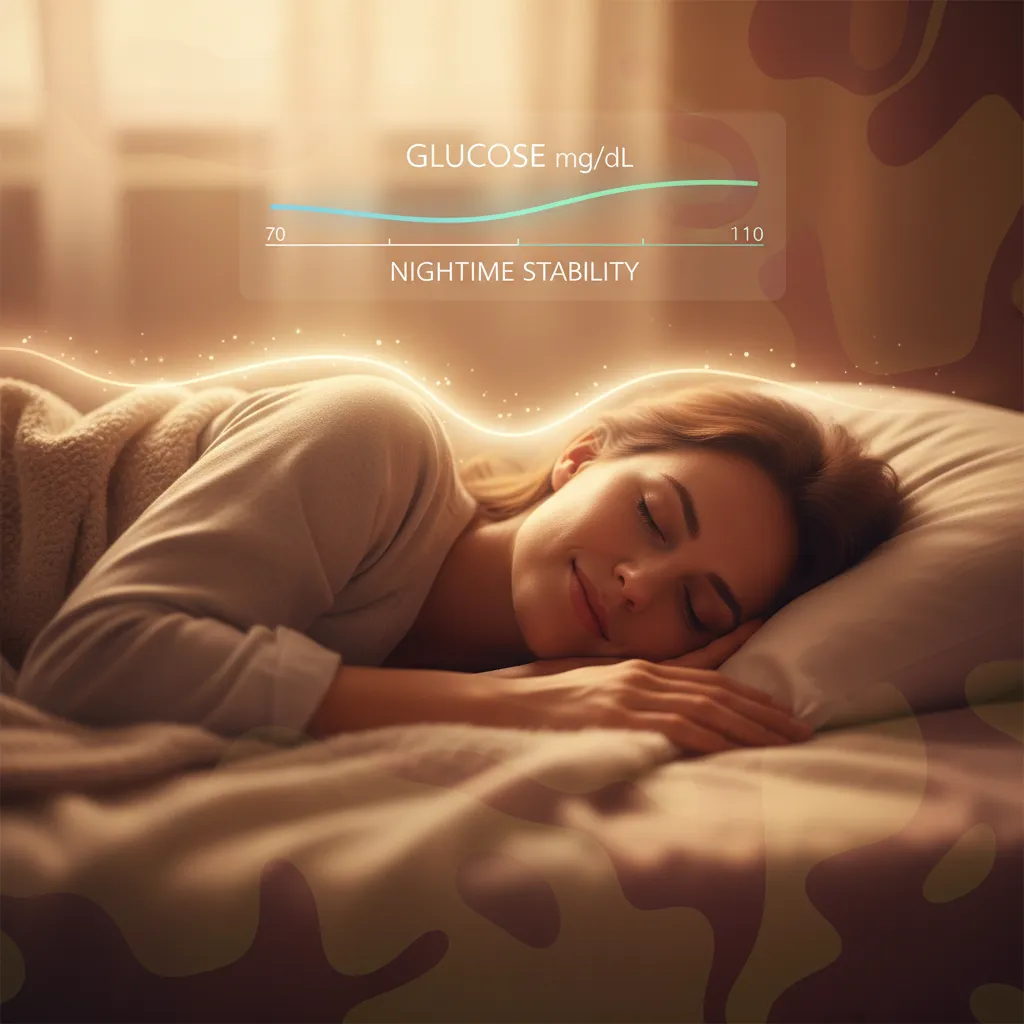
- The Impact of Late-Night Meals: See how that evening snack or late dinner affects your glucose levels throughout the night. A sustained elevation can impair your body’s ability to enter deep, restorative sleep stages.
- The “Dawn Phenomenon”: Observe the natural rise in glucose in the early morning as your body prepares to wake up. For some, this can be exaggerated and disruptive.
- Nocturnal Hypoglycemia: Identify dips in glucose overnight that might be causing restlessness or waking you up, even if you don’t fully remember it.
By making adjustments based on this data—like eating dinner earlier or changing your meal composition—you can foster stable nighttime glucose, leading to deeper, more restorative sleep and better energy levels CGM data the next day.
Managing Modern Life: The Surprising Impact of Stress on Blood Sugar
You don’t need to eat a cookie to raise your blood sugar. Your body can release its own stored glucose in response to stress. A CGM makes this invisible physiological response visible.
You can literally watch your glucose climb during a high-stakes presentation, a difficult conversation, or even while stuck in traffic. This isn’t just a curiosity; it’s actionable data. Seeing the real-time stress and blood sugar connection can be a powerful motivator to integrate stress-management techniques like mindfulness, breathwork, or a short walk into your day. Related: AI Tutors: Revolutionizing Personalized Education—learning to manage your body’s stress response is the ultimate form of self-education.
Getting Started with CGM: A Practical Guide
Intrigued? Here’s how to embark on your next-gen health tracking journey.
Choosing a CGM Service for Non-Diabetics
While CGMs require a prescription, several wellness companies have emerged to streamline the process for non-diabetic individuals. Services like Levels, Nutrisense, and Signos bundle the hardware (continuous glucose sensors like the FreeStyle Libre or Dexcom), a sophisticated app for data interpretation, and a telehealth consultation to secure the prescription. Their apps are designed specifically for the wellness user, providing insights, meal logging, and reports to help you make sense of the data.
What to Expect: Application, Wear, and Data Syncing
The process is remarkably simple. The sensor is applied using a small plastic applicator—most users report feeling nothing more than a light press. Once applied, it’s waterproof and stays on for about 14 days. You then sync the transmitter with the companion app on your phone, and within an hour, you’ll start seeing your glucose data populate.
Understanding the Numbers: What is a Healthy Blood Sugar Range?
For non-diabetics, the goal isn’t to obsess over specific numbers but to understand patterns and improve glycemic variability (i.e., reduce the size of the peaks and valleys). However, some general targets from experts in the field suggest:
- Fasting Glucose: 72-85 mg/dL
- Post-Meal Peak: Under 140 mg/dL, ideally returning to baseline within 2-3 hours.
- Average Glucose: Below 100 mg/dL
Again, these are just guidelines. The real power lies in using the data to make your own curves gentler and your energy more stable. It’s about personal optimization, not pathology. Related: The Future of Human-Robot Collaboration: AI’s Next Frontier—this is the ultimate collaboration between human and technology for better health.
The Bigger Picture: CGM for Longevity and Prediabetes Prevention
Beyond immediate performance benefits, a CGM is a powerful tool for long-term health. Poor metabolic health is a key driver of many chronic diseases. By keeping your glucose levels in a healthy, stable range, you help reduce inflammation, oxidative stress, and the risk of developing insulin resistance.
This makes it an incredible tool for prediabetes prevention CGM. You can spot negative trends years before they would ever show up on a standard blood test, giving you a crucial head start to make lifestyle changes. For those interested in Longevity CGM, managing glycemic variability is considered one of the most important levers you can pull to promote healthy aging.
Conclusion: Stop Guessing, Start Measuring
The era of one-size-fits-all health advice is over. A Continuous Glucose Monitor is more than just a gadget; it’s a personalized metabolic coach on your arm, providing an unprecedented stream of objective data about how your body responds to your unique life.
By leveraging a CGM, you can trade frustrating energy crashes for all-day vitality, optimize your nutrition with scientific precision, fuel your workouts for peak performance, and gain invaluable insights into your sleep and stress responses. It’s the ultimate tool for anyone ready to move from passively hoping for good health to actively building it.
Are you ready to unlock your peak performance? The journey to understanding your own biology is the most rewarding one you can take, and with the power of continuous glucose monitoring, the map is finally in your hands.
Frequently Asked Questions (FAQs)
Is a CGM worth it for someone without diabetes?
For individuals focused on health optimization, athletic performance, or longevity, a CGM can be incredibly valuable. It provides direct biofeedback on how nutrition, exercise, sleep, and stress impact your metabolic health, enabling personalized adjustments that go far beyond generic wellness advice. While not a medical necessity, it’s a powerful tool for proactive health management.
What should my glucose levels be if I am not diabetic?
While ranges can vary slightly, a generally accepted healthy blood sugar range for non-diabetics is a fasting glucose between 72-85 mg/dL and post-meal glucose that peaks below 140 mg/dL and returns to baseline within two to three hours. The primary goal is to minimize large spikes and crashes and maintain stable levels.
Can you buy a continuous glucose monitor over the counter?
No, in the United States and many other countries, CGMs are medical devices that require a prescription. However, several wellness-focused companies (like Levels and Nutrisense) have built platforms that include a telehealth consultation with a doctor who can write a prescription as part of their service.
What are the downsides of using a CGM for non-diabetics?
The potential downsides include the cost, which is often not covered by insurance for non-diabetic use. There’s also a risk of developing data obsession or anxiety around normal food consumption and natural glucose fluctuations. It’s important to use the data as a guide for learning, not as a source of stress. Some people may also experience minor skin irritation from the adhesive.
How much does a CGM for non-diabetics cost?
The cost typically ranges from $200 to $400 per month through specialized wellness services. This fee usually includes the cost of the sensors (which last about 14 days each), the companion software/app, and sometimes access to nutritionists or health coaches to help you interpret your data.
What foods should I avoid to prevent glucose spikes?
Foods that are most likely to cause sharp glucose spikes are those high in refined carbohydrates and sugar with little fiber, fat, or protein. This includes sugary drinks, candy, white bread, white rice, and many processed breakfast cereals. However, a CGM helps you learn your personal trigger foods and discover ways to mitigate spikes, such as pairing carbs with protein or taking a walk after meals.