AI for Mental Wellness: Your Personalized Path to a Calmer Mind

Introduction
In our hyper-connected, fast-paced world, moments of quiet and clarity can feel like a luxury. The constant barrage of notifications, deadlines, and social pressures has made stress and anxiety common companions for many. For decades, the path to mental wellness was clearly defined but often inaccessible, gated by cost, stigma, and scheduling conflicts. But what if you had a supportive, intelligent resource available 24/7, right in your pocket? This is the promise of AI for mental wellness—a revolutionary fusion of technology and psychology that is reshaping the landscape of self-care and emotional support.
The rise of mental wellness technology isn’t about replacing human connection; it’s about augmenting it. It’s about providing accessible mental health AI to those who might otherwise have none. From AI therapy apps that guide you through cognitive behavioral exercises to sophisticated platforms that help you understand your emotional patterns, these digital mental health solutions are offering a personalized, data-driven path to a calmer mind.
This guide will explore the transformative world of AI mental health. We’ll delve into how this technology works, uncover the tangible benefits it offers for stress and anxiety relief, examine the ethical considerations, and look toward the future of mental healthcare. Whether you’re curious about stress management AI or exploring options for AI emotional support, you’ll gain a clear understanding of how these innovative tools can empower your mental well-being journey.
The Dawn of a New Era: What is AI-Powered Mental Wellness?
At its core, AI for mental wellness uses artificial intelligence algorithms to provide psychological support, guidance, and self-care tools. It’s far more than a simple chatbot. These systems leverage sophisticated technologies like Natural Language Processing (NLP) to understand your written or spoken words, and machine learning to identify patterns in your mood and behaviors over time.
Think of it as a suite of AI well-being tools designed to learn and adapt to you. The goal is to create a deeply personalized mental health experience. This can manifest in several ways:
- Interactive Chatbots: AI-driven conversational agents that can engage in supportive dialogue, offer coping strategies, and guide users through therapeutic exercises.
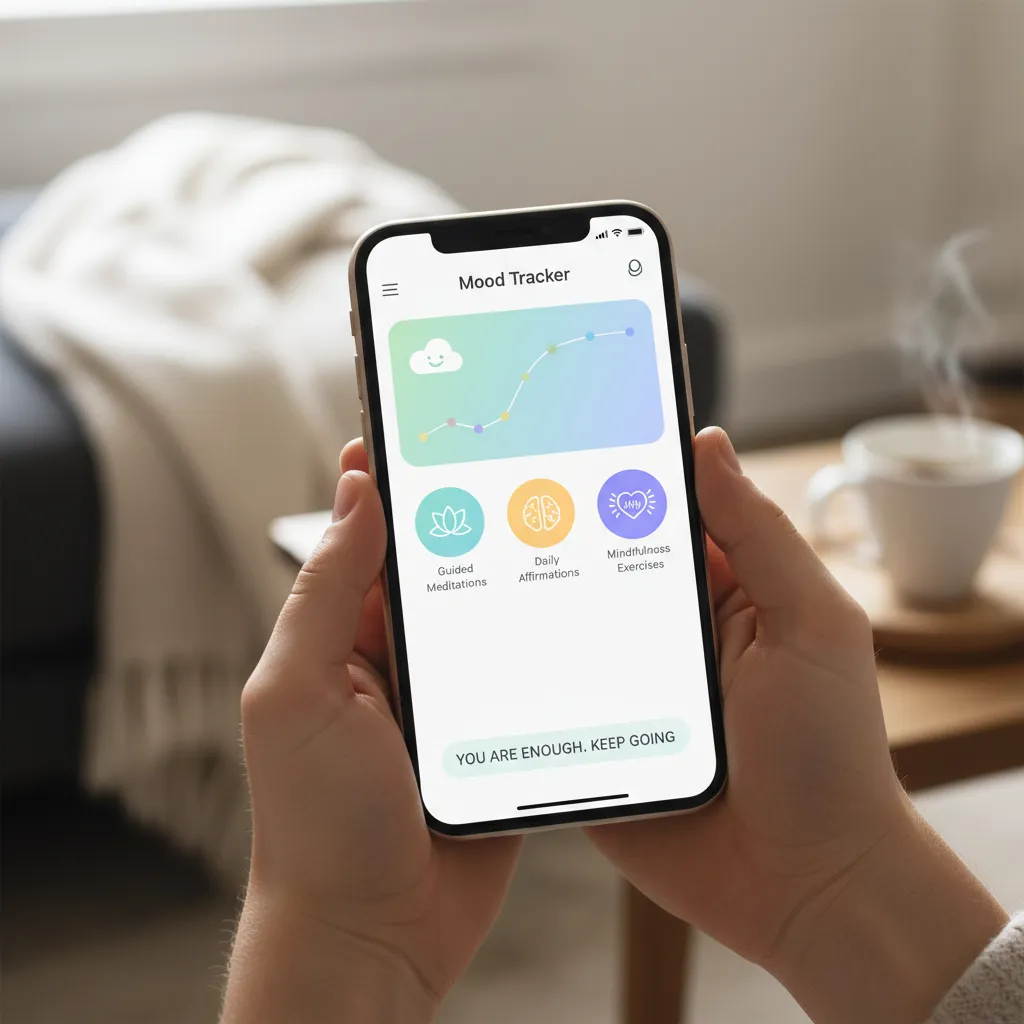
- Mood & Behavior Trackers: Intelligent journaling apps that analyze your entries to help you identify triggers for anxiety, stress, or low moods, fostering greater self-awareness.
- Personalized Content Delivery: AI mindfulness apps that recommend specific meditations based on your current stress level, or platforms that suggest articles and activities tailored to your emotional state.
- Skill-Building Modules: Structured programs, often based on established therapeutic methods like Cognitive Behavioral Therapy (CBT), delivered in a digestible, interactive format.
The power of these AI mental health platforms lies in their ability to process vast amounts of data to offer insights that were previously only available through extensive, and often expensive, therapy.
The Core Benefits: How AI is Revolutionizing Personal Well-being
The rapid adoption of this technology stems from its ability to solve long-standing challenges in mental healthcare. The AI mental health benefits are not just theoretical; they are having a practical, positive impact on millions of users worldwide.
Unprecedented Accessibility and Anonymity
One of the biggest barriers to seeking help is access. Whether due to location, cost, or a packed schedule, finding a therapist can be difficult. AI demolishes these barriers. AI emotional support is available 24/7, on-demand, from the privacy of your own home. This anonymity also helps to dismantle the stigma that prevents many from taking the first step. For someone who is hesitant to speak to a person, interacting with an AI can feel like a safe, judgment-free starting point.
True Personalization at Scale
Traditional self-help is often one-size-fits-all. An AI, however, can tailor its approach specifically to you. By learning from your daily check-ins, journal entries, and stated goals, a virtual mental health coach can adjust its recommendations. If it notices you consistently report stress in the evenings, it might suggest a wind-down meditation at 8 PM. If your goal is to manage social anxiety, it can provide targeted exercises before a big event. This level of personalization is key to improving mental health with AI. Related: Galaxy Ring: Samsung’s Ultimate Health Tracker Guide
Data-Driven Insights for Self-Awareness
Often, we’re not fully aware of the subtle patterns that govern our emotional lives. An AI can act as an objective mirror, helping you connect the dots. By analyzing your tracked data, an app might reveal that your mood dips on days you don’t get enough sleep or that your anxiety spikes after you consume caffeine. This fosters a deeper level of AI and emotional regulation, empowering you with the self-awareness needed to make positive lifestyle changes. This is a cornerstone of effective AI for self-care.
Cost-Effective Support
While not free in all cases, AI therapy apps and platforms are almost always significantly more affordable than traditional therapy sessions. Many operate on a subscription model that costs less per month than a single co-pay for a therapist visit. This makes consistent mental health support financially viable for a much broader audience, democratizing access to essential wellness tools.
A Look Inside the Toolbox: Key Types of AI Mental Health Solutions
The world of mental health innovation AI is diverse and constantly evolving. While many apps blend features, they generally fall into a few key categories, each designed to address different aspects of our psychological well-being.
AI Therapy Chatbots and Virtual Coaches
These are often the first thing people think of when they hear “AI therapy.” Apps like Wysa and Woebot have pioneered the use of friendly, empathetic chatbots that use NLP to hold supportive conversations. They can listen to you vent, offer encouragement, and provide in-the-moment coping strategies for feelings of anxiety or sadness. They are designed to be companions on your journey, making AI psychological support feel less clinical and more like talking to a helpful friend.
AI-Driven Cognitive Behavioral Therapy (CBT)
Cognitive Behavioral Therapy (CBT) is one of the most researched and effective therapeutic modalities for treating anxiety and depression. It focuses on identifying and reframing negative thought patterns. AI cognitive behavioral therapy platforms digitize this process, guiding users through structured exercises to challenge cognitive distortions. This is a powerful application of AI for depression and AI anxiety relief, providing evidence-based techniques in an accessible format.
Advanced Mood and Emotion Tracking
Modern mood trackers go far beyond a simple happy or sad face emoji. They employ emotional intelligence AI to analyze the language you use in your journal entries. They can pick up on themes of loneliness, stress, or gratitude and correlate them with activities, sleep patterns, or even the weather. This advanced stress management AI provides rich, visual feedback on your emotional health, helping you understand your inner world with greater clarity. Related: Declutter Your Life: Minimalist Strategies for a Serene Home and Mind
AI-Powered Mindfulness and Meditation Apps
Apps like Headspace and Calm are increasingly using AI to personalize their content. An AI mindfulness app might ask about your current state of mind and then recommend a specific guided meditation for “letting go of anger” or “finding focus.” Some tools use your phone’s camera (with permission) to measure your heart rate variability, offering biofeedback to guide you into a more relaxed state. This is AI for stress reduction in its most direct form.
The Human Element: Building Community and Connection Through AI
A common critique of mental health tech is that it isolates users behind a screen. However, a growing trend in mental health tech trends is using AI to foster human connection, not replace it.
AI algorithms can be used to create safer and more supportive online communities. They can:
- Moderate discussions in peer-to-peer support forums, flagging harmful content or bullying to ensure a positive environment.
- Identify users in crisis based on their language and alert human moderators or provide immediate resources.
- Connect individuals with similar life experiences or struggles, facilitating a sense of belonging and shared understanding.
In this model, AI acts as a smart facilitator, creating spaces where people can provide and receive genuine human support, augmented by the safety and structure that technology can provide.

Navigating the New Frontier: The Critical Ethics and Privacy Debate
The immense potential of AI in mental health comes with significant responsibilities. As users entrust these apps with their most vulnerable thoughts and feelings, the conversation around ethical AI mental health and privacy becomes paramount.
The Privacy Paradox: Who Owns Your Emotional Data?
This is the most pressing concern. When you use an AI-powered therapy app, you are generating highly sensitive data. It’s crucial to understand how that data is stored, used, and protected. Before using any app, you should:
- Read the Privacy Policy: Look for clear language about data encryption, anonymity, and whether your data is sold to third parties.
- Check for Compliance: In the US, look for mentions of HIPAA compliance, which is the standard for protecting sensitive patient health information.
- Use Anonymized Sign-ups: Prefer services that don’t require your real name or link to your social media accounts.
Related: The AI Revolution in Cybersecurity: How AI is Protecting Our Digital World
Algorithmic Bias and Equity
AI models are only as good as the data they are trained on. If an AI’s training data predominantly comes from one demographic, its ability to understand and effectively help people from other backgrounds (different cultures, dialects, or life experiences) may be limited. Ensuring these tools are equitable and effective for everyone is a major focus of ongoing AI mental health research.
The ‘Human Touch’ Dilemma: Is AI a Supplement or a Replacement?
It is vital to understand the current limitations. AI is not a sentient being; it does not “feel” empathy. It is a sophisticated pattern-matching system. For this reason, the vast majority of ethical developers and mental health professionals see AI as a powerful supplement to, not a replacement for, human therapists. AI tools are excellent for sub-clinical issues like everyday stress, building healthy habits, and providing initial support. However, they are not equipped to handle severe mental health crises, complex trauma, or conditions that require a nuanced, human therapeutic relationship.
The Road Ahead: The Future of Mental Healthcare is Hybrid
The mental health technology impact will only grow. We are moving toward a hybrid model where technology and human professionals work in tandem. Imagine a future where your therapist can (with your explicit consent) review insights from your mental health app to make your in-person sessions more productive.

We can expect to see deeper integration with wearable technology, using biometric data like heart rate, sleep quality, and activity levels to provide a truly holistic picture of your well-being. Predictive analytics may one day help identify early warning signs of a mental health crisis, enabling proactive intervention. The future of mental healthcare is collaborative, data-informed, and more accessible than ever before, thanks to these intelligent tools. Related: The Future of Human-Robot Collaboration: How AI is Creating the Next Frontier
Conclusion
The journey to mental wellness is deeply personal, and the rise of AI provides a powerful new set of tools to help navigate that path. From 24/7 emotional support and AI anxiety relief exercises to personalized mindfulness guides, this technology is democratizing access to mental health resources on an unprecedented scale. It empowers us with data-driven self-awareness, helping us understand our triggers and build healthier habits.
However, this new frontier must be navigated with mindful awareness. Prioritizing privacy in AI mental health and understanding the technology’s limitations are just as important as embracing its benefits. AI is not a panacea, but it is an incredibly powerful ally. It is a tool that, when used wisely, can support you in building resilience, managing stress, and fostering a deeper, kinder relationship with your own mind.
Ready to explore how technology can support your well-being? Start by researching a trusted app, read its privacy policy carefully, and take the first small step on your personalized path to a calmer, healthier you.
FAQs
Q1. How is AI used for mental health?
AI is used in mental health primarily through applications and platforms that offer 24/7 support. This includes AI-powered chatbots for conversational support, apps that deliver structured therapeutic exercises like Cognitive Behavioral Therapy (CBT), advanced mood trackers that identify emotional patterns, and personalized mindfulness and meditation guides.
Q2. Are AI therapy apps effective?
Research has shown that for mild to moderate symptoms of depression and anxiety, AI therapy apps can be very effective. They excel at teaching coping skills, promoting self-awareness, and providing consistent, accessible support. However, they are not a replacement for human therapists, especially for severe or complex mental health conditions.
Q3. What is an example of an AI mental health app?
Well-known examples include Wysa, an AI chatbot that provides empathetic conversation and self-help tools, and Woebot, which specializes in using principles of Cognitive Behavioral Therapy (CBT) to help users reframe negative thought patterns through guided conversations and mood tracking.
Q4. What are the ethical concerns of AI in mental health?
The primary ethical concerns involve data privacy and security—how sensitive user data is stored and used. Other major concerns include the potential for algorithmic bias, ensuring the AI is effective for diverse populations, and the lack of human nuance and empathy in crisis situations.
Q5. Can AI replace a human therapist?
No, at its current stage, AI cannot replace a human therapist. AI lacks genuine consciousness, empathy, and the ability to understand complex human experiences. It is best viewed as a powerful supplementary tool to make mental healthcare more accessible and to support individuals between therapy sessions or with sub-clinical needs.
Q6. Is my data safe with mental health apps?
Data safety varies widely between apps. It is crucial to read the privacy policy of any app you consider using. Look for apps that use strong encryption, have clear data-sharing policies (i.e., they don’t sell your data), and are compliant with health data regulations like HIPAA.
Q7. How does AI help with anxiety?
AI helps with anxiety by providing immediate, in-the-moment coping strategies. This includes guided breathing exercises, grounding techniques, and CBT-based modules that help users identify and challenge anxious thought patterns. The 24/7 accessibility means support is always available during moments of high anxiety.