AI in Drug Discovery: Revolutionizing Medicine & Molecular Synthesis
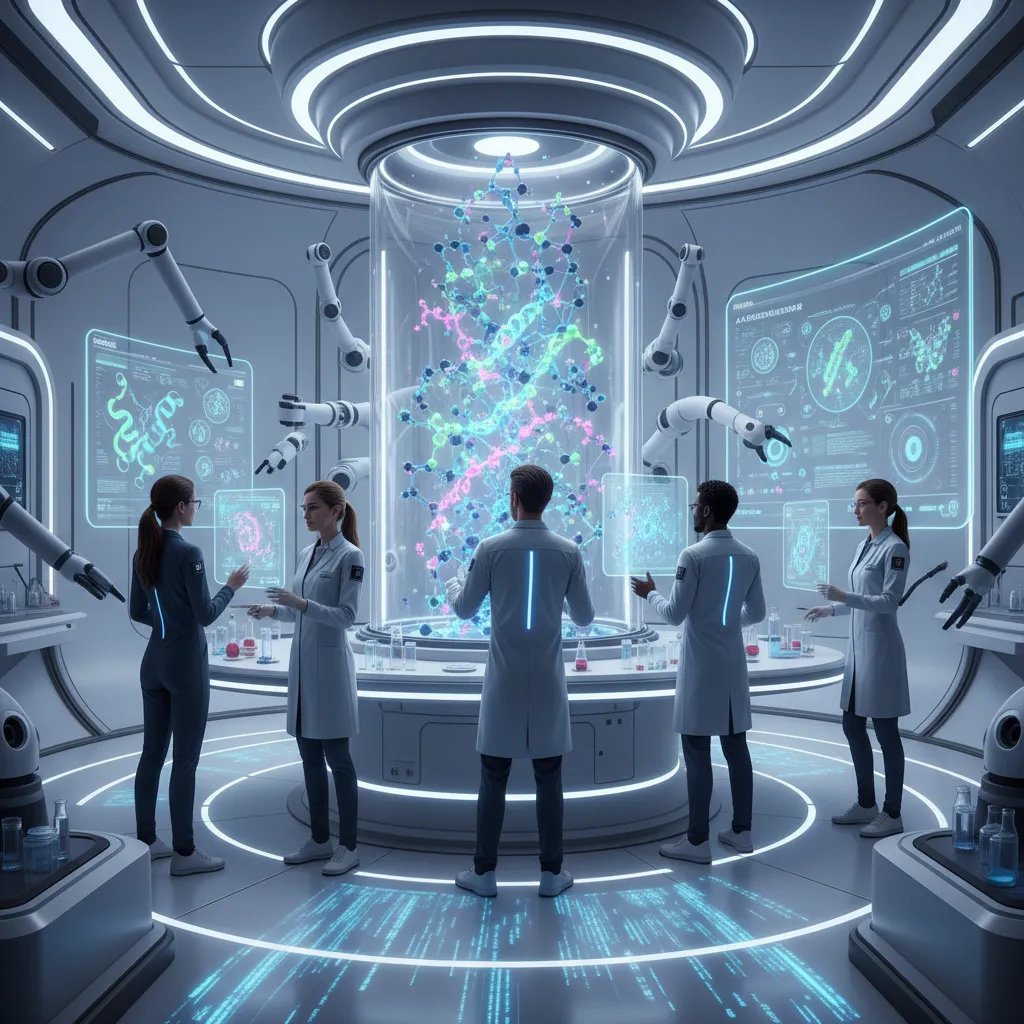
For over a century, developing a life-saving medication was one of the slowest, most expensive endeavors in human history—costing over $2.5 billion and requiring up to 15 years of grueling laboratory trials with a 90% failure rate.
Artificial Intelligence and generative chemistry are dismantling this bottleneck. By modeling molecular physics and 3D protein structures computationally, AI compresses decades of biomedical discovery into months.
[!NOTE] What is AI-Powered Drug Discovery? AI-powered drug discovery is the application of deep neural networks, generative chemical language models, and molecular dynamics simulations to predict biological targets, design de novo therapeutic compounds, and forecast clinical efficacy before entering physical laboratories.
⚖️ Traditional Pharma Pipeline vs. AI-Accelerated Drug Development
| Development Phase | Traditional Pharmaceutical Pipeline | AI-Accelerated Biotech Model | Transformation |
|---|---|---|---|
| Target Discovery & Hit Finding | 4–6 years of manual chemical screening | 2–3 months via generative molecular algorithms | 90% faster discovery |
| Lead Optimization & Synthesis | 3 years synthesizing hundreds of variants | Days simulating binding affinity & ADMET profiles | Minimizes wet-lab waste |
| Pre-Clinical Toxicity Testing | High failure rate in animal studies | Virtual multi-organ toxicity simulations | Higher patient safety |
| Clinical Trial Matching | Months struggling to recruit diverse cohorts | Predictive patient genomic stratification | Halves trial recruitment time |
| Total Development Cost | ~$2.6 Billion per approved drug | Up to 70% reduction in R&D expenditure | Affordable life-saving therapies |
🧬 The 4 Engines of the AI Pharmaceutical Revolution
AI Drug Discovery Pipeline:
Genomic Target Identification ──► De Novo Molecule Design ──► Binding Simulation ──► Virtual Trial Verification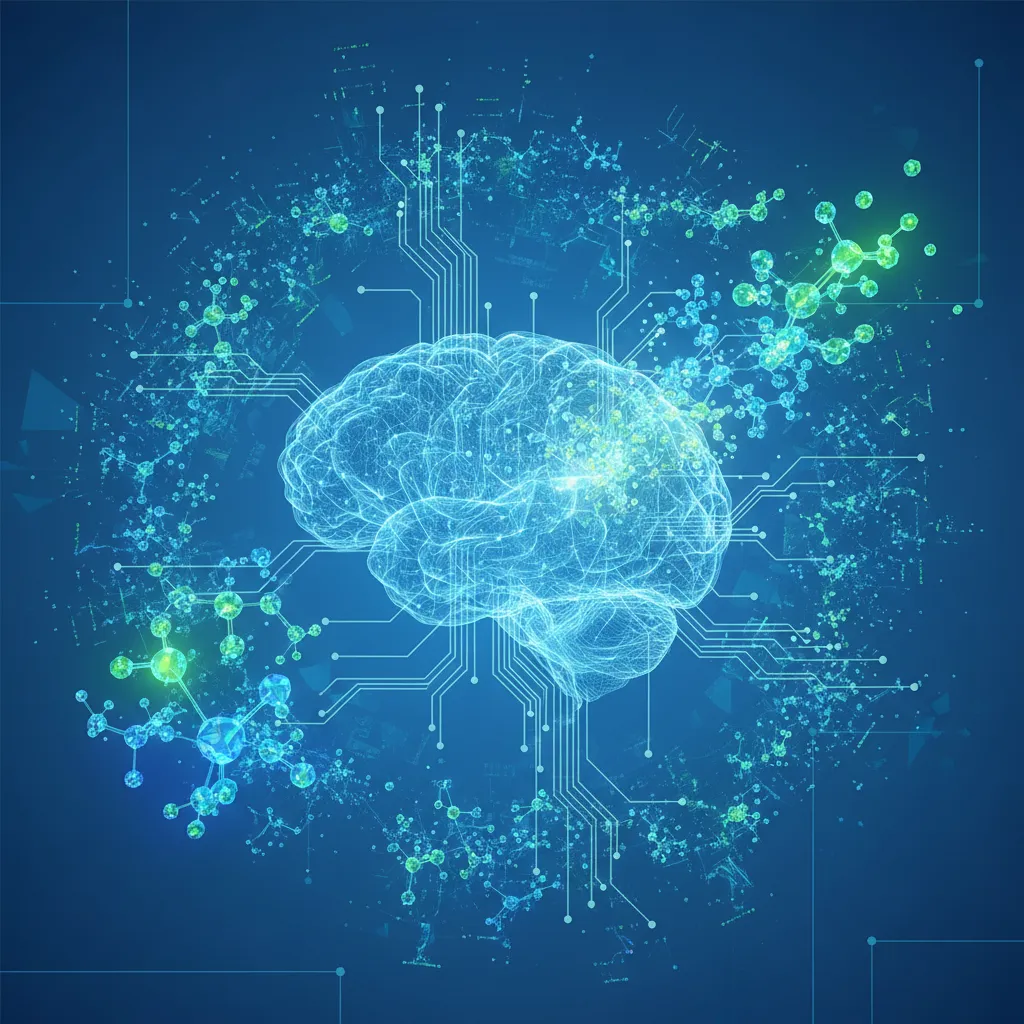
1. 3D Protein Folding & Molecular Interaction Modeling
Breakthrough models predict the exact 3D geometry of target disease proteins, allowing chemists to engineer custom molecular keys that bind perfectly to biological receptor locks.
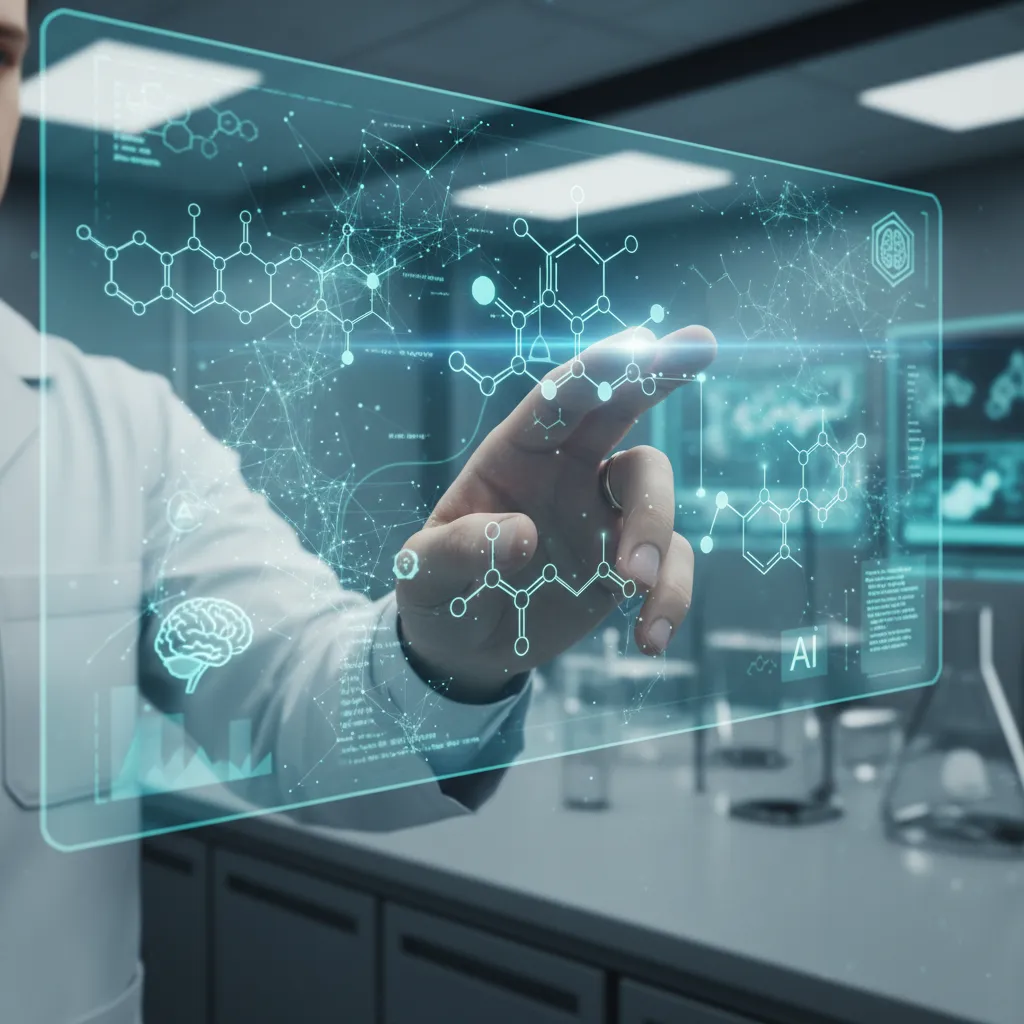
2. Human-AI Collaborative Chemistry
Biomedical researchers use generative chemistry interfaces to explore novel chemical spaces, generating molecules with optimal solubility and bioavailability.
For clinical diagnostic advancements, explore our guide on AI Disease Detection & Personalized Health.
3. Accelerated Virtual Screening & Drug Repurposing
Algorithms analyze millions of existing FDA-approved compounds to discover novel off-target affinities, rapidly repurposing existing safe drugs to treat rare neurological and autoimmune diseases.
4. Patient Stratification & Personalized Therapeutics
By pairing clinical trial data with patient genomic profiles, AI ensures experimental therapies are administered to the specific patient sub-populations most likely to achieve remission.
For broader medical and scientific applications of intelligent systems, read our guide on AI Cognitive Boost & Decision-Making.
🚀 3 Breakthrough Trends Shaping Biotech in 2026
- Generative Antibody Design: Deploying transformer models to design complex therapeutic antibodies from scratch.
- Synthetic Biology & mRNA Engineering: Optimizing mRNA sequence stability to produce next-generation personalized cancer vaccines.
- Open-Source Scientific Collaboration: Leveraging decentralized biomedical databases to democratize life-saving treatments globally.