AI Disease Detection & Personalized Health: The Future of Preventative Medicine
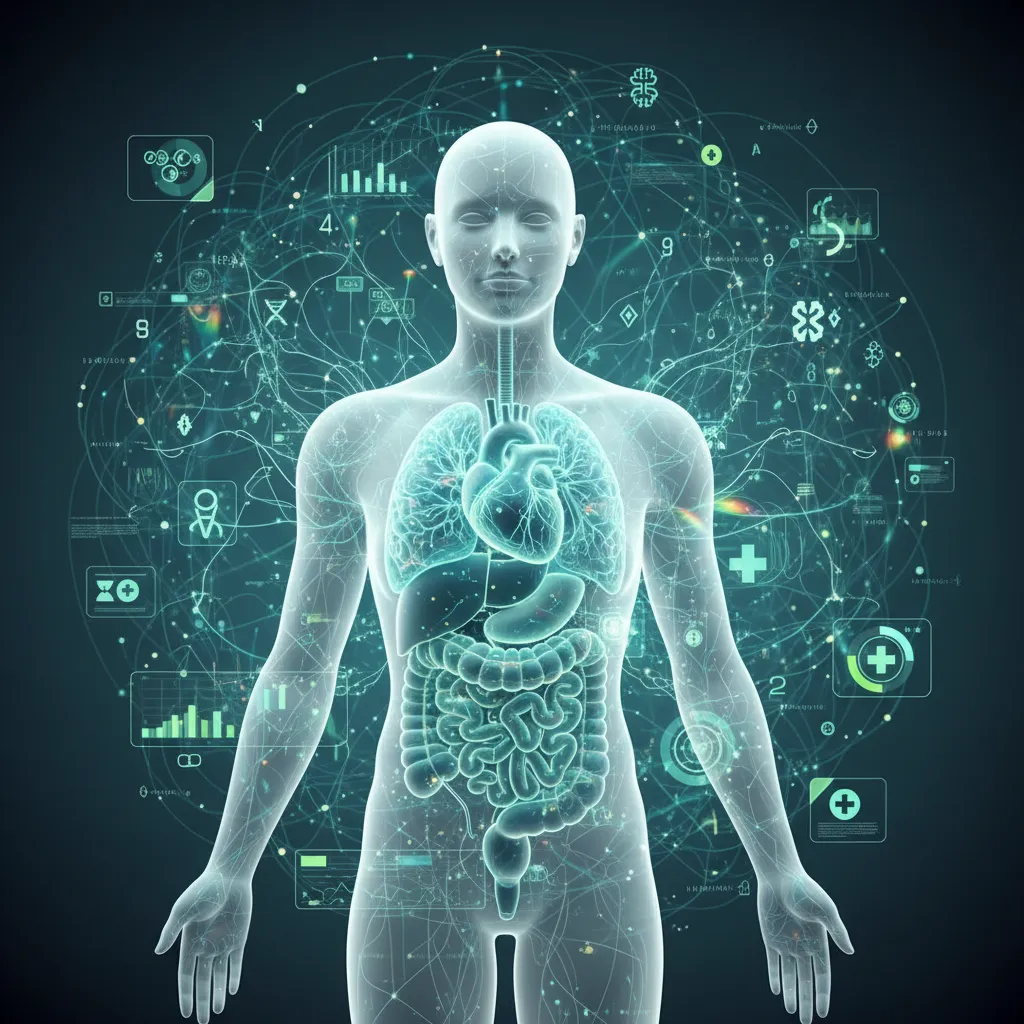
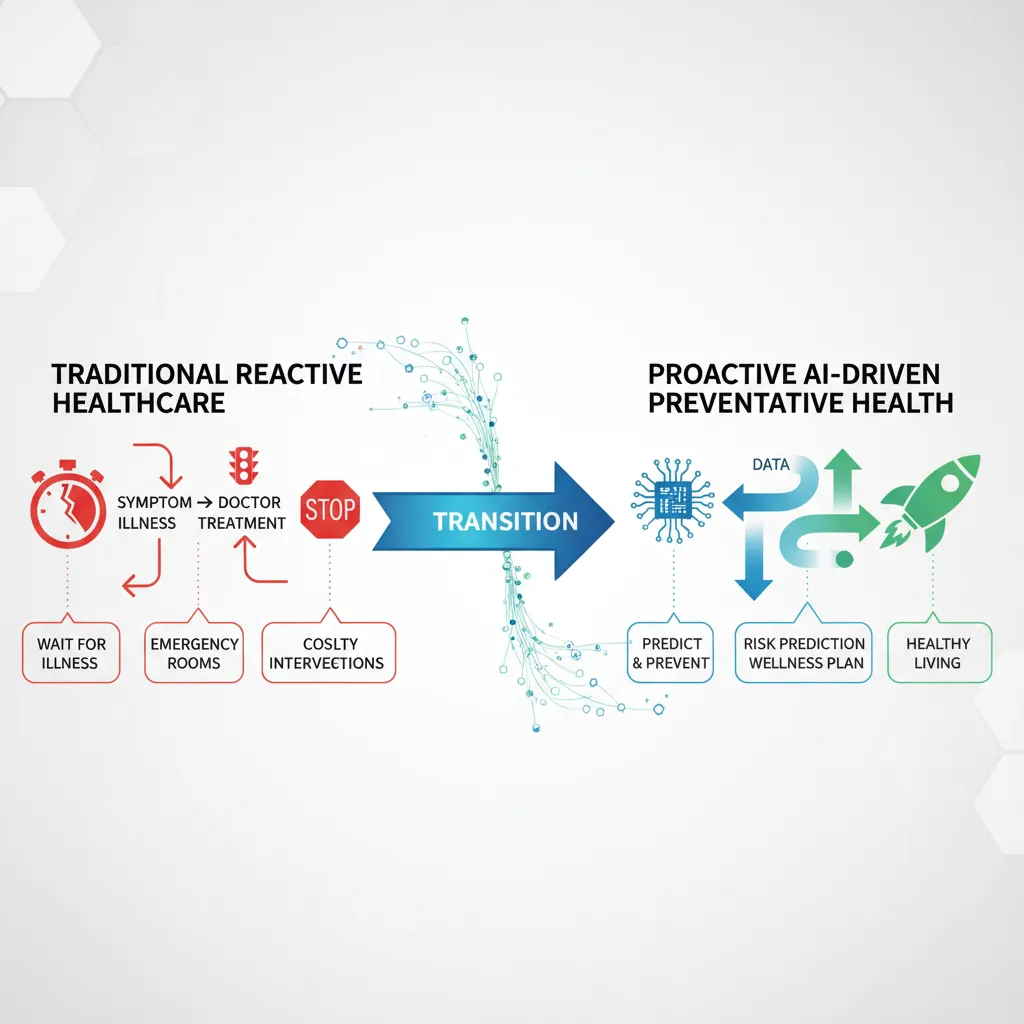
For centuries, healthcare operated on a reactive model: patients sought treatment only after debilitating symptoms emerged, frequently when diseases had already progressed to difficult-to-treat stages.
AI-powered early disease detection and personalized medicine are flipping this paradigm from reactive treatment to proactive prevention—identifying microscopic cellular anomalies and predicting health risks long before symptoms appear.
[!NOTE] What is AI-Driven Precision Health? AI-driven precision health is the integration of deep learning computer vision, genomic sequence modeling, and continuous wearable biomarker tracking to diagnose medical conditions at their earliest stages and customize therapies to an individual’s unique biological profile.
⚖️ Reactive Medicine vs. AI-Powered Preventative Healthcare
| Healthcare Metric | Reactive Traditional Medicine | AI-Powered Preventative Healthcare | Patient Impact |
|---|---|---|---|
| Diagnosis Timing | Late stage (after symptoms appear) | Ultra-early (sub-visual cellular markers) | 5x higher treatment cure rates |
| Image Analysis | Manual visual inspection by radiologists | Multi-spectral pixel-level neural pattern matching | Detects micro-tumors 2+ years earlier |
| Treatment Protocols | Standardized one-size-fits-all drug trials | Genomically tailored precision therapies | Eliminates adverse drug reactions |
| Health Monitoring | Annual 15-minute routine physical | Continuous 24/7/365 wearable biomarker telemetry | Proactive early cardiovascular alerts |
| Clinical Efficiency | Weeks waiting for specialist reviews | Instant automated triage & diagnostic copilot | Rapid life-saving clinical interventions |
🧬 The 4 Breakthrough Frontiers of Medical AI
Precision Diagnostic Pipeline:
Imaging & Genomic Stream ──► Cellular Anomaly Detection ──► Physician Collaboration ──► Preventative Treatment
1. High-Precision Early Screening & Computer Vision
Neural networks trained on millions of medical scans detect micro-nodules in mammograms and chest X-rays with superhuman accuracy, reducing false negatives by over 40%.
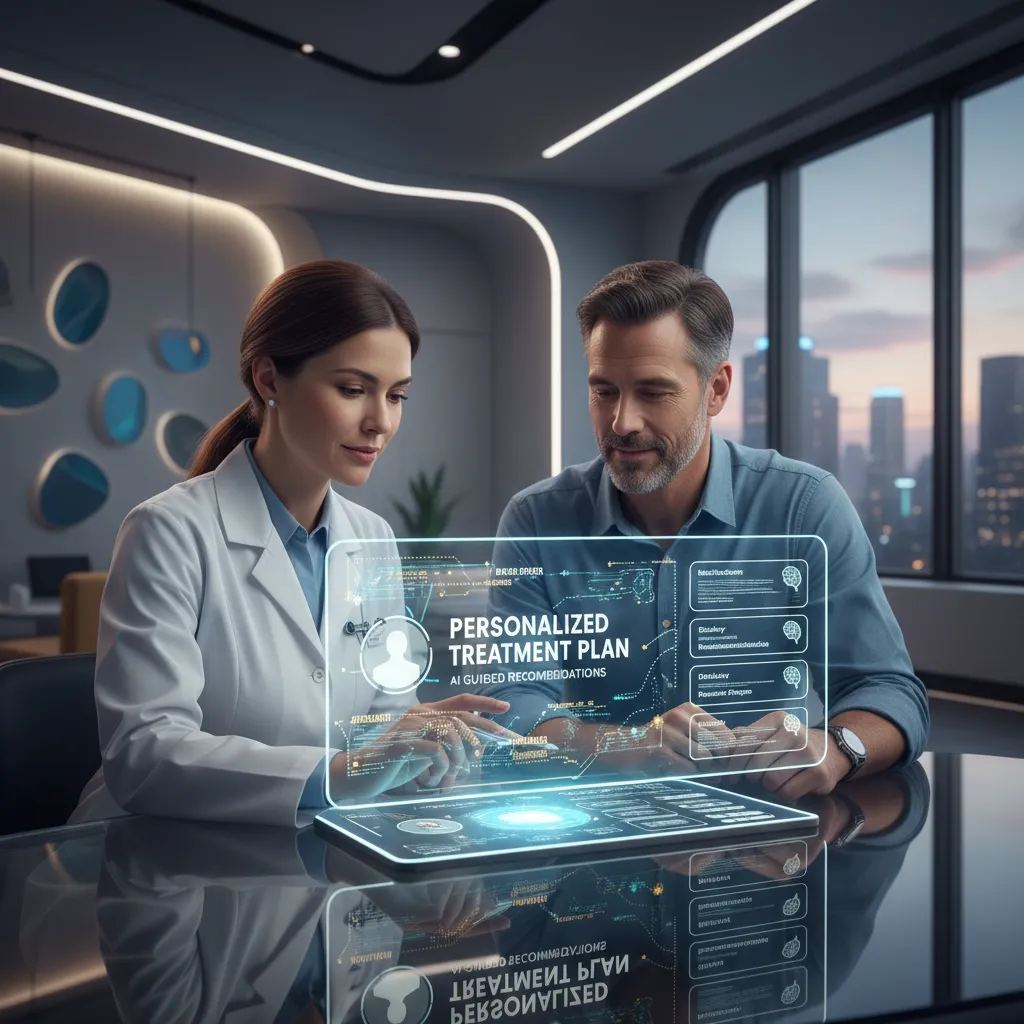
2. Physician Copilots & Shared Decision-Making
Physicians use diagnostic AI copilots to review synthesized patient histories and drug interaction matrices, engaging in deeper, more empathetic consultations with patients.
For biometric identity and secure health data encryption, read our guide on AI Biometrics & Secure Identity Access.
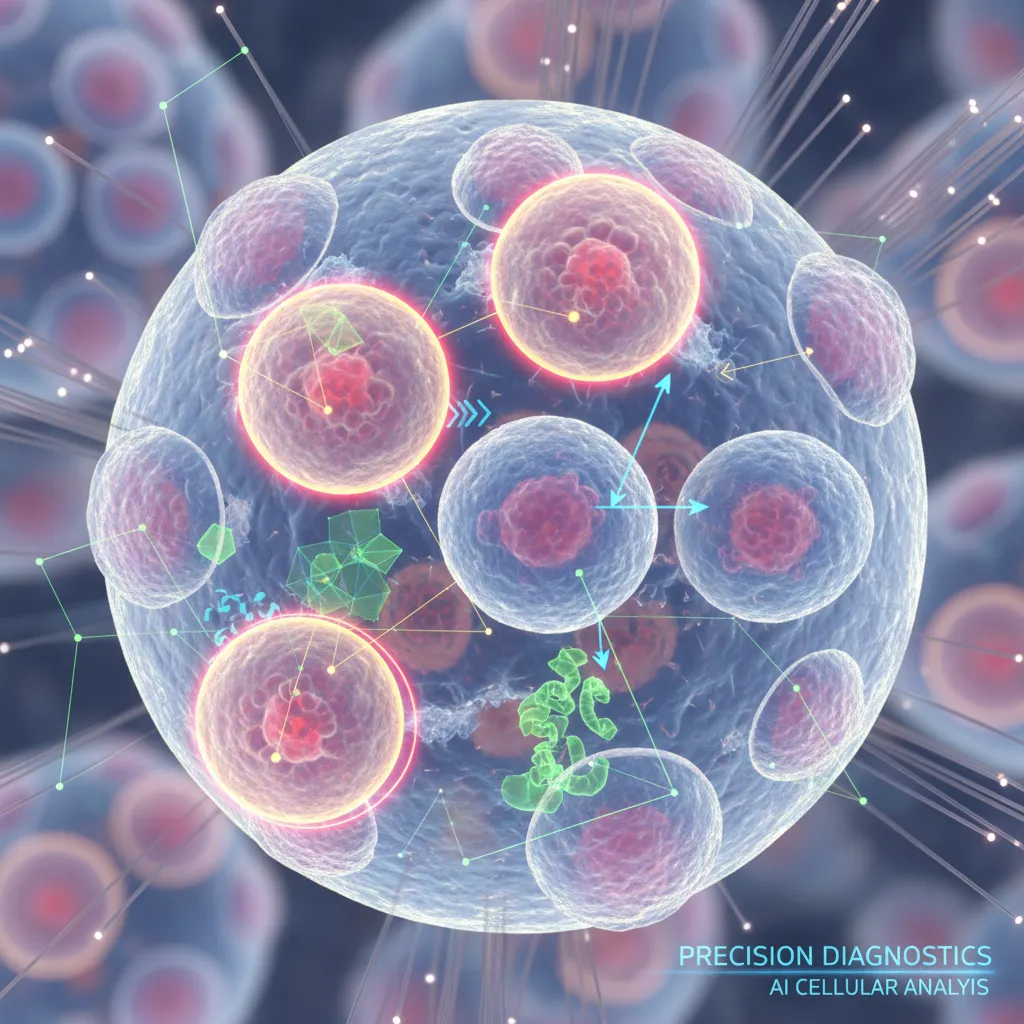
3. Cellular-Level Genomic & Molecular Diagnostics
Deep learning models parse billions of base pairs in human DNA to predict hereditary risks for cardiovascular diseases and auto-immune conditions, matching patients with targeted immunotherapy.
4. The Shift to Continuous Preventative Longevity
Continuous wearable health monitors track heart rate variability, arterial stiffness, and blood oxygenation, alerting clinicians to cardiovascular anomalies before heart attacks occur.
For mental health and neurological wellbeing technologies, explore our guide on AI for a Calmer Mind.
🚀 3 Preventative Health Steps to Take in 2026
- Leverage Comprehensive Biomarker Panels: Undergo annual multi-cancer early detection (MCED) blood tests and full-body AI MRI scans.
- Track Longitudinal Health Metrics: Use smart rings or watches to monitor resting heart rate trends and sleep recovery architectures.
- Engage in Proactive Lifestyle Medicine: Use personalized metabolic and nutritional guidance to optimize longevity and cellular health.