AI Companions for Mental Wellness: Your New Digital Mind Coach

In our hyper-connected, always-on world, the conversation around mental health has never been more critical. Yet, traditional barriers like cost, stigma, and accessibility often stand in the way of getting help. What if you had a supportive, non-judgmental coach available in your pocket, 24/7? Enter the world of AI companions for mental wellness—a groundbreaking fusion of psychology and technology poised to redefine the landscape of self-care.
These are not just simple chatbots. We’re talking about sophisticated digital mental health coaches designed to offer everything from guided meditations and mood tracking to interactive exercises based on proven therapeutic methods. This new wave of mental health tech trends is making virtual mental health support a tangible reality for millions.
In this deep dive, we’ll explore the incredible potential of these AI-powered allies. We’ll unpack how they work, weigh their transformative benefits against the critical ethical considerations, and look ahead at the future of mental healthcare. Whether you’re seeking tools for AI for stress relief or curious about AI apps for depression, consider this your guide to understanding your new digital mind coach.
What Exactly Are AI Mental Health Companions?
At their core, AI mental health companions are software applications that use artificial intelligence, particularly natural language processing (NLP) and machine learning, to provide emotional support and mental wellness coaching. They are a significant leap forward from first-generation wellness apps, moving from static content to dynamic, interactive conversations.
Think of them as a new category of AI wellness applications that act as virtual therapists AI—or more accurately, as pre-clinical support tools. They fill a crucial gap, offering a first line of support for everyday mental health challenges. These AI-powered wellness coaches can:
- Engage in text-based conversations to help you process thoughts and feelings.
- Provide in-the-moment coping strategies for anxiety, stress, or low moods.
- Guide you through evidence-based exercises, such as those from Cognitive Behavioral Therapy (CBT) and mindfulness.
- Track your mood and identify patterns over time, fostering greater self-awareness.
This is the essence of conversational AI mental health: creating a safe, private space for users to explore their inner world, guided by intelligent, responsive technology. They represent a powerful new tool for AI for self-care and proactive mental well-being.
The Science Behind Your Digital Mind Coach: How Does It Work?
The magic behind these AI therapy apps isn’t magic at all—it’s a sophisticated blend of data science, psychological principles, and cutting-edge technology. Understanding the engine under the hood helps demystify how an app can provide meaningful AI psychological support.
Natural Language Processing (NLP): The Art of Conversation
The most crucial technology is NLP, the branch of AI that gives machines the ability to understand, interpret, and generate human language. When you type about a stressful day at work, the AI doesn’t just see keywords. It analyzes sentiment, identifies key themes (e.g., work pressure, conflict with a colleague), and formulates a relevant, empathetic response. This is what makes the interaction feel like a real conversation, providing genuine AI emotional support.
Machine Learning & Personalization
The best smart mental health tools learn and adapt. Through machine learning, the AI analyzes your inputs over time—your mood logs, conversation topics, and feedback on exercises. This allows it to create a personalized mental wellness AI experience. It might notice you tend to feel anxious on Sunday evenings and proactively suggest a relaxation exercise. This continuous learning is key to providing effective, tailored support for AI for emotional regulation.
Grounded in Evidence-Based Techniques
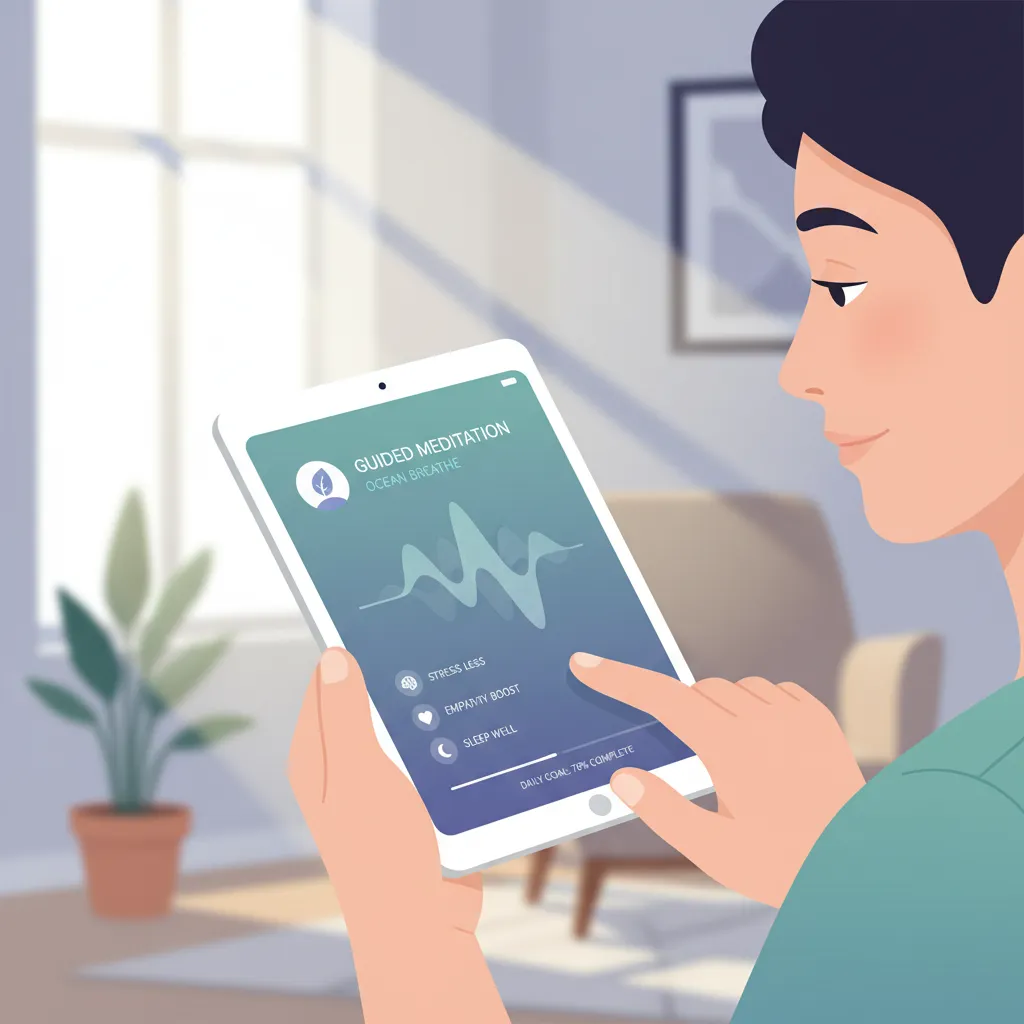
Credible mental health AI solutions are not built on random advice. Their frameworks are often designed by psychologists and based on proven therapeutic modalities. The most common is AI Cognitive Behavioral Therapy (CBT), a goal-oriented psychotherapy treatment that takes a hands-on, practical approach to problem-solving. An AI companion might guide you through a CBT exercise to reframe negative thoughts or challenge unhelpful beliefs, making clinical techniques more accessible. Other apps incorporate principles from Dialectical Behavior Therapy (DBT), mindfulness, and positive psychology.
The Transformative Benefits of AI-Powered Mental Wellness Support
The rise of mental well-being technology is a direct response to a global need. The benefits these AI companions offer are dismantling long-standing barriers to mental healthcare, making support more immediate, accessible, and personalized.
1. Unprecedented Accessibility & Anonymity
For many, the biggest hurdle to seeking help is access. Whether due to location, cost, or a packed schedule, finding a human therapist can be challenging. AI companions are available 24/7, directly on your smartphone. Furthermore, the anonymity they provide helps to break down the stigma that still surrounds mental health, offering a private first step for those who might otherwise hesitate to reach out.
2. Affordability and Scalability
Traditional therapy is a significant financial commitment. While AI companions are not a replacement for clinical treatment, they offer an incredibly affordable (often free) entry point for mental wellness support. This scalability is one of the most significant benefits of AI mental health, allowing millions of people to access tools that were previously out of reach.
3. Data-Driven Insights for Self-Awareness
One of the most powerful features of these apps is AI for mood tracking. By consistently logging your feelings and interacting with the AI, you create a rich dataset of your own emotional landscape. The AI can then help you visualize patterns you might never have noticed, connecting your mood to activities, sleep, or specific events. This data-driven self-awareness is a cornerstone of effective self-care. Related: Deep Work Mastery: Unlock Focus & Boost Productivity in a Distracted World

4. Immediate Support for Anxiety and Stress
When a wave of panic hits or stress becomes overwhelming, waiting for a weekly therapy appointment isn’t always practical. AI companions for anxiety excel at providing immediate, in-the-moment relief. They can instantly guide you through a deep breathing exercise, a grounding technique, or a thought-reframing dialogue, offering a vital lifeline when you need it most. This makes them powerful tools for AI for stress relief.
Navigating the Ethical Maze: The Critical Conversation Around AI in Mental Health
With great innovation comes great responsibility. As we embrace these powerful tools, it’s crucial to address the complex ethical questions they raise. A clear-eyed view of the risks is essential for both users and developers in this sensitive space.
The Privacy Paradox: Who Owns Your Emotional Data?
This is perhaps the most significant concern. You are sharing your deepest thoughts and feelings with an app. Where does that data go? Is it anonymized? Is it sold to third parties? The issue of AI mental health privacy is paramount. Users must be diligent about reading privacy policies and understanding how their data is stored and protected. The lack of universal regulation in this area means the onus is often on the consumer to stay informed.
The Empathy Gap: Can an Algorithm Truly Understand?
While AI can be programmed to generate empathetic-sounding responses, it does not feel empathy. It cannot replicate the nuanced understanding, shared experience, and genuine human connection that is the bedrock of traditional therapy. Over-reliance on an AI could potentially lead to a feeling of isolation if it’s used as a complete substitute for human interaction. This is a core debate in ethical AI mental health.
The Risk of Misdiagnosis and Over-Reliance
These apps are designed for wellness support, not clinical diagnosis. There is a real danger that a user with a serious mental health condition, such as severe depression or a personality disorder, might use an AI app as a replacement for professional care. These tools are not equipped to handle crises or diagnose complex conditions, and they must have clear protocols (like providing suicide hotline numbers) to redirect users to appropriate human help when necessary. Related: Edge AI Explained: Powering Smart Devices with Real-Time Intelligence
Algorithmic Bias and Equity
AI models are trained on vast datasets. If this data reflects societal biases (related to race, gender, culture, or socioeconomic status), the AI’s responses and recommendations may be less effective or even harmful for certain user groups. Ensuring these AI mental health solutions are equitable and culturally competent is a major challenge for the industry.
The Future is Now: Emerging Trends in Mental Health Tech
The field of AI mental health innovation is evolving at a breathtaking pace. The tools we see today are just the beginning. Several key trends are shaping the next generation of digital mind coaches, pointing toward a more integrated and effective future of mental healthcare.
Generative AI and Hyper-Personalization
The rise of sophisticated large language models (LLMs) like those behind ChatGPT and Claude is transforming conversational AI. Instead of scripted responses, these new models can generate deeply nuanced, context-aware, and human-like dialogue, making interactions more personal and meaningful. Related: Claude 3.5 Sonnet vs GPT-4o: The New AI King Showdown
Integration with Wearable Technology
The future lies in holistic data. Imagine your mental health app syncing with your smartwatch. It could correlate a dip in your mood with poor sleep data from the night before or notice a spike in your heart rate during a stressful meeting and proactively suggest a mindfulness exercise. This integration of mental and physical data will unlock a new level of personalized insight. Related: Wearable Tech: Revolutionizing Health & Fitness

Digital Therapeutics (DTx): Prescription-Strength AI?
We are seeing the emergence of Digital Therapeutics (DTx)—software-based interventions that have undergone rigorous clinical trials and can be prescribed by a doctor to treat specific conditions. These FDA-approved “prescription apps” represent the highest level of evidence-based digital therapeutics AI, bridging the gap between wellness apps and medical treatment.
The Hybrid Model: AI as a Co-pilot for Human Therapists
Perhaps the most promising future is not one of AI versus human therapists, but AI and human therapists. AI can handle daily check-ins, mood tracking, and between-session exercises, freeing up human therapists to focus on deeper, more complex issues during their sessions. The AI can provide the therapist with data-driven insights into the patient’s progress, creating a powerful, collaborative care team.
Conclusion: Your Mindful Path Forward with a Digital Coach
AI mental health companions are no longer a futuristic concept; they are powerful, accessible tools available right now. They represent a monumental shift in how AI helps mental health, offering a scalable, personalized, and destigmatized entry point for millions seeking to improve their emotional well-being.
From providing immediate AI for stress relief to facilitating long-term self-discovery through AI mood tracking, these digital mind coaches have earned their place in the modern mental wellness toolkit.
However, they are tools, not panaceas. Their effectiveness is maximized when we use them wisely—understanding their limitations, protecting our privacy, and viewing them as a supplement to, not a replacement for, genuine human connection and professional help when needed. By embracing this technology mindfully, we can unlock its immense potential to foster a healthier, more emotionally aware world, one conversation at a time.
Frequently Asked Questions (FAQs)
What are AI mental health companions?
AI mental health companions are applications that use artificial intelligence, like Natural Language Processing (NLP), to provide emotional support and mental wellness coaching. They function as interactive chatbots or digital mental health coaches, offering 24/7 support through guided exercises, mood tracking, and evidence-based techniques like Cognitive Behavioral Therapy (CBT).
Is AI therapy actually effective?
Research shows that AI therapy apps can be effective for managing mild to moderate symptoms of anxiety and depression. A study from Stanford University found that one of the leading AI chatbots, Woebot, significantly reduced symptoms of depression in users. While not a replacement for human therapy, they are a proven tool for providing accessible, scalable support and teaching coping skills.
Are AI mental health apps safe and private?
Safety and privacy are major concerns. The level of AI mental health privacy varies widely between apps. Reputable apps use data encryption and have clear privacy policies outlining how your information is used. However, it’s crucial for users to read these policies carefully and understand that the data is not always protected by the same laws (like HIPAA) that cover traditional therapy.
Can AI replace a human therapist?
No. AI cannot replace a human therapist. While AI is excellent for providing in-the-moment coping skills, tracking moods, and offering educational content, it lacks the genuine empathy, nuanced understanding, and life experience of a trained human professional. Virtual therapists AI are best viewed as a supplemental tool or a first step in a broader mental wellness journey.
What is the best AI app for anxiety?
There isn’t one “best” app, as the right choice depends on individual needs. However, some of the most highly-regarded AI companions for anxiety include Wysa, which uses a friendly penguin chatbot and AI-CBT techniques; Woebot, which is heavily backed by clinical research; and Calm or Headspace, which focus more on AI mindfulness apps and meditation to manage anxiety symptoms.
How does AI use CBT to help with mental health?
AI applies Cognitive Behavioral Therapy (CBT) by guiding users through structured, interactive exercises. For example, an AI cognitive behavioral therapy app might ask you to identify a negative thought, challenge the evidence for that thought, and help you reframe it in a more positive or realistic way. It digitizes the worksheets and dialogues used in traditional CBT, making these powerful techniques accessible anytime.