AI as a Creative Partner: Empowering Artists, Writers & Designers
For centuries, the creative process was viewed as a solitary human endeavor—artists staring at blank canvases, writers wrestling with writer’s block, and designers manually sketching dozens of concepts.
Generative AI as a collaborative creative partner is transforming this dynamic. By handling rapid visual prototyping and semantic brainstorming, AI empowers creatives to explore bolder aesthetic visions at unprecedented speed.
[!NOTE] What is Human-AI Creative Collaboration? Human-AI creative collaboration is an artistic workflow where generative neural networks act as ideation catalysts and technical assistants, while human directors supply the emotional narrative, aesthetic discernment, and cultural context.
⚖️ Solitary Creation vs. Human-AI Co-Creation
| Creative Milestone | Traditional Solitary Workflow | Human-AI Co-Creation Workflow | Impact |
|---|---|---|---|
| Ideation & Brainstorming | Days staring at blank canvas / page | Dozens of moodboards & concept seeds in minutes | Eliminates creative paralysis |
| Visual Prototyping | 20+ hours hand-sketching variations | Instant stylistic variations & colorway testing | 10x broader creative exploration |
| Manuscript Development | Months untangling plot bottlenecks | Real-time Socratic story-branching dialogue | Faster narrative resolution |
| Asset Production | Tedious manual masking & vectorizing | 1-click neural upscaling & asset generation | 80% less mechanical labor |
| Creative Ownership | 100% human-crafted | Human-directed vision, curated & refined | Retains original artistic soul |
🎨 The 4 Creative Disciplines Revolutionized by AI
Creative Partnership Pipeline:
Concept Ingestion ──► Generative Variation Engine ──► Human Curation & Polish ──► Final Production
1. Digital Painting & Concept Art Exploration
Concept artists use diffusion models to generate compositional lighting references and texture studies, incorporating elements into high-resolution matte paintings.
2. Narrative Writing & World-Building
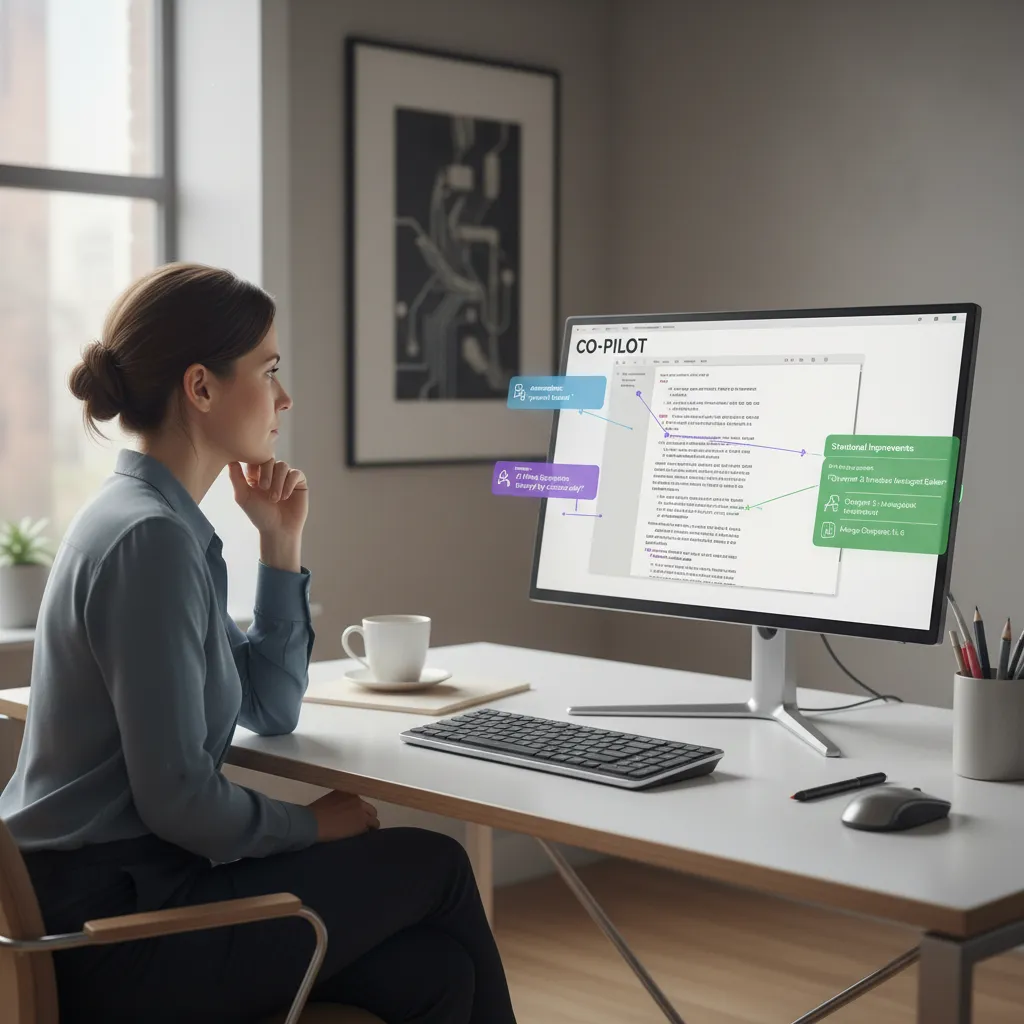
Authors use AI copilots as interactive dialogue partners to stress-test character motivations, generate historical dialect nuances, and brainstorm unexpected plot twists.
For broader applications in content publishing, read our guide on AI Content Creation Mastery.
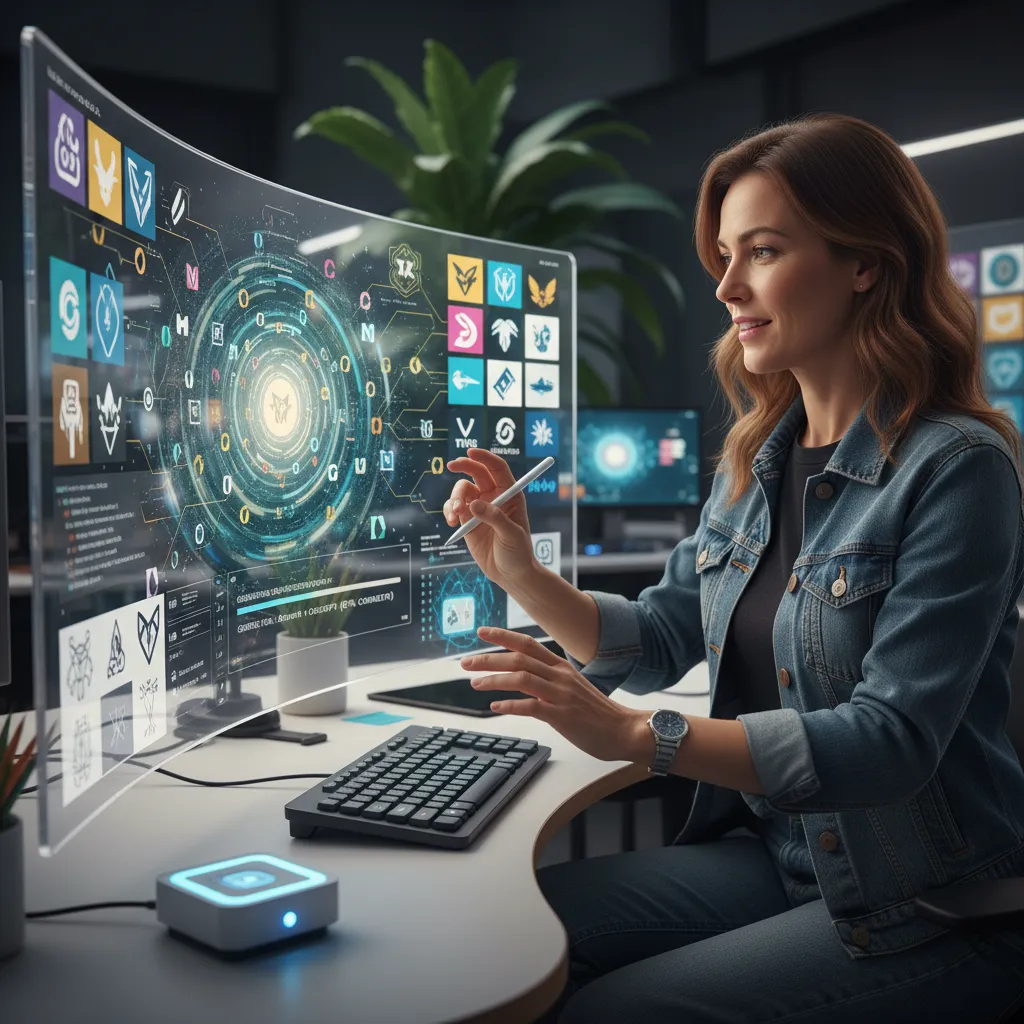
3. Graphic Design & Brand Identity Iteration
Designers rapidly test typographic pairings, brand color palettes, and packaging mockups, presenting clients with fully realized visual prototypes during initial discovery sessions.
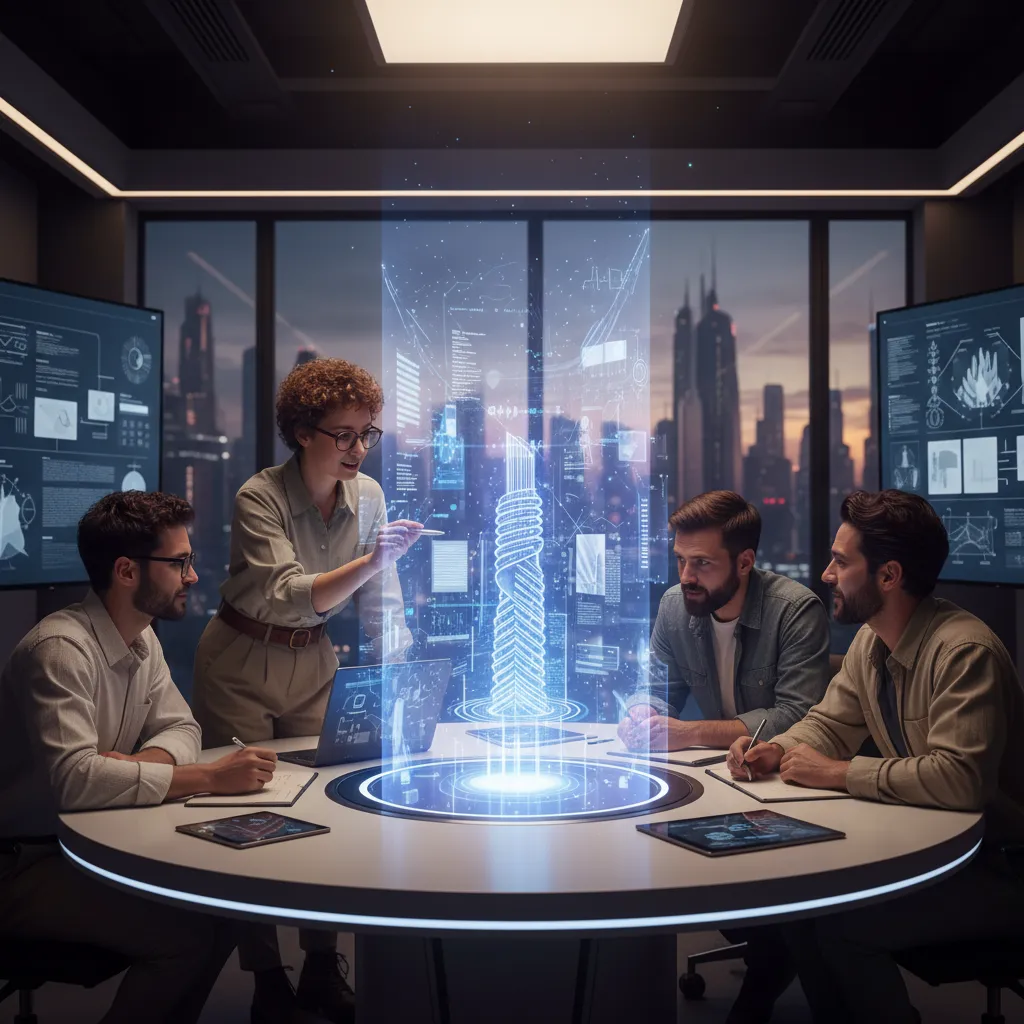
4. Cross-Disciplinary Agency Collaboration
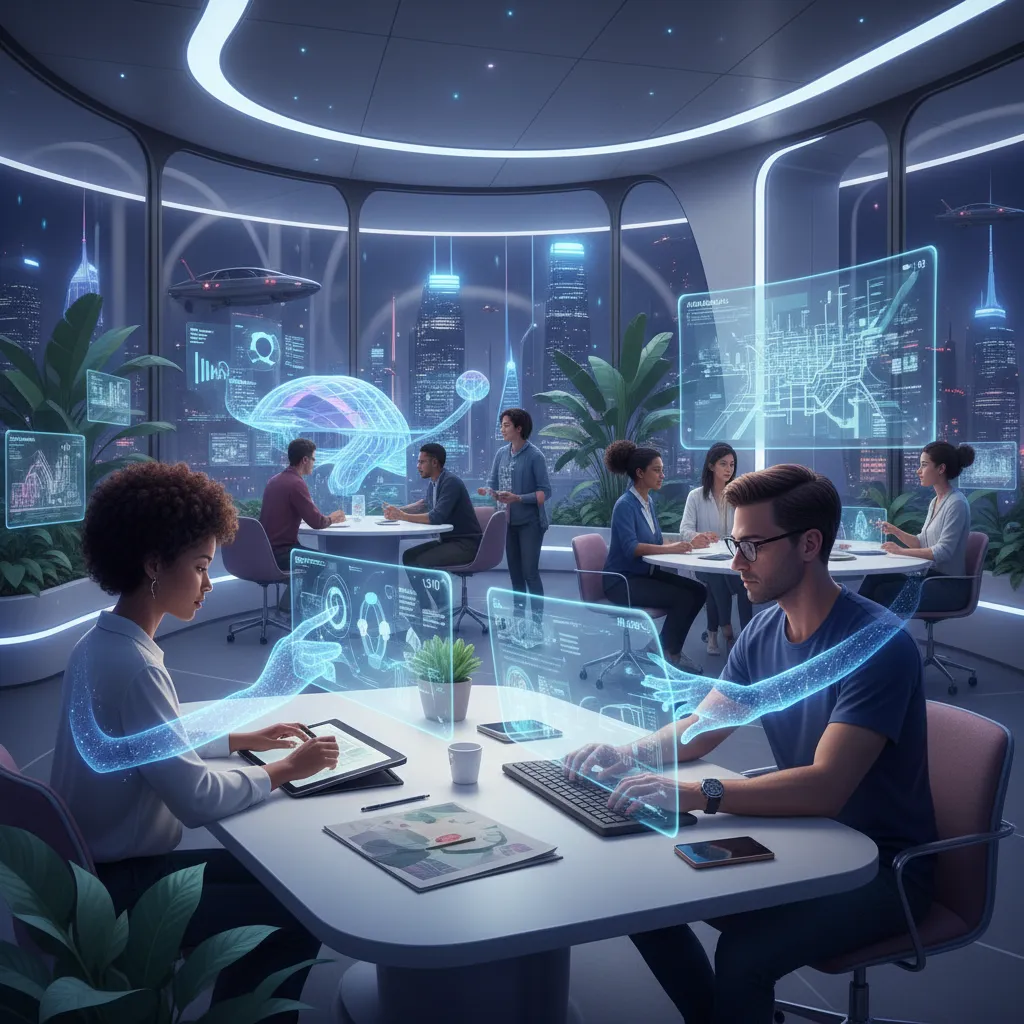
Creative teams use spatial and generative tools during brainstorming meetings, turning verbal ideas into shared visual mockups in real time.
For exploring how modern algorithms curate and evaluate digital art in galleries, check out our guide on AI Art Curation & Discovery.
🚀 3 Mindsets for Creatives Partnering with AI in 2026
- You Are the Director, AI is the Production Crew: Direct the vision with taste; let AI handle mechanical iterations.
- Embrace Serendipitous Errors: Unexpected AI hallucinations often lead to original, breakthrough aesthetic styles.
- Double Down on Human Emotion: Algorithms cannot feel joy, grief, or nostalgia—infuse your personal lived experiences into every creation.