AI Art Curation & Discovery: The Future of Digital Galleries & Taste
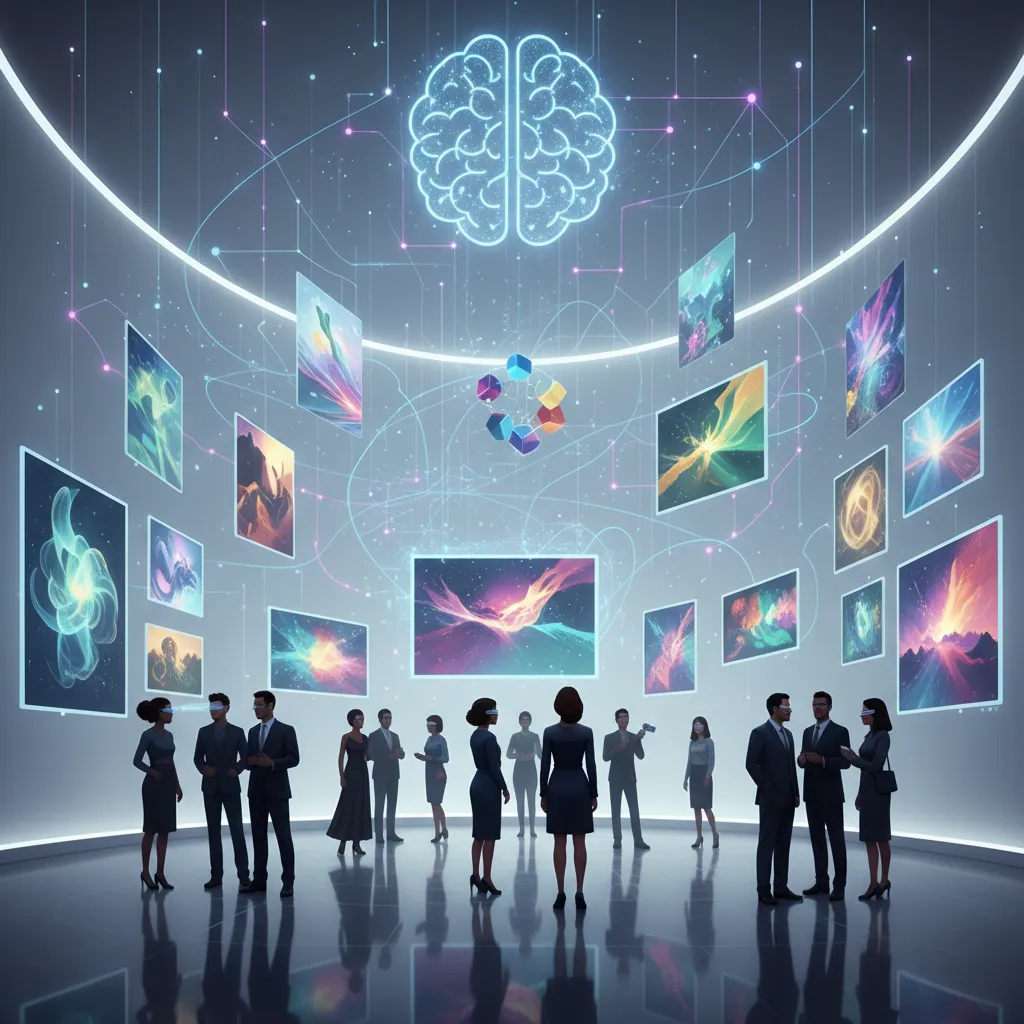
For centuries, art discovery was gatekept by elite auction houses, traditional gallerists, and institutional curators deciding which works deserved public spotlight.
Today, AI-powered art curation and algorithmic discovery democratize the art world, matching collectors with emerging creators and transforming museums into responsive, dynamic cultural spaces.
[!NOTE] What is AI Art Curation? AI art curation is the application of computer vision, aesthetic neural networks, and semantic recommendation engines to categorize, analyze, authenticate, and personalize visual art discovery for collectors, galleries, and cultural institutions.
⚖️ Traditional Gallery Curation vs. AI-Powered Art Discovery
| Dimension | Traditional Art Galleries | AI-Powered Art Discovery Platforms | Impact |
|---|---|---|---|
| Discovery Scope | Limited to gallery roster & local networks | Global scanning of millions of creators | 100x wider artist exposure |
| Taste Personalization | Generic curated exhibitions | Hyper-personalized dynamic visual feeds | Matches individual aesthetic preferences |
| Catalog Analysis | Weeks of manual archival research | Millisecond computer vision pattern matching | Uncovers hidden stylistic links |
| Market Accessibility | High barriers to entry for new buyers | Transparent pricing, history, & provenance | Democratizes art collecting |
| Exhibition Format | Static physical hanging | Adaptive digital displays & AR overlays | Interactive visitor experiences |
🎨 The 4 Technological Engines of Modern AI Art Curation
AI Art Curation Flow:
Image Feature Extraction ──► Aesthetic Pattern Matching ──► Personal Taste Mapping ──► Dynamic Exhibition Delivery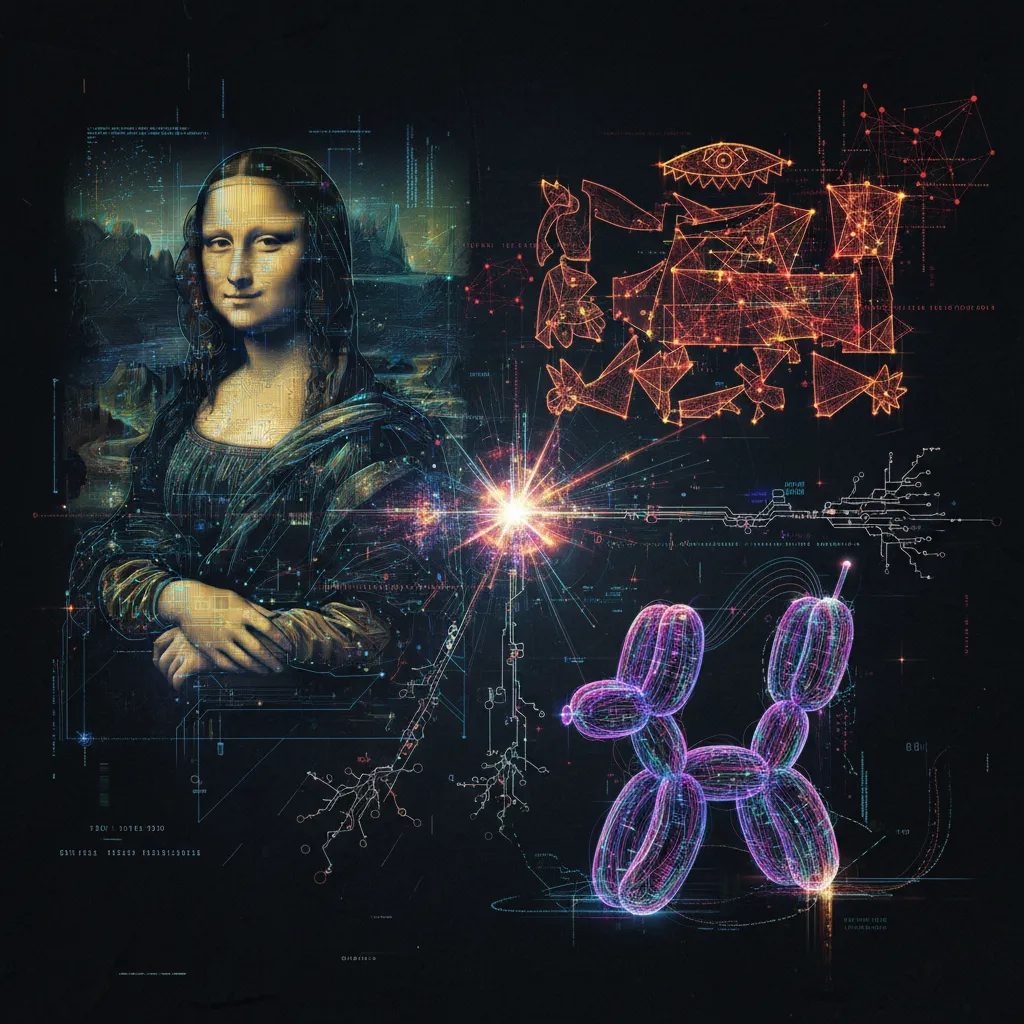
1. Computer Vision & Feature Extraction
Convolutional neural networks break artworks down into mathematical vectors—analyzing color harmonics, brushstroke texture, geometry, and stylistic lineages across centuries of art history.

2. Algorithmic Taste Profiling & Home Displays
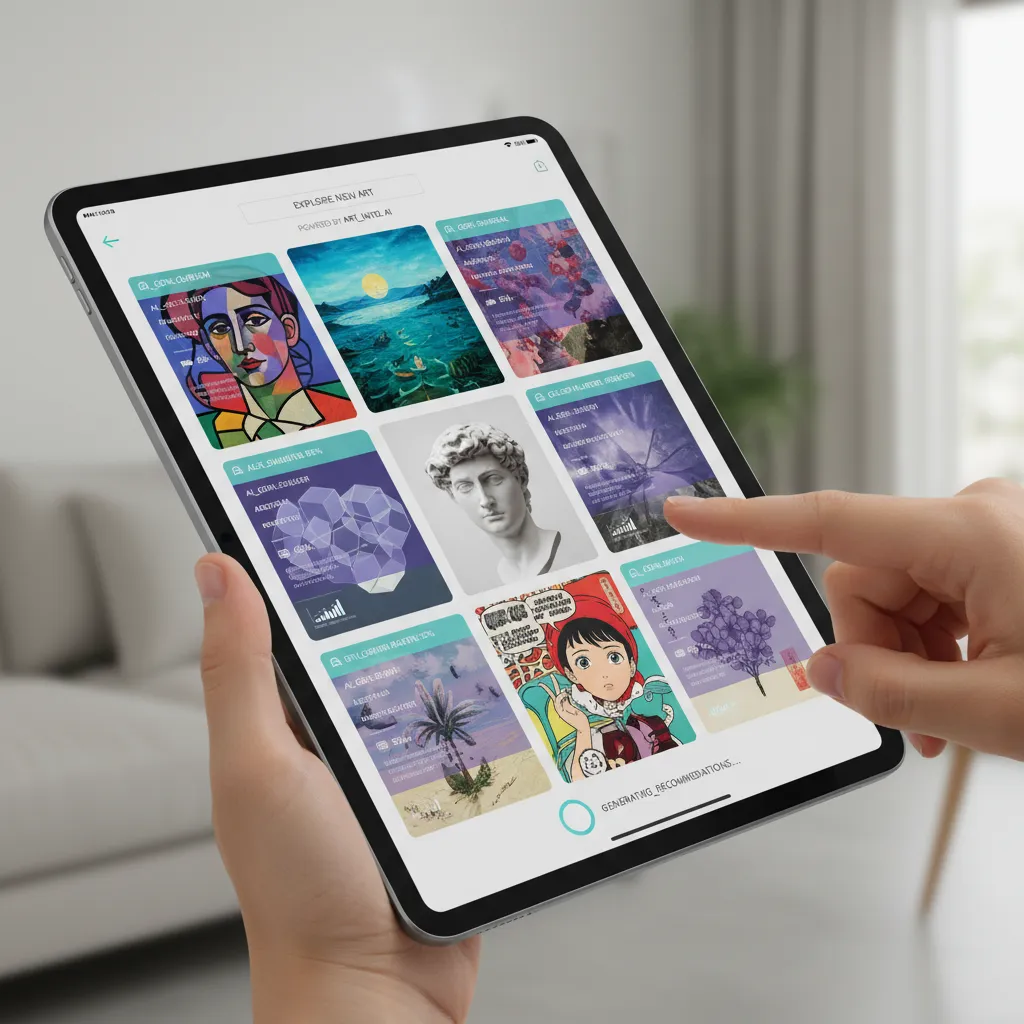
Smart ambient art screens analyze your home decor, natural lighting, and visual reactions to display curated daily artworks tailored to your evolving aesthetic taste.
For exploring how digital assets and Web3 ecosystems are monetized, read our Affizy Network Web3 Review and our guide on AdSense Alternatives for Crypto & Web3 Sites.
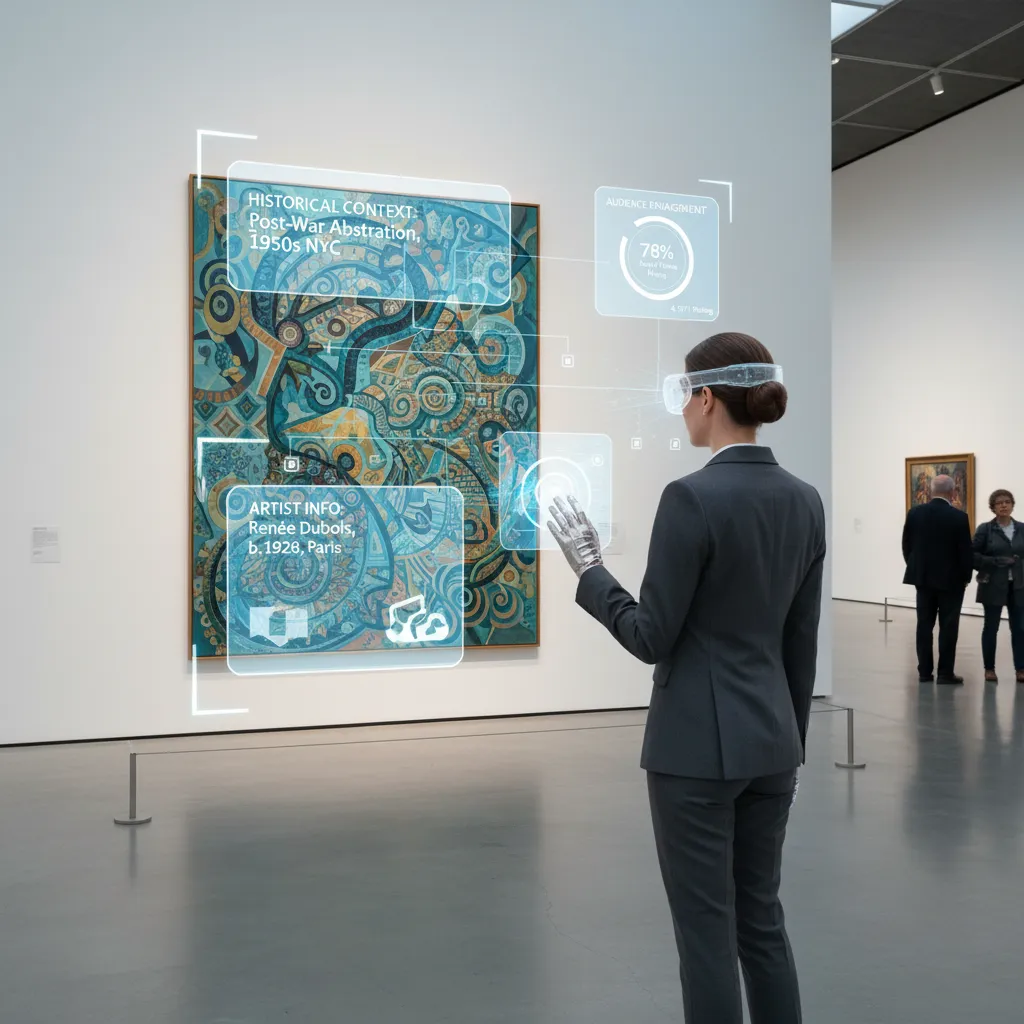
3. Augmented Museum Insights & Curatorial Copilots
Museum curators use AR tablets to view AI-generated insights overlaid onto physical sculptures, tracking visitor dwell times to optimize gallery lighting and exhibition narratives.
4. Provenance & Authenticity Verification
Multispectral imaging models scan microscopic canvas textures and pigment chemistry, comparing data points against historical databases to detect sophisticated art forgeries.
🚀 3 Ways to Discover Art with AI in 2026
- Use AI Visual Discovery Apps: Explore platforms that let you upload photos of your living space to receive instant color-matched original artwork recommendations.
- Follow Emerging Creators on Decentralized Galleries: Leverage on-chain discovery tools to find independent digital artists directly.
- Experience Interactive Museum AR: Engage with smart audio and AR overlays during your next gallery visit for deeper contextual storytelling.