AI Autonomous Robots in Extreme Environments: Deep-Sea, Space & Disaster Relief

From the crushing abyssal trenches of the Mariana Trench to the radiation-swept surface of Mars and collapsed earthquake rubble, our planet and cosmos contain environments where humans cannot survive.
Autonomous AI robotics are unlocking these frontiers. Powered by edge-computed machine learning, these machines navigate, analyze, and make mission-critical decisions without human tethering.
[!NOTE] What are Autonomous Extreme-Environment Robots? Autonomous extreme-environment robots are hardened mechanical systems combining edge neural networks, multi-modal sensor arrays (LIDAR, thermal, sonar), and self-healing algorithms designed to execute complex exploration and rescue missions under communication blackouts, high radiation, and crushing pressure.
⚖️ Teleoperated Drones vs. Fully Autonomous AI Robots
| Operational Metric | Remote Teleoperated Drones | Fully Autonomous AI Robots | Advantage |
|---|---|---|---|
| Communication Dependency | Continuous low-latency signal required | 100% independent edge decision-making | Operates through total signal blackout |
| Reaction Speed | Seconds (delayed by signal transit time) | Milliseconds (local sensor-to-motor loops) | Avoids sudden structural collapses |
| Environmental Limits | Restricted by tether lines or radio range | Boundless exploration across ocean trenches & space | Infinite operational reach |
| Pathfinding Resilience | Fails when operator visibility is blocked | Multi-spectral SLAM mapping & acoustic navigation | Navigates zero-visibility debris & smoke |
| Scientific Autonomy | Requires manual sample selection | Automated spectral anomaly detection | Prioritizes highest-value scientific discoveries |
🌌 The 4 Frontlines of Extreme Robotics
Extreme Robotics Operational Grid:
Abyssal Deep-Sea ──► Planetary Exploration ──► Urban Disaster Rescue ──► Industrial Infrastructure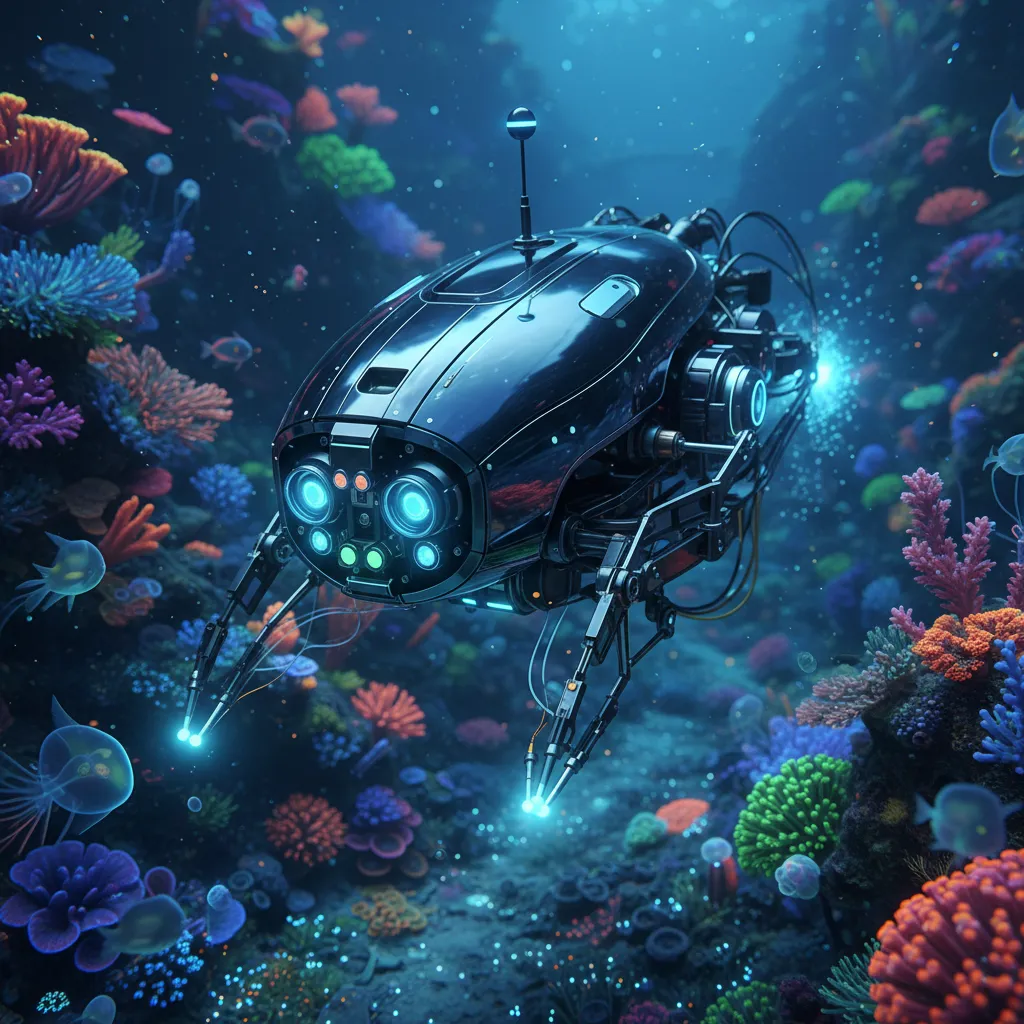
1. Abyssal Deep-Sea Exploration
Autonomous Underwater Vehicles (AUVs) operate thousands of meters beneath the surface, utilizing side-scan sonar and acoustic positioning to map hydrothermal vents and discover unknown marine biodiversity without human piloting.
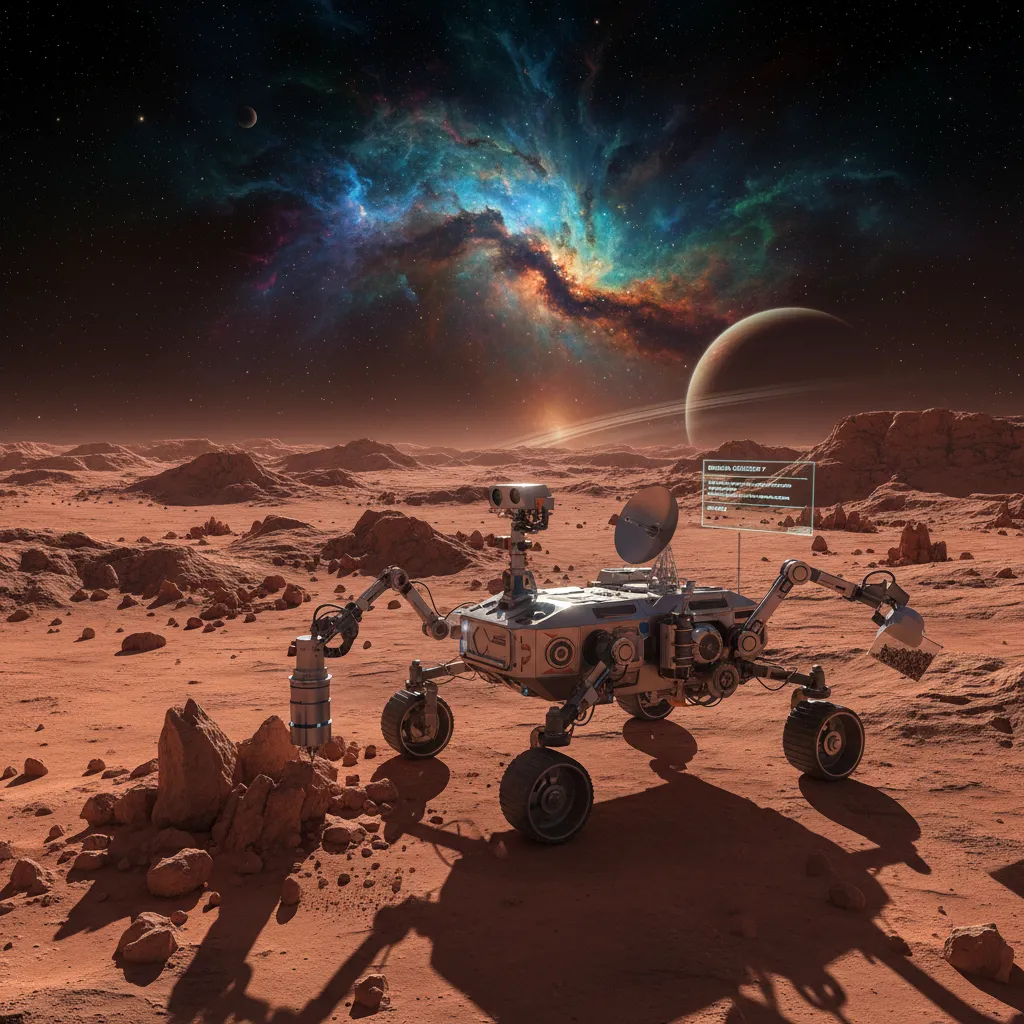
2. Deep-Space & Planetary Surface Autonomy
Because radio signals take up to 20 minutes to travel between Mars and Earth, rovers like Curiosity and Perseverance utilize onboard vision systems (AutoNav) to plot safe paths around boulder fields autonomously.
For insights into how advanced spatial and virtual reality models visualize these planetary expeditions, explore our guide on AI, AR, and VR Immersive Travel.

3. Urban Disaster Response & Search-and-Rescue
Following earthquakes and industrial explosions, quadrupeds and snake-like robots equipped with carbon dioxide sensors and thermal cameras navigate precarious rubble voids to locate trapped survivors.
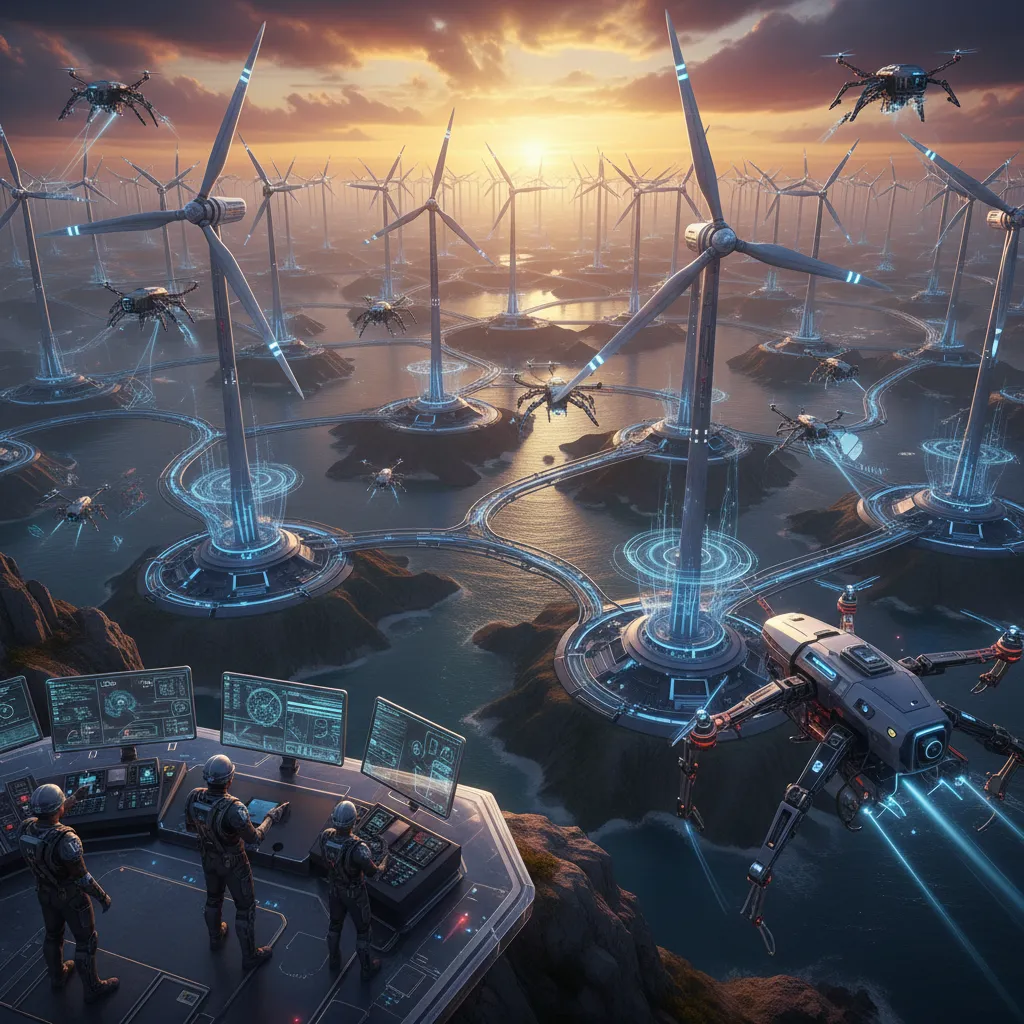
4. Hazardous Industrial Inspection & Nuclear Decommissioning
Autonomous aerial and crawler drones inspect high-voltage power lines, chemical refineries, and decommissioned nuclear containment domes, identifying micro-cracks before catastrophic structural failures occur.
🚀 The Future of Swarm Robotics in 2026
The next breakthrough in extreme exploration is swarm intelligence: deploying dozens of low-cost micro-robots that communicate locally via mesh radio networks, sharing sensor data to map subterranean cave systems and planetary lava tubes in record time.