Journey Beyond Reality: AI, AR & VR Crafting Immersive Travel
Introduction
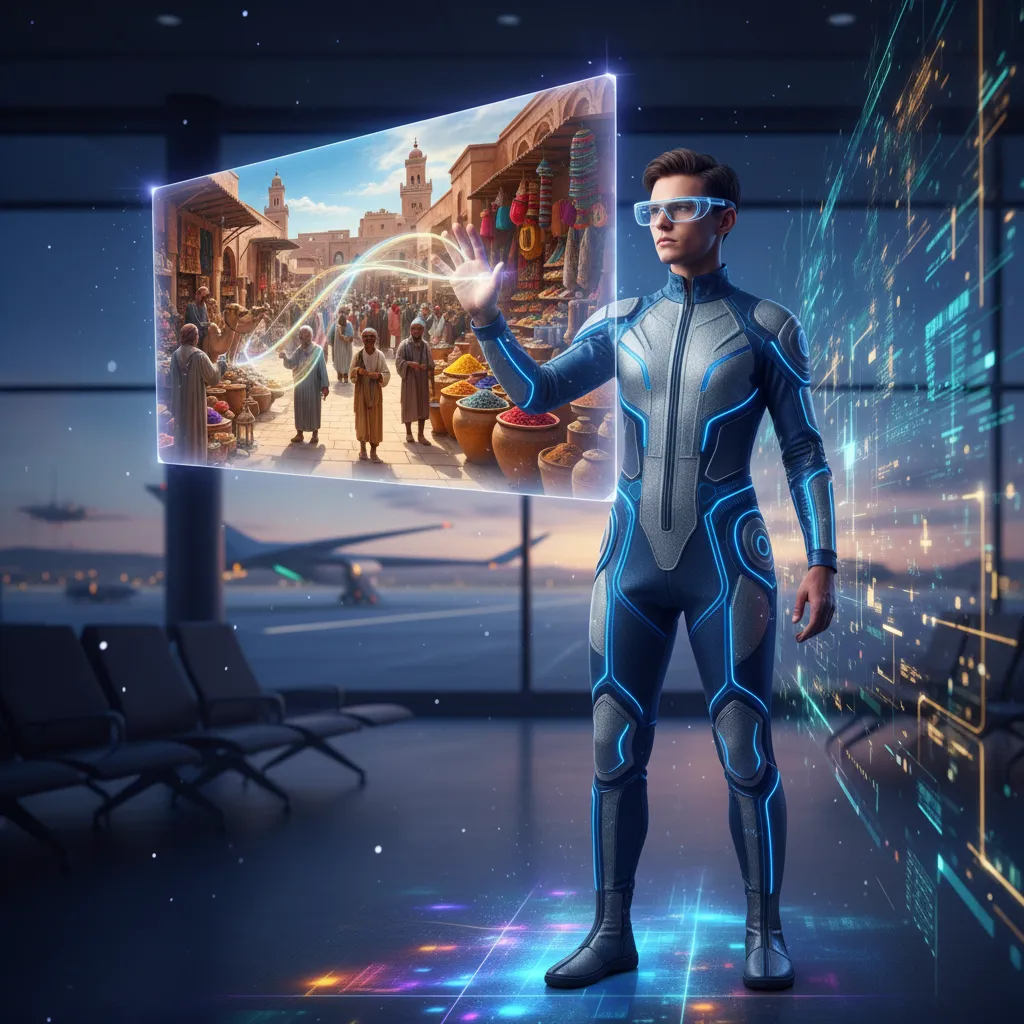
Imagine planning a trip to Rome. Instead of just scrolling through photos, you take a stroll through a bustling, sun-drenched virtual Colosseum, hearing the phantom roar of the crowd. Once there, you hold up your phone and see the crumbling ruins around you reconstruct into their former glory. Your AI guide, attuned to your interests, whispers facts about gladiatorial combat and points you towards a hidden trattoria it knows you’ll love. This isn’t a scene from a sci-fi blockbuster; it’s the new frontier of travel, meticulously crafted by the convergence of Artificial Intelligence (AI), Augmented Reality (AR), and Virtual Reality (VR).
The very definition of a journey is expanding beyond physical transportation. We are entering an era of AI immersive travel, where technology doesn’t just assist our adventures but fundamentally reshapes them into deeply personal, interactive, and boundless experiences. The future of travel tech is no longer about booking flights faster; it’s about breaking down the barriers of time, distance, and even physical ability.
This article explores the revolutionary trinity of AI, AR, and VR, and how they are creating personalized immersive journeys. We’ll delve into how virtual reality travel lets you explore the world from your living room, how augmented reality tourism enriches the world around you, and how AI acts as the intelligent conductor orchestrating these next-gen travel experiences. Get ready to discover a world where your vacation is limited only by your imagination.
The Dawn of a New Era: Redefining Travel with Immersive Technology
For decades, travel innovation meant faster planes and online booking engines. Today, the most significant leaps are happening in the digital realm. AI, AR, and VR are not just individual technologies; they form a powerful ecosystem that is driving a paradigm shift in the tourism industry.
- Artificial Intelligence (AI): The Brain. AI is the engine of personalization and intelligence. It analyzes vast amounts of data to understand traveler preferences, predict trends, and dynamically create and manage travel experiences. It’s the smart assistant, the expert guide, and the invisible curator of your journey.
- Virtual Reality (VR): The Destination. VR creates complete, simulated travel environments. By putting on a headset, you can be instantly transported to virtually anywhere—from the summit of Mount Everest to the bustling markets of Marrakech. It offers total immersion, engaging your senses of sight and sound to create a powerful sense of presence.
- Augmented Reality (AR): The Digital Layer. AR doesn’t replace your reality; it enhances it. Using your smartphone or smart glasses, AR overlays digital information—text, 3D models, animations—onto your real-world view. It’s the magic lens that reveals the hidden stories of the places you visit.
The synergy between these three is where the true revolution lies. AI powered travel immersion uses machine learning to create VR and AR content that adapts to you in real-time, leading to a new category of mixed reality tourism.
Virtual Reality (VR) Travel: Go Anywhere, From Anywhere
The dream of teleportation is now a digital reality. Virtual reality travel has evolved from a novel gimmick to a powerful tool that offers unprecedented access to the wonders of the world, creating a new wave of digital travel experiences.
Beyond the Armchair: The Rise of Experiential VR Tourism
Modern VR is about more than just 360-degree videos. It’s about interactive, experiential travel AI that allows you to engage with a location. You can join VR guided tours led by expert historians, walk through meticulously recreated historical sites, or even share a virtual African safari with friends from across the globe.
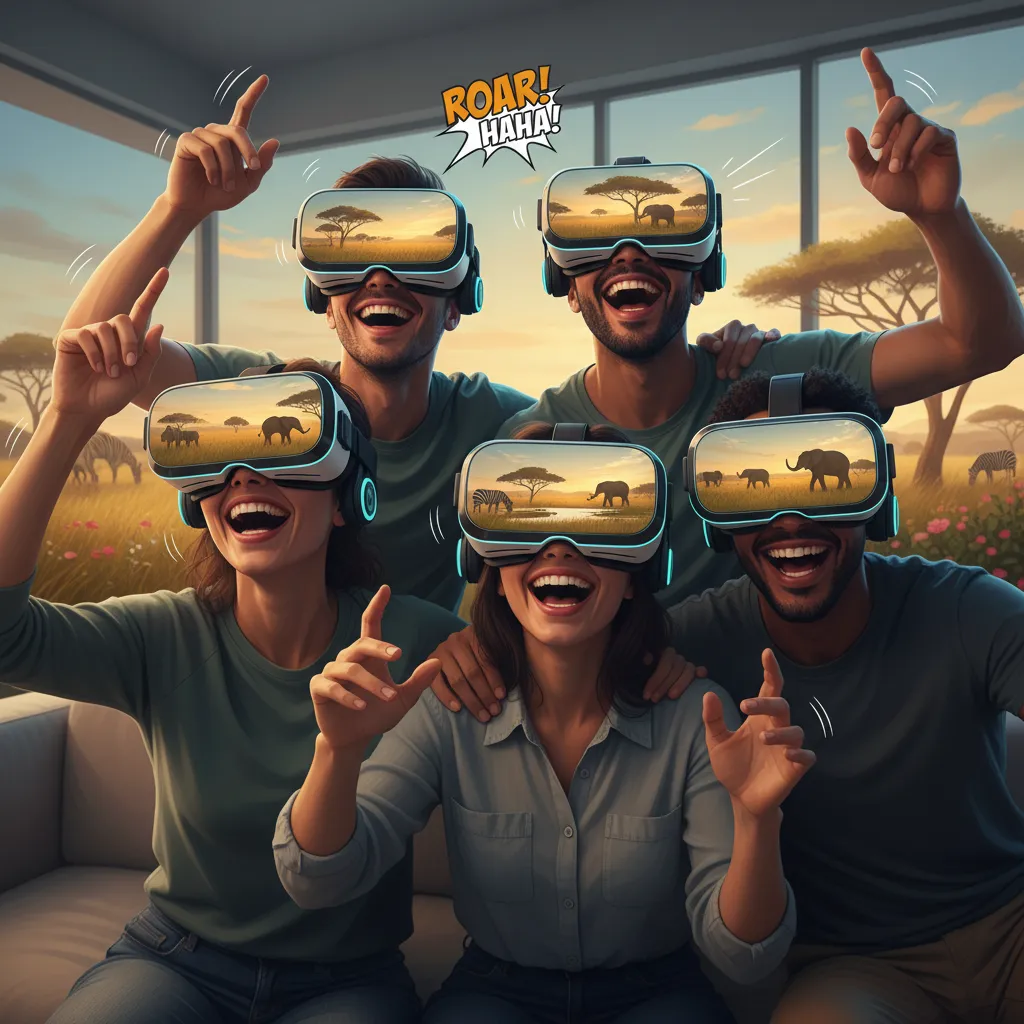
These VR travel destinations offer profound benefits:
- Accessibility: Individuals with mobility issues, financial constraints, or time limitations can now experience places they’ve only dreamed of.
- “Try Before You Buy”: Tourism boards and hotels are using VR to offer immersive previews. Unsure about a resort or a cruise? Take a virtual tour to help make your decision.
- Sustainable Tourism: Experiencing fragile ecosystems like coral reefs or the Antarctic in VR can satisfy curiosity without contributing to environmental degradation.
- Education: Students can visit ancient civilizations or distant planets, making learning a deeply engaging and memorable experience.
Leading platforms like Meta Quest and apps like Wander are pushing the boundaries of virtual tourism trends, offering ever more realistic and interactive simulated travel environments. Related: Gen Z Investing Strategies: Navigating Modern Markets
Augmented Reality (AR) Tourism: Enhancing the World Around You
While VR transports you to a new world, augmented reality tourism makes the one you’re in infinitely more interesting. AR transforms your smartphone or future smart glasses into a powerful tool for discovery, layering context and interactivity onto your physical surroundings.
Your Smartphone as a Time Machine and Tour Guide
The most compelling use of AR in travel is its ability to bring history to life. Imagine pointing your device at the Parthenon and seeing it not as it is today, but as it was in the 5th century BC, complete with its vibrant colors and towering statue of Athena.

AR travel apps are already making this a reality:
- Historical Reconstructions: See ancient ruins or historical buildings restored to their original state through 3D AR overlays.
- Interactive Museum Exhibits: Point your phone at a dinosaur skeleton to see it come to life and walk around the room, or at a painting to learn about its history and hidden details.
- Real-Time Translation: AR apps can instantly translate signs, menus, and text in a foreign language, breaking down communication barriers.
- Gamification: Cities are creating AR-powered scavenger hunts and interactive tours that turn sightseeing into a fun and engaging game for the whole family.
These AR location experiences represent a new era of smart travel AR VR, where our devices provide a deeper, more meaningful connection to the places we visit. Related: iOS 18 & Apple Intelligence: A Guide to the Top New Features
Artificial Intelligence (AI): The Master Conductor of Immersive Journeys
If AR and VR are the stage and the actors, then AI is the director. It is the core intelligence that elevates these technologies from novelties into truly transformative tools for AI enhancing travel. It’s the driving force behind the personalization that defines the future of travel technology.
Hyper-Personalization: Crafting Your Perfect Trip
The era of one-size-fits-all travel is over. Future vacation planning AI is about creating itineraries that are as unique as you are. Intelligent travel systems can analyze your digital footprint—past travel history, online searches, social media interests, and even calendar events—to understand your preferences with incredible accuracy.
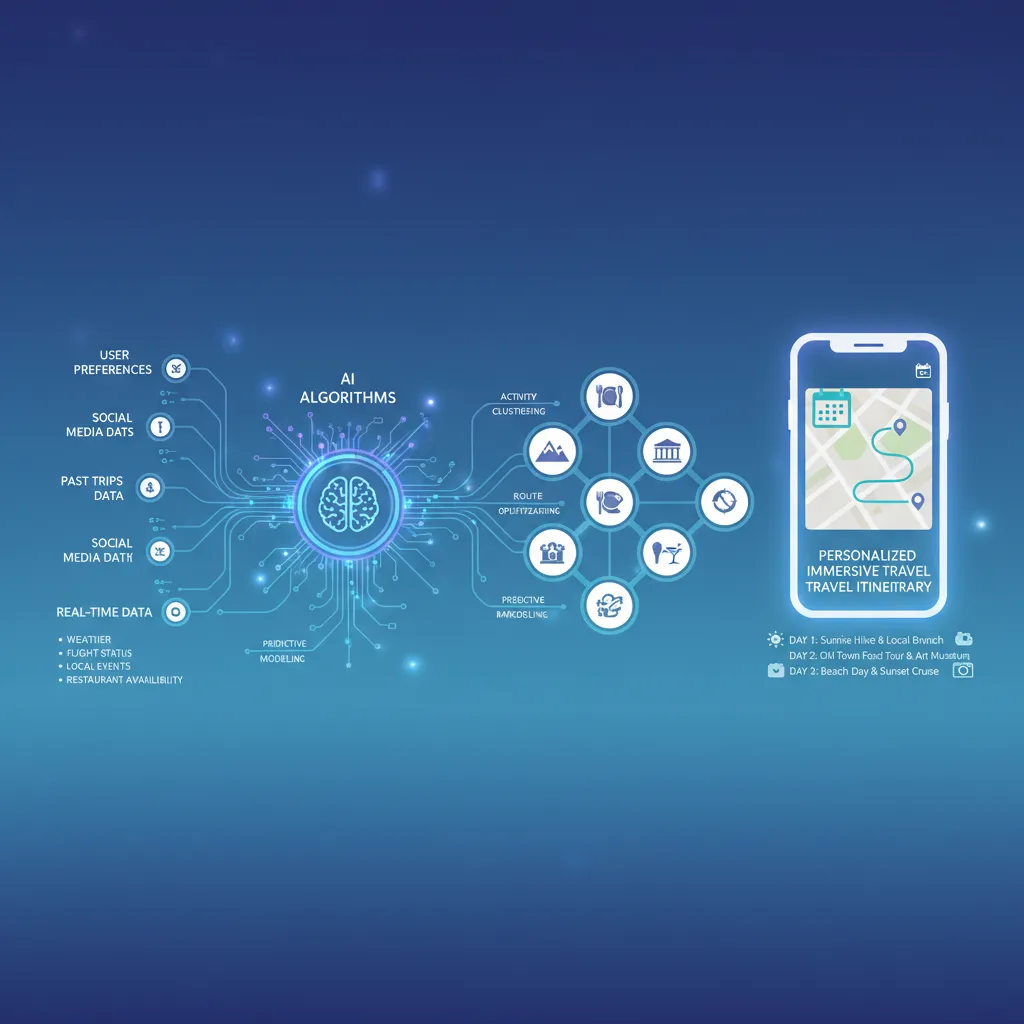
Here’s how AI powered travel immersion works:
- Predictive Recommendations: AI doesn’t just ask you where you want to go; it tells you where you would love to go, suggesting destinations and experiences you might not have considered.
- Dynamic Itineraries: An AI-planned trip isn’t rigid. It can adapt in real-time. If it starts raining, your AI travel assistant might suggest an indoor museum it knows you’ll enjoy and rebook your dinner reservations accordingly.
- Seamless Experience: From booking flights and hotels to managing your schedule and providing in-trip support via intelligent chatbots, AI handles the logistics so you can focus on the experience.
This level of personalized travel tech ensures that every moment of your trip is optimized for your enjoyment and interests. Related: AI Copilots for Developers: Supercharge Your Coding Workflow
AI-Driven Content Generation for Virtual Worlds
Perhaps the most futuristic application is AI’s role in creating the content for these immersive experiences. Generative AI can build dynamic and infinite simulated travel environments. Instead of a single, pre-recorded VR tour of a national park, an AI could generate a unique hiking trail for you every single time, complete with different weather, wildlife encounters, and scenic viewpoints.

This capability unlocks incredible possibilities for AI for adventure travel and hyper-real travel AI. Imagine AI driven virtual tours that are never the same twice, or training simulations for extreme sports in environments that constantly challenge you. This is where AI in tourism innovation moves from optimization to pure creation. Related: Mastering Generative AI: Art, Tools, Trends, and Creative Futures
The Convergence: The Ultimate Mixed Reality Journey
The true magic happens when these technologies converge to create seamless, next-gen travel experiences. Let’s paint a picture of a future vacation powered by this trinity:
- Inspiration & Planning: You tell your AI assistant, “I want an adventurous, historical trip in South America.” The AI analyzes your profile and suggests a personalized itinerary for Peru. It offers you a stunning VR guided tour of the Inca Trail to get you excited.
- Booking: With a single voice command, the AI books the optimal flights, eco-lodges, and expert local guides, all cross-referenced with real-time reviews and your budget.
- On the Ground: As you walk through Cusco, your AR glasses provide turn-by-turn navigation and overlay historical information on the buildings around you. When you reach Machu Picchu, the AI detects your interest in engineering and your guide’s AR display shows you an animated cross-section of the foundation and water channels.
- Post-Trip: The AI compiles your photos and videos into a cinematic travelogue and even generates a personalized VR environment of your favorite moments, allowing you to relive your adventure anytime. This is the future of Metaverse travel experiences.
Challenges and Ethical Considerations on the Digital Frontier
As with any powerful technology, the road to immersive travel is not without its bumps. It’s crucial to address the challenges to ensure this travel tech innovation benefits everyone.
- The Digital Divide: The high cost of VR headsets and high-end smartphones could create a two-tiered system of travel, where immersive experiences are only available to the wealthy.
- Data Privacy: The level of personalization AI offers requires access to vast amounts of personal data. Robust regulations are needed to protect traveler privacy.
- Authenticity vs. Simulation: Will a hyper-realistic virtual tour of the Louvre reduce the incentive for people to visit in person? The industry must balance digital travel experiences with the promotion of authentic, real-world tourism.
- Over-reliance on Technology: Part of the joy of travel is discovery and serendipity. An over-optimized, AI-managed trip might strip away the potential for happy accidents and spontaneous exploration. Related: Unplug & Recharge: The Ultimate Guide to a Digital Detox for Enhanced Wellbeing
Conclusion
The fusion of AI, AR, and VR is not a distant dream; it’s an unfolding reality that is fundamentally reshaping our relationship with the world. This technological trinity is making travel more accessible, educational, and deeply personal than ever before. VR is opening doors to impossible destinations, AR is adding layers of wonder to the world we see, and AI is the intelligent curator ensuring every journey is perfectly tailored to the individual traveler.
This isn’t about replacing the magic of physical travel—the taste of a new cuisine, the feeling of the sun on your skin, the human connection with a local guide. Instead, it’s about augmenting that magic, breaking down barriers, and expanding the very definition of what it means to explore. The future of travel tech is here, offering a journey beyond reality itself. The only question left is: where do you want to experience first?
FAQs
Q1. What is immersive travel technology?
Immersive travel technology refers to the use of tools like Virtual Reality (VR), Augmented Reality (AR), and Artificial Intelligence (AI) to create more engaging, interactive, and personalized travel experiences. It moves beyond simple online booking to involve travelers in virtual explorations, enhance real-world sightseeing with digital information, and tailor journeys to individual preferences.
Q2. How is AI used in the tourism industry?
AI is used in tourism for a wide range of applications, including hyper-personalized trip planning, dynamic pricing for flights and hotels, 24/7 customer service through chatbots, real-time language translation, and analyzing data to predict travel trends. It acts as the intelligent engine behind many next-gen travel experiences.
Q3. Can you truly travel the world with VR?
While VR cannot replace the full sensory experience of physical travel, it allows you to virtually visit thousands of global landmarks, natural wonders, and cultural sites from your home. VR travel destinations provide an incredible sense of presence and are an excellent tool for education, pre-trip planning, and for those who are unable to travel physically.
Q4. What is an example of augmented reality in tourism?
A great example of augmented reality tourism is using a smartphone app at an ancient ruin like Pompeii. By pointing your phone’s camera at a structure, the app can overlay a 3D reconstruction of what the building looked like in its prime, complete with animated people and informational text, bringing history to life before your eyes.
Q5. What is the difference between AR and VR in travel?
The key difference is that VR replaces your reality while AR adds to it. In virtual reality travel, you wear a headset that blocks out your surroundings and immerses you in a completely digital world. With augmented reality tourism, you look at the real world through a device (like a phone) which overlays digital graphics and information onto your view.
Q6. Will virtual travel replace real travel?
It is highly unlikely. Most experts see digital travel experiences as a supplement to, not a replacement for, physical travel. VR and AR can inspire people to visit a new place, make their on-site experience richer, and allow them to relive memories. However, they cannot replicate the authentic sensory and human elements of being physically present in a new culture.
Q7. What are the main benefits of using AI for vacation planning?
The primary benefits of future vacation planning AI are deep personalization, efficiency, and real-time adaptation. AI can analyze your unique interests to suggest bespoke itineraries, handle all booking logistics in minutes, and adjust your plans on the fly based on factors like weather or crowds, creating a smoother and more enjoyable trip.