Zero Waste Living: Your Essential Guide to Sustainable Habits

Introduction
In an age where environmental concerns are front and center, the concept of zero waste living has emerged not just as a trend, but as a crucial movement towards a more sustainable future. Are you tired of overflowing bins, endless plastic packaging, and the environmental guilt that often accompanies modern consumption? You’re not alone. More and more individuals are seeking an eco-friendly lifestyle that prioritizes the planet and minimizes their footprint. This comprehensive guide will illuminate the path to adopting sustainable habits, demonstrating how to effectively reduce plastic waste and embrace a more conscious way of life.
From zero waste for beginners to seasoned eco-warriors looking for fresh ideas, we’ll dive deep into practical strategies, innovative solutions, and the transformative mindset shift required to truly embrace low waste living tips. Our journey will cover everything from mastering reusable products and navigating a bulk shopping guide to setting up composting at home and creating a plastic-free home. By the end, you’ll be equipped with the knowledge and inspiration to make meaningful changes, fostering mindful consumption and contributing to a healthier planet for all.
Understanding the Zero Waste Philosophy: More Than Just Recycling
Zero waste is often misunderstood as simply “recycling more.” However, its philosophy runs much deeper, advocating for a holistic approach to resource management. The core idea is to redesign resource life cycles so that all products are reused, reducing the need for virgin materials and minimizing waste sent to landfills or incinerators. It’s about creating a circular economy, not a linear one of “take, make, dispose.”
At its heart, zero waste living is guided by the “5 Rs,” a hierarchy of waste reduction strategies that extend far beyond simply tossing items into the recycling bin:
- Refuse: The most critical step. Say no to what you don’t need—freebies, junk mail, single-use plastics, excessive packaging. This directly addresses the root cause of waste.
- Reduce: Minimize what you do need. Declutter your home, buy less, and opt for quality over quantity. This principle aligns perfectly with minimalist living zero waste.
- Reuse: Find new purposes for items or choose reusable alternatives. Think reusable bags, water bottles, coffee cups, and containers. This is where many sustainable swaps come into play.
- Recycle: As a last resort, recycle what cannot be refused, reduced, or reused. Understand your local recycling guidelines, as they vary greatly.
- Rot (Compost): For organic waste, composting turns food scraps and yard waste into nutrient-rich soil, completing the natural cycle. This is a cornerstone of composting at home.
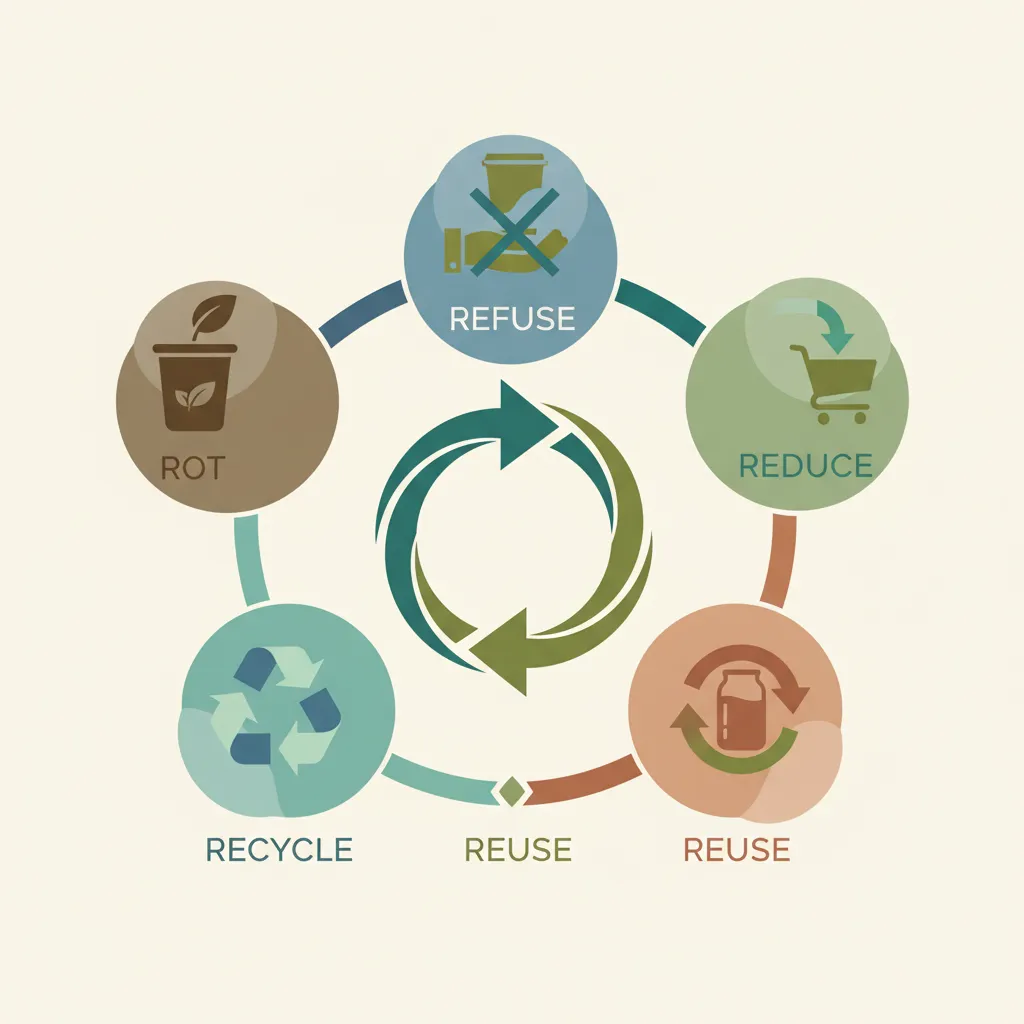
Embracing these 5 Rs is fundamental to transitioning to an eco-conscious choices framework, moving you closer to a truly long-term sustainability mindset.
Why Embrace Zero Waste Living? The Benefits Beyond the Bin
The shift to zero waste offers a myriad of benefits that extend beyond simply shrinking your trash can. It’s a choice that positively impacts the environment, your wallet, and even your personal well-being.
Environmental Impact: Protecting Our Planet
The most obvious benefit of waste reduction strategies is the profound positive impact on the environment. By embracing zero waste living, you contribute to:
- Reducing Landfill Waste: Less waste means fewer landfills, which are significant sources of methane, a potent greenhouse gas.
- Conserving Natural Resources: Producing new goods consumes vast amounts of raw materials, energy, and water. By refusing, reducing, and reusing, we lessen the demand for these resources.
- Minimizing Pollution: From the extraction of raw materials to manufacturing and disposal, every stage of a product’s life cycle contributes to air, water, and soil pollution. Zero waste efforts mitigate this.
- Protecting Biodiversity: Plastic pollution, a major focus of reduce plastic waste efforts, harms wildlife both on land and in our oceans. Fewer single-use plastics mean safer habitats.
- Lowering Carbon Footprint: By consuming less and choosing sustainably, you inherently reduce the energy required for production and transportation, thereby lowering your overall carbon emissions.
Financial Savings: A Fatter Wallet
While the initial investment in some reusable products might seem higher, zero waste living often leads to significant long-term financial savings.
- Buying Less: The core principle of “refuse and reduce” means you simply buy fewer things, saving money directly.
- Bulk Shopping Savings: Purchasing items in bulk often comes with a lower unit price, especially when you master the bulk shopping guide.
- DIY Solutions: Making your own cleaning products or personal care items can be significantly cheaper than buying their pre-packaged counterparts. This is where DIY zero waste products shine.
- Reduced Waste Haulage Costs: In some areas, reducing your trash volume can even lead to lower waste disposal fees.
- Durability Over Disposable: Investing in high-quality, durable items that last for years instead of cheap, disposable alternatives saves money in the long run.
Personal Well-being: A Simpler, More Mindful Life
Beyond the tangible environmental and financial benefits, adopting sustainable habits can profoundly enhance your personal well-being.
- Decluttering and Simplicity: A minimalist living zero waste approach naturally leads to a less cluttered home and a clearer mind. Less stuff often equates to less stress.
- Mindful Consumption: Zero waste encourages you to think critically about every purchase, fostering mindful consumption and a greater appreciation for the items you own.
- Improved Health: Many zero waste efforts involve cooking from scratch, using natural cleaning products, and avoiding plastic, which can reduce exposure to harmful chemicals.
- Empowerment and Purpose: Knowing you are actively contributing to positive change can be incredibly empowering and provide a sense of purpose.
- Community Connection: Engaging with the zero waste community can lead to new friendships, shared knowledge, and a sense of belonging. [Related: ai-revolutionizing-mental-wellness] delves into how technology is aiding in personal well-being, a concept that aligns with the mindful choices of zero waste.
Zero Waste for Beginners: Taking the First Steps
Embarking on a zero waste living journey doesn’t require an overnight transformation. It’s a gradual process of learning, adjusting, and making small, consistent changes. Here are some excellent starting points for zero waste for beginners:
1. The “Big Four” Swaps
Start with the most common single-use items you encounter daily and swap them for reusables. This is an impactful way to reduce plastic waste immediately.
- Reusable Water Bottle: Ditch bottled water for a durable, refillable bottle.
- Reusable Coffee Cup: Say goodbye to disposable coffee cups and bring your own.
- Reusable Shopping Bags: Always keep a few canvas or fabric bags handy for groceries and shopping.
- Reusable Straw: If you need a straw, opt for stainless steel, bamboo, or glass.
2. Conduct a “Trash Audit”
For a week or two, pay close attention to what you’re throwing away. This simple exercise can reveal patterns and highlight the biggest sources of waste in your household, helping you prioritize your waste reduction strategies. Are most items food scraps? Plastic packaging? Paper waste? Understanding your waste stream is key to addressing it effectively.
3. Start Small, Be Consistent
Don’t try to overhaul everything at once. Pick one area or one habit to focus on. Perhaps it’s committing to bringing your own containers for takeout, or starting with a simple composting at home system for fruit and vegetable scraps. Consistency in small changes leads to significant impact over time. Remember, progress, not perfection, is the goal in adopting sustainable habits.
4. Educate Yourself
The more you understand about the environmental impact of waste and the solutions available, the more motivated and effective you’ll be. Read blogs, watch documentaries, join online communities. There are abundant zero waste resources available to guide you.
Transforming Your Home: A Room-by-Room Guide to a Plastic-Free Haven
Once you’ve tackled the basics, it’s time to delve deeper into specific areas of your home. Creating a plastic-free home can seem daunting, but by focusing on one room at a time, it becomes much more manageable.
The Zero Waste Kitchen: Culinary Sustainability
The kitchen is often the biggest source of waste in a household, but it’s also where some of the most impactful changes can be made. Mastering the zero waste kitchen involves rethinking how you shop, store, cook, and clean.
Smart Shopping & Storage:
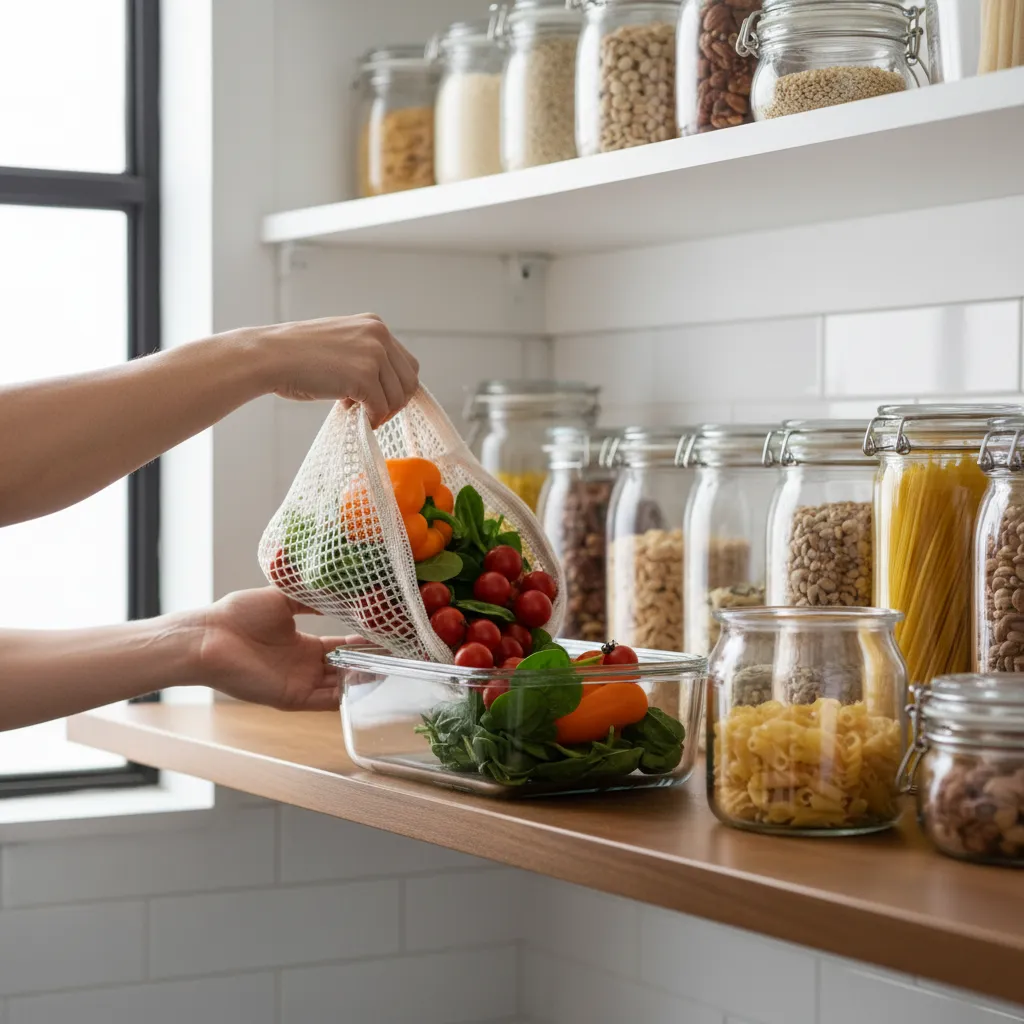
- Bulk Shopping Guide: Seek out local bulk stores or sections in conventional supermarkets where you can bring your own reusable bags, jars, and containers to fill with dry goods like grains, pasta, nuts, seeds, spices, and even liquids like oils and soaps. This is an excellent way to embrace package-free shopping.
- Farmers’ Markets & CSAs: Buy fresh produce directly from farmers, often without plastic packaging. Consider joining a Community Supported Agriculture (CSA) program for seasonal, local goods.
- Reusable Produce Bags: Avoid plastic produce bags at the grocery store. Use washable mesh or cloth bags instead.
- Glass Containers & Mason Jars: Invest in a good set of glass containers for food storage. Mason jars are incredibly versatile for everything from pantry staples to leftovers. They are perfect for a plastic-free home.
- Beeswax Wraps: Replace cling film with reusable beeswax wraps for covering bowls and wrapping sandwiches.
- Make Your Own: Consider making staples like bread, yogurt, nut milk, or hummus to avoid packaging and control ingredients. These are great DIY zero waste products.
Cooking & Cleaning:
- Composting at Home: Start a compost bin for all your fruit and vegetable scraps, coffee grounds, and other organic matter. This diverts a huge amount of waste from landfills and creates valuable soil amendment for your garden. Options range from simple countertop bins to outdoor tumblers.
- Reusable Dishcloths & Sponges: Ditch disposable paper towels and synthetic sponges. Opt for washable cotton dishcloths, Swedish dishcloths, or natural loofah sponges.
- Solid Dish Soap & Cleaning Concentrates: Switch to solid dish soap bars or use refillable bottles with concentrated, eco-friendly cleaning solutions. This reduces plastic bottle waste significantly, embodying eco-friendly cleaning.
- Bamboo Utensils & Brushes: Replace plastic cooking utensils and cleaning brushes with durable bamboo or wooden alternatives.
The Sustainable Bathroom: Personal Care Without Plastic
The bathroom is another prime area for reduce plastic waste efforts, often brimming with single-use plastic bottles. Transforming it into a sustainable bathroom is easier than you think.
- Solid Shampoo & Conditioner Bars: These are concentrated, long-lasting, and come in minimal or no packaging.
- Soap Bars: Go back to basics with bar soap for hands and body, often available package-free.
- Bamboo Toothbrushes: A simple swap for plastic toothbrushes, as bamboo is biodegradable. Pair it with plastic-free toothpaste tablets or a refillable toothpaste dispenser.
- Safety Razors: Replace disposable plastic razors with a reusable safety razor that uses recyclable metal blades. This is a classic sustainable swap.
- Reusable Cotton Rounds/Washcloths: For makeup removal or toner application, ditch disposable cotton pads for washable versions.
- DIY Personal Care: Explore making your own deodorant, lotions, or scrubs using natural ingredients. These DIY zero waste products can be fun to create and save money.
- Toilet Paper: Look for toilet paper made from recycled content or bamboo, often available in plastic-free packaging.

Eco-Friendly Cleaning Beyond the Kitchen and Bathroom
Extending eco-friendly cleaning practices throughout your home involves conscious choices for all surfaces.
- Vinegar & Baking Soda: These humble ingredients are powerful, non-toxic cleaners for many household tasks.
- Refillable All-Purpose Cleaners: Invest in sturdy spray bottles and refill them with concentrates or bulk cleaning solutions.
- Microfiber Cloths: While not entirely plastic-free, high-quality microfiber cloths can significantly reduce the need for disposable wipes and paper towels, lasting for years. Just remember to wash them in a guppy friend bag to catch microplastics.
- Laundry Detergent Strips or Powder: Avoid large plastic jugs of liquid detergent by opting for concentrated strips or powder that come in cardboard packaging.
Beyond the Home: Extending Your Sustainable Reach
Zero waste living isn’t confined to your four walls. It’s a philosophy that can be applied to almost every aspect of your life, from what you wear to how you travel.
Sustainable Fashion Tips: Dressing with Intention
The fashion industry is a major contributor to waste and pollution. Embracing sustainable fashion tips means making conscious choices about your wardrobe.
- Buy Less, Choose Well: Invest in high-quality, durable pieces that will last for years, reducing the need for fast fashion. This aligns with ethical consumerism.
- Secondhand & Vintage: Explore thrift stores, consignment shops, and online marketplaces for unique and pre-loved clothing. This is the ultimate form of reuse.
- Repair & Mend: Extend the life of your clothes by learning basic mending skills.
- Choose Sustainable Materials: When buying new, look for clothing made from organic cotton, linen, hemp, Tencel, or recycled materials.
- Donate & Recycle Responsibly: When you’re done with clothes, donate them if they’re still wearable or find textile recycling programs for unwearable items.
Zero Waste Travel: Exploring the World Responsibly
Traveling can be a challenging area for waste reduction, but with a little planning, zero waste travel is entirely possible.
- Pack Reusables: Bring your water bottle, coffee cup, reusable cutlery, and a cloth napkin.
- Solid Toiletries: Travel with solid shampoo, conditioner, and soap bars to avoid liquid limits and plastic bottles.
- Choose Sustainable Accommodation: Look for eco-friendly hotels or accommodations that prioritize waste reduction.
- Support Local Businesses: Eat at local restaurants and buy souvenirs from local artisans to reduce packaging and support the local economy.
- Mindful Souvenirs: Opt for experiences over physical souvenirs, or choose unpackaged, locally made items.
Engaging with the Zero Waste Community & Resources
You don’t have to go it alone. The zero waste community is a vibrant network of individuals passionate about sustainability.
- Online Groups & Forums: Join Facebook groups, Reddit communities, or online forums dedicated to zero waste for advice, inspiration, and support.
- Local Initiatives: Look for local zero waste shops, bulk stores, repair cafes, or community composting programs in your area.
- Follow Influencers & Blogs: Many content creators share valuable zero waste resources, tips, and product reviews.
- Share Your Journey: Inspire others by sharing your experiences and tips with friends and family. Positive peer influence can be incredibly powerful.
Addressing Zero Waste Challenges & Cultivating a Mindful Mindset
While the benefits are numerous, zero waste challenges are real. It’s important to acknowledge them and develop strategies for overcoming obstacles.
Common Hurdles and Solutions:
- Cost: Some reusable products have a higher upfront cost. Focus on making swaps gradually and prioritize what you use most often. Remember the long-term savings.
- Convenience: It takes effort to remember your reusables or plan bulk shopping trips. Make it a habit by keeping items visible and easily accessible (e.g., reusable bags in your car).
- Availability: Not all areas have bulk stores or package-free options. Do your best with what’s available and advocate for more sustainable options in your community.
- Social Pressure: You might encounter questions or resistance from others. Be patient, explain your choices, and lead by example.
- Perfectionism: It’s impossible to be 100% zero waste in a linear economy. The goal is progress, not perfection. Every little bit counts. Focus on continuous improvement and celebrating small victories.
The Power of Mindful Consumption & Ethical Consumerism
At its core, zero waste living is deeply intertwined with mindful consumption and ethical consumerism. It’s about consciously evaluating your needs versus wants, understanding the true cost of products (environmental, social, economic), and making choices that align with your values.
- Question Every Purchase: Before buying something new, ask yourself: Do I truly need this? Can I borrow it, mend what I have, or buy it secondhand?
- Research Brands: Support companies with strong environmental and social ethics. Look for certifications and transparency.
- Value Experiences Over Things: Shift your focus from accumulating possessions to creating memories and experiences.
- Understand the Lifecycle: Consider where a product comes from and where it will go when you’re done with it.
By cultivating this mindset, you not only reduce waste but also contribute to a more just and sustainable global economy. [Related: unlocking-potential-ai-revolutionizing-personalized-learning/] explores how technology can help us make informed choices, a concept that can be applied to mindful consumption.
Conclusion
Embracing zero waste living is more than just a set of rules; it’s a transformative journey toward a more sustainable habits and a profound shift in mindset. From the initial steps of the “Big Four” swaps to deeply ingrained waste reduction strategies like composting at home and package-free shopping, every action contributes to a larger, more impactful movement.
By prioritizing reusable products, cultivating a plastic-free home, and engaging with the vibrant zero waste community, you not only reduce your environmental footprint but also discover financial savings and a deeper sense of personal well-being through mindful consumption.
Remember, this isn’t about perfection, but about consistent, conscious effort. Start small, learn as you go, and celebrate every step you take towards a more eco-friendly lifestyle. The future of our planet depends on the eco-conscious choices we make today. Let’s build a truly long-term sustainability together, one conscious choice at a time.
FAQs
Q1. What is zero waste living?
Zero waste living is a lifestyle aimed at sending as little as possible to landfills by redesigning resource life cycles. It follows a hierarchy of “5 Rs”: Refuse, Reduce, Reuse, Recycle, and Rot (Compost), emphasizing prevention of waste rather than just managing it.
Q2. How can a beginner start zero waste living?
Beginners can start by focusing on the “Big Four” swaps: carrying a reusable water bottle, coffee cup, shopping bags, and opting for a reusable straw. Conducting a “trash audit” to identify major waste sources and making small, consistent changes are also great starting points.
Q3. Is zero waste living expensive?
While some initial investments in reusable products may seem higher, zero waste living often leads to significant long-term financial savings. Buying less, shopping in bulk, making DIY products, and choosing durable items all contribute to a reduced overall expenditure.
Q4. What are some easy zero waste kitchen swaps?
Easy zero waste kitchen swaps include using reusable produce bags, investing in glass food storage containers, replacing cling film with beeswax wraps, and starting a compost bin for food scraps. Shopping at bulk stores with your own containers also significantly reduces packaging waste.
Q5. How can I reduce plastic waste in my bathroom?
To create a sustainable bathroom and reduce plastic waste, switch to solid shampoo and conditioner bars, use bar soap, opt for a bamboo toothbrush, and consider a safety razor instead of disposable ones. Reusable cotton rounds are also an excellent swap.
Q6. What is “mindful consumption” in zero waste?
Mindful consumption is a core principle of zero waste, encouraging individuals to think critically about every purchase. It involves asking if an item is truly needed, considering its environmental and social impact, and prioritizing experiences over material possessions.
Q7. Can I compost at home if I live in an apartment?
Yes, composting at home is possible even in apartments. Options include small countertop compost bins for food scraps, worm composting (vermicomposting), or finding a local community composting program or drop-off point.
Q8. What are the main benefits of zero waste living?
The main benefits of zero waste living include significantly reducing landfill waste, conserving natural resources, minimizing pollution, protecting biodiversity, lowering your carbon footprint, saving money, and fostering a simpler, more mindful lifestyle.