The AI Takeover: How Artificial Intelligence is Reshaping Fashion & Retail
Introduction
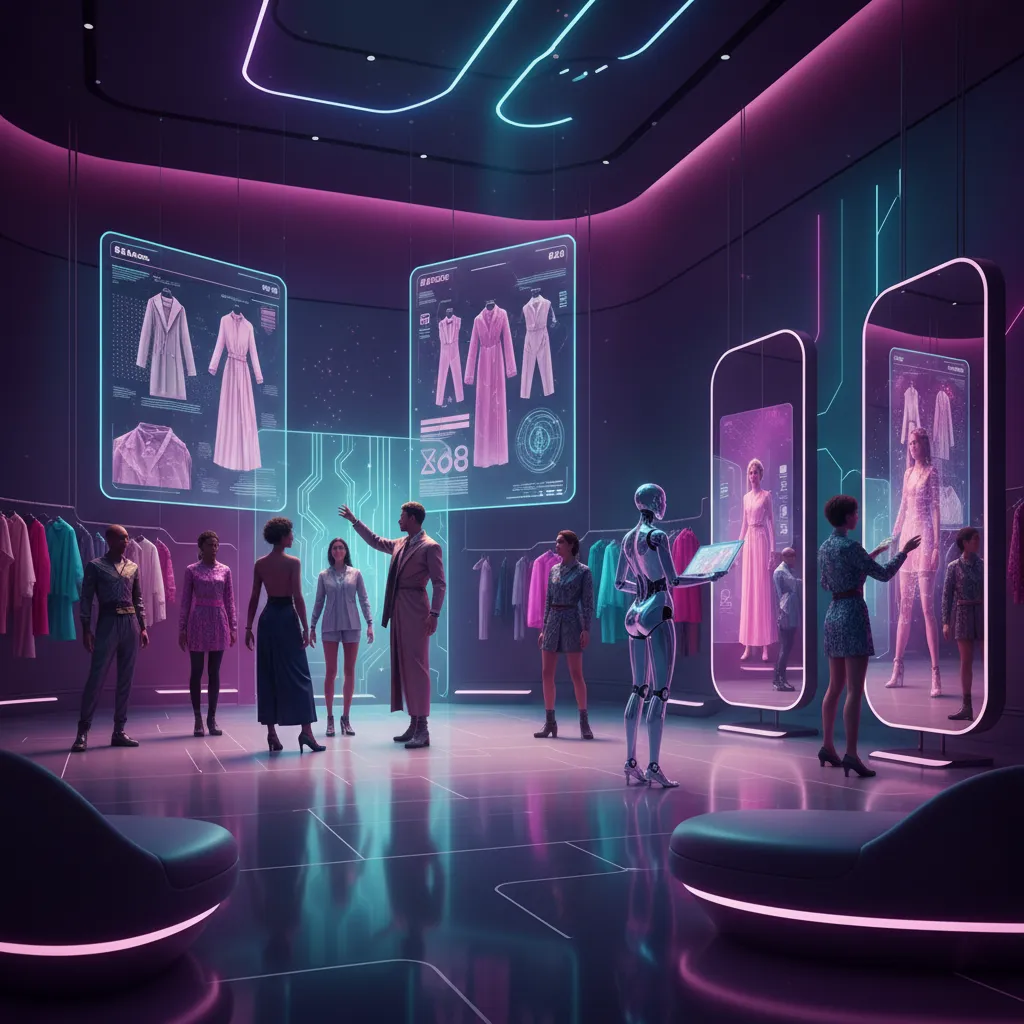
From the moment you browse a website to the second a package arrives at your door, a silent revolution is underway. Artificial intelligence, once the stuff of science fiction, is now the master weaver of the modern fashion and retail industry. It’s no longer just about chatbots or product recommendations; AI is fundamentally altering the entire value chain, from the initial spark of a design idea to the intricate dance of global logistics. The AI impact on fashion retail is profound, creating a more personalized, efficient, and surprisingly sustainable ecosystem.
The age of one-size-fits-all is officially over. Today’s consumers demand experiences tailored specifically to them, and AI is the engine making it possible. This seismic shift is powered by machine learning retail algorithms that can predict trends with uncanny accuracy, manage inventory to eliminate waste, and create shopping journeys that feel like a conversation with a personal stylist.
In this deep dive, we’ll unravel the digital thread of AI in fashion. We’ll explore how smart retail solutions are transforming customer experiences with technologies like virtual try-ons, how generative AI in fashion is co-creating designs with human artists, and how AI for retail supply chain management is building a more intelligent and resilient industry. Get ready to discover the exciting future of fashion with AI—a future that’s already here.
AI-Powered Personalization: The End of One-Size-Fits-All
The holy grail for any retailer is understanding the customer. For decades, this meant broad demographic segmentation. Today, artificial intelligence fashion industry applications have shattered that model, ushering in an era of hyper-personalization at a scale never before imaginable.
Hyper-Personalized Shopping Experiences
AI algorithms are the ultimate personal shoppers, working tirelessly behind the scenes. They analyze everything: your click patterns, past purchases, items you’ve lingered on, what’s in your cart, and even external data points like social media trends and local weather. This ocean of data is then used to create a unique, dynamic shopping experience for every single user.
Instead of seeing a generic homepage, you’re greeted with a curated selection of items that match your style, size, and price preferences. This is retail personalization trends in action, moving beyond “customers who bought this also bought…” to a deeply predictive understanding of individual taste. The result? Higher engagement, increased customer loyalty, and a shopping experience that feels less like a transaction and more like a discovery.
AI Stylists and Recommendation Engines
Brands like Stitch Fix and The Yes (now part of Pinterest) built their entire business models on AI powered styling. These services use a combination of human stylist expertise and powerful machine learning algorithms to curate boxes of clothing sent directly to customers. The AI learns from user feedback—what they keep, what they return, and why—constantly refining its understanding of their style profile.
For e-commerce giants, sophisticated recommendation engines are critical. They power everything from the “Complete the Look” sections to personalized email campaigns featuring new arrivals you’re likely to love. These intelligent retail systems are designed to not only sell more products but to build a long-term relationship by consistently demonstrating an understanding of the customer’s evolving style. Related: The Future of Wellness is Here: How AI is Personalizing Health
Virtual Try-On: The Fitting Room of the Future
One of the biggest hurdles for online fashion retail has always been the inability to try on clothes. Virtual try on technology is elegantly solving this problem. Using a combination of augmented reality (AR) and AI, these tools allow you to see how a garment will look and fit on your body from the comfort of your home.
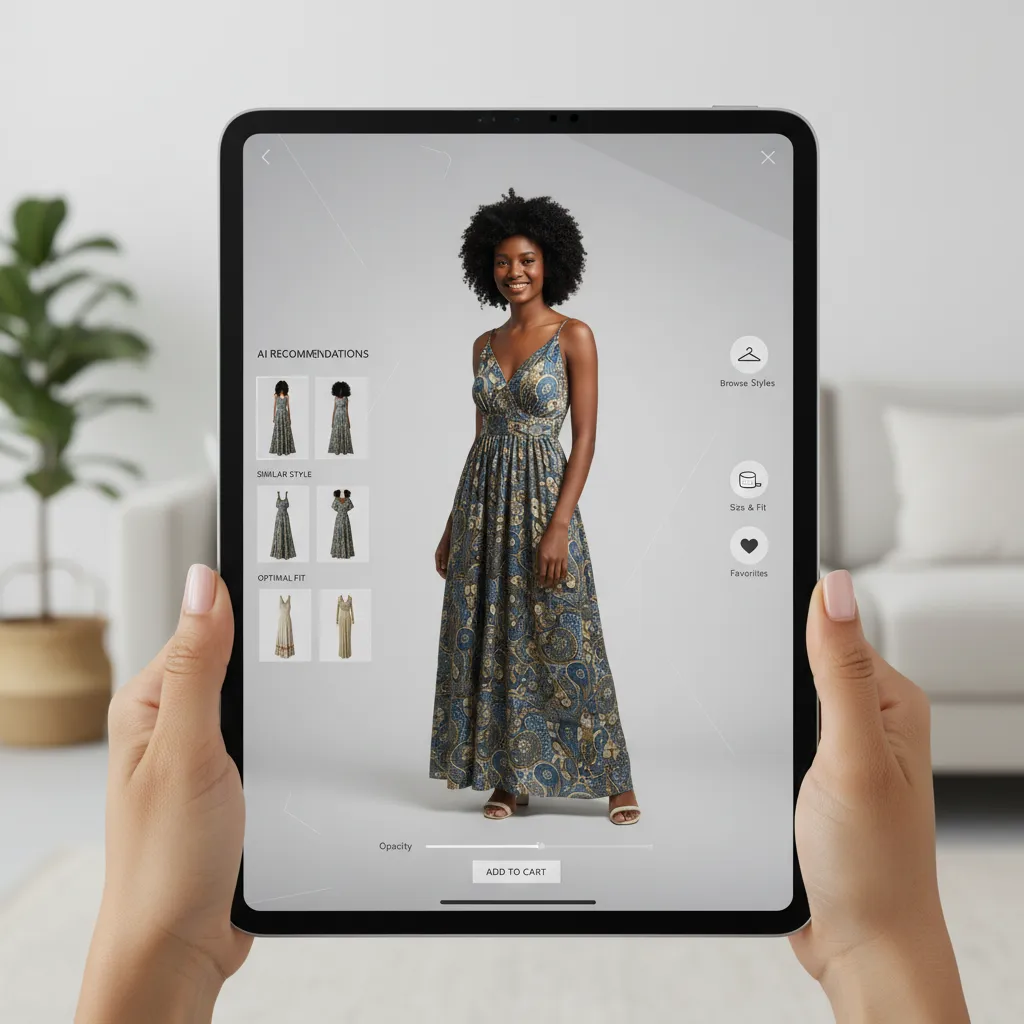
By uploading a photo or using your phone’s camera, the AI creates a personalized avatar or overlays the clothing onto your live image, accounting for your unique measurements and body shape. This augmented reality fashion innovation doesn’t just reduce return rates—a massive cost for retailers—it boosts consumer confidence and makes online shopping more interactive and enjoyable.
Revolutionizing the Runway: AI in Fashion Design and Trend Forecasting
AI’s influence extends far beyond the shop floor and deep into the creative heart of the industry: the design studio. It’s becoming an indispensable tool for designers and trend forecasters, helping them create more relevant and commercially successful collections.
Generative AI: Co-Creating with Algorithms
The rise of generative AI in fashion is one of the most exciting developments in the field. Tools like DALL-E and Midjourney can generate photorealistic images from simple text prompts, but the applications go much deeper. Designers are now using specialized AI platforms to:
- Generate novel patterns and prints: An AI can create thousands of unique textile patterns in minutes, offering endless creative possibilities.
- Explore new silhouettes: By feeding an AI with historical design archives, it can generate new, innovative garment shapes that blend different eras and styles.
- Visualize entire collections: Designers can quickly create mockups and mood boards, accelerating the conceptual phase of design.
This isn’t about replacing human creativity but augmenting it. AI fashion design is a collaborative process where the designer’s vision guides the AI’s powerful generative capabilities, leading to creations that might not have been imagined otherwise.

Predictive Analytics for Trend Forecasting
What will be the “it” color next season? What style of denim will dominate the market? Historically, answering these questions involved a mix of intuition, runway analysis, and street style spotting. Now, fashion trend forecasting AI provides a data-driven edge.
AI platforms analyze millions of data points in real-time, including:
- Social media mentions and imagery from Instagram, TikTok, and Pinterest.
- Runway shows from around the globe.
- Online search queries and e-commerce sales data.
- Influencer content and celebrity outfits.
By identifying emerging patterns and micro-trends before they hit the mainstream, predictive analytics fashion tools empower brands to make smarter decisions about what to design and produce, minimizing the risk of creating unwanted inventory.
Smart Operations: AI Streamlining the Retail Supply Chain
Perhaps the most significant—though least visible—AI impact on fashion retail is in the complex world of the supply chain. From warehousing to delivery, retail automation AI is creating a faster, more efficient, and more resilient operational backbone.
Intelligent Inventory Management
Overproduction is the bane of the fashion industry, leading to massive waste and lost profits. Inventory management AI fashion systems tackle this head-on. By analyzing historical sales data, seasonality, upcoming trends, and even macroeconomic factors, AI can predict demand for specific items with remarkable accuracy.
This allows retailers to:
- Optimize stock levels: Avoid both overstock (which leads to markdowns) and stockouts (which lead to lost sales).
- Automate reordering: Set up intelligent systems that automatically replenish inventory when it hits a certain threshold.
- Improve allocation: Ensure the right products are in the right stores or fulfillment centers at the right time, based on local demand.
Automation in Warehousing and Logistics
The modern fashion warehouse is a hub of retail automation AI. Robotic systems, guided by machine learning algorithms, handle tasks like sorting, picking, packing, and shipping with incredible speed and precision.
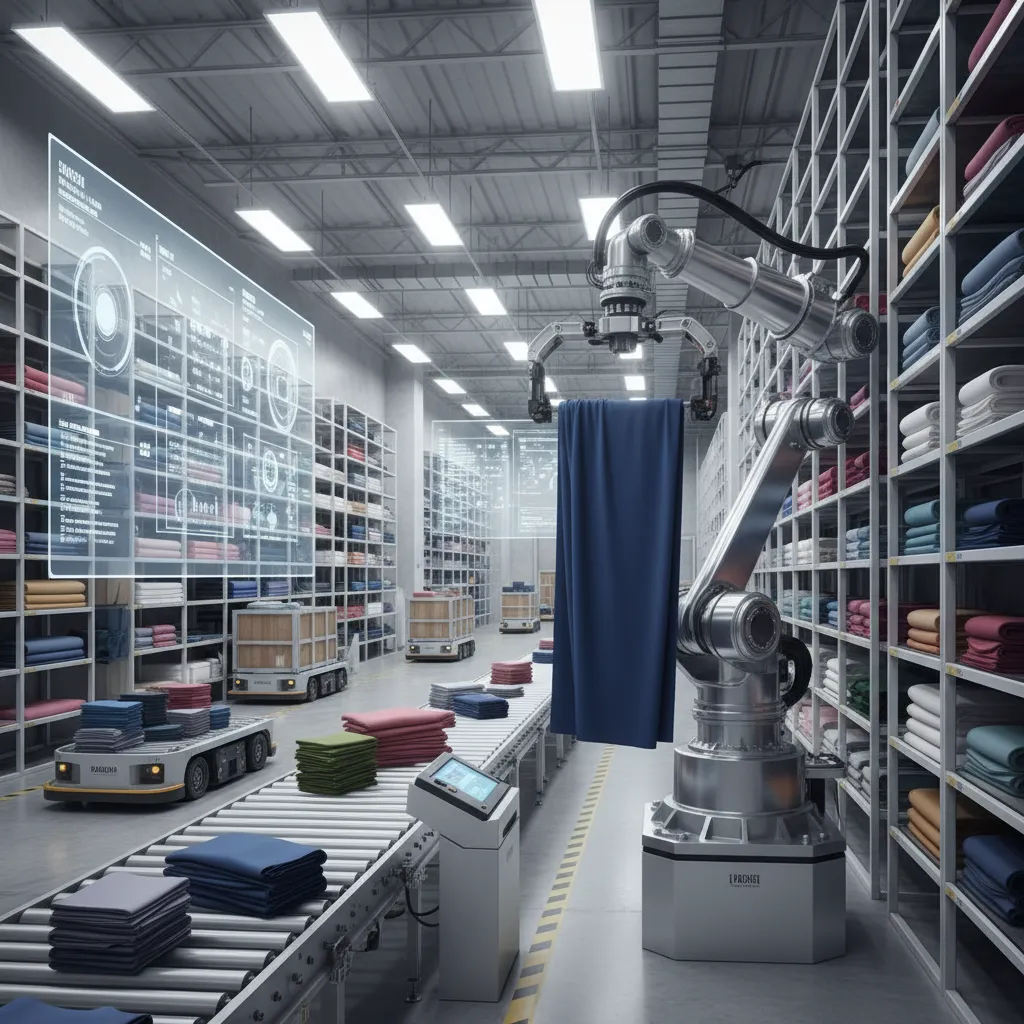
Beyond the warehouse, AI for retail supply chain optimizes the entire logistics network. It can calculate the most efficient shipping routes, factoring in traffic, weather, and fuel costs, ensuring products get from the factory to the customer’s doorstep as quickly and cost-effectively as possible.
AI-Driven Merchandising and Pricing
How a product is displayed online or placed in a physical store can dramatically affect its sales. AI driven merchandising analyzes customer behavior data to optimize product placement on e-commerce sites, ensuring the most relevant items are always front and center. It can also help plan physical store layouts for maximum engagement.
Furthermore, AI enables dynamic pricing strategies. Algorithms can adjust prices in real-time based on demand, competitor pricing, and inventory levels, maximizing revenue and clearing out slow-moving stock without resorting to deep, profit-killing discounts.
Enhancing the Customer Journey: AI in the Retail Experience
A seamless and engaging customer journey is paramount. AI is the key to connecting all the dots, creating a cohesive experience whether the customer is shopping online, on their mobile device, or in a physical store.
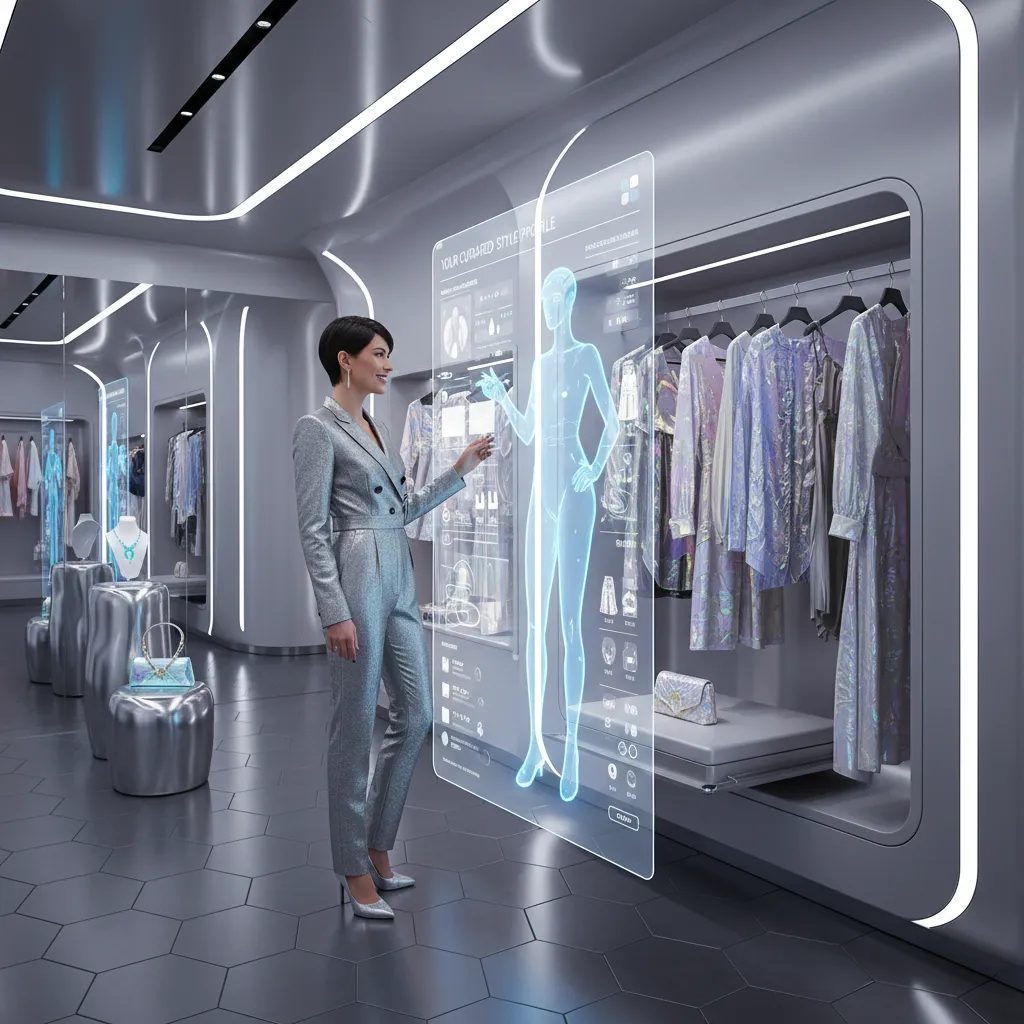
Omnichannel Integration and Smart Stores
The line between digital and physical retail has blurred, and omnichannel retail AI is the bridge. AI platforms unify customer data from all touchpoints, so a shopping cart started on a laptop can be finished on a mobile app or even accessed by a sales associate in-store.
This technology is also powering smart retail solutions within brick-and-mortar locations:
- Smart Mirrors: These interactive displays can recommend complementary items or show a piece of clothing in different colors without the customer having to try them on.
- Personalized In-Store Offers: Using beacons and app data, retailers can send targeted promotions to a customer’s phone as they walk through the store.
- Cashier-less Checkout: Systems like Amazon Go use computer vision and AI to track what customers pick up, allowing them to simply walk out, with the purchase charged to their account automatically.
Redefining Customer Service with AI
The AI customer experience retail has been transformed by intelligent chatbots and virtual assistants. Available 24/7, these AI agents can handle a wide range of queries, from tracking an order and processing a return to providing product information and style advice. Advanced AI can even detect a customer’s sentiment and route them to a human agent for more complex issues, ensuring a smooth and efficient support experience. Related: Apple Intelligence: A Deep Dive into the Top AI Features Coming to iOS 18
The Conscientious Algorithm: AI’s Role in Sustainable and Ethical Fashion
Beyond profits and personalization, AI is emerging as a powerful ally in the push for a more sustainable and ethical fashion industry. This is one of the most promising fashion tech innovations today.
AI for a Greener Footprint
The fashion industry has long been criticized for its environmental impact. Sustainable fashion AI offers tangible solutions:
- Reducing Overproduction: As mentioned, AI-powered demand forecasting is the single most effective tool for reducing the waste that comes from making too many clothes.
- Optimizing Material Usage: AI can help designers lay out patterns on fabric in the most efficient way possible, minimizing textile waste during production.
- Enhancing Supply Chain Transparency: AI and blockchain can be used to track a garment’s journey from raw material to finished product, giving consumers clear insight into its origins and environmental footprint. Related: Sustainable Tech Innovations for a Greener Future
Navigating the Ethical Maze
The conversation around ethical AI in fashion is crucial. While the technology offers immense benefits, it’s important to address the challenges. Issues of data privacy are paramount—how is customer data being used and protected? Algorithmic bias is another concern; recommendation engines must be trained on diverse datasets to ensure they are inclusive and don’t perpetuate stereotypes. Finally, as retail automation AI becomes more prevalent, the industry must consider its impact on the human workforce and invest in retraining and upskilling programs.
Conclusion
The AI takeover of fashion and retail isn’t a distant dystopian threat; it’s a present-day reality that is making the industry smarter, faster, and more attuned to its customers than ever before. From the personalized shopping experience AI delivers to your screen, to the generative AI collaborating with designers, and the complex data analytics fashion industry now relies on, artificial intelligence is the central thread in the fabric of modern commerce.
The brands that will thrive in this new landscape are not those who simply adopt technology, but those who use it to foster genuine creativity, build deeper customer relationships, and create more sustainable practices. The future of fashion with AI is not about replacing the human touch, but about amplifying it, creating a more intelligent, responsive, and exciting world for both creators and consumers.
The revolution is here, and it’s being styled by algorithms. The only question left is, what will you wear?
FAQs
Q1. What is AI in fashion?
AI in fashion refers to the use of artificial intelligence technologies to transform various aspects of the industry. This includes everything from designing clothes and forecasting trends using predictive analytics to personalizing customer shopping experiences, managing inventory, and optimizing the supply chain for greater efficiency and sustainability.
Q2. How is AI used in fashion design?
In fashion design, AI is used as a collaborative tool. Generative AI can create thousands of unique patterns, textures, and even new garment silhouettes based on designer inputs. It can also analyze vast archives of fashion history to inspire new concepts, helping to accelerate the creative process and push the boundaries of design.
Q3. How does virtual try-on technology work?
Virtual try-on technology uses a combination of artificial intelligence and augmented reality (AR). A user typically uses their device’s camera or uploads a photo. The AI then maps their body’s dimensions and overlays a 3D model of the clothing item onto their image, simulating how it would fit and look in real life, which significantly enhances the online shopping experience.
Q4. Can AI predict fashion trends?
Yes, AI is highly effective at predicting fashion trends. By analyzing massive datasets from social media, e-commerce sites, runway shows, and online publications, machine learning algorithms can identify emerging patterns in colors, styles, and silhouettes long before they become mainstream. This allows brands to make more informed decisions about production.
Q5. What are the benefits of AI in the retail supply chain?
AI brings numerous benefits to the retail supply chain. Its primary advantages include highly accurate demand forecasting, which reduces overproduction and waste. It also enables intelligent inventory management, automates warehouse operations with robotics, and optimizes logistics for faster and more cost-effective shipping.
Q6. How does AI create a personalized shopping experience?
AI creates a personalized shopping experience by analyzing a user’s behavior, including their browsing history, past purchases, and items they’ve shown interest in. It then uses this data to power recommendation engines, curate personalized homepages, deliver targeted marketing emails, and provide styling suggestions that are unique to each individual’s taste.
Q7. Is AI making fashion more sustainable?
Yes, AI is playing a significant role in making fashion more sustainable. By enabling accurate demand forecasting, it directly combats the problem of overproduction, one of the industry’s biggest sources of waste. Additionally, AI can optimize supply chains to reduce carbon emissions and help design processes that minimize material waste.