Sustainable Smart Homes: Eco-Friendly Tech for a Greener Future
Introduction
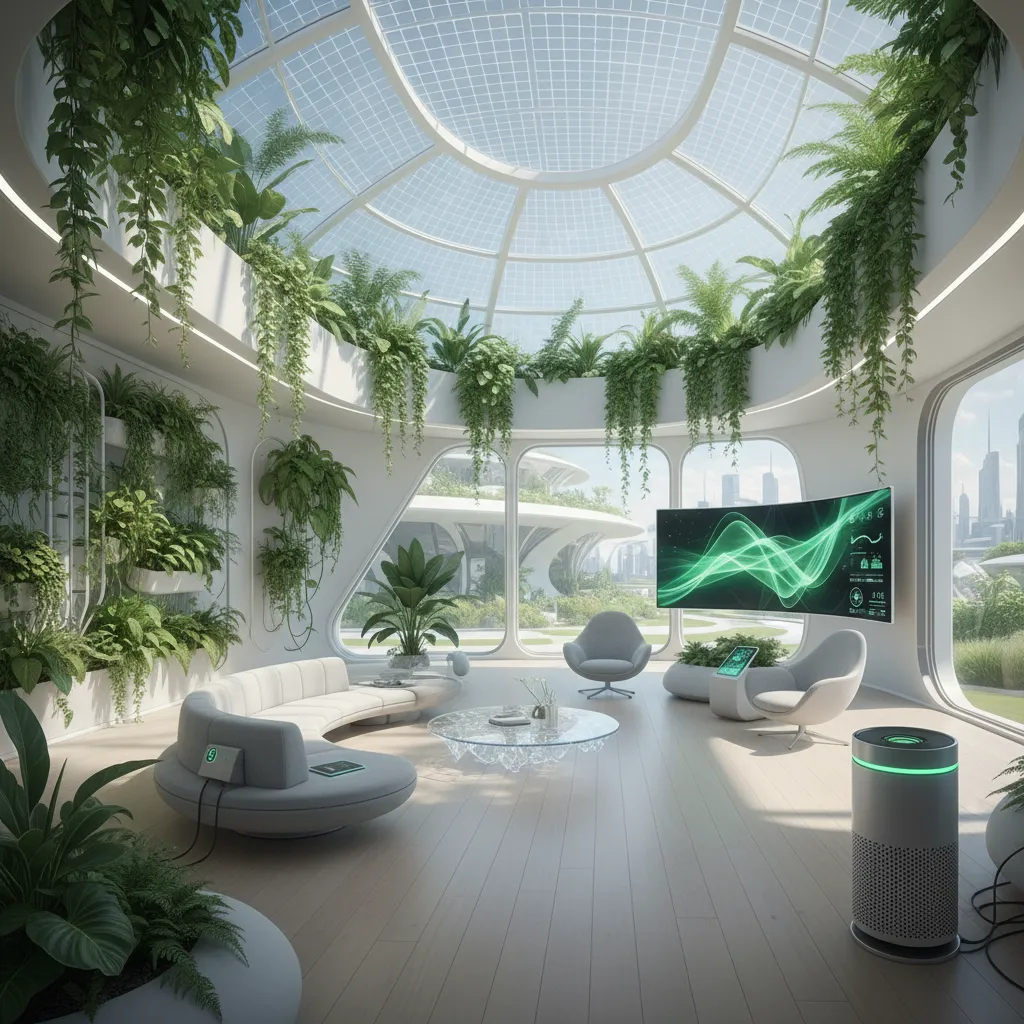
In an era defined by rapid technological advancement and escalating environmental concerns, a groundbreaking concept is transforming how we live: the sustainable smart home. It’s more than just a house filled with connected devices; it’s a meticulously designed ecosystem where cutting-edge sustainable tech harmonizes with eco-conscious principles to foster a healthier planet and a more efficient lifestyle. Imagine a home that actively participates in reducing energy consumption smart home activities, conserving water, enhancing air quality, and even generating its own clean power. This isn’t a futuristic fantasy; it’s the present reality offered by eco-friendly smart home solutions.
For many, the allure of smart home technology has traditionally revolved around convenience and security. However, a growing awareness of our ecological footprint and rising utility costs has shifted the focus towards sustainability. Homeowners are increasingly seeking ways to make their living spaces smarter and greener, transforming their residences into bastions of green living tech. This article will guide you through the exciting world of sustainable smart homes, exploring their core components, immense benefits, and the practical steps you can take to embrace this future of green home technology. We’ll delve into everything from smart home energy management to eco-friendly gadgets and discover how to make home energy efficient in ways that truly matter, both for your wallet and the Earth.
The Foundation of Sustainable Living: What is a Sustainable Smart Home?
At its heart, a sustainable smart home is a residence that leverages advanced technology to minimize its environmental impact while maximizing resource efficiency, comfort, and occupant well-being. Unlike a traditional smart home that might automate tasks for pure convenience, a sustainable smart home is driven by a purpose: to conserve, protect, and regenerate. It’s an energy saving home where every connected device and system works in concert to reduce waste and promote ecological responsibility.
The core principles underpinning this innovative approach include:
- Energy Efficiency: Optimizing heating, cooling, lighting, and appliance use to drastically cut down electricity and fuel consumption.
- Water Conservation: Implementing intelligent systems to monitor and reduce water usage, from irrigation to plumbing.
- Resource Management: Utilizing durable, recyclable, and sustainably sourced materials in construction and device manufacturing.
- Waste Reduction: Encouraging responsible consumption and minimizing household waste through smart systems.
- Healthy Indoor Environments: Ensuring optimal air quality, lighting, and thermal comfort without relying on harmful chemicals or excessive energy.
- Integration of Renewable Energy: Harnessing natural sources like solar and wind power to generate clean energy for the home.
In essence, a sustainable smart home moves beyond simply being “smart” to being “smart and responsible,” demonstrating that technological advancement and environmental stewardship are not mutually exclusive but powerfully synergistic.
Key Pillars of Eco-Friendly Smart Home Technology
Achieving a truly sustainable smart home involves integrating various technologies across several critical domains. Each pillar contributes to the overall goal of reduced consumption, lower emissions, and a healthier living environment.
1. Mastering Energy Efficiency: The Smart Approach
Energy consumption is often the largest environmental and financial burden for most households. Smart home energy solutions are designed to address this head-on, offering significant smart thermostats savings and overall utility reductions.
Smart Thermostats and Climate Control
Modern smart thermostats like Ecobee and Nest are far more than simple temperature regulators. They learn your preferences, adapt to your schedule, and can even sense when you’re away, automatically adjusting settings to conserve energy. Many offer zoned heating and cooling, ensuring only occupied areas are conditioned. This smart home automation energy saving capability can lead to substantial reductions in your heating and cooling bills, often the largest component of home energy use.
 A smart thermostat displays real-time energy savings, offering occupants insights into their optimized climate control and positive environmental impact.
Intelligent Lighting Systems
Moving beyond simple dimmers, eco-friendly gadgets for lighting integrate LED technology with occupancy sensors, daylight harvesting, and scheduled automation. Smart bulbs and fixtures can turn off automatically when a room is empty, adjust brightness based on natural light levels, and even be programmed to mimic natural circadian rhythms for better well-being. This not only saves energy but also extends bulb lifespan, further reducing waste.
Smart Plugs and Power Strips
One of the simplest yet most effective DIY green tech home solutions for reducing energy consumption smart home is the smart plug. These devices allow you to control any appliance plugged into them from your smartphone or voice assistant. Crucially, they eliminate “phantom load” or “vampire drain” – the energy consumed by electronics even when turned off but still plugged in. By scheduling smart plugs to power down devices completely overnight or when not in use, you can significantly cut this often-overlooked energy waste.
Energy Monitoring Devices
Understanding where and how your home consumes energy is the first step towards optimizing it. Energy monitoring devices provide real-time data on your electricity usage, often breaking it down by appliance or circuit. Solutions like Sense or Emporia Vue connect to your electrical panel, giving you granular insights through a smartphone app. This intelligent home energy management empowers you to identify energy hogs, track your progress, and make informed decisions about your consumption habits.
 A person reviews their household’s energy consumption data on a tablet, highlighting the intuitive interface of a smart energy monitoring app.
Green Appliances Smart Home
When it’s time to replace appliances, opting for Energy Star certified green appliances smart home choices is paramount. These devices are designed to meet strict energy efficiency guidelines. Beyond basic efficiency, many modern appliances now integrate smart home automation energy saving features, allowing them to communicate with your home’s ecosystem. For example, a smart dishwasher might run during off-peak hours when electricity is cheaper and cleaner, or a smart refrigerator might optimize its defrost cycle based on real-time usage patterns. These are prime examples of eco-friendly smart home solutions at work.
2. Water Conservation: Smart Strategies for Precious Resources
Water is a finite and increasingly precious resource. Water-saving smart home technologies offer innovative ways to manage consumption, prevent waste, and ensure responsible usage.
Smart Leak Detectors
A small leak can waste thousands of gallons of water over time, leading to higher utility bills and potentially costly home damage. Smart leak detectors can be placed near water heaters, under sinks, or in basements. Upon sensing moisture, they alert you immediately via a notification, allowing you to address the issue before it escalates. Some advanced systems can even automatically shut off your home’s main water supply.
Intelligent Irrigation Systems
Traditional sprinkler systems often water on a fixed schedule, regardless of actual weather conditions or soil moisture levels. Smart irrigation systems, such as those from Rachio or Hunter, connect to local weather forecasts and integrate with soil moisture sensors. They only water your lawn and garden when necessary, in the right amounts, significantly reducing water waste. [Related: The Quantum AI Revolution: Unprecedented Computing Power] This sophisticated eco-smart home automation ensures your plants thrive without overconsumption.
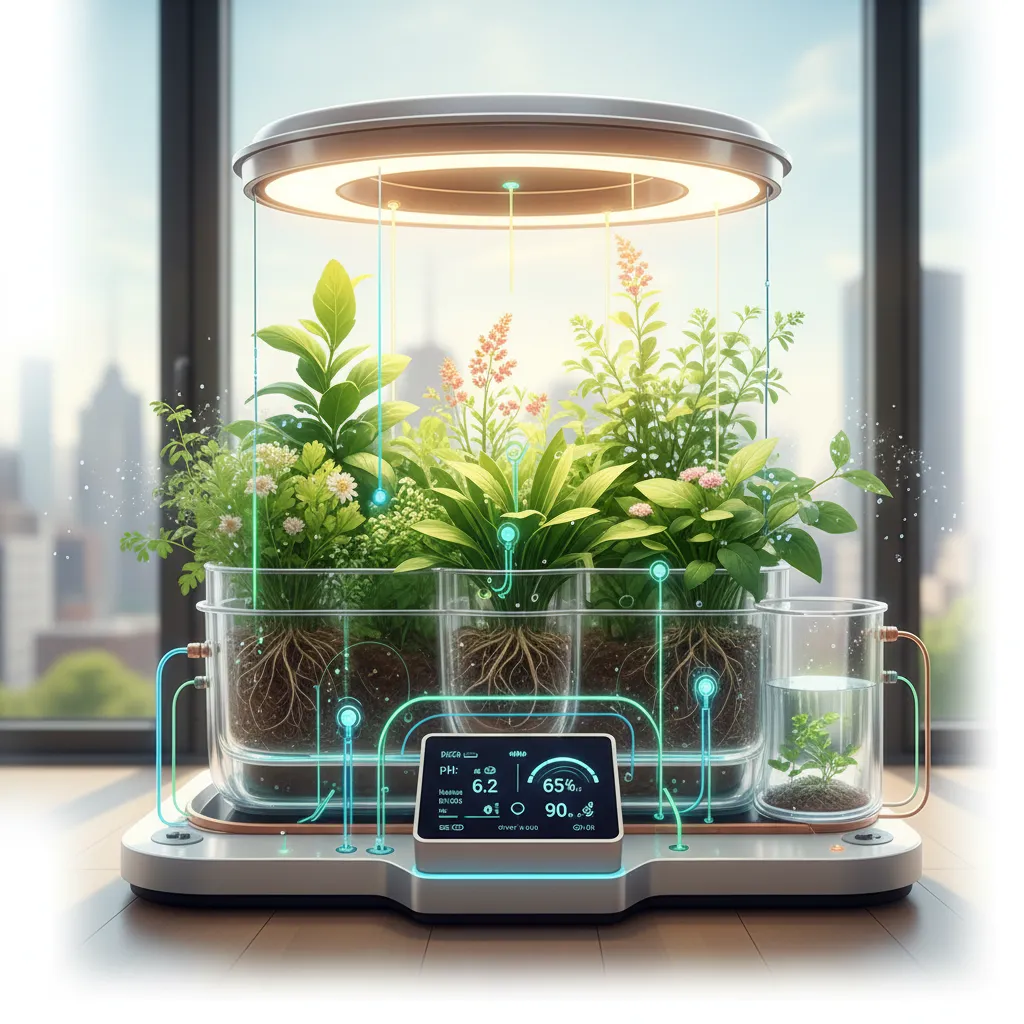 An automated indoor garden system showcases its smart lighting and hydroponic setup, symbolizing advanced agricultural tech for home use.
Low-Flow Smart Fixtures
While often overlooked, smart low-flow faucets, showerheads, and toilets play a significant role in water-saving smart home efforts. Many integrate sensors to provide water only when needed or offer precise temperature control, reducing the amount of water run while waiting for it to heat up. These fixtures demonstrate how small changes, amplified by smart technology, contribute to greater sustainability.
3. Cultivating a Healthy Home: Air Quality and Beyond
A sustainable home isn’t just about external environmental impact; it’s also about creating a healthy internal environment for its occupants. Healthy smart home technology focuses on optimizing indoor air quality, lighting, and comfort.
Smart Air Purifiers and Monitors
Indoor air can often be more polluted than outdoor air, laden with VOCs (Volatile Organic Compounds), allergens, dust, and pet dander. Smart air quality monitors (like Awair or Airthings) detect these pollutants and integrate with smart air purifiers to automatically activate when levels rise. This air quality smart home integration ensures a continuous supply of clean, fresh air, crucial for respiratory health and overall well-being.
Natural Ventilation and Humidity Control
Beyond purification, healthy smart home technology also involves optimizing natural ventilation. Smart windows and blinds can be programmed to open and close based on outdoor temperature and air quality, allowing for natural airflow and reducing reliance on air conditioning. Smart humidifiers and dehumidifiers maintain optimal humidity levels, preventing mold growth and enhancing comfort, all while using energy efficiently.
Sustainable Materials Smart Home
The choice of materials, both in the home’s construction and the devices within it, contributes significantly to sustainability. Sustainable materials smart home includes using non-toxic paints, recycled insulation, rapidly renewable wood, and low-VOC finishes. For smart devices themselves, the trend is towards manufacturers using recycled plastics, ethically sourced metals, and modular designs that allow for easier repair and recycling, extending product lifespans and reducing e-waste.
4. Harnessing Renewable Energy: The Path to Zero-Energy Homes
The ultimate goal for many sustainable smart homes is to achieve energy independence and a zero-energy smart homes status, where the home generates as much energy as it consumes over a year.
Solar Panels and Battery Storage
The integration of renewable energy home tech, primarily solar panels, is a cornerstone of this vision. Photovoltaic (PV) systems convert sunlight into electricity, powering the home. When coupled with battery storage solutions (like Tesla Powerwall or Enphase Encharge), homes can store excess solar energy generated during the day for use at night or during grid outages. This not only reduces reliance on fossil fuel-generated electricity but also provides energy resilience.
 A modern home features sleek rooftop solar panels complemented by an integrated battery storage system, signifying self-sufficiency in clean energy.
Microgrids and Energy Trading
Looking ahead, the future of green home technology involves homes potentially becoming part of local microgrids, sharing excess renewable energy with neighbors, and even trading it back to the main grid. This decentralized energy model, facilitated by smart home automation energy saving algorithms, promises greater grid stability and even faster decarbonization of our energy infrastructure.
Zero-Energy Smart Homes Explained
Zero-energy smart homes are meticulously designed to minimize energy demand through superior insulation, efficient windows, and passive solar design, then meet that remaining demand with on-site renewable energy home tech. These homes often feature advanced intelligent home energy management systems that constantly monitor and optimize energy flows, ensuring maximum efficiency and minimal environmental impact. Building such a home is the pinnacle of sustainable building technology.
Benefits Beyond the Environment: Why Go Green with Smart Tech?
While environmental stewardship is a primary driver, the advantages of adopting sustainable tech in your home extend far beyond ecological benefits.
Cost Savings
This is often the most tangible benefit for homeowners. By implementing energy saving home strategies with smart devices, you can achieve significant cost-effective sustainable home tech returns. Smart thermostats savings alone can amount to hundreds of dollars annually, and when combined with energy monitoring devices, smart lighting, and green appliances smart home, the overall reduction in utility bills becomes substantial. This long-term financial gain makes the initial investment worthwhile. [Related: Unlock Your Best Self: AI-Powered Personalized Nutrition & Fitness for Optimal Health]
Increased Comfort and Convenience
Ironically, reducing energy consumption often leads to increased comfort. Smart climate control ensures your home is always at the ideal temperature without waste. Automated lighting provides illumination exactly when and where needed. The convenience of managing your home’s systems from anywhere via an app or voice command, coupled with the peace of mind that your home is operating efficiently, significantly enhances quality of life.
Enhanced Home Value
As environmental awareness grows, so does the demand for sustainable homes. Properties equipped with eco-friendly smart home solutions and renewable energy home tech are increasingly attractive to buyers, often commanding higher resale values. Features like solar panels, advanced insulation, and intelligent energy management systems are seen as valuable assets that future-proof a home.
Reduced Carbon Footprint
Beyond personal savings, the collective impact of sustainable smart homes on carbon footprint reduction home is immense. Every kilowatt-hour of electricity saved, every gallon of water conserved, directly contributes to lowering greenhouse gas emissions and preserving natural resources. Embracing smart home tech for climate change is a powerful way for individuals to contribute to global environmental efforts.
Peace of Mind and Security
Many eco-friendly gadgets also enhance home security and safety. Smart leak detectors prevent costly water damage, while smart lighting can deter intruders by making the home appear occupied. Integrated energy monitoring devices can even alert you to unusual power consumption patterns that might indicate a problem.
Building Your Eco-Smart Home: Practical Steps and Devices
The journey to a sustainable smart home doesn’t require an overnight overhaul. You can start small and gradually build your ecosystem.
Starting Small: DIY Green Tech Home Solutions
- Smart Plugs: An affordable entry point. Use them to manage power to entertainment systems, charging stations, and kitchen appliances.
- Smart LED Bulbs: Replace your most frequently used bulbs with energy-efficient smart LEDs.
- Smart Thermostat: One of the quickest ways to see
smart thermostats savingsandsmart home energyimprovements. - Energy Monitoring Devices: Gain immediate insight into your consumption habits without needing to replace major appliances.
- Water-Saving Showerheads: A simple swap that makes a big difference.
Best Sustainable Smart Home Devices and Systems
When you’re ready to invest further, consider these top categories and examples of best sustainable smart home devices:
- Thermostats: Ecobee Smart Thermostat Premium (integrates with sensors, air quality monitoring), Google Nest Learning Thermostat (learns your schedule).
- Energy Monitors: Sense Energy Monitor (detailed circuit-level data), Emporia Vue (whole-home monitoring).
- Smart Lighting: Philips Hue (extensive ecosystem), Lutron Caséta (reliable controls).
- Smart Irrigation: Rachio 3 Smart Sprinkler Controller (weather intelligence), Hunter Hydrawise.
- Air Quality Monitors/Purifiers: Awair Element, Airthings View Plus (comprehensive sensors), Coway Airmega (smart purification).
- Leak Detectors: Flo by Moen (whole-home water security), Phyn Plus.
- Solar & Storage: Tesla Powerwall, Enphase Encharge (integrated battery solutions).
Integration and Ecosystems
For seamless eco-smart home automation, consider how devices integrate. Major platforms like Apple HomeKit, Google Home, and Amazon Alexa can serve as central hubs, allowing devices from different manufacturers to communicate. Services like IFTTT (If This Then That) provide even greater customization for smart home automation energy saving routines.
Smart Home Efficiency Tips
- Audit your energy usage: Use
energy monitoring devicesto understand where your energy goes. - Insulate properly: Ensure your home is well-insulated to prevent heat loss/gain.
- Seal air leaks: Caulk and weatherstrip around windows and doors.
- Optimize window treatments: Use smart blinds or shades to manage solar heat gain.
- Maintain HVAC systems: Regular maintenance ensures peak efficiency.
- Embrace natural light and ventilation: Reduce reliance on artificial lighting and air conditioning.
- Unplug chargers: Even when not connected to a device, chargers draw phantom power.
Sustainable Building Technology for New Constructions
For those embarking on new builds or major renovations, sustainable building technology offers the opportunity to integrate green principles from the ground up. This includes advanced insulation techniques, high-performance windows, passive solar design, rainwater harvesting systems, greywater recycling, and integrated renewable energy home tech systems, all designed to achieve zero-energy smart homes or near-zero energy consumption. [Related: AI Revolutionizing Mental Wellness]
The Future is Green: Sustainable Living Technology Trends
The evolution of green living tech is dynamic, with exciting innovations continually emerging. The future of green home technology promises even more sophisticated and integrated sustainable living technology trends.
AI and Machine Learning for Predictive Management
Artificial intelligence is becoming the brain of the intelligent home energy management system. AI algorithms can analyze years of energy consumption data, weather patterns, occupancy habits, and even electricity pricing to make predictive adjustments. Imagine a home that knows to pre-cool before a heatwave or charge batteries during off-peak hours without you lifting a finger. This advanced smart home automation energy saving will become standard. [Related: The Digital Nomads Playbook: Thrive Remotely & Explore the World]
IoT and Edge Computing
The Internet of Things (IoT) is expanding rapidly, bringing more eco-friendly gadgets online. With the rise of edge computing, more data processing will occur directly on devices rather than in the cloud. This means faster responses, enhanced privacy, and even greater efficiency for smart home systems, allowing for hyper-localized smart home efficiency tips and actions.
Personalized Sustainability
Future smart homes will offer increasingly personalized sustainability insights. They won’t just tell you how much energy you’re using but will offer tailored recommendations based on your habits, preferences, and local environmental conditions. This could include personalized challenges to reduce water usage or suggestions for optimizing device schedules to align with the cleanest energy sources available in real-time.
Circular Economy Integration
The concept of a circular economy, where waste is minimized and resources are kept in use, will increasingly influence sustainable materials smart home design and device lifecycles. We can expect more modular, repairable, and recyclable smart devices, with manufacturers taking greater responsibility for end-of-life product management.
Grid Integration and Demand Response
Homes will become active participants in the energy grid. Smart home automation energy saving systems will communicate with utilities, adjusting consumption during peak demand periods or utilizing excess renewable energy home tech when available. This “demand response” capability is crucial for building a stable and sustainable national energy infrastructure, effectively making smart home tech for climate change a community-wide effort.
Conclusion
The journey towards a sustainable smart home is an exciting and impactful one. By thoughtfully integrating sustainable tech and eco-friendly gadgets into our living spaces, we gain more than just convenience; we gain a powerful tool for environmental stewardship, financial savings, and enhanced well-being. From smart thermostats savings and water-saving smart home solutions to the ambitious pursuit of zero-energy smart homes and advanced intelligent home energy management, the possibilities are vast and continually expanding.
Embracing green living tech is no longer a niche interest; it’s a mainstream movement offering tangible benefits for individuals and the planet. These eco-friendly smart home solutions are not just about futuristic convenience; they are about making conscious choices that pave the way for a greener, more resilient future. Start your journey today—whether with a single energy monitoring devices or a comprehensive overhaul—and become a part of the solution for a truly sustainable tomorrow.
FAQs
Q1. What makes a smart home sustainable?
A smart home becomes sustainable when its integrated technologies are primarily used to minimize environmental impact. This involves optimizing smart home energy consumption, conserving water, improving air quality smart home, utilizing sustainable materials smart home, and leveraging renewable energy home tech to create an energy saving home that contributes positively to the environment and occupant well-being.
Q2. How do smart homes save energy and reduce utility bills?
Smart homes save energy through intelligent automation. Smart thermostats learn preferences and optimize heating/cooling schedules, while energy monitoring devices provide insights to identify waste. Smart lighting adjusts based on occupancy and natural light, and green appliances smart home operate more efficiently. Together, these systems implement smart home automation energy saving strategies that lead to substantial smart thermostats savings and lower overall utility bills.
Q3. What are some of the best sustainable smart home devices to start with?
To begin your DIY green tech home journey, excellent starting points include a smart thermostat (like Ecobee or Nest), smart plugs to combat phantom load, energy monitoring devices (e.g., Sense or Emporia Vue) for real-time insights, and smart LED bulbs. For outdoor water savings, a smart irrigation controller (e.g., Rachio) is highly effective, making these some of the best sustainable smart home devices.
Q4. Can smart home technology help combat climate change?
Absolutely. Smart home tech for climate change plays a crucial role by enabling carbon footprint reduction home. By drastically cutting energy consumption, promoting renewable energy home tech integration, and conserving resources like water, these homes directly reduce greenhouse gas emissions. The cumulative effect of widespread adoption of eco-friendly smart home solutions can significantly contribute to global climate mitigation efforts.
Q5. Is going “zero-energy” with a smart home achievable for everyone?
While achieving zero-energy smart homes is an ambitious goal, it is increasingly attainable, especially for new constructions incorporating sustainable building technology and comprehensive renewable energy home tech like solar panels and battery storage. For existing homes, significant steps towards near-zero energy can be made through insulation upgrades, window replacements, and the integration of eco-smart home automation and energy saving home devices, making it a goal many can work towards incrementally.
Q6. What are the main benefits of integrating smart tech into green living?
Integrating sustainable tech into green living offers a multitude of benefits, including significant cost-effective sustainable home tech through reduced utility bills, enhanced comfort and convenience, increased home value, and most importantly, a substantial carbon footprint reduction home. It also fosters a healthier indoor environment through better air quality smart home management and provides greater peace of mind with intelligent monitoring systems.
Q7. How can I make my existing home more energy efficient with smart tech?
To how to make home energy efficient in an existing home, start with DIY green tech home solutions like upgrading to a smart thermostat, installing smart plugs to eliminate phantom power, replacing traditional bulbs with smart LEDs, and using energy monitoring devices to track consumption. Improving insulation, sealing drafts, and integrating smart window treatments also make a big difference, showing smart home efficiency tips in action.
Q8. What role do sustainable materials play in a smart home?
Sustainable materials smart home refers to using environmentally responsible materials in the home’s construction and in the eco-friendly gadgets themselves. This reduces the embodied energy of the home, minimizes exposure to toxins, and supports a circular economy. It emphasizes non-toxic, recycled, recyclable, and sustainably sourced components, reducing waste and the environmental impact throughout a product’s lifecycle.