Sustainable Finance: Invest Responsibly, Grow Your Green Portfolio

Introduction
In an increasingly interconnected world, the choices we make today reverberate far into tomorrow. This holds especially true for our financial decisions. Gone are the days when profit was the sole metric of success for investors. A new paradigm has emerged, one that recognizes the profound link between financial prosperity and environmental and social well-being: sustainable finance.
Sustainable finance is more than just a buzzword; it’s a powerful movement transforming how we view investments. It’s about investing responsibly and consciously channeling capital towards companies and projects that contribute positively to our planet and society, while still aiming for competitive long-term sustainable returns. If you’ve ever wondered how to align your personal values with your investment goals, or how to contribute to a greener, more equitable future through your portfolio, then you’re in the right place.
This comprehensive guide will unpack the world of green investing, delving into what sustainable finance truly means, its core principles, and the various avenues available for building a green portfolio. We’ll explore the critical role of ESG (Environmental, Social, Governance) factors, differentiate between various types of ethical investments like impact investing and socially responsible investing, and provide practical responsible investment strategies to help you make informed decisions. By the end, you’ll have a clear understanding of how to grow your wealth while also growing a better world.
What is Sustainable Finance?
At its heart, sustainable finance refers to the process of taking environmental, social, and governance (ESG) considerations into account when making investment decisions. It’s a holistic approach that seeks to generate financial returns alongside positive societal and environmental impact. This isn’t charity; it’s smart investing that acknowledges the material risks and opportunities associated with sustainability challenges like climate change, social inequality, and corporate governance failures.
The concept moves beyond traditional financial analysis by integrating non-financial factors that can significantly influence a company’s long-term performance and resilience. It encompasses a broad range of financial services and products, including banking, asset management, and insurance, all geared towards supporting economic activities that contribute to environmental protection and social equity.
The Evolution of Green Investing
The journey towards green investing began decades ago, primarily with socially responsible investing (SRI), which often involved negative screening – avoiding investments in industries like tobacco, alcohol, gambling, or weapons. While still a component, green investing has evolved significantly. Today, it’s far more proactive, focusing on identifying and supporting companies that are leaders in sustainability, actively developing solutions to global challenges, or demonstrating strong environmental finance and social finance practices.
This evolution has been driven by several factors:
- Increased awareness of climate change and other environmental crises.
- Growing demand from investors, particularly younger generations, who want their money to reflect their values.
- Better data and analytics to measure and report on ESG performance.
- Regulatory pressure and international agreements like the Paris Agreement and the UN’s Sustainable Development Goals (SDGs).
The Shift to Conscious Capitalism Finance
The rise of sustainable finance mirrors a broader societal shift towards conscious capitalism finance. This philosophy posits that businesses should serve all stakeholders—customers, employees, suppliers, communities, and the environment—not just shareholders. When financial institutions and investors adopt this mindset, they recognize that long-term value creation is intrinsically linked to positive societal impact.
It’s about more than just avoiding harm; it’s about actively seeking out opportunities to do good and to generate returns from solutions to the world’s most pressing problems. This includes investing in renewable energy investments, clean technology investments, sustainable agriculture investing, and companies focused on water stewardship investing or promoting the circular economy investments. This proactive approach fundamentally changes the investment landscape, pushing companies towards greater transparency and accountability.
The Pillars of Green Investing: ESG Factors
Central to sustainable finance are ESG investing factors – Environmental, Social, and Governance. These three pillars provide a framework for evaluating companies beyond their traditional financial statements, offering a more complete picture of their risks, opportunities, and overall sustainability.
Environmental (E)
The “E” in ESG refers to a company’s impact on the natural world. This encompasses a wide range of issues, from carbon emissions and resource depletion to pollution and biodiversity loss. When considering the environmental aspect, investors look at:
- Climate Change Mitigation: A company’s carbon footprint, energy efficiency, use of renewable energy investments, and strategies for reducing greenhouse gas emissions. This is crucial for climate finance and investing for climate change.
- Resource Management: Water usage, waste management, circular economy practices, and sustainable sourcing of materials. Companies engaged in water stewardship investing or advancing circular economy investments are often highly rated here.
- Pollution Prevention: Efforts to minimize air and water pollution, hazardous waste, and chemical spills.
- Biodiversity & Land Use: Impact on ecosystems, deforestation, and conservation efforts.
Companies that demonstrate strong environmental performance are often better positioned to navigate future regulations, avoid environmental liabilities, and capitalize on the growing demand for eco-friendly investing solutions. Investing in this area directly supports the green economy investments necessary for a sustainable future.
Social (S)
The “S” in ESG considers a company’s relationship with its employees, customers, suppliers, and the broader communities in which it operates. Social factors include:
- Labor Practices: Employee health and safety, fair wages, diversity and inclusion, labor relations, and human rights in the supply chain.
- Customer Satisfaction: Product safety, data privacy, and ethical marketing practices.
- Community Engagement: Philanthropy, community development, and addressing local social issues. This often ties into sustainable development goals investments.
- Human Rights: Ensuring no forced labor, child labor, or other human rights abuses within their operations or supply chains.
Strong social performance can lead to improved employee morale, greater customer loyalty, reduced regulatory risks, and a stronger brand reputation. This is where socially responsible investing truly shines, seeking out companies that are actively building a more just and equitable world. [Related: eco-tourism-unpacked-sustainable-adventures/]
Governance (G)
The “G” in ESG relates to a company’s leadership, internal controls, audits, and shareholder rights. Good governance ensures accountability, transparency, and ethical decision-making. Key governance factors include:
- Board Diversity & Structure: Independence of the board, diversity of skills and backgrounds, and separation of CEO and Chair roles.
- Executive Compensation: Alignment of executive pay with long-term performance and sustainability goals.
- Shareholder Rights: Transparent communication with shareholders and fair voting rights.
- Ethics & Compliance: Anti-corruption policies, whistleblower protection, and ethical business conduct.
Robust governance structures are foundational for long-term success, helping to prevent fraud, mismanagement, and reputational damage. Investors looking for governance investing tips often prioritize companies with strong independent oversight and transparent reporting. These are critical aspects of responsible investment strategies.
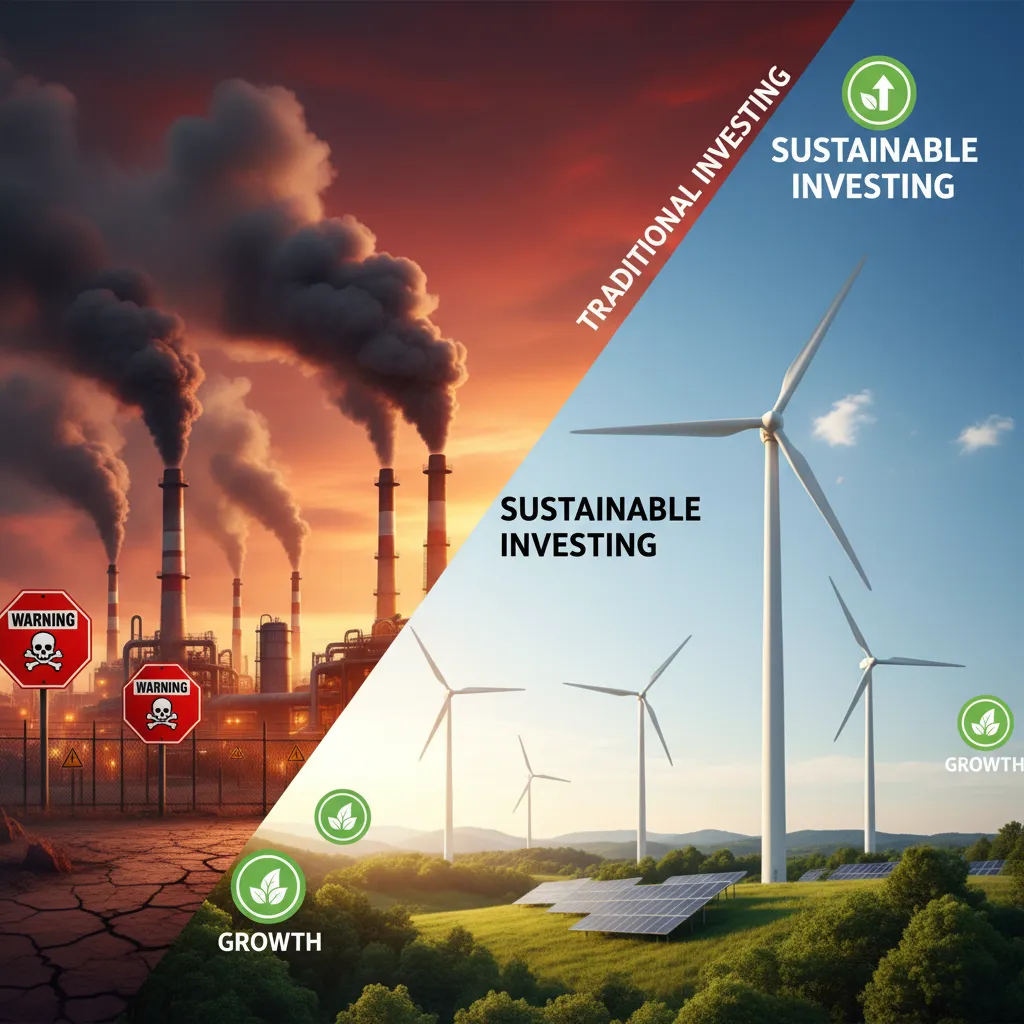
Types of Sustainable Investments
The landscape of sustainable finance offers a diverse array of investment vehicles, catering to different risk appetites and impact goals. Understanding these options is key to building a green portfolio that aligns with your values and financial objectives.
SRI Funds and ESG Funds
The most common entry points for many investors are SRI funds (Socially Responsible Investing funds) and ESG funds. While often used interchangeably, there’s a subtle distinction:
- SRI Funds: Historically, these funds typically use negative screening, avoiding companies involved in industries deemed unethical (e.g., tobacco, firearms). They prioritize alignment with specific ethical or religious values.
- ESG Funds: These funds more broadly integrate ESG factors into their investment analysis. They look for companies that demonstrate strong performance across environmental, social, and governance metrics, aiming for competitive financial returns in addition to positive impact. Many modern ESG funds use both positive screening (seeking out leaders) and negative screening (avoiding laggards).
Both types of funds offer diversification and professional management, making them accessible ways to start investing with values.
Green Bonds
Green bonds are fixed-income instruments specifically designed to raise capital for projects that have environmental benefits. These can include initiatives related to renewable energy, energy efficiency, sustainable waste management, or clean transportation. When you invest in a green bond, you are lending money to an entity (often a corporation, government, or municipality) that explicitly commits to using the proceeds for designated “green” projects. This provides a clear link between your investment and tangible environmental impact.
Impact Investing
Impact investing is arguably the most intentional form of sustainable finance. It involves investments made with the explicit intention to generate positive, measurable social and environmental impact alongside a financial return. Unlike some SRI or ESG strategies that might focus on screening out bad actors, impact investing actively seeks out opportunities to address specific global challenges, such as poverty, lack of access to education, or climate change.
Examples include investing in:
- Companies providing affordable housing or healthcare.
- Microfinance institutions supporting entrepreneurs in developing countries.
- Businesses developing clean technology investments for energy storage.
- Firms involved in sustainable agriculture investing practices that regenerate soil and reduce water usage.
The key differentiator is the deliberate measurement and reporting of impact, making it a powerful tool for those committed to significant change. [Related: sustainable-tech-innovations-greener-gadgets-eco-smart-living/]
Renewable Energy & Clean Technology
Direct investment in renewable energy investments and clean technology investments offers a direct path to supporting the transition to a low-carbon economy. This can involve:
- Publicly traded companies focused on solar, wind, geothermal, or hydropower.
- Exchange-Traded Funds (ETFs) that track indices of renewable energy companies.
- Venture capital or private equity funds that invest in emerging clean tech startups.
These investments not only contribute to reducing greenhouse gas emissions but can also offer significant growth potential as the world accelerates its decarbonization efforts. They are a core component of investing for climate change.
Sustainable Equity Funds
Sustainable equity funds primarily invest in the stocks of companies that meet certain ESG criteria or are leaders in sustainable practices within their industries. These funds can range from broad market funds that simply integrate ESG into their stock selection process to highly focused funds that target specific themes like water conservation, gender equality, or renewable energy. They offer investors exposure to growth companies while maintaining a focus on sustainability, forming a crucial part of a balanced green portfolio.

Building Your Green Portfolio: Responsible Investment Strategies
Crafting a green portfolio isn’t just about picking a few ethical stocks; it requires a thoughtful approach, clear goals, and consistent application of responsible investment strategies. Here’s how you can embark on your journey to financial wellness green.
Defining Your Values
The first and most crucial step is to define what sustainability means to you. Are you most passionate about environmental protection, social justice, or ethical governance? Or a combination of all three?
- Do you want to avoid certain industries entirely (e.g., fossil fuels, arms manufacturing)?
- Are you keen on supporting companies actively developing solutions (e.g., renewable energy investments, clean technology investments)?
- Do you prioritize sustainable development goals investments like clean water or education?
Your personal values will guide your investment choices and help you distinguish between various ethical investments. This introspection forms the bedrock of an authentic investing with values approach.
Research and Due Diligence
Once your values are clear, thorough research becomes paramount. Don’t simply rely on a fund’s “green” label. Look deeper:
- ESG Ratings: Utilize services like MSCI, Sustainalytics, or Refinitiv, which provide independent ESG ratings for companies and funds.
- Fund Prospectuses: Read the official documents to understand a fund’s investment strategy, criteria for ESG integration, and what they explicitly exclude or include.
- Company Reports: For individual stock investments, review a company’s sustainability reports, annual reports, and proxy statements. Look for concrete data, targets, and transparency.
- Third-Party Certifications: Some products or companies might have certifications that validate their sustainability claims.
Due diligence helps you avoid “greenwashing,” where companies or funds make unsubstantiated claims about their environmental or social credentials.
Diversification for Long-Term Sustainable Returns
Just like any investment strategy, diversification is key to managing risk and achieving long-term sustainable returns in a green portfolio.
- Asset Classes: Don’t put all your money into sustainable equity funds. Consider green bonds, real estate (e.g., green buildings), and potentially private equity in sustainable ventures.
- Geographic Diversification: Invest across different regions and economies.
- Sector Diversification: While you might lean towards green economy investments, ensure you’re not overexposed to a single sector. Even within sustainable finance, there’s diversity – from electric vehicles to sustainable packaging and eco-tourism.
- Investment Styles: Combine growth-oriented green companies with more stable, dividend-paying sustainable businesses.
A well-diversified green portfolio can weather market fluctuations more effectively and capture growth opportunities across the sustainable economy.
Monitoring and Reporting
Sustainable investing isn’t a “set it and forget it” strategy. Regularly monitor your investments to ensure they continue to align with your values and financial goals.
- Review ESG Performance: Companies’ ESG ratings can change, and new controversies might emerge. Stay informed about the companies and funds you invest in.
- Track Impact: For impact investments, ensure the promised social or environmental benefits are being realized and reported.
- Rebalance: Periodically rebalance your portfolio to maintain your desired asset allocation and risk profile.
Financial Wellness Green
Adopting financial wellness green means integrating sustainable considerations into all aspects of your financial life, not just investments. This might include choosing banks with strong ESG policies, opting for green insurance products, or even consciously selecting sustainable consumer goods and services. It’s about creating a coherent approach where your money, spent and invested, consistently reflects your commitment to a better future.

The Impact and Benefits of Sustainable Finance
Embracing sustainable finance isn’t just about feeling good; it’s about making sound financial decisions that contribute to a more resilient and prosperous future. The benefits extend far beyond individual portfolios, creating a ripple effect across the global economy and environment.
Beyond Financial Returns: Environmental and Social Impact
The most direct benefit of sustainable finance is its tangible positive environmental finance and social finance impact. By channeling capital towards sustainable businesses and projects, investors directly support initiatives that:
- Combat Climate Change: Funding renewable energy investments and clean technology investments accelerates the transition away from fossil fuels, contributing to a significant reduction in greenhouse gas emissions.
- Protect Natural Resources: Investments in sustainable agriculture, water stewardship, and circular economy models help conserve vital natural resources and reduce pollution.
- Promote Social Equity: Supporting companies with strong social governance and sustainable development goals investments improves labor practices, fosters diversity, and uplifts communities.
- Drive Innovation: Capital flowing into green sectors spurs innovation, leading to breakthroughs in sustainable solutions for energy, transportation, food, and more.
This direct impact allows investors to be part of the solution, fostering a sense of purpose beyond pure monetary gain. It’s the essence of impact investing and truly investing with values. [Related: sustainable-smart-home-energy-saving-gadgets-greener-life/]
Risk Mitigation and Resilience
Paradoxically, focusing on sustainability can also be a powerful risk management strategy. Companies with strong ESG performance are often better positioned to:
- Navigate Regulatory Changes: As governments globally tighten environmental regulations (e.g., carbon pricing) and social requirements, companies with proactive ESG policies are less likely to face costly fines or operational disruptions.
- Avoid Reputational Damage: Ethical lapses, environmental disasters, or social controversies can severely damage a company’s brand and market value. Strong governance and social responsibility act as a buffer.
- Attract and Retain Talent: Companies committed to sustainability often have higher employee engagement and better talent attraction, reducing labor-related risks.
- Enhance Operational Efficiency: Investing in energy efficiency or sustainable resource management can lead to significant cost savings and operational improvements.
In a world prone to increasing environmental and social shocks, a sustainable portfolio built with robust governance investing tips can be more resilient and offer greater stability over the long term.
Driving Innovation and Green Economy Investments
Sustainable finance is a key driver of the green economy investments. As capital flows into companies developing solutions for climate change, resource scarcity, and social inequality, it stimulates innovation and creates new industries. This includes:
- Renewable Energy Sector: From solar panel manufacturers to wind turbine developers and energy storage solutions.
- Sustainable Transportation: Electric vehicle manufacturers, public transit improvements, and sustainable logistics.
- Sustainable Agriculture and Food Systems: Vertical farming, alternative proteins, and precision agriculture technologies.
- Circular Economy Solutions: Companies focused on recycling, waste reduction, and product longevity.
These sectors are not just environmentally friendly; they represent significant growth opportunities and are creating the jobs and technologies of the future. By investing in these areas, you’re tapping into the growth potential of an economy that is fundamentally restructuring itself for sustainability.
The Future of Sustainable Finance
The future of sustainable finance is bright and rapidly expanding. We can expect to see:
- Increased Integration: ESG factors will become even more deeply embedded in mainstream financial analysis and decision-making, moving from a niche consideration to a fundamental component.
- Standardization and Transparency: Better data, clearer reporting standards, and more robust regulatory frameworks will improve the reliability and comparability of ESG information.
- Technological Advancements: AI, blockchain, and big data will play an increasingly critical role in measuring, verifying, and reporting on impact, enabling more precise eco-friendly investing.
- Broader Product Offerings: A continued expansion of innovative sustainable financial products, from thematic ETFs to green mortgages and sustainable insurance.
The momentum is undeniable. Individuals, institutions, and governments are increasingly recognizing that economic prosperity and ecological health are not mutually exclusive but rather deeply interdependent. Building a green portfolio today isn’t just a trend; it’s an intelligent and ethical approach to investing that shapes a better tomorrow for everyone.

Conclusion
The journey into sustainable finance is a powerful testament to the idea that our money can be a force for good. By embracing green investing and incorporating ESG investing principles into our financial decisions, we move beyond the traditional pursuit of profit to actively foster a world that is both prosperous and sustainable. We’ve explored the fundamental pillars of Environmental, Social, and Governance factors, uncovered the diverse avenues of ethical investments like impact investing and green bonds, and outlined practical responsible investment strategies for building a green portfolio.
From renewable energy investments and clean technology investments to supporting sustainable development goals investments, the opportunities to make a difference while aiming for long-term sustainable returns are abundant. This isn’t just about avoiding harm; it’s about proactively contributing to a green economy investments that champions conscious capitalism finance and a future where financial wellness green is accessible to all.
As we look to the future of sustainable finance, it’s clear that aligning our investments with our values is not merely an option, but an imperative. It empowers us to be part of the solution to global challenges, demonstrating that individual choices, collectively made, can indeed reshape the world. Start today, explore the possibilities, and grow your green portfolio — for your financial future, and for the planet.
FAQs
Q1. What is sustainable finance?
Sustainable finance integrates environmental, social, and governance (ESG) factors into investment decisions, aiming to generate both financial returns and positive societal and environmental impact. It’s about investing responsibly and funding economic activities that support a greener, more equitable world.
Q2. How is green investing different from traditional investing?
Green investing differs from traditional investing by explicitly considering a company’s environmental, social, and governance (ESG) performance alongside its financial metrics. Traditional investing primarily focuses on financial returns, whereas green investing seeks to achieve returns while also contributing to positive sustainability outcomes, like climate action or social equity.
Q3. What are ESG factors and why are they important?
ESG factors are Environmental, Social, and Governance criteria used to evaluate a company’s sustainability and ethical performance. They are important because they provide a holistic view of a company’s risks and opportunities, beyond traditional financial statements, influencing its long-term viability, reputation, and ability to generate long-term sustainable returns.
Q4. Can sustainable investments offer competitive financial returns?
Yes, numerous studies and growing market data suggest that sustainable investments can offer competitive, and sometimes even superior, financial returns compared to traditional investments, especially over the long term. Companies with strong ESG practices often demonstrate better risk management, operational efficiency, and innovation, contributing to their financial performance.
Q5. What is impact investing?
Impact investing is a specific type of sustainable finance where investments are made with the explicit intention to generate positive, measurable social and environmental impact alongside a financial return. It actively seeks to address specific global challenges, such as poverty, lack of access to clean water, or renewable energy development.
Q6. How can I start building a green portfolio?
To start building a green portfolio, first define your personal values and what sustainability means to you. Then, research available options like SRI funds, ESG funds, green bonds, or sustainable equity funds. Consider diversifying your investments and regularly monitoring their performance and impact to ensure alignment with your goals.
Q7. What are green bonds?
Green bonds are debt instruments designed to raise capital specifically for projects with environmental benefits, such as renewable energy, energy efficiency, sustainable waste management, or clean transportation. When you invest in a green bond, your money directly funds these eco-friendly initiatives.
Q8. Is “greenwashing” a concern in sustainable finance?
Yes, “greenwashing” is a legitimate concern, where companies or funds make misleading or unsubstantiated claims about their environmental or social credentials. To avoid greenwashing, it’s crucial to conduct thorough research, look for third-party certifications, and scrutinize fund prospectuses and company sustainability reports.