Sustainable Cooking: Eco-Friendly Kitchen Hacks for a Greener Home
Introduction
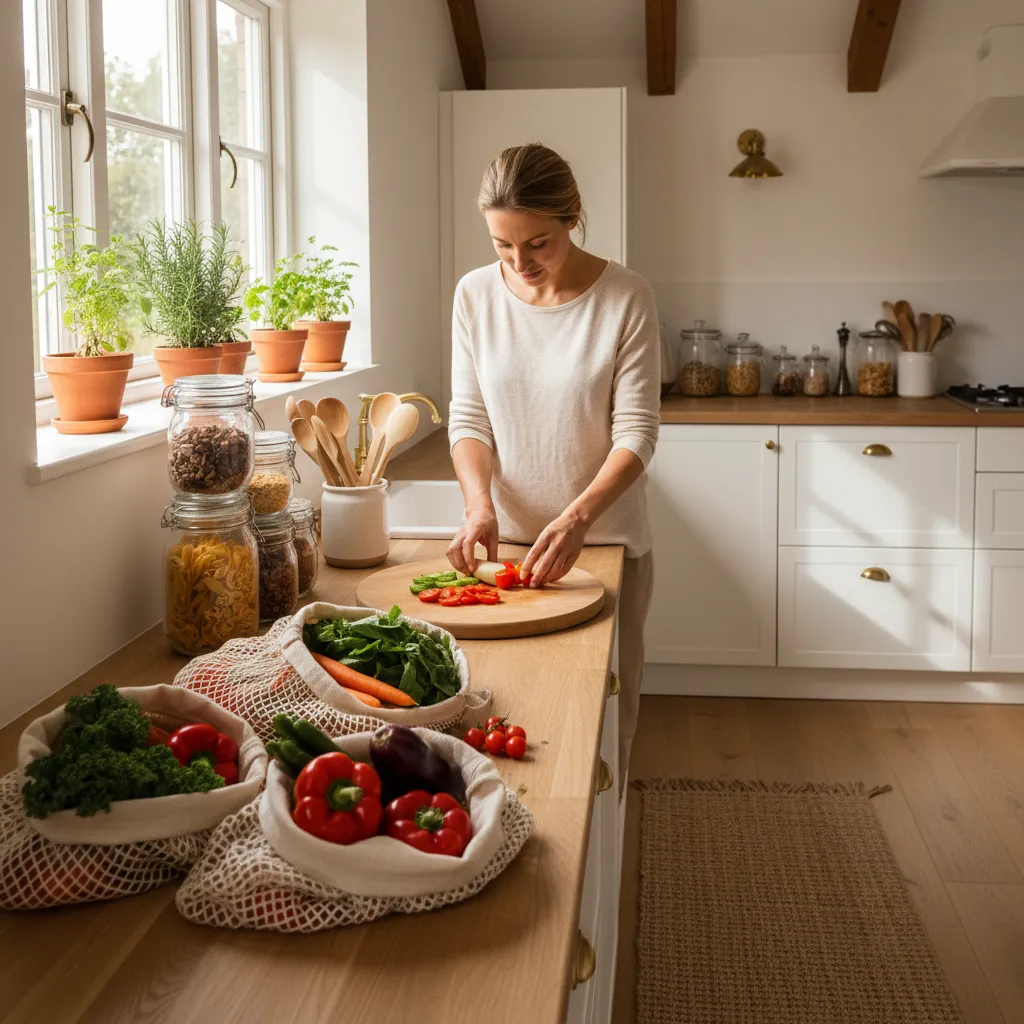
The kitchen is often called the heart of the home, a place of nourishment, creativity, and connection. But have you ever stopped to consider its environmental footprint? From the energy our appliances consume to the shocking amount of food that ends up in the bin, our daily cooking habits have a significant impact on the planet. This is where sustainable cooking comes in—a powerful and practical approach to transform your kitchen into a hub of eco-conscious activity.
Embracing an eco-friendly kitchen isn’t about a complete, overnight overhaul. It’s a journey of making small, intentional changes that collectively lead to a massive positive impact. It’s about adopting sustainable food habits, practicing conscious cooking, and understanding the story behind our food. This guide is packed with actionable eco kitchen hacks and green cooking tips designed to help you reduce food waste, conserve resources, and cultivate a healthier relationship with your food and the environment. Whether you’re aiming for a plastic free kitchen or mastering zero waste meal planning, you’ll find the tools here to make your home a little greener, one meal at a time.
The Core Principles of an Eco-Conscious Kitchen
Before diving into specific hacks, it’s helpful to understand the philosophy behind sustainable cooking. It’s a mindset rooted in mindfulness and resourcefulness. The goal is to minimize our negative impact while maximizing flavor, nutrition, and enjoyment. A great way to frame this is by adapting the classic “R’s” of sustainability for the kitchen:
- Refuse: Say no to what you don’t need, like plastic grocery bags, disposable straws, and single-use coffee pods.
- Reduce: Decrease your consumption of energy, water, and packaged goods. This is where efficient cooking and smart shopping come in.
- Reuse: Find new life for items instead of tossing them. Glass jars, food scraps, and old textiles can all have a second purpose.
- Rot: Compost your organic food scraps, turning potential waste into nutrient-rich soil for gardens or houseplants.
- Recycle: Properly recycle what you can’t refuse, reduce, or reuse. Understand your local recycling guidelines to do it effectively.
Adopting these principles fosters a deeper sense of mindful eating sustainability, encouraging you to think critically about every stage of the food lifecycle, from farm to fork to compost bin.
Master Your Pantry: Sustainable Grocery Shopping and Storage
The journey to a greener kitchen begins long before you turn on the stove—it starts at the grocery store. Your shopping habits dictate the waste you produce, the industries you support, and the freshness of your ingredients.
Embrace Local and Seasonal Eating
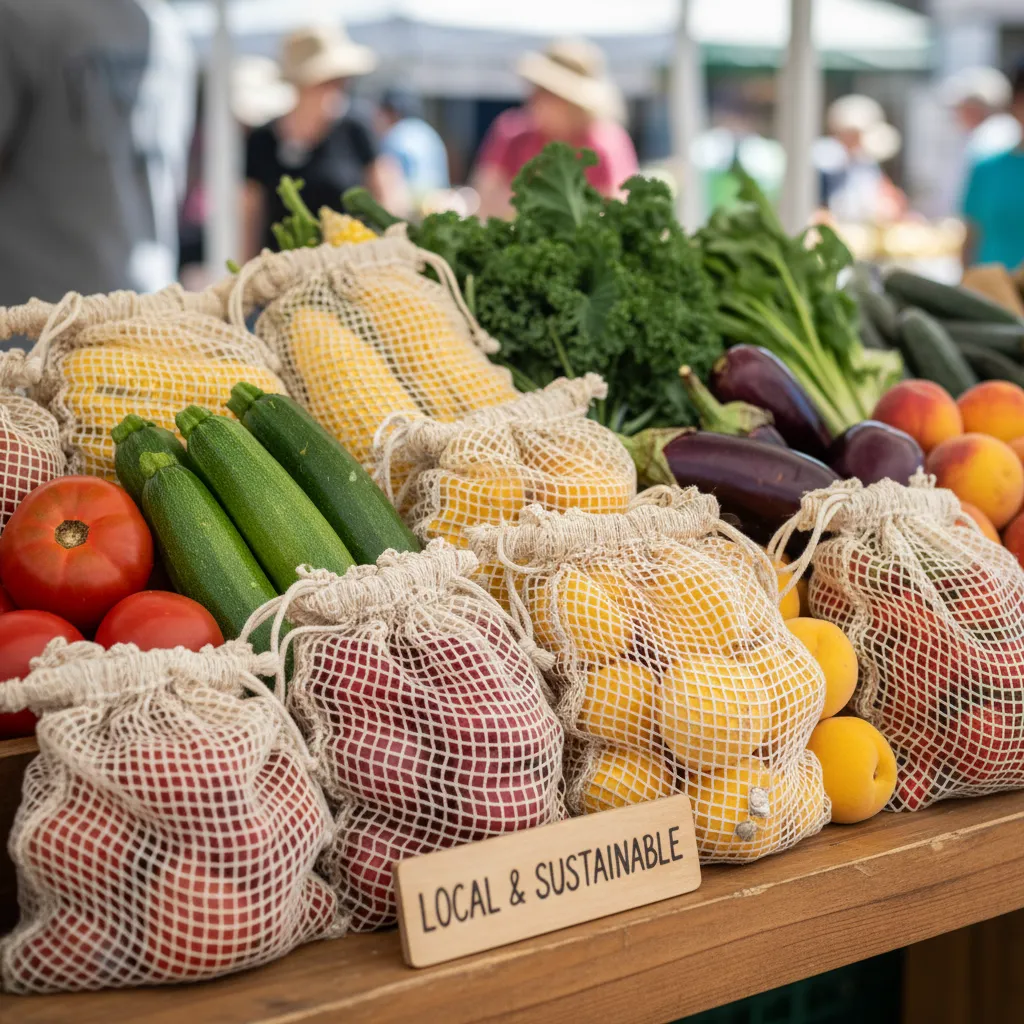
One of the most impactful changes you can make is to eat with the seasons. Foods that are grown locally and in their natural season require less energy for transportation, refrigeration, and artificial ripening.
- Better Flavor & Nutrition: Seasonal produce is picked at its peak, meaning it’s more flavorful and packed with nutrients.
- Lower Carbon Footprint: Reduces “food miles”—the distance food travels from where it’s grown to your plate.
- Supports Local Economy: Buying from local farmers keeps money circulating in your community.
How to do it: Visit farmers’ markets, join a Community Supported Agriculture (CSA) program, or simply pay attention to the produce that’s abundant and affordable at your local grocery store. Learning a few core seasonal eating recipes for each time of year makes this a delicious adventure.
The Art of a Zero-Waste Pantry
A well-organized pantry is the command center of a zero waste kitchen. The goal is to minimize packaging and prevent food from getting lost and spoiling.
- Buy in Bulk: Purchase sustainable pantry staples like grains, nuts, seeds, and spices from bulk bins. This eliminates packaging and often costs less. Bring your own reusable bags or jars.
- Decant into Clear Containers: Store your bulk items in clear, airtight containers (glass jars are perfect). This allows you to see exactly what you have, preventing you from buying duplicates and making it easier to notice when supplies are low.
- First-In, First-Out (FIFO): When you buy a new bag of rice or can of beans, place it behind the one you already have. This ensures you use up older items first.
This level of organization transforms your pantry from a cluttered mess into a functional, beautiful, and completely plastic free kitchen asset.

Decoding Labels: Making Ethical Food Choices
Sustainable eating also involves considering the ethical implications of our food. While navigating food labels can be complex, understanding a few key certifications can help you make more informed and ethical food choices. Look for labels like Fair Trade (ensures fair wages for workers), USDA Organic (prohibits synthetic pesticides and fertilizers), and Non-GMO Project Verified.
The War on Waste: Practical Food Waste Reduction Tips
According to the USDA, food waste in the United States is estimated at between 30-40 percent of the food supply. This wasted food squanders the water, energy, and labor used to produce it and releases methane—a potent greenhouse gas—as it rots in landfills. Here are the most effective food waste reduction tips.
Strategic Meal Planning and Prepping
This is the single most effective strategy to reduce food waste. Zero waste meal planning prevents impulse buys and ensures every ingredient you purchase has a purpose.
- Take Inventory: Before you shop, check your pantry, fridge, and freezer. What needs to be used up?
- Plan Your Meals: Plan your breakfasts, lunches, and dinners for the week around the ingredients you already have.
- Create a Precise Shopping List: Stick to your list at the store to avoid buying things you don’t need.
- Prep Ahead: Dedicate an hour or two on the weekend to wash and chop veggies, cook grains, or make sauces. This makes weeknight greener home cooking faster and less overwhelming.
Just as modern tools can supercharge office tasks, a little planning can completely automate your kitchen workflow, boosting your efficiency and sustainability. Related: AI to Supercharge and Automate Your Workflow for a Productivity Boost
Use It All: From Root to Stem Cooking
Get creative and challenge yourself to use every part of your ingredients. This age-old practice minimizes waste and unlocks new flavors and textures.
- Veggie Scraps: Keep a bag in your freezer for onion skins, carrot peels, celery ends, and herb stems. When it’s full, simmer them in water to make a flavorful homemade vegetable broth.
- Broccoli Stalks: Don’t throw them out! Peel the tough outer layer and shred them for a delicious slaw, slice them into stir-fries, or roast them alongside the florets.
- Carrot Tops & Beet Greens: Blend them into pesto, sauté them with garlic, or add them to smoothies.
- Citrus Peels: Candy them for a sweet treat, infuse them in vinegar for a DIY kitchen products eco cleaner, or add the zest to baked goods.
Smart Food Preservation for Longevity
Extend the life of your food with simple food preservation eco techniques. This is especially useful if you have a garden or get a large haul from the farmer’s market.
- Freezing: The easiest method. Blanch vegetables before freezing to preserve their color and texture. Freeze berries on a tray before bagging them to prevent clumping. You can even freeze leftover herbs in olive oil in an ice cube tray for easy cooking starters.
- Pickling: Quick-pickling vegetables like cucumbers, onions, carrots, and radishes in a brine of vinegar, water, salt, and sugar is a fast way to preserve them.
- Drying: Use a dehydrator or a low-temperature oven to dry herbs, fruits like apples and bananas, or even make your own vegetable powders.
The Green Kitchen in Action: Energy and Water Efficiency
A truly earth friendly kitchen is also an efficient one. Reducing your energy and water consumption not only lowers your environmental impact but also saves you money on utility bills.
Energy-Efficient Cooking Methods
Your cooking method can drastically change your energy usage.
- Put a Lid on It: Covering your pots and pans helps trap heat, allowing food to cook faster while using less energy.
- Size Matters: Match the size of your pot to the size of the burner. Using a small pot on a large burner wastes a significant amount of heat.
- Embrace Smaller Appliances: For smaller tasks, appliances like microwaves, toaster ovens, and electric pressure cookers are often more energy-efficient than a full-size oven.
- Batch Cook: Use your oven’s space and heat efficiently by cooking multiple dishes at once. Cook a week’s worth of roasted vegetables, a casserole, and a batch of muffins simultaneously.
- Choose Sustainable Kitchen Appliances: When it’s time to upgrade, look for appliances with the ENERGY STAR® label, which are certified to be more energy-efficient. This is a key component of creating a truly smart and sustainable home. Related: Eco-Smart Living: How AI is Building Sustainable Homes of the Future
Water-Saving Habits at the Sink
Water saving cooking techniques and habits are easy to adopt.
- Steam, Don’t Boil: Steaming vegetables uses significantly less water than boiling and helps retain more nutrients.
- One-Pot Meals: Not only do they save on cleanup, but they also use less water for both cooking and washing.
- Reuse Water: Use the water you boiled pasta or vegetables in to water your plants (once it has cooled). It’s full of nutrients they’ll love.
- Thaw Smart: Thaw frozen food in the refrigerator overnight instead of running it under hot water.
Creating a Plastic-Free and Zero-Waste Kitchen Environment
Plastic is one of the biggest sources of pollution in our kitchens. Creating a plastic free kitchen is an ongoing process of replacing disposable items with durable, reusable alternatives.
Ditching Disposables: Simple Swaps
- Paper Towels → Cloth Napkins & Reusable Towels: Use cloth napkins for meals and cut up old t-shirts or buy microfiber cloths for cleaning up spills.
- Plastic Wrap → Beeswax Wraps or Silicone Lids: Beeswax wraps are a fantastic, breathable alternative for covering bowls and wrapping sandwiches. Silicone lids create an airtight seal on various containers.
- Ziploc Bags → Silicone Bags or Glass Containers: Invest in a set of reusable silicone bags (like Stasher bags) or use glass containers for storing leftovers and packing lunches.
- Plastic Sponges → Compostable Sponges or Brushes: Traditional kitchen sponges are made of plastic and harbor bacteria. Switch to natural loofahs, coconut coir brushes, or sponges made from plant cellulose that can be composted at the end of their life.
The Power of Composting
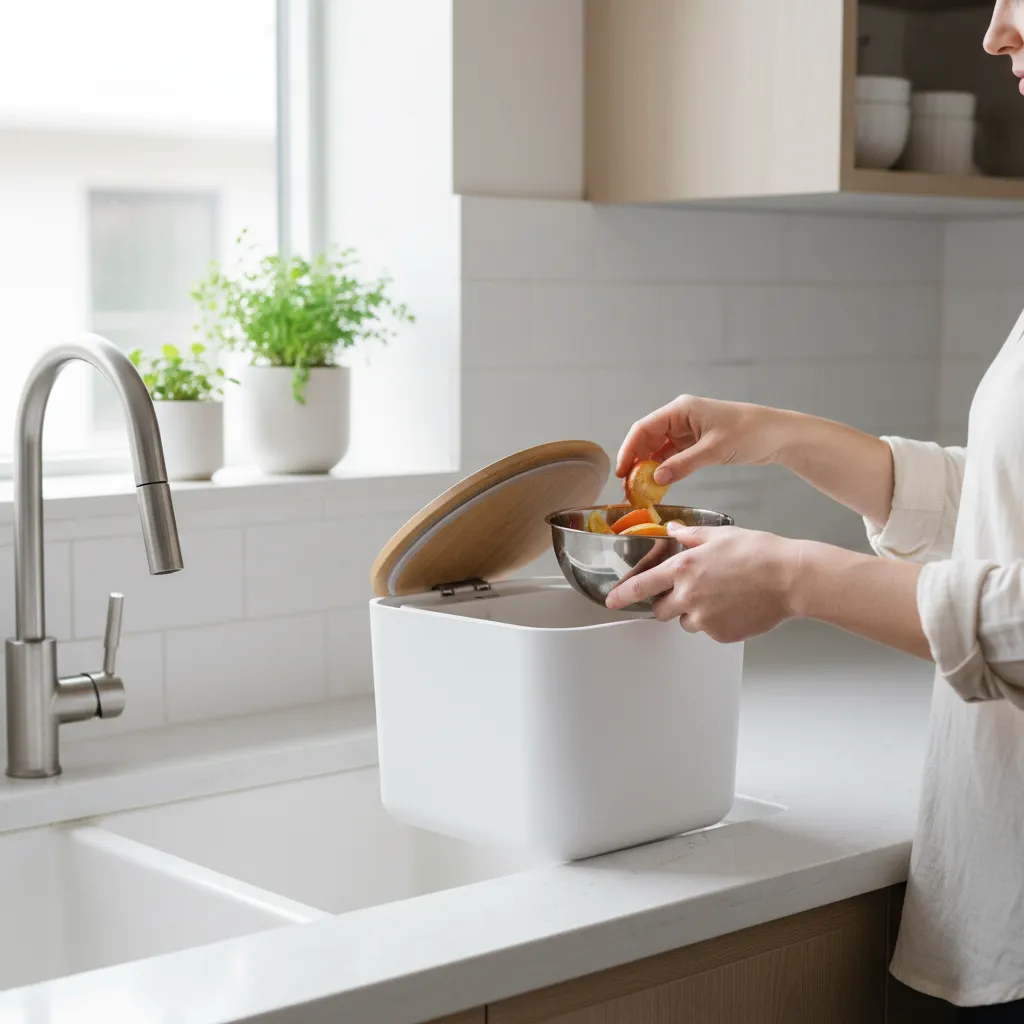
Even with the best meal planning, some food scraps are inevitable. Composting kitchen waste is the ultimate act of recycling, turning scraps like coffee grounds, eggshells, and fruit peels into a valuable soil amendment.
- Countertop Bins: A small, stylish bin with a charcoal filter can sit on your counter for easy collection.
- Outdoor Systems: If you have a yard, you can use a tumbler, a pile, or a worm bin (vermicomposting) to process larger amounts of waste.
- Local Services: Many municipalities now offer curbside compost pickup or have community drop-off locations.
Beyond the Basics: Advanced Eco Kitchen Hacks
Ready to take your eco conscious cooking to the next level? These advanced hacks integrate sustainability even more deeply into your kitchen routine.
Grow Your Own: The Ultimate Sustainable Ingredient
You don’t need a large garden to experience the joy of homegrown food.
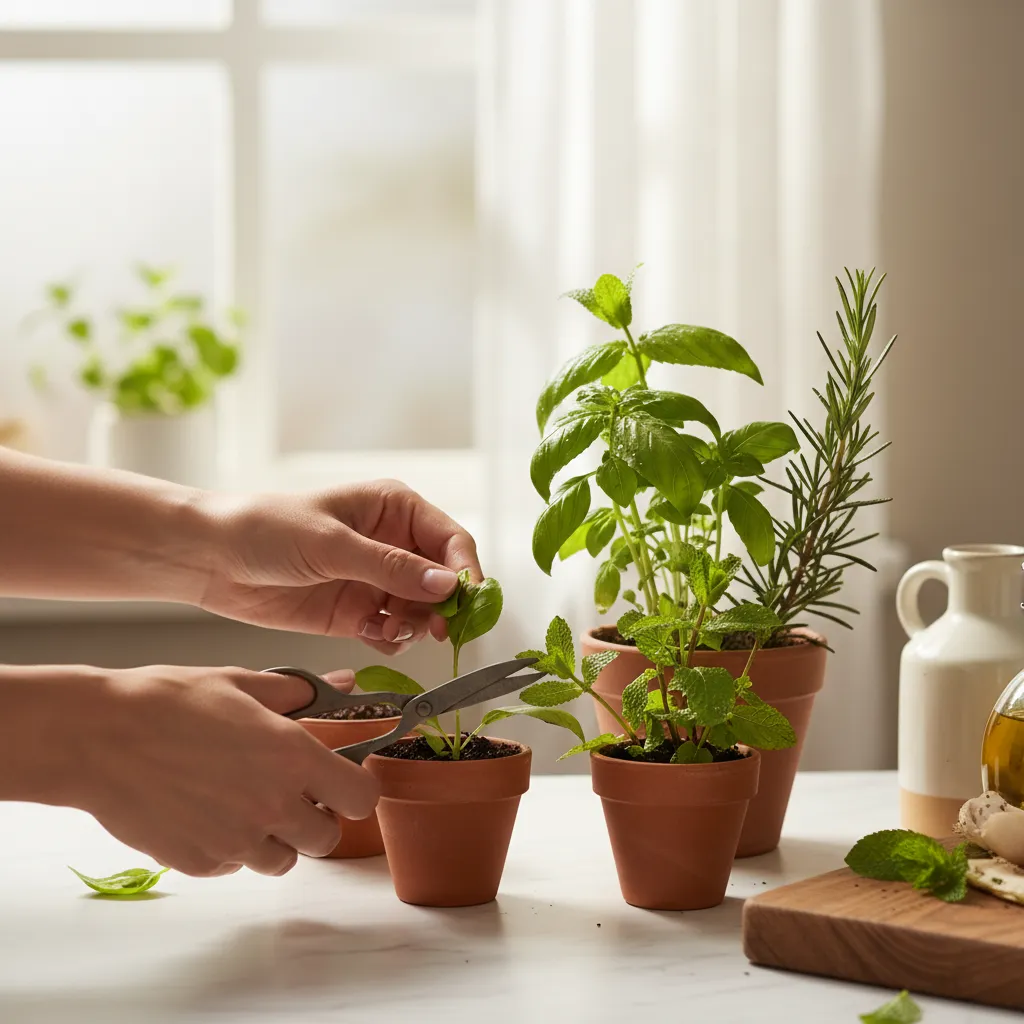
- Windowsill Herb Garden: Growing your own herbs like basil, mint, and rosemary is incredibly easy and rewarding. It eliminates the plastic packaging from store-bought herbs and gives you the freshest flavor imaginable. This is a cornerstone of plant based cooking sustainability.
- Regrow Your Scraps: Many vegetables can be regrown from their scraps. Place the root ends of green onions, leeks, celery, and romaine lettuce in a shallow dish of water, and watch them sprout new growth.
Upcycled Kitchen Ideas
Before you recycle that glass jar or throw out that t-shirt, think about how it could be upcycled.
- Glass Jars: Use them for bulk food storage, as drinking glasses, for pickling, or to store homemade sauces and dressings.
- Old Textiles: Cut up worn-out towels and t-shirts to create a stash of cleaning rags.
- Tin Cans: Clean them out and use them as planters for your new herb garden or as organizers for kitchen utensils.
These creative upcycled kitchen ideas reduce waste and add a unique, personal touch to your home.
Conclusion
Transforming your kitchen into a bastion of sustainability is a rewarding journey that connects you more deeply with your food, your home, and the planet. By embracing sustainable cooking, you are not just adopting a set of eco kitchen hacks; you are cultivating a mindset of resourcefulness, mindfulness, and care.
Start small. Pick one or two tips from this guide to implement this week, whether it’s starting a scrap bag in your freezer, buying one item from the bulk bin, or simply remembering to put a lid on your pot. Every small step, from mastering meal prepping for sustainability to finally starting that composting kitchen bin, contributes to a larger movement of greener home cooking. You have the power to reduce your environmental footprint, save money, and create healthier, more delicious meals—all from the heart of your home.
What’s the first eco-friendly hack you’re excited to try? Share your plans and progress in the comments below!
FAQs
Q1. What is sustainable cooking?
Sustainable cooking is an approach to food preparation that aims to minimize environmental impact. It involves making conscious choices about ingredients, reducing food and packaging waste, conserving energy and water, and supporting a food system that is healthy for both people and the planet.
Q2. How can I make my kitchen more eco-friendly?
You can make your kitchen more eco-friendly by focusing on a few key areas: reducing food waste through meal planning and using scraps, choosing reusable items over disposables to create a plastic-free kitchen, conserving energy with efficient cooking methods, saving water, and buying local, seasonal food whenever possible.
Q3. What are some key sustainable food habits?
Key sustainable food habits include planning meals to avoid waste, eating more plant-based meals, buying produce from local and seasonal sources, properly storing food to extend its life, composting organic scraps, and choosing foods with minimal and recyclable packaging.
Q4. Why is reducing food waste important for sustainability?
Reducing food waste is crucial for sustainability because wasted food represents a waste of all the resources used to produce it, including water, land, and energy. Furthermore, when food rots in a landfill, it releases methane, a greenhouse gas that is much more potent than carbon dioxide, contributing significantly to climate change.
Q5. What are some examples of zero-waste kitchen swaps?
Excellent zero-waste kitchen swaps include replacing paper towels with cloth towels, using beeswax wraps or silicone lids instead of plastic wrap, switching from disposable plastic bags to reusable silicone bags, using a French press or reusable coffee filter instead of single-use pods, and buying a reusable water bottle to eliminate plastic ones.
Q6. How does seasonal eating contribute to a greener home?
Seasonal eating contributes to a greener home by lowering your food’s carbon footprint. Foods grown in their natural season and climate require less energy-intensive transportation, heating, and refrigeration. They are typically sourced more locally, supporting community farmers and ensuring you get fresher, more nutrient-dense produce.