The Rise of Smart Rings: Beyond Health Tracking for Ultimate Productivity & Wellness
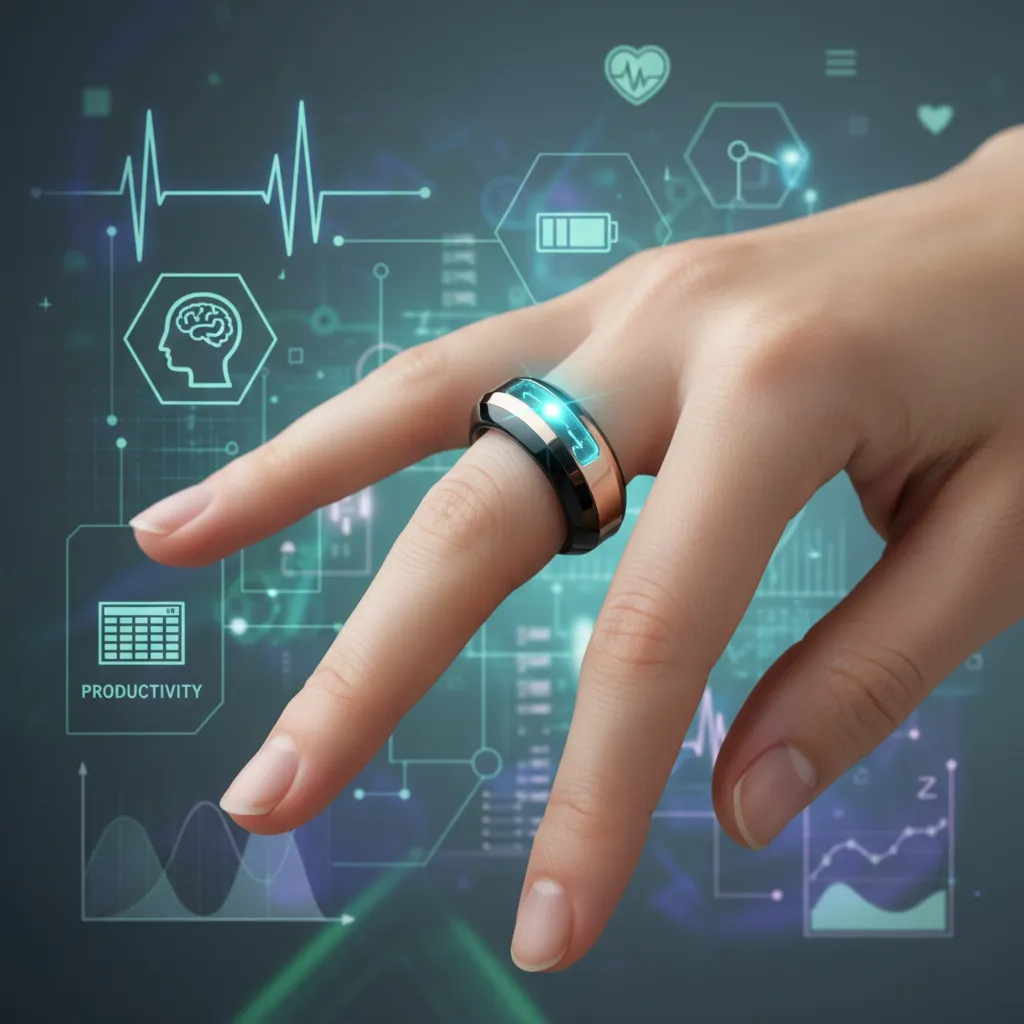
Introduction
For years, the conversation around wearable tech has been dominated by the smartwatch. A screen on your wrist, buzzing with notifications, tracking your runs, and serving as a miniature smartphone. But a quieter, more subtle revolution has been taking place, one that fits snugly on your finger. We’re talking about the rise of smart rings, the epitome of discreet, powerful personal technology.
Initially seen as glorified sleep trackers, these biometric rings have rapidly evolved. They are no longer just for quantifying your slumber or counting your steps. The future of wearables is shifting towards a more integrated, less intrusive experience, and smart rings are leading the charge. This guide explores how these devices are shattering their initial mold, becoming indispensable tools not just for health monitoring, but for supercharging your productivity, sharpening your focus, and cultivating a deeper sense of overall wellness.
If you’ve ever wondered if there’s an Oura ring alternative or what the best smart rings 2024 have to offer beyond fitness, you’re in the right place. We’ll dive deep into the unique smart ring features that help you reclaim your time, manage stress, and live a more intentional life—all from one of the most unassuming pieces of smart jewelry you’ll ever own.
What Exactly is a Smart Ring? Deconstructing the Tech on Your Finger
At its core, a smart ring is a marvel of miniaturization. It’s an electronic wearable packed with an array of sophisticated sensors, a tiny processor, and a battery, all housed within a lightweight, durable ring form factor. Unlike a smartwatch that demands your constant attention with a bright screen, a smart ring is designed for passive data collection. It works silently in the background, gathering insights about your body 24/7.
The key components typically include:
- Infrared Photoplethysmography (PPG) Sensors: These LEDs and sensors measure heart rate, heart rate variability (HRV), respiratory rate, and blood oxygen (SpO2) levels by shining light onto the skin of your finger and detecting changes in blood flow.
- 3D Accelerometer: Tracks movement, orientation, and steps, enabling automatic activity detection and fitness tracking.
- NTC Temperature Sensors: Monitors your skin temperature, providing insights into sleep cycles, potential illness, and menstrual cycle prediction.
- Bluetooth Low Energy: For syncing data wirelessly and efficiently with your smartphone app, ensuring a long smart ring battery life.
The magic lies in its subtlety. It gathers richer, more accurate biometric data from the arteries in your finger than a wrist-based device can, all while you forget you’re even wearing it. This “set it and forget it” approach is its greatest strength, offering a wealth of data without the digital noise.
The Core Pillar: Unpacking Advanced Health & Fitness Tracking
Before we explore the new frontier of productivity, it’s crucial to understand the powerful health-tracking foundation that makes smart rings so compelling. This is where they built their reputation, and the technology only gets better.
Next-Generation Sleep Tracking
This is the feature that put smart rings on the map. Because they are comfortable and unobtrusive, people are more likely to wear them overnight than a bulky watch. This leads to incredibly detailed and accurate smart ring sleep tracking. The device doesn’t just tell you how long you slept; it analyzes:
- Sleep Stages: Precisely tracking your time spent in Light, Deep, and REM sleep.
- Sleep Latency: How long it takes you to fall asleep.
- Resting Heart Rate & HRV: Key indicators of physical and mental recovery during sleep.
- Readiness Score: An aggregate score that synthesizes your sleep data and recent activity levels to tell you how prepared your body is for the day ahead—a game-changer for optimizing workouts and avoiding burnout.
Comprehensive Biometric Monitoring
Smart rings provide a continuous stream of data that paints a holistic picture of your physiological state. This goes far beyond simple step counting:
- Heart Rate Variability (HRV): A critical metric for assessing your autonomic nervous system’s balance. A higher HRV is linked to better recovery, lower stress, and improved cardiovascular health.
- Blood Oxygen (SpO2): Monitoring the oxygen saturation in your blood can help identify potential breathing disturbances during sleep.
- Body Temperature: By tracking deviations from your baseline, the ring can offer early warnings of illness, track recovery, and provide advanced cycle tracking for women.
- Respiratory Rate: Measures your breaths per minute, another key indicator of your overall well-being.
Smart Fitness and Activity Insights
While not designed to replace a dedicated GPS running watch, smart rings are more than capable wearable fitness trackers. They automatically detect and log various activities, from walking and running to cycling and swimming (most are water-resistant). They provide accurate calorie burn estimates based on your heart rate and movement, encouraging you to stay active and meet your goals without manual input.
The New Frontier: How Smart Rings Enhance Productivity and Focus
Here’s where the story gets exciting. The same sensors that monitor your health are now being leveraged to turn your smart ring into a powerful productivity tool. This is about working smarter, not harder, and minimizing digital distractions.
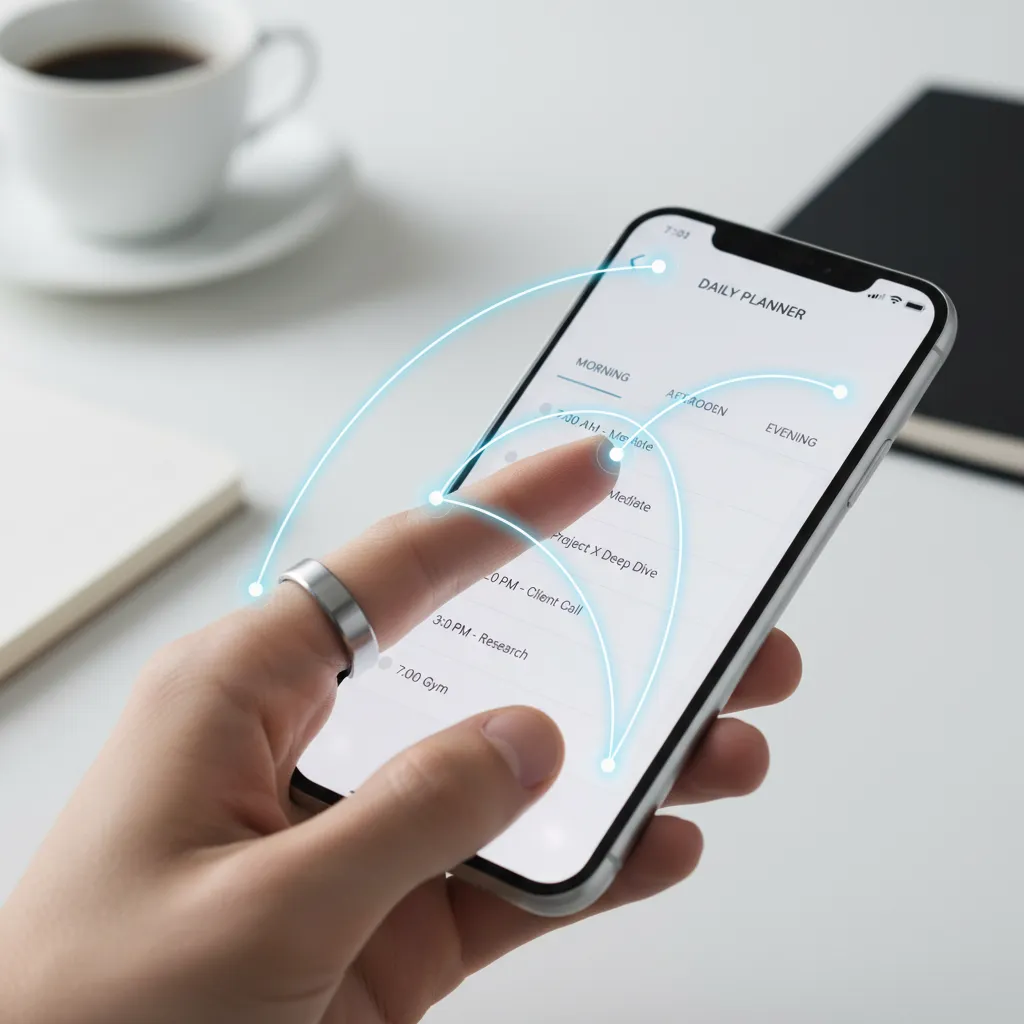
Silent Alarms and Haptic Feedback: Your Discreet Personal Assistant
One of the most underrated smart ring benefits is the use of haptic feedback. Imagine waking up to a gentle, silent vibration on your finger instead of a blaring alarm clock that jolts you (and your partner) out of sleep. This silent alarms smart ring feature is a more natural way to start your day.
But it extends far beyond your morning routine. You can use these subtle buzzes for:
- Pomodoro Timers: Set a vibration for the end of a 25-minute focus session, reminding you to take a break without ever looking at a screen.
- Mindful Reminders: A gentle buzz every hour can prompt you to stand up, stretch, or take a few deep breaths.
- Discreet Notifications: Some rings can be configured to vibrate for important calls or messages, so you stay connected without being glued to your phone during a meeting. Related: AI to Supercharge and Automate Your Workflow for a Productivity Boost
Stress Management and Focus Improvement
This is a key area where stress management tech shines. By constantly monitoring your HRV and sometimes even electrodermal activity (EDA), a smart ring can identify moments when your physiological stress levels are rising, often before you consciously realize it.
The companion app can then alert you and guide you through a short, two-minute breathing exercise or a mindfulness session to bring your body back to a state of calm. Over time, you can identify patterns and triggers for your stress, allowing you to proactively manage them. This ability to maintain a state of calm focus is essential for deep work and creativity. Related: AI as Your Creative Partner: Empowering Artists, Writers, and Designers
Contactless Payments and Gesture Control: The Ultimate Convenience
The future of wearables is seamless integration. Many upcoming smart rings are incorporating Near Field Communication (NFC) technology, turning your finger into a secure digital wallet. Imagine paying for your morning coffee or your subway ride with a simple tap of your hand. It’s faster and more secure than pulling out a card or a phone.
Furthermore, developers are experimenting with gesture controls. A simple twist or tap of the ring could soon be used to skip a song, control a presentation slideshow, or even interact with smart home devices. This is the ultimate expression of frictionless technology, removing another layer of interaction with a screen.
Beyond Productivity: A Holistic Approach to Personal Wellness
True wellness isn’t just about managing work; it’s about nurturing your mind and body. Smart rings are becoming central to this holistic approach, serving as connected wellness gadgets that empower a healthier lifestyle.

Mindfulness and Meditation on Demand
Many smart ring apps now include guided meditations and breathing exercises. The ring doesn’t just guide you; it measures the session’s effectiveness by tracking the changes in your heart rate and HRV. This biofeedback loop shows you the tangible, physiological benefits of your mindfulness practice, motivating you to stay consistent.
Illness Detection and Recovery Monitoring
Your body temperature is a vital sign. By establishing your personal baseline temperature, a smart ring can detect minute fluctuations that may signal the onset of an illness like the flu or COVID-19, sometimes a full day before you feel any symptoms. This gives you a crucial head start on rest and recovery. For athletes, tracking HRV and temperature is also essential for monitoring recovery after intense training, preventing overtraining, and optimizing performance. Related: AI in Personalized Medicine: Revolutionizing the Future of Health
A Connected Ecosystem for Your Well-being
Smart rings don’t exist in a vacuum. The best devices integrate seamlessly with major health platforms like Apple Health and Google Fit. This allows you to consolidate your data from various sources—your ring, your smart scale, your workout apps—into a single, comprehensive dashboard of your health. This unified view empowers you and your healthcare provider to make more informed decisions about your well-being.
Choosing Your Digital Companion: Smart Ring vs. Smartwatch
The “smart ring vs smartwatch” debate is one of the most common for those considering new wearable technology. The truth is, one isn’t definitively better than the other; they serve different purposes and cater to different lifestyles.
The Case for the Smart Ring
- Discretion and Comfort: It’s a piece of smart jewelry for men and smart jewelry for women that blends in. It’s far more comfortable to wear 24/7, especially while sleeping.
- Longer Battery Life: With no screen to power, most smart rings last 4-7 days on a single charge, compared to the 1-2 days of most smartwatches.
- Less Distraction: The lack of a screen is a feature, not a bug. It promotes digital minimalism, providing you with data without demanding your attention.
- Data Accuracy: The placement on the finger, closer to key arteries, often yields more accurate heart rate and SpO2 readings.
The Case for the Smartwatch
- Interactive Display: Essential for reading messages, viewing maps, and interacting with a wide range of apps directly on your wrist.
- GPS and Cellular: Most smartwatches have built-in GPS for phone-free run tracking and optional cellular connectivity for calls and messages.
- Active Engagement: It’s a tool for active, real-time engagement with your digital life.
| Feature | Smart Ring | Smartwatch |
|---|---|---|
| Primary Goal | Passive Data Collection & Analysis | Active Interaction & Notification |
| Display | None | Full-color, interactive screen |
| Battery Life | 4-7 days | 1-2 days |
| Comfort | High (especially for sleep) | Medium (can be bulky) |
| Distractions | Minimal | High |
| Key Use Cases | Sleep tracking, stress monitoring | Apps, GPS, notifications, calls |
| Aesthetics | Discreet, jewelry-like | Tech-focused, screen-centric |
Ultimately, the choice depends on what you want from your wearable. If you seek deep health insights and productivity aids without the constant digital noise, the smart ring is an unparalleled choice.
The 2024 Smart Ring Market: Top Contenders and Emerging Players
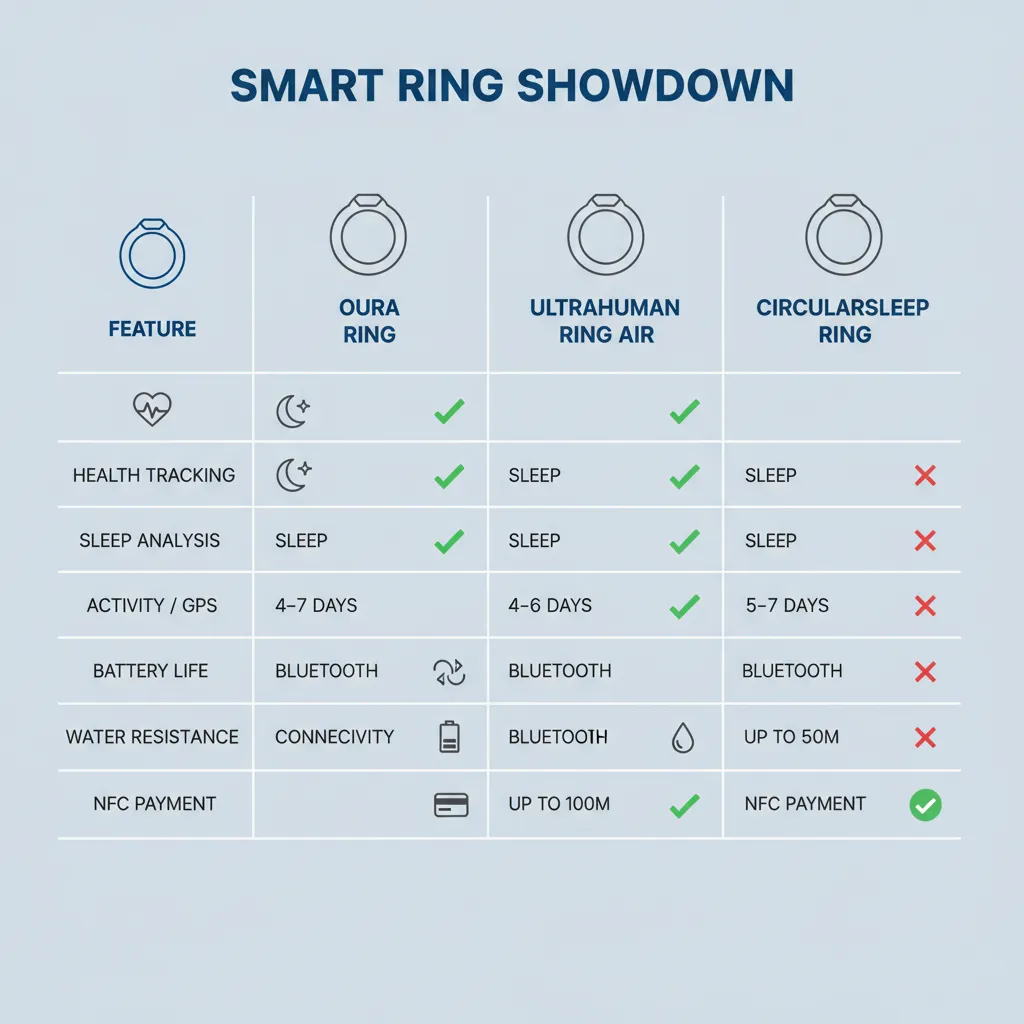
The market for biometric rings is exploding. While the Oura Ring has long been the standard-bearer, a host of powerful Oura ring alternatives are now available, offering competitive features, different designs, and varied pricing models.

Key players to watch in 2024 include:
- Oura Ring Gen3: Still a leader, known for its polished app and accurate sleep and readiness scores. It requires a monthly subscription to access most insights.
- Ultrahuman Ring AIR: A strong competitor with a focus on metabolic health and recovery, offering detailed insights without a mandatory subscription fee.
- RingConn Smart Ring: Another subscription-free option praised for its exceptional battery life and detailed, data-rich analysis.
- Samsung Galaxy Ring: The most anticipated of the upcoming smart rings. Unveiled in early 2024, it promises deep integration with the Samsung Health ecosystem and is expected to shake up the market significantly upon its full release.
When comparing models, look beyond the smart ring price. Consider the presence or absence of a monthly subscription, the design and material, water resistance, and, most importantly, the quality and usability of the companion app.
Conclusion: The Future of Wearables is Circular
The smart ring is no longer a niche gadget for biohackers. It represents a significant shift in our relationship with technology—a move towards a future where the most powerful devices are the ones we notice the least. They are transforming from passive health monitoring devices into active partners in our pursuit of a more productive, focused, and balanced life.
By providing deep, personalized insights without demanding constant interaction, smart rings empower us to understand our bodies, manage our stress, and reclaim our attention from the tyranny of the screen. Whether you’re an executive trying to optimize performance, an artist seeking to protect your creative flow, or simply someone who wants to wake up feeling refreshed and ready for the day, this subtle piece of wearable tech offers a compelling path forward. The revolution won’t be televised on your wrist; it will be silently measured on your finger.
Frequently Asked Questions (FAQs)
Q1. What is the main purpose of a smart ring?
The main purpose of a smart ring is to passively track your body’s biometric data 24/7 in a discreet and comfortable way. It excels at monitoring sleep stages, heart rate variability (HRV), body temperature, and activity levels to provide you with holistic insights into your health, recovery, and readiness for the day.
Q2. Are smart rings worth the investment in 2024?
Yes, for many people, smart rings are worth the investment. If your primary goals are to improve sleep quality, manage stress, and understand your body’s recovery patterns without the distractions of a smartwatch, a smart ring offers unparalleled value. The market is also more competitive than ever, providing great options at various price points.
Q3. Do you need a subscription for a smart ring?
It depends on the brand. Some popular models, like the Oura Ring, require a monthly subscription to unlock the full suite of data analysis and insights. However, many excellent alternatives, such as the Ultrahuman Ring AIR and RingConn Smart Ring, offer their full functionality without any recurring fees.
Q4. Can a smart ring work without a phone?
A smart ring can collect and store data for several days without a phone nearby. However, you need to sync it with its companion smartphone app to view your data, analyze trends, and receive personalized insights. The phone is where the data processing and user interface are located.
Q5. Which is more accurate, a smart ring or a smartwatch?
For certain metrics, a smart ring can be more accurate. Because it is worn snugly on the finger, its sensors are closer to the radial and ulnar arteries, which can lead to more reliable readings for heart rate, HRV, and blood oxygen (SpO2) compared to the wrist, where bone and tissue can interfere.
Q6. Can a smart ring detect stress?
Yes, a smart ring can detect physiological stress. It does this by continuously monitoring your Heart Rate Variability (HRV), resting heart rate, and skin temperature. When it detects significant changes, like a drop in HRV, it can infer that your body is under physical or mental strain and alert you to take a moment to rest or meditate.
Q7. How long do smart rings last?
The physical ring itself, made of materials like titanium, is built to last for many years. The internal battery is the primary component that determines its lifespan. Most smart ring batteries are designed to last for 2-3 years of regular charging cycles before a noticeable degradation in performance occurs, similar to other modern electronics.