Smart Cities Unleashed: AI & IoT Paving Urban Futures
Introduction
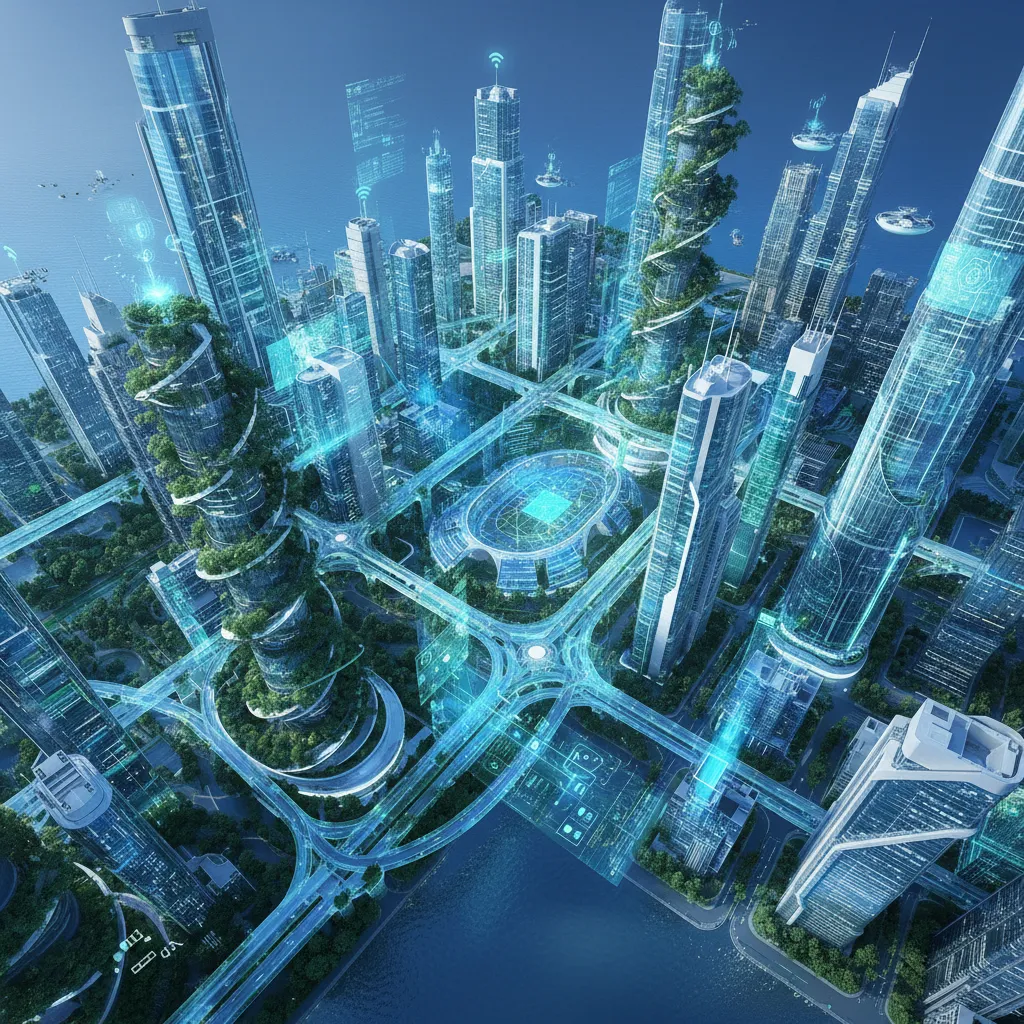
The relentless march of urbanization presents both unprecedented challenges and remarkable opportunities. As our global population increasingly gravitates towards urban centers, the demand for efficient, sustainable, and livable environments intensifies. Enter the concept of smart cities – a revolutionary paradigm that harnesses cutting-edge technologies to address these complex urban dynamics head-on. At the heart of this transformation lie two powerful forces: Artificial Intelligence (AI) and the Internet of Things (IoT).
Imagine an urban landscape where traffic flows seamlessly, energy consumption is optimized in real-time, public services are hyper-responsive, and environmental quality is meticulously monitored. This isn’t a futuristic fantasy; it’s the tangible promise of an IoT city powered by intelligent AI urban systems. These technologies are not merely digital overlays; they are the very infrastructure upon which future cities will be built, fostering a new era of urban innovation technology and connected cities.
In this comprehensive exploration, we’ll dive deep into how AI and IoT are acting as the twin engines propelling urban evolution. We’ll uncover the mechanisms behind AI in smart city planning, examine concrete IoT solutions for urban development, and highlight how these innovations are creating truly sustainable smart cities. From smart transportation to smart energy grids, and from enhancing public safety tech to enabling citizen engagement tech, we’ll trace the blueprint for future urban living and illuminate the path towards a more intelligent, resilient, and human-centric urban future. Get ready to explore the exciting frontier where technology meets urbanism, reshaping our world one digital city at a time.
The Dawn of the Intelligent Urban Landscape: What is a Smart City?
Before we delve into the technological intricacies, it’s crucial to establish a clear understanding of what constitutes a smart city. More than just a collection of gadgets, a smart city is an urban area that uses various types of electronic methods and sensors to collect data. Insights gained from that data are used to manage assets, resources, and services efficiently; in return, that data is used to improve operations across the city. This includes data collected from citizens, devices, buildings, and assets that is then processed and analyzed to monitor and manage everything from traffic and transportation systems to power plants, water supply networks, waste management, crime detection, information systems, schools, libraries, hospitals, and other community services.
The essence of an intelligent urbanism approach lies in its ability to leverage interconnected data to make predictive, rather than reactive, decisions. Unlike traditional cities that operate on siloed systems and often respond to issues after they arise, a smart city anticipates problems, optimizes resource allocation, and continuously adapts to the needs of its inhabitants and environment. It’s about creating a living, breathing ecosystem where information flows freely to enhance quality of life, economic competitiveness, and environmental sustainability. This holistic approach ensures that urban development is not just about growth, but about intelligent, integrated progress.
AI and IoT: The Dual Engines of Urban Transformation
At the core of every smart city are two inseparable technological pillars: the Internet of Things (IoT) and Artificial Intelligence (AI). These aren’t just buzzwords; they represent a symbiotic relationship that fuels urban intelligence and drives unprecedented levels of efficiency and responsiveness.
The Internet of Things (IoT) in the City
The Internet of Things forms the sensory network of the smart city. It’s a vast ecosystem of interconnected physical devices, vehicles, home appliances, and other items embedded with sensors, software, and other technologies that allow them to connect and exchange data over the internet. In an urban context, these “things” are omnipresent.
Smart city sensors are deployed across the urban fabric, collecting a constant stream of real-time data. Think of:
- Traffic Sensors: Monitoring vehicle flow, speed, and congestion points.
- Environmental Sensors: Tracking
air quality monitoring citymetrics like particulate matter, carbon dioxide levels, andnoise pollution smart city. - Utility Sensors: Gauging water pressure, leak detection in
smart water systems, and electricity consumption insmart energy grids. - Waste Management Sensors: Detecting fill levels in public bins to optimize collection routes for
waste management smart city. - Streetlights: Equipped with sensors to adjust luminosity based on ambient light and pedestrian presence, contributing to
smart city infrastructure.
This pervasive network of IoT city devices creates an unprecedented data lake, providing granular insights into every aspect of urban operations. The connectivity provided by IoT devices is the bedrock upon which connected cities are built, allowing for immediate information exchange that was previously unimaginable.
Artificial Intelligence (AI) for Smarter Decisions
While IoT provides the data, AI provides the intelligence. Artificial Intelligence is the brain that processes the immense volumes of data collected by IoT sensors, transforming raw information into actionable insights. AI urban applications analyze patterns, predict future outcomes, and automate decision-making processes, moving cities beyond mere data collection to proactive governance.
AI in smart city planning encompasses a wide array of capabilities:
- Predictive Analytics: AI algorithms can forecast traffic congestion before it happens, predict peak energy demand, or even identify areas prone to increased crime based on various data points.
- Optimization: AI optimizes routes for public transport, emergency services, and waste collection, reducing operational costs and environmental impact. It manages
smart energy gridsto balance supply and demand from diverse sources, including renewables. - Automation: AI can automate responses to detected anomalies, such as adjusting traffic light timings in real-time to alleviate bottlenecks or dynamically managing public lighting based on occupancy.
- Urban Data Analytics: This involves sophisticated AI-driven tools that sift through terabytes of
urban data analyticsto uncover hidden correlations, identify efficiencies, and inform policy decisions, paving the way for trulydigital cities.
Together, IoT and AI create a powerful feedback loop: IoT collects data, AI analyzes it and makes recommendations or takes action, and these actions are then monitored by IoT, leading to continuous improvement. This synergy is what truly defines the urban tech revolution.
Key Pillars of a Smart City: Applications in Action
The integration of AI and IoT manifests across virtually every sector of urban life, transforming traditional services into intelligent, responsive systems. Let’s explore some of the most impactful applications.
Smart Transportation and Mobility
One of the most visible impacts of smart city technology is in smart transportation. Urban areas worldwide grapple with congestion, pollution, and inefficient public transit. AI and IoT offer potent solutions:
- Intelligent Traffic Management: Sensors embedded in roads and traffic lights, combined with cameras and AI-powered analytics, monitor traffic flow in real-time. AI algorithms adjust signal timings dynamically to optimize flow, reduce wait times, and minimize bottlenecks.
- Public Transit Optimization: IoT devices on buses and trains provide real-time location data, which AI uses to predict arrival times, optimize routes, and manage fleet maintenance. This improves reliability and convenience for commuters.
- Autonomous Vehicles and Shared Mobility:
Urban mobility solutionsare increasingly incorporating autonomous shuttles and ride-sharing platforms managed by AI. These systems can dynamically allocate vehicles based on demand, reducing the need for private car ownership and alleviating parking woes. - Smart Parking Systems: Sensors detect vacant parking spots, guiding drivers directly to them via apps or digital signage, significantly reducing cruising time and congestion.
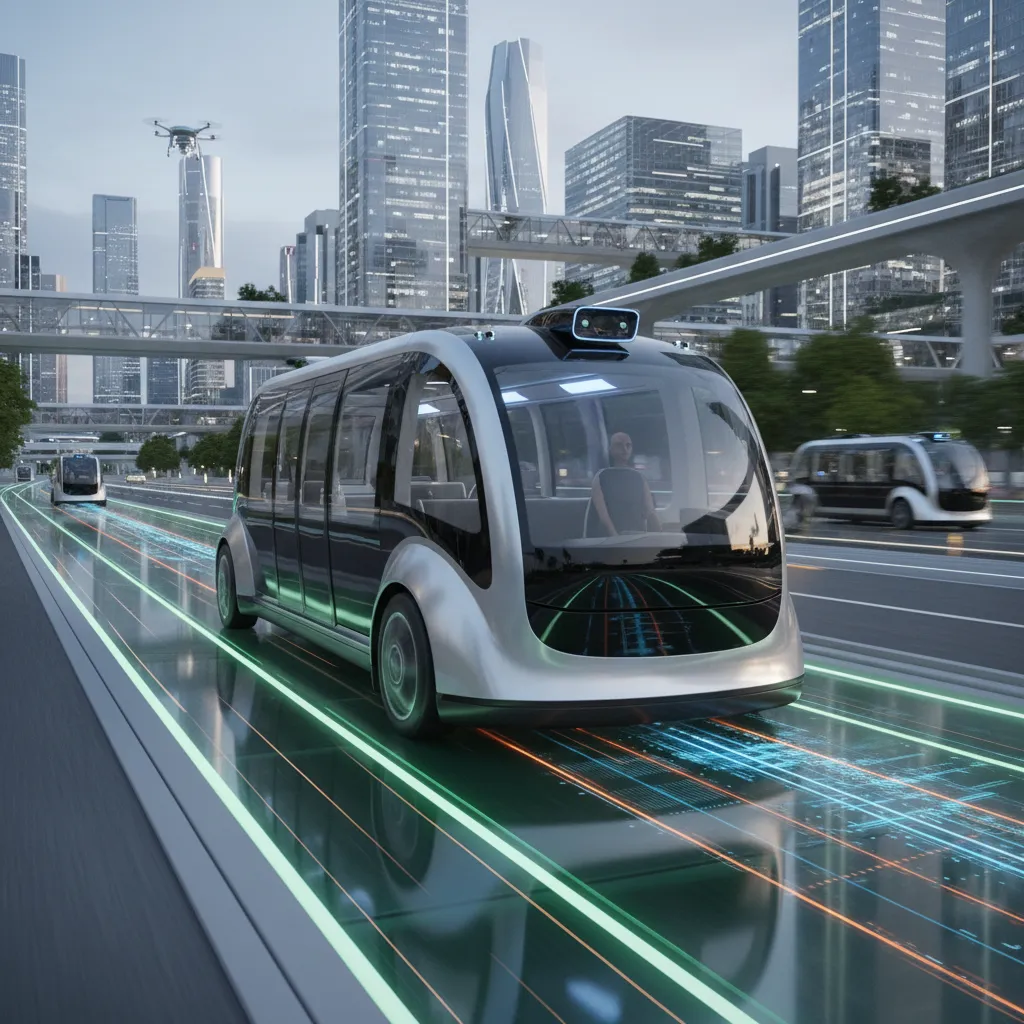
Consider a future where your daily commute is orchestrated by an AI that knows the fastest, greenest route, seamlessly integrating public transport, ride-shares, and even autonomous e-scooters. This vision of efficient and responsive urban mobility solutions is rapidly becoming a reality. [Related: Unlocking New Realities: AI & Spatial Computing]
Sustainable Energy and Environmental Management
Sustainable smart cities are not just efficient; they are also environmentally responsible. AI and IoT play a pivotal role in achieving green smart cities by optimizing energy consumption and managing environmental resources.
- Smart Energy Grids:
Smart energy gridsuse IoT sensors to monitor electricity production, distribution, and consumption in real-time. AI algorithms predict demand fluctuations, integrate renewable energy sources like solar and wind more effectively, and detect outages proactively. This dynamic management reduces waste, enhances grid stability, and promotes energy efficiency. - Renewable Energy Integration: AI optimizes the placement and operation of solar panels and wind turbines, forecasting energy generation based on weather patterns and seamlessly integrating these intermittent sources into the main grid.
- Waste Management Optimization:
Waste management smart citysolutions employ IoT sensors in bins to signal when they are full, allowing collection routes to be optimized by AI. This reduces fuel consumption, labor costs, and city-wide emissions. - Air and Water Quality Monitoring: Networks of sensors continuously monitor
air quality monitoring cityparameters (like CO2, NOx, PM2.5) andnoise pollution smart citylevels, providing real-time data that AI analyzes to identify pollution hotspots and inform regulatory actions. Similarly,smart water systemsuse sensors to detect leaks, monitor water quality, and manage irrigation efficiently, conserving a vital resource.
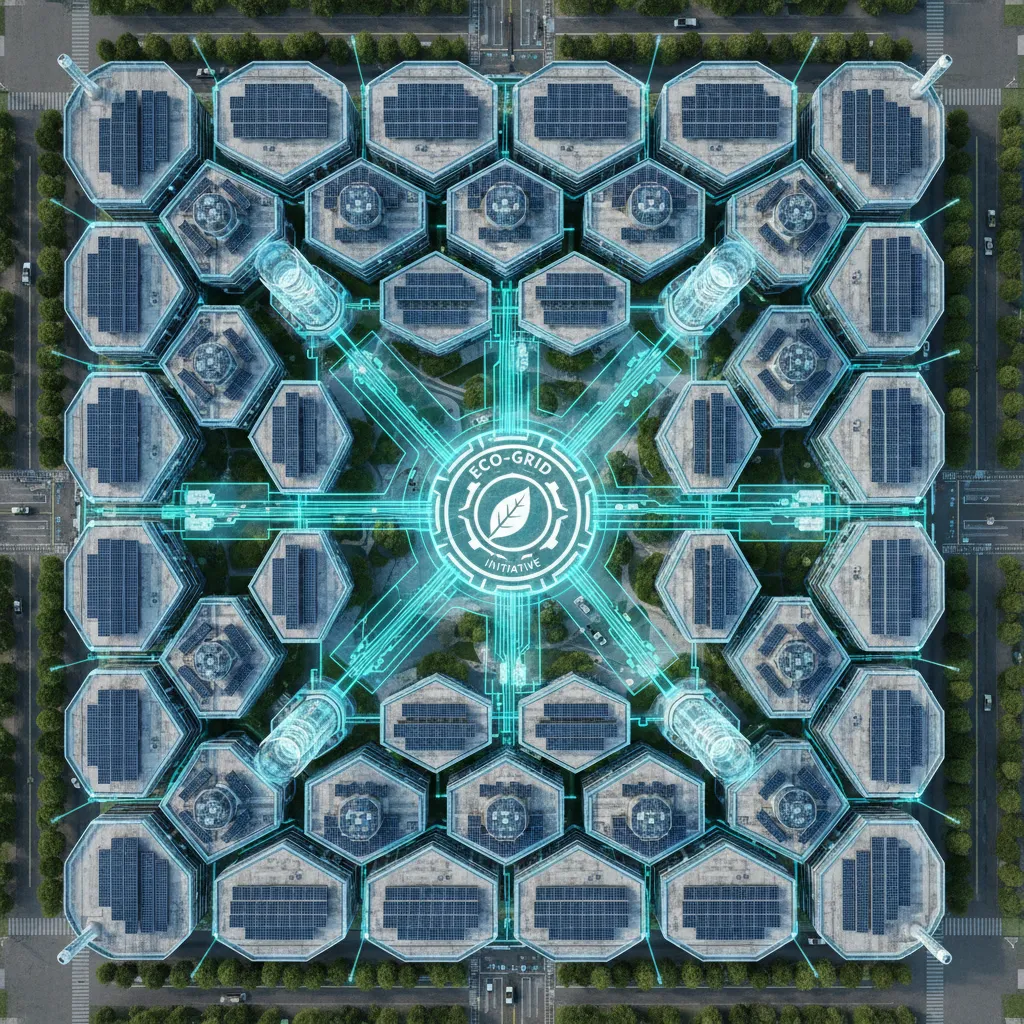
These applications demonstrate a commitment to resilient cities that can withstand environmental pressures and provide a healthier living environment for their citizens. [Related: AI’s Green Revolution: Powering Climate Change Solutions]
Public Safety and Emergency Response
Enhancing public safety tech is a critical function of smart city governance. AI and IoT empower authorities with better tools for prevention, response, and overall community security.
- Predictive Policing: AI analyzes historical crime data, social media trends, and environmental factors to predict potential crime hotspots, allowing police to deploy resources more effectively.
- Emergency Response Optimization: IoT sensors can detect incidents like fires, floods, or structural collapses, automatically alerting emergency services. AI-powered dispatch systems then determine the fastest routes for first responders, factoring in real-time traffic and road conditions.
- Smart Surveillance and Anomaly Detection: AI-powered cameras can identify unusual activity, detect abandoned packages, or count crowd densities in real-time, sending alerts to human operators. This isn’t about constant surveillance, but intelligent anomaly detection to bolster security.
- Disaster Preparedness:
Urban resilience strategiesare greatly enhanced by smart tech. Sensors can monitor structural integrity of bridges, predict flood risks based on weather and water levels, and provide early warnings for natural disasters, allowing cities to prepare and evacuate more effectively.
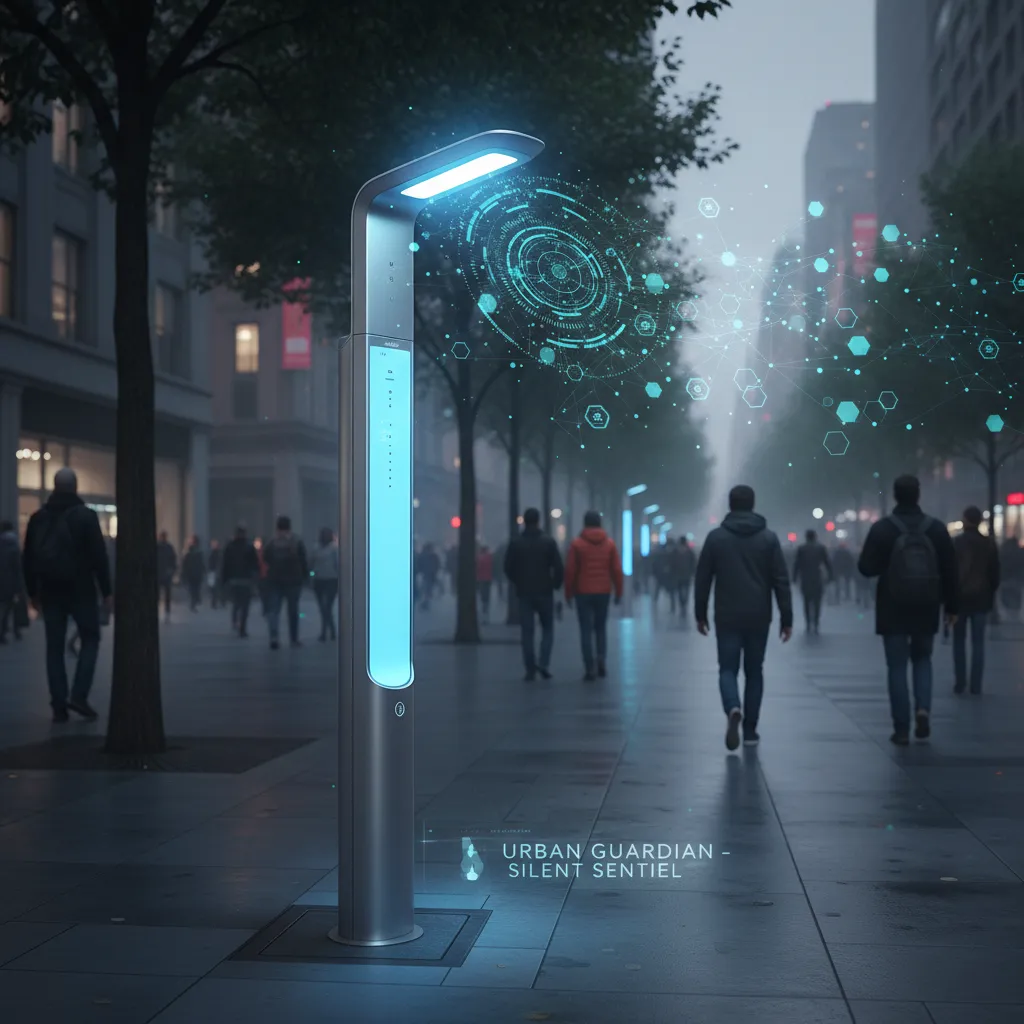
These technologies enable resilient cities to protect their citizens more effectively, reducing response times and potentially saving lives.
Infrastructure and Utilities
The very backbone of a city – its infrastructure – is being modernized through smart city infrastructure.
- Smart Water Systems: IoT sensors monitor water flow, pressure, and quality across the network, detecting leaks or contamination in real-time. AI then helps predict maintenance needs and optimize distribution, ensuring clean, efficient water supply while reducing wastage.
- Structural Health Monitoring: Sensors embedded in bridges, buildings, and roads continuously monitor their structural integrity, detecting early signs of wear or damage. This allows for proactive maintenance, preventing catastrophic failures and extending the lifespan of critical infrastructure.
- Smart Lighting: Beyond just energy savings, smart streetlights can adjust brightness based on time of day, weather, or pedestrian activity. Many also integrate environmental sensors, cameras, and even Wi-Fi hotspots, becoming multi-functional nodes of the
connected citiesnetwork.
These advancements lead to more reliable and cost-effective operation of essential services, benefiting both city budgets and citizen well-being.
Citizen Engagement and Digital Governance
A truly smart city isn’t just about technology; it’s about its people. Citizen engagement tech plays a crucial role in creating participatory digital cities.
- E-governance Platforms: AI-powered chatbots and virtual assistants can provide instant answers to citizen queries, guide them through municipal services, and streamline bureaucratic processes.
Smart city governanceaims to make government more accessible and transparent. - Personalized Urban Services: Based on aggregated, anonymized data, cities can offer personalized recommendations for public transport, cultural events, or local businesses, enhancing the urban experience for residents and visitors alike.
- Feedback and Participation: Mobile apps and digital platforms allow citizens to report issues (potholes, broken streetlights, graffiti) directly to city authorities, which can then be triaged and addressed using AI-driven task management systems. This fosters a sense of ownership and collaboration.
- Digital Twin Cities: The concept of
digital twin citiesinvolves creating a virtual replica of the physical city, powered by real-time data from IoT sensors. This digital twin can simulate various scenarios – from the impact of new developments to disaster responses – allowing planners and citizens to visualize and test outcomes before physical implementation.
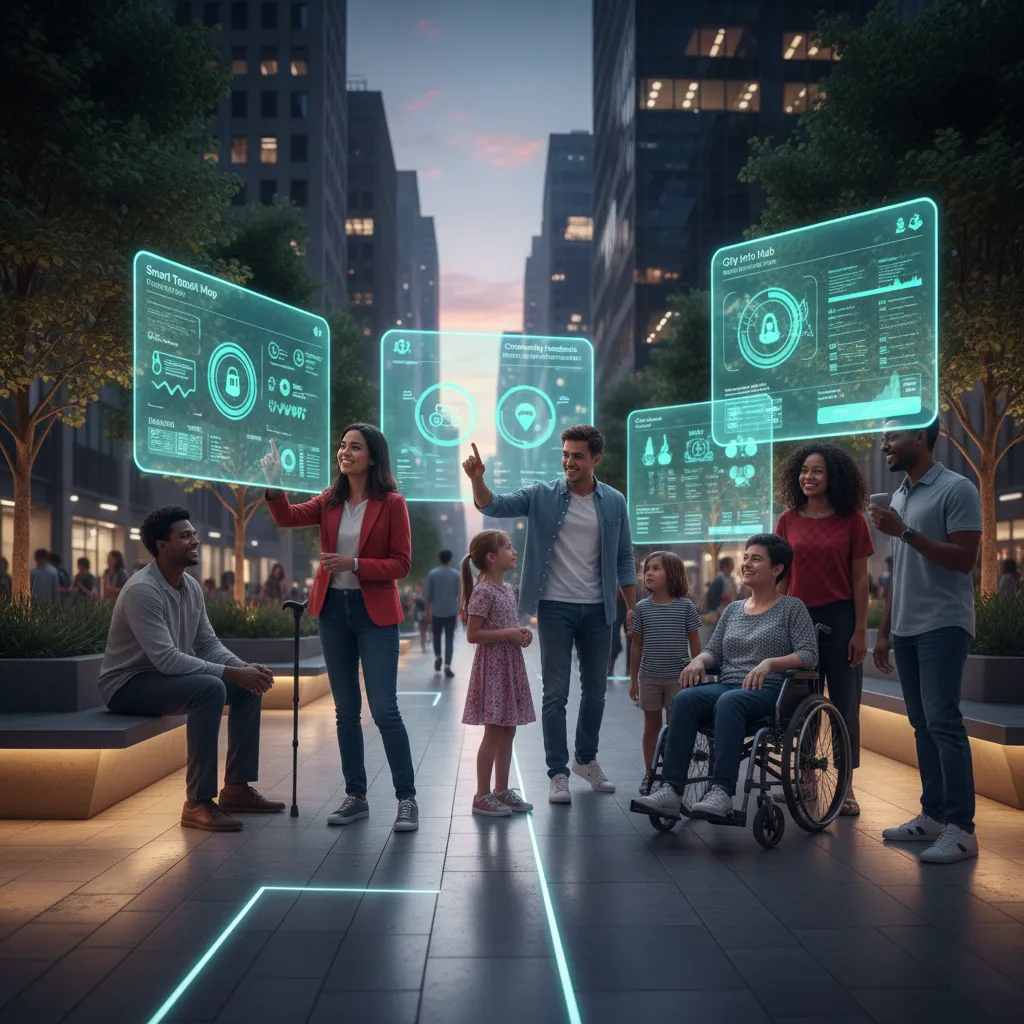
By empowering citizens and making governance more responsive, intelligent urbanism fosters a stronger sense of community and improves the overall urban living experience. [Related: The Metaverse at Work: Revolutionizing Remote Collaboration & Virtual Offices]
Beyond Technology: The Human Element and Ethical Considerations
While the technological promise of smart cities is immense, it’s vital to acknowledge and address the associated human and ethical considerations. The goal of future cities should always be to serve humanity, not the other way around.
Privacy and Data Security
The ubiquitous nature of smart city sensors and urban data analytics raises significant privacy concerns. The sheer volume of data collected, often including personal mobility patterns, consumption habits, and even facial recognition data, necessitates robust data protection frameworks. Cities must implement stringent anonymization protocols, secure data storage, and transparent policies to build trust with their citizens. The focus should be on using aggregated, anonymized data for urban optimization, not individual surveillance.
The Digital Divide
Not all citizens have equal access to technology or digital literacy. The rapid advancement of urban innovation technology risks exacerbating the digital divide, leaving behind segments of the population who lack internet access, smart devices, or the skills to navigate digital services. Smart city planning must explicitly address this by providing equitable access to digital infrastructure, offering digital literacy programs, and ensuring that essential services remain accessible through traditional channels.
Algorithmic Bias and Ethical AI
AI urban systems are only as unbiased as the data they are trained on. If historical data reflects societal biases (e.g., in policing or resource allocation), AI algorithms can perpetuate and even amplify these inequalities. Developing ethical AI requires diverse datasets, transparent algorithm design, and continuous auditing to prevent unintended discrimination. Cities must establish ethical guidelines and oversight bodies to ensure AI is used responsibly and justly.
Governance and Accountability
Who governs the digital cities? As AI takes on more decision-making roles, questions of accountability become paramount. Clear frameworks are needed to define responsibilities, ensure transparency in algorithmic decisions, and provide avenues for citizen recourse when smart city systems make errors or lead to unintended consequences. Effective smart city governance requires a collaborative approach involving governments, technology providers, citizens, and civil society organizations.
Addressing these challenges proactively is not a barrier to smart city development but a prerequisite for creating truly equitable, inclusive, and trustworthy future urban living environments.
The Road Ahead: Future Trends in Smart City Development
The evolution of smart cities is a dynamic process, with new technologies and concepts continually emerging. The future promises even more integrated, intelligent, and responsive urban landscapes.
Hyper-Personalization and Citizen-Centric Services
The trend towards citizen engagement tech will intensify, leading to hyper-personalized urban services. Imagine AI assistants that proactively suggest optimal travel routes based on your schedule, recommend local events aligned with your interests, and even notify you of potential health risks based on localized environmental data. This level of personalized service, while raising privacy considerations, also offers the potential for unprecedented convenience and quality of life.
The Rise of Digital Twin Cities
The concept of digital twin cities will move from niche application to mainstream adoption. These virtual replicas, continuously updated with real-time data, will become indispensable tools for urban data analytics and smart city planning. Planners will use digital twins to simulate the impact of new infrastructure projects, predict the spread of diseases, model disaster scenarios for urban resilience strategies, and optimize resource allocation with unparalleled precision. This will allow for proactive, evidence-based decision-making.
Quantum Computing and Advanced AI
As quantum computing advances, its potential applications in smart cities are immense. Quantum AI could process urban data at speeds and scales currently unimaginable, leading to breakthroughs in traffic optimization, energy grid management, and complex urban simulations. This will enable intelligent urbanism to reach new levels of efficiency and predictive power. [Related: The Quantum Leap: How Quantum Computing Will Reshape Our Future]
Integration with Web3 and Decentralized Technologies
Beyond centralized control, smart cities may increasingly integrate with Web3 and decentralized physical infrastructure networks (DePIN). This could lead to more secure, transparent, and citizen-controlled data platforms, allowing individuals more agency over their personal data and fostering community-driven urban development initiatives. [Related: The Rise of DePIN: Decentralized Physical Infrastructure Networks Reshaping the Future]
The journey to truly future cities is continuous, driven by a blend of technological innovation, thoughtful planning, and a steadfast commitment to human well-being. The synergy of AI and IoT is not just paving the way for smarter cities; it is laying the foundation for a fundamentally better way of urban living.
Conclusion
The vision of smart cities is no longer a distant dream but an accelerating reality, fundamentally reshaped by the transformative power of Artificial Intelligence and the Internet of Things. We’ve explored how these twin technologies are revolutionizing every facet of urban development, from orchestrating smart transportation and optimizing smart energy grids to enhancing public safety tech and fostering richer citizen engagement tech.
AI provides the intelligence, sifting through mountains of urban data analytics to make predictive decisions and drive AI in smart city planning. IoT, with its vast network of smart city sensors, serves as the nervous system, collecting the real-time data that fuels this intelligence. Together, they are crafting sustainable smart cities that are not only efficient and resilient but also greener and more responsive to the needs of their inhabitants.
As we look towards future urban living, the continued evolution of digital cities will hinge on our ability to navigate the ethical landscape, ensuring privacy, inclusivity, and accountability are woven into the fabric of smart city governance. The path ahead is one of constant innovation, collaboration, and a collective commitment to building urban environments that are truly intelligent, sustainable, and, above all, human-centric. The urban tech revolution is well underway, promising a vibrant, connected, and smarter tomorrow for us all.
FAQs
Q1. What exactly defines a smart city?
A smart city is an urban area that uses connected technologies like IoT sensors, AI, and data analytics to collect insights and manage assets, resources, and services efficiently. Its primary goal is to improve urban operations, enhance the quality of life for its residents, and promote sustainability through intelligent decision-making.
Q2. How do AI and IoT contribute to urban development?
IoT devices act as the sensory network, collecting vast amounts of real-time data from various urban elements like traffic, environment, and utilities. AI then processes and analyzes this data, identifying patterns, predicting outcomes, and automating responses, thereby optimizing urban development across all sectors, from infrastructure to public services.
Q3. What are the primary benefits of sustainable smart cities?
Sustainable smart cities offer numerous benefits, including reduced energy consumption through smart energy grids, lower carbon emissions via optimized smart transportation and waste management smart city solutions, enhanced resource conservation (e.g., smart water systems), and improved air quality monitoring city and noise pollution smart city. This leads to a healthier, more environmentally friendly urban environment.
Q4. What challenges do smart cities face in implementation?
Key challenges include ensuring data privacy and security, bridging the digital divide to ensure equitable access, mitigating algorithmic bias in AI urban systems, securing adequate funding, integrating disparate legacy systems, and establishing robust smart city governance frameworks to manage complex technologies and data.
Q5. How can citizen engagement be fostered in a smart city?
Citizen engagement tech can be fostered through accessible e-governance platforms, mobile applications for reporting issues and accessing services, interactive digital kiosks, and participatory planning initiatives. These tools empower residents to provide feedback, access information, and actively contribute to smart city planning and development.
Q6. What is the role of urban data analytics in smart city planning?
Urban data analytics, powered by AI, is crucial for smart city planning. It processes data from IoT sensors and other sources to identify trends, predict future needs (e.g., traffic patterns, energy demand), evaluate the effectiveness of urban policies, and inform strategic decisions for resource allocation and infrastructure development, leading to more efficient and responsive cities.
Q7. What does future urban living look like in a smart city?
Future urban living in a smart city envisions seamless urban mobility solutions with autonomous vehicles, personalized public services, hyper-efficient and green smart cities powered by renewable energy, responsive public safety systems, and deeply engaged communities. It’s a future where technology enhances convenience, sustainability, and the overall quality of life for residents.