Quantum AI for Cybersecurity: Unbreakable Defenses & Future of Data Privacy
Introduction
In the relentless arms race of digital security, we stand at the precipice of the most significant paradigm shift since the dawn of the internet. For decades, our digital lives—from bank accounts to state secrets—have been protected by a complex fortress of encryption. But that fortress, built on the foundations of classical computing, is about to face a seismic event: the arrival of quantum computing.
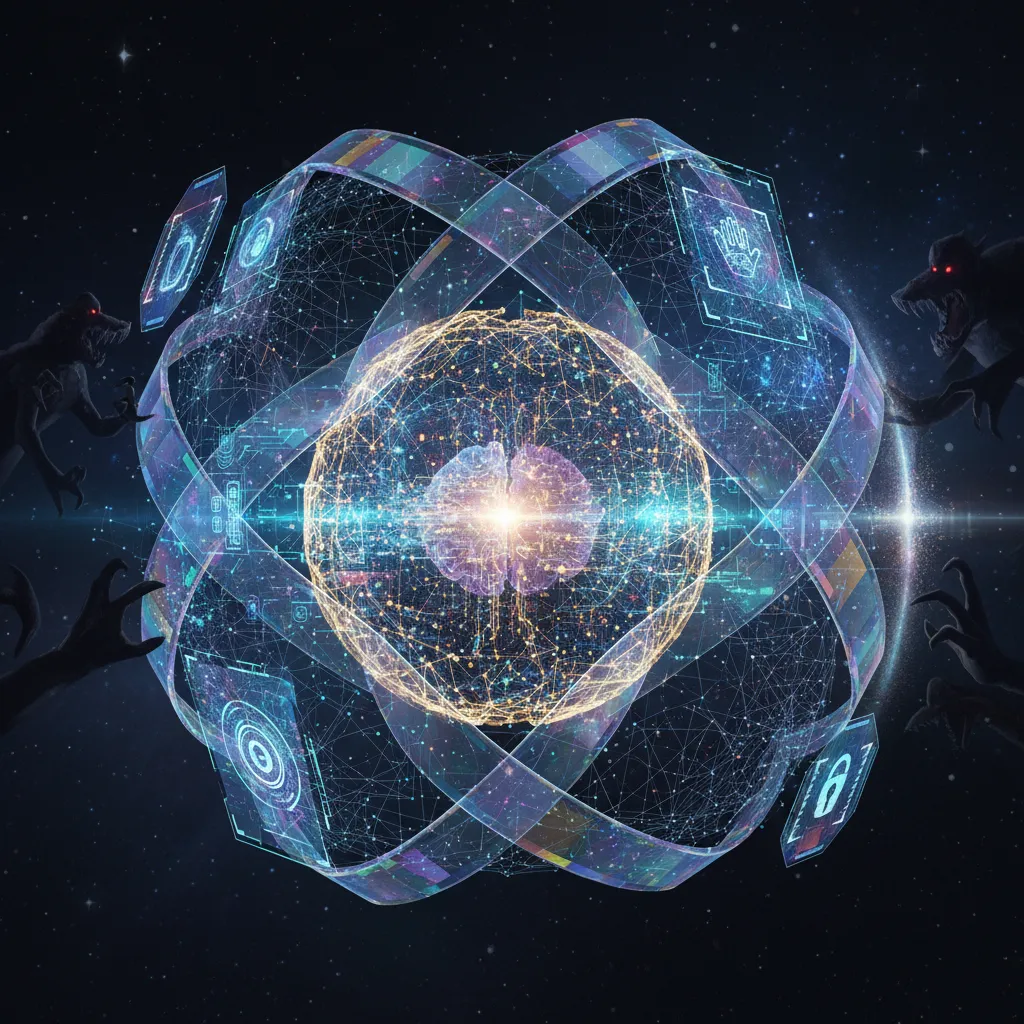
This isn’t science fiction. The fusion of quantum mechanics and artificial intelligence, or Quantum AI, is poised to rewrite the rules of cybersecurity. It presents a terrifying new class of threat capable of shattering our current defenses, yet it also offers the promise of a digital fortress AI so powerful it could create virtually unbreakable cyber defenses.
This article dives deep into the heart of this revolution. We’ll explore the monumental quantum computing impact on our digital world, dissect the synergy between AI and quantum power, and map out the future of data protection. You’ll learn not just about the impending threats, but about the groundbreaking solutions like quantum cryptography and post-quantum cryptography that are already being developed. Get ready to understand how Quantum AI cybersecurity will define the future of information security and what it means for everything from enterprise cybersecurity to your own personal data security.
The Inevitable Collision: Quantum Computing Meets Cybersecurity
Before we can build the future, we must understand the forces shaping it. The intersection of quantum computing and AI isn’t just an evolution; it’s a collision of two transformative technologies, each with the power to both build and break our digital world.
Understanding the Quantum Threat: Why Current Encryption is Living on Borrowed Time
For years, we’ve relied on encryption standards like RSA and ECC to protect our data. Their strength lies in a simple fact: classical computers find it incredibly difficult to solve the mathematical problems they’re based on, like factoring massive numbers. A standard computer would take billions of years to break a single strong encryption key.
Enter the quantum computer. Unlike classical computers that use bits (0s or 1s), quantum machines use qubits. Thanks to the bizarre principles of quantum mechanics like superposition and entanglement, a qubit can be a 0, a 1, or both at the same time. This allows quantum computers to perform a colossal number of calculations simultaneously.
In 1994, a mathematician named Peter Shor developed an algorithm that, when run on a sufficiently powerful quantum computer, can factor large numbers with astonishing speed. The implication is terrifying: Shor’s algorithm renders most of our current public-key encryption obsolete. Everything from online banking and secure messaging to government communications could be laid bare. This is the core of the quantum cybersecurity challenges we face.
The AI Paradox: A Double-Edged Sword in Today’s Digital Fortress
While the quantum threat looms on the horizon, artificial intelligence is already a key player on the cybersecurity battlefield. The state of AI in cybersecurity 2024 is a testament to this duality.
On the side of defense:
- AI Threat Intelligence: AI algorithms sift through billions of data points to identify patterns, detect anomalies, and predict potential attacks before they happen. This predictive cybersecurity AI is a cornerstone of modern security operations.
- AI in Network Security: AI systems monitor network traffic in real-time, identifying and isolating threats faster than any human team could.
- Automated Response: When a threat is detected, AI can automatically deploy countermeasures, patching vulnerabilities and quarantining infected systems.
On the side of attack:
- AI Cyber Threats: Malicious actors are using AI to create hyper-realistic phishing scams, craft polymorphic malware that constantly changes to evade detection, and automate the process of finding and exploiting vulnerabilities.
This AI paradox sets the stage for a more powerful solution. If AI is the weapon, Quantum AI is the super-soldier. Related: The Rise of Autonomous AI Agents: Revolutionizing Work
Forging the Shield: How Quantum AI Creates Unbreakable Defenses
The same quantum principles that threaten our security also hold the key to creating a new generation of defenses so robust they verge on being unbreakable. This is where Quantum AI cybersecurity truly shines, moving beyond theoretical threats to deliver tangible, powerful solutions.
Quantum Cryptography: Physics as the Ultimate Locksmith
Instead of relying on mathematical complexity, quantum cryptography bases its security on the fundamental laws of physics. The most prominent example of this is Quantum Key Distribution (QKD).
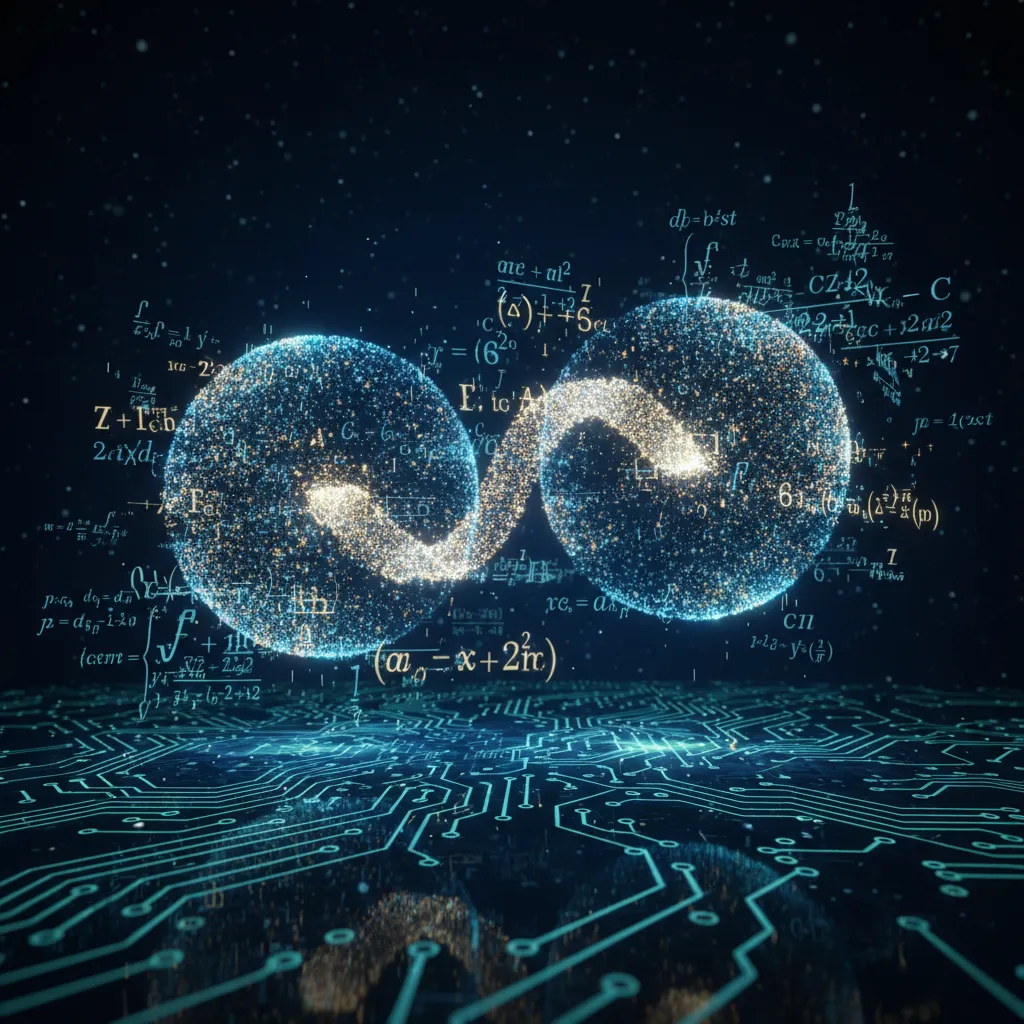
QKD uses photons (particles of light) to transmit a secret key between two parties. According to the quantum no-cloning theorem, it’s impossible to create an identical copy of an unknown quantum state. Furthermore, the very act of observing a quantum particle inevitably changes it.
This means if a hacker tries to intercept the key, the quantum state of the photons is disturbed. The communicating parties will immediately know their channel has been compromised and can discard the key. This provides a provably secure quantum communication channel, making eavesdropping physically impossible.
Post-Quantum Cryptography (PQC): Building the Next Generation of Digital Vaults
While QKD is revolutionary for secure communication, we also need to protect data at rest and ensure authenticity. This is where post-quantum cryptography (PQC), also known as quantum resistant encryption, comes in.
PQC involves developing new encryption algorithms that are difficult for both classical and quantum computers to break. These quantum safe algorithms are based on different, more complex mathematical problems that are not susceptible to Shor’s algorithm. The U.S. National Institute of Standards and Technology (NIST) has been leading a global effort to standardize these algorithms.
The beauty of PQC is that it can be implemented on our existing digital infrastructure. We won’t need to replace every computer and server with a quantum machine. This makes it the most practical first step for businesses and governments to become “quantum-ready.” Related: Securing DeFi with AI: Next-Gen Protections
The True Synergy: Quantum Machine Learning for Advanced Cyber Defense
This is where the real magic happens. When you combine the analytical power of AI with the computational horsepower of quantum computing, you get quantum machine learning security. This isn’t just an incremental improvement; it’s a quantum leap in defensive capabilities.
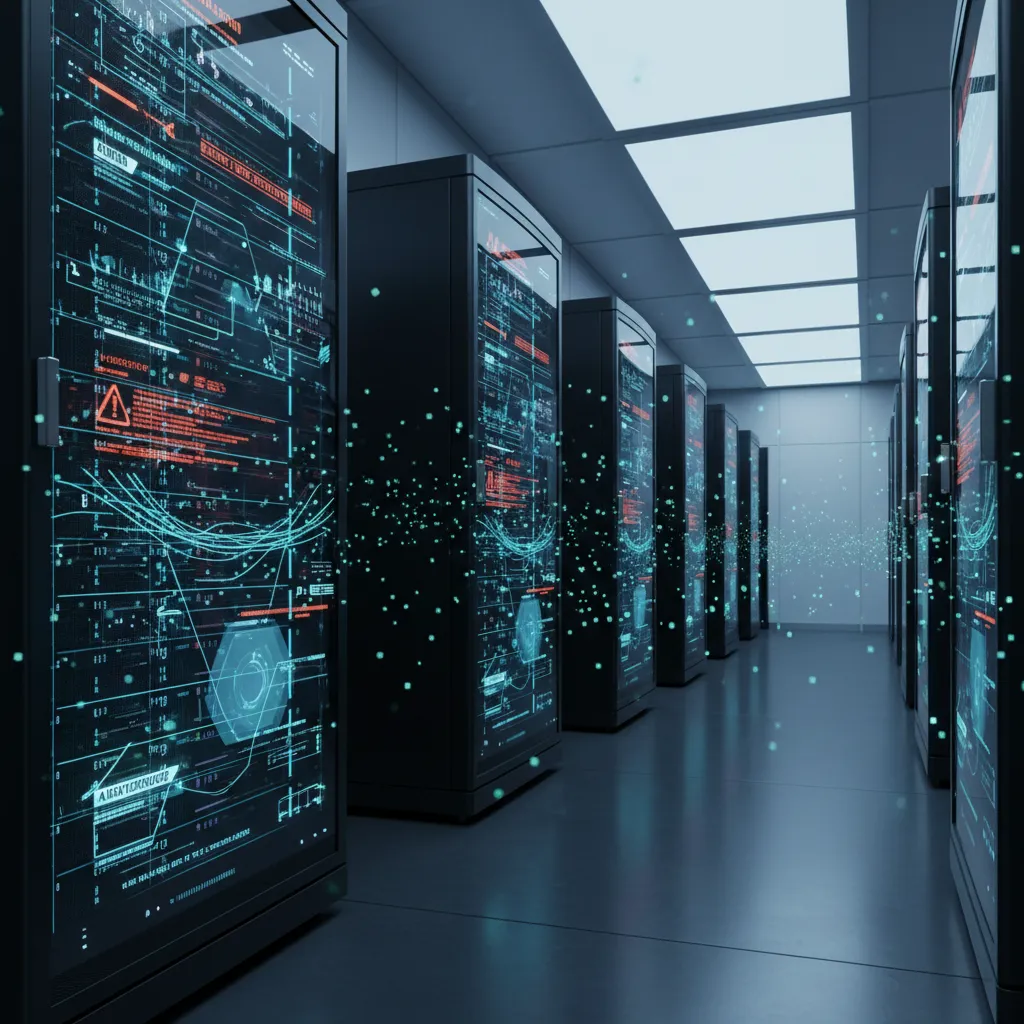
Imagine an AI enhanced security system that can:
- Analyze Complex Systems: Model and analyze incredibly complex systems like global financial networks or critical infrastructure grids to identify subtle vulnerabilities that are invisible to classical computers.
- Achieve Superhuman Pattern Recognition: Detect faint signals of a sophisticated attack hidden within mountains of data noise, flagging threats with unparalleled accuracy.
- Develop Adaptive Defenses: Use quantum optimization to create dynamic, evolving defensive strategies in real-time, constantly adapting to an attacker’s changing tactics.
This synergy allows for a truly advanced cyber defense posture, moving from a reactive model to a proactive, predictive one.
The Future of Data Privacy in a Quantum-AI World
The data privacy future is one of the most critical aspects of this new era. As our lives become increasingly digitized, the need to protect our personal information has never been greater. Quantum AI will fundamentally reshape the landscape of data protection.
Redefining Personal Data Security in the Quantum Era
For individuals, the promise of quantum security is immense. The future of data protection will likely involve a multi-layered approach:
- Quantum-Secured Cloud: Your data stored in the cloud could be encrypted using PQC algorithms, making it impervious to quantum attacks.
- Privacy-Preserving Computation: Technologies like fully homomorphic encryption (which allows computation on encrypted data) could be supercharged by quantum computers, allowing services to use your data without ever decrypting it.
- Secure Digital Identity: Your digital identity could be managed and verified using quantum-secure protocols, drastically reducing the risk of identity theft.
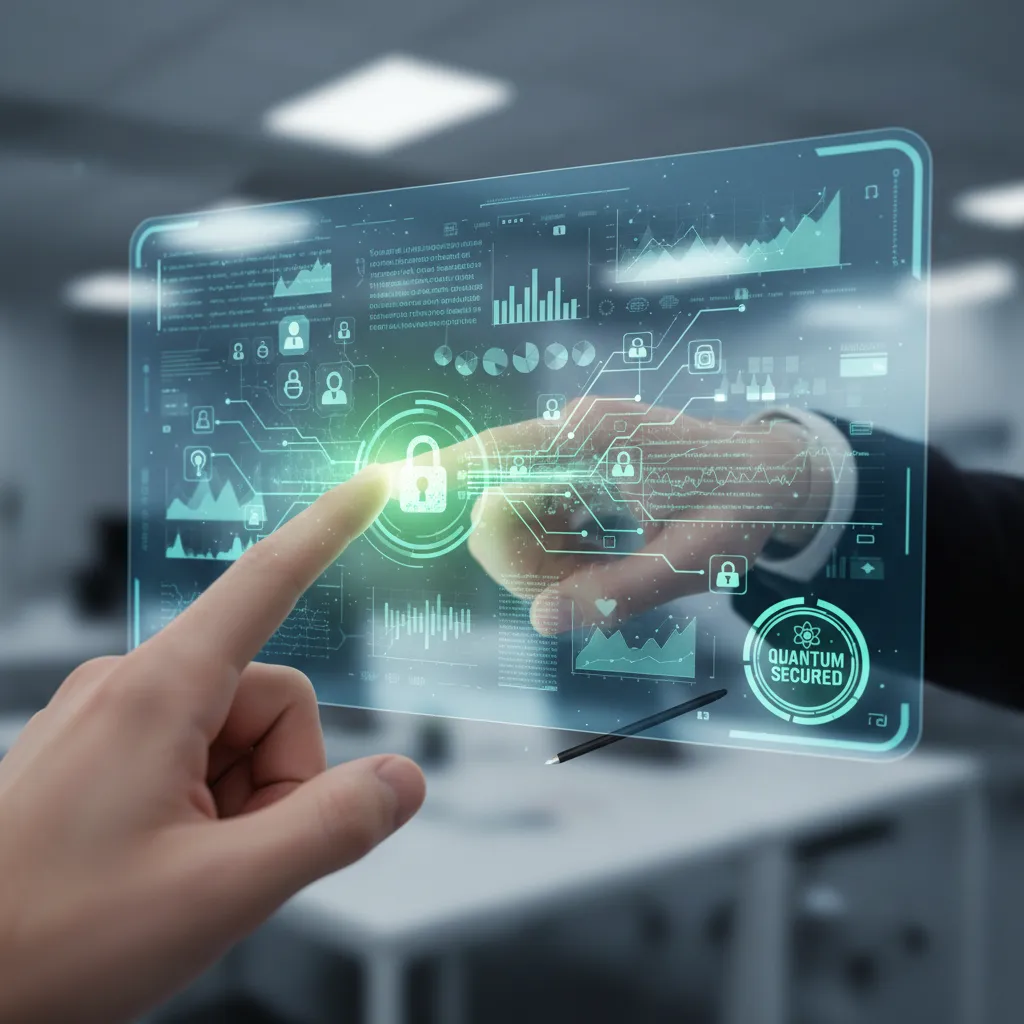
This shift promises a future where personal data security is not just an afterthought but a fundamental, unbreakable component of our digital infrastructure.
AI Data Privacy Solutions: From Ethics to Implementation
As we grant AI systems more power, especially in a quantum context, the ethical implications become paramount. The field of AI privacy preserving tech is crucial here. Techniques like federated learning (training AI models locally without sharing raw data) and differential privacy (adding statistical noise to data to protect individuals) will become even more important.
Ensuring ethical AI data privacy means building governance frameworks that demand transparency, accountability, and fairness in how quantum-AI systems are trained and deployed. We must ensure these powerful tools are used to protect individuals, not to create new forms of surveillance or control. Related: Ethical AI in Healthcare: Ensuring Equity and Accessibility
Beyond Encryption: Quantum Security for Blockchain and Zero Trust
The quantum computing impact extends to other foundational security technologies.
- Blockchain Quantum Security: The cryptographic signatures that secure cryptocurrencies like Bitcoin are vulnerable to quantum attack. The blockchain community is actively researching and developing quantum-resistant ledgers and signatures to ensure the long-term viability of these decentralized systems.
- Zero Trust Security AI: The “Zero Trust” model—which operates on the principle of “never trust, always verify”—is a perfect match for the quantum era. In a world where networks can be compromised, a zero trust security AI system can use quantum-enhanced machine learning to continuously analyze behavior, authenticate users, and grant access on a per-request basis, creating a more resilient and granular defense.
The Enterprise Roadmap: Preparing for the Quantum Revolution
For business leaders and IT professionals, the quantum transition can seem daunting. However, waiting for the threat to become a reality is not an option. A proactive approach to enterprise cybersecurity is essential. Here’s a simplified roadmap for becoming quantum-ready.
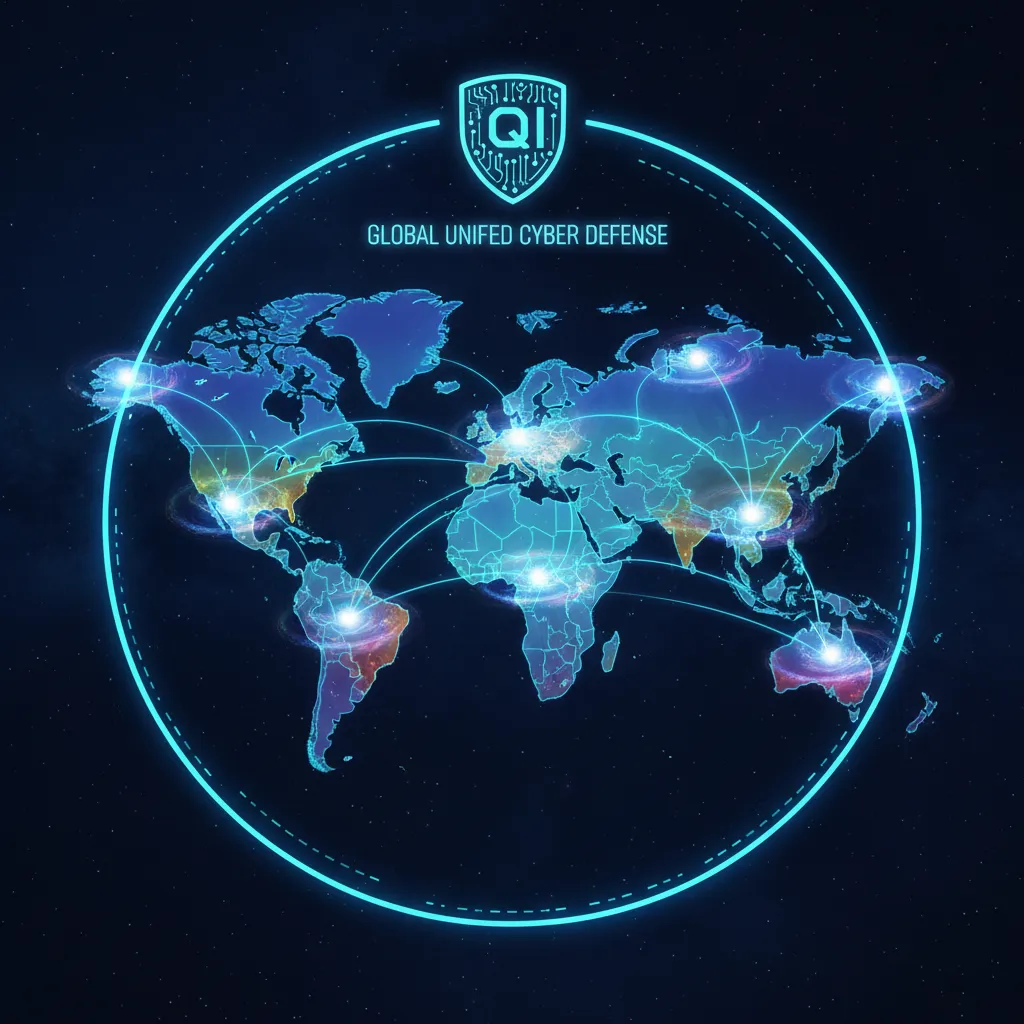
Step 1: Quantum Risk Assessment
You can’t protect what you don’t know you have. The first step is to conduct a thorough inventory of your organization’s cryptographic systems. Identify which systems use public-key encryption, where your most sensitive data is stored, and what your data’s long-term security requirements are. This will help you prioritize your migration efforts.
Step 2: Embracing Crypto-Agility
The future of security is agility. Crypto-agility is the ability of a security system to switch between different cryptographic algorithms quickly and efficiently. By designing systems to be crypto-agile now, you can smoothly transition to PQC standards as they are finalized and deployed, without having to rip and replace your entire infrastructure.
Step 3: Piloting PQC and QKD
Don’t wait for the standards to be set in stone. Begin experimenting with the leading PQC candidate algorithms in non-production environments. For organizations with extremely high-security communication needs, exploring pilot projects for QKD can provide valuable insights into its implementation and operational challenges.
Step 4: The Human Element: Upskilling Your Cybersecurity Team
Technology is only part of the solution. The biggest challenge may be the skills gap. Invest in training your cybersecurity and IT teams on the principles of quantum computing, quantum threats, and next gen cybersecurity solutions. Fostering a culture of continuous learning is crucial for navigating this complex landscape. Related: Mastering AI for Workflow Productivity and Automation
Conclusion: Navigating the Quantum Dawn of Cybersecurity
We are at a pivotal moment in the history of information security. The rise of Quantum AI cybersecurity is not a distant, hypothetical event; it is a technological wave that is already beginning to build. It presents a dual reality: a threat capable of dismantling our current security paradigms and an opportunity to build a more secure, private, and resilient digital world.
The path forward requires a shift in mindset—from reactive defense to proactive preparation. By understanding the threats, embracing new solutions like post-quantum cryptography, and investing in the synergy of quantum and AI, we can forge the unbreakable cyber defenses of tomorrow. The future of data privacy and the security of our digital lives depend on the choices we make today. The quantum dawn is here, and it’s time to get ready.
Frequently Asked Questions (FAQs)
Q1. What is quantum AI in cybersecurity?
Quantum AI in cybersecurity is the integration of quantum computing principles with artificial intelligence to create highly advanced security solutions. It uses the massive computational power of quantum computers to supercharge AI algorithms for tasks like threat detection, network analysis, and developing quantum-resistant encryption, leading to a new level of AI enhanced security.
Q2. How does quantum computing threaten cybersecurity?
Quantum computers pose a significant threat because they can solve certain mathematical problems exponentially faster than classical computers. Specifically, algorithms like Shor’s algorithm can break most of the public-key encryption we currently use to protect emails, financial transactions, and sensitive data, creating major quantum computing security vulnerabilities.
Q3. What is the difference between quantum cryptography and post-quantum cryptography?
Quantum cryptography (like QKD) uses the principles of quantum physics to create provably secure communication channels where any eavesdropping is instantly detected. Post-quantum cryptography (PQC), on the other hand, refers to new encryption algorithms that can run on today’s classical computers but are designed to be mathematically resistant to attacks from future quantum computers.
Q4. Will quantum computers make blockchain obsolete?
Not necessarily, but they pose a serious threat. The digital signatures used in most current blockchains are vulnerable to quantum attacks. However, the blockchain community is actively developing blockchain quantum security solutions, such as quantum-resistant signatures and algorithms, to create next-generation blockchains that are secure in the quantum era.
Q5. How can businesses prepare for the quantum computing era?
Businesses should start by conducting a quantum risk assessment to identify their most vulnerable systems. The next steps include adopting a “crypto-agile” architecture to easily swap algorithms, beginning to pilot and test post-quantum cryptography solutions, and investing in training their teams on next gen cybersecurity principles.
Q6. What are quantum-safe algorithms?
Quantum-safe algorithms (or quantum-resistant algorithms) are cryptographic algorithms believed to be secure against attacks from both classical and quantum computers. They form the foundation of post-quantum cryptography (PQC) and are designed to replace current encryption standards that are vulnerable to quantum threats.
Q7. Is quantum cybersecurity a reality today?
Yes, in several ways. While large-scale, fault-tolerant quantum computers are still in development, post-quantum cryptography is being actively developed, standardized, and piloted today. Furthermore, secure quantum communication systems using Quantum Key Distribution (QKD) are commercially available and in use by governments and enterprises for ultra-secure communications.