Mind Games: The Psychological Impact of Hyper-Realistic AI Content
Introduction
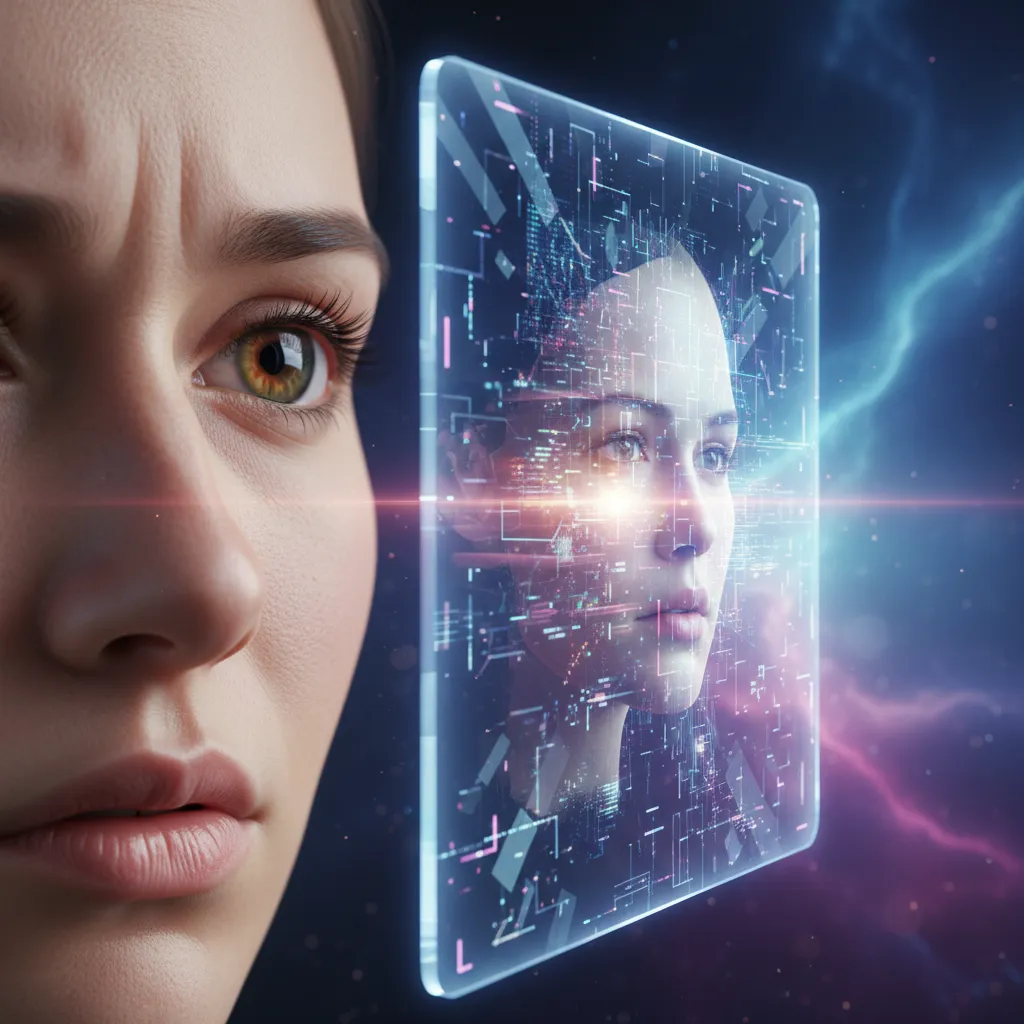
You’re scrolling through your social feed and see a video of a world leader making an outrageous statement. It looks real. It sounds real. Every mannerism is perfect. Yet, something feels off. A day later, you learn the video was a complete fabrication—a “deepfake” created by generative AI. That lingering feeling of unease and confusion is more than just a fleeting reaction; it’s a symptom of a profound psychological shift we are all beginning to experience.
The rise of hyper-realistic AI content is no longer science fiction. From stunning AI-generated art that wins competitions to synthetic videos that are indistinguishable from reality, this technology is rapidly reshaping our digital landscape. But as we marvel at its capabilities, we must also confront its deep and complex psychological impact. The line between what’s authentic and what’s artificial is blurring, creating a new frontier for our minds to navigate.
This article delves into the critical psychological consequences of AI, exploring the mind games this new technology plays on us. We’ll examine everything from the cognitive dissonance it creates to the erosion of societal trust, the potential for emotional manipulation, and the very future of our digital identity. Understanding the psychological impact of AI content is the first step toward building the resilience needed to thrive in an increasingly synthetic world.
The Uncanny Valley Gets Deeper: Our Brain’s Reaction to ‘Almost Human’ AI
For decades, the concept of the “uncanny valley” has described our eerie feeling toward robots or animations that are almost—but not quite—human. This subtle imperfection creates a sense of revulsion. However, modern generative AI is rapidly climbing out of this valley, producing content so flawless that our brains are tricked into accepting it as genuine.
This leap in quality has significant psychological implications. When we can no longer rely on subtle cues to distinguish real from fake, our perceptual systems are put under strain. The human perception of AI art and videos is shifting from skeptical observation to unconscious acceptance. This is where the initial seeds of confusion and doubt are planted. Our innate ability to trust our senses is being challenged at a fundamental level, leading to a low-grade, persistent uncertainty about the digital world we inhabit.
The emotional response to AI content becomes more complex. We might feel awe at a beautifully rendered AI image, but that awe can be tinged with anxiety when we consider its origin. This emotional cocktail is a new phenomenon, a direct result of technology outpacing our ingrained psychological frameworks for understanding the world.
Cognitive Dissonance in the Digital Age: When You Can’t Believe Your Eyes
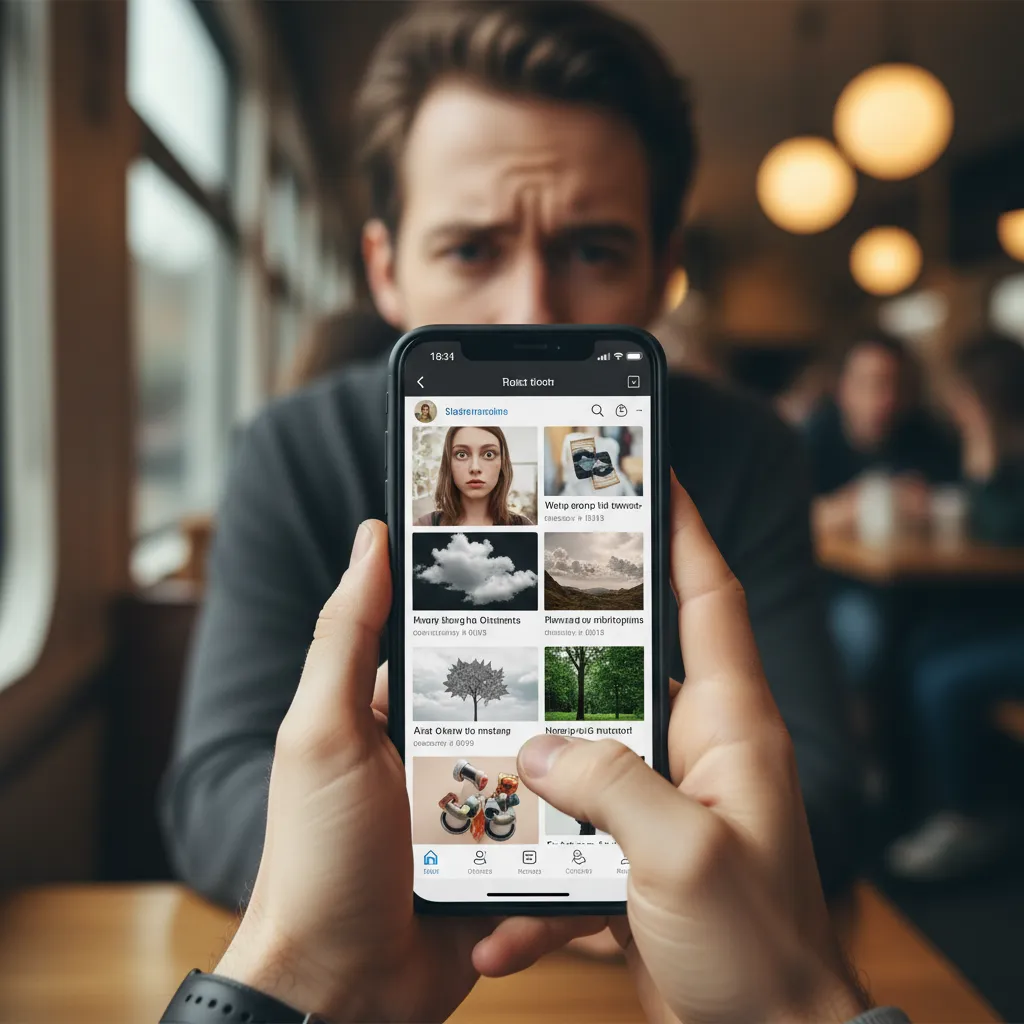
Cognitive dissonance is the mental discomfort experienced when holding two or more contradictory beliefs or values. Hyper-realistic AI is becoming a primary driver of this phenomenon in our digital lives. You see a photo of a historical event that never happened, yet it looks completely authentic. Your brain is now forced to reconcile two conflicting ideas: “My eyes are showing me proof” versus “My knowledge tells me this is impossible.”
This constant mental battle has consequences. It can lead to:
- Decision Paralysis: When you can’t trust the information you see, making informed decisions becomes incredibly difficult. Do you share that shocking news clip? Do you believe that product review?
- Increased Mental Fatigue: The cognitive load required for discerning real from AI is exhausting. Constantly questioning the reality of content drains mental energy that could be used for other tasks.
- Heightened Susceptibility to Bias: When faced with uncertainty, our brains often default to pre-existing beliefs. This cognitive bias in AI content means we are more likely to accept a fake image or video if it confirms what we already think, making us more vulnerable to propaganda and misinformation.
The challenge of perception is no longer just about spotting poor Photoshop skills; it’s about grappling with a reality where a machine can generate a more convincing photograph of a forest than an actual camera. [Related: What is GPT-4o? The Ultimate Guide to Real-Time AI] This fundamental shift attacks the very foundation of empirical evidence.

The Erosion of Trust: AI’s Role in Misinformation and Societal Impact
If cognitive dissonance is the effect on the individual, the erosion of trust is the impact on society. A society functions on a shared understanding of reality. When that foundation cracks, the consequences are far-reaching. The AI influence on truth is one of the most significant challenges of our time.
The deepfake psychological effects go beyond simple trickery. They contribute to a phenomenon known as the “liar’s dividend.” In a world where anything can be faked, authentic videos of wrongdoing can be plausibly denied and dismissed as deepfakes. This provides a powerful tool for corrupt politicians, criminals, and abusers to evade accountability.
This leads to a cascade of trust issues:
- Trust in Media: The rise of fake news AI content forces reputable news organizations to work harder to verify their sources, while audiences become more skeptical of all media, including legitimate reporting. The problem of AI and misinformation is a battle for the future of journalism.
- Trust in Institutions: When deepfakes can be used to impersonate leaders or create false evidence, faith in government, science, and the justice system can decline.
- Trust in Each Other: On a personal level, the potential for AI-generated content to be used in scams, harassment, or to create fake romantic profiles undermines the AI and human connection, making us more suspicious in our online interactions.
The very fabric of social cohesion is threatened when we can no longer agree on a baseline reality. This is a core aspect of the AI content societal impact. [Related: GPT-4o vs. Project Astra: The Future of AI]
Emotional Manipulation and Mental Well-being
Beyond factual deception, AI excels at understanding and replicating human emotion. This capability can be weaponized for large-scale emotional manipulation AI. Imagine targeted political ads that don’t just present facts but generate synthetic imagery and video designed to provoke fear, anger, or tribal loyalty with unparalleled precision.
The link between generative AI and mental health is a growing area of concern. The constant exposure to a digital world of perfected bodies, flawless lifestyles, and curated happiness—much of which can now be AI-generated—can exacerbate feelings of inadequacy, anxiety, and depression. The pressure to live up to an impossible, artificially generated standard takes a toll on our mental well-being in the age of AI.
Furthermore, the psychological stress of navigating a world rife with digital deception AI can lead to a form of hypervigilance or paranoia. This is one of the most troubling psychological consequences of AI. When you feel you can’t trust what you see or hear, it can lead to social withdrawal and a sense of isolation.
However, the coin has two sides. AI also holds immense promise for mental health treatment, from AI-powered therapy bots that provide 24/7 support to virtual reality AI content used in exposure therapy for PTSD and phobias. The same technology that can manipulate can also be used to heal, highlighting the importance of AI ethics in content creation.
Redefining Reality: The Future of Identity and Human Connection
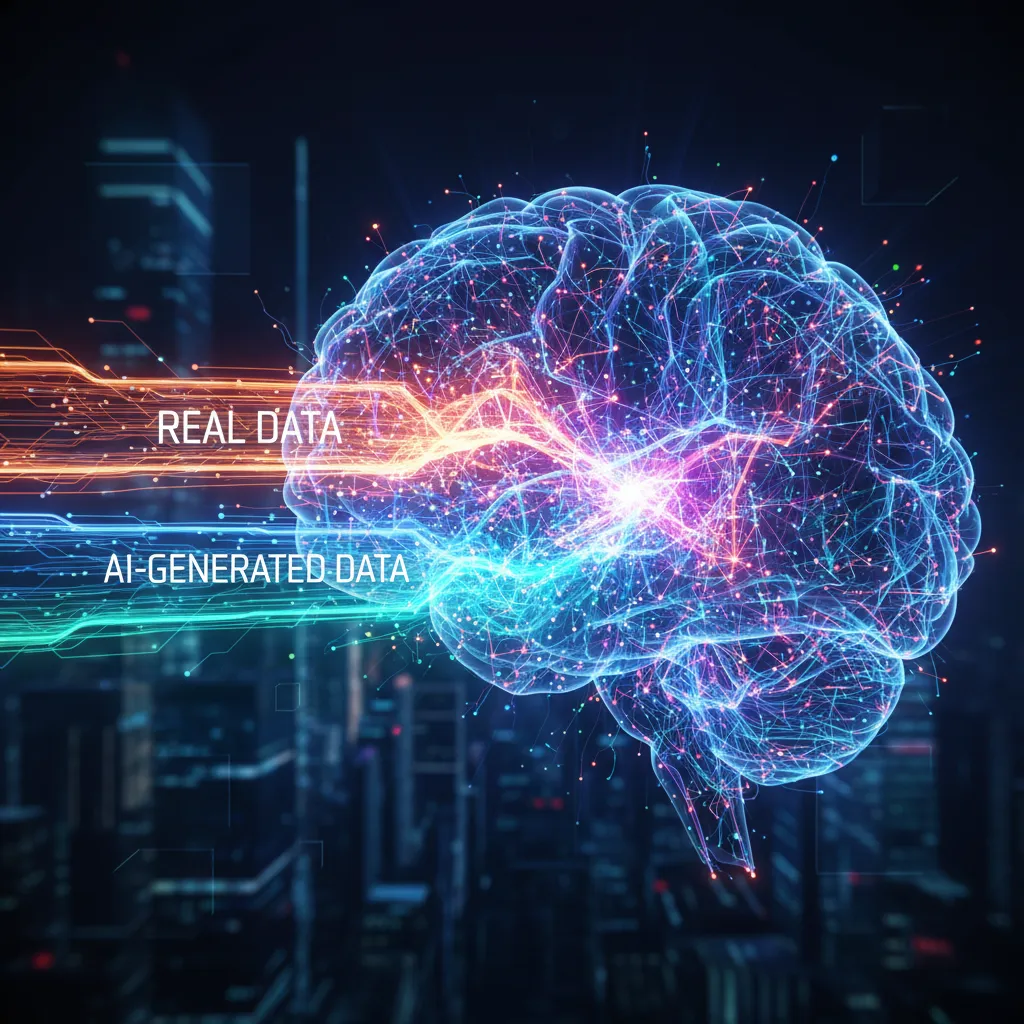
As we integrate hyper-realistic AI into our lives, we begin to question fundamental concepts like identity and authenticity. What does “identity” mean in an age where your likeness can be flawlessly replicated, your voice cloned, and your digital self made to say or do anything? The future of digital identity is a complex, philosophical puzzle.
We are already seeing the early stages of this shift:
- AI Avatars and Influencers: Virtual influencers with millions of followers are entirely synthetic, yet they foster real emotional connections with their audience. This blurs the line between human and artificial relationships.
- Personalization and Echo Chambers: AI algorithms curate our feeds, showing us content designed to keep us engaged. When this content is synthetic, it can create highly personalized echo chambers that reinforce our biases and isolate us from differing perspectives.
- The Future of Memory: In the future, we may be able to create realistic videos of memories we never had or interact with AI-powered simulations of loved ones who have passed away. This raises profound questions about grief, memory, and the very nature of human experience.
The identity in the AI age is becoming more fluid and malleable. While this offers exciting creative possibilities, it also presents risks for self-perception and the authenticity of human connection. [Related: Solo Travel Reinvented: Your AI Companion for Global Adventures]
Building Digital Resilience: How to Navigate the New Information Landscape
The challenges presented by hyper-realistic AI are daunting, but not insurmountable. We are not helpless. The solution lies in developing psychological and practical resilience through AI media literacy. This isn’t just about technical AI deepfake detection; it’s about cultivating a new mindset for consuming information.
Here are actionable strategies to build your resilience:
- Embrace Healthy Skepticism: The new default should be to question, not to trust. Instead of immediately reacting to shocking content, pause and ask: Who created this? What is their motive? Is this source reliable?
- Practice Lateral Reading: When you encounter a new piece of information, open other tabs and see what other trusted sources are saying about it. Don’t just analyze the content itself; verify its context and corroboration across the web.
- Look for Provenance: Pay attention to the origin of content. Reputable news organizations and creators are increasingly using content credentials and digital watermarks to verify the authenticity of their work. Support platforms that prioritize provenance.
- Understand AI’s Limitations: While AI is powerful, it can still make mistakes. Look for small inconsistencies—unnatural lighting, weird physics, garbled text in the background of images, or strange blinking patterns in videos. These clues are becoming rarer but can still be giveaways.
- Foster Open Dialogue: Talk about this issue with friends, family, and colleagues. The more we normalize discussions about trusting AI-generated content, the more we build a collective defense against its misuse. [Related: Mastering Prompt Engineering to Unlock AI’s Potential]
The goal is not to become a cynic who trusts nothing, but a discerning digital citizen who can navigate complexity with confidence.
Conclusion
We are standing at a cognitive crossroads. The explosion of hyper-realistic AI content is fundamentally rewiring our relationship with reality, information, and even our own identity. The psychological impacts—from the mental fatigue of cognitive dissonance to the societal decay of eroded trust—are real and pressing. We are all participants in this vast, unfolding psychological experiment.
But this technology also offers incredible tools for creativity, connection, and healing. The future is not about rejecting AI but about mastering our relationship with it. By fostering critical thinking, demanding ethical development, and championing media literacy, we can mitigate the risks while harnessing the benefits. The mind games have begun, and winning them requires us to be more vigilant, more thoughtful, and ultimately, more human than ever before.
FAQs
Q1. What is the main psychological impact of hyper-realistic AI?
The primary psychological impact is the creation of cognitive dissonance—the mental stress of not being able to distinguish between real and artificial content. This leads to an erosion of trust in digital information, increased mental fatigue from constant verification, and heightened anxiety about misinformation.
Q2. How does AI-generated content affect trust in media?
AI-generated content severely undermines trust in media by making it easy to create convincing fake news, images, and videos. This forces the public to become more skeptical of all sources, including legitimate ones, and contributes to the “liar’s dividend,” where real events can be dismissed as fakes.
Q3. What are the signs of a deepfake video or image?
While becoming harder to spot, signs can include unnatural eye movements or lack of blinking, strange lighting or shadows that don’t match the environment, blurry or distorted edges where the fake is superimposed, and weird artifacts in hair or teeth. However, the most reliable method is to verify the source and seek corroboration from trusted outlets.
Q4. Can AI content positively impact mental health?
Yes. While it poses risks, AI also offers significant benefits for mental health. AI-powered chatbots provide accessible, 24/7 emotional support. Virtual Reality (VR) environments created with AI are used in therapies for treating PTSD, anxiety, and phobias. It can also be used to create personalized relaxation and meditation content.
Q5. What is ‘synthetic media psychology’?
Synthetic media psychology is an emerging field that studies how AI-generated content (synthetic media) affects human perception, emotion, cognition, and behavior. It examines topics like deepfake psychological effects, our emotional response to AI art, and the societal impact of a world where reality can be convincingly fabricated.
Q6. How can we improve our AI media literacy?
Improve AI media literacy by practicing healthy skepticism, always questioning the source of information before sharing. Use lateral reading to cross-reference claims with multiple trusted sources. Educate yourself on the common signs of AI-generated content and support initiatives that promote digital watermarking and content provenance to verify authenticity.