The Future of Wellness: How Personalized Health Tech is Revolutionizing Your Well-being
Introduction
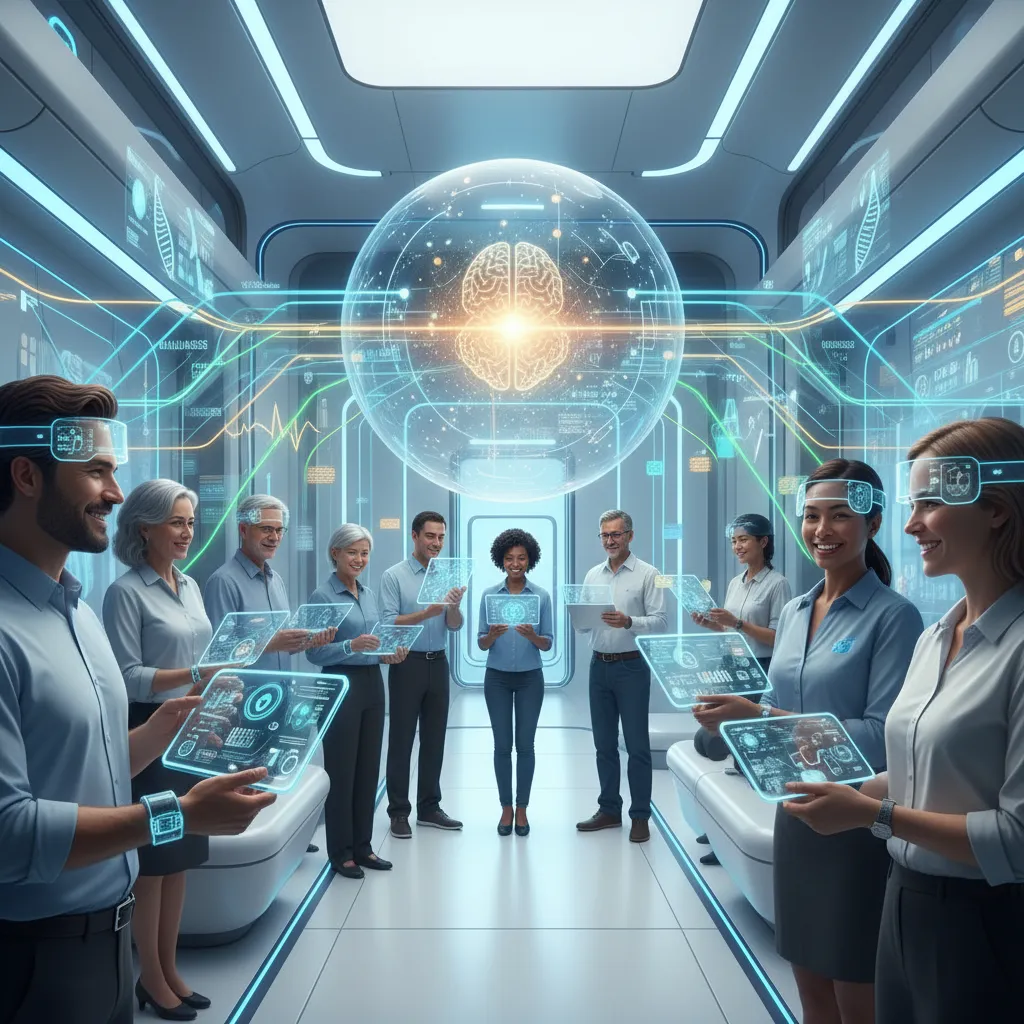
The landscape of health and wellness is undergoing a monumental shift, moving away from a generalized, reactive approach to a highly individualized and proactive model. At the heart of this transformation lies personalized health tech, a dynamic field leveraging cutting-edge innovations to tailor health solutions to your unique genetic makeup, lifestyle, and environmental factors. We are no longer simply treating symptoms; instead, we are preventing illness, optimizing performance, and truly revolutionizing your well-being.
This blog post will delve deep into the future of wellness, exploring how health technology trends are reshaping our understanding and management of personal health. From the omnipresence of wearable health devices to the groundbreaking capabilities of AI in healthcare, we’ll uncover the digital solutions empowering individuals to take unprecedented control over their health journey. Prepare to discover the innovative tools and strategies that are not just changing healthcare, but fundamentally redefining what it means to be healthy in the 21st century.
I. The Dawn of Personalized Wellness: Understanding the Paradigm Shift
For decades, healthcare largely operated on a “one-size-fits-all” principle. Medical treatments, dietary advice, and fitness regimens were often designed for the average person, overlooking the vast individual differences that impact health outcomes. This reactive approach meant waiting for symptoms to appear before seeking intervention, often leading to prolonged illness and less effective treatments.
A. From One-Size-Fits-All to “Me-Centric” Health
The limitations of traditional healthcare have become increasingly apparent. What works for one person may not work for another due to genetic predispositions, varying microbiomes, lifestyle choices, and environmental exposures. This is where the concept of precision medicine takes center stage. Precision medicine moves beyond broad classifications, using an individual’s unique biological and lifestyle data to provide highly specific and effective healthcare.
This shift empowers individuals with robust personal health management tools, enabling them to actively participate in shaping their wellness. Instead of passively receiving care, people are now equipped with insights to craft customized health plans that align with their specific needs and goals. This “me-centric” approach fosters greater engagement, adherence, and ultimately, better health outcomes. It’s about moving from a system that asks, “What is the matter with you?” to one that asks, “What matters to you?”
B. The Driving Forces Behind the Health Tech Revolution
The rapid acceleration of this personalized wellness revolution is fueled by several powerful forces:
- Rapid Advancements in Technology: Breakthroughs in artificial intelligence (AI), the Internet of Things (IoT), biotechnology innovations, and data analytics have created the infrastructure necessary for personalized health tech to thrive. These technologies allow for the collection, analysis, and interpretation of vast amounts of individual health data in real-time.
- Growing Consumer Demand for Personalized Experiences: In an age where everything from entertainment to shopping is customized, consumers increasingly expect the same level of personalization in their health and wellness journeys. There’s a strong desire for solutions that are relevant, effective, and tailored to their unique circumstances.
- Increasing Awareness of Preventive Health Tech: There’s a growing understanding that prevention is not only better but often more cost-effective than cure. Preventive health tech allows individuals to identify potential health risks early, make proactive lifestyle changes, and intervene before conditions become serious. This focus on prevention is a cornerstone of the future of medicine.
These converging trends are paving the way for a more intelligent, intuitive, and intimately personal approach to health.
II. Key Technologies Shaping the Personalized Health Ecosystem
The transformation to personalized wellness is driven by an impressive array of health technology trends and revolutionary health gadgets. These innovations are not just tools; they are integral components of a burgeoning connected health ecosystem that provides comprehensive, real-time insights into our well-being.
A. Wearable Health Devices and Fitness Trackers 2024
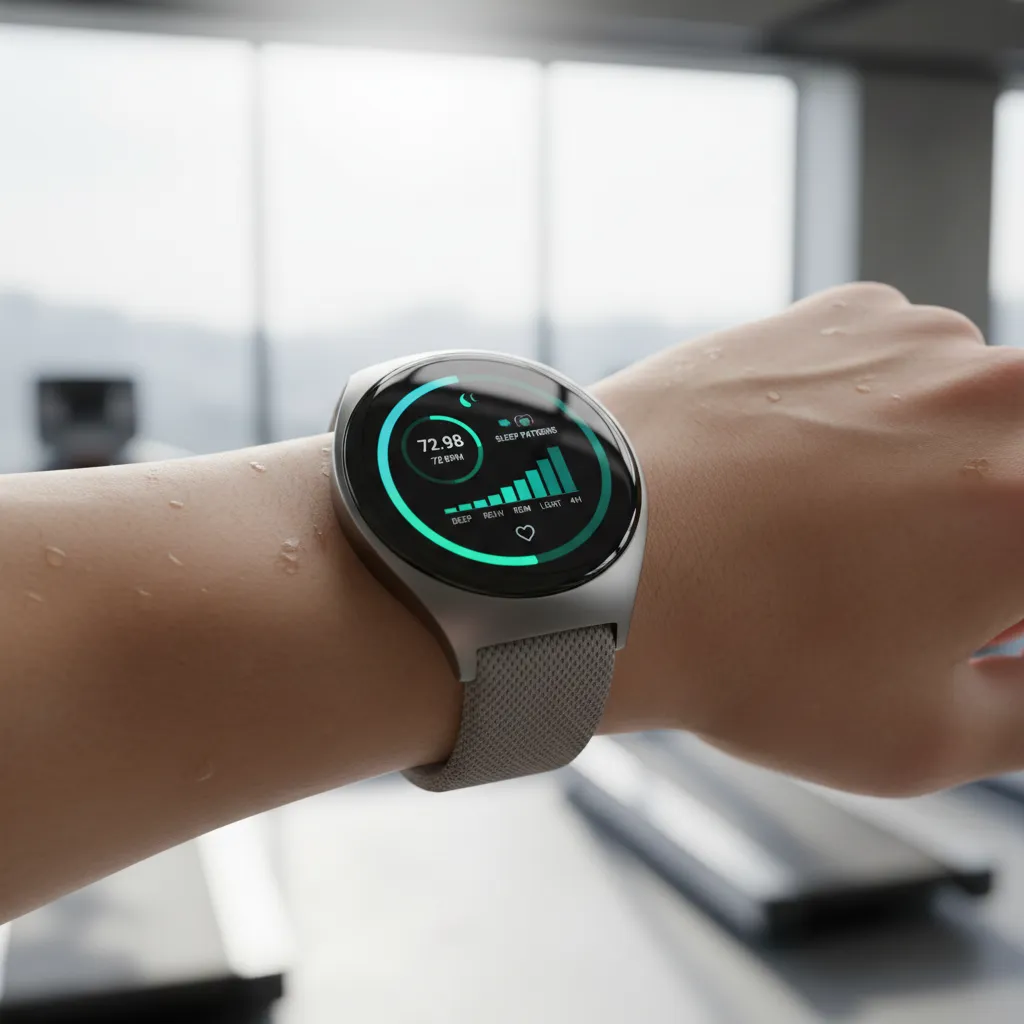
Perhaps the most visible manifestation of personalized health tech, wearable health devices have moved beyond simple step counting. The fitness trackers 2024 market boasts sophisticated smartwatches, rings, patches, and even smart apparel that offer continuous, non-invasive health monitoring.
These devices track a multitude of vital signs, including heart rate, heart rate variability, sleep patterns, skin temperature, oxygen saturation, and activity levels. Many can even detect irregular heart rhythms (like AFib) or monitor stress levels. By providing a constant stream of personal health data, wearables empower users to understand their bodies better, make informed lifestyle choices, and identify subtle changes that might warrant medical attention. This seamless integration with health and fitness technology is critical for holistic well-being.
For a deeper dive into how these devices are transforming our lives, consider exploring Wearable Tech Revolutionizing Health & Fitness.
B. AI in Healthcare and Precision Medicine
The true power of personalized health tech lies in its ability to process and interpret the vast amounts of data generated by individuals. This is where AI in healthcare becomes indispensable. Artificial intelligence algorithms can analyze data from wearables, electronic health records, genomic sequencing, and even environmental factors to offer deeply personalized insights.
AI’s capabilities extend to:
- Predictive Analytics: Identifying individuals at high risk for certain diseases based on their genetic profile and lifestyle data, allowing for early intervention.
- Personalized Treatment Recommendations: Suggesting the most effective medications or therapies based on a patient’s unique biological markers.
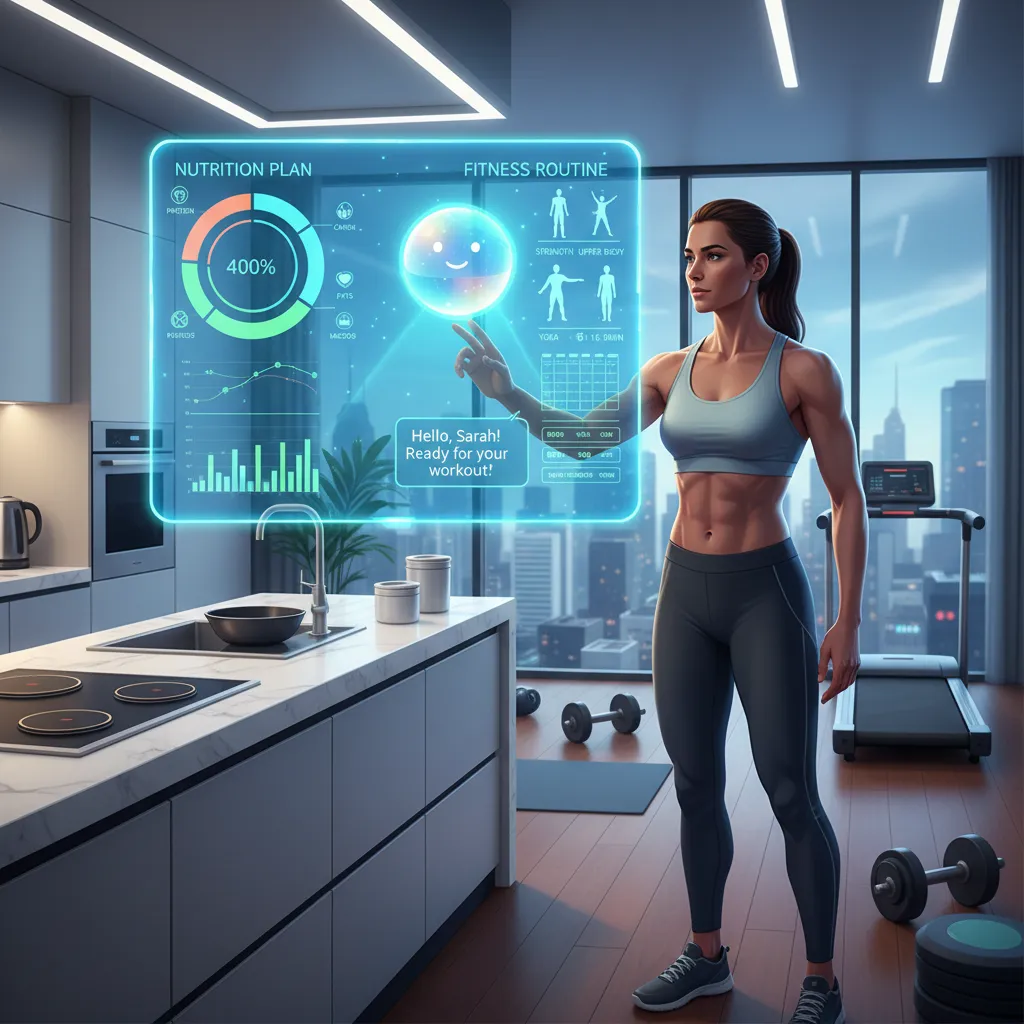
- AI-powered personalized nutrition apps and fitness plans: These applications leverage AI to create bespoke meal plans and exercise routines tailored to individual goals, metabolic rates, dietary restrictions, and activity levels. This is a significant leap beyond generic diet programs.
Learn more about how AI can unlock your best self: Unlock Your Best Self: AI-Powered Personalized Nutrition & Fitness for Optimal Health.
C. Digital Health Solutions and Telemedicine Platforms
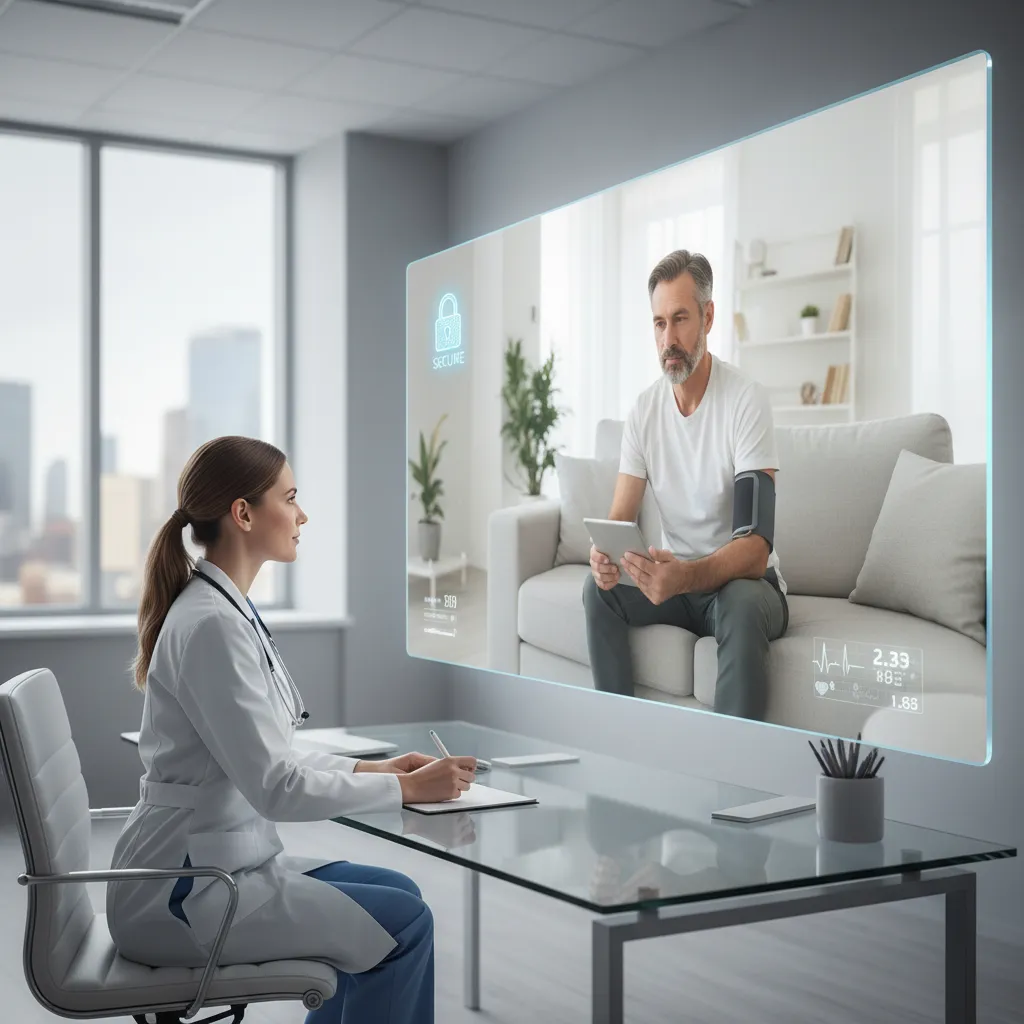
The pandemic accelerated the adoption of digital health solutions and telemedicine platforms, but their evolution goes far beyond simple virtual consultations. These platforms are now integral to the future of medicine, offering a wide range of services that make healthcare more accessible and convenient.
- Remote Patient Monitoring (RPM): This allows healthcare providers to remotely track patients’ vital signs, glucose levels, blood pressure, and other parameters. RPM is particularly crucial for managing chronic conditions, reducing hospital readmissions, and providing timely interventions.
- Digital Therapeutics (DTx): These are evidence-based therapeutic interventions delivered through software programs to prevent, manage, or treat a medical disorder or disease. Examples include apps for managing diabetes, ADHD, or substance abuse, providing clinical-grade interventions directly to the patient.
- Virtual Consultations: Beyond urgent care, telemedicine is now used for specialist consultations, therapy sessions, and routine follow-ups, breaking down geographical barriers and improving access to care.
D. Smart Health Gadgets and Advanced Health Monitoring Devices
The innovation in personal health management extends beyond wearables to a new generation of smart health gadgets and health monitoring devices. These include:
- Smart Scales: Not only measuring weight, but also body composition, BMI, and even heart rate, syncing data with health apps.
- Smart Mirrors: Offering skin analysis, virtual try-ons for makeup, and even posture correction guidance.
- At-Home Diagnostic Tools: From advanced blood pressure monitors to portable ECG devices and even smart thermometers that track illness progression, bringing lab-level insights into the home.
- Smart Pill Dispensers: Ensuring medication adherence and tracking usage patterns.
These devices contribute to a comprehensive, connected health ecosystem within the home, allowing for continuous self-assessment and proactive health management.
E. Mental Wellness Apps and Sleep Tech Devices
Recognizing that holistic well-being encompasses more than just physical health, personalized health tech is also making significant strides in mental and emotional well-being.
- Mental Wellness Apps: The market for apps designed to reduce stress, improve mindfulness, manage anxiety, and offer cognitive behavioral therapy (CBT) techniques is booming. These apps provide guided meditations, mood tracking, journaling prompts, and access to virtual therapists, offering accessible and private support.
- Sleep Tech Devices: Sleep is fundamental to health, and a new wave of sleep tech devices is helping individuals optimize their rest. This includes smart beds that adjust firmness, advanced sleep trackers that analyze sleep cycles and environmental factors, and smart lighting systems designed to promote better sleep hygiene. These innovations contribute significantly to overall well-being.
The fusion of technology and mental health offers powerful new avenues for support and personal growth. Delve deeper into this area here: AI Revolutionizing Mental Wellness.

III. The Transformative Impact: Revolutionizing Well-being
The integration of these various technologies is not merely incremental; it is profoundly transforming how we experience and manage our well-being. The impact of personalized health tech is broad and touches every aspect of our health journey, fostering a paradigm shift towards empowerment and proactive living.
A. Empowering Personal Health Management
One of the most significant impacts is the empowerment of individuals through personal health management. In the past, health data was often confined to medical records, interpreted solely by healthcare professionals. Now, through data-driven health, individuals have direct access to their own health metrics, trends, and personalized insights. This transparency fosters a deeper understanding of one’s body and habits.
This shift encourages proactive engagement in one’s own wellness journey. Instead of being passive recipients of care, individuals become active participants, making informed decisions about their diet, exercise, stress management, and preventative screenings. This newfound control over personal health is a cornerstone of the future of wellness.
B. Preventive Health Tech: A New Frontier
The ability to collect and analyze continuous health data marks a new frontier for preventive health tech. By monitoring vital signs, activity levels, and even genetic predispositions, personalized health tech can identify potential health issues long before they manifest as severe symptoms.
- Early Detection: Wearables can detect subtle changes in heart rhythm, sleep patterns, or even body temperature that could indicate an impending illness or chronic condition exacerbation.
- Proactive Intervention: With early warnings, individuals and their healthcare providers can implement proactive interventions, whether it’s adjusting medication, modifying lifestyle, or seeking specialist advice.
- Reducing Healthcare Costs: By preventing diseases or catching them in their early stages, the need for expensive treatments, hospitalizations, and long-term care can be significantly reduced, improving quality of life while easing the burden on healthcare systems.
C. The Connected Health Ecosystem: Seamless Integration
The true power of wellness technology lies in the seamless integration of various smart medical devices and platforms. This creates a connected health ecosystem where data from your fitness tracker, smart scale, sleep monitor, and even your electronic health record can communicate and converge.
This holistic view of an individual’s health allows for more comprehensive and accurate assessments. A doctor can access a patient’s daily activity levels, sleep quality, and heart rate trends, providing a richer context for diagnosis and treatment. This integration also facilitates better communication between patients and providers, fostering a collaborative approach to care. The future of medicine is undoubtedly interconnected, where all health data flows intelligently to support individual well-being.
IV. Navigating the Future: Challenges, Opportunities, and Ethical Considerations
While the promise of personalized health tech is immense, its widespread adoption and ethical deployment come with significant challenges and opportunities that must be carefully navigated. As we embrace this new era of empowering personal health, we must also address critical issues like data privacy, accessibility, and the evolving role of innovation.
A. Health Data Privacy and Security: A Paramount Concern
The very foundation of personalized health tech relies on the collection and analysis of highly sensitive personal health data. This makes health data privacy and security paramount. The potential for misuse, breaches, or unauthorized access to this information poses significant ethical and practical concerns.
- Robust Data Protection: Companies developing and deploying personalized health solutions must implement state-of-the-art encryption, secure storage, and strict access controls.
- Transparency and Consent: Users must have clear understanding of how their data is collected, used, and shared, with explicit consent being a non-negotiable requirement.
- Regulatory Frameworks: Governments and regulatory bodies need to establish comprehensive frameworks to protect individual data rights and hold companies accountable. Building trust in a data-driven health landscape is crucial for widespread adoption.
B. Accessibility and Digital Divide
The benefits of revolutionary health gadgets and advanced wellness technology should ideally be available to everyone. However, the cost of many cutting-edge devices and the requirement for digital literacy can exacerbate existing health inequalities, creating a digital divide.
- Affordability: Efforts are needed to make personalized health tech more affordable and accessible to diverse socioeconomic groups. This could involve insurance coverage, subsidies, or the development of more budget-friendly alternatives.
- Digital Literacy: Training and support programs are essential to help individuals, particularly older adults or those in underserved communities, effectively use these technologies.
- Inclusive Design: Health tech solutions must be designed with inclusivity in mind, considering varying physical and cognitive abilities.
C. The Role of Biotech Innovations and Health Tech Startups
The rapid pace of health technology trends is largely driven by continuous biotech innovations and the agility of health tech startups. These innovative companies are at the forefront of developing new solutions, pushing the boundaries of what’s possible in personalized wellness.
- Fueling Innovation: Startups are often quicker to identify unmet needs and develop niche solutions, from advanced diagnostic tools to novel digital therapeutics.
- Disrupting Traditional Models: These companies are challenging conventional healthcare delivery models, fostering competition and driving efficiency.
- Investment and Growth: The health tech sector continues to attract significant investment, indicating strong confidence in its potential to shape the future of medicine.
The dynamic landscape of health tech requires constant vigilance to integrate new advancements ethically and effectively. To understand how innovation can fuel business growth, refer to Unlock Growth: Top AI Tools for Small Business Success.
V. The Horizon of Wellness: What to Expect Next
The journey of personalized health tech is just beginning. As technology continues to evolve at an unprecedented pace, we can anticipate even more sophisticated and integrated solutions that will further revolutionize our well-being and redefine the future of medicine.
A. Hyper-Personalization and Predictive Health
The next frontier involves moving beyond current levels of personalization to hyper-personalization. This will leverage even more granular data, including real-time biometric feedback, continuous glucose monitoring, and advanced genomic analysis, combined with powerful AI.
- Micro-Level Interventions: Imagine personalized recommendations that adapt not just daily, but hourly, based on your stress levels, activity, and even local environmental factors.
- Anticipatory Health: AI will become even more adept at predicting health issues before they manifest, potentially identifying the early markers of disease years in advance. This could lead to highly targeted preventive strategies that are implemented long before any symptoms appear.
B. Integration with Lifestyle and Environment
The connected health ecosystem will extend beyond individual devices and into our broader environments. Our smart homes, workplaces, and even cities will play a role in our personalized health management.
- Smart Homes: Sensors embedded in our homes could monitor air quality, hydration levels, and even detect falls, alerting caregivers or emergency services.
- Smart Workplaces: Offices could offer personalized lighting, ergonomic adjustments, and even guided meditation breaks based on individual employee data, fostering better well-being and productivity.
- Environmental Data: Integration with local pollution levels, pollen counts, and weather patterns will allow for more nuanced health advice and proactive measures, especially for those with allergies or respiratory conditions.
C. The Evolving Role of Healthcare Professionals
While personalized health tech empowers individuals, it doesn’t diminish the role of healthcare professionals; it transforms it. Doctors, nurses, and specialists will increasingly leverage these technologies to provide superior care.
- Enhanced Diagnostics: AI-powered tools will assist in faster and more accurate diagnoses, sifting through vast amounts of data to identify patterns that human eyes might miss.
- Personalized Treatment Plans: Clinicians will use data-driven health insights to create highly effective, customized treatment plans, monitored in real-time for efficacy.
- Proactive Care Management: With remote patient monitoring and predictive analytics, healthcare providers can intervene proactively, preventing complications and improving patient outcomes.
The future of wellness will be a collaborative one, where human expertise is augmented by technological prowess, leading to a more efficient, equitable, and effective healthcare system for all.
Conclusion
The journey into the future of wellness is undoubtedly exciting, marked by the transformative power of personalized health tech. We’ve seen how this revolution is shifting our health paradigm from reactive to proactive, from generalized to deeply customized. From the ubiquitous wearable health devices that continuously monitor our bodies to the sophisticated AI in healthcare that crafts precision plans, the tools for empowering personal health are becoming increasingly powerful and accessible.
This dynamic landscape, propelled by health technology trends and bold biotech innovations, promises a future where health is not just the absence of disease, but a state of optimized well-being, tailored uniquely to you. As we navigate the opportunities and challenges, ensuring health data privacy and accessibility for all remains paramount. The connected health ecosystem is rapidly evolving, bringing us closer to a future where data-driven health makes illness prevention and personal optimization a reality.
The time to take charge of your well-being is now. Explore the world of smart health gadgets, embrace digital health solutions, and leverage the power of personalized nutrition apps and mental wellness apps. Your journey to optimal health is no longer a generic path, but a uniquely tailored expedition, guided by the most advanced wellness technology at your fingertips. Embrace the future of medicine – it’s personal.
FAQs
Q1. What exactly is personalized health tech?
Personalized health tech refers to the use of technology, such as AI, wearables, and digital platforms, to create highly customized health and wellness solutions tailored to an individual’s unique biological data (genetics, microbiome), lifestyle, and environmental factors. It aims to move beyond “one-size-fits-all” approaches.
Q2. How do wearable health devices contribute to personalized wellness?
Wearable health devices, like smartwatches and fitness trackers, continuously collect real-time data on an individual’s vital signs, activity levels, sleep patterns, and more. This data provides personalized insights into their health, enabling them to make informed decisions, track progress, and identify potential health concerns early.
Q3. Is my health data safe with these personalized health solutions?
Health data privacy is a critical concern for personalized health tech. Reputable companies prioritize robust security measures, including encryption and strict access controls, to protect sensitive information. Users should always review privacy policies and choose platforms with strong data protection track records.
Q4. How is AI transforming personalized nutrition and fitness?
AI analyzes extensive data from an individual (e.g., genetics, activity, dietary preferences, health goals) to generate highly personalized nutrition plans, meal suggestions, and fitness routines. This ensures recommendations are optimized for individual needs, metabolic rates, and desired outcomes, offering a more effective approach than generic plans.
Q5. What is the role of telemedicine in the personalized health ecosystem?
Telemedicine platforms are a key component of the personalized health ecosystem, providing accessible virtual consultations, remote patient monitoring, and digital therapeutics. They allow healthcare providers to deliver customized care, track patient progress remotely, and offer timely interventions, improving convenience and continuity of care.
Q6. Can personalized health tech really prevent diseases?
Yes, personalized health tech significantly enhances disease prevention. By continuously monitoring an individual’s health data and using predictive analytics, it can identify early markers of potential health issues or risks. This allows for proactive lifestyle changes and early interventions, often preventing the onset or progression of diseases.
Q7. What are some of the revolutionary health gadgets available today?
Beyond smartwatches, revolutionary health gadgets include smart scales that measure body composition, smart rings for advanced sleep and activity tracking, continuous glucose monitors, portable ECG devices for home use, and smart devices for mental wellness and meditation.
Q8. What does the “future of medicine” look like with personalized health tech?
The future of medicine with personalized health tech is one of precision, prevention, and empowerment. It involves healthcare that is highly individualized, proactively addressing health risks before they become issues, and delivered through a seamlessly connected ecosystem of devices and digital platforms, with healthcare professionals leveraging AI for enhanced diagnosis and treatment.