Mind-Meld: The Rise of Neurotech & Brain-Computer Interfaces
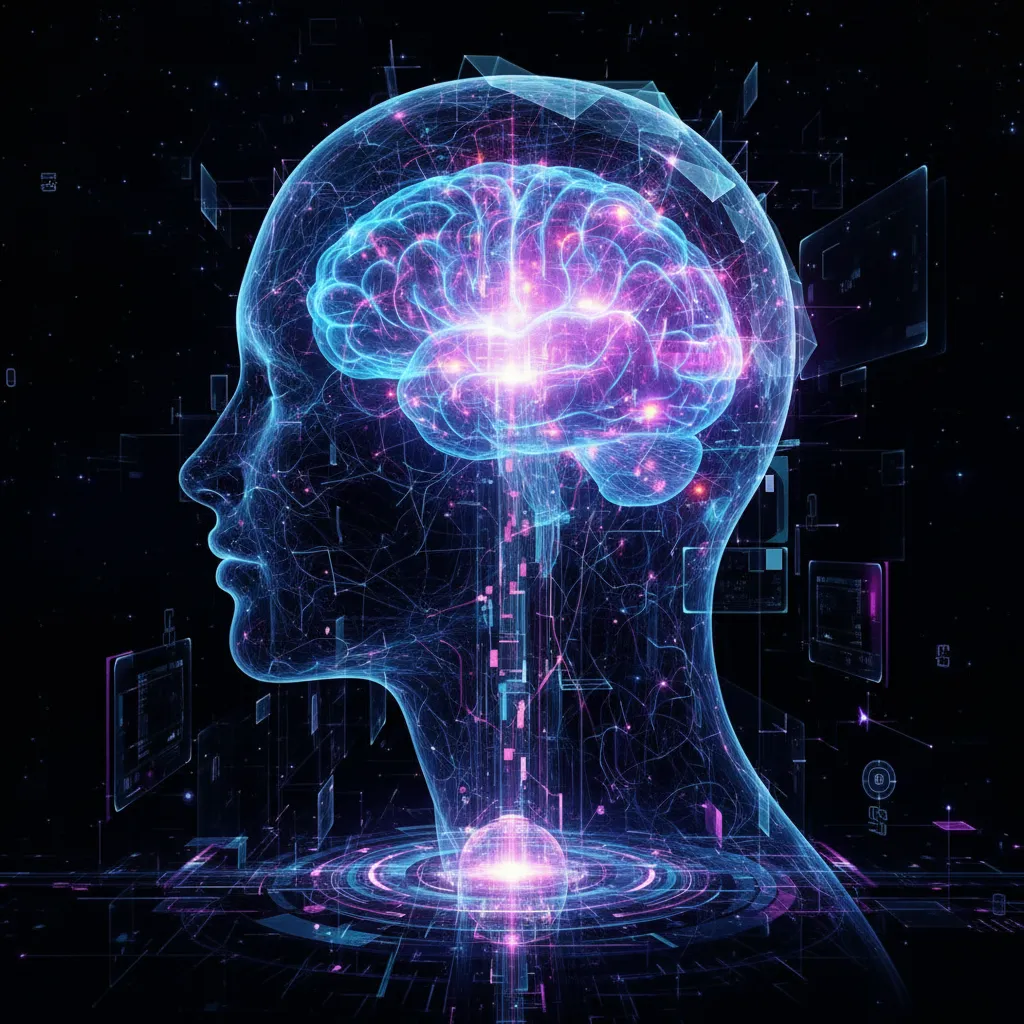
Introduction: Bridging Thought and Technology
Imagine a world where your thoughts alone could move objects, control complex machinery, or even communicate without a single spoken word. This isn’t science fiction anymore; it’s the rapidly unfolding reality of neurotech and brain-computer interfaces (BCIs). This revolutionary field stands at the precipice of transforming human interaction with technology, offering unprecedented possibilities for medical recovery, enhanced human capabilities, and entirely new forms of digital engagement.
Neurotechnology, at its core, refers to any technology that interacts with the nervous system, particularly the brain. Brain-Computer Interfaces, a significant subset of neurotech, are systems that enable direct communication pathways between the brain and an external device. These interfaces read brain signals, translate them into commands, and then use those commands to control computers, robotic limbs, or other digital systems. The implications are profound, touching everything from restoring lost functions to potentially augmenting human cognition.
In this deep dive, we’ll explore the fascinating landscape of neurotech and BCIs, charting their evolution, diverse applications, and the cutting-edge neurotech trends shaping our future. We’ll examine the crucial differences between invasive and non-invasive BCI technologies, discuss the incredible potential of BCI for paralysis and BCI for mental health, and peer into the future of neurotech, including brain chip implants and mind control technology. As we navigate this exciting frontier, we’ll also confront the critical ethical neurotech considerations and neurotech challenges that demand thoughtful discussion and responsible development. Prepare to mind-meld with the technology that could redefine what it means to be human.
Understanding the Brain-Computer Interface (BCI) Ecosystem
At the heart of this revolution is the brain-computer interface – a sophisticated bridge between the organic and the artificial. But how exactly does this intricate dance between neurons and silicon unfold?
What is a Brain-Computer Interface (BCI)?
A BCI technology system fundamentally works by acquiring brain signals, analyzing them, and then translating them into commands that are relayed to an output device. This direct communication channel bypasses conventional muscle and peripheral nerve pathways. The brain generates electrical signals (neural activity) when we think, feel, or intend to act. BCIs are designed to detect these signals, often using electrodes, and interpret the patterns to infer user intent.
The Science Behind Neural Interfaces
The brain is an electrochemical powerhouse. Billions of neurons communicate via electrical impulses and chemical neurotransmitters. When we think or decide to perform an action, specific neural circuits activate, producing measurable electrical changes. Neural interfaces are devices engineered to pick up these subtle electrical fluctuations.
There are several ways to detect these brain signals:
- Electroencephalography (EEG): This non-invasive method involves placing electrodes on the scalp to measure electrical activity. It’s widely used due to its safety and relatively low cost.
- Electrocorticography (ECoG): A semi-invasive approach where electrodes are placed directly on the surface of the brain, offering higher signal resolution than EEG.
- Microelectrode Arrays: Invasive devices implanted directly into the brain tissue, providing the most precise and high-resolution signals from individual neurons or small groups of neurons.
Once acquired, these signals are processed using complex algorithms, often powered by AI in neurotech, to distinguish meaningful patterns from background noise. These patterns are then mapped to specific commands, allowing users to control devices with their thoughts. This is the essence of brain-machine interface technology.
Invasive vs. Non-Invasive BCI: A Tale of Two Approaches
The approach to signal acquisition fundamentally divides BCIs into two primary categories: invasive and non-invasive. Each has distinct advantages, disadvantages, and potential applications.
Non-Invasive BCI: The Accessible Frontier
Non-invasive BCI technologies, like EEG headsets, are currently the most accessible and widely used. They involve no surgical procedures, making them safer and easier to deploy.
Advantages:
- Safety: No surgical risks (infection, tissue damage).
- Cost-effectiveness: Generally less expensive to develop and implement.
- Ease of Use: Can be set up and removed relatively easily.
Disadvantages:
- Signal Quality: Brain signals are attenuated and distorted by the skull, scalp, and hair, leading to lower spatial resolution and signal-to-noise ratio compared to invasive methods.
- Limited Bandwidth: Can’t capture the fine-grained neural activity needed for highly precise control.
- Sensitivity to Artifacts: Prone to interference from muscle movements, eye blinks, and electrical noise.
Despite these limitations, non-invasive BCIs are seeing significant advancements, particularly in areas like neurogaming, neurofeedback devices, and cognitive enhancement tech. Wearable neurotech, such as advanced EEG headbands, are making their way into consumer markets.
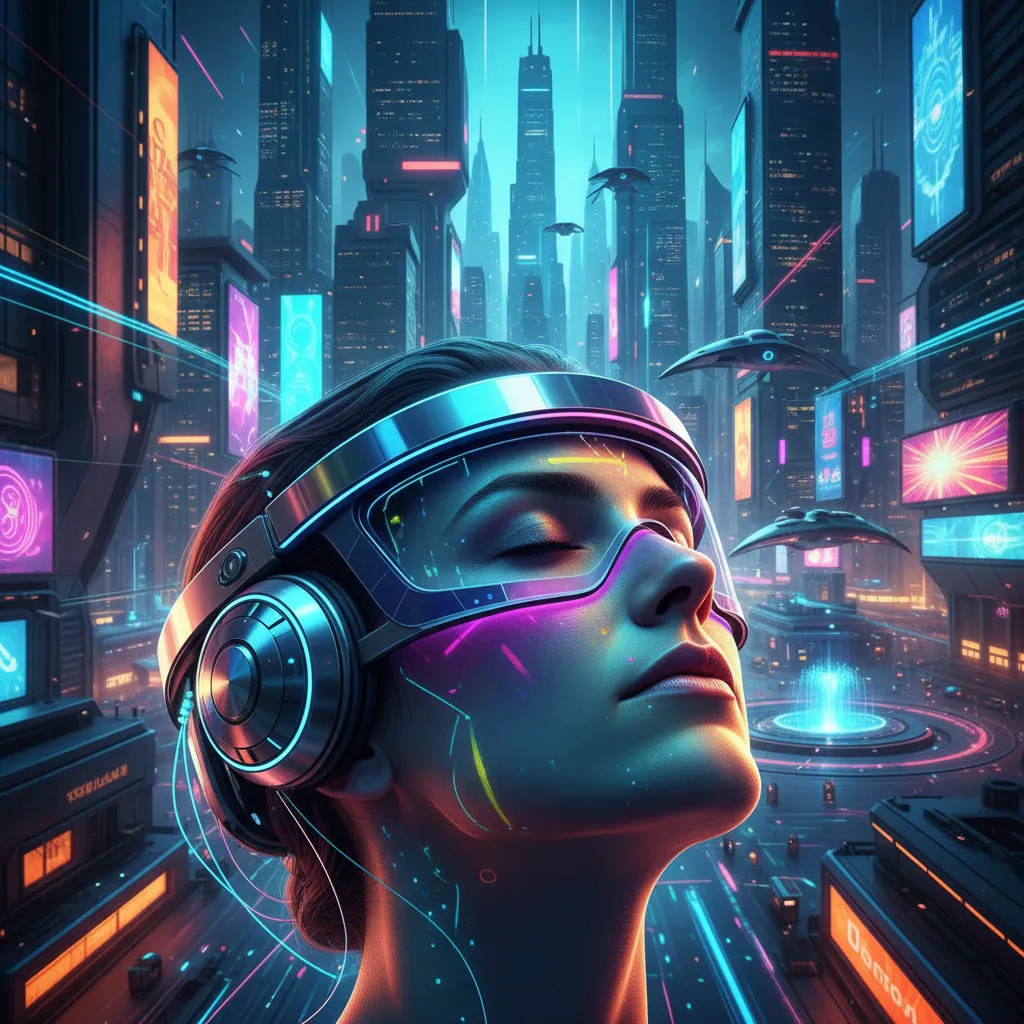 A person using a non-invasive neurotech headset to control a virtual reality experience, illustrating the accessibility of consumer neurotech.
Invasive BCI: The Path to Precision
Invasive BCI technologies require surgical implantation of electrodes directly into or onto the brain. This direct contact with neural tissue allows for superior signal quality and precision, unlocking more complex and nuanced control.
Advantages:
- High Signal Quality: Direct contact bypasses skull and scalp interference, providing clear, high-resolution neural data.
- Precision and Bandwidth: Can capture signals from individual neurons, enabling finer motor control and potentially more sophisticated cognitive interactions.
- Stability: Once implanted, electrodes can provide stable, long-term signal acquisition.
Disadvantages:
- Surgical Risks: Inherent risks associated with brain surgery, including infection, hemorrhage, and tissue damage.
- Biofouling: The body’s immune response can lead to scar tissue formation around the electrodes, degrading signal quality over time.
- Ethical Concerns: Greater ethical implications due to brain alteration.
- Cost: Significantly more expensive due to surgical procedures and specialized hardware.
Companies like Neuralink and Synchron are at the forefront of developing advanced brain chip implants that fall into this category, aiming for unprecedented levels of direct neural control. While the risks are higher, the potential rewards, especially for individuals with severe disabilities, are transformative.
Transformative Applications of BCI Technology
The promise of neurotech isn’t just theoretical; it’s already making tangible differences in people’s lives and pushing the boundaries of what’s possible.
Medical Neurotech: Restoring Lost Function
Perhaps the most impactful BCI applications are found within the medical field. Neuroprosthetics represent a monumental leap, allowing individuals to regain control over artificial limbs with their thoughts. For those suffering from paralysis, BCIs are offering a renewed sense of independence.
- BCI for Paralysis: Systems like BrainGate have demonstrated that individuals with severe paralysis can learn to control robotic arms, cursors on a screen, and even complex software using only their brain activity. This directly addresses fundamental needs for communication, mobility, and interaction with the environment.
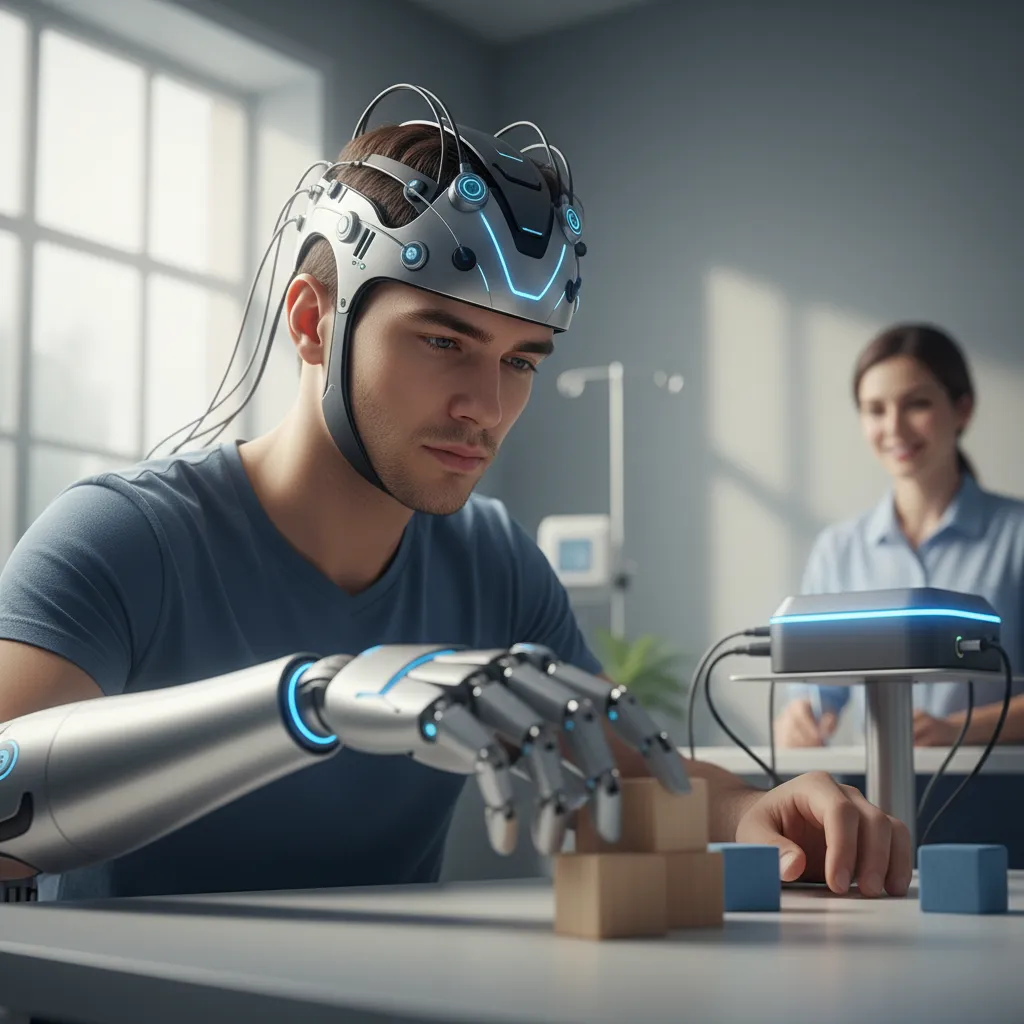 A patient seamlessly controlling an advanced prosthetic arm through a brain-computer interface, highlighting the life-changing impact of medical neurotech.
 - Neuroprosthetics: Beyond limbs, BCIs are being developed for sensory restoration. Retinal implants for the blind and cochlear implants for the deaf are examples of technologies that interface with the nervous system to restore sensory input.
- BCI for Mental Health: Emerging neuroscience tech is exploring how BCIs can assist in diagnosing and treating neurological and psychiatric conditions. Neurofeedback, a form of non-invasive BCI, trains individuals to self-regulate their brain activity, showing promise in managing conditions like ADHD, anxiety, and depression. Deep brain stimulation (DBS), while not a BCI in the classical sense, shares similar principles of direct neural modulation and is used for Parkinson’s disease, essential tremor, and severe OCD. The future holds potential for more precise BCI interventions for conditions like epilepsy, chronic pain, and even mood disorders. [Related: The Metaverse at Work: Revolutionizing Remote Collaboration & Virtual Offices]
- Communication: For individuals with locked-in syndrome or severe speech impairments, BCIs offer new avenues for communication, allowing them to type messages or control speech synthesizers simply by thinking.
Consumer Neurotech: Beyond Medical Needs
The reach of neurotech extends far beyond the clinic, entering the realm of everyday life and personal enhancement.
- Neurogaming: BCI technology is beginning to revolutionize gaming. Non-invasive headsets allow players to control game elements, influence outcomes, or even experience enhanced immersion based on their focus or emotional state. Imagine directing a character with your thoughts or having a game adapt to your real-time stress levels.
- Cognitive Enhancement Tech: From improving focus and memory to accelerating learning, cognitive enhancement tech leveraging neurofeedback or even subtle neuro-stimulation is a burgeoning area. These devices aim to optimize brain function for peak performance, appealing to students, professionals, and anyone looking to sharpen their mental edge.
- Wearable Neurotech: The advent of discrete, comfortable, and stylish wearable neurotech is making these devices more accessible to the general public. From sleep tracking and stress monitoring to basic mental fitness exercises, these wearables are bringing brain insights into our daily routines.
- Human-Computer Interface (HCI) Evolution: BCIs represent the ultimate evolution of the human-computer interface. Moving beyond keyboards, mice, and touchscreens, BCIs promise a seamless, intuitive, and almost telepathic interaction with our digital world. This could fundamentally reshape how we interact with everything from smartphones to smart homes. [Related: Sustainable Smart Home: Energy-Saving Gadgets & Greener Life]
AI’s Role in Neurotech: The Brain’s New Algorithm
AI in neurotech is not just an enabler; it’s a co-pilot in the journey of brain-computer interfaces. The complexity of brain signals requires sophisticated algorithms to decipher intent, filter noise, and adapt to individual neural patterns.
- Signal Processing: AI, particularly machine learning, excels at identifying subtle patterns in vast datasets. This is crucial for interpreting the intricate electrical signals generated by the brain, differentiating between intentional commands and random neural activity.
- Personalization: Every brain is unique. AI algorithms can learn and adapt to an individual user’s specific neural signatures, improving the accuracy and responsiveness of BCI systems over time.
- Real-time Adaptation: As brain states change (e.g., due to fatigue or attention shifts), AI can dynamically adjust BCI parameters, maintaining optimal performance.
- Decoding Complex Thoughts: The ultimate goal is to decode more complex cognitive states and even thoughts. AI is instrumental in developing models that can move beyond simple motor commands to interpret higher-level intentions, paving the way for advanced mind control technology. [Related: Rise of AI Companions: Enhancing Daily Life & Emotional Well-Being]
The Current Landscape: Neurotech Startups and Investment
The neurotech revolution is fueled by fervent innovation, significant investment, and a growing ecosystem of specialized companies. The brain-computer interface market is expanding rapidly, attracting venture capital and some of the brightest minds in science and engineering.
Leading Players and Neurotech Startups
A diverse array of companies, from established tech giants to nimble neurotech startups, are pushing the boundaries.
- Neuralink (Elon Musk): Perhaps the most well-known, Neuralink focuses on developing ultra-high bandwidth invasive BCIs for human augmentation and treating neurological disorders. Their coin-sized Link device aims to enable telepathy and restore motor function.
- Synchron: This company has gained significant traction with its Stentrode, an endovascular BCI that is implanted into a blood vessel in the brain, offering a less invasive surgical procedure than traditional brain implants while still providing high-quality signals. Their focus is on restoring communication for paralyzed patients.
- Blackrock Neurotech: A pioneer in invasive BCI, Blackrock Neurotech provides hardware for research and clinical applications, having facilitated many groundbreaking studies in direct neural control.
- BrainGate Consortium: A collaborative effort involving multiple universities and institutions, BrainGate has been at the forefront of clinical BCI research for decades, demonstrating direct brain control of robotic arms and digital devices.
- Emotiv, Muse, Neurable: These companies lead the charge in non-invasive BCI for consumer applications, offering EEG headsets for meditation, focus training, gaming, and general cognitive insights.
Neurotech Investment and Market Growth
The neurotech investment landscape is booming. Analysts project the brain-computer interface market to grow substantially over the next decade, driven by increasing demand for assistive technologies, advancements in neuroscience tech, and growing interest in human augmentation. Venture capitalists and large tech companies are pouring resources into R&D, anticipating significant returns from both medical and consumer applications. This influx of capital accelerates research into areas like neural dust – microscopic sensors that could float in the brain to record activity – and more sophisticated wearable neurotech.
The Future of Neurotech: A Glimpse Beyond the Horizon
Where is this incredible journey heading? The future of neurotech promises innovations that will challenge our current understanding of human potential and interaction.
Beyond Restoration: Cognitive Enhancement and Human Augmentation
While restoring lost function remains a primary driver, the discussion is increasingly shifting towards cognitive enhancement tech and human augmentation.
- Enhanced Senses: Imagine BCIs that could allow us to ‘see’ in infrared or ‘hear’ ultrasonic frequencies, expanding our perception of the world.
- Telepathy and Direct Brain-to-Brain Communication: Advanced BCIs could facilitate direct thought transmission, creating entirely new forms of communication that bypass spoken or written language.
- Memory Augmentation: While speculative, some researchers envision BCIs that could enhance memory recall or even implant new information, though this raises significant ethical concerns.
- Skill Acquisition: Could BCIs allow us to download skills or knowledge directly into our brains? This is a distant prospect but a fascinating area of theoretical exploration. [Related: Mastering Generative AI Art: Tools, Trends & Creative Futures]
The Integration of AI and Advanced Materials
The synergy between AI in neurotech and advanced materials will be crucial.
- Smarter Algorithms: AI will become even more adept at decoding complex brain signals, leading to more intuitive and powerful brain-machine interface systems.
- Miniaturization: Devices will become smaller, less intrusive, and more seamlessly integrated into the body. The concept of neural dust exemplifies this drive towards microscopic, distributed neural interfaces.
- Biocompatibility: New materials will minimize the body’s immune response to implants, ensuring long-term stability and functionality of brain chip implants.
Ethical Neurotech and the Societal Impact
As we push the boundaries of neuroscience tech, the ethical neurotech discussion becomes paramount. This isn’t just about technological feasibility but about societal responsibility.
- Privacy and Security: Our thoughts are the ultimate private domain. How do we ensure the security and privacy of neural data? Who owns this data? How can we prevent unauthorized access or misuse of a person’s neural footprint?
- Autonomy and Identity: If BCIs can influence mood or decision-making, what does that mean for individual autonomy? Could these technologies alter one’s sense of self or identity?
- Equity and Access: Will access to these transformative technologies be limited to the wealthy, exacerbating existing social inequalities? Ensuring equitable access to medical neurotech and preventing a ‘neuro-divide’ is critical.
- Misuse and Control: The potential for mind control technology raises serious concerns about authoritarian control or malicious applications. Robust ethical frameworks and regulations are essential to prevent such scenarios.
- Human Augmentation vs. Restoration: Drawing lines between medical necessity and elective enhancement will be challenging. What constitutes a “normal” human brain, and where do we draw the line for augmentation? [Related: Guardians of the Digital Frontier: AI Revolutionizing Cybersecurity]
Navigating these neurotech ethical implications requires broad societal dialogue involving scientists, ethicists, policymakers, and the public.
Neurotech Challenges: Hurdles on the Path to Progress
Despite the breathtaking advancements, the path forward for neurotech is fraught with significant neurotech challenges.
Technical and Scientific Hurdles
- Signal Decoding Complexity: The human brain is incredibly complex. Accurately and reliably decoding complex thoughts, intentions, and emotions from neural signals remains a monumental challenge.
- Bandwidth and Resolution: Even with invasive BCIs, capturing enough high-resolution data from a sufficiently large number of neurons to enable seamless, intuitive control is difficult.
- Longevity and Reliability of Implants: Biological reactions like scar tissue formation (gliosis) can degrade implant performance over time, requiring replacement or recalibration. Ensuring long-term stability and biocompatibility is crucial.
- Power and Miniaturization: Developing powerful yet miniature and energy-efficient BCI devices that can operate wirelessly for extended periods is a significant engineering challenge, especially for neural dust and other highly integrated systems.
Regulatory and Economic Obstacles
- Regulatory Frameworks: Current regulatory bodies often struggle to keep pace with rapidly advancing technologies like BCIs. Establishing clear, adaptive, and global regulatory guidelines for both medical neurotech and consumer neurotech is essential for ensuring safety and efficacy.
- High Development Costs: The research, development, clinical trials, and manufacturing of advanced BCI systems are incredibly expensive, requiring substantial neurotech investment.
- Market Adoption: While medical applications have a clear value proposition, mass adoption of consumer neurotech faces hurdles related to cost, perceived need, and public trust.
Societal and Psychological Barriers
- Public Perception and Trust: The idea of brain chip implants or mind control technology can evoke fear or skepticism. Building public trust through transparent development, education, and responsible deployment is vital.
- Psychological Adaptation: Learning to control devices directly with one’s thoughts requires significant mental training and adaptation, which can be challenging for users.
- Unforeseen Consequences: Like any disruptive technology, neurotech may introduce unforeseen societal or psychological impacts that require careful monitoring and proactive mitigation strategies.
Overcoming these challenges requires interdisciplinary collaboration, sustained investment, and a commitment to ethical and responsible innovation. [Related: The Quantum Leap: How Quantum Computing Will Reshape Our Future]
Conclusion: Mind-Meld with the Future
The rise of neurotech and brain-computer interfaces is not merely another technological advancement; it’s a fundamental shift in our relationship with technology and potentially with our own biology. From empowering individuals with paralysis to regain agency through BCI for paralysis to opening new frontiers in cognitive enhancement tech and neurogaming, the trajectory of this field is nothing short of revolutionary.
We’ve explored the diverse landscape of BCI technology, contrasting invasive BCI with non-invasive BCI, and delved into the transformative BCI applications spanning medicine, consumer markets, and the ultimate evolution of the human-computer interface. We’ve seen how AI in neurotech acts as a crucial enabler, interpreting the subtle language of the brain, and how a vibrant ecosystem of neurotech startups and significant neurotech investment is driving unprecedented innovation.
However, the journey ahead is complex. The future of neurotech demands careful navigation of profound ethical neurotech questions surrounding privacy, autonomy, and equity. Overcoming neurotech challenges—from technical hurdles in signal decoding to establishing robust regulatory frameworks—will require collaborative effort and thoughtful consideration.
As we stand on the cusp of a future where our thoughts could directly interact with the digital world, the potential for human flourishing is immense. But with great power comes great responsibility. By fostering open dialogue, prioritizing ethical development, and ensuring equitable access, we can truly mind-meld with this extraordinary technology, steering it towards a future that benefits all of humanity.
FAQs
Q1. What is the primary goal of brain-computer interface (BCI) technology?
The primary goal of BCI technology is to establish a direct communication pathway between a brain and an external device, bypassing traditional motor output pathways. This allows users to control computers, prosthetics, or other digital systems directly with their thoughts, primarily to restore lost sensory or motor function, but increasingly for enhancement and interaction.
Q2. How do non-invasive BCIs differ from invasive BCIs?
Non-invasive BCIs, such as EEG headsets, measure brain activity from outside the skull, requiring no surgery but offering lower signal resolution. Invasive BCIs involve surgically implanting electrodes directly into or onto the brain, providing superior signal quality and precision but carrying surgical risks.
Q3. What are some key medical applications of neurotech?
Key medical applications of neurotech include neuroprosthetics (e.g., controlling robotic limbs for paralysis), restoring sensory functions (e.g., retinal implants), assisting communication for individuals with locked-in syndrome, and exploring BCI for mental health through neurofeedback or precise neural modulation for conditions like epilepsy and depression.
Q4. What are the main ethical concerns surrounding neurotech and BCIs?
Major ethical concerns include privacy and security of neural data, potential impacts on personal autonomy and identity, ensuring equitable access to avoid a ‘neuro-divide,’ and preventing the misuse or abuse of powerful mind control technologies.
Q5. Is “mind control technology” a realistic future for neurotech?
While true “mind control” in the science fiction sense is still largely theoretical, BCIs are already enabling users to control external devices with their thoughts, which can be considered a form of mind control. The future aims for more nuanced and complex control, moving beyond simple commands to potentially interpreting higher-level intentions, making it a realistic, albeit ethically complex, direction for neurotech.
Q6. How does AI contribute to the advancement of neurotech?
AI is crucial for neurotech by processing complex brain signals, filtering noise, and translating neural patterns into actionable commands. It enables personalization, real-time adaptation of BCI systems, and is vital for decoding more intricate cognitive states, pushing the boundaries of what brain-machine interfaces can achieve.
Q7. What are “neurotech trends” currently shaping the industry?
Current neurotech trends include the development of increasingly smaller and more powerful brain chip implants, advances in both invasive and non-invasive BCI technologies, growing neurotech investment in startups, the integration of AI for sophisticated signal decoding, and the expansion into consumer markets for neurogaming and cognitive enhancement tech.