Invest Green: Your Guide to Sustainable Investing for a Brighter Future

Introduction: Cultivating Wealth with Purpose
In an era defined by global challenges, from climate change to social inequality, the way we manage our money has never held more weight. Beyond traditional financial metrics, a growing movement is reshaping the investment landscape: sustainable investing. This isn’t just a trend; it’s a profound shift towards aligning your financial growth with your deepest values, fostering a brighter, more equitable future for all. If you’ve ever wondered how to invest sustainably without compromising returns, you’re in the right place.
This comprehensive guide will demystify the world of ethical investing, ESG investing, and impact investing, offering a clear roadmap to building a sustainable portfolio. We’ll explore the diverse avenues of green finance, from sustainable funds and ESG funds to green bonds and renewable energy stocks. Our aim is to empower you with the knowledge to make eco-friendly investments that not only grow your wealth but also contribute positively to the planet and society. Get ready to transform your personal finance sustainability and become a catalyst for change through your investment decisions.
Understanding the Core of Sustainable Investing
At its heart, sustainable investing is about making informed choices that consider both financial returns and environmental, social, and governance (ESG) factors. It’s a holistic approach that recognizes the interconnectedness of global challenges and financial markets.
What is Sustainable Investing? Beyond the Bottom Line
Sustainable investing is an umbrella term encompassing various strategies that seek to generate long-term financial returns while creating a positive societal impact. It moves beyond the sole pursuit of profit, integrating non-financial considerations into the investment decision-making process. This proactive stance helps investors identify companies poised for long-term success by virtue of their responsible practices, and conversely, avoid those that pose significant ESG risks. It’s about being a responsible investment manager, ensuring your capital supports businesses and initiatives that are future-proof and beneficial.
The Pillars of ESG: Environmental, Social, and Governance
The framework that most widely guides sustainable investment decisions is ESG investing. These three pillars provide a comprehensive lens through which to evaluate a company’s non-financial performance:
- Environmental (E): Focuses on a company’s impact on the natural world. This includes its carbon footprint, energy efficiency, waste management, water usage, pollution prevention, and sustainable sourcing. Companies with strong environmental policies often mitigate regulatory risks and benefit from resource efficiency.
- Social (S): Examines a company’s relationships with its employees, suppliers, customers, and the communities where it operates. Key factors include labor practices, human rights, diversity and inclusion, employee health and safety, data privacy, and community engagement. Strong social performance can enhance reputation and reduce operational risks.
- Governance (G): Pertains to a company’s leadership, executive compensation, audits, internal controls, and shareholder rights. Robust governance ensures transparency, accountability, and ethical decision-making, which are crucial for long-term stability and investor confidence.
By analyzing these factors, investors can gain a deeper understanding of a company’s overall health and resilience, making ESG a powerful tool for discerning genuinely sustainable businesses.
Differentiating Sustainable, Ethical, and Impact Investing
While often used interchangeably, these terms have distinct nuances:
- Ethical Investing: This is arguably the oldest form of sustainable investing. It typically involves screening investments based on moral or religious beliefs, often excluding industries like tobacco, alcohol, gambling, or weapons. It’s driven by
investor ethicsandsocially conscious investing, aiming to avoid harm. - Socially Responsible Investing (SRI): A broader term than ethical investing, SRI incorporates both negative screens (excluding certain industries) and positive screens (actively seeking companies with strong ESG performance). It’s about choosing investments that align with societal values.
- Impact Investing: This is the most proactive form, with a primary goal of generating measurable, positive social and environmental impact alongside financial returns. Impact investors often target specific issues, such as affordable housing, clean water, or renewable energy. It’s a direct form of
social impact investing, where the intention for impact is paramount.

Sustainable investing acts as the overarching theme, incorporating elements of all these approaches, with a particular emphasis on ESG integration for long-term value creation.
Why Choose Sustainable Investing? The Triple Bottom Line
The allure of sustainable investing extends far beyond altruism. It offers a compelling blend of financial prudence, ethical alignment, and the opportunity to contribute to a better world. This “triple bottom line” — people, planet, and profit — is increasingly recognized as the pathway to resilient and robust returns.
Financial Returns and Risk Mitigation
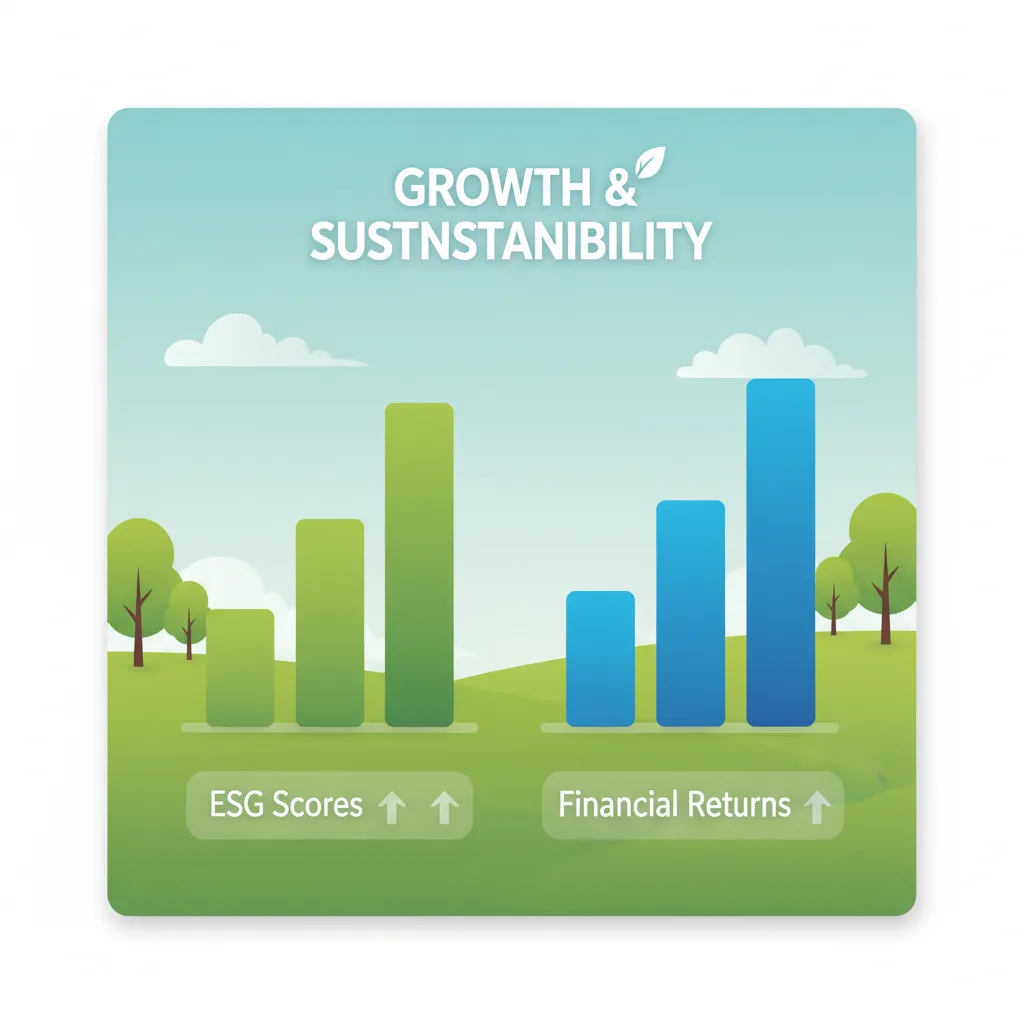
A common misconception is that eco-friendly investments come at the cost of financial performance. However, numerous studies and real-world data demonstrate that companies with strong ESG practices often outperform their peers over the long term. This isn’t surprising when you consider the benefits:
- Reduced Operational Costs: Companies committed to environmental sustainability often implement energy-efficient practices, reduce waste, and optimize resource use, leading to lower operating expenses.
- Enhanced Innovation: A focus on sustainability can drive innovation, leading to new products, services, and business models that address global challenges and tap into emerging markets.
- Stronger Brand Reputation: Companies with positive social and environmental records tend to have stronger brand loyalty, attract top talent, and maintain better relationships with regulators and communities.
- Mitigated Risks: Proactive management of environmental and social risks (e.g., climate change impacts, supply chain disruptions, labor disputes) can prevent costly litigation, regulatory fines, and reputational damage. This is particularly relevant for
long-term sustainable investing. - Access to Capital: As green finance gains traction, companies with strong ESG profiles are increasingly favored by institutional investors, leading to lower costs of capital.
Many sustainable funds and ESG funds have shown competitive, and often superior, returns compared to traditional benchmarks, debunking the myth that profit and purpose are mutually exclusive.
Driving Positive Change: Environmental and Social Impact
Beyond the financial benefits, sustainable investing empowers you to be a force for good. Your capital, channeled through climate investing or social impact investing, actively supports companies and projects that are:
- Tackling Climate Change: Investing in clean energy investments, renewable energy stocks, and companies focused on decarbonization directly contributes to reducing greenhouse gas emissions and transitioning to a low-carbon economy. This is crucial for climate change investing.
- Promoting Social Equity: Supporting businesses with fair labor practices, diverse leadership, and community development initiatives helps address social inequalities and foster a more inclusive society.
- Conserving Natural Resources: Funds focused on sustainable agriculture, water management, and biodiversity protection help preserve precious ecosystems and combat resource depletion.
Every dollar invested sustainably sends a signal to the market, encouraging more companies to adopt responsible practices and fostering a virtuous cycle of positive change.
Aligning Investments with Personal Values
For many, the most compelling reason to embrace responsible investment is the ability to align their financial decisions with their personal beliefs. If you care deeply about environmental protection, human rights, or ethical governance, why would your investments contradict those values?
Investor ethics and socially conscious investing are about integrity – ensuring your money works for the causes you believe in. It provides a sense of purpose and satisfaction that goes beyond mere financial gain. This personal alignment can lead to greater peace of mind and a stronger connection to your investment journey.
Navigating the Sustainable Investment Landscape: How to Get Started
Embarking on your sustainable investing journey might seem daunting, but with a clear strategy, it’s accessible to everyone. Here’s how to invest sustainably effectively.
Defining Your Investment Goals and Values
Before diving into specific investments, take time to reflect on what truly matters to you:
- Identify Your Values: What environmental, social, or governance issues are most important? Are you passionate about climate action, gender equality, clean water, or ethical labor?
- Determine Your Impact Goals: Do you want to avoid harm (ethical screening), support best-in-class companies (ESG integration), or create specific, measurable change (impact investing)?
- Assess Your Risk Tolerance and Financial Goals: Like any investment strategy, sustainable investing should align with your broader financial plan, including your time horizon and risk appetite.
Understanding these foundational elements will guide your choices and help you build a truly sustainable portfolio.
Researching and Vetting Sustainable Funds and Companies
Due diligence is crucial. Not all investments labeled “green” or “sustainable” genuinely deliver on their promises. Be wary of “greenwashing”—companies or funds that exaggerate their environmental credentials.
- Look for Reputable Certifications: Some funds and products undergo independent verification for their sustainable claims.
- Analyze ESG Reports: Many public companies publish annual ESG or sustainability reports, providing transparent data on their practices.
- Use Third-Party Ratings: Organizations like MSCI, Sustainalytics, and CDP provide ESG ratings for companies, helping investors assess their performance.
- Read Fund Prospectuses: For
sustainable funds,ESG mutual funds, orsustainable ETFs, carefully review their prospectuses to understand their investment mandate, screening criteria, and how they integrate ESG factors.
Utilizing Ethical Investment Platforms
The rise of ethical investment platforms has made sustainable investing more accessible than ever. These platforms often curate a selection of sustainable funds, ESG funds, and individual stocks that meet specific sustainability criteria.
- Robo-Advisors: Many robo-advisors now offer socially responsible investment portfolios, often at lower fees, making it easy to get started with a diversified
sustainable portfolio. - Brokerage Platforms: Most major online brokers offer access to a wide range of sustainable ETFs and
ESG mutual funds, allowing for self-directed investing. - Specialized Platforms: Dedicated sustainable investing platforms provide deeper insights and a curated selection of truly impactful investments.
When choosing a platform, consider its fees, the breadth of its sustainable offerings, and the transparency of its ESG screening process.
Building a Sustainable Portfolio
Crafting a sustainable portfolio involves diversifying across asset classes and sectors, just like a traditional portfolio, but with a sustainability lens.
- Diversify Across ESG Themes: Don’t put all your eggs in one “green” basket. Invest in companies addressing various environmental and social issues.
- Combine Different Investment Vehicles: Mix
sustainable ETFs,ESG mutual funds, green bonds, and individualrenewable energy stocksor otherclean energy investmentsto achieve balance. - Consider Global Exposure: Sustainable innovation is happening worldwide, so don’t limit your portfolio to a single region.
- Regularly Review and Rebalance: The sustainable landscape evolves, so periodically review your investments to ensure they still align with your values and performance goals. This is a core part of responsible wealth management.
Investing sustainably is a long-term commitment that requires ongoing engagement and adaptation.

A Closer Look at Sustainable Investment Vehicles
The market offers a rich array of options for those seeking to make eco-friendly investments. Understanding these vehicles is key to building a diversified and impactful sustainable portfolio.
Sustainable Funds and ESG ETFs
Among the most popular ways to invest sustainably are sustainable funds and ESG funds, particularly in the form of Exchange Traded Funds (ETFs) and Mutual Funds.
- Sustainable ETFs: These are passively managed funds that track an index comprising companies with strong ESG profiles. They offer diversification, liquidity, and generally lower fees than actively managed funds. Examples include ETFs focused on broad ESG criteria, specific
climate investingthemes, or evenclean energy investments. - ESG Mutual Funds: These are actively managed funds where a professional fund manager selects investments based on specific ESG criteria, often combining negative screens with positive selection. They can offer more nuanced strategies but typically come with higher management fees.
Both sustainable ETFs and ESG mutual funds provide an easy entry point for investors who want broad exposure to the ethical stock market without having to research individual companies.
Green Bonds: Financing a Sustainable Future
Green bonds are a unique fixed-income instrument designed to fund projects that have positive environmental or climate benefits. When you invest in a green bond, you’re essentially lending money to governments, companies, or organizations specifically for projects like:
- Renewable energy infrastructure (solar farms, wind parks)
- Energy efficiency improvements
- Sustainable waste management
- Clean transportation
- Biodiversity conservation
These bonds typically offer comparable returns to conventional bonds but provide the added assurance that your capital is directly contributing to environmental solutions. They are a direct form of green finance and a powerful tool for climate change investing.
Investing in Clean Energy and Renewable Energy Stocks
The transition to a low-carbon economy is creating immense opportunities in the clean energy sector. Investing in clean energy investments and renewable energy stocks directly supports companies at the forefront of this revolution. This includes:
- Solar Energy: Manufacturers of solar panels, solar project developers, and companies providing solar power solutions.
- Wind Energy: Turbine manufacturers, wind farm operators, and offshore wind technology providers.
- Hydroelectric Power: Companies involved in developing and managing hydro-power projects.
- Geothermal Energy: Firms utilizing the Earth’s heat for power generation.
- Energy Storage: Companies developing batteries and other technologies crucial for integrating intermittent renewable energy sources into the grid.
These investments are central to climate investing and can offer significant growth potential as the world accelerates its decarbonization efforts. For more insights on this sector, you might find valuable information on “The Electric Revolution: Guide to EVs & Sustainable Driving” at https://hyperdaily.one/blog/the-electric-revolution-guide-evs-sustainable-driving/.
Divesting from Fossil Fuels: A Strategic Choice
A significant component of sustainable investing for many is divesting from fossil fuels. This involves selling off investments in companies that derive a substantial portion of their revenue from the exploration, extraction, or processing of coal, oil, and natural gas.
The rationale behind divesting is multifaceted:
- Ethical Alignment: For
socially conscious investing, it aligns your portfolio with a commitment to combating climate change. - Risk Mitigation: Fossil fuel companies face increasing regulatory risks, carbon taxes, and the long-term threat of stranded assets as the world transitions to cleaner energy sources.
Divesting from fossil fuelscan reduce exposure to these systemic risks. - Supporting the Green Economy: By shifting capital away from fossil fuels, investors can reallocate funds to more sustainable and forward-looking industries.
While it’s a strategic decision for individual investors, the broader divestment movement has put significant pressure on traditional energy companies to transition and spurred growth in clean energy investments.
Trends and the Future of Green Finance
The landscape of sustainable finance trends is dynamic, continually evolving with technological advancements, regulatory shifts, and growing investor demand. The future promises even greater integration of sustainability into the core of financial decision-making.
The Growing Influence of Green Finance
Green finance refers to any financial product or service that facilitates environmentally friendly investments. Its influence is expanding rapidly, driven by:
- Government Policies: Many governments worldwide are implementing policies to incentivize green investments, such as tax breaks for renewable energy projects or regulations promoting sustainable infrastructure.
- Corporate Commitments: An increasing number of corporations are setting ambitious net-zero targets and seeking green financing options to fund their sustainability initiatives.
- Investor Demand: Retail and institutional investors alike are demanding more sustainable options, pushing financial institutions to innovate and expand their green product offerings.
This burgeoning ecosystem includes everything from green mortgages and sustainable insurance products to specialized climate risk analytics, making it easier than ever to make eco-friendly investments.
Innovations in Sustainable Finance Trends
Technological innovation is a major driver of new opportunities in sustainable investing:
- AI and Data Analytics: Artificial intelligence is revolutionizing how ESG data is collected, analyzed, and integrated into investment strategies. AI can process vast amounts of unstructured data (news articles, social media, company reports) to provide real-time ESG insights, helping investors identify genuinely sustainable companies and avoid greenwashing. This intersection of AI and sustainability is a fascinating area, as explored in articles like “Sustainable AI: Eco-Friendly Innovation for a Greener Digital Future” at https://hyperdaily.one/blog/sustainable-ai-eco-friendly-innovation-greener-digital-future/.
- Blockchain for Transparency: Blockchain technology can enhance transparency and traceability in sustainable supply chains and impact investing, verifying the authenticity of green claims and the impact of projects.
- Thematic Investing: A surge in thematic funds focusing on specific sustainability challenges like water scarcity, circular economy, or biodiversity is providing targeted
social impact investingopportunities.
These innovations are making long-term sustainable investing more sophisticated, transparent, and potentially more impactful.
The Role of Technology in Personal Finance Sustainability
Technology is not only transforming institutional investing but also empowering individuals in their personal finance sustainability journey.
- Personalized ESG Insights: Mobile apps and online platforms are offering tools that allow individuals to analyze the ESG footprint of their existing investments and discover new sustainable options tailored to their values.
- Micro-Investing for Impact: Apps that round up spare change and invest it into sustainable portfolios are making
eco-friendly investmentsaccessible to everyone, regardless of their capital. - Gamification of Green Finance: Some platforms are gamifying sustainable choices, encouraging users to track their environmental impact and compete with friends in making greener financial decisions.
Technology is breaking down barriers, enabling more people to participate in and benefit from the growth of green finance.
Common Misconceptions and Challenges
While the benefits of sustainable investing are clear, it’s important to address common misconceptions and challenges to ensure a realistic and effective approach.
Addressing Greenwashing
One of the biggest concerns for investors is greenwashing. This occurs when companies or funds exaggerate their environmental or social credentials to appear more sustainable than they actually are. It can mislead investors and undermine trust in the entire sustainable finance sector.
- How to spot it: Look for vague claims without specific metrics, PR-driven initiatives without fundamental operational changes, or a company promoting one green aspect while neglecting others.
- Mitigation: Rely on independent ESG ratings, read detailed reports, and scrutinize fund prospectuses. Ethical investment platforms with strong vetting processes can also help.
Performance Myths vs. Reality
Another persistent myth is that eco-friendly investments necessarily underperform traditional ones. While historical performance is not a guarantee of future results, a growing body of evidence suggests that companies with strong ESG practices are often more resilient and deliver competitive, if not superior, returns over the long term.
- Long-term Focus: Sustainable investing is often a
long-term sustainable investingstrategy, where the benefits of good governance and reduced environmental/social risks compound over time. - Risk-Adjusted Returns: When considering risk-adjusted returns, sustainable portfolios can often outperform, as they are less exposed to certain environmental and social liabilities that can hit traditional investments hard.
The reality is that integrating ESG factors into investment decisions is increasingly recognized as a powerful tool for enhancing risk-adjusted returns, not detracting from them.
Data Gaps and Standardization Challenges
Despite advancements, challenges remain in the standardization and availability of robust ESG data. Companies may report different metrics, making direct comparisons difficult. However, efforts by global organizations and regulatory bodies are underway to create more consistent and reliable ESG reporting standards, which will further strengthen the foundation of sustainable investing.

Conclusion: Investing in a Prosperous and Responsible Tomorrow
The journey into sustainable investing is more than just a financial strategy; it’s a commitment to a future where prosperity and planetary well-being go hand-in-hand. We’ve explored how ethical investing, ESG investing, and impact investing provide powerful avenues to align your capital with your conscience, fostering both financial growth and positive change. From the tangible benefits of green bonds and renewable energy stocks to the nuanced strategies of sustainable funds and ESG mutual funds, the tools for building a sustainable portfolio are abundant and accessible.
By understanding how to invest sustainably, utilizing ethical investment platforms, and staying informed about sustainable finance trends, you become an active participant in shaping a better world. Your decisions today, whether divesting from fossil fuels or channeling funds into clean energy investments, contribute to a more resilient, equitable, and environmentally sound tomorrow. It’s an empowering form of responsible wealth management that recognizes the intrinsic link between our investments and the health of our planet and society.
Start your long-term sustainable investing journey today. Research best sustainable investments that resonate with your values. Seek out responsible investment opportunities that promise both purpose and profit. The future is green, and your investments can help cultivate it.
FAQs
Q1. What is sustainable investing?
Sustainable investing is an investment approach that considers environmental, social, and governance (ESG) factors alongside traditional financial metrics to generate long-term financial returns and positive societal impact.
Q2. How is ethical investing different from ESG investing?
Ethical investing often focuses on negative screens, excluding industries based on moral or religious beliefs. ESG investing, while encompassing ethical considerations, takes a more comprehensive approach by actively integrating environmental, social, and governance factors into the investment analysis to identify well-managed and resilient companies.
Q3. Can I achieve competitive returns with sustainable investments?
Yes, numerous studies and historical data suggest that companies with strong ESG performance often demonstrate financial resilience and competitive, and sometimes superior, returns compared to traditional investments over the long term. Integrating ESG factors can also help mitigate risks.
Q4. What are some examples of sustainable investment options?
Popular sustainable investment options include sustainable funds (like sustainable ETFs and ESG mutual funds), green bonds, clean energy investments (such as renewable energy stocks in solar and wind), and direct investments in companies with strong ESG profiles.
Q5. How can I start building a sustainable portfolio?
Begin by defining your personal values and impact goals. Then, research ethical investment platforms or financial advisors specializing in sustainable investing. Diversify your investments across different sustainable themes and asset classes, and regularly review your portfolio’s alignment with your goals.
Q6. What is greenwashing, and how can I avoid it?
Greenwashing is when a company or fund misleadingly presents itself as more environmentally friendly or socially responsible than it truly is. To avoid it, look for credible third-party ESG ratings, read detailed sustainability reports, and be wary of vague or unsubstantiated claims.
Q7. Is divesting from fossil fuels a good strategy for sustainable investing?
For many socially conscious investing strategies, divesting from fossil fuels is a key component. It aligns investments with climate action and can help mitigate financial risks associated with the long-term decline of fossil fuel industries and increasing regulatory pressures.
Q8. What role does technology play in the future of green finance?
Technology, particularly AI and blockchain, is revolutionizing green finance by enabling more sophisticated ESG data analysis, enhancing transparency in supply chains, and offering personalized sustainable investment tools for individuals, driving sustainable finance trends forward.