Harvesting Innovation: How AI is Revolutionizing Precision Agriculture
Introduction
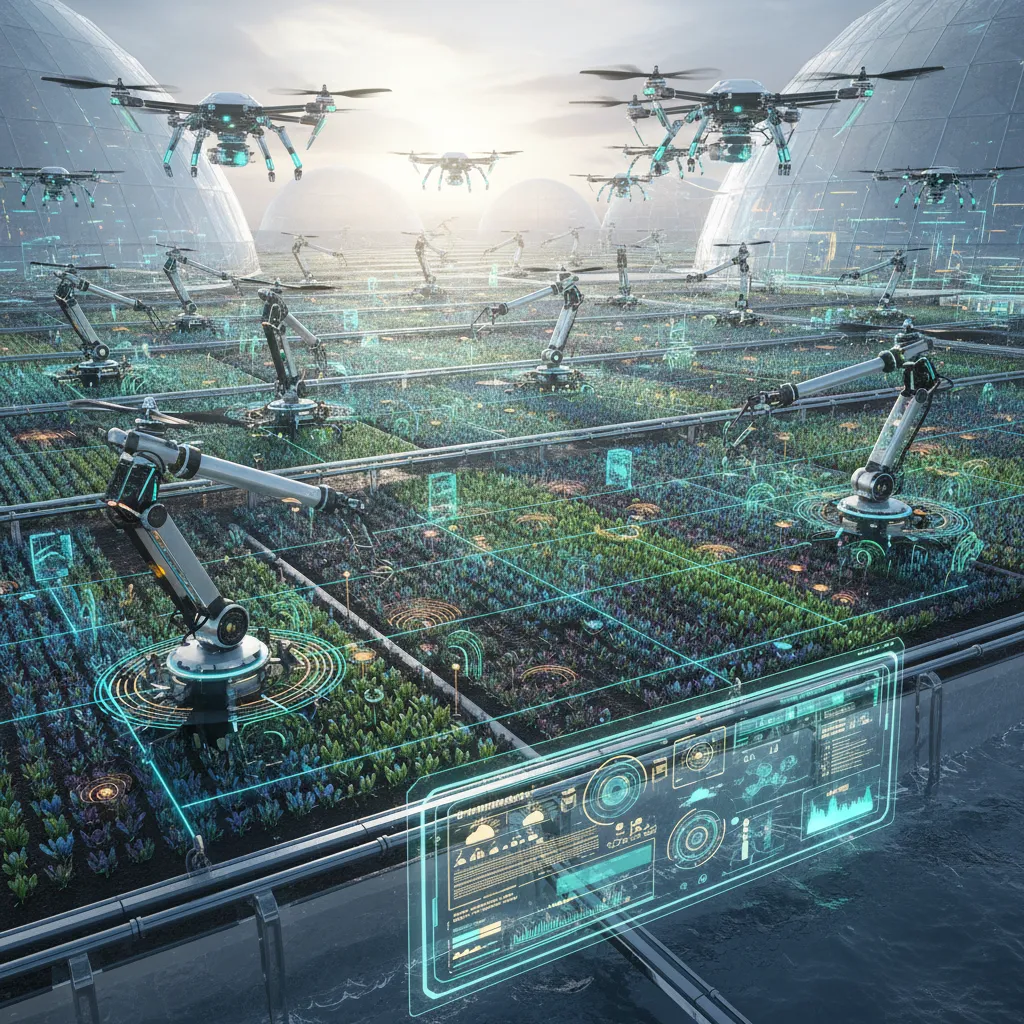
For millennia, agriculture has been the bedrock of human civilization, evolving from rudimentary tools to sophisticated machinery. Today, we stand at the precipice of another monumental shift, one powered by artificial intelligence (AI). The integration of AI into farming practices, often termed AI agriculture or Agritech AI, is no longer a futuristic concept but a rapidly unfolding reality. This transformative wave is ushering in an era of precision farming, a data-driven approach that optimizes every aspect of crop and livestock management for unprecedented efficiency, productivity, and sustainability.
The global population continues to grow, demanding ever-increasing food production while simultaneously facing unprecedented challenges from climate change, resource scarcity, and environmental degradation. Traditional farming methods, while resilient, often struggle with inefficiencies, over-reliance on chemical inputs, and reactive decision-making. This is where AI applications in farming emerge as a powerful solution. By leveraging vast amounts of data, advanced algorithms, and machine learning capabilities, AI empowers farmers to make informed, proactive decisions, transforming the landscape of food production.
In this comprehensive exploration, HyperDaily delves into how AI is revolutionizing precision agriculture. We’ll uncover the key technologies, practical applications, and profound benefits that AI brings to the field, from intelligent crop monitoring and yield optimization to robotic assistance and climate resilience. Join us as we harvest the innovations shaping the future of farming AI and building a more sustainable and productive agricultural world.
The Dawn of a New Agricultural Era: Understanding Precision Agriculture
Precision agriculture is a farm management concept based on observing, measuring, and responding to inter and intra-field variability in crops. Its goal is to define a decision support system for whole farm management with the goal of optimizing returns on inputs while preserving resources. Historically, this has involved technologies like GPS, GIS, and remote sensing. However, the true game-changer has arrived: AI.
What is Precision Agriculture?
At its heart, precision agriculture is about doing the right thing, in the right place, at the right time, and in the right way. Instead of treating an entire field uniformly, precision farming recognizes the variability within a field – differences in soil composition, moisture levels, nutrient availability, pest infestations, and crop health. By gathering and analyzing data about these variations, farmers can apply resources like water, fertilizer, and pesticides precisely where and when they are needed, rather than using a blanket approach. This leads to reduced waste, lower costs, and increased environmental protection.
Why AI is the Game-Changer for Modern Farming
While traditional precision farming technologies laid the groundwork, AI elevates the capabilities exponentially. AI provides the intelligence to not just collect data but to interpret it, identify patterns, make predictions, and even automate actions. Here’s why AI is revolutionizing precision agriculture:
- Data Analysis on an Unprecedented Scale: Farms generate enormous amounts of data from sensors, drones, satellites, and equipment. AI, particularly machine learning agriculture and deep learning farming, can process and make sense of this data far beyond human capacity, uncovering insights that would otherwise remain hidden.
- Predictive Power: AI’s ability to learn from historical data allows for highly accurate predictions. This means predicting crop yields, potential disease outbreaks, optimal planting times, and future weather patterns, enabling proactive management.
- Automation and Robotics: AI is the brain behind robotic farming AI and autonomous farm equipment, automating repetitive and labor-intensive tasks, reducing human error, and allowing farmers to focus on strategic decisions.
- Real-time Decision Making: With intelligent farming systems, AI provides real-time recommendations and insights, allowing farmers to adjust their strategies dynamically to changing conditions.
- Resource Optimization: AI algorithms can precisely determine the exact amount of water (AI in irrigation, AI for water management in farming) or nutrients (AI for soil analysis) required, leading to significant savings and reducing environmental impact.
The fusion of AI with established precision agriculture technology creates a powerful synergy, paving the way for truly smart farming solutions AI that are both productive and sustainable.
Core Applications of AI in Revolutionizing the Farm
The practical AI applications in farming are diverse and impactful, touching nearly every aspect of the agricultural lifecycle. From seed to harvest, AI is enhancing efficiency, reducing risks, and boosting profitability.
AI-Powered Crop Monitoring and Health Management
One of the most critical areas where AI makes a difference is in keeping a watchful eye over crops. Traditional methods often involve manual inspections, which are time-consuming, labor-intensive, and prone to human error, especially across vast fields.
The Rise of Drone AI Agriculture and Computer Vision
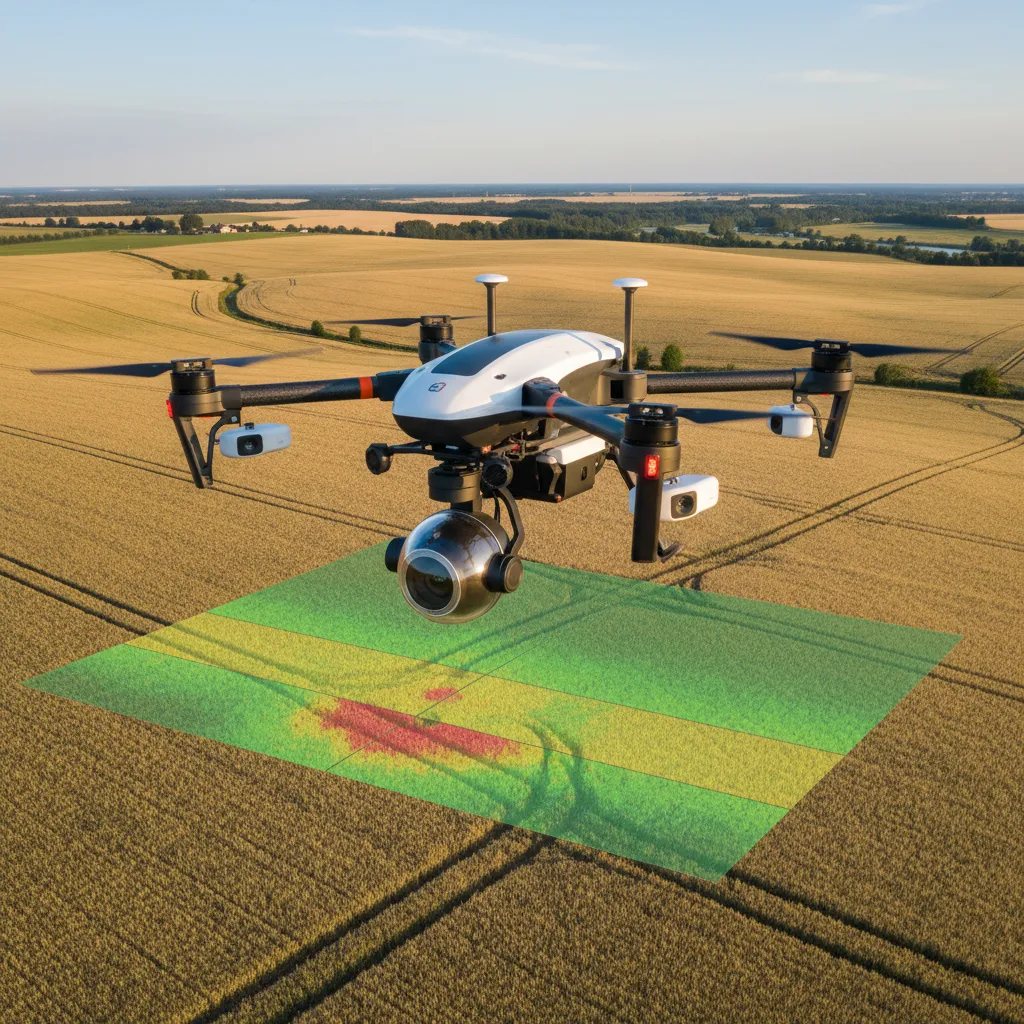
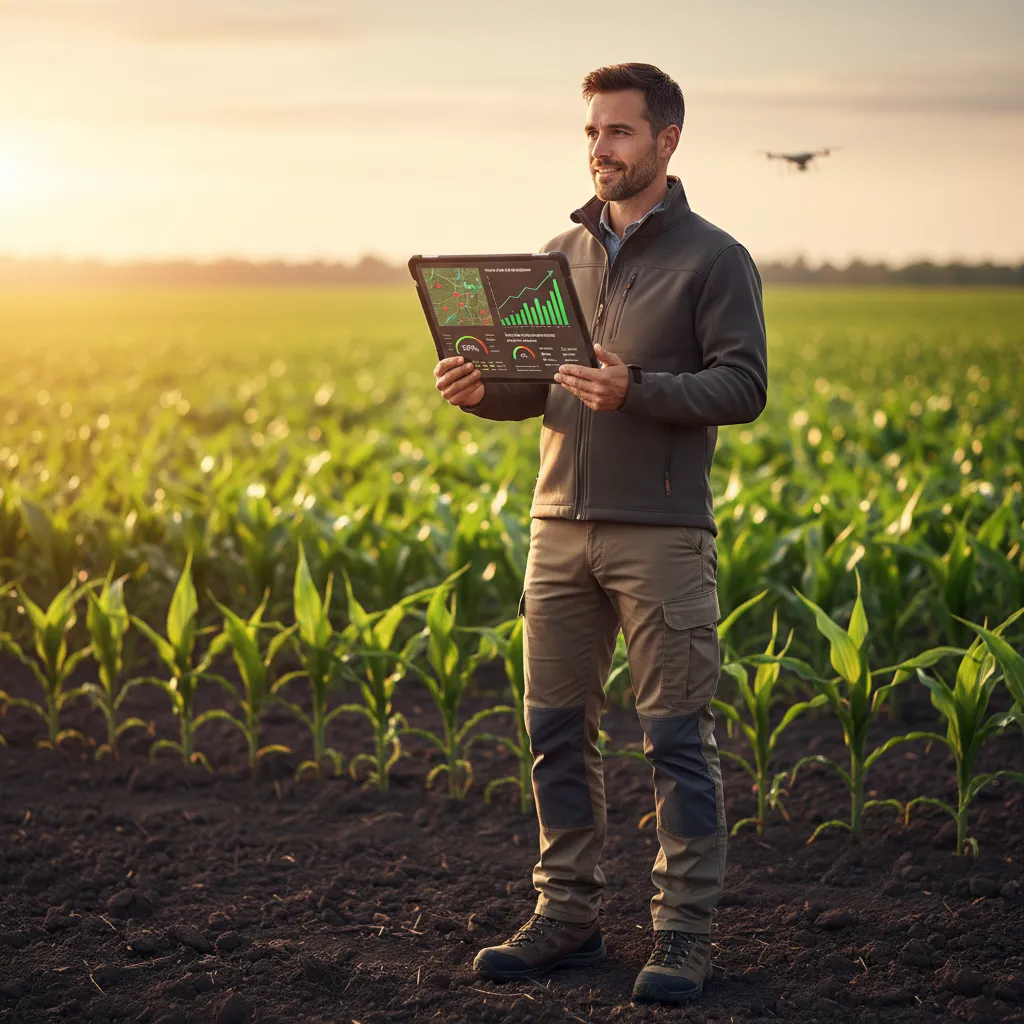
Enter drone AI agriculture. Drones equipped with high-resolution cameras and specialized sensors (multispectral, hyperspectral, thermal) collect vast amounts of visual data from above. This data is then fed into AI systems powered by computer vision agriculture. AI algorithms analyze these images to:
- Detect Plant Health Issues: Identify early signs of disease, nutrient deficiencies, or pest infestations, often before they are visible to the human eye. Different wavelengths can reveal stressed plants, allowing for targeted intervention.
- Weed Mapping: Precisely map out weed locations, enabling spot spraying rather than broad application of herbicides.
- Growth Tracking: Monitor crop growth rates and development, providing insights into overall field performance and potential yield variations.
- Stand Counts: Accurately count plants after emergence to assess planting density and identify areas needing replanting.
This allows farmers to apply treatments only where necessary, reducing chemical usage, saving costs, and promoting healthier ecosystems.
AI for Pest Detection and Disease Forecasting
Beyond simple identification, AI can predict future outbreaks. By analyzing historical weather data, pest migration patterns, and current crop conditions, AI for pest detection models can forecast the likelihood of specific pests or diseases emerging. This enables farmers to deploy preventative measures or targeted treatments, minimizing crop loss and reducing the need for widespread pesticide application. This proactive approach is a cornerstone of sustainable agriculture AI.
Optimizing Yields and Resource Use
Maximizing yield while minimizing resource consumption is the holy grail of modern agriculture. AI provides the tools to achieve this balance with unprecedented precision.
AI Yield Optimization and Predictive Analytics
AI yield optimization leverages sophisticated algorithms to predict harvest yields with remarkable accuracy. By integrating data from weather forecasts, historical yield records, soil conditions, and satellite imagery, predictive analytics agriculture models can provide farmers with detailed insights into expected productivity. This information is invaluable for planning logistics, marketing crops, and making informed decisions about resource allocation. For instance, if an AI model predicts a lower yield in a specific area due to unforeseen stress, farmers can adjust irrigation or nutrient application to mitigate the impact.
AI for Soil Analysis and Targeted Fertilization
Soil is the foundation of agriculture, and understanding its composition is critical. Traditionally, soil testing involves sending samples to labs, which can be time-consuming and provide a limited snapshot. AI changes this.
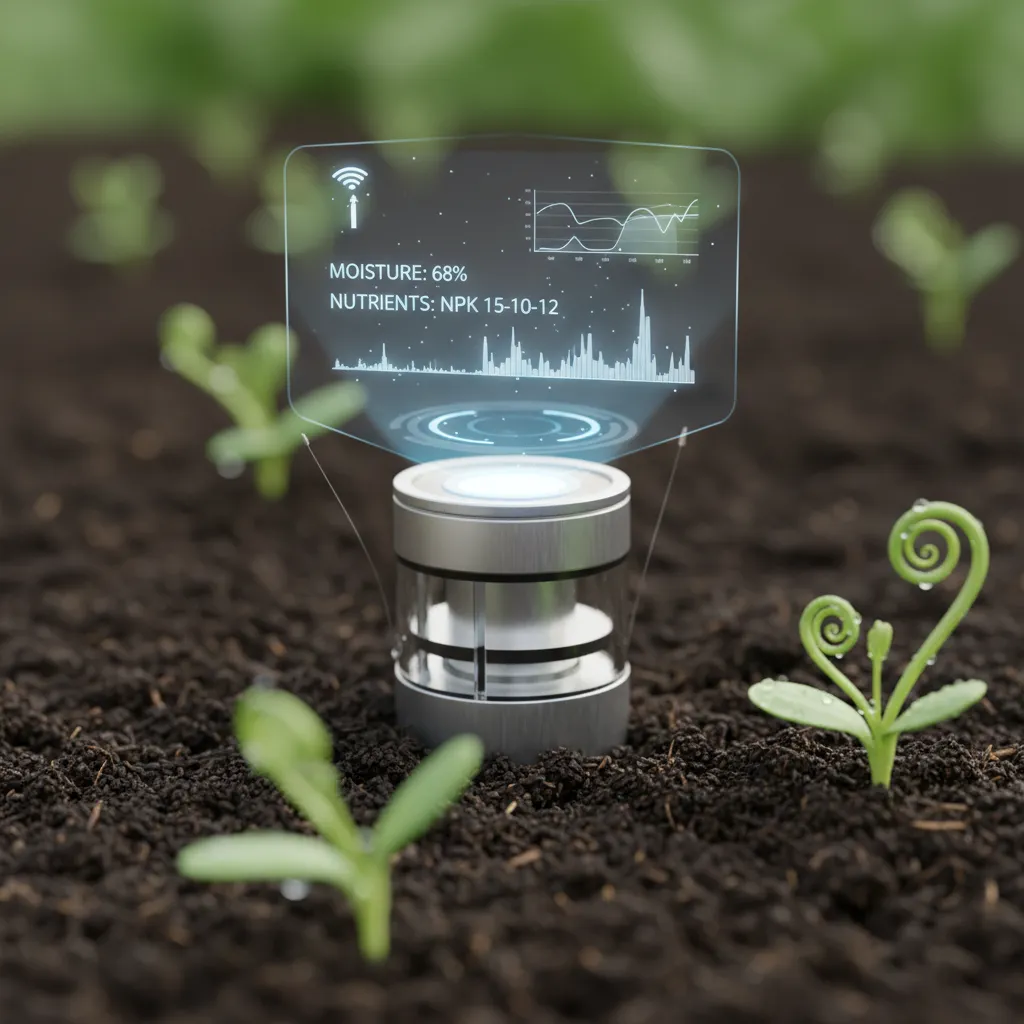
AI for soil analysis uses sensors, imaging, and historical data to continuously monitor soil properties like nutrient levels, pH, and moisture. AI algorithms can then interpret this data to create detailed nutrient maps. This allows for highly targeted application of fertilizers, ensuring plants receive exactly what they need, exactly where they need it. This dramatically reduces fertilizer waste, cuts costs, and prevents nutrient runoff into waterways, a major environmental concern.
AI in Irrigation and Water Management
Water scarcity is a growing global challenge, making efficient AI for water management in farming paramount. AI in irrigation systems uses real-time data from soil moisture sensors, weather forecasts, and even crop physiological needs to determine the optimal irrigation schedule and amount. Instead of rigid watering schedules, AI systems can adapt dynamically, delivering water only when and where it’s truly needed. This can lead to substantial water savings, crucial for regions facing drought. Imagine a field where different zones receive varying amounts of water based on hyper-local needs, all orchestrated by an intelligent AI.
Autonomous Farm Equipment and Robotic Farming
The image of a lone farmer toiling in the fields is rapidly being replaced by visions of automated machinery working in harmony, thanks to AI.
Robotic Farming AI: From Planting to Harvesting
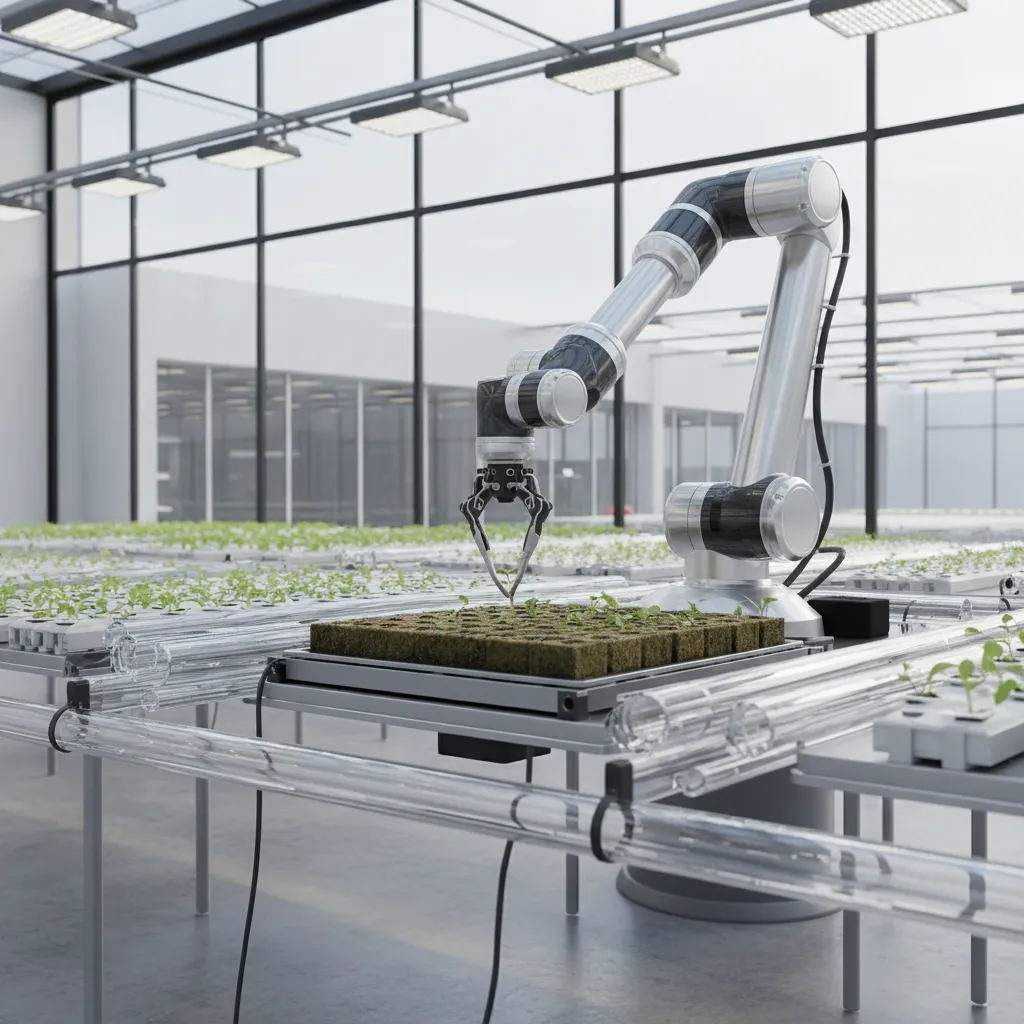
Robotic farming AI encompasses a range of automated solutions designed to perform tasks with precision and efficiency. These robots can handle delicate tasks that require high accuracy, such as:
- Precision Planting: Robotic planters can place seeds at optimal depths and spacings, maximizing germination and growth potential. This is particularly valuable in vertical farming AI and controlled environment agriculture, where every inch of space is optimized.
- Automated Harvesting: Robots equipped with computer vision can identify ripe fruits and vegetables and harvest them gently, reducing spoilage and labor costs.
- Weeding Robots: Small, autonomous robots can patrol fields, identifying and physically removing weeds, significantly reducing the reliance on chemical herbicides.
Autonomous Farm Equipment for Large-Scale Operations
Beyond small-scale robots, AI is driving the development of autonomous farm equipment for larger operations. Self-driving tractors, sprayers, and harvesters are becoming increasingly common. These machines use GPS, lidar, radar, and AI algorithms to navigate fields, avoid obstacles, and perform tasks with unparalleled accuracy. They can operate 24/7, unhindered by fatigue, leading to higher productivity and more timely completion of critical tasks like planting and harvesting. This innovation addresses labor shortages in agriculture and ensures operations can run smoothly even in challenging conditions.
Intelligent Farm Management and Decision Making
AI doesn’t just automate tasks; it empowers farmers with superior insights for strategic decision-making, transforming farms into truly intelligent farming systems.
Machine Learning and Deep Learning in Farm Management
At the core of this intelligence are machine learning agriculture and deep learning farming. These AI subsets analyze vast datasets from various sources – weather, market prices, equipment performance, yield history, and sensor data – to provide comprehensive dashboards and actionable recommendations. Farmers can access insights on everything from optimal planting schedules and fertilizer application rates to disease risk assessment and irrigation needs. This data-driven approach allows for dynamic adjustments, moving from reactive problem-solving to proactive management.
IoT in Agriculture AI: Connecting the Farm
The IoT in agriculture AI (Internet of Things) plays a crucial role by connecting all aspects of the farm. Sensors embedded in soil, drones flying overhead, smart irrigation systems, and autonomous machinery all communicate data in real-time. AI then acts as the central brain, processing this continuous stream of information to create a holistic view of the farm’s health and operational status. This interconnected ecosystem enables truly AI farm management, where every component works in concert to achieve optimal outcomes. [Related: Safeguarding the Sanctuary: Smart Home Security & Privacy in the AI Era] demonstrates how connected devices are managed intelligently.
Precision Livestock Farming and Smart Greenhouses
AI’s reach extends beyond traditional crop fields, enhancing the productivity and welfare of livestock and revolutionizing controlled environment agriculture.
Precision Livestock Farming AI
In livestock operations, precision livestock farming AI uses sensors and computer vision to monitor individual animals. This includes tracking activity levels, feeding patterns, body temperature, and even facial recognition for identification. AI systems can detect early signs of illness, monitor reproductive cycles, and optimize feeding regimens, leading to healthier animals, reduced veterinary costs, and increased productivity in dairy, poultry, and beef farming. This level of individual attention was previously impossible on large farms.
Smart Greenhouses AI
Smart greenhouses AI represent the cutting edge of controlled environment agriculture. AI systems in greenhouses manage light, temperature, humidity, CO2 levels, and nutrient delivery with unparalleled precision. By continuously monitoring environmental parameters and plant growth, AI optimizes conditions for maximum yield and quality, often predicting the best harvest times. This is particularly vital for vertical farming AI, where environmental control is paramount for success, allowing for year-round production regardless of external climate conditions.
Beyond the Field: AI’s Impact on the Agricultural Ecosystem
The revolution brought by AI in agriculture extends beyond individual farm operations, influencing broader themes of sustainability, global food security, and economic development.
Sustainable Agriculture and Climate Resilience with AI
One of the most profound impacts of AI in agriculture is its contribution to sustainability and resilience against climate change. The precise application of resources through AI-driven systems directly reduces waste and environmental footprint.
Reducing Environmental Impact with Sustainable Agriculture AI
Sustainable agriculture AI actively combats several environmental challenges:
- Reduced Chemical Usage: Targeted pest and weed control, driven by AI-powered detection, significantly lowers the volume of pesticides and herbicides released into the environment.
- Water Conservation: AI-driven irrigation systems (AI for water management in farming) ensure water is used judiciously, conserving this precious resource, especially critical in arid regions.
- Soil Health: Precise fertilization based on AI for soil analysis prevents nutrient runoff, protecting water bodies from pollution and maintaining soil fertility over the long term.
These practices lead to healthier ecosystems, preserved biodiversity, and a reduced carbon footprint, aligning agriculture with global sustainability goals. [Related: Sustainable Style: Eco-Friendly Fashion Choices] also explores how technology drives sustainable practices in another industry.
AI and Climate Resilient Agriculture
Climate change presents unprecedented challenges to agriculture, from extreme weather events to shifting growing seasons. AI and climate resilient agriculture equip farmers with tools to adapt and mitigate these impacts:
- Early Warning Systems: AI models can analyze climate data to predict severe weather events, allowing farmers to take protective measures for crops and livestock.
- Crop Adaptation: AI can help identify and develop climate-resilient crop varieties by analyzing genetic data and environmental responses.
- Optimized Planting Schedules: AI adjusts planting and harvesting times based on predicted climate shifts, ensuring crops are cultivated during optimal windows.
- Carbon Sequestration: AI can help measure and optimize practices that sequester carbon in soil, turning farms into potential carbon sinks.
The Role of AI in Global Food Production
With a projected global population of nearly 10 billion by 2050, ensuring adequate food supply is a monumental task. AI in food production is a crucial enabler for meeting this demand. By boosting yields, reducing waste, and making farming more efficient across the globe, AI helps to secure food availability and affordability. It democratizes access to advanced farming techniques, potentially empowering smallholder farmers in developing nations with tools that were once the exclusive domain of large commercial operations. From reducing post-harvest losses through intelligent logistics to optimizing supply chains, AI touches every stage of the food journey from farm to fork.
Empowering Agricultural AI Startups and Future Innovations
The rapid advancements in Agritech AI have ignited a boom in innovation. Agricultural AI startups are emerging globally, developing specialized solutions for niche problems, from insect farming with AI to hyper-local weather forecasting. These startups often leverage breakthroughs in machine learning agriculture and deep learning farming to create scalable, impactful technologies.
The future of farming AI is dynamic and exciting. We can anticipate even more sophisticated autonomous systems, further integration of biotech with AI for crop enhancement, and AI-driven platforms that connect farmers directly to consumers, creating more transparent and efficient food systems. The continuous evolution of AI will likely lead to entirely new farming paradigms, further blurring the lines between technology and biology.
Challenges and the Road Ahead for AI in Agriculture
While the benefits of AI in agriculture are compelling, the journey to widespread adoption is not without its hurdles. Understanding these challenges is crucial for fostering a robust and equitable future for Agritech AI.
Data Privacy, Accessibility, and the Digital Divide
A significant challenge lies in data privacy and ownership. Farmers generate vast amounts of data, and questions arise about who owns this data, how it’s used, and how it’s protected from misuse. Clear regulations and ethical frameworks are essential to build trust and ensure farmers benefit from their data.
Furthermore, the digital divide remains a pertinent issue. Access to reliable internet connectivity, advanced hardware, and the technical expertise required to implement and manage AI solutions is not universal, particularly in rural and developing regions. This can exacerbate existing inequalities, leaving some farmers behind. Bridging this gap through infrastructure development, affordable technology, and robust training programs is paramount. [Related: Navigating the Future Imperative: Ethical AI in a Smart World] highlights the broader ethical considerations of AI.
High Initial Costs and Complexity
The initial investment in precision agriculture technology can be substantial. AI-powered sensors, drones, autonomous equipment, and sophisticated software platforms often come with a high price tag. While the long-term return on investment (ROI) is often positive through increased efficiency and yield, the upfront capital expenditure can be a significant barrier for many farmers, especially small and medium-sized operations. Moreover, the complexity of integrating diverse AI systems and the need for continuous software updates and maintenance can be daunting.
Technical Skills Gap and Trust in AI
Implementing and managing intelligent farming systems requires a new set of skills. Farmers and agricultural workers need to understand data analytics, operate complex software, and troubleshoot AI-powered machinery. A significant technical skills gap exists, necessitating extensive training and education initiatives. Without proper understanding and training, there can be a lack of trust in AI recommendations, hindering adoption. Farmers, accustomed to generations of traditional wisdom, need to see tangible, reliable results to fully embrace these new technologies.
The Human Element: Farmers as Decision-Makers
Despite the increasing autonomy of AI in agriculture, the role of the farmer remains irreplaceable. AI is a powerful tool, but it should augment human decision-making, not replace it entirely. Farmers bring invaluable intuition, local knowledge, and experience that AI cannot replicate. The future lies in a collaborative approach where AI provides data-driven insights and automation for repetitive tasks, allowing farmers to focus on strategic planning, problem-solving, and the nuanced art of nurturing life.
Addressing these challenges will require concerted efforts from policymakers, technology developers, educational institutions, and the agricultural community itself. By focusing on accessibility, affordability, education, and ethical development, we can ensure that the benefits of Agritech AI are widely shared, paving the way for a more resilient and prosperous agricultural future.
Conclusion
The agricultural landscape is undergoing a profound transformation, driven by the relentless march of innovation, with artificial intelligence leading the charge. From AI-powered crop monitoring that detects issues with microscopic precision to robotic farming AI that automates labor-intensive tasks, and predictive analytics agriculture that forecasts yields with remarkable accuracy, AI is fundamentally reshaping how we grow food.
We’ve seen how AI agriculture is not just about increasing output, but about fostering sustainable agriculture AI, making farming practices more environmentally friendly, and building AI and climate resilient agriculture. The integration of precision agriculture technology with machine learning agriculture and deep learning farming allows for unprecedented efficiency in resource use, dramatically reducing waste and maximizing productivity. Whether through smart farming solutions AI in large-scale operations or specialized vertical farming AI in urban environments, the impact is undeniable.
As we look to the future of farming AI, the promise is clear: a world where food production is more efficient, sustainable, and capable of feeding a growing global population without compromising our planet. While challenges around cost, accessibility, and the digital divide remain, the ongoing advancements and the dedication of agricultural AI startups signal a future where innovation continues to flourish.
The revolution in precision agriculture, powered by AI, isn’t just about cultivating crops; it’s about cultivating a more intelligent, resilient, and sustainable future for all. It’s an invitation for us to engage with these technologies, understand their potential, and support their responsible development, ensuring that the harvest of innovation benefits every corner of our world.
FAQs
Q1. What are the primary benefits of AI in agriculture?
AI in agriculture offers numerous benefits, including increased crop yields, optimized resource usage (water, fertilizer, pesticides), reduced labor costs through automation, improved animal welfare, enhanced sustainability, and greater resilience to climate change. It allows for data-driven, precise decision-making across all farm operations.
Q2. How do drones use AI in farming?
Drones in AI agriculture are equipped with cameras and sensors (multispectral, thermal) that collect imagery data from fields. AI-powered computer vision algorithms then analyze this data to identify plant health issues, pest infestations, weed locations, track crop growth, and assess irrigation needs, enabling targeted interventions and efficient monitoring.
Q3. What is precision livestock farming?
Precision livestock farming AI uses sensors, computer vision, and AI algorithms to monitor individual animals within a herd. It tracks their health, behavior, feeding patterns, and environmental conditions to detect early signs of disease, optimize feeding, manage reproduction, and improve overall animal welfare and productivity.
Q4. How does AI help with water management in farming?
AI for water management in farming integrates data from soil moisture sensors, weather forecasts, and crop-specific water requirements. AI algorithms then optimize irrigation schedules and water volumes, delivering water precisely when and where it’s needed, significantly reducing water waste and conserving this vital resource.
Q5. What are some examples of robotic farming AI?
Robotic farming AI includes autonomous tractors for tilling and planting, robotic arms for precise planting and delicate harvesting of fruits and vegetables, and small autonomous robots for targeted weeding. These machines increase efficiency, reduce manual labor, and enhance precision in various farm tasks.
Q6. Can AI help make agriculture more sustainable?
Absolutely. Sustainable agriculture AI contributes significantly to sustainability by reducing the overuse of chemicals (pesticides, herbicides, fertilizers) through targeted application, conserving water with intelligent irrigation, and optimizing resource allocation to minimize environmental impact. It also aids in developing climate-resilient practices.
Q7. What is AI yield optimization?
AI yield optimization uses predictive analytics agriculture, machine learning, and deep learning algorithms to forecast crop yields with high accuracy. By analyzing vast datasets including weather, soil conditions, historical yields, and imagery, AI helps farmers make informed decisions to maximize harvest potential and manage expectations.
Q8. What challenges does AI face in agriculture?
Key challenges for AI in agriculture include the high initial cost of technology, the need for reliable internet connectivity in rural areas, data privacy and ownership concerns, and a significant technical skills gap among farmers. Building trust in AI recommendations and integrating complex systems also present hurdles.