Eco-Smart Living: Sustainable Tech for a Greener Home & Future
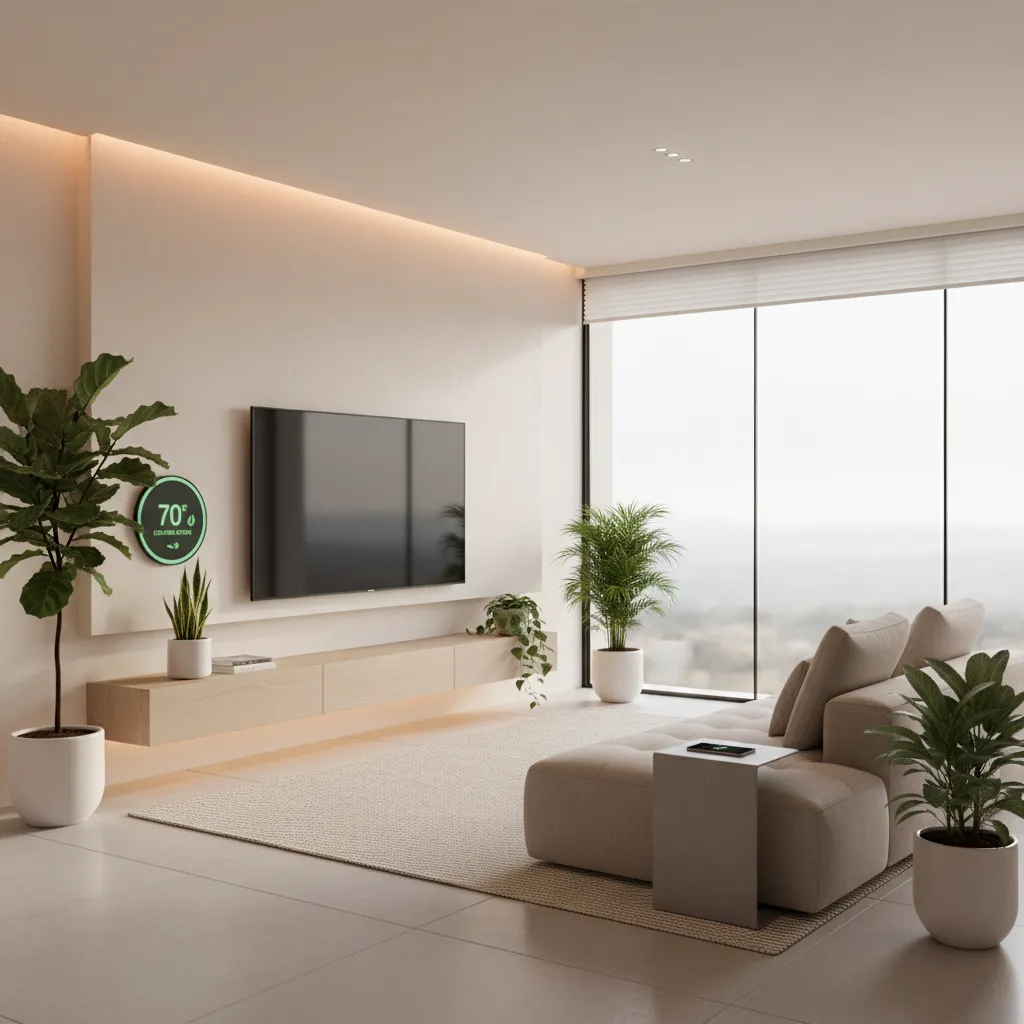
The conversation around smart homes has evolved. It’s no longer just about convenience—asking a voice assistant to play a song or dim the lights. Today, the most innovative homes are at the intersection of technology and ecology. This is the dawn of the eco-smart home, a residence that leverages cutting-edge automation and connectivity not just for comfort, but for a profound purpose: to create a sustainable, efficient, and healthy living environment.
As energy costs climb and environmental concerns become more urgent, homeowners are seeking practical ways to reduce their carbon footprint. The answer isn’t about sacrificing modern comforts; it’s about upgrading them. This guide delves into the world of sustainable home tech, exploring how green living technology can transform your house into a sanctuary of efficiency. We’ll uncover how to slash your energy bills, conserve precious resources, and build a greener future, one smart device at a time. From AI-powered energy management to simple DIY solutions, you’re about to discover a smarter way to live.
What Exactly is an Eco-Smart Home? Beyond the Buzzwords
An eco-smart home is a residence where connected devices and automated systems work in harmony to optimize the consumption of energy and natural resources. It’s about building an intelligent ecosystem that minimizes waste, reduces your smart home carbon footprint, and promotes a healthier lifestyle, all while making your life easier.
The core principles of this sustainable lifestyle technology are:
- Energy Efficiency: Actively monitoring and minimizing the use of electricity and gas through intelligent controls for heating, cooling, and lighting.
- Resource Conservation: Using technology to reduce water consumption and manage household waste more effectively.
- Healthy Environment: Leveraging smart devices to monitor and improve indoor air quality, creating a safer and more comfortable living space.
- Data-Driven Decisions: Providing homeowners with clear, actionable data about their consumption habits, empowering them to make more sustainable choices.
Ultimately, an energy efficient smart home isn’t just a collection of gadgets. It’s a holistic approach to modern living where technology serves both the inhabitants and the planet.
The Foundation of Energy Efficiency: Smart Climate and Lighting Control
For most households, heating, cooling, and lighting represent the largest slices of the energy pie. This is where eco friendly home automation delivers its most significant and immediate impact, offering substantial savings and a dramatically reduced environmental footprint.
Smart Thermostats: Your Home’s Energy Brain
Forget the old manual thermostat dial. Modern smart thermostats are the central command for your home’s climate, learning your habits to create a perfectly optimized heating and cooling schedule.
Devices like the Google Nest Learning Thermostat and the Ecobee Smart Thermostat go far beyond simple programming. They use a combination of sensors, algorithms, and even your phone’s location (geofencing) to know when you’re home, away, or asleep. This intelligence allows them to adjust the temperature automatically, so you’re not wasting energy heating or cooling an empty house.
The result? The EPA’s ENERGY STAR program estimates that homeowners can save an average of 8% on heating and cooling bills with a certified smart thermostat. This focus on smart thermostats energy saving is a cornerstone strategy to reduce energy bills smart home technology offers.
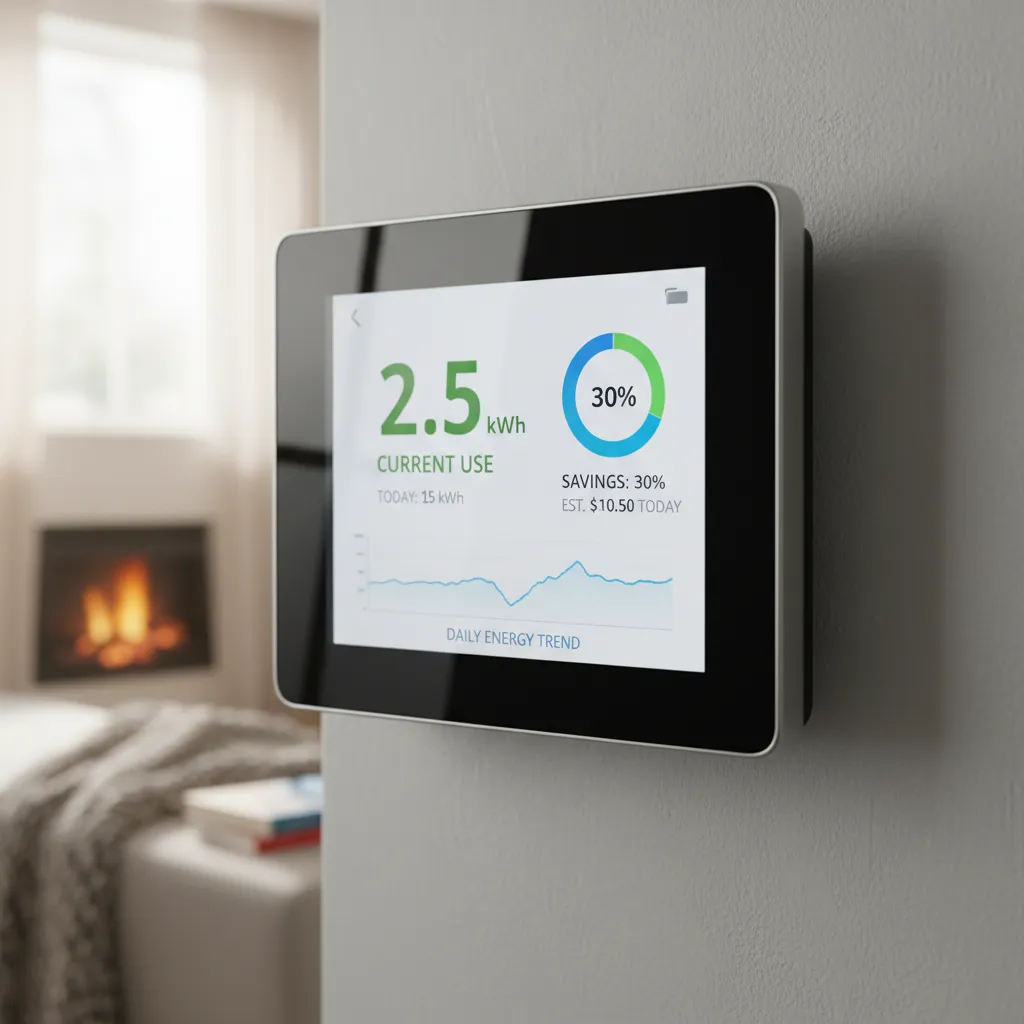
These devices provide detailed energy reports, showing you exactly when you’re using the most energy and offering personalized tips for even greater efficiency. It’s a powerful tool for understanding and taking control of your consumption.
Eco-Friendly Smart Lighting: Illuminate Responsibly
The second pillar of foundational energy saving is smart lighting. Traditional incandescent bulbs are incredibly inefficient, losing up to 90% of their energy as heat. The switch to LED bulbs was the first big step, but pairing them with smart technology unlocks a new level of efficiency.
Smart lighting eco friendly solutions from brands like Philips Hue and Wyze allow you to:
- Schedule and Automate: Program lights to turn on at sunset and off at bedtime, ensuring they’re never left on by mistake.
- Use Motion Sensing: Install motion sensors in hallways, bathrooms, and closets so lights are only active when a room is occupied.
- Dim with Precision: Dimming lights not only sets the mood but also saves electricity. Smart dimmers allow for precise control via an app or voice command.
- Control Remotely: Did you leave the house in a hurry and forget to turn off the lights? A few taps on your smartphone can solve the problem from anywhere.
This level of granular control ensures that not a single watt is wasted, contributing significantly to a more sustainable smart home.
Powering Your Future: Renewable Energy Home Solutions
While efficiency is about reducing consumption, the other side of the equation is generating clean energy. The integration of renewable sources into the smart home ecosystem is transforming houses from mere consumers of energy into active participants in a cleaner grid.
The Rise of the Solar-Powered Smart Home
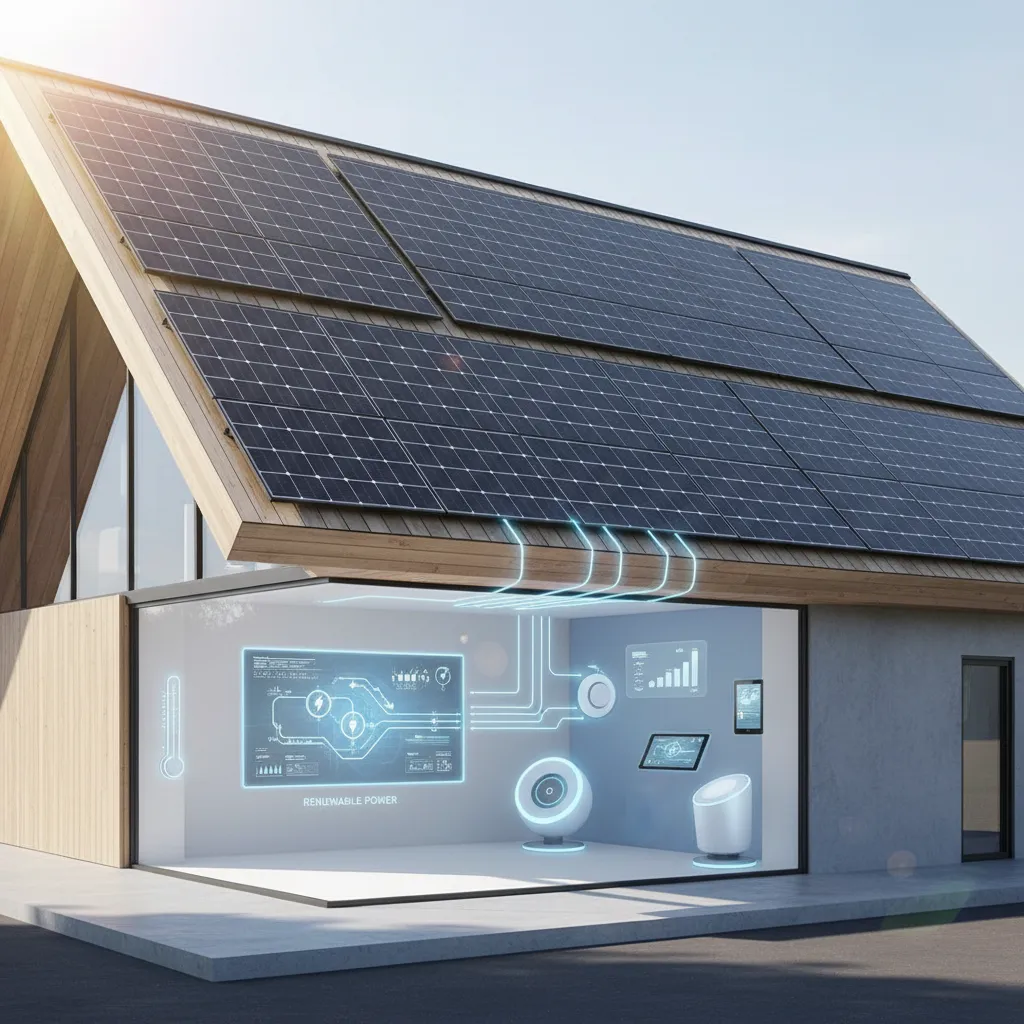
Solar panels are no longer a niche product for the most ardent environmentalists. They are a mainstream, increasingly affordable technology. When you create a solar powered smart home, you’re combining energy generation with intelligent energy management.
Here’s how it works:
- Generation: Rooftop solar panels convert sunlight into electricity during the day.
- Management: A smart home energy system, often including a home battery like the Tesla Powerwall or Enphase IQ Battery, decides what to do with that power.
- Optimization: The system can use the solar power immediately, store it in the battery for use at night or during a power outage, or even sell the excess back to the utility grid, potentially earning you money.
This synergy creates a powerful loop of self-sufficiency and resilience. Your home becomes a micro-power plant, powered by clean, renewable energy home solutions.
AI for Home Energy Management: The Next Frontier
The true game-changer in this space is the application of artificial intelligence. AI for home energy management is moving beyond simple automation to predictive optimization.
AI platforms can analyze:
- Your Usage Patterns: When do you use the most energy?
- Weather Forecasts: How much sun will your solar panels get tomorrow?
- Utility Rate Structures: When is electricity from the grid most expensive (peak hours)?
By processing this data, an AI system can make incredibly smart decisions. For example, it might pre-cool your home using stored solar energy just before a heatwave hits and grid prices spike. It can decide the most economical time to charge your electric vehicle or run your smart dishwasher. This level of smart home energy monitoring and control was science fiction a decade ago, but today it’s a powerful tool for maximizing savings and sustainability. Related: How AI Agents Can Unleash Personal Productivity
Conserving Every Drop: Smart Water Management
Sustainability isn’t limited to energy. Water is one of our most precious resources, and sustainable home tech offers brilliant solutions for conserving it both inside and outside the home.
Leaky pipes, inefficient toilets, and overwatering lawns can lead to thousands of gallons of wasted water each year. Water saving smart devices tackle these problems head-on.
- Smart Sprinkler Controllers: Systems like Rachio and Orbit B-hyve are a must-have for anyone with a lawn or garden. They use local weather data, soil type, and plant species to create hyper-efficient watering schedules. They automatically skip watering on rainy days and adjust for seasonal changes, often cutting outdoor water use by up to 50%.
- Smart Leak Detectors: Small, battery-powered sensors like those from Flo by Moen or Phyn can be placed near water heaters, sinks, and washing machines. They can detect a leak as soon as it starts, sending an alert to your phone and, in some cases, automatically shutting off your home’s main water supply to prevent catastrophic damage and waste.
- Smart Water Monitors: These devices attach to your main water line and use AI to learn your home’s unique water usage patterns. They can identify the difference between a running shower and a burst pipe, providing detailed insights into how and where you’re using water.
Beyond Energy and Water: A Holistic Green Home
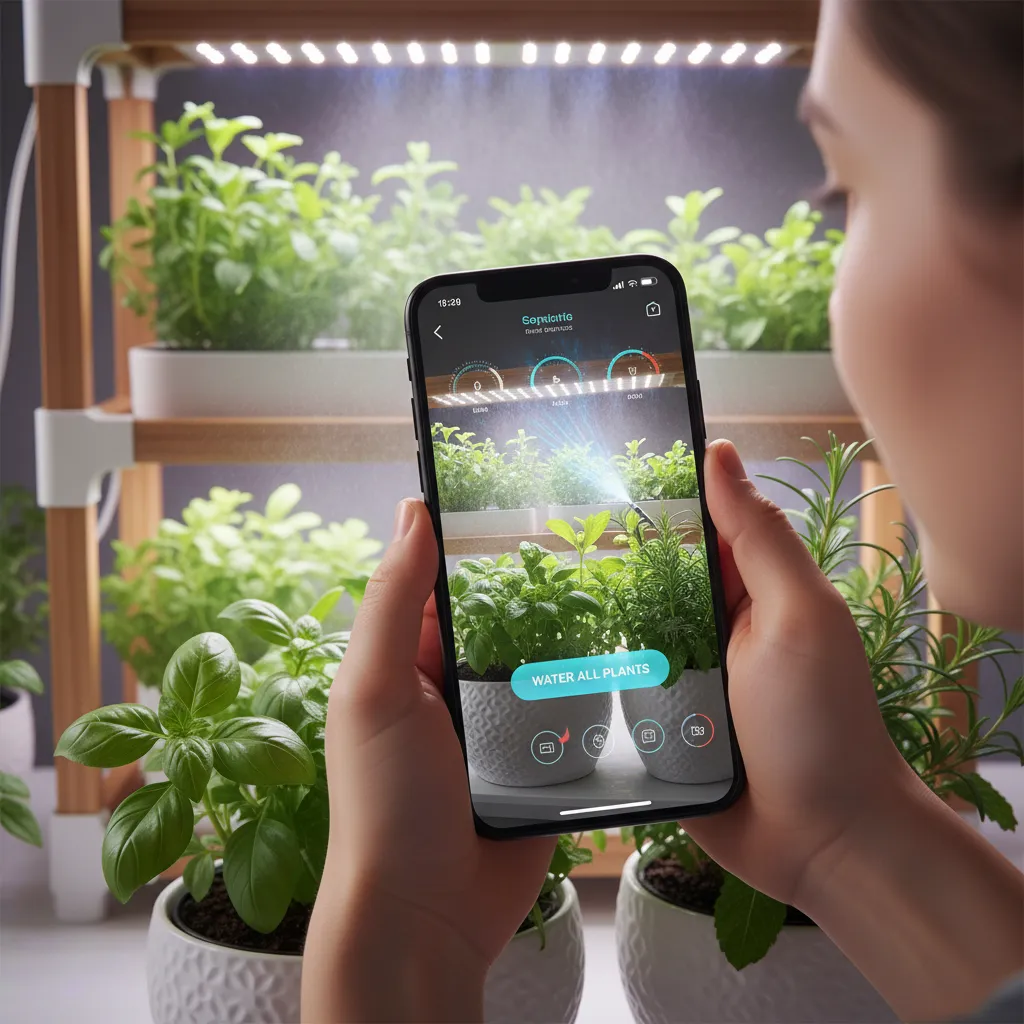
A truly sustainable home thinks about the entire ecosystem of living, from the appliances we use to the air we breathe and the waste we produce. The latest green tech home automation touches every aspect of a healthy, eco-conscious life.
Smart Appliances with Eco Mode
Modern dishwashers, washing machines, dryers, and even refrigerators are now packed with intelligent features. The “eco mode” on these appliances is more than just a button; it’s a sophisticated algorithm. Smart appliances eco mode can use soil sensors in a dishwasher to determine the exact amount of water and heat needed for a cycle, or moisture sensors in a dryer to end the cycle precisely when clothes are dry, preventing wasted energy from over-drying.
Tackling Waste and Wellness
The principles of a zero waste smart home are gaining traction. While technology can’t eliminate waste entirely, it can help us manage it better. Smart composters like the Lomi can break down food scraps into nutrient-rich dirt overnight, reducing landfill contributions and unpleasant kitchen odors.
Simultaneously, a healthy smart home environment is paramount. Poor indoor air quality can be a significant health concern. Devices like the Awair Element or Airthings View Plus provide continuous indoor air quality smart tech monitoring, tracking levels of CO2, VOCs (volatile organic compounds), humidity, and particulate matter. If levels become unhealthy, they can automatically trigger a smart air purifier or your HVAC fan to circulate fresh air, creating a safer space for your family. Related: AI is Powering Your Personalized Wellness Journey
The Role of Sustainable Building Materials and Tech
The future of eco-living also involves the very structure of our homes. Sustainable building materials tech is an emerging field where technology is embedded into the materials themselves. Think of smart windows that tint automatically to block solar heat gain, reducing the load on your air conditioner, or new forms of insulation with advanced thermal properties that are also made from recycled, non-toxic materials. The integration of technology and sustainable architecture is key to the future of green homes.
Making it Happen: Your Path to an Eco-Smart Home
Embarking on the journey to a smarter, greener home can feel overwhelming, but it doesn’t have to be an all-or-nothing endeavor. You can start small and build your ecosystem over time.
Best Eco-Smart Home Devices for 2024
When looking for the best eco smart home devices 2024, prioritize products that offer significant impact and interoperability.
- Smart Thermostat: The first and most impactful investment. Look for ENERGY STAR certified models from Nest, Ecobee, or Honeywell.
- Smart LED Bulbs & Plugs: An easy entry point. Start with a few bulbs or use smart plugs to make existing lamps and small appliances smart.
- Smart Sprinkler Controller: If you have a yard, this device pays for itself quickly in water savings.
- Energy Monitor: A device like the Sense Energy Monitor provides invaluable data, showing you which appliances are energy hogs in real-time.
When choosing these eco conscious tech products, look for ones that work with major ecosystems like Apple HomeKit, Google Home, or Amazon Alexa to ensure they can all communicate with each other.
Affordable and DIY Eco-Smart Solutions
You don’t need to spend a fortune to make a difference. Many affordable sustainable tech home solutions are available.
- Smart Plugs: Costing as little as $10-$15, these can be used to automatically turn off “vampire” electronics that draw power even when they’re not in use.
- DIY Sensors: For the tech-savvy, platforms like Home Assistant allow you to build your own diy eco smart home solutions using affordable sensors to automate lighting, fans, and more based on occupancy or temperature.
- Energy Audits: Before buying any tech, use your utility company’s online tools or a simple plug-in energy meter to find out where you’re using the most power.
Ethical Considerations: Choosing the Right Devices
As we invite more technology into our homes, it’s crucial to consider the ethics behind the products we choose. When selecting ethical smart home devices, ask these questions:
- Data Privacy: How does the company handle your personal data? Read their privacy policy.
- Longevity: Is the device built to last, or is it designed to be replaced in a few years? Look for companies that offer long-term software support.
- Repairability: Can the device be repaired, or is it a disposable black box?
- Company Values: Does the manufacturer have its own corporate sustainability and ethical manufacturing initiatives?
The Future of Green Homes: What’s Next?
The evolution of the eco-smart home is far from over. We are on the cusp of an even more integrated and intelligent era. The future of green homes will likely include homes that are “net-positive”—generating more energy than they consume and contributing to a more stable community grid.
Expect to see deeper integration of AI for home energy management, where your home doesn’t just react to your habits but proactively anticipates needs and opportunities for conservation. From the materials used in construction to the software that manages its daily functions, the home of the future will be a living, breathing testament to sustainable lifestyle technology. Related: The Future of AI in Regenerative Agriculture
Conclusion: A Smarter, Greener Tomorrow Starts Today
Transforming your home into an eco-smart haven is a powerful step toward a more sustainable future. It’s a tangible way to combat rising energy costs, reduce your environmental impact, and create a healthier living space. By embracing sustainable home tech, from smart thermostats and lighting to renewable energy and water conservation systems, you are investing in both your family’s well-being and the planet’s health.
The journey begins with a single step. Whether it’s replacing an old lightbulb with a smart LED or investing in a comprehensive solar and battery system, every choice matters. The technology is here, it’s more accessible than ever, and it’s ready to help you build a more efficient, responsible, and beautiful home.
Ready to start your journey? Begin by auditing your home’s energy use and identify one area where a smart device could make the biggest difference. Your wallet—and the world—will thank you.
Frequently Asked Questions
What is an eco smart home?
An eco-smart home is a residence that uses connected technology and automation to reduce its environmental impact. It integrates devices like smart thermostats, lighting, and renewable energy systems to minimize energy and water consumption, lower its carbon footprint, and create a healthier living environment.
How can I make my smart home more sustainable?
You can make your smart home more sustainable by focusing on high-impact areas. Start by installing a smart thermostat to optimize heating and cooling. Switch to smart LED lighting to reduce electricity use. Consider a smart sprinkler controller to conserve water and explore renewable energy options like solar panels for long-term impact.
Do smart thermostats really save money?
Yes, they do. According to studies by organizations like the EPA’s ENERGY STAR program, homeowners can save an average of 8% on their annual heating and cooling costs. Smart thermostats achieve this by learning your schedule, using geofencing to know when you’re away, and providing detailed energy reports to help you identify more saving opportunities.
What is the most important technology for a green home?
While it depends on your specific home and climate, the most impactful starting point is often a smart thermostat due to the significant energy consumption of HVAC systems. After that, smart lighting and a real-time energy monitor provide the next best returns on investment for reducing your carbon footprint.
Is sustainable home tech expensive?
It can be, but it doesn’t have to be. While a full solar panel and battery installation is a significant investment, many affordable sustainable tech home solutions exist. Smart plugs can cost as little as $10, and a set of smart LED bulbs is often under $50. These small, affordable changes can lead to noticeable savings over time.
How does AI help in home energy management?
AI for home energy management acts as an intelligent brain for your home’s power usage. It analyzes your personal consumption habits, local weather forecasts, and your utility’s electricity pricing to make predictive decisions. It can automatically adjust your thermostat, decide the cheapest time to charge your EV, or optimize your home battery’s storage to save the most money and use the cleanest energy available.