Generative Biology: AI Designs New Life, Materials, & Futures
Introduction
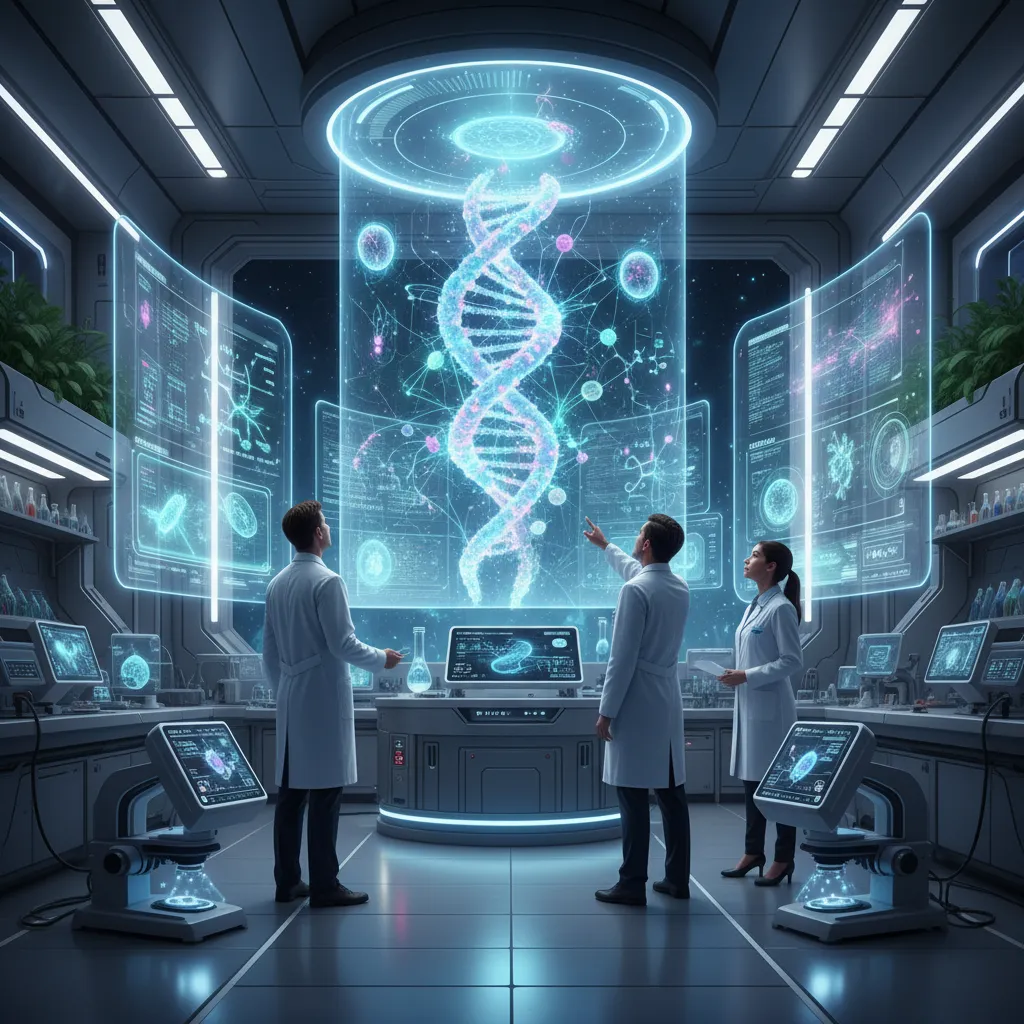
For centuries, biology has been a science of observation and discovery. We peered through microscopes, sequenced genomes, and painstakingly mapped the intricate machinery of life. But what if we could move from discovering what exists to designing what’s possible? This is the seismic shift promised by generative biology, a revolutionary field where artificial intelligence becomes a co-creator with nature.
Imagine an AI that doesn’t just predict a protein’s shape but invents a completely new one to fight a novel disease. Picture an algorithm designing a biodegradable plastic from scratch or engineering a microbe that eats pollution. This isn’t science fiction anymore. It’s the cutting edge of AI life science innovation.
By harnessing the power of generative AI—the same technology behind hyper-realistic art and sophisticated chatbots—scientists are now generating novel biological designs, from molecules and proteins to entire genetic circuits. This convergence of deep learning and biology is set to redefine everything from medicine and materials science to how we approach sustainability. In this guide, we’ll explore the core concepts of generative biology, its groundbreaking applications, and the profound ethical questions that arise when we start to write the code of life itself.
What is Generative Biology? The Dawn of Digital Creation
At its core, generative biology is the application of generative AI models to create novel biological sequences and structures that do not exist in nature. While traditional computational biology AI focuses on analyzing and predicting from existing biological data, generative biology takes the next leap: it creates.
Think of it this way:
- Traditional AI in Biology: You feed an AI millions of known protein structures to train it to predict the shape of a new, but existing, protein. This is what DeepMind’s AlphaFold famously accomplished.
- Generative Biology AI: You give a generative model a set of desired functions—for example, “create a protein that can bind to this specific cancer cell receptor”—and it designs a brand new protein, amino acid by amino acid, to do just that.
This process is similar to how AI image generators like DALL-E or Midjourney learn from vast datasets of images to create original art. In biology, the “pixels” are amino acids, DNA base pairs, or molecular structures. The models learn the fundamental “grammar” of biology—the physical and chemical rules that govern how life is built—and then use that knowledge to innovate. This AI for biological systems is accelerating research at a pace previously unimaginable.
The engine behind this revolution includes advanced AI architectures like Generative Adversarial Networks (GANs), Variational Autoencoders (VAEs), and Transformers, the same architecture powering large language models. [Related: What is GPT-4o? The Ultimate Guide to OpenAI’s New Model]. These models can navigate the astronomically vast space of possible biological designs to find solutions that evolution may have never stumbled upon.
The Engine Room: How AI is Designing New Proteins
Proteins are the workhorses of life. They act as enzymes, provide structural support, transport molecules, and carry out nearly every task within a cell. Their function is dictated by their complex 3D structure, which is determined by their sequence of amino acids. The ability to design proteins with novel functions is therefore a holy grail of biotechnology.
This is where AI protein design is making its most significant impact. For decades, scientists have struggled with “rational protein design,” a slow and often unsuccessful process of manually tweaking existing proteins. Generative AI blows this paradigm open.
Models can now:
- “Hallucinate” Proteins: Researchers at the University of Washington pioneered a method called “hallucination,” where an AI model, trained on thousands of known proteins, effectively dreams up entirely new protein structures from scratch that are stable and functional.
- Design Functional Enzymes: An enzyme is a protein that catalyzes a chemical reaction. AI for enzyme engineering allows us to create bespoke enzymes for industrial processes, like breaking down plastics or producing biofuels more efficiently.
- Create Novel Binders: AI can design small proteins that bind with incredible precision to specific targets, such as viruses or cancer cells. This has enormous potential for creating new diagnostics and therapeutics.
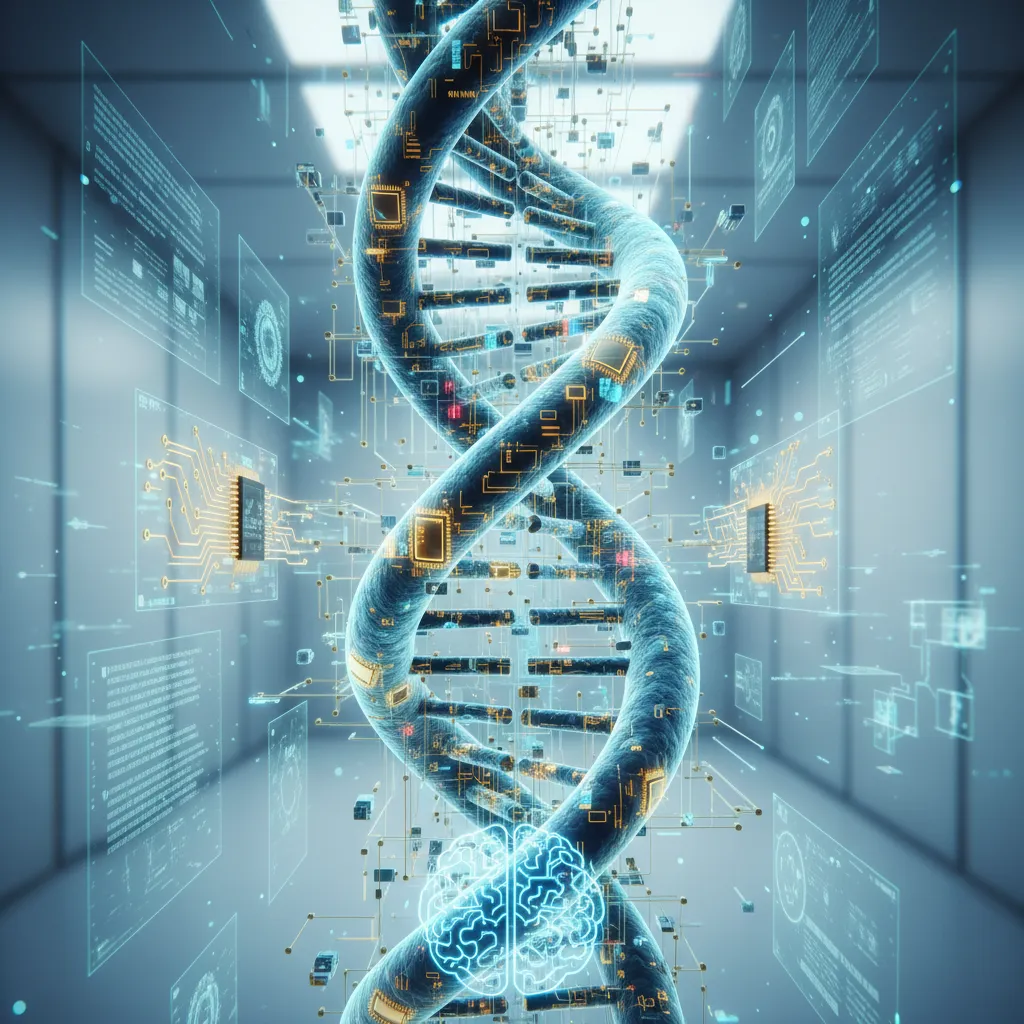
The process of AI molecular design is not just faster; it’s smarter. It explores a combinatorial space of possibilities that is larger than the number of atoms in the universe, finding elegant solutions that a human scientist might never conceive.
Revolutionizing Medicine: AI in Drug Discovery and Personalized Therapeutics
The pharmaceutical industry is notoriously slow and expensive, with a new drug taking over a decade and billions of dollars to bring to market. Generative biology promises to overhaul this entire pipeline, making drug development faster, cheaper, and more effective.
Next-Gen Drug Discovery Platforms
Traditionally, scientists use high-throughput screening to test millions of existing chemical compounds to see if any have an effect on a particular disease target. It’s a brute-force approach, like searching for a single key in a massive junkyard.
AI drug discovery platforms change the game. Instead of searching, they design the key. By understanding the 3D structure of a disease-related protein, a generative model can create novel drug molecules specifically shaped to fit and inhibit that target. This leads to:
- Accelerated Timelines: The initial discovery phase can be compressed from years to months or even weeks. This is a core goal of AI accelerated R&D life science.
- Higher Success Rates: Because the drugs are designed for the target, they are more likely to be effective and have fewer side effects, reducing the high failure rate in clinical trials.
- Tackling “Undruggable” Targets: Many diseases are caused by proteins that have been considered “undruggable” with traditional methods. Generative AI can design unconventional molecules, like cyclic peptides or even small proteins, to hit these elusive targets.
Major companies like Insilico Medicine and Recursion Pharmaceuticals are already using these next-gen platforms, with several AI-designed drugs now in human clinical trials, marking a major milestone for AI drug discovery next gen.
The Future of Personalized Medicine
The ultimate promise of AI in medicine is a future where treatments are tailored to your unique genetic and molecular profile. This is the core of AI personalized medicine future.
Generative biology is a key enabler of this vision. Imagine a scenario where a patient’s tumor is sequenced. An AI could then analyze its specific mutations and design a bespoke drug or cellular therapy targeting only the cancer cells, leaving healthy cells unharmed.
This synergy between AI genome editing technologies like CRISPR and generative design is particularly powerful. We could one day move beyond editing single genes to designing entire therapeutic gene circuits that act as “smart” agents within the body. This level of AI in personalized therapeutics could transform how we treat everything from genetic disorders to complex diseases like Alzheimer’s. As our daily lives become more integrated with technology, the data from personal devices could play a crucial role. [Related: Wearable AI: Reshaping Productivity and Daily Life].
Beyond Biology: Crafting a Sustainable Future with AI-Designed Biomaterials
The impact of generative biology extends far beyond the human body. The same principles used to design a drug can be applied to create revolutionary new materials with properties tailored for specific needs, paving the way for a more sustainable economy.
For too long, we have relied on materials derived from fossil fuels, leading to pollution and climate change. AI for sustainable materials offers a path forward by enabling the design of high-performance, eco-friendly alternatives.
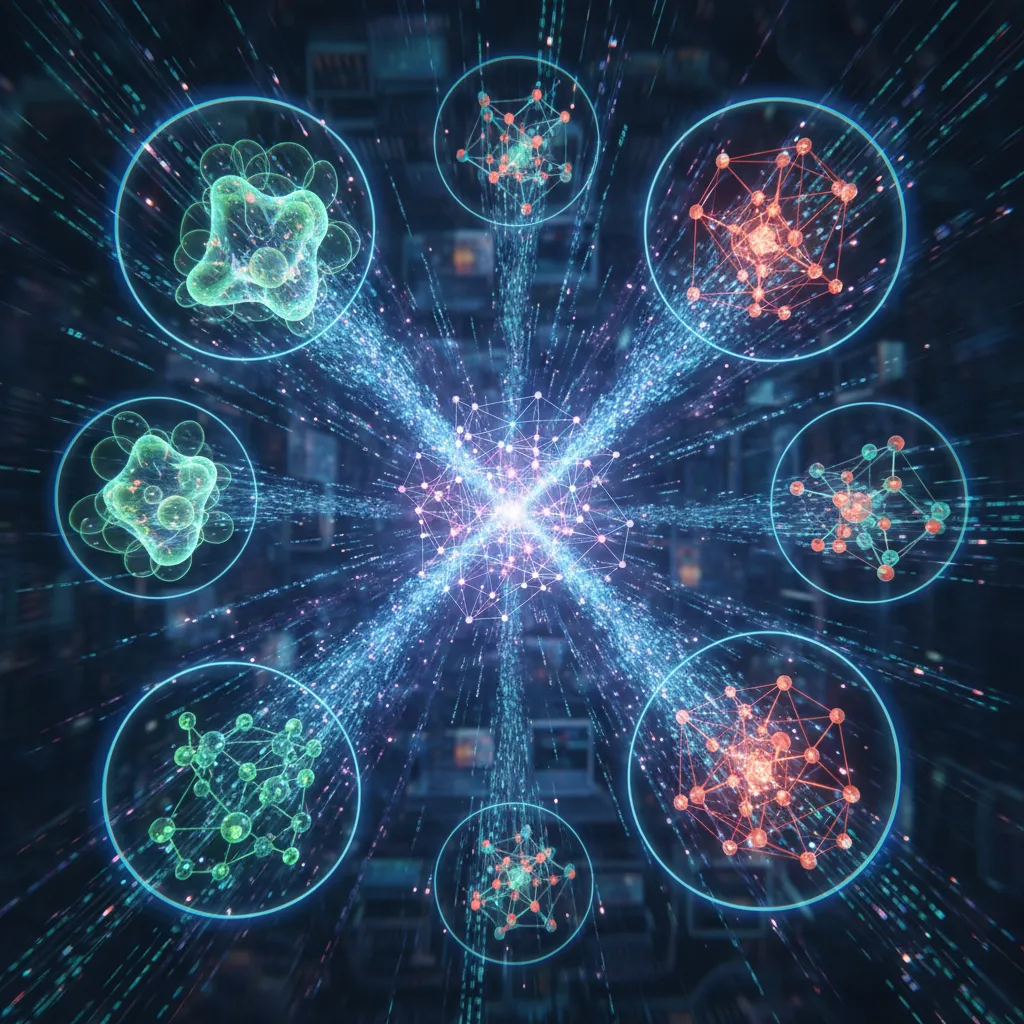
Generative AI biomaterials research is exploring:
- Self-Healing Polymers: AI can design materials that can repair themselves when damaged, dramatically increasing product lifespan and reducing waste.
- Biodegradable Plastics: By designing polymers that can be easily broken down by naturally occurring microbes, we can tackle the plastic pollution crisis at its source.
- Carbon-Capture Materials: Scientists are using AI to design novel molecular structures, like metal-organic frameworks, that can efficiently capture CO2 directly from the atmosphere.
- Lightweight Composites: For the aerospace and automotive industries, AI driven material innovation can create materials that are stronger and lighter than steel, leading to massive gains in fuel efficiency.
This field of AI material discovery is a prime example of AI in advanced manufacturing biology, where we program matter itself to meet our needs sustainably.
The Ultimate Engineering Challenge: Synthetic Biology and AI-Powered Life
If designing proteins is like writing a sentence and designing materials is like writing a paragraph, then synthetic biology AI is about writing entire books. This field aims to apply engineering principles to biology, designing and constructing new biological parts, devices, and systems.
AI for Gene Synthesis and Cell Design
Generative AI is the perfect partner for synthetic biology. It can design entire genetic circuits—complex networks of genes that perform logical functions, much like an electronic circuit. This AI for gene synthesis allows us to program cells to perform new and useful tasks.
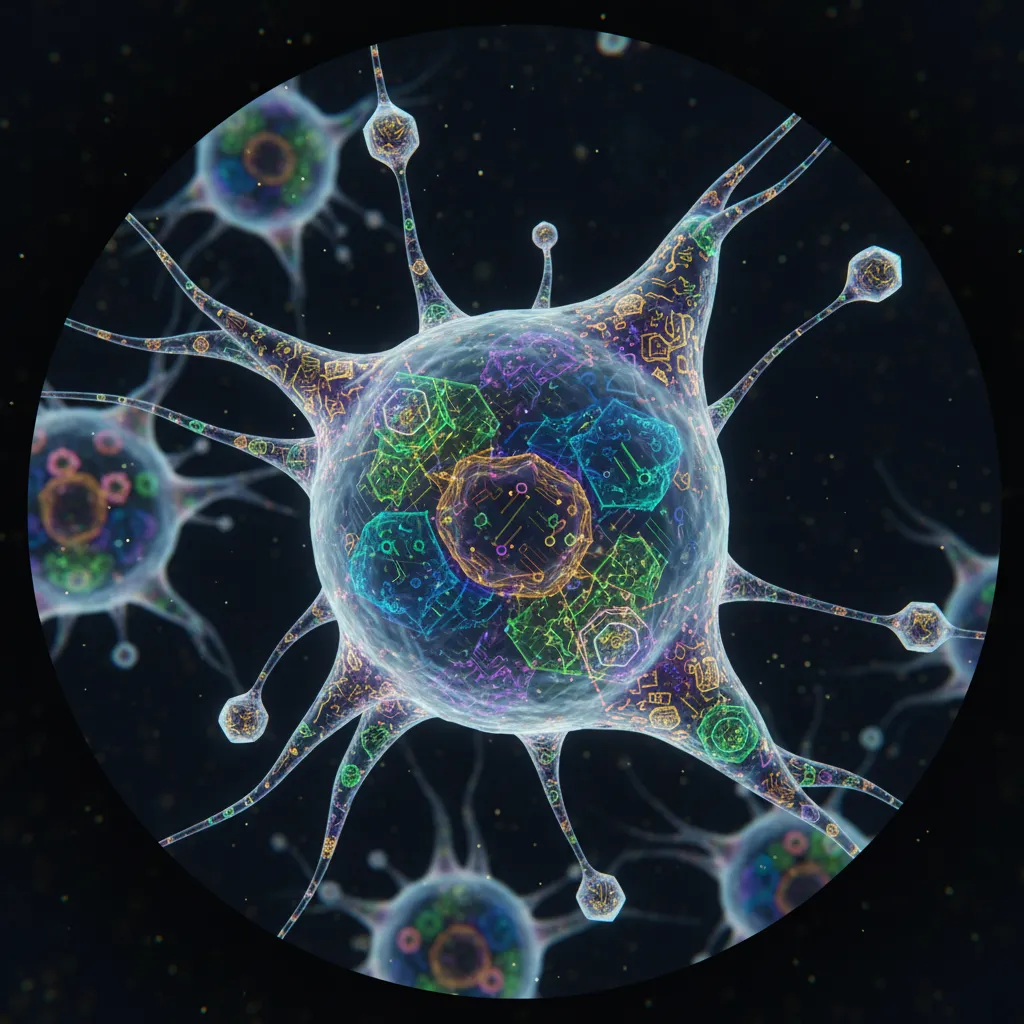
With AI cell design, we can engineer microorganisms to become tiny, living factories that can:
- Produce sustainable biofuels.
- Synthesize rare medicines or high-value chemicals.
- Act as biosensors to detect pollutants in the environment.
- Break down toxic waste.
This level of AI bioengineering allows for the precise and predictable design of biological systems, moving biology from a science of discovery to an engineering discipline.
Towards AI-Designed Organisms
The furthest frontier of generative biology is AI for organism design. While we are still in the very early stages, researchers are exploring the possibility of using AI to design simple organisms or biological systems from the ground up. This raises profound possibilities and equally profound questions about AI and synthetic life.
The AI models driving these advancements, even smaller, more efficient versions, are becoming incredibly powerful. Understanding their architecture is key to understanding the future of this field. [Related: SLMs Explained: The Future of On-Device AI]. This work could lead to novel life forms designed for specific purposes, from terraforming other planets to creating closed-loop ecosystems for long-duration space travel.
Navigating the New Frontier: The Ethical Landscape of Generative Biology
With great power comes great responsibility. The ability to design life at the molecular level presents a host of ethical challenges that we must navigate carefully. The conversation around ethical AI biology is one of the most important of our time.
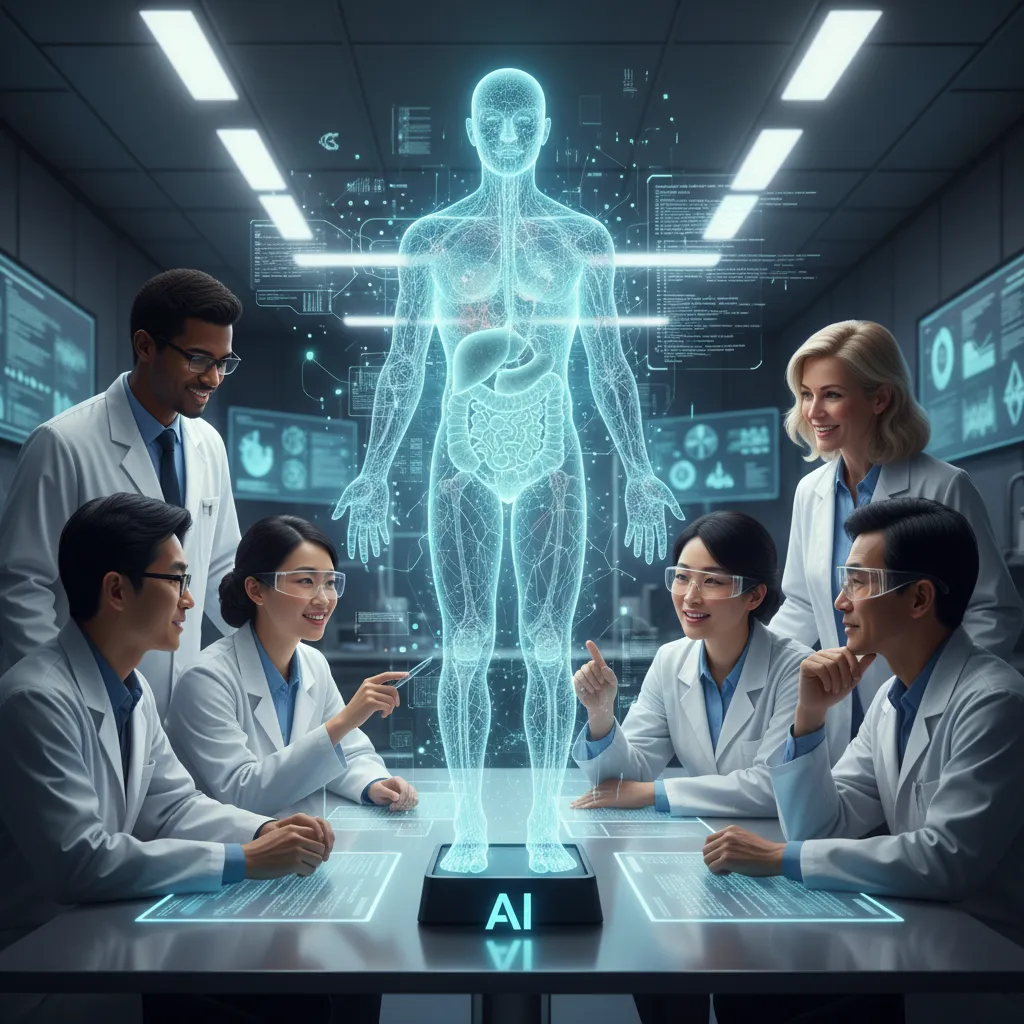
Key considerations include:
- Dual-Use Dilemma: A tool that can design a therapeutic protein could also potentially be used to design a bioweapon, like a more virulent pathogen or a novel toxin.
- Unintended Consequences: Releasing AI-designed organisms into the environment could have unforeseen ecological impacts, disrupting ecosystems in unpredictable ways.
- Equitable Access: Will these revolutionary technologies be available to all, or will they widen the gap between the rich and poor? Ensuring equitable access to life-saving drugs and sustainable materials is paramount.
- Defining “Life”: As we move closer to creating synthetic life, we will have to grapple with fundamental questions about what it means to be alive and our role as creators.
Building a framework for responsible innovation requires collaboration between scientists, ethicists, policymakers, and the public. Open-source models and transparent governance could play a vital role. [Related: Llama 3.1: Making Open-Source AI Accessible for Developers]. We must ensure that this powerful technology is developed safely and for the benefit of all humanity.
Conclusion
We are standing at the threshold of a new biological era. Generative biology AI is not merely a new tool; it’s a new paradigm for interacting with the living world. It represents a fundamental shift from reading the book of life to actively co-authoring its next chapters.
From designing life-saving drugs in record time and creating truly sustainable materials to programming cells like computers, the AI biotech breakthroughs are arriving at a dizzying pace. The convergence of artificial intelligence and life science is undoubtedly the future of biotechnology AI.
The journey ahead will be complex, filled with both incredible promise and significant ethical challenges. But by fostering responsible innovation and a deep sense of stewardship, we can harness the power of generative biology to solve some of humanity’s most pressing problems. The age of biological design has begun. The question now is: what will we create?
Frequently Asked Questions
Q1. What is generative biology?
Generative biology is a cutting-edge field where generative artificial intelligence (AI) is used to design and create novel biological molecules, systems, and organisms that do not exist in the natural world. Instead of just analyzing existing data, it generates new proteins, genes, cells, and materials with desired functions.
Q2. How is generative AI used in biology?
Generative AI is used across biology in several key ways: designing novel proteins and enzymes for medicine and industry (AI protein design), accelerating the creation of new drugs (AI drug discovery platforms), inventing new sustainable and functional biomaterials, and engineering genetic circuits for synthetic organisms (synthetic biology AI).
Q3. What is the difference between computational biology and generative biology?
Computational biology primarily uses computational and analytical methods to study existing biological systems and data. It is largely descriptive and predictive. Generative biology is a subset of this field that goes a step further; it is creative and synthetic, using AI to generate entirely new biological designs rather than just analyzing what already exists.
Q4. Can AI design new proteins?
Yes, absolutely. This is one of the most successful applications of generative biology. AI models can now “hallucinate” or design completely novel proteins from scratch with specific, stable 3D structures and desired functions, a task that was extremely difficult and slow with previous methods.
Q5. What are some examples of generative AI in drug discovery?
An example is designing a new drug molecule that perfectly fits into the active site of a protein responsible for a specific cancer’s growth. An AI model analyzes the target protein’s 3D structure and then generates the chemical structure of a novel compound that is predicted to bind tightly to it, inhibiting its function and stopping the cancer. Several such AI-designed drugs are now in human clinical trials.
Q6. What are the ethical concerns of generative biology?
The main ethical concerns include the “dual-use” problem, where the technology could be used to create bioweapons; the potential for unintended environmental consequences from releasing synthetic organisms; ensuring equitable access to the technology’s benefits; and fundamental questions about the definition of life and humanity’s role as a creator.