Gen Z Investing Strategies: Navigating Modern Markets for Future Wealth

Introduction
Welcome to the new era of wealth creation. Born between 1997 and 2012, Generation Z is stepping into an economic landscape vastly different from that of their parents or even older millennials. Saddled with student debt, facing a volatile job market, and witnessing unprecedented technological disruption, Gen Z has rewritten the rules of personal finance. This isn’t your grandfather’s stock market anymore; this is a digital-first, values-driven, and often high-stakes world of modern investing.
If you’re part of this generation, you understand that the traditional path to wealth—a 40-year career, a pension, and a handshake—is largely a relic of the past. Your financial journey is happening on your phone, influenced by TikTok trends, and guided by a desire to make a positive impact on the world. This guide is built for you. We’ll dive deep into the core Gen Z investment strategies that are shaping the future of wealth. From leveraging AI-powered robo-advisors Gen Z investors love, to navigating the wild west of crypto investing Gen Z style, this is your comprehensive roadmap to achieving Gen Z financial independence and building lasting wealth in today’s complex markets.
The New Playbook: What Defines the Gen Z Investor?
To understand how Gen Z invests, you have to understand the forces that shape their worldview. This generation is not just a younger version of millennials; they are a distinct cohort with unique motivations, tools, and a fundamentally different approach to money.
Digital Natives in a Digital Market
Gen Z doesn’t remember a world without the internet. This fluency with technology is their single greatest asset. While older generations had to book appointments with stuffy financial advisors, Gen Z can download a dozen powerful Gen Z investment apps in minutes, compare their features, and start investing with the spare change from their morning coffee.
This digital-first mindset means:
- Accessibility is Key: They expect low-to-no fees, fractional shares (buying a small piece of an expensive stock like Amazon or Google), and intuitive user interfaces.
- Information is Instant: Financial news and advice are consumed through social media platforms like TikTok (#FinTok), Reddit (r/wallstreetbets), and YouTube. This democratizes information but also introduces risks of misinformation and hype-driven decisions.
- Mobile-First Mentality: The entire investment process, from research to execution, happens on a smartphone. This is the core of digital investing Gen Z prefers.
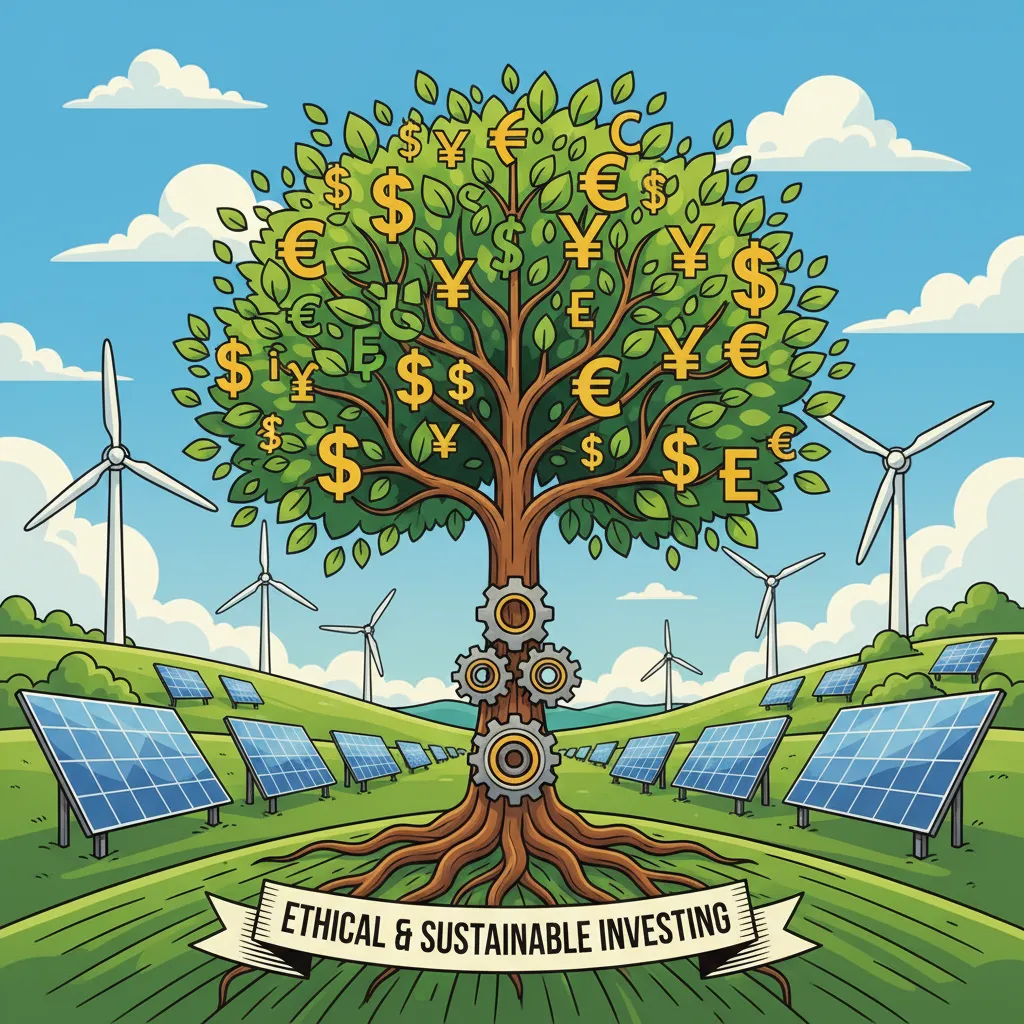
Values-Driven Investing: Putting Money Where Your Morals Are
More than any generation before, Gen Z wants their financial decisions to reflect their personal values. A 2021 study by Bank of America found that 75% of Gen Z investors say it’s important that the companies they invest in align with their social, political, or environmental values.
This has fueled the explosive growth of:
- Sustainable Investing (ESG): Focusing on companies with strong Environmental, Social, and Governance practices. This isn’t just about feeling good; many believe these companies are better positioned for long-term growth.
- Ethical Investing Gen Z: Actively avoiding investments in industries like fossil fuels, tobacco, or weapons manufacturing.
- Social Impact Investing Gen Z: Proactively funding companies and projects that aim to generate a measurable, positive social or environmental impact alongside a financial return.
A Higher Appetite for Risk
Perhaps shaped by growing up in the shadow of the 2008 financial crisis and seeing the limitations of traditional systems, Gen Z often displays a higher tolerance for risk. This is most evident in their enthusiastic adoption of cryptocurrencies and other alternative assets. The potential for massive, rapid gains is a powerful lure for a generation eager to fast-track their Gen Z wealth building journey. This millennial vs Gen Z investing difference is stark; while millennials were early adopters of tech stocks, Gen Z is pioneering the frontier of decentralized finance (DeFi) and digital collectibles (NFTs).
Building Your Foundation: Pre-Investing Financial Planning for Gen Z
Before you dive into the stock market for Gen Z or buy your first Bitcoin, you need a solid financial foundation. Jumping into investing without a plan is like building a skyscraper on sand. Success in long term investing Gen Z style begins with smart money habits.
Master Your Money Habits: The Power of Budgeting
Budgeting isn’t about restriction; it’s about control. It’s the first and most critical step in Gen Z personal finance. Understanding where your money is going is the only way to redirect it towards your goals.
- The 50/30/20 Rule: A popular starting point for budgeting for Gen Z. Allocate 50% of your after-tax income to needs (rent, groceries, utilities), 30% to wants (dining out, hobbies, streaming services), and 20% to savings and investments.
- Zero-Based Budgeting: Every dollar has a job. You assign all of your income to expenses, savings, or debt repayment, leaving a “zero” balance.
- Leverage Technology: Use apps like Mint, YNAB (You Need A Budget), or Rocket Money to automate tracking and gain clear insights into your Gen Z money habits.
Setting Clear Financial Goals
What are you investing for? “Getting rich” isn’t a goal; it’s a wish. Your Gen Z financial goals need to be specific, measurable, achievable, relevant, and time-bound (SMART).
- Short-Term (1-3 years): Building an emergency fund, saving for a vacation, paying off a credit card.
- Mid-Term (3-10 years): Saving for a down payment on a house, upgrading your car, funding a side hustle.
- Long-Term (10+ years): Retirement (or more accurately, Gen Z financial independence), creating generational wealth, funding major life events.
Having clear goals will determine your investment strategy, risk tolerance, and timeline.
Tackling Debt and Building Savings
High-interest debt, like credit card debt, is an anchor that will drag down your investment returns. Prioritizing its elimination is crucial. Simultaneously, build an emergency fund of 3-6 months’ worth of living expenses. This Gen Z savings cushion prevents you from having to sell your investments at a loss during an unexpected life event, like a job loss or medical bill.
The Modern Investor’s Toolkit: Top Gen Z Investment Strategies
With a solid foundation in place, it’s time to explore the exciting world of investing. The best investments for Gen Z often involve a blend of traditional and cutting-edge approaches, all accessible through modern technology.
The Rise of Robo-Advisors: Your AI-Powered Financial Planner
For those just starting out, robo-advisors Gen Z find incredibly appealing. These are automated, algorithm-driven platforms that build and manage a diversified investment portfolio for you. You simply answer a questionnaire about your financial goals, risk tolerance, and timeline, and the platform does the rest.
Why they’re great for beginner investing Gen Z:
- Low Minimums: Many allow you to start with as little as $1.
- Low Fees: Typically much cheaper than a human financial advisor.
- Automatic Rebalancing: The platform automatically adjusts your portfolio to keep it aligned with your goals.
- Emotion-Free Investing: It removes the temptation to panic-sell during market downturns.

Platforms like Betterment, Wealthfront, and Acorns have become go-to tools for this hands-off approach to wealth management. The AI behind these platforms is constantly evolving, making them smarter and more personalized. [Related: GPT-4o: The Ultimate Guide to OpenAI’s New Flagship Model]
Tapping into the Stock Market with Confidence
The stock market for Gen Z is more accessible than ever. You don’t need a broker in a suit; you just need a smartphone app. Here are the most common ways to invest:
- Exchange-Traded Funds (ETFs): These are baskets of stocks or bonds that trade like a single stock. An S&P 500 ETF, for example, gives you instant ownership in 500 of the largest U.S. companies. They are the cornerstone of a diversified, long term investing Gen Z strategy.
- Index Funds: Similar to ETFs, these are mutual funds that aim to mirror a specific market index (like the S&P 500 or NASDAQ 100). They are known for their low costs and consistent, market-matching returns.
- Individual Stocks (Fractional Shares): Want to own a piece of Apple, Tesla, or Nvidia? Apps offering fractional shares let you buy a slice of a company for as little as $1, making it possible for anyone to invest in the brands they know and love.
Crypto & Digital Assets: The High-Risk, High-Reward Frontier
No conversation about Gen Z investing is complete without mentioning cryptocurrency. Bitcoin, Ethereum, and thousands of other altcoins represent a new, decentralized financial system that deeply resonates with a generation skeptical of traditional institutions.
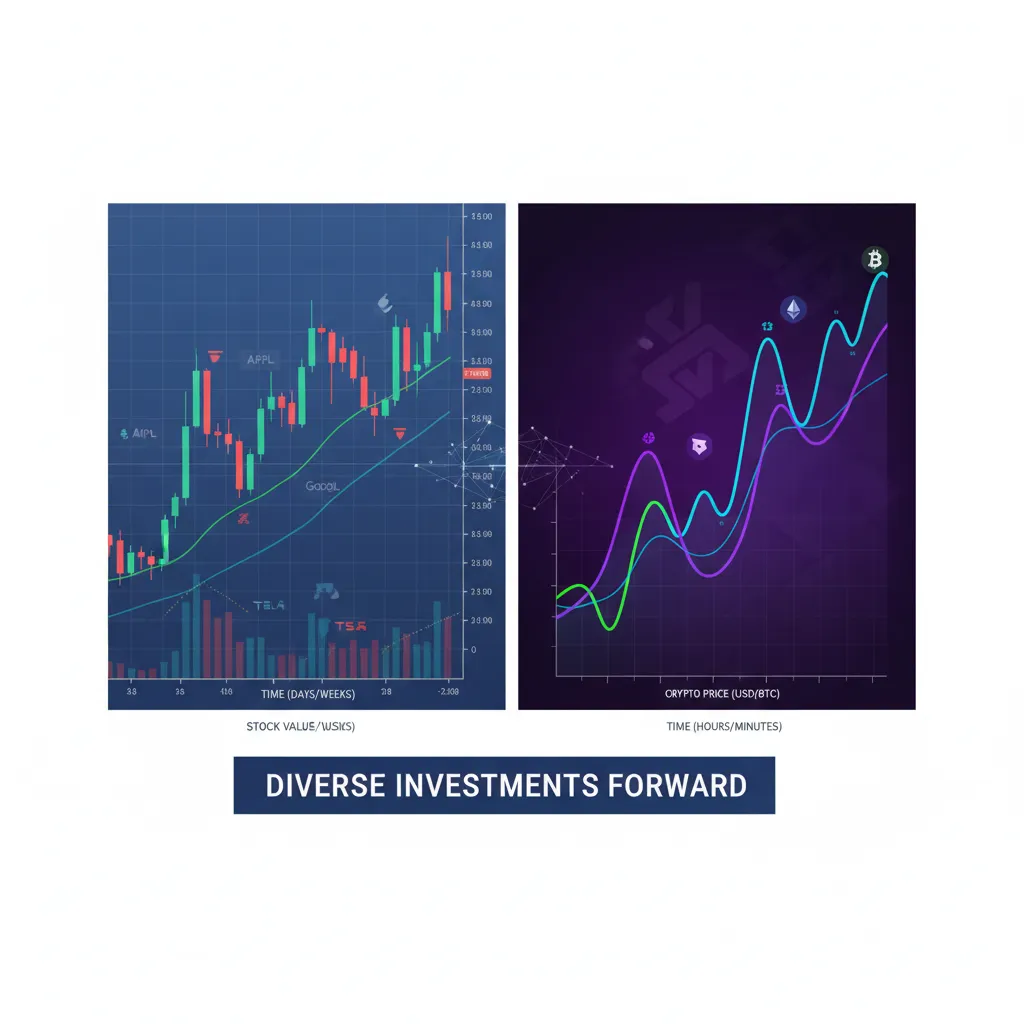
However, crypto investing Gen Z style must be approached with extreme caution:
- Extreme Volatility: Prices can swing dramatically in a single day. Never invest more than you are willing to lose.
- Do Your Own Research (DYOR): The space is rife with scams and hype. Understand the technology and the specific use case of any coin you consider buying.
- Portfolio Allocation: For most investors, crypto should only be a small, speculative portion of a well-diversified portfolio (e.g., 1-5%). Think of it as a high-risk bet with a potentially high payoff, not a replacement for stable, long-term investments like ETFs. The technology behind it is revolutionary, much like the advancements we see in other areas of AI and computing. [Related: The Quantum AI Revolution: Unprecedented Computing Power]
Leveraging Technology: The Best Investment Apps and Platforms
The vehicle for all these strategies is the investment app. The explosion of FinTech has produced a dizzying array of platforms, each catering to different needs.
- For All-in-One Investing: Platforms like Fidelity, Charles Schwab, and Vanguard offer everything from robo-advisors to active trading of stocks, ETFs, and mutual funds. They are the established giants adapting to a new generation.
- For Beginner-Friendly Simplicity: Apps like Robinhood and Public popularized commission-free trading and fractional shares, breaking down major barriers for young investors. They often include social features, allowing users to see what others are trading.
- For Automated Savings & Investing: Acorns rounds up your purchases to the nearest dollar and invests the spare change, making it a perfect tool for building passive income Gen Z style without even thinking about it.
- For Crypto Enthusiasts: Exchanges like Coinbase and Kraken provide a secure on-ramp to buy, sell, and store digital assets.

The key is to find a platform that aligns with your goals, technical comfort level, and investment philosophy. Look for low fees, strong security features (like two-factor authentication), and good educational resources.
Advanced Strategies for Accelerating Wealth Building
Once you’ve mastered the basics, you can implement more advanced strategies to optimize your Gen Z wealth building journey.
The Magic of Compound Interest: Your Most Powerful Ally
Albert Einstein reportedly called compound interest the “eighth wonder of the world.” It’s the process of earning returns not just on your initial investment, but also on the accumulated interest. The earlier you start, the more powerful it becomes.
- Example: If a 20-year-old invests $100 per month and earns an average annual return of 8%, they would have over $279,000 by age 65. If they wait until age 30 to start, they’d have only $121,000. That first decade is worth over $150,000! This is the single most important reason for early career investing.
Diversification: The Only Free Lunch in Investing
Diversification simply means not putting all your eggs in one basket. By spreading your investments across different asset classes (stocks, bonds, real estate, crypto), industries, and geographic regions, you reduce your overall risk. If one sector is performing poorly, another may be doing well, smoothing out your returns over time. An ETF that tracks the entire world stock market is a great example of instant, powerful diversification.
Automating Your Investments for Passive Growth
The secret to successful long-term investing is consistency. The best way to be consistent is to automate it.
- Dollar-Cost Averaging (DCA): This is the practice of investing a fixed amount of money at regular intervals (e.g., $100 every month), regardless of what the market is doing.
- How it Works: When prices are high, your fixed amount buys fewer shares. When prices are low, it buys more. Over time, this strategy can lower your average cost per share and reduce the risk of trying to “time the market.”
Set up automatic transfers from your bank account to your investment account every payday. This “pay yourself first” mentality is the most effective path to building significant wealth over time.
Conclusion
The world of Gen Z investing is dynamic, tech-driven, and full of opportunities that were unimaginable just a generation ago. While the tools and assets may be new, the fundamental principles of building wealth remain timeless: start early, be consistent, manage risk, and align your financial decisions with your long-term goals.
By embracing your digital fluency, leading with your values through sustainable investing Gen Z principles, and maintaining a disciplined approach to financial planning Gen Z style, you have an unprecedented ability to shape your own financial destiny. Don’t be intimidated by the jargon or the market fluctuations. The journey to Gen Z financial independence starts not with a million dollars, but with your first dollar. Open an app, set up an automatic transfer, and let the power of compounding begin its work. Your future self will thank you.
Frequently Asked Questions (FAQs)
### Q1. What are Gen Z most likely to invest in?
Gen Z is most likely to invest in a mix of traditional and modern assets. Exchange-Traded Funds (ETFs) and individual stocks of companies they know and trust (like Apple, Amazon, and Tesla) are very popular. Additionally, a significant portion of Gen Z investors allocate a part of their portfolio to high-risk, high-reward assets like cryptocurrencies and NFTs, reflecting their digital-native background and higher risk tolerance.
### Q2. How can a beginner in Gen Z start investing with little money?
Starting with little money is easier than ever. The best way is to use Gen Z investment apps that offer fractional shares and low or no minimum deposits. This allows you to buy a small piece of an expensive stock for as little as $1. Another excellent option is using a robo-advisor Gen Z platform that lets you open an account with a small initial deposit and set up automated recurring investments.
### Q3. Is cryptocurrency a good investment for young people?
Cryptocurrency can be part of a Gen Z investment strategies portfolio, but it should be approached with caution. It is a highly volatile and speculative asset. For young investors, it’s crucial to do extensive research, understand the risks, and only invest an amount they are willing to lose. It should be considered a small, speculative component of a larger, diversified portfolio that also includes more stable assets like ETFs.
### Q4. What is the 50/30/20 budget rule and why is it good for Gen Z?
The 50/30/20 rule is a simple budgeting for Gen Z framework. It suggests allocating 50% of your after-tax income to “needs” (rent, bills, groceries), 30% to “wants” (hobbies, dining out), and 20% to “savings and investments.” It’s effective for young adults because it provides a clear, easy-to-follow structure for managing money, ensuring that saving and investing are prioritized from the start of one’s career.
### Q5. What is ESG investing and why does it appeal to Gen Z?
ESG stands for Environmental, Social, and Governance. It’s a form of sustainable investing Gen Z strongly supports, where you invest in companies that score highly on these three factors. It appeals to Gen Z’s desire to align their finances with their values, allowing them to support companies that are making a positive impact on the world, addressing climate change, promoting social justice, and maintaining ethical leadership.
### Q6. Are robo-advisors a good choice for young investors?
Yes, robo-advisors Gen Z find particularly useful. They are an excellent choice for beginner investing Gen Z because they offer a low-cost, automated, and diversified way to start building wealth. They remove the guesswork and emotional decision-making from investing, making them ideal for anyone who wants a hands-off approach to managing their money for the long term.
### Q7. How important is an emergency fund for a Gen Z investor?
An emergency fund is critically important. It’s a pool of cash, typically 3-6 months’ worth of living expenses, saved in an easily accessible account. For a Gen Z investor, it acts as a financial safety net. It prevents them from having to sell their investments, potentially at a loss, to cover unexpected expenses like a car repair, medical bill, or job loss, thereby protecting their long-term investment goals.