Galaxy Ring: Samsung’s Ultimate Health Tracker Guide
Introduction: The Dawn of a New Era in Wearable Technology
For years, the smart watch has reigned supreme in the realm of health monitoring devices. Yet, a subtle revolution has been brewing, culminating in one of the most anticipated product launches in recent history: the Samsung Galaxy Ring. This isn’t just another gadget; it represents a significant shift in wearable technology trends, blending powerful bio-tracking wearables into a sleek, minimalist form factor.
The motivation behind the Samsung smart ring is clear: provide highly accurate, continuous health data without the visual bulk or charging inconvenience of a watch. Samsung, through its high-profile Samsung Unpacked Galaxy Ring announcements, has positioned this device as a foundational element of its broader health ecosystem, offering deep, actionable insights into sleep, activity, and overall vitality.
In this ultimate guide, we will cut through the noise and provide a definitive analysis of Samsung’s new wearable. We’ll explore the confirmed Galaxy Ring features, dissect the latest news on the Galaxy Ring release date and Galaxy Ring price, and conduct a vital head-to-head comparison, pitting the Oura Ring vs Samsung Galaxy Ring. If you’re wondering whether this device truly deserves the title of the best smart rings 2024, you’ve come to the right place. We will provide the grounded facts necessary for you to determine if the Samsung Galaxy Ring preorder is worth placing.
Decoding the Galaxy Ring: Features, Specs, and Health Insights
The true power of the Galaxy Ring lies in its ability to capture comprehensive health metrics 24/7 with minimal interference to the user’s daily life. It is designed to be a dedicated, non-intrusive health monitoring device, focusing intensely on the three pillars of wellness: sleep, recovery, and activity.
The Core Sensor Technology and Health Metrics
The Galaxy Ring specs reveal a sophisticated array of sensors designed for accuracy and longevity. Because the ring is worn on the finger, it provides direct access to vital signs, potentially offering more precise data than a wrist-based tracker for certain metrics, particularly during sleep.
The expected core tracking capabilities include:
- Advanced Sleep Tracking Ring: This is the flagship feature. The Galaxy Ring measures sleep duration, latency, and stages (REM, Light, Deep) with high granularity. Crucially, it tracks metrics like nightly heart rate, respiratory rate, and movement, feeding into Samsung’s proprietary “Sleep Score” and “Booster Cards” system, offering personalized guidance for better rest.
- Heart Rate Variability (HRV): HRV is a crucial marker of recovery and stress levels. The Galaxy Ring uses this data to help users manage burnout and optimize training schedules, making it an invaluable fitness tracker ring.
- Activity and Workout Tracking: While it may not replace a GPS-enabled watch for running, the ring accurately tracks steps, distance, and estimated calorie burn. It seamlessly logs workouts recognized by the Samsung Health application.
- Blood Oxygen (SpO2): Essential for identifying potential breathing irregularities during sleep, adding another layer of deep health analysis.
- Skin Temperature Monitoring: Key for illness detection and crucial for women’s health tracking, allowing for more precise cycle prediction and fertility window monitoring.
Deep Integration with Samsung Health
All the rich biometric data collected by the ring flows directly into the Samsung Health application, creating a unified health dashboard. This seamless connection transforms the data from raw numbers into actionable advice. The app utilizes the metrics to calculate a “Vitality Score,” similar to recovery scores offered by competitors.
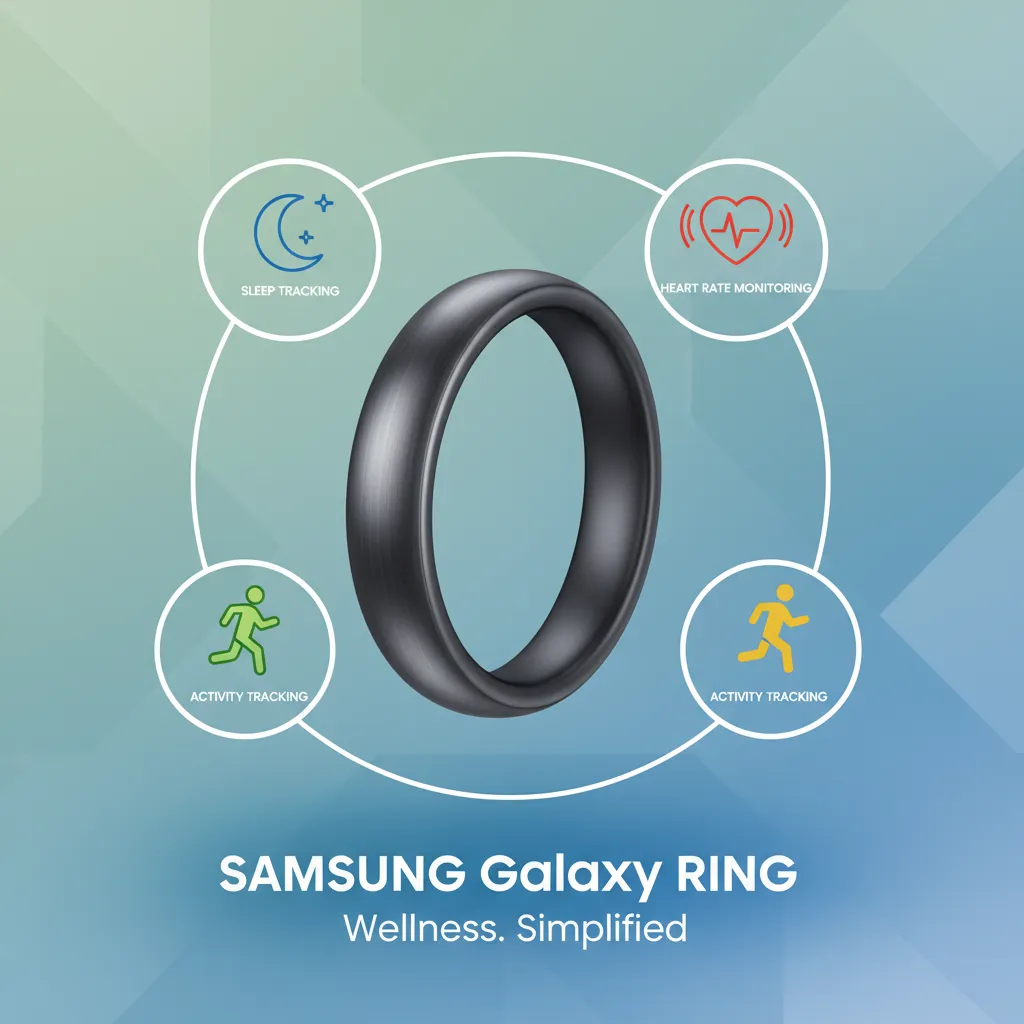
Samsung’s ecosystem approach ensures that the Samsung health tracking ring works in harmony with other devices. If you use a Galaxy Watch for a demanding workout, the ring continues its vital sign monitoring, providing a complete picture that a standalone device might miss.
Design and Comfort: A Smart Ring for Everyone
One of the greatest appeals of the Samsung Galaxy Ring is its design. Unlike bulky watches, the ring is lightweight, discreet, and available in multiple sizes and finishes (likely Silver, Ceramic Black, and Gold), ensuring a perfect fit whether you are looking for a smart ring for men or a smart ring for women. The comfortable design is critical, as health tracking efficacy is directly tied to continuous wear, especially for sleep tracking ring capabilities.
The physical design dictates the performance and utility, including the Samsung Galaxy Ring battery life. Early reports suggest the battery will last multiple days (4–7 days is the expectation), which is a massive advantage over daily-charging smartwatches and competitive with the Oura Ring.
The Critical Questions: Price, Release Date, and Availability
The information surrounding the actual launch of the Galaxy Ring has been subject to intense speculation following the initial Samsung Unpacked Galaxy Ring teasers. Understanding the expected timeline and cost is vital for potential early adopters.
Pinpointing the Galaxy Ring Release Date
While Samsung has confirmed the device’s existence and showcased its design, the finalized, global Galaxy Ring release date has been strategic and staged. The general consensus, based on wearable tech news and industry whispers, suggests a launch window designed to align with major Samsung ecosystem announcements, often targeting the second half of the year following its initial reveal.
Prospective buyers are advised to monitor official Samsung channels for confirmation, as the global rollout and Galaxy Ring availability may be staggered across key markets. The initial availability often coincides with a window for Samsung Galaxy Ring preorder.
Analyzing the Galaxy Ring Price and Subscription Model
The Galaxy Ring price is arguably the most significant competitive variable. Smart rings are premium devices, and the established market leader, Oura, operates on a subscription model. Samsung must find a balance between premium pricing reflective of its technology and mass-market accessibility.
Current industry analysis places the retail price of the Samsung Galaxy Ring in a range competitive with, or slightly below, the Oura Ring 3. This typically falls between $299 and $399 USD, depending on the materials and finishes chosen.
The Subscription Debate: Smart Ring with Subscription?
The most contentious element is the potential for a smart ring with subscription. Competitors like Oura require a monthly fee ($5.99) to unlock deep data analysis, metrics like HRV, and historical trends.
- The Samsung Strategy: Samsung has historically favored integrated ecosystem benefits over mandatory subscriptions for core hardware features. However, to maintain high-level, continuous personalized AI insights and health coaching within Samsung Health, the company might introduce an optional premium tier.
- User Expectation: If Samsung launches the ring with all core health tracking features accessible without an extra monthly fee, it will immediately gain a massive competitive edge, particularly appealing to existing Galaxy device users who are already invested in the Samsung Health app.
Ultimately, the definitive Galaxy Ring price and the presence of a required subscription model will heavily influence its market uptake and position against competitors.
[Related: claude-3-5-sonnet-guide-new-features-performance/]
The Head-to-Head Battle: Galaxy Ring vs. The Competition
When discussing the best smart rings 2024, the conversation inevitably centers on the incumbent champion and the formidable new challenger. How does the Samsung Galaxy Ring stack up against the Oura Ring, and where does the Apple Watch fit into this equation?
Oura Ring vs Samsung Galaxy Ring: The Clash of Titans
The Oura Ring has defined the smart ring category, establishing the standards for sleep and recovery tracking. The entry of Samsung marks the first major tech giant to directly challenge Oura’s dominance, leading to an exciting competitive dynamic.
| Feature | Samsung Galaxy Ring (Expected) | Oura Ring 3 (Current) |
|---|---|---|
| Form Factor | Sleek, lightweight, multiple finishes. | Durable, premium titanium construction. |
| Key Health Metrics | Sleep, HRV, SpO2, Skin Temp, Activity, Blood Flow (PPG). | Sleep, HRV, SpO2, Skin Temp, Activity. |
| Ecosystem | Deep integration with Samsung Health, Galaxy Phones (Android-centric). | Standalone app, integrates with Google Fit and Apple Health (platform agnostic). |
| Subscription | Likely optional/None for core features (TBD). | Required monthly subscription for full features. |
| Advanced Utility | Potential integration with Bixby/AI Coaching, NFC payment ring possibility. | Highly refined Sleep & Readiness Scores, guided content. |
| Battery Life | Estimated 4–7 days. | Up to 7 days. |
The key difference lies in the ecosystem. Oura offers platform neutrality. The Galaxy Ring is designed to lock users into the robust Samsung ecosystem, offering unique synergies, especially for those using the Samsung Health app and other Galaxy devices. This makes the smart ring for Android users a particularly compelling choice.
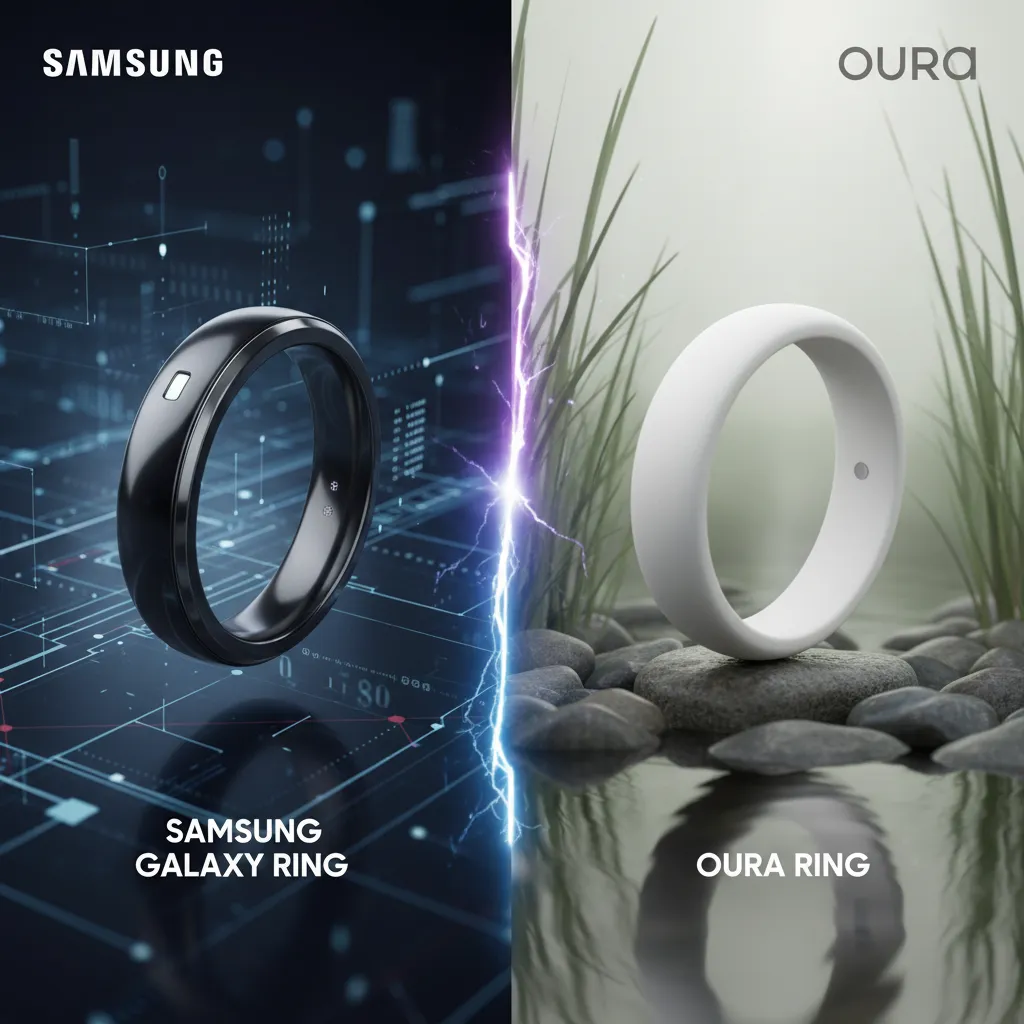
For those looking for a Motiv Ring alternative—since Motiv ceased operations—both Oura and Samsung provide significantly more advanced and stable platforms, but Samsung’s entry increases competition and drives innovation.
The Differentiating Factor: Apple Watch vs Galaxy Ring
It’s important to clarify that the Apple Watch vs Galaxy Ring comparison is often misguided, as they serve fundamentally different purposes:
- Smart Watch (Apple Watch): A powerful wrist computer, focused on notifications, communication, apps, and intense real-time activity tracking (like running with GPS). Its primary goal is versatility.
- Smart Ring (Galaxy Ring): A dedicated, passive sensor array, focused entirely on foundational, continuous health monitoring—especially sleep and recovery. Its primary goal is accuracy and discretion.
A user may wear both: the Apple Watch (or Galaxy Watch) during the day and workouts, and the Galaxy Ring 24/7 to capture superior rest data and recovery insights. The ring excels where the watch struggles—uninterrupted sleep tracking—making it the ideal sleep tracking ring complement.
Ecosystem Integration and Daily Lifestyle Utility
A wearable is only as good as its integration into the user’s life. Samsung understands this, ensuring the Galaxy Ring is not just a sensor, but a seamless accessory that enhances daily convenience.
The Central Hub: Samsung Health Application
The most significant advantage of the Samsung Galaxy Ring for the existing user base is its native, deep integration with the Samsung Health platform. This unified approach provides:
- Unified Data View: All data from the ring, smart watch, and even smart scales is presented in one place.
- AI-Powered Coaching: Leveraging machine learning, the platform can analyze long-term trends, stress triggers, and sleep deficiencies, offering personalized “Booster Cards” tailored to the individual.
- Cross-Device Synergy: The ring can communicate data like readiness or recovery status to the smart watch, influencing how the watch presents daily activity goals.
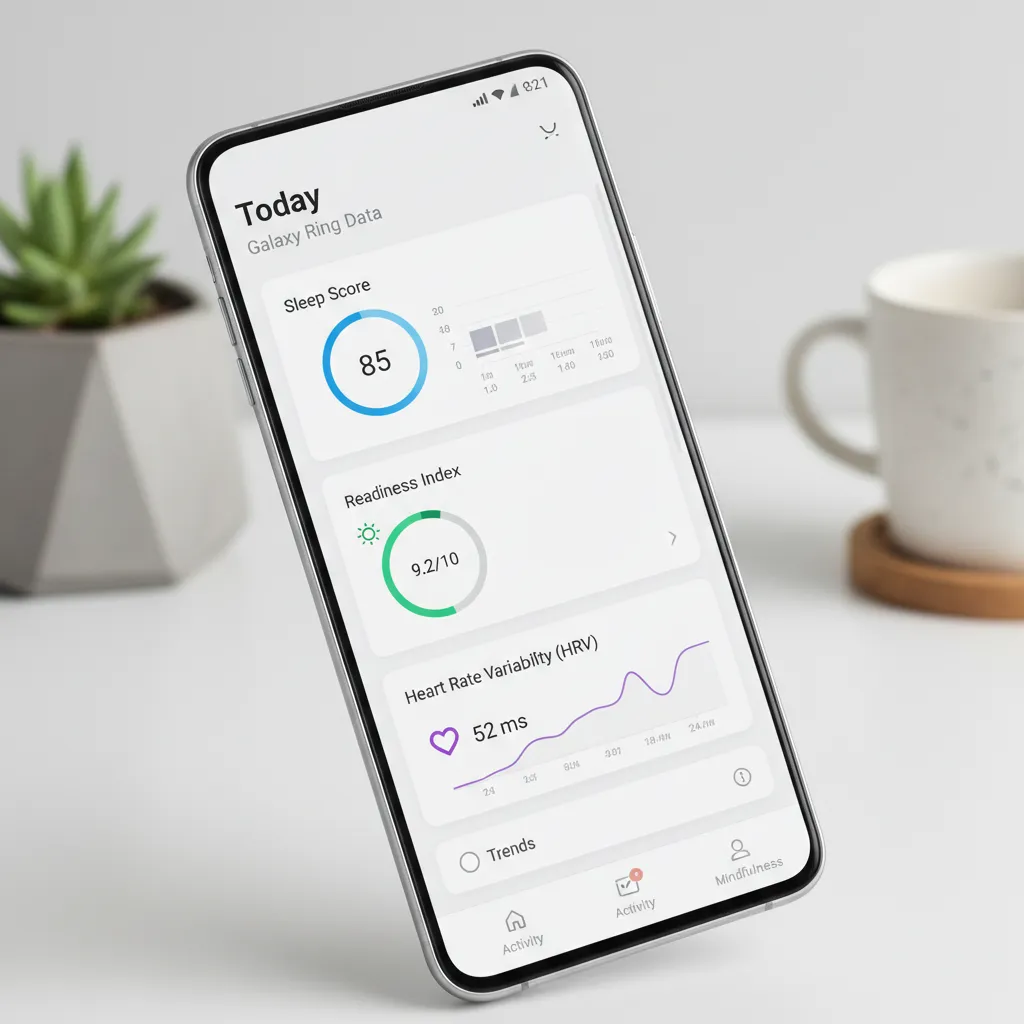
This focus on cross-device functionality positions the Galaxy Ring as a highly sophisticated smart ring for Android users, capitalizing on the expansive Galaxy ecosystem.
[Related: smart-cities-ai-iot-urban-futures/]
Beyond Health: The Potential for NFC Payments
One highly anticipated feature that would set the Samsung smart ring apart is the integration of an NFC payment ring capability. While confirmed for some competing smart rings, Samsung has the infrastructure (Samsung Wallet) to make this a genuinely useful daily feature.
Imagine paying for coffee or groceries simply by tapping your finger—a level of convenience that even a smartphone or watch cannot match in certain situations. While this feature may not be included in the initial launch, the potential for using the ring for authentication, access, and payments represents the future of wearable technology where devices serve multiple critical functions passively.

Durability, Comfort, and Longevity
Any device worn 24/7 must be robust. The Samsung Galaxy Ring is expected to feature a robust, scratch-resistant coating and high-grade materials to withstand daily wear, water exposure (crucial for a fitness tracker ring), and accidental bumps.
The long Samsung Galaxy Ring battery life (up to a week) also enhances its daily utility. Fewer charges mean more consistent data, which is the cornerstone of accurate bio-tracking wearables. Reliability and continuous monitoring are paramount for users relying on the ring for essential health monitoring devices.
The Future of Wearable Technology and the Galaxy Ring
The launch of the Samsung Galaxy Ring is more than just a product release; it’s an inflection point in the consumer technology landscape. It validates the smart ring category and pushes the boundaries of personalized health.
The Trend Towards Passive Monitoring
The industry is moving away from “active” tracking (where the user must manually input data or start a session) toward “passive” or “contextual” monitoring. The ring excels at this. By continuously capturing baseline data—such as body temperature shifts, micro-movements during sleep, and subtle changes in heart rate variability—the ring allows AI algorithms to detect health anomalies before the user even notices symptoms.
This passive approach is a key component of the future of wearable technology, making health tracking effortless and integrated into the very fabric of life. The discreet nature of the ring also addresses the issue of “tech fatigue,” offering sophisticated functionality without the distraction of a screen.
Addressing the Need for Specific Use Cases
The ring’s design makes it especially valuable for specific demographics:
- For Athletes and Fitness Enthusiasts: The high-fidelity recovery data (HRV, sleep deep-dive) is essential for optimizing training cycles and preventing overtraining.
- For Women’s Health: Precise, continuous temperature tracking makes the Samsung smart ring a powerful tool for cycle monitoring and family planning, complementing dedicated women’s health apps.
- For Bio-hackers and Longevity Seekers: These users crave granular, accurate data on biomarkers. The ring provides a comfortable way to gather baseline metrics necessary for advanced longevity tracking.
The introduction of the Galaxy Ring signals to the market that rings are serious health monitoring devices, likely inspiring other major players (like Google/Fitbit or Amazon) to accelerate their own smart ring projects, fueling further competition and innovation in wearable tech news.
The Opportunity for Samsung Galaxy Ring Reviewers
As the device moves from pre-release hype toward widespread availability, the quality of the independent Samsung Galaxy Ring review will be crucial. Reviewers will need to focus on:
- Sensor Accuracy: Comparing heart rate and SpO2 readings against medical-grade equipment.
- Battery Realism: Testing the advertised Samsung Galaxy Ring battery life under heavy use.
- App Experience: Evaluating the ease of use and depth of insights provided by Samsung Health compared to the Oura application interface.
- Fit and Comfort: Determining if the available sizes and materials genuinely suit a wide range of hand sizes and lifestyles.
A truly successful product will demonstrate that it delivers high-value health data reliably and unobtrusively, cementing its place as one of the best smart rings 2024.
[Related: ais-green-revolution-powering-climate-change-solutions/]
Navigating the Pre-Order and Launch Landscape
If you’ve been monitoring wearable tech news and are convinced that the Samsung health tracking ring is right for you, understanding the pre-order and launch process is key.
Securing Your Samsung Galaxy Ring Preorder
Samsung typically utilizes its flagship events—often in late summer or early fall—to launch pre-orders for major devices. To ensure you secure a ring, especially if initial Galaxy Ring availability is limited, follow these steps:
- Official Sources Only: Only rely on official Samsung websites or authorized carrier/retail partner sites for the Samsung Galaxy Ring preorder.
- Know Your Size: Smart rings require precise sizing for accurate tracking. Samsung often offers a free or inexpensive sizing kit prior to launch. Determine your optimal finger for continuous wear (typically the index, middle, or ring finger) and your size well in advance.
- Stay Updated on Pricing: Monitor the final confirmation of the Galaxy Ring price to understand the total cost, especially factoring in any potential accessories or bundled deals with Galaxy phones or watches.
Why Choose the Ring Over Other Wearables?
The decision between a smart ring and a smart watch often comes down to personal philosophy and lifestyle:
- Minimalism: The ring offers sophisticated data collection without screen notifications or bulk, appealing to users who prefer a minimalist tech presence.
- Sleep Focus: If high-fidelity, comprehensive sleep tracking is your number one priority, the ring form factor is physiologically superior to most watches.
- The Ecosystem Advantage: For committed Samsung users, the data synergy between the ring and the Galaxy suite (phones, watches, tablets) is unparalleled.
The Samsung smart ring is poised to democratize sophisticated bio-tracking, pushing the limits of what a small, passive device can achieve in personal health management.
[Related: ios-18-ai-photo-editing-tools-explored-apple-intelligence/]
Conclusion: The Next Step in Personalized Health
The Samsung Galaxy Ring is not just an incremental upgrade; it is a disruptive force in the market for bio-tracking wearables. By focusing on precision, comfort, and deep integration into the Samsung Health ecosystem, it offers a compelling vision of the future of wearable technology.
While the competition, particularly the Oura Ring, remains fierce, Samsung’s capacity for mass production, its dominant Android market share, and the potential to offer core features without a mandatory monthly fee make the Galaxy Ring a formidable contender. Whether you are an athlete demanding granular recovery data, someone dedicated to optimizing their sleep, or simply looking for a less intrusive way to use health monitoring devices, the Galaxy Ring is poised to deliver.
Keep monitoring wearable tech news for the final word on the Galaxy Ring release date and pricing. For millions of consumers, this little ring will likely become the ultimate, silent partner in the pursuit of better health. It signals that sophisticated health monitoring is moving off the wrist and onto the finger, finally giving us the accurate, non-intrusive data we need to truly understand our bodies.
FAQs (People Also Ask)
Q1. What is the expected Galaxy Ring release date?
The Galaxy Ring release date is expected to be in the latter half of the year following its announcement at Samsung Unpacked, often aligning with a late summer or early fall major product launch window. While an exact date varies by region, official Samsung Galaxy Ring preorder windows generally open immediately after the final details are confirmed.
Q2. How long does the Samsung Galaxy Ring battery life last?
The Samsung Galaxy Ring battery life is expected to be highly competitive, with initial estimates suggesting the device will last between 4 and 7 days on a single charge. This prolonged duration is essential for capturing continuous, accurate data, especially for sleep tracking ring functions.
Q3. Will the Galaxy Ring require a subscription like the Oura Ring?
The exact details are unconfirmed, but there is speculation about whether the Samsung smart ring will be a smart ring with subscription. While core features and raw data may be free, Samsung might introduce a premium tier for advanced AI coaching, deep historical data trends, and personalized insights (similar to “Booster Cards”) within Samsung Health.
Q4. What key features does the Galaxy Ring have for health monitoring?
The Galaxy Ring features a robust sensor array focused on bio-tracking wearables. Key capabilities include highly accurate sleep tracking ring functions, heart rate monitoring (PPG), Heart Rate Variability (HRV) for recovery, respiratory rate, and continuous skin temperature sensing, all feeding into a personalized Vitality Score within the Samsung Health app.
Q5. Is the Galaxy Ring only compatible with Samsung Galaxy phones?
While the Samsung Galaxy Ring is designed for optimal performance and deep integration with the Samsung Health ecosystem (making it the premier smart ring for Android users), it is expected to offer broad compatibility with other Android devices. However, certain advanced or proprietary features may be exclusive to Samsung Galaxy phones.
Q6. How does the Oura Ring vs Samsung Galaxy Ring compare in design?
The Oura Ring vs Samsung Galaxy Ring comparison shows both are premium devices. Oura uses durable titanium, while the Galaxy Ring is expected to be slightly sleeker and lighter, prioritizing comfort for continuous wear. Both are available in multiple sizes and finishes, appealing to both smart ring for men and smart ring for women aesthetics.
Q7. Will the Samsung Galaxy Ring support NFC payments?
There is significant anticipation that the Samsung smart ring could function as an NFC payment ring, integrating seamlessly with Samsung Wallet. While this feature is highly plausible given Samsung’s infrastructure and the competitive landscape, confirmation of NFC payment support is typically reserved for the final product reveal.
Q8. Will the Galaxy Ring replace the need for an Apple Watch or Galaxy Watch?
No, the Apple Watch vs Galaxy Ring comparison shows they serve different roles. The Galaxy Ring is a dedicated passive data collector, excelling at foundational metrics and recovery (sleep tracking ring). Smart watches are active communicators, GPS trackers, and notification hubs. They are best used together, with the ring providing the deep, continuous health data that complements the watch’s active tracking.