Eco-Friendly Gadgets: Your Guide to Sustainable Living Tech

Introduction: Powering a Greener Tomorrow, One Gadget at a Time
In a world increasingly shaped by technology, our choices as consumers carry significant weight. Every smartphone, laptop, and smart home device we purchase has an environmental footprint, from its manufacturing process to its eventual disposal. But what if our passion for innovation could align with our desire for a healthier planet? This is where eco-friendly gadgets step in, offering a promising path towards sustainable living tech.
At HiFi Studio And Mobile, we believe that technology can and should be a force for good. This comprehensive guide will explore the burgeoning world of sustainable tech, delving into how these ingenious environmentally friendly devices are revolutionizing our homes, personal lives, and even our relationship with the planet. We’ll unpack the core principles of green technology, help you identify truly eco-conscious living products, and illuminate how embracing these sustainable lifestyle products can reduce your carbon footprint tech and contribute to a more resilient future. Get ready to discover the innovative tools that are powering a greener tomorrow, one smart choice at a time.
The Urgent Call for Sustainable Tech: Why Eco-Friendly Gadgets Matter
The digital age has brought unprecedented convenience and connectivity, but it has also ushered in a concerning problem: electronic waste, or e-waste. Our insatiable demand for the latest devices, coupled with short product lifecycles and planned obsolescence, has created a global crisis.
The Environmental Impact of Conventional Electronics
The manufacturing of traditional electronics is resource-intensive. It requires vast amounts of precious metals, rare earth elements, and plastics, often extracted through environmentally damaging mining practices. The processes involved consume significant energy, leading to substantial greenhouse gas emissions. Furthermore, many components contain hazardous materials like lead, mercury, and cadmium, which, if not disposed of properly, can leach into soil and water, polluting ecosystems and posing risks to human health.
Consider the journey of a typical smartphone: from the mines where its raw materials are extracted, through factories churning out components, to the energy-hungry data centers that power its apps, and finally to landfills or incinerators when it’s deemed obsolete. Each stage contributes to environmental degradation. The sheer volume of e-waste generated annually—estimated to be tens of millions of metric tons—overwhelms recycling infrastructures and exacerbates pollution. This sobering reality underscores the critical need for a paradigm shift towards sustainable electronics.
The Rise of Eco-Conscious Consumers and Ethical Tech
Thankfully, a growing wave of consumers is demanding change. People are becoming more aware of the environmental and social costs embedded in their purchases, prompting a search for ethical consumer tech. This shift in mindset is a powerful driver for manufacturers to innovate and adopt more responsible practices.
The demand for eco-friendly gadgets isn’t just a trend; it’s a movement towards intentional living. Consumers are increasingly looking for products that not only perform well but also align with their values of environmental stewardship. This burgeoning market for green technology is pushing companies to prioritize sustainability, from sourcing raw materials to product design, energy consumption, and end-of-life management. We are witnessing a collective awakening, where technology is no longer just about convenience, but also about responsibility.
Decoding “Eco-Friendly Gadgets”: What Makes Tech Truly Sustainable?
The term “eco-friendly” can sometimes be vague, even misleading. Many products claim to be green without truly embodying sustainable principles. To genuinely embrace eco-conscious living through technology, it’s crucial to understand what truly defines sustainable tech.
Beyond Greenwashing: Key Attributes of Sustainable Technology
True sustainable electronics are designed with the entire lifecycle in mind, minimizing environmental harm at every stage. It’s about a holistic approach that goes far beyond a single “green” feature.
Material Matters: Recycled, Renewable, and Non-Toxic Components
One of the most significant indicators of an environmentally friendly device is its material composition. Look for gadgets made from:
- Recycled Materials: Post-consumer recycled plastics, aluminum, and other metals significantly reduce the need for virgin resources and divert waste from landfills. Many companies are now proudly stating the percentage of recycled content in their products.
- Renewable Resources: Materials like bamboo, cork, or bioplastics derived from plant sources offer sustainable alternatives to conventional plastics.
- Non-Toxic Components: Avoiding hazardous chemicals (e.g., PVC, BFRs, phthalates) protects both manufacturing workers and the environment, especially during disposal.
Energy Efficiency: Minimizing Power Consumption
Energy-efficient gadgets are fundamental to reducing your carbon footprint tech. This applies to both their operational energy use and their standby power consumption.
- Low Power Consumption: Devices designed to perform tasks using minimal electricity throughout their active use.
- Smart Power Management: Features that automatically power down or enter low-power modes when not in use.
- External Power Supplies: Look for high-efficiency power adapters that meet standards like Energy Star. The less energy a gadget consumes, the lower its contribution to greenhouse gas emissions from power generation.
Longevity and Repairability: Extending the Lifespan of Devices
Perhaps the most impactful aspect of longevity tech is its ability to reduce the cycle of consumption and waste. A gadget that lasts longer or can be repaired rather than replaced is inherently more sustainable.
- Durable Design: Products built to withstand wear and tear, reducing the likelihood of early failure.
- Modular Construction: Devices with easily replaceable components (e.g., batteries, screens) simplify repairs.
- Availability of Spare Parts and Repair Guides: Companies committed to sustainability often provide parts and instructions, supporting the “right to repair” movement. This also ties into repairable gadgets, which directly combat planned obsolescence.
Circular Economy Principles: Reduce, Reuse, Recycle, Repair
The circular economy gadgets concept is a powerful framework for sustainable tech. Instead of the traditional linear “take-make-dispose” model, a circular economy aims to keep resources in use for as long as possible.
- Reduce: Design products with fewer materials and less packaging.
- Reuse: Create products that can be easily repurposed or have multiple owners.
- Recycle: Design for easy disassembly and material recovery at the end of life.
- Repair: As mentioned, enabling repairs extends product life. This model fundamentally shifts our approach to resource management, moving away from waste and towards regeneration. [Related: The Quantum Leap: How Quantum Computing Will Reshape Our Future]
Ethical Manufacturing and Supply Chains
True sustainability extends beyond the product itself to the entire supply chain. Ethical consumer tech ensures that:
- Fair Labor Practices: Workers involved in manufacturing are paid fairly and work in safe conditions.
- Responsible Sourcing: Raw materials are sourced without contributing to conflict, deforestation, or human rights abuses.
- Reduced Transportation Emissions: Efforts to localize supply chains or use more efficient shipping methods.
Waste Reduction and Biodegradability
Beyond the device, consider its packaging and end-of-life options.
- Minimal and Recyclable Packaging: Reducing excess packaging and using materials like cardboard instead of plastics.
- Biodegradable Tech: Innovations leading to components that can naturally decompose without leaving harmful residues, though this is still an emerging area.
- Take-back Programs: Manufacturers offering programs to properly recycle or refurbish old devices. This fosters a true zero-waste gadgets approach.
A Deep Dive into Categories of Sustainable Living Tech
Now that we understand the hallmarks of genuinely eco-friendly gadgets, let’s explore some practical examples across various aspects of our lives. These sustainable lifestyle products prove that cutting-edge technology can coexist with environmental responsibility.
Smart Home Green Technology: Building an Eco-Conscious Abode
Your home is a prime area for adopting green home technology to make a significant impact on your energy consumption and resource use.
Energy-Efficient Smart Thermostats
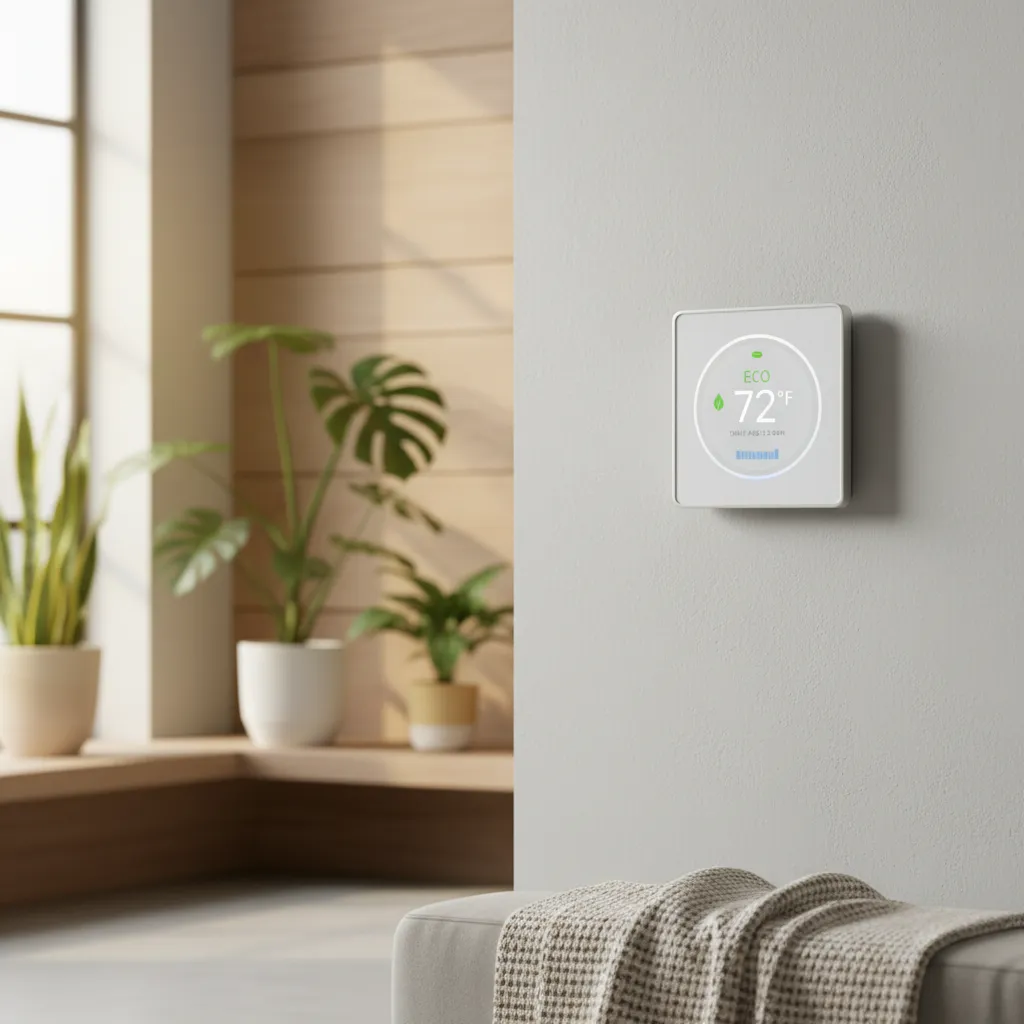
One of the most effective energy-efficient gadgets for the home is the smart thermostat. Devices like Nest or Ecobee learn your habits, optimize heating and cooling schedules, and can be controlled remotely. They prevent energy waste by adjusting temperatures when you’re away or even integrating with local weather forecasts. By finely tuning your home’s climate, these gadgets can lead to substantial reductions in energy bills and reduce carbon footprint tech.
Smart Lighting Solutions
LED smart bulbs are another cornerstone of sustainable living tips tech. They consume significantly less energy than incandescent bulbs and have a much longer lifespan. Smart lighting systems allow you to control brightness, set schedules, and even detect presence, ensuring lights are only on when needed. This combination of efficiency and intelligent control makes them powerful tools for energy conservation.
Water-Saving Gadgets for Your Home
Water scarcity is a growing global concern, and water-saving gadgets offer innovative solutions.
- Smart Sprinkler Systems: These systems use local weather data to optimize watering schedules for your garden, preventing overwatering.
- Low-Flow Shower Heads and Faucets: While not strictly “gadgets,” smart versions exist that monitor water usage or incorporate sensors to optimize flow.
- Leak Detectors: Devices that alert you to leaks in your plumbing system can prevent significant water waste and costly damage.
Renewable Energy Devices: Solar Power for Everyday Use
The sun is our most abundant energy source, and renewable energy devices are making solar power more accessible than ever.
- Solar-Powered Chargers: Small portable chargers can power your phone or other USB devices using solar energy, perfect for outdoor enthusiasts or reducing reliance on grid power.
- Solar-Powered Outdoor Lighting: Garden lights and security lights that charge during the day and illuminate at night, completely off the grid.
- Micro-inverters for Home Solar: For those with rooftop solar panels, smart inverters maximize energy harvest and allow for detailed monitoring.
Sustainable Personal Tech: Your Everyday Eco-Companion
Our personal devices are constant companions. Choosing sustainable personal tech means making a conscious effort to align these tools with our environmental values.
Eco-Friendly Smartphones and Accessories
The smartphone industry is slowly responding to demand for eco-friendly gadgets. Some brands are focusing on:
- Modular Design: Phones with easily replaceable parts (e.g., Fairphone) extend longevity.
- Recycled Materials: Devices incorporating recycled aluminum, plastics, or rare earth elements.
- Reduced/Plastic-Free Packaging: Minimizing waste from the moment you unbox your device. Sustainable smartphone accessories also play a role, with cases made from biodegradable materials, recycled plastics, or even wood. Solar-powered gadgets for charging phones are becoming increasingly efficient and portable.

Laptops and Computing: Embracing Green Computing
Green computing encompasses practices and technologies designed to reduce the environmental impact of computing.
- Energy-Efficient Laptops: Look for laptops with Energy Star ratings and processors designed for low power consumption.
- Refurbished Electronics: Buying a refurbished laptop or desktop is an excellent example of the circular economy gadgets principle, giving a device a second life and preventing e-waste.
- Laptops Made with Recycled Content: Brands are increasingly using recycled aluminum and plastics in their chassis. [Related: AI in Healthcare: Revolutionizing Medicine and Patient Care]

Wearable Tech with a Conscience
The rapid growth of wearable tech presents new opportunities for sustainability.
- Smartwatches with Recycled Materials: Bands and casings made from recycled plastics or ocean-bound plastics.
- Repairable Components: Some smartwatches are designed with easily replaceable batteries or straps.
- Energy-Efficient Chipsets: Minimizing the power draw of these always-on devices. [Related: Wearable Tech: Revolutionizing Health & Fitness]
Zero-Waste Gadgets and Circular Economy Innovations
Beyond traditional electronics, a new wave of zero-waste gadgets is emerging, focusing on minimizing consumption and maximizing resource efficiency.
Reusable and Smart Hydration Systems
Combatting single-use plastic bottles is a major step towards eco-conscious living.
- Smart Reusable Water Bottles: These bottles often track your hydration, remind you to drink water, and some even purify water using UV-C light, eliminating the need for bottled water.
- Water Filters: High-quality water filters for your tap mean you don’t need to buy plastic water bottles.

Upcycled Tech Products: Giving New Life to Old Electronics
Upcycled tech products represent the ultimate in resourcefulness. This involves taking discarded electronics and transforming them into new, useful items. Examples include:
- Jewelry made from circuit boards.
- Art installations from old computer components.
- DIY projects turning old monitors into pet beds. This practice aligns perfectly with the circular economy gadgets model, extending the life cycle of materials far beyond their original intent.
Biodegradable Tech: The Future of Disposable Items
While still nascent, the development of biodegradable tech holds immense promise for items with short lifespans or those prone to being lost in nature (e.g., headphones, some packaging). Scientists are working on bioplastics and compostable circuits that can safely decompose, leaving no harmful residues. This represents a significant leap towards a truly green technology future.
The Practical Benefits of Adopting Sustainable Lifestyle Products
Embracing eco-friendly gadgets is not just good for the planet; it offers tangible benefits for individuals and society.
Reducing Your Carbon Footprint and Environmental Impact
This is the most direct and evident benefit. Every choice to use an energy-efficient gadget, a repairable device, or a product made from recycled materials actively contributes to:
- Lower Greenhouse Gas Emissions: Less energy consumption means fewer emissions from power plants.
- Reduced Resource Depletion: Using recycled and renewable materials lessens the strain on finite natural resources.
- Less E-Waste: Longer-lasting, repairable products and better recycling infrastructure keep harmful materials out of landfills.
- Cleaner Ecosystems: Avoiding toxic materials in manufacturing and disposal protects air, water, and soil quality. Ultimately, these choices are vital steps in our collective effort to combat climate change and preserve biodiversity.
Financial Savings Through Energy-Efficient Gadgets
While the initial cost of some sustainable tech might be slightly higher, the long-term financial benefits are often substantial.
- Lower Utility Bills: Energy-efficient gadgets (like smart thermostats and LED lighting) directly translate to reduced electricity consumption, saving you money month after month.
- Reduced Replacement Costs: Longevity tech and repairable gadgets mean you replace devices less frequently, saving on new purchases.
- Potential Tax Incentives: In some regions, investing in certain green home technologies (like solar panels) can qualify for tax credits or rebates. The return on investment for many sustainable lifestyle products makes them not just an environmental choice, but a smart economic one too.
Promoting a Healthier and More Mindful Lifestyle
Beyond the environmental and financial, adopting eco-conscious living through tech can foster a more mindful personal approach.
- Reduced Exposure to Toxins: Choosing products free from harmful chemicals means a healthier environment for you and your family.
- Conscious Consumption: Actively seeking out ethical consumer tech encourages a deeper consideration of your purchases, moving away from impulsive buying towards informed decisions.
- Connection to Values: Aligning your tech choices with your commitment to sustainability can provide a sense of purpose and satisfaction. This holistic shift can lead to a more balanced and fulfilling relationship with technology.
Navigating the Green Market: How to Choose the Best Sustainable Gadgets
The market for eco-friendly gadgets is expanding rapidly, making it sometimes challenging to discern genuine sustainability from mere marketing hype. Here’s how to make informed choices.
Certifications and Standards to Look For
Reputable certifications provide third-party verification that a product meets specific environmental standards.
- Energy Star: Indicates energy efficiency for a wide range of electronics and appliances.
- EPEAT (Electronic Product Environmental Assessment Tool): Rates electronics based on environmental attributes, including materials, energy consumption, and end-of-life management.
- TCO Certified: Focuses on social and environmental sustainability throughout the product lifecycle, including ethical manufacturing.
- Blue Angel (Germany): One of the oldest environmental labels, covering various products.
- Nordic Swan Ecolabel: Recognizes products that meet stringent environmental and climate criteria. Always look for these labels when shopping for environmentally friendly devices; they are crucial indicators of a product’s true green credentials.
Researching Brands and Their Sustainability Initiatives
Beyond individual product certifications, investigate the company behind the gadget.
- Transparency: Does the brand openly report on its environmental impact, supply chain, and sustainability goals?
- Commitment to Circularity: Do they offer take-back programs, repair services, or use recycled content in their packaging and products? Look for evidence of a circular economy gadgets philosophy.
- Ethical Sourcing: Do they have policies in place to ensure fair labor practices and responsible material sourcing? A brand’s overall commitment to sustainability speaks volumes about its products. Many companies now publish annual sustainability reports, which can be invaluable resources.
Balancing Cost and Impact: Affordable Eco-Tech
While some high-end sustainable tech might come with a premium, there are plenty of affordable eco-tech options available.
- Consider the Long-Term Savings: Remember that energy-efficient gadgets often pay for themselves through reduced utility bills.
- Look for Refurbished Options: Buying refurbished electronics is often more economical and a highly sustainable choice.
- Prioritize Key Areas: Start with areas where you can make the biggest impact, like smart home devices that control energy consumption.
- DIY and Upcycling: Explore ways to extend the life of your existing gadgets or transform old electronics into new useful items (upcycled tech products). Making sustainable choices doesn’t always mean breaking the bank.
Prioritizing Longevity and Repairability
When evaluating sustainable lifestyle products, make longevity tech and repairable gadgets a top priority.
- Check for Modularity: Can components like batteries be easily replaced?
- Availability of Parts and Service: Does the manufacturer offer spare parts and readily accessible repair services?
- Software Updates: For smart devices, ensure they will receive long-term software support to remain functional and secure. A product designed to last and be repaired is inherently more sustainable than one destined for early obsolescence.
Eco-Innovations: The Future of Green Technology
The landscape of green technology is constantly evolving, driven by ingenious eco-innovations and a growing understanding of our planet’s needs. The future holds exciting possibilities for even more integrated and impactful sustainable tech.
AI’s Role in Sustainable Living Tech
Artificial intelligence (AI) is poised to play a transformative role in driving sustainability.
- Optimized Energy Grids: AI can predict energy demand and optimize renewable energy sources, making our power grids smarter and more efficient.
- Smart Waste Management: AI-powered sorting systems can improve recycling efficiency, while smart bins can optimize collection routes.
- Precision Agriculture: AI helps farmers conserve water and reduce pesticide use by precisely monitoring crop health and irrigation needs.
- Predictive Maintenance: AI algorithms can predict when equipment will fail, enabling proactive repairs and extending the lifespan of machinery and even consumer gadgets. [Related: AI’s Green Blueprint: Revolutionizing Sustainable Urban Planning] and [Related: Unlocking Potential: AI Revolutionizing Personalized Learning]
Advanced Materials and Manufacturing Processes
Ongoing research into new materials will unlock even greater potential for eco-friendly gadgets.
- Self-Healing Materials: Imagine devices that can automatically repair minor scratches or cracks, extending their durability.
- Biologically Inspired Design: Mimicking nature’s efficiency to create more resilient and less resource-intensive products.
- Additive Manufacturing (3D Printing): This technology can reduce material waste by only using the necessary amount of material, and can potentially allow for localized production, reducing transportation emissions.
The Evolution of Renewable Energy Devices
Expect to see even more sophisticated and accessible renewable energy devices.
- Next-Generation Solar Cells: More efficient, flexible, and transparent solar technologies could be integrated into windows, clothing, and virtually any surface.
- Advanced Battery Storage: Improvements in battery technology will make intermittent renewable energy sources (like solar and wind) more reliable, enabling greater energy independence for homes and communities.
- Micro-Grids and Smart Grids: These systems will allow communities to generate, store, and share their own clean energy more effectively, fostering greater resilience and reducing reliance on large centralized power plants.
[Related: Sustainable Smart Home: Energy-Saving Gadgets for a Greener Life]
Challenges and Opportunities in Sustainable Electronics
While the future of green technology looks promising, there are still significant hurdles to overcome.
Overcoming E-Waste: A Global Imperative
Despite advancements, e-waste remains a monumental challenge. The sheer volume of discarded electronics, coupled with inadequate recycling infrastructure in many parts of the world, means a vast amount of valuable materials are lost, and hazardous substances continue to pollute. Zero-waste gadgets and robust circular economy gadgets initiatives are essential, requiring collaboration between manufacturers, governments, and consumers to create truly closed-loop systems. Extended producer responsibility (EPR) laws, which hold manufacturers accountable for the entire lifecycle of their products, are a critical step forward.
Driving Consumer Demand for Ethical Consumer Tech
While awareness is growing, many consumers still prioritize price and features over sustainability. Educating the public about the long-term benefits of eco-friendly gadgets—both for the planet and their wallets—is crucial. Clear labeling, accessible information, and inspiring marketing can help shift consumer behavior towards ethical consumer tech. The availability of affordable eco-tech options will also play a significant role in broadening adoption.
Policy and Regulatory Landscape
Governments and international bodies have a vital role to play in fostering sustainable electronics.
- Right to Repair Legislation: Laws that mandate manufacturers to provide spare parts, tools, and repair information empower consumers and independent repair shops to extend product lifespans.
- Minimum Energy Efficiency Standards: Regulations that set benchmarks for energy consumption drive innovation and prevent the sale of inefficient products.
- Incentives for Sustainable Practices: Tax breaks, grants, or subsidies for companies adopting green manufacturing processes or for consumers purchasing renewable energy devices.
- Hazardous Material Restrictions: Stricter controls on the use of toxic chemicals in electronics. A supportive regulatory environment can accelerate the transition to a truly sustainable tech ecosystem. [Related: AI Career: Mastering the Future Job Market]
Conclusion: Empowering a Tech-Enabled, Sustainable Future
The journey towards eco-conscious living is a shared responsibility, and our choices in technology are a powerful lever for change. By embracing eco-friendly gadgets, we are not merely purchasing products; we are investing in a healthier planet, a more efficient lifestyle, and a future where innovation serves sustainability. From energy-efficient gadgets for our homes to repairable gadgets for our personal use, every thoughtful decision contributes to a larger, positive impact.
The landscape of sustainable tech is rich with possibilities, from green home technology to cutting-edge eco-innovations that leverage AI and advanced materials. As consumers, our demand for ethical consumer tech is a driving force, compelling manufacturers to adopt circular economy gadgets principles and reduce their environmental footprint. Let us continue to seek out devices that not only enhance our lives but also respect the delicate balance of our planet.
Join the Movement: Your Role in Eco-Conscious Living
Start small, educate yourself, and choose wisely. Every sustainable gadget you integrate into your life, every old device you properly recycle, and every conversation you have about green technology helps build momentum. The future of tech for a greener future is not just in the hands of engineers and innovators, but also in the everyday choices we make.
The Road Ahead for Green Technology
The path ahead for green technology is one of continuous innovation, collaboration, and conscious action. As technology continues to advance, so too will our capacity to harness it for good. Let’s work together to ensure that the march of technological progress is always in harmony with the health of our planet, paving the way for a truly sustainable and thriving future.
FAQs
Q1. What exactly are eco-friendly gadgets?
Eco-friendly gadgets, also known as sustainable tech or green technology, are electronic devices designed and manufactured with minimal environmental impact throughout their lifecycle. This includes using recycled or renewable materials, being energy-efficient, having a long lifespan, being repairable, and minimizing waste from production to disposal.
Q2. How do eco-friendly gadgets help reduce my carbon footprint?
Eco-friendly gadgets help reduce your carbon footprint tech by consuming less energy during use (e.g., energy-efficient gadgets like smart thermostats), utilizing recycled materials which reduces manufacturing emissions, and being designed for longevity tech and repair, which minimizes the need for new production and reduces e-waste.
Q3. Are sustainable gadgets more expensive than regular ones?
Initially, some sustainable lifestyle products might have a slightly higher upfront cost due to specialized materials or ethical manufacturing processes. However, their energy-efficient gadgets nature often leads to significant long-term savings on utility bills, and their longevity tech reduces the frequency of replacements, offering good value over time. There are also many affordable eco-tech options emerging.
Q4. What should I look for when buying environmentally friendly devices?
When buying environmentally friendly devices, look for certifications like Energy Star, EPEAT, or TCO Certified. Prioritize products made from recycled or renewable materials, designed for repairable gadgets and longevity tech, and from brands with transparent and ethical supply chains. Also, consider the product’s energy efficiency and packaging.
Q5. Can I really make a difference with just a few green tech purchases?
Yes, absolutely! Every choice towards eco-conscious living makes a difference. Opting for even a few eco-friendly gadgets (like an energy-efficient gadget or a solar-powered gadget) contributes to reducing demand for resource-intensive products and signals to manufacturers that sustainability is a priority for consumers. Collective small actions create significant impact.
Q6. What is “green computing” and why is it important?
Green computing refers to environmentally responsible and eco-friendly use of computers and related resources. This includes designing, manufacturing, using, and disposing of computers, servers, and associated subsystems efficiently and effectively with minimal impact on the environment. It’s important because it helps reduce energy consumption, minimize e-waste, and lower the carbon footprint of the technology sector.
Q7. Where can I find reliable information on sustainable electronics?
Reliable information on sustainable electronics can be found from environmental certification bodies (like EPEAT, TCO Certified), consumer advocacy groups, reputable tech review sites that include sustainability metrics, and the sustainability reports published by tech companies themselves. Organizations focused on circular economy gadgets and ethical consumer tech also provide valuable insights.