Eco-Friendly Digital Nomad: Your Guide to Sustainable Travel Hacks

Introduction
The digital nomad lifestyle is the modern dream: a life of freedom, exploration, and professional growth, unbound by geography. We trade office cubicles for beachfront cafes and boardrooms for mountain vistas. But as we chase Wi-Fi signals across the globe, a critical question emerges: what is the environmental cost of this freedom? The truth is, the digital nomad environmental impact is significant, from the carbon emissions of frequent flights to the plastic waste generated on the go.
But it doesn’t have to be this way. A new movement is gaining momentum—one that merges the freedom of remote work with a deep commitment to the planet. This is the era of the eco-friendly digital nomad. It’s about transforming our travels from consumptive to conscious, ensuring our footprint is light and our impact is positive.
This guide is your roadmap to embracing digital nomad lifestyle sustainability. We’ll move beyond generic advice and dive into actionable green travel hacks and sustainable travel tips specifically designed for a life of long-term travel. You will learn how to make conscious travel choices, master low impact travel, and find a profound sense of travel with purpose. Get ready to redefine your journey.
The Conscious Nomad’s Mindset: Shifting from Tourist to Global Citizen
Before we get into the practical hacks, the most crucial step is a mental one. Becoming an eco-friendly digital nomad requires a shift from a short-term tourist mindset to that of a long-term, responsible global citizen. It’s the core of responsible tourism for digital nomads.
This means understanding that we are temporary residents, not just visitors. Our choices directly affect the local environment, economy, and culture. The goal isn’t just sustainability (maintaining the status quo) but embracing regenerative tourism—actively leaving a place better than we found it.
One of the most powerful ways to cultivate this mindset is by embracing the slow travel benefits. Instead of country-hopping every few weeks, consider staying in one location for several months. This not only dramatically reduces your transportation footprint but also allows for genuine local immersion travel. You build relationships, understand the local ecosystem of challenges and opportunities, and can contribute more meaningfully.
Related: Sustainable Travel Guide: Eco-Friendly Adventure
Packing with Purpose: The Minimalist & Zero-Waste Nomad
Your journey to sustainability begins before you even leave home. How and what you pack sets the tone for your entire trip. A heavy, overstuffed suitcase not only weighs you down physically but also carries a heavier carbon cost on every flight.
Master the Art of Minimalist Packing Travel
Minimalism is a nomad’s best friend. Minimalist packing travel forces you to be intentional, choosing versatile, high-quality items over a vast collection of single-use ones.
- Build a Capsule Wardrobe: Select 20-30 pieces of clothing in a complementary color palette that can be mixed and matched to create dozens of outfits. Prioritize natural, durable fabrics like merino wool, which is odor-resistant and requires less washing.
- Invest in Multi-Purpose Gear: A sarong can be a towel, a beach cover-up, a scarf, or a privacy screen. A solid shampoo bar can also be used as body wash and even for laundry in a pinch.
- Choose the Best Eco-Friendly Luggage: Look for brands that use recycled materials, offer lifetime warranties to reduce waste (like Osprey or Patagonia), and are lightweight to help you avoid extra baggage fees and emissions.
Your Zero-Waste Travel Gear Toolkit
Eliminating single-use plastics is one of the most impactful changes you can make. The goal is plastic free travel, and it’s more achievable than you think with the right zero waste travel gear.

Here’s your essential toolkit of reusable travel products:
- Filtered Water Bottle: A bottle like a Lifestraw Go or Grayl GeoPress allows you to safely drink tap water anywhere in the world, saving hundreds of plastic bottles and a significant amount of money.
- Collapsible Coffee Cup: For your daily caffeine fix without the disposable cup and plastic lid.
- Travel Cutlery Set: A compact bamboo or stainless steel set with a fork, spoon, knife, and chopsticks.
- Reusable Shopping Bags: A lightweight, foldable tote bag is essential for grocery runs and market visits.
- Solid Toiletries: Shampoo bars, conditioner bars, solid perfume, and toothpaste tabs eliminate bulky, leak-prone plastic bottles.
- Menstrual Cup or Period Underwear: A game-changer for reducing monthly waste and saving space.
Your Footprint on the Move: Sustainable Transportation Choices
Transportation is, without a doubt, the biggest contributor to a digital nomad’s carbon footprint. Reducing travel footprint requires a strategic and conscious approach to how you move between and within destinations.
Rethinking Flights: The Biggest Hurdle
While sometimes unavoidable for intercontinental jumps, flying is the most carbon-intensive mode of transport. When you must fly, you can still make more eco friendly flights a priority.
- Fly Direct: Takeoffs and landings consume the most fuel, so a single direct flight is better than one with layovers.
- Choose Economy: Business and first-class seats take up more space, meaning your per-person share of the flight’s emissions is significantly higher.
- Pack Light: The lighter the plane, the less fuel it burns. Your minimalist packing pays off here, too.
- Research Airlines: Some airlines invest more in newer, more fuel-efficient aircraft and sustainable aviation fuels. Use tools like Google Flights, which now shows carbon emission estimates for many routes.
For true carbon neutral travel, consider offsetting your flight’s emissions. Use a reputable carbon offset program (like those certified by Gold Standard or Verra) that invests in verifiable carbon reduction projects, such as reforestation or renewable energy.
Embracing Overland & Slow Travel
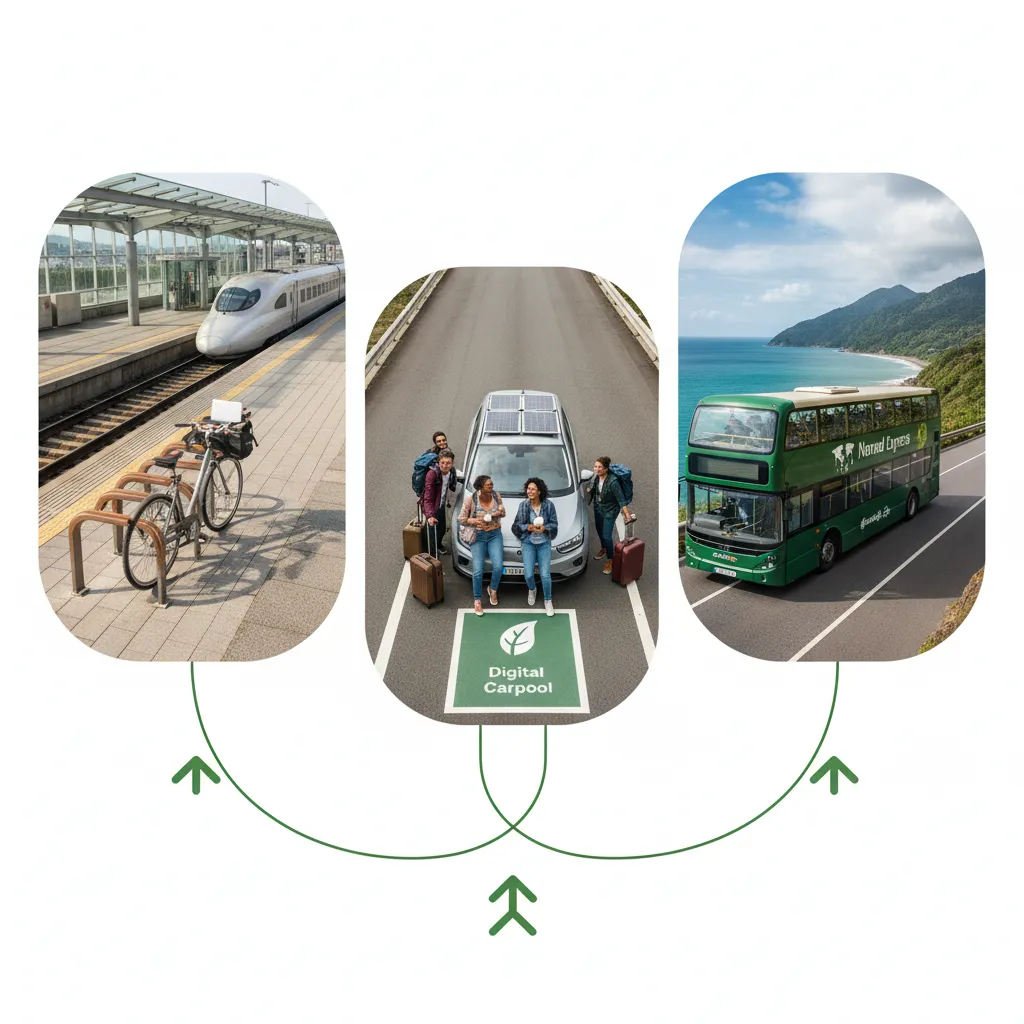
Whenever possible, choose the scenic route. Sustainable transportation options like trains and buses are not just better for the planet; they are central to the slow travel benefits we discussed earlier. You get to see the country unfold, interact with locals, and experience the journey as part of the adventure. In cities, opt for public transport, cycling, or walking to get around.
A Place to Call Home (for now): Finding Sustainable Accommodation
Your choice of where to stay has a ripple effect on the local community and environment. Here’s how to find genuinely sustainable accommodation:
- Look for Certifications: Check for recognized eco-certifications like Green Key, LEED, or EarthCheck, which audit properties for their sustainability practices.
- Ask the Right Questions: Don’t be shy! Before booking a long-term stay, ask the host about their recycling program, water-saving measures, energy sources, and if they hire local staff and pay fair wages.
- Prioritize Locally-Owned: Opt for locally-owned guesthouses, homestays, or apartments over large international hotel chains. This ensures your money stays within the community.
- Use Eco-Conscious Booking Platforms: Websites like BookDifferent and Ecobnb specialize in listing properties that meet specific sustainability criteria.
Related: AI-Powered Personalized Travel Planning
Living Like a Local: Ethical & Regenerative Practices
Digital nomad sustainable living truly comes to life in your daily habits. It’s about integrating into the community in a way that is respectful, supportive, and regenerative.
Supporting Local Businesses Travel
One of the golden rules of ethical travel for nomads is to ensure your money benefits the local population directly.
- Eat and Shop Local: Skip the familiar global chains. Eat at family-run restaurants, buy produce from local markets, and purchase souvenirs directly from artisans. This provides a more authentic experience and supports the local economy.
- Hire Local Guides: For tours and experiences, hire a certified local guide. They offer unparalleled insight into their culture and home, and you’re supporting a local entrepreneur.

Ethical Volunteering Abroad and Making a Real Impact
Many nomads want to give back, leading them to volunteer travel opportunities. However, this area is fraught with “voluntourism” schemes that can do more harm than good. For ethical volunteering abroad, do your research.
- Focus on Skills, Not Saviors: Offer your professional skills. A marketing agency might need help with their website, or an NGO might need social media support. This is often more valuable than unskilled labor.
- Vet Organizations Thoroughly: Investigate any organization you consider. Ensure they are community-led and address a genuine local need. Be extremely cautious of any “volunteer” program involving orphanages or captive wild animals, as these are often exploitative.
- Commit to a Longer Term: A one-day volunteering gig is often disruptive. A longer commitment allows you to build trust and make a more meaningful contribution. The goal is genuine impact, not just a photo-op.

The “Digital” in Digital Nomad: Taming Your Tech Footprint
We often overlook the “digital” part of our footprint. Remote work and sustainability are intertwined. Our reliance on technology—laptops, phones, cloud storage—consumes a massive amount of energy.
- Power Down: Unplug your devices when not in use. Use energy-saving modes. A surprising amount of energy is consumed by devices on standby.
- Digital Cleanup: The data we store in the cloud sits on physical servers in massive data centers that run 24/7. Regularly delete old files, emails, and photos you don’t need from cloud services.
- Choose Green Co-working Spaces: When selecting a workspace, ask if they use renewable energy, have a recycling program, or have other green initiatives.
- Leverage
Eco Conscious Travel Apps: Your smartphone can be a powerful tool for sustainability.- Ecosia: A search engine that uses its ad revenue to plant trees.
- HappyCow: Helps you find vegan and vegetarian restaurants, reducing your dietary footprint.
- Too Good To Go: Rescues unsold food from restaurants and shops at a discount, fighting food waste.
- Giki: Scan product barcodes to check their sustainability and ethical credentials.
Related: AI Agents Will Automate Your Digital Life
Conclusion: Crafting Your Sustainable Journey
Becoming an eco-friendly digital nomad isn’t about achieving perfection overnight. It’s a continuous journey of learning, adapting, and making more conscious travel choices. It’s about understanding that the ultimate freedom is not just the ability to go anywhere, but the ability to do so in a way that protects the very beauty and diversity we seek to explore.
By embracing minimalist packing travel, opting for sustainable transportation options, supporting local businesses, and being mindful of our digital footprint, we can transform our lifestyle. We can move beyond simply seeing the world to actively participating in its preservation and flourishing. This is long term sustainable travel at its core—a journey that is as rich and rewarding for the planet and its people as it is for us.
What is the first sustainable change you will implement on your next adventure? Share your commitment in the comments below—let’s inspire each other to travel better.
Frequently Asked Questions
Q1. How can a digital nomad be sustainable?
A digital nomad can be sustainable by adopting practices like slow travel to reduce transportation emissions, packing light and using zero-waste products, choosing eco-certified accommodations, supporting local economies by frequenting local businesses, and offsetting their carbon footprint. It involves making conscious choices daily to minimize environmental and social impact.
Q2. What is the environmental impact of digital nomads?
The primary environmental impact of digital nomads comes from air travel, which has a high carbon footprint. Other impacts include consumption of single-use plastics, energy and water usage in accommodations, and potential strain on local resources in popular destinations. A nomad’s digital footprint, from data storage to device energy consumption, also contributes.
Q3. What is eco-friendly travel?
Eco-friendly travel, or green tourism, is travel that minimizes harm to the natural environment. It focuses on conservation, reducing waste, pollution, and carbon emissions. Key practices include using sustainable transportation, conserving water and energy, avoiding single-use plastics, and respecting wildlife and natural habitats.
Q4. How can I travel with zero waste?
Traveling with zero waste involves planning ahead to refuse, reduce, reuse, and recycle. Key steps include carrying reusable items like a water bottle, coffee cup, cutlery, and shopping bags; choosing products with no packaging or eco-friendly packaging; using solid toiletries; and composting food scraps where possible. It’s about aiming for zero-waste, not immediate perfection.
Q5. What is the most sustainable way to travel?
The most sustainable way to travel is by land. Traveling by train, bus, or even bicycle has a significantly lower carbon footprint than flying. Embracing “slow travel” by staying in one location for longer and exploring a region via ground transportation is far more sustainable than frequent flights between distant locations.
Q6. Is slow travel more sustainable?
Yes, slow travel is inherently more sustainable. By reducing the frequency of long-distance travel, especially flights, it dramatically cuts down your carbon footprint. It also encourages using local transportation, supports local economies more deeply over a longer period, and fosters a more meaningful and less consumptive travel experience.