Declutter Your Life: 10 Essential Minimalist Strategies for a Serene Home & Mind

Introduction
In our fast-paced, consumer-driven world, it’s easy to accumulate more than we need—not just physical possessions, but also digital distractions, overwhelming schedules, and mental clutter. This constant accumulation often leads to stress, anxiety, and a feeling of being perpetually overwhelmed. If you’ve ever felt bogged down by your belongings, distracted by your phone, or simply yearned for a calmer, more focused existence, then exploring the principles of minimalist living might be the transformative solution you need.
This comprehensive guide is designed to empower you with decluttering tips and practical minimalist strategies that extend far beyond simply having fewer items. We’ll delve into how to declutter your home, streamline your digital life, and ultimately, declutter your mind to create a serene home and a more peaceful existence. By embracing the minimalist lifestyle, you’ll discover the profound benefits of minimalism, learning to simplify your life and live with greater intention and purpose. Get ready to embark on a journey that will help you move from chaos to calm, from overwhelm to serenity, and from accumulation to appreciation.
The Philosophy of Minimalism: Beyond Bare Walls
Minimalism is often misunderstood as merely an aesthetic choice—a stark, empty room with little to no furniture. While a clean aesthetic can be a byproduct, true minimalist living is a deeply personal philosophy focused on living with less in order to make room for what truly matters. It’s an exercise in intentional living, where every possession, commitment, and activity is consciously chosen and serves a purpose.
At its core, minimalism is about essentialism – identifying the absolute essentials in your life and joyfully releasing the rest. It’s a shift from a mindset of “more is better” to “enough is plenty.” This philosophy helps us to gain clarity, reduce stress, and reclaim our time and energy, allowing us to focus on experiences, relationships, personal growth, and well-being rather than material possessions.
Understanding the Mental Benefits of Decluttering
The impact of clutter extends far beyond the physical space. A cluttered environment often mirrors a cluttered mind, contributing to significant mental and emotional stress. Studies have shown a strong correlation between excessive possessions and increased anxiety levels. When your home is full of unused items, your brain is constantly processing visual information, leading to cognitive overload and decision fatigue.
Embracing decluttering tips and a minimalist lifestyle offers profound mental benefits of decluttering:
- Reduced Stress and Anxiety: A clear space creates a clear mind. When you remove unnecessary items, you eliminate visual distractions and the subconscious burden of unmade decisions about those items. This leads to a calmer, more peaceful internal state.
- Increased Focus and Clarity: With fewer distractions, both physical and digital, your ability to concentrate on tasks that truly matter improves dramatically. You’ll find it easier to work, relax, and pursue hobbies without constant interruptions.
- Improved Decision-Making: When you’re not constantly faced with a multitude of choices regarding your possessions, your capacity for making important decisions in other areas of your life is enhanced. This is a direct benefit of reducing decision fatigue.
- Greater Sense of Control: Taking charge of your physical space can translate into a greater sense of control over your life in general. This empowerment can significantly boost self-esteem and overall well-being.
- More Time and Energy: Less time spent organizing, cleaning, and searching for things means more time and energy for meaningful activities, personal growth, and pursuing passions.
- Enhanced Mindfulness: The process of choosing what to keep and what to let go encourages mindful consumption and a deeper appreciation for the items you do own. It fosters a sense of gratitude and presence.
Strategy 1: Adopt the “One In, One Out” Rule
One of the simplest yet most powerful minimalist habits for preventing future clutter accumulation is the “one in, one out” rule. This strategy is precisely what it sounds like: for every new item you bring into your home, one similar item must leave.
How to Implement “One In, One Out”:
- Practical Application: If you buy a new shirt, an old shirt needs to be donated or discarded. If you get a new book, an existing book should find a new home. This applies to everything from kitchen gadgets to decorative items.
- Stopping the Inflow of New Clutter: The “one in, one out” rule acts as a powerful gatekeeper, forcing you to consciously evaluate every potential purchase. It makes you ask: “Do I truly need this? And if so, what existing item can I let go of to make space for it?” This practice not only keeps your home from becoming re-cluttered but also encourages mindful consumption and prevents impulse buys. It reinforces the idea of living with less and valuing quality over quantity.
- Be Flexible but Firm: While the rule is straightforward, allow for some flexibility (e.g., if you genuinely need a replacement, it doesn’t always have to be a direct swap if you already have minimal items in that category). However, be firm in its core principle: maintaining a consistent level of possessions.
Strategy 2: Embrace the KonMari Method for Deep Decluttering
When it comes to comprehensive decluttering tips and knowing how to declutter your home effectively, the KonMari method, popularized by Marie Kondo, has revolutionized the way many approach organization. It’s not just about tidying; it’s a profound process that encourages introspection and a deep connection with your belongings.
Core Principles of the KonMari Method:
- Category-by-Category Approach: Unlike traditional room-by-room decluttering, the KonMari method advocates for tidying by category: clothes, books, papers, komono (miscellany), and sentimental items. This approach ensures you’re not just moving clutter around but systematically addressing it across your entire home.
- The “Spark Joy” Principle: The cornerstone of the KonMari method is asking yourself if an item “sparks joy.” This intuitive question helps you tune into your emotional connection with your possessions. Hold each item, truly feel its presence, and if it brings you a genuine sense of happiness or utility, keep it. If not, thank it for its service and let it go. This principle goes beyond mere utility; it encourages you to surround yourself only with things that uplift you.
- Folding and Storage: For items you decide to keep, the KonMari method emphasizes specific folding techniques (especially for clothes) that maximize space and make items easily visible in drawers or shelves. Vertical storage is a hallmark, allowing you to see everything at a glance and prevent items from getting lost at the bottom of piles.
- Gratitude: Before discarding an item, Marie Kondo encourages you to express gratitude for its purpose. This simple act transforms the decluttering process from a chore into a respectful and almost spiritual practice, making it easier to part with items without guilt.
While the KonMari method can be an intensive process, its focus on emotional connection and gratitude makes it incredibly effective for achieving a truly clutter-free home and fostering a deeper understanding of your relationship with your possessions, aligning perfectly with the principles of intentional living.
Strategy 3: Cultivate a Minimalist Wardrobe
The wardrobe is often a prime culprit for clutter, filled with clothes we rarely wear, don’t fit, or keep “just in case.” Cultivating a minimalist wardrobe is one of the most effective simple living strategies for reducing daily stress and saving time and money.
The Capsule Wardrobe Concept:
A minimalist wardrobe often revolves around the concept of a “capsule wardrobe.” This involves curating a small collection of versatile, high-quality clothing items that can be mixed and matched to create numerous outfits suitable for various occasions.
- Identify Your Style: Understand what truly suits your body type, lifestyle, and personal aesthetic. Focus on colors and styles that complement each other.
- Quality over Quantity: Invest in durable, well-made pieces that will last, rather than fast fashion items that quickly wear out. This aligns with sustainable minimalism.
- Versatility is Key: Choose items that can be dressed up or down, layered, and worn in multiple seasons.
- Seasonal Rotation: Consider rotating some items seasonally, storing off-season clothes to keep your active wardrobe lean.
Benefits of a Minimalist Wardrobe:
- Less Decision Fatigue: Imagine opening your closet and knowing every item in it makes you feel good and fits perfectly. This eliminates the daily struggle of deciding what to wear, freeing up mental energy.
- Easier Laundry and Maintenance: With fewer clothes, laundry becomes less daunting. You’ll spend less time sorting, washing, and putting away clothes.
- Cost Savings: By adopting mindful consumption habits, you’ll buy fewer clothes, leading to significant savings over time. You’ll be less susceptible to fleeting trends.
- More Space: A streamlined wardrobe frees up valuable closet and drawer space, contributing to an overall clutter-free home.

For those interested in extending this concept to more conscious consumer choices, exploring eco-friendly fashion choices can further enhance your sustainable minimalism journey. You can learn more about making mindful decisions in your clothing purchases by visiting https://hyperdaily.one/blog/sustainable-style-eco-friendly-fashion-choices/.
Strategy 4: Optimize Your Digital Life with Digital Minimalism
In our increasingly connected world, clutter isn’t confined to physical spaces. Digital clutter can be equally overwhelming, impacting our focus, productivity, and mental well-being. Digital minimalism is about intentionally reducing screen time and digital distractions to prioritize what truly adds value to your life, thereby helping to declutter your mind.
Understanding Digital Clutter:
- Emails: An overflowing inbox, unread newsletters, and endless notifications.
- Apps: Dozens of unused apps taking up space and demanding attention on your phone.
- Files and Photos: Disorganized digital documents, duplicate photos, and a desktop full of random files.
- Social Media and Notifications: Constant pings and endless scrolling that drain your attention and time.
- Subscriptions: Unread digital subscriptions to newsletters, streaming services, and online communities.
Strategies for Digital Detox and Organization:
- Declutter Your Devices:
- Apps: Delete any apps you haven’t used in a month. Consolidate similar apps. Organize remaining apps into folders.
- Files and Photos: Dedicate time to organize your digital files, deleting duplicates and creating a logical folder structure. Utilize cloud storage for backup and accessibility. Delete old screenshots and irrelevant photos.
- Email: Aim for “Inbox Zero.” Unsubscribe from unwanted newsletters. Use email filters and rules to manage incoming mail efficiently.
- Manage Notifications: Turn off non-essential notifications on your phone and computer. Only allow notifications for truly urgent communications.
- Limit Social Media: Set time limits for social media use. Consider removing social media apps from your phone and only accessing them on a computer during designated times.
- Unsubscribe: Review your email subscriptions and unsubscribe from anything that doesn’t genuinely provide value or spark joy (to borrow a phrase!).
- Designated “Tech-Free” Times: Establish specific periods each day or week where you intentionally disconnect from all digital devices. This could be during meals, before bed, or on weekends.

By practicing digital minimalism, you reclaim your attention and mental space, fostering deeper focus and a greater sense of calm. This intentional approach to technology aligns perfectly with essentialism and helps you to simplify your life. For tools that can help you manage your digital tasks more efficiently and reclaim your productivity, consider exploring https://hyperdaily.one/blog/unlock-potential-top-ai-tools-everyday-productivity/.
Strategy 5: Design a Functional Minimalist Kitchen
The kitchen, often considered the heart of the home, can also be a significant source of clutter, filled with rarely used gadgets, duplicate items, and overflowing pantries. Designing a minimalist kitchen is about creating a highly functional, inviting space that supports healthier eating and simpler living. It’s one of the most effective simple living strategies you can implement.
Essentials-Only Approach:
- Identify Your Cooking Style: What kind of meals do you typically prepare? Do you bake frequently, or prefer simple, one-pot dishes? Your cooking habits should dictate your kitchen inventory.
- Core Cookware and Bakeware: Invest in a few high-quality, versatile pots, pans, and baking sheets that can handle a variety of tasks. Avoid single-use gadgets that take up valuable space.
- Essential Utensils: A good set of knives, a few spatulas, whisks, and serving spoons are often all you need. Cull duplicates and broken items.
- Dinnerware and Glassware: Keep enough for your household size plus a few extra for guests. Avoid excessive sets or novelty items.
- Food Storage: Focus on reusable, stackable containers that keep your pantry and fridge organized and reduce waste.
Organization Tips for a Minimalist Kitchen:
- Clear Counters: A hallmark of a minimalist kitchen is clear countertops. Store appliances you use daily (like a coffee maker) but tuck away those used less frequently. This creates a sense of calm and makes cleaning much easier.
- Smart Storage Solutions: Utilize vertical space with shelves and cabinet organizers. Drawer dividers can keep utensils and smaller items neatly separated.
- Pantry Principles: Organize your pantry by categories (grains, canned goods, snacks). Use clear containers for dry goods to easily see what you have and prevent overbuying. Regularly check expiration dates.
- “Use It Up” Philosophy: Before buying new ingredients, try to use what you already have. This reduces food waste and keeps your pantry from becoming overwhelmed.
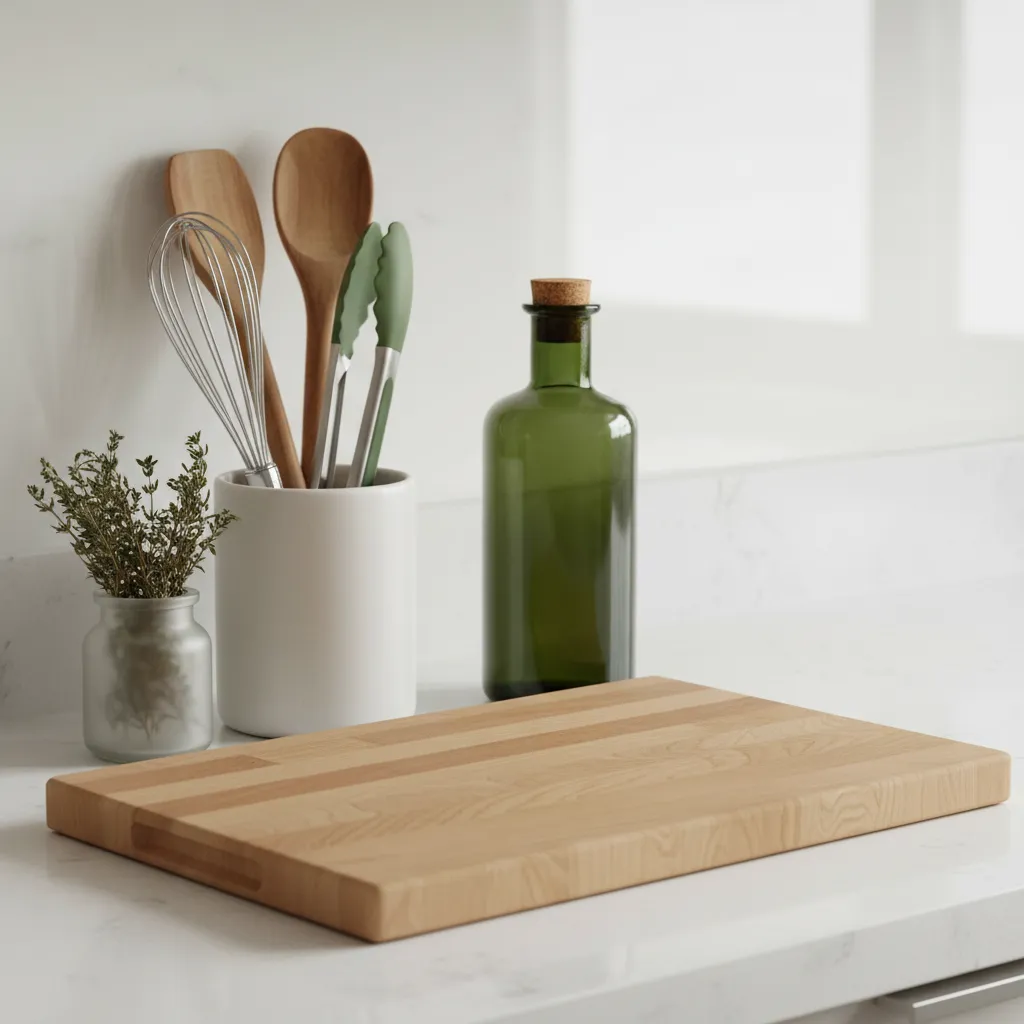
A minimalist kitchen is not about deprivation; it’s about optimizing efficiency and joy in your cooking space. It reduces decision fatigue, makes meal preparation more enjoyable, and ultimately contributes to a more clutter-free home and a calmer mind.
Strategy 6: Implement a Minimalist Budget and Mindful Consumption
While minimalism is often associated with physical decluttering, its principles extend powerfully to our finances and consumption habits. Implementing a minimalist budget and practicing mindful consumption are critical for achieving financial peace and living a truly intentional living life. These strategies go hand-in-hand with the broader goal to reduce waste minimalism.
Spending Intentionally:
- Track Your Spending: The first step to any effective budget is understanding where your money goes. Track every expense for a month to identify patterns and areas where you can cut back.
- Prioritize Values: Align your spending with your core values. If experiences matter more to you than possessions, allocate more funds to travel or events and less to material goods. This is a fundamental aspect of living with less.
- The “Why” Behind Purchases: Before buying something, pause and ask yourself: Why am I buying this? Is it a genuine need, or is it driven by impulse, advertising, or a desire to keep up with others?
- Delay Gratification: Instead of immediate purchases, implement a waiting period (e.g., 24 hours, a week). Often, the desire for an item diminishes once the initial impulse fades.
Mindful Consumption and Reducing Waste:
- Buy Less, Choose Well: This mantra of mindful consumption encourages investing in fewer, higher-quality items that will last, rather than disposable, cheap goods. This directly supports eco-friendly minimalism.
- Consider the Environmental Impact: Before purchasing, think about the product’s lifecycle—where it came from, how it was made, and where it will go when you’re done with it. Choose brands committed to sustainability.
- Repair Before Replacing: Embrace a “fix-it” mentality. Learn basic repair skills or seek out local repair shops for clothing, electronics, and household items.
- Borrow, Don’t Buy: For items you use infrequently (e.g., specialized tools, party supplies), consider borrowing from friends, family, or community libraries instead of purchasing.
- Reduce Waste Everywhere: This includes food waste (meal planning, proper storage), single-use plastics (reusable bags, bottles, containers), and energy consumption. Sustainable minimalism encourages a holistic approach to minimizing your environmental footprint.
By aligning your finances with your minimalist values, you gain control over your money, reduce financial stress, and contribute positively to the environment. This is a powerful step towards a truly simplify your life and more fulfilling existence.
Strategy 7: Practice Essentialism in Your Schedule and Commitments
Minimalism isn’t just about decluttering physical items; it’s also about decluttering your time, energy, and commitments. Essentialism, a philosophy popularized by Greg McKeown, is about doing “less but better.” It’s a powerful tool for those seeking to simplify your life and avoid the trap of being perpetually busy without being productive.
Saying No to Non-Essentials:
- Identify Your Highest Contribution: What are the few things that truly make the most significant impact in your life, career, and relationships? Focus your energy there.
- The Power of “No”: Learn to politely decline requests that don’t align with your priorities or values. Saying “no” to one thing allows you to say a more enthusiastic “yes” to something truly important. This protects your time and energy.
- Eliminate Obligations: Regularly review your commitments—social, professional, volunteer. Are there any that no longer serve you or bring you joy? Gracefully exit them.
Focusing on High-Impact Activities:
- Prioritize Ruthlessly: Use tools like the Eisenhower Matrix (urgent/important) or simply ask: “If I could only accomplish one thing today, what would it be?”
- Deep Work: Schedule dedicated blocks of time for focused, uninterrupted work on your most important tasks. Minimize distractions during these periods.
- Regular Review: Periodically assess your schedule and commitments. Are you still allocating your time and energy in alignment with your current goals and values?
Time Management Through a Minimalist Lens:
- Simplify Routines: Streamline your morning and evening routines to reduce decision fatigue and create more seamless transitions.
- Batch Similar Tasks: Group similar tasks together (e.g., answering emails, making phone calls, running errands) to improve efficiency.
- Embrace White Space: Intentionally build in unstructured time in your schedule for rest, reflection, and spontaneity. This “white space” is crucial for creativity and well-being, helping to declutter your mind.
By applying essentialism to your schedule and commitments, you move away from a reactive, overwhelmed existence to one of deliberate, purposeful action. This shift is fundamental to achieving a truly serene home and mind.
Strategy 8: Create a Clutter-Free, Serene Home Environment
Beyond the individual strategies for specific areas, the overarching goal of minimalism is to create a serene home – a sanctuary that supports peace, relaxation, and mindful living. This involves thoughtful minimalist home decor choices and strategic organization to achieve a truly clutter-free home, even in instances of small space living.
Aesthetics: Clean Lines, Natural Materials, Functional Furniture:
- Embrace Open Space: Minimalist design prioritizes negative space, allowing elements to breathe. Avoid overcrowding rooms with furniture or decor.
- Neutral Color Palettes: Muted, natural colors (whites, grays, earth tones) create a calming backdrop and allow textures and natural light to shine.
- Natural Materials: Incorporate wood, stone, linen, cotton, and wool. These materials add warmth and texture without adding visual clutter.
- Functional Furniture: Choose pieces that serve a purpose and are well-designed. Multi-functional furniture (e.g., an ottoman with storage, a sofa bed) is excellent for small space living.
- Thoughtful Decor: Opt for a few meaningful decorative items rather than many. A single piece of art, a plant, or a beautiful vase can make a statement without overwhelming the space.
Strategic Organization for Every Room:
- Everything Has a Home: The golden rule of decluttering. Every item you own should have a designated place. When you’re done using something, put it back immediately.
- Concealed Storage: Utilize closed cabinets, drawers, and storage bins to keep clutter out of sight. Open shelving can work, but requires diligent curation.
- Vertical Storage: Maximize space by using shelves, wall-mounted units, and drawer dividers.
- Regular Purges: Even in a minimalist home, occasional purges are necessary. Set a schedule (e.g., quarterly) to review your belongings and let go of anything that no longer serves you.
Dealing with Sentimental Items:
This is often the most challenging aspect of decluttering.
- Digitize Memories: Photographs, old letters, and artwork can often be digitized to preserve the memory without keeping the physical item.
- Create a Memory Box: Designate a single, finite container for your most cherished sentimental items. When it’s full, you must curate it, keeping only the most meaningful pieces.
- Focus on the Feeling: Remember that the memory and feeling associated with an item are more important than the item itself.
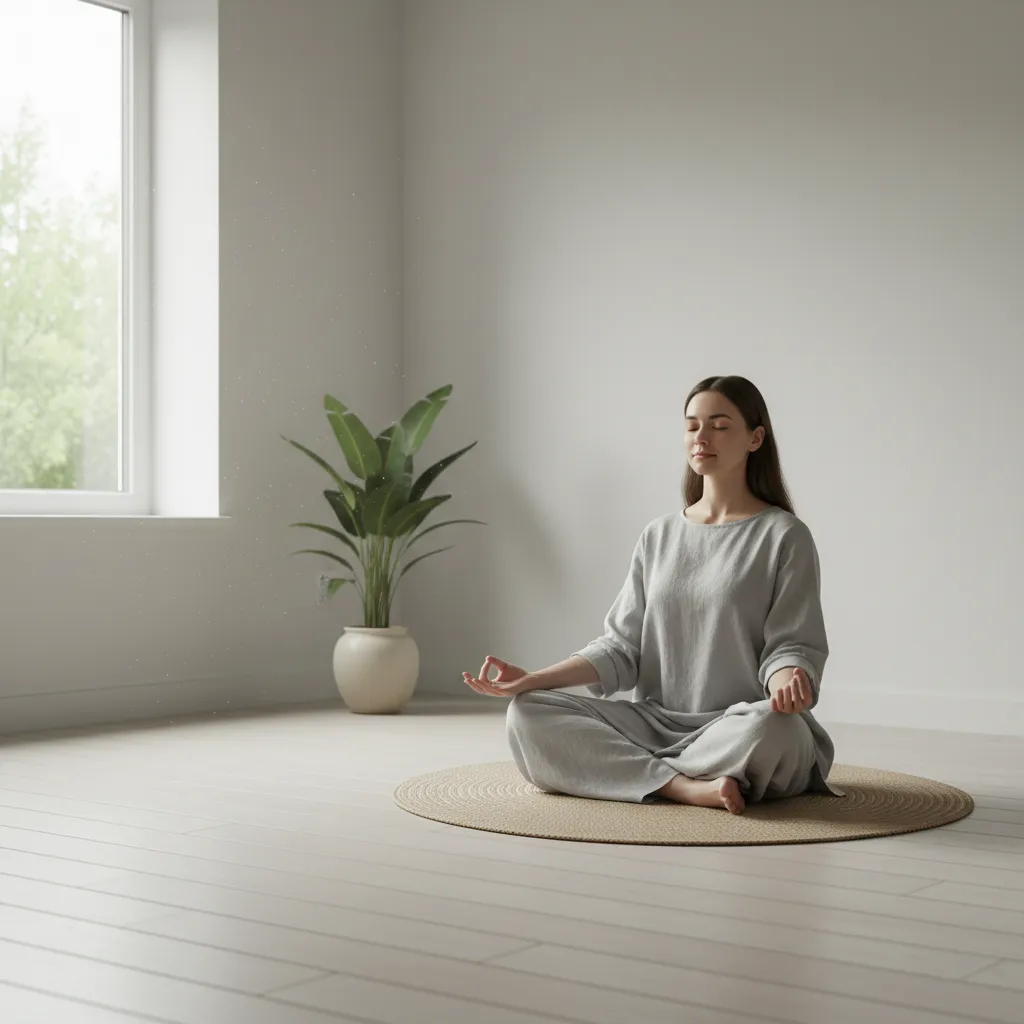
By thoughtfully curating your environment, you transform your home into a sanctuary that supports your well-being and fosters the tranquility essential for intentional living. For those interested in how technology can enhance the security and privacy of their serene home, an excellent resource can be found at https://hyperdaily.one/blog/safeguarding-sanctuary-smart-home-security-privacy-ai-era/.
Strategy 9: Embrace Sustainable Minimalism
Sustainable minimalism is the convergence of two powerful movements: the conscious reduction of possessions and the mindful consideration of environmental impact. It’s about more than just decluttering; it’s about making choices that benefit both your life and the planet, actively engaging in eco-friendly minimalism and striving to reduce waste minimalism.
The Intersection of Minimalism and Environmentalism:
- Less Consumption, Less Waste: At its core, minimalism encourages consuming less, which directly translates to less manufacturing, fewer resources used, and ultimately, less waste generated. This is a foundational principle of reduce waste minimalism.
- Reduced Carbon Footprint: From the production of goods to their transportation and eventual disposal, every item has an environmental cost. By owning fewer things, you inherently lower your personal carbon footprint.
- Appreciation Over Accumulation: Sustainable minimalism shifts focus from constantly acquiring new items to appreciating and extending the life of what you already own.
Buying Durable, Ethical Products:
- Invest in Quality: Choose products that are built to last, even if they come with a higher upfront cost. Durable items reduce the need for frequent replacements, saving resources and money in the long run.
- Research Brands: Support companies that prioritize ethical labor practices, sustainable sourcing, and transparent supply chains. Look for certifications and read reviews.
- Avoid Fast Fashion and Disposable Goods: These industries are notorious for their environmental and social impact. Opt for timeless pieces and multi-purpose items.
- Secondhand First: Before buying new, check thrift stores, consignment shops, and online marketplaces. Giving pre-owned items a second life is a cornerstone of eco-friendly minimalism.
Repair, Reuse, Recycle: The 3 R’s in Action:
- Repair: When an item breaks, try to fix it before replacing it. Learn basic repair skills, support local repair shops, or use online tutorials. This extends product lifespan and reduces waste.
- Reuse: Find new purposes for old items. Jars become storage containers, old towels become cleaning rags, and so on. Get creative!
- Recycle (Responsibly): When an item truly reaches the end of its useful life, ensure it’s recycled properly according to local guidelines. Understand what can and cannot be recycled in your area.
Embracing sustainable minimalism is a conscious choice to live more lightly on the planet. It’s a journey that promotes mindful decision-making, reduces environmental impact, and cultivates a deeper connection to our resources and communities. For those interested in more ways to embrace sustainability in modern life, exploring the benefits of EVs and sustainable driving offers another excellent perspective, detailed further at https://hyperdaily.one/blog/the-electric-revolution-guide-evs-sustainable-driving/.
Strategy 10: Develop Minimalist Habits for Long-Term Serenity
Adopting a minimalist lifestyle isn’t a one-time event; it’s an ongoing journey of refinement and intentionality. The true secret to long-term success in creating a serene home and a calm mind lies in developing consistent minimalist habits that support your goals. These habits reinforce intentional living and ensure that your efforts to simplify your life are sustained.
Daily Tidy-Ups:
- The 10-Minute Tidy: Dedicate 10-15 minutes each day to tidying up your space. This could involve putting things back in their designated homes, wiping down surfaces, or organizing a cluttered drawer. Consistent small efforts prevent overwhelming accumulation.
- “Reset” Your Space: Before going to bed, take a few minutes to reset your main living areas. Wake up to a clean, organized environment, which positively impacts your mood and productivity.
Regular Reviews of Possessions:
- Seasonal Decluttering: At the change of seasons (or quarterly), take time to review your belongings. Ask yourself: Have I used this in the past 3-6 months? Does it still “spark joy”? Do I still need it? This is crucial for maintaining a clutter-free home.
- Category Checks: Periodically focus on one category (e.g., books, kitchen gadgets, papers) and give it a thorough minimalist audit. This prevents specific areas from becoming overwhelmed.
- Digital Purges: Schedule regular digital decluttering sessions for your email, photos, and files to maintain digital minimalism.
Mindfulness Practices to Declutter the Mind:
- Meditation and Deep Breathing: Even a few minutes of daily meditation or focused deep breathing can significantly help to declutter your mind, reduce stress, and improve mental clarity.
- Journaling: Regularly writing down your thoughts, feelings, and experiences can help you process emotions, identify mental clutter, and gain perspective.
- Mindful Moments: Integrate mindfulness into everyday activities. Pay attention to the sensations of eating, walking, or drinking a cup of tea. Being present helps to quiet mental noise.
- Limit Information Overload: Be discerning about the news, social media, and entertainment you consume. Protect your mental space from negativity and excess.
By consistently integrating these minimalist habits into your daily and weekly routines, you’ll find that maintaining a clutter-free environment and a serene mind becomes second nature. It’s a continuous process of self-awareness and conscious choice, leading to a life of greater peace, purpose, and profound contentment.
Conclusion
Embarking on a journey of minimalist living is a powerful decision to reclaim your life from the overwhelming tide of modern consumption and incessant distractions. We’ve explored 10 essential minimalist strategies, from adopting the “one in, one out” rule and embracing the transformative KonMari method, to cultivating a minimalist wardrobe, optimizing for digital minimalism, and designing a functional minimalist kitchen. We also delved into the profound impact of a minimalist budget and mindful consumption, the clarity brought by essentialism in our schedules, the creation of a truly serene home environment, and the ethical imperative of sustainable minimalism.
The benefits of minimalism extend far beyond a tidy house; they encompass a profound reduction in stress, enhanced mental clarity, increased financial freedom, and a deeper appreciation for experiences over possessions. By learning to simplify your life and embrace living with less, you open the door to a more intentional, joyful, and purposeful existence. You will not only declutter your home but, more importantly, declutter your mind, paving the way for lasting peace and contentment.
It’s not about deprivation, but about intentional choices that align with your deepest values. It’s about finding freedom in less and richness in what truly matters. We encourage you to start small, pick one or two strategies that resonate with you, and begin your journey today. Your path to a clutter-free home and a serene mind begins with a single, intentional step.
Take the first step towards a calmer, more intentional life. Start applying these minimalist strategies today and experience the transformative power of living with less!
FAQs
Q1. What is the core principle of minimalist living?
The core principle of minimalist living is to intentionally live with less to make space for what truly matters. It emphasizes valuing experiences, relationships, and personal growth over material possessions, fostering a life of greater purpose and clarity.
Q2. How long does it take to declutter your home using minimalist strategies?
The time it takes to declutter your home using minimalist strategies varies greatly depending on the amount of clutter, your personal pace, and the method you choose. For a thorough declutter like the KonMari method, it can take several weeks or even months, as it’s a deep, introspective process. However, adopting daily minimalist habits can lead to continuous, gradual progress.
Q3. Can minimalism save you money?
Yes, absolutely! Minimalism encourages mindful consumption and intentional spending. By focusing on needs over wants, investing in high-quality, durable items, avoiding impulse purchases, and reducing waste, you’ll naturally spend less on material goods, freeing up financial resources for experiences or savings.
Q4. Is the KonMari method suitable for everyone?
While the KonMari method is highly effective for many, its intensity and focus on emotional connection (“spark joy”) might not resonate with everyone. Some find it transformative, while others might prefer a more gradual or pragmatic approach. The key is to find decluttering tips and strategies that best fit your personality and lifestyle.
Q5. How can I start decluttering my mind?
To declutter your mind, begin by identifying major stressors and distractions. Practice digital minimalism by limiting screen time and notifications. Incorporate mindfulness practices like meditation or journaling to process thoughts. Also, streamline your schedule by practicing essentialism, saying no to non-essential commitments, and focusing on high-impact activities.
Q6. What are some easy minimalist habits to adopt daily?
Easy minimalist habits include: practicing the “one in, one out” rule, dedicating 10-15 minutes daily to a “reset” tidy-up of your main living areas, making your bed, clearing your workspace at the end of the day, and being mindful of new purchases.
Q7. How do I deal with sentimental items when decluttering?
Dealing with sentimental items is often the hardest part. Consider creating a designated “memory box” for your most cherished items, limiting it to a manageable size. For photos and documents, digitizing them allows you to preserve the memory without keeping the physical item. Focus on the feelings and memories the item evokes, rather than the item itself.
Q8. What is digital minimalism and why is it important?
Digital minimalism is the intentional practice of reducing your overall screen time and limiting your use of digital tools to only those that genuinely support your values and goals. It’s important because it helps to declutter your mind, reduce digital overload, improve focus, reclaim your time, and foster deeper, more meaningful engagement with your real-world experiences.