Cloud Gaming’s Epic Return: Play Anywhere, No Console Needed
Imagine booting up the latest AAA blockbuster—a sprawling open-world epic with breathtaking graphics—not on a glowing, whirring $2,000 gaming rig, but on your dusty six-year-old laptop. Or your tablet. Or even your phone while waiting for a bus. This isn’t a far-off science fiction dream; it’s the reality of cloud gaming in 2024, a technology that has finally come of age and is poised to reshape the entire interactive entertainment landscape.
For years, the promise to stream games online felt like a technical pipedream, plagued by lag, poor image quality, and broken promises. But a perfect storm of faster internet, advanced server infrastructure, and massive investment from tech giants has triggered an epic return. The barrier to high-end gaming is no longer a hefty price tag on a console or graphics card; it’s a stable internet connection.
This guide is your ultimate deep dive into the revolution. We’ll demystify how it all works, explore the incredible benefits of gaming without a PC, and weigh them against the potential drawbacks. We’ll put the best cloud gaming services head-to-head and help you decide, once and for all: is cloud gaming worth it for you?
What is Cloud Gaming and How Does it Actually Work?
At its core, cloud gaming is often called “the Netflix for games,” and it’s a surprisingly accurate analogy. Instead of running a game on your local device—be it a PC, Xbox, or PlayStation—a powerful, high-end gaming server in a remote data center does all the heavy lifting.
The “Netflix for Games” Analogy Explained
When you stream a movie on Netflix, the video file isn’t stored on your device. Netflix’s servers stream the video to you, and your device simply displays it. Cloud gaming applies the exact same principle to interactive entertainment.
Here’s the process, simplified:
- You Launch a Game: You select a game from a service like Xbox Cloud Gaming or NVIDIA GeForce NOW on your device.
- A Remote Server Takes Over: Your request is sent to a data center. There, a powerful server (essentially a supercharged gaming PC) launches the game instance for you.
- Video is Streamed to You: As the server runs the game, it captures the video and audio output, compresses it in real-time, and streams it over the internet to your screen.
- Your Inputs are Sent Back: Your controller presses, mouse clicks, and keyboard strokes are sent back to the server. The server registers these inputs in the game, and the cycle repeats—all within milliseconds.
The result? You’re playing Cyberpunk 2077 with maxed-out ray tracing on a device that couldn’t even run Minecraft on its own. It’s a technical marvel that fundamentally changes the accessibility of high-fidelity gaming.
The Technology Behind the Magic
Making this seamless experience possible requires an immense amount of sophisticated technology working in perfect harmony. The secret sauce is minimizing latency—the delay between you pressing a button and seeing the result on screen.
Key technologies include:
- Powerful Data Centers: Companies like Microsoft, NVIDIA, and Sony have built global networks of data centers packed with top-of-the-line GPUs and CPUs to handle the processing load.
- Advanced Video Codecs: Services use highly efficient video codecs like H.265 and AV1 to compress the video stream, delivering high-quality visuals without consuming unmanageable amounts of bandwidth.
- Edge Computing Gaming: To fight latency, providers are pushing their servers closer to users through edge computing. By having servers in more cities, the physical distance your data has to travel is reduced, which can shave critical milliseconds off response times. This is the cornerstone of low latency cloud gaming.
The Unshackled Gamer: Key Benefits of Cloud Gaming
Why is there so much buzz around this technology? Because the advantages directly address some of the oldest and most frustrating pain points in gaming.
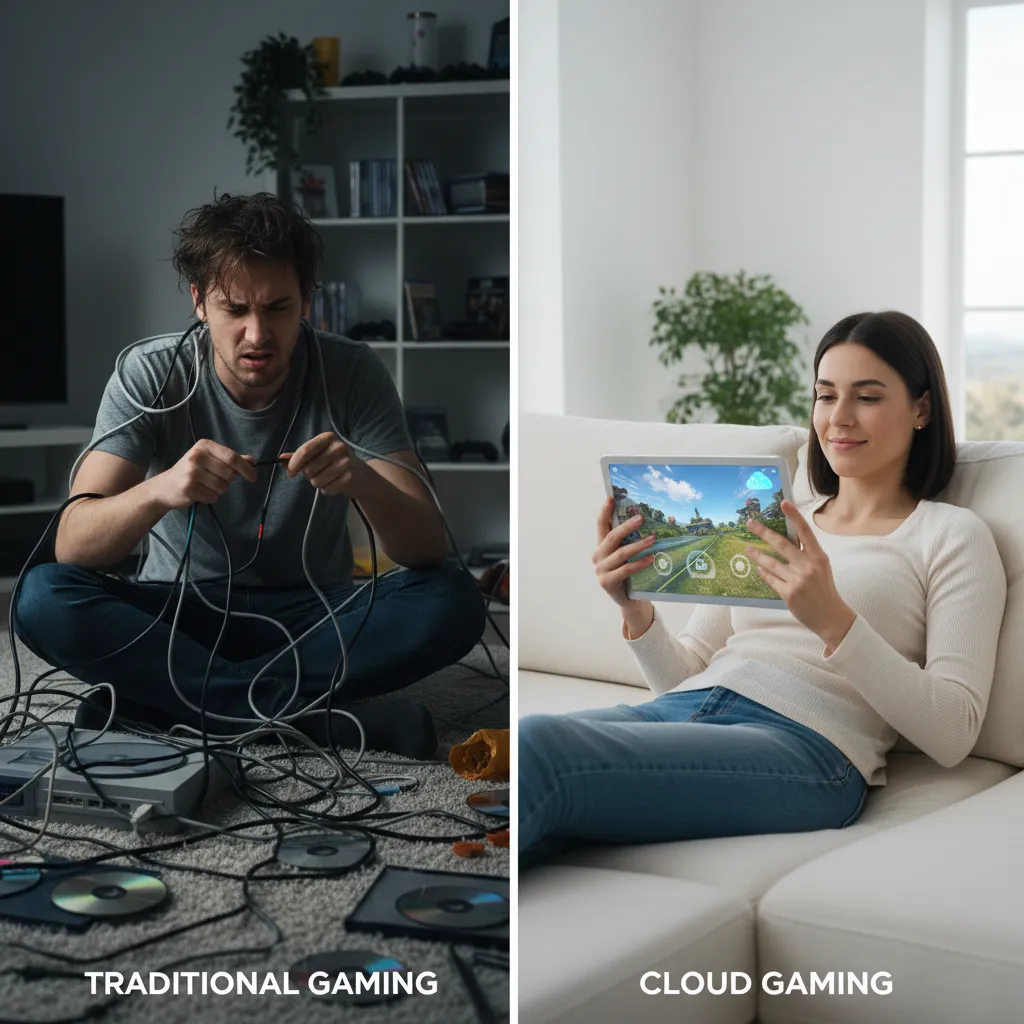
- Say Goodbye to Expensive Hardware: This is the headline feature. The silicon shortage and crypto-mining booms of recent years have made high-end graphics cards astronomically expensive. Cloud gaming completely sidesteps this. You don’t need a $500 console or a $1,500 PC. Your subscription fee grants you access to multi-thousand-dollar hardware.
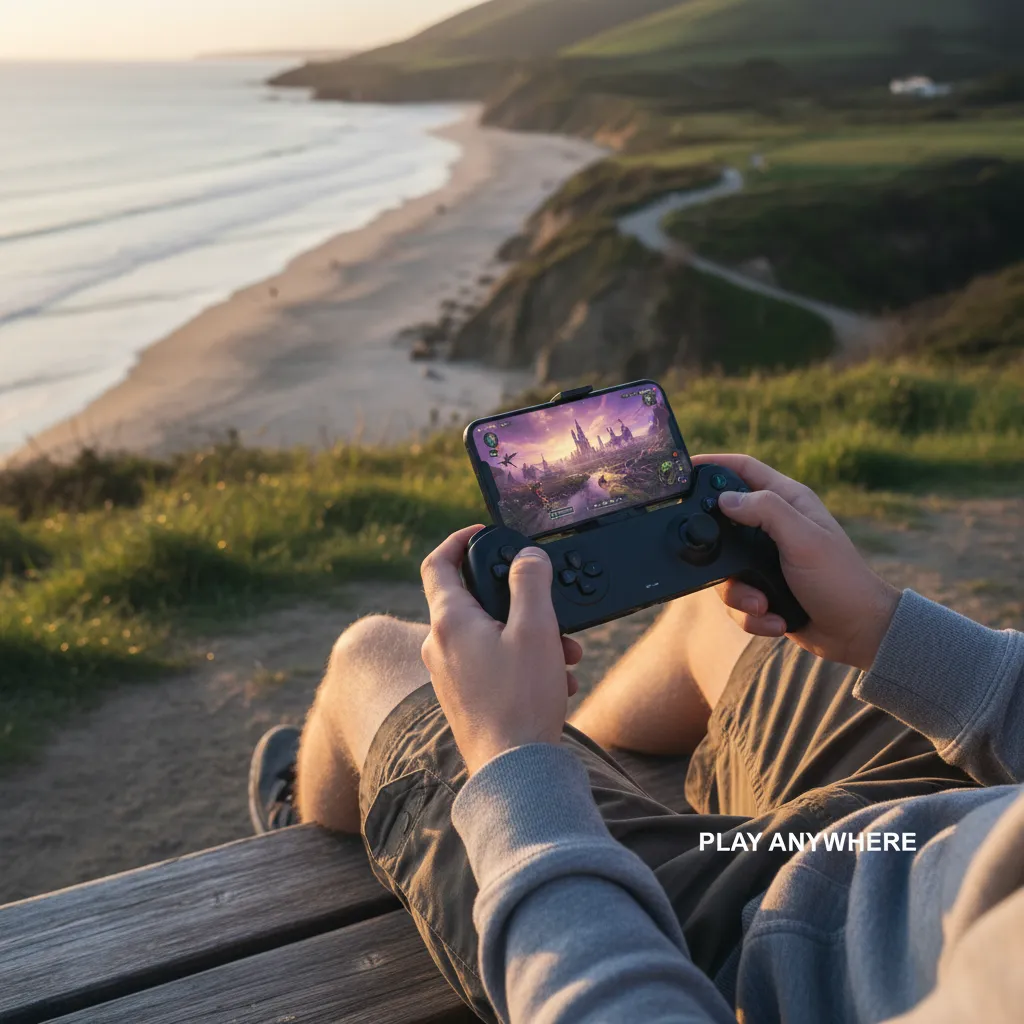
- Play Anywhere, On Any Device: Your gaming library is no longer tethered to the box under your TV. Start a quest on your living room’s Smart TV, continue it on your laptop in a café, and finish it on your phone during your commute. This unprecedented flexibility is a game-changer for modern lifestyles. Related: Humane Ai Pin: Flop or Future? A Deep Dive Review
- Instant Access, No Downloads or Updates: Modern games can be colossal, with 100GB+ downloads and frequent, massive patches. With cloud gaming, that’s a thing of the past. The games are always installed and updated on the server side. You click “play,” and you’re in the game within seconds.
- Cost-Effectiveness: While subscription fees exist, they often pale in comparison to the upfront cost of hardware. For the price of a single new console, you could subscribe to a premium cloud gaming service for several years.
- Vast, Curated Game Libraries: Services like Xbox Cloud Gaming give you instant access to a library of hundreds of games, from indie darlings to major blockbusters, without needing to purchase each one individually.
Reality Check: The Hurdles and Disadvantages of Cloud Gaming
While the benefits are compelling, cloud gaming isn’t without its challenges. It’s crucial to understand the limitations before you dive in.
- Your Internet is Your Lifeline: This is the most significant hurdle. Unlike traditional gaming, a slow or unstable internet connection doesn’t just cause lag in multiplayer—it makes the entire experience unplayable. Your connection is constantly sending inputs and receiving a high-resolution video stream.
- Latency: The Silent Killer of Fun: Even with a great connection, some latency is inherent. For most single-player games, a few extra milliseconds of delay are unnoticeable. However, in fast-paced, competitive shooters like Valorant or Call of Duty, that slight input lag can be the difference between victory and defeat. Enthusiasts will still prefer the near-instant response of a local machine.
- Data Consumption: Streaming games eats through data caps at an alarming rate. At 1080p, you can expect to use between 10-25GB of data per hour. If your internet plan has a monthly cap, you could burn through it in a single weekend of dedicated gaming.
- The Question of Ownership: With most cloud gaming services, you are renting access to games, not buying them. If a game leaves the service, or you cancel your subscription, you lose access. This is a major philosophical shift from building a personal library of purchased games.
- Visual Fidelity vs. Native: While services can stream at 4K, the video is still compressed. This can lead to occasional visual artifacts or a slightly “softer” image compared to the pristine output of a game running directly on a high-end PC.
What Internet Speed Do You Really Need for Cloud Gaming?
This is the most common question for beginners. While every service has slightly different recommendations, here’s a general guideline to ensure a good experience:
| Resolution | Minimum Recommended Speed | Ideal Speed for Stability |
|---|---|---|
| 720p @ 60fps | 15 Mbps | 25 Mbps |
| 1080p @ 60fps | 25 Mbps | 35-50 Mbps |
| 4K @ 60fps | 50 Mbps | 75+ Mbps |
Crucially, it’s not just about speed. A stable, low-ping connection is just as important. A wired Ethernet connection is almost always superior to Wi-Fi for consistency.
The Heavy Hitters: A Comparison of the Best Cloud Gaming Services in 2024
The cloud gaming platforms market has consolidated around a few major players, each with a unique approach and target audience. Here’s a breakdown of the top contenders.
NVIDIA GeForce NOW: The Power User’s Choice
GeForce NOW operates on a different model. Instead of selling you access to a library of games, it sells you access to a powerful cloud-based gaming rig. You then connect your existing game libraries from Steam, Epic Games Store, and Ubisoft Connect to play the games you already own.
- Tiers: It offers three main tiers: a free (but limited) tier, a “Priority” tier for 1080p/60fps gaming on premium rigs, and an “Ultimate” tier that provides an astonishing RTX 4080-powered rig for 4K/120fps gameplay.
- Pros: Unmatched performance and visual fidelity, especially on the Ultimate tier. You retain ownership of your games. Supports the highest resolutions and frame rates.
- Cons: The top tier is the most expensive option on the market. The free tier has long queue times and one-hour session limits. Not all games you own are supported.
Xbox Cloud Gaming (xCloud): The Ultimate Value Play
Included as part of the Xbox Game Pass Ultimate subscription, Microsoft’s offering is arguably the best value in all of gaming. For one monthly fee, you get access to hundreds of games to play on console, PC, and, of course, the cloud.
- Library: You can stream a huge selection of games from the Game Pass library, including all first-party Microsoft titles (like Halo, Forza, and Starfield) on day one.
- Pros: Incredible value proposition. Seamless integration with the Xbox ecosystem. Broad device support, including TVs, phones, and even the Meta Quest VR headset.
- Cons: Streaming performance can be less consistent than GeForce NOW, currently topping out at 1080p/60fps. You are limited to the games currently available on Game Pass.
PlayStation Plus Premium: For the Sony Faithful
Sony has integrated cloud gaming into its highest PlayStation Plus tier. This service allows you to stream a large catalog of PS2, PS3, PS4, and even select PS5 games to your console or PC.
- Library: Its main draw is the vast back catalog of PlayStation classics and exclusives that you can play without needing the original hardware.
- Pros: The only way to play many iconic PlayStation exclusives without owning a console. The library of classic titles is a huge nostalgia trip.
- Cons: The PC client is less mature than its competitors. PS5 game streaming is still a relatively new feature. The overall user experience isn’t as polished as Xbox or NVIDIA’s offerings.
Game Streaming Services Comparison at a Glance
| Service | Pricing (Approx.) | Library Model | Max Resolution | Best For |
|---|---|---|---|---|
| NVIDIA GeForce NOW | Free / $10 / $20 per month | Play games you own | 4K @ 120fps | Performance enthusiasts, PC gamers |
| Xbox Cloud Gaming | $17 per month (in Ultimate) | Subscription library | 1080p @ 60fps | Value seekers, Xbox ecosystem users |
| PlayStation Plus Premium | $18 per month | Subscription library | 4K (on console) | PlayStation fans, lovers of classic games |
| Amazon Luna | $10 per month | Subscription “channels” | 1080p @ 60fps | Amazon Prime members, casual gamers |
The Great Debate: Cloud Gaming vs. Console/PC Gaming
So, should you sell your PS5 and go all-in on the cloud? The answer is complex and depends entirely on what kind of player you are.
Cost: The Upfront vs. Ongoing Battle
- Console/PC: Involves a high initial investment ($500 - $2,000+). After that, you only pay for the games you want to buy. You own the hardware and can resell it later.
- Cloud Gaming: Requires little to no upfront cost beyond maybe a controller. However, the monthly subscription fees are ongoing. Over several years, these fees can add up to the cost of a console.
Performance & Fidelity: The Local Advantage
For the foreseeable future, native hardware will always have a performance edge. Running a game locally eliminates internet-induced latency and video compression. For elite competitive players or visual purists who want the absolute sharpest image, a dedicated PC or console remains the undisputed king. Cloud gaming is about being “good enough” for the vast majority of players.
Convenience & Accessibility: The Cloud’s Trump Card
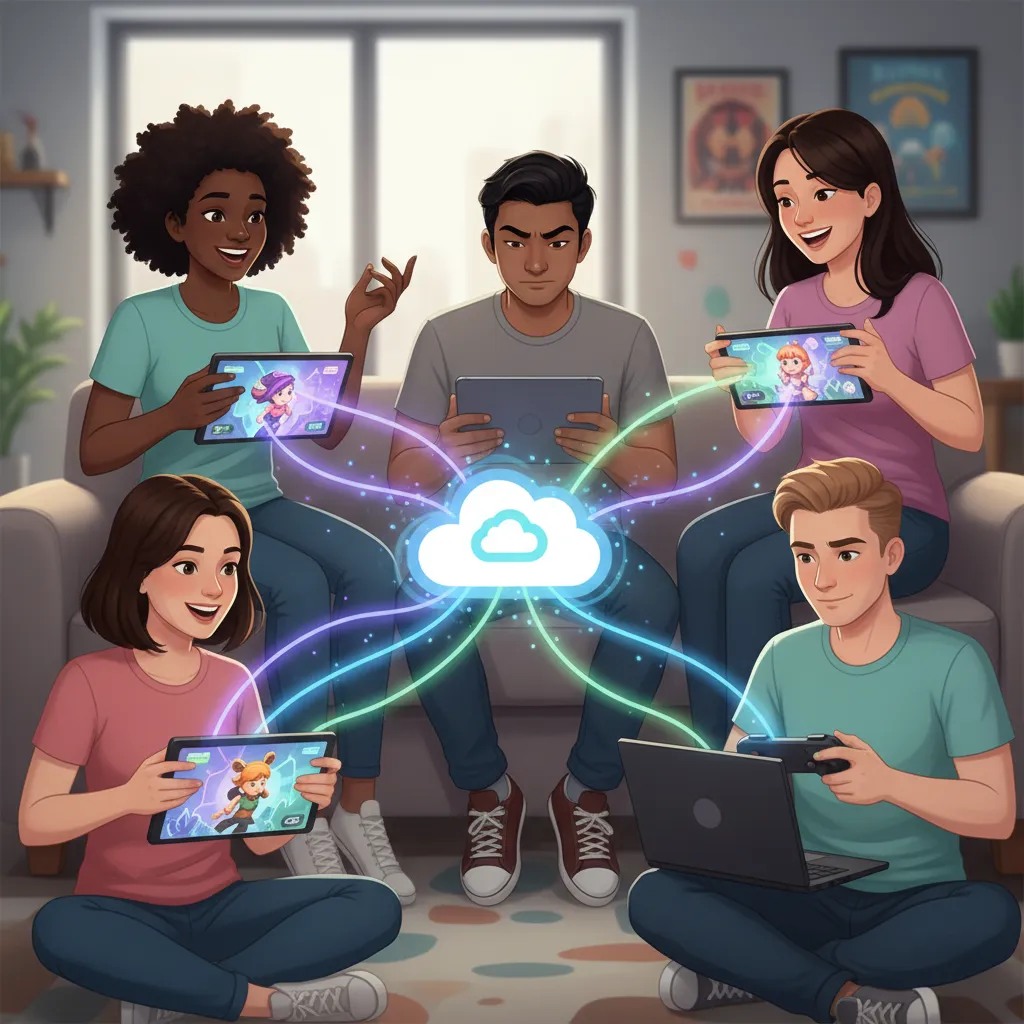
This is where cloud gaming is unbeatable. The ability to start playing a massive game in seconds on a device you already own is a paradigm shift. There are no installs, no patches, and no storage management. For those with limited time or who don’t want to be tied to a specific room, the cloud offers a level of freedom that traditional hardware can’t match. Related: Perplexity Pages: Is This AI-Powered Content Tool a Game-Changer?
The Future of Gaming is in the Clouds
The technology is already impressive, but what’s coming next is even more exciting. The future of gaming is intrinsically linked to the evolution of cloud infrastructure.
The 5G Revolution and Mobile Cloud Gaming
While 4G and home Wi-Fi enabled the current generation of cloud gaming, 5G cloud gaming is the true endgame for portability. The ultra-low latency and high bandwidth of 5G networks will make it possible to have a console-quality experience on your phone or tablet anywhere you have a signal, with a responsiveness that rivals home broadband.
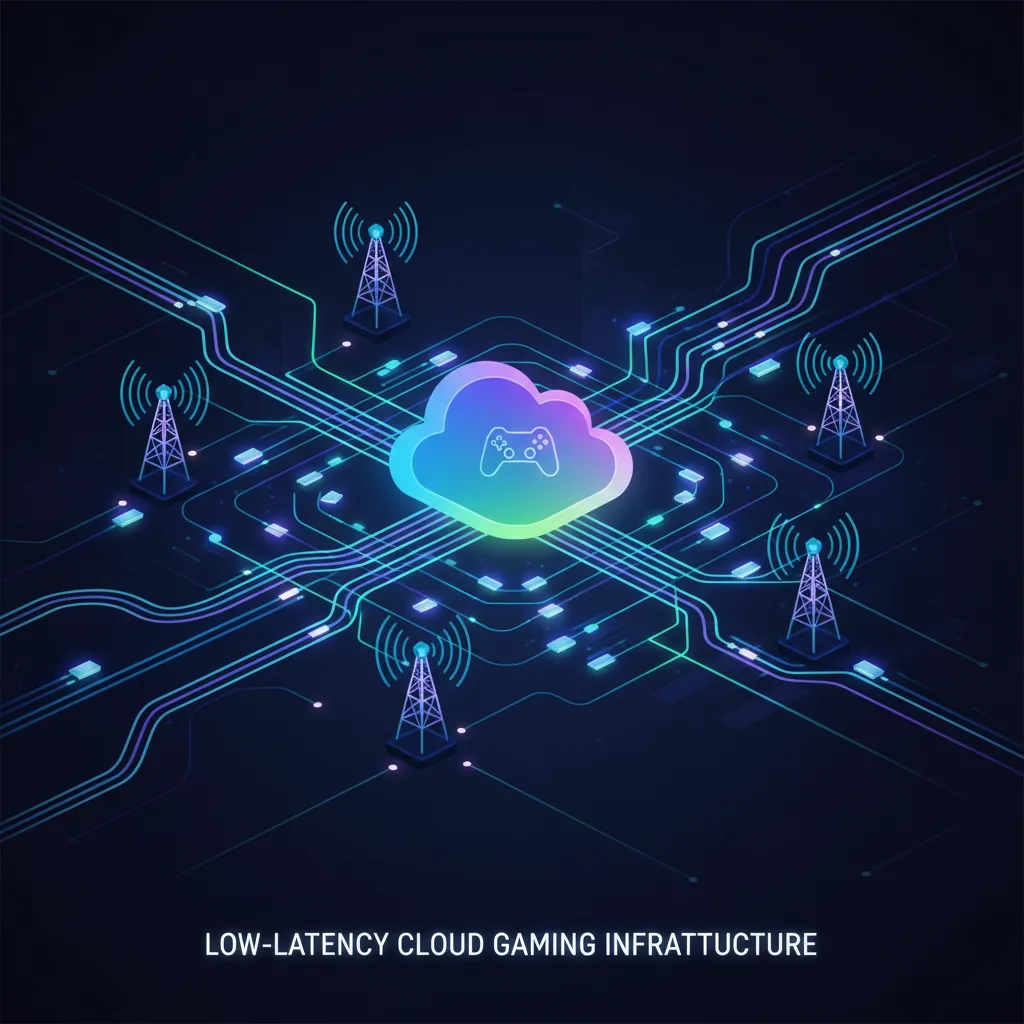
Edge Computing: Bringing the Servers Closer
As mentioned earlier, edge computing gaming is a critical next step. By building smaller, more numerous data centers in urban and suburban areas, services can drastically reduce the physical distance data travels. This will be the key to minimizing latency to the point where it becomes imperceptible even to sensitive players. Related: The Rise of DePIN: Decentralized Physical Infrastructure Networks Reshaping the Future
Market Growth and Industry Adoption
The cloud gaming market share is projected to explode in the coming years. Major publishers and hardware manufacturers are all investing heavily, signaling a long-term industry shift. We can expect to see more games developed with cloud streaming in mind from day one, leading to even better integration and performance.
So, Is Cloud Gaming Worth It in 2024?
After years of development, the answer is a resounding yes—for the right person.
Cloud gaming is no longer a niche beta test. It is a mature, viable, and compelling way to play video games. It has successfully demolished the financial and hardware barriers that kept millions of potential players on the sidelines.
Cloud gaming is perfect for you if:
- You’re on a budget and can’t afford a new console or gaming PC.
- You are a casual gamer who values convenience and accessibility above all else.
- You travel frequently or want to play in different locations on multiple devices.
- You want to try out a huge variety of games without buying each one (via Xbox Game Pass).
It might not be for you if:
- You are a highly competitive esports player who needs the lowest possible latency.
- You have slow, unreliable internet or a restrictive data cap.
- You are a visual enthusiast who wants the absolute best, uncompressed graphics.
- You value owning your games permanently.
The best way to find out? Try it. Nearly every major service offers a cloud gaming free trial or a free tier. Test your connection, see how it feels, and you might just find that the future of gaming is already here.
Conclusion
The epic return of cloud gaming is not just a trend; it’s a fundamental shift in how we access and play games. The power to play anywhere, on any device, with no console needed, is a profoundly democratizing force for the industry. While it won’t replace high-end PCs and consoles for dedicated enthusiasts overnight, it has firmly established itself as a powerful, convenient, and cost-effective third pillar of the gaming world. The technology has finally caught up to the dream, and for millions of gamers, the experience is nothing short of revolutionary.
What are your thoughts on cloud gaming? Have you tried a service that blew you away, or did latency leave you frustrated? Share your best cloud gaming experience in the comments below!
Frequently Asked Questions (FAQs)
Q1. What is the main disadvantage of cloud gaming?
The biggest disadvantage is its absolute dependency on a high-quality internet connection. Poor internet speed, high ping, or network instability will result in input lag, stuttering, and poor image quality, making games unplayable. It also consumes a large amount of data.
Q2. Do you need a good PC for cloud gaming?
No, and that is one of its primary benefits. Since a powerful server in a data center is running the game, your local device only needs to be capable of decoding a video stream and sending your inputs. This allows you to play graphically demanding games on old laptops, cheap streaming sticks, and smartphones.
Q3. Can cloud gaming replace consoles?
For many casual to moderate gamers, yes. If your priority is convenience, cost-savings, and access to a large library of games, cloud gaming can absolutely serve as your primary gaming platform. However, for enthusiasts who demand the highest performance, lowest latency, and best visual fidelity, a dedicated console or PC is still superior.
Q4. What is the best free cloud gaming service?
NVIDIA GeForce NOW offers the most robust free tier. It allows you to play supported games that you already own from stores like Steam. However, the free tier comes with limitations, including a one-hour session limit and having to wait in a queue before you can play, especially during peak hours.
Q5. How much data does cloud gaming use?
Cloud gaming is very data-intensive. Streaming at 1080p resolution can use anywhere from 10GB to 25GB of data per hour. Streaming in 4K can use even more. If you have an internet plan with a monthly data cap, you need to monitor your usage carefully.
Q6. Does cloud gaming work on a smart TV?
Yes, most major cloud gaming services now have dedicated applications for popular smart TV operating systems. Xbox Cloud Gaming has an app for Samsung and LG TVs, while NVIDIA GeForce NOW is available on Android TV, Google TV, and select LG and Samsung models, allowing you to play directly on your television with just a compatible controller.
Q7. Is cloud gaming good for multiplayer games?
It depends. For casual or cooperative multiplayer games like Minecraft or Stardew Valley, it works great. For fast-paced, competitive shooters like Fortnite or Call of Duty, the inherent input lag, even if small, can put you at a disadvantage compared to players on a local PC or console.
Q8. What controller do I need for cloud gaming?
Most standard Bluetooth or USB controllers work with cloud gaming services. This includes official Xbox controllers, PlayStation DualSense and DualShock 4 controllers, and many third-party options. For mobile gaming, there are also excellent clip-on controllers like the Razer Kishi that turn your phone into a handheld console.