Circular Economy Explained: Your Guide to Sustainable Living & Smart Consumption
Look around you. The device you’re reading this on, the chair you’re sitting in, the clothes you’re wearing—most of it was designed to be thrown away. For generations, our global economy has followed a simple, destructive path: take, make, waste. This is the linear economy, a one-way street from resource extraction to the landfill. The result? Depleted natural resources, overflowing landfills, and a growing climate crisis.
But what if we could bend that line into a circle?
This is the promise of the circular economy, a revolutionary concept that’s rapidly moving from an academic buzzword to a practical blueprint for the future. It’s a system designed to eliminate waste and keep resources in use for as long as possible. This isn’t just about recycling more; it’s a complete reimagining of how we produce, consume, and live.
This comprehensive sustainable living guide will demystify the circular economy. You’ll learn the core principles, discover powerful smart consumption tips, and find actionable steps to reduce your ecological footprint. We’ll explore everything from sustainable fashion circularity to the future of circular electronics, empowering you to make conscious consumer choices that benefit both you and the planet.
Beyond the Buzzword: What Exactly is the Circular Economy?
At its heart, the circular economy is an economic model that decouples growth from the consumption of finite resources. It’s a shift inspired by nature’s own regenerative cycles, where there is no such thing as “waste.”
From Linear to Circular: A Fundamental Shift
The traditional linear economy operates on a simple premise: we extract raw materials, manufacture them into products, use them (often briefly), and then dispose of them. This model was the engine of 20th-century growth, but its hidden costs are now undeniable—pollution, resource scarcity, and immense energy consumption.
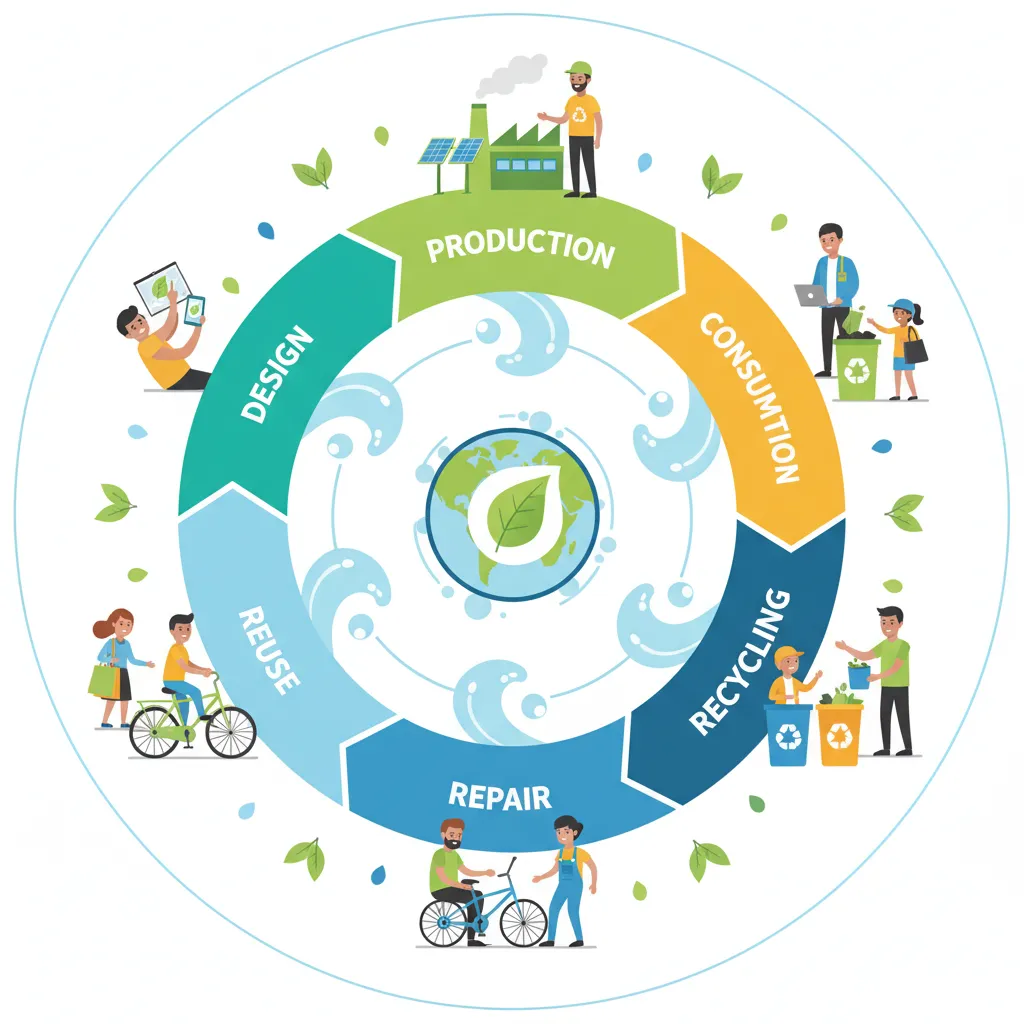
The circular economy flips this model on its head. Instead of a line ending in a landfill, it envisions a closed-loop system where materials and products are constantly cycled back into the economy. This approach focuses on resource efficiency and aims for a drastic environmental impact reduction. It’s about creating an economy that is restorative and regenerative by design.
The Three Core Principles in Action
The Ellen MacArthur Foundation, a leading authority on the subject, defines the circular economy through three powerful principles:
-
Design Out Waste and Pollution: This is the proactive step. It means designing products and services from the very beginning to prevent waste. This includes choosing non-toxic materials, designing for easy disassembly and repair, and creating regenerative design products that can be safely returned to the biosphere. Think of compostable packaging or products made from a single, easily recyclable material.
-
Keep Products and Materials in Use: This principle is about extending the lifespan of everything we make. It prioritizes durability, maintenance, and reusability over disposability. Strategies like repairing and reusing products, refurbishing old devices, and remanufacturing components are central here. The goal is to maximize the value extracted from a product during its product life cycle, keeping it in circulation for as long as possible. This is where the market for durable goods in a circular economy thrives.
-
Regenerate Natural Systems: A true circular economy doesn’t just do less harm; it actively does good. This principle involves returning valuable nutrients to the soil and other ecosystems, improving our natural resources rather than just depleting them. Examples include composting food scraps to enrich soil, practicing regenerative agriculture, and reforesting initiatives. It’s a key component of the broader green economy benefits.
The “R” Imperatives: Your Toolkit for a Circular Lifestyle
While “Reduce, Reuse, Recycle” is a great starting point, a truly circular lifestyle embraces a broader set of strategies. These “R” imperatives are the practical tools for putting circular economy principles into practice.
The Classics: Reduce, Reuse, Recycle
These three form the foundation of any zero-waste lifestyle.
- Reduce: The most powerful “R.” It’s about buying less and choosing well. Before any purchase, ask yourself: Do I really need this? Can I borrow it instead? This is the core of responsible consumption practices.
- Reuse: Find new purposes for items instead of throwing them away. Think glass jars for storage, old t-shirts as cleaning rags, or refillable water bottles and coffee cups.
- Recycle: While important, recycling should be the last resort after reducing and reusing. It requires significant energy and resources. Ensure you know your local recycling rules to avoid “wish-cycling” (tossing non-recyclable items into the bin, which can contaminate the whole batch).
The Next Level: Repair, Refurbish, Remanufacture
This is where we actively fight against planned obsolescence.
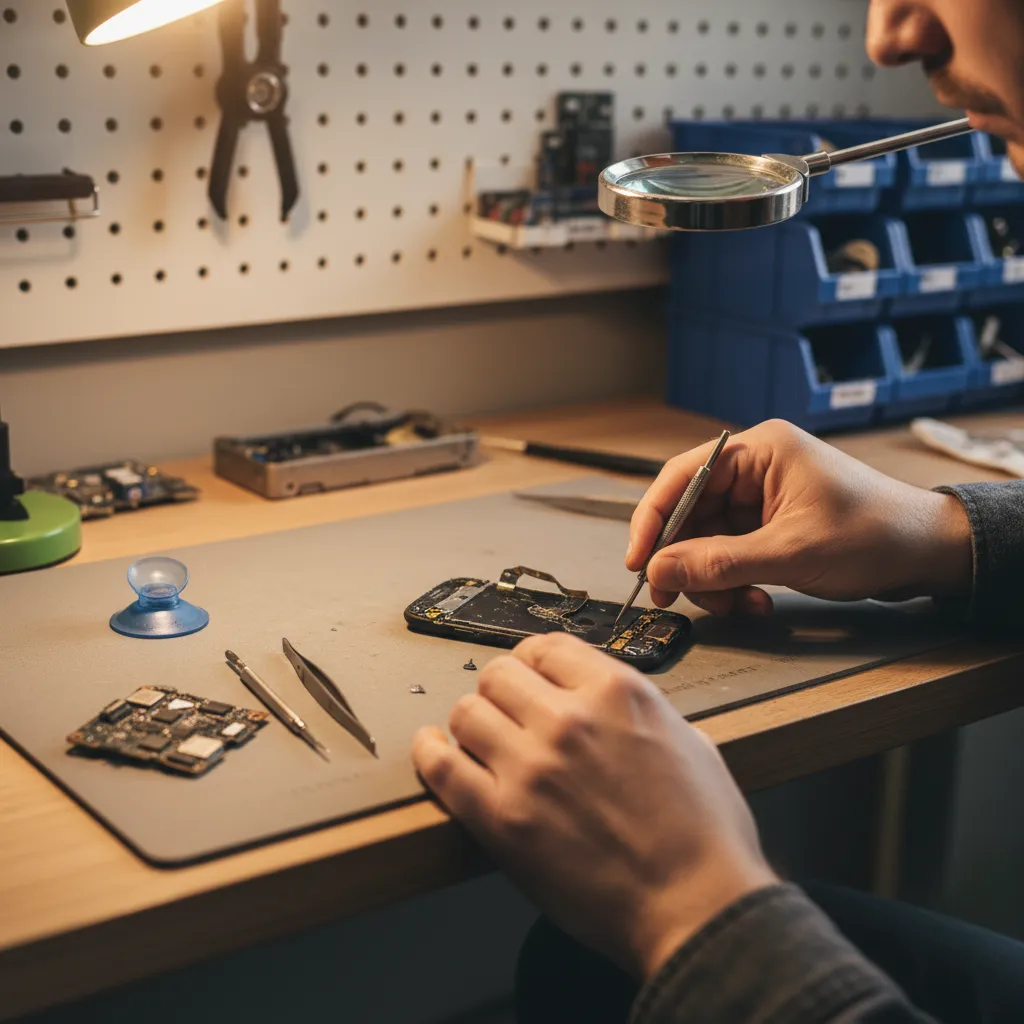
- Repair: Before replacing a broken item, try to fix it. The “Right to Repair” movement is gaining momentum, pushing companies to make spare parts and repair manuals accessible. Supporting local repair shops and participating in community repair initiatives like Repair Cafés are fantastic ways to embrace this. This is especially critical for circular electronics, where e-waste is a massive global problem.
- Refurbish: This involves restoring an old product to a like-new condition. Buying refurbished electronics or appliances is a great way to get high-quality products for less while saving them from the landfill.
- Remanufacture: An industrial process where a used product is completely disassembled, and its viable parts are used to build a new product. This is common in industries like automotive parts and printer cartridges.
The Creative Approach: Repurpose, Upcycle, Downcycle
This is about transforming “waste” into value through creativity.
- Repurpose: Use an object for a completely new function without significantly altering it—like using an old ladder as a bookshelf.
- Upcycle vs. Downcycle: Upcycling transforms waste materials into new products of higher quality or value (e.g., turning old sails into durable bags). Downcycling converts materials into products of lesser quality (e.g., turning high-grade plastic bottles into fiber for carpets). Both are valuable upcycling and downcycling strategies for keeping materials out of landfills.
Putting Principles into Practice: Your Guide to Smart Consumption
Adopting a circular mindset can transform your daily habits. Here’s how you can apply these principles in key areas of your life, making eco-friendly consumerism your new normal.
In Your Wardrobe: Embracing Sustainable Fashion
The fast fashion industry is a prime example of the linear economy’s flaws. Sustainable fashion circularity offers a better way.
- Buy Less, Choose Well: Invest in high-quality, durable pieces from ethical brands that you’ll wear for years. Avoid impulse buys and trendy items that will quickly go out of style.
- Embrace Secondhand: Thrifting, consignment shops, and online platforms like Depop or Poshmark give clothes a second life.
- Rent or Swap: For special occasions, consider renting an outfit instead of buying one. Organize clothing swaps with friends to refresh your wardrobe for free.
- Care and Repair: Learn basic sewing skills to mend small tears or replace buttons. Proper washing and care can significantly extend the life of your garments.
In Your Kitchen: Tackling Food Waste
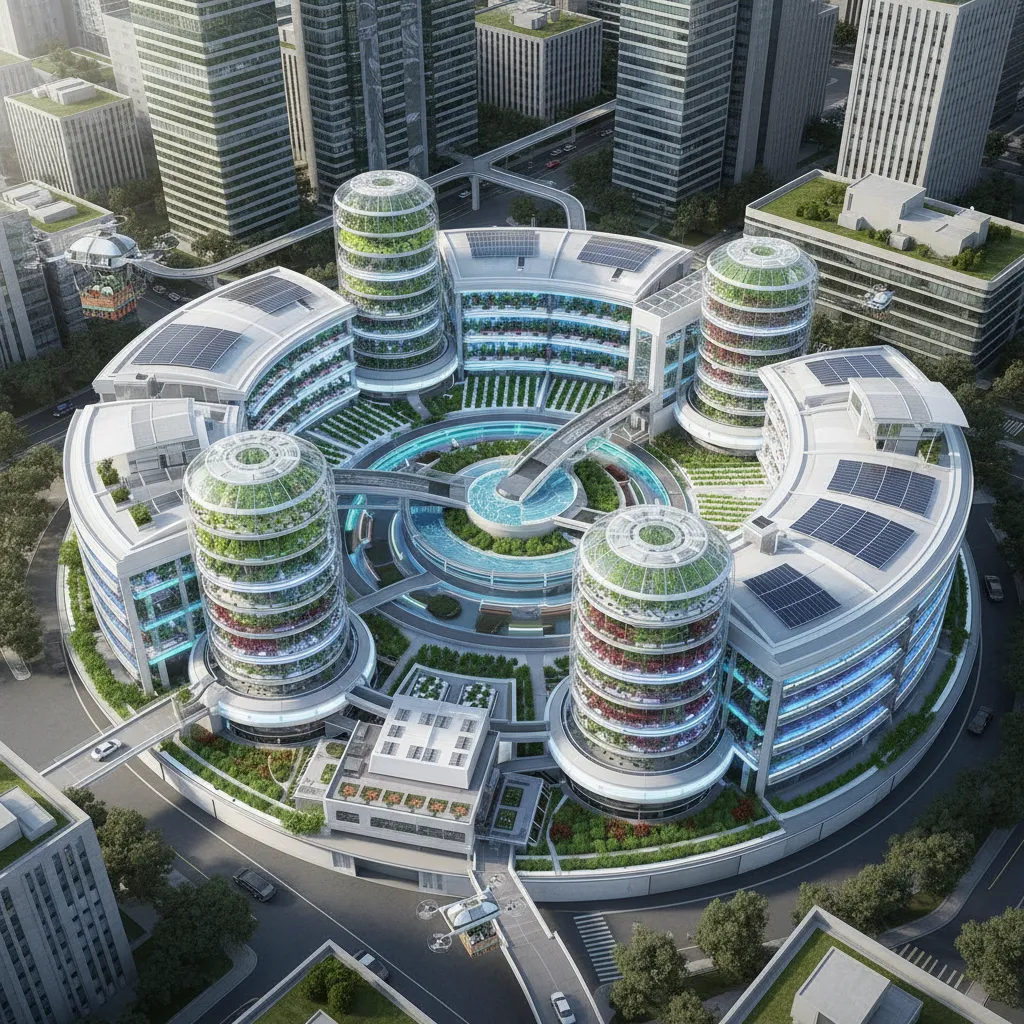
A significant portion of the world’s resources goes into producing food that is never eaten. A food waste circular economy starts in your own kitchen.
- Plan Your Meals: Plan your meals for the week before you shop to ensure you only buy what you need.
- Store Food Properly: Learn the best ways to store fruits, vegetables, and leftovers to keep them fresh longer.
- Embrace “Ugly” Produce: Imperfect-looking fruits and vegetables are just as nutritious and often cheaper.
- Compost: If you have space, start a compost bin. This turns food scraps into nutrient-rich soil for your garden, perfectly embodying the “regenerate natural systems” principle.
With Your Tech: The Rise of Circular Electronics
E-waste is the fastest-growing waste stream in the world. Shifting to circular electronics is crucial for a sustainable future.
- Extend the Lifespan: Protect your devices with cases and screen protectors. Resist the urge to upgrade every year. Often, a simple battery replacement can give an old phone or laptop a new lease on life.
- Buy Refurbished: Reputable companies offer refurbished devices that work like new, come with warranties, and cost significantly less.
- Dispose of Responsibly: Never throw electronics in the trash. They contain hazardous materials. Find a certified e-waste recycling center that can safely recover valuable materials.
- Support Repair-Friendly Brands: When you do need to buy new, research brands that design for durability and repairability. [Related: The Ultimate Guide to the iPad Pro M4 for Creatives in 2024]
In Your Community: The Power of the Sharing Economy
The sharing economy is a powerful engine for circularity, promoting access over ownership.
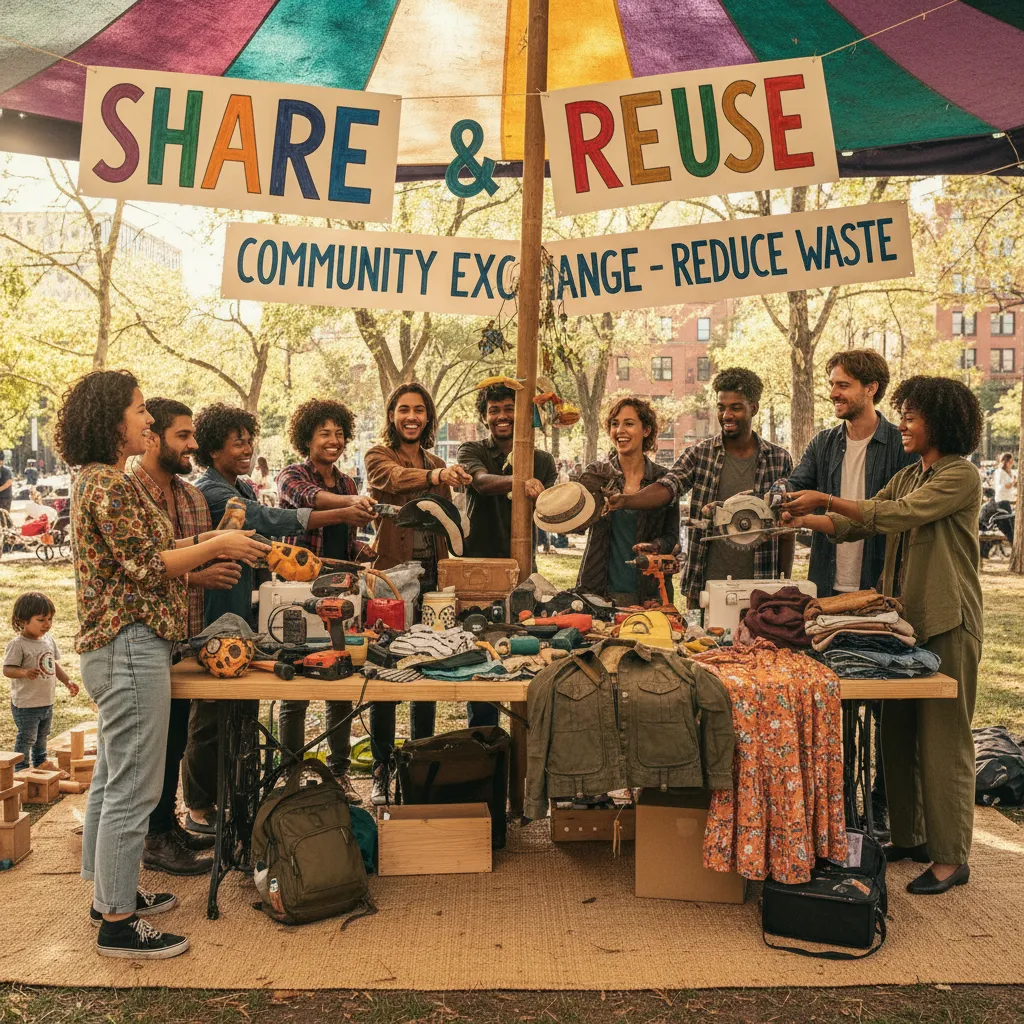
- Utilize Libraries: This goes beyond books. Many communities now have “Libraries of Things” where you can borrow tools, kitchen appliances, camping gear, and more.
- Share with Neighbors: Use community apps or groups to borrow or lend items you only use occasionally, like a power drill or a ladder.
- Embrace Co-Mobility: Services like car-sharing, bike-sharing, and ride-hailing reduce the number of private vehicles on the road, decreasing congestion, pollution, and the resources needed to build cars. This concept of shared resources is even expanding into digital infrastructure. [Related: The DePIN Revolution: Building Tomorrow’s Decentralized Physical Infrastructure]
The Bigger Picture: Economic and Environmental Benefits
The circular economy isn’t just an environmental strategy; it’s a massive economic opportunity and a pathway to a more resilient future.
A Greener Planet: Reducing Our Ecological Footprint
The green economy benefits are profound. By keeping resources in use, we dramatically reduce the need for virgin material extraction, which is often destructive and energy-intensive. This leads to:
- Lower Carbon Emissions: Manufacturing from recycled materials uses far less energy than from raw materials.
- Less Pollution: Designing out waste prevents plastic from entering our oceans and toxic chemicals from leaching out of landfills.
- Enhanced Biodiversity: Reducing deforestation, mining, and other extractive industries helps protect natural habitats.
A Smarter Economy: Innovation and Opportunity
The transition to a circular model stimulates circular economy innovations and creates new avenues for growth.
- New Business Models: Companies are building successful circular business models around rental services (product-as-a-service), take-back programs, and remanufacturing.
- Job Creation: The circular economy creates local jobs in repair, logistics, remanufacturing, and innovation that can’t be easily outsourced.
- Increased Resilience: By relying less on complex global supply chains for raw materials, economies become more stable and resilient to geopolitical shocks and resource price volatility. This kind of systemic shift requires new ways of thinking about work and skills. [Related: Future-Proof Your Career: AI Upskilling and Reskilling for the Modern Workforce]
Conclusion: From Consumer to Steward
The circular economy is more than just a new set of rules; it’s a fundamental shift in our relationship with the material world. It challenges us to move from being passive consumers in a linear system to active stewards in a circular one. It’s about recognizing that the products and materials we use have a life beyond our immediate need for them.
The transition won’t happen overnight, but it is happening. Businesses, governments, and innovators are embracing circular economy innovations, building the infrastructure for a regenerative future. And as an individual, your conscious consumer choices are a powerful vote for this new model.
Start small. Choose to repair one broken item instead of replacing it. Try a week of meal planning to reduce food waste. Or organize a clothing swap with friends. Each action is a ripple that, when combined with millions of others, can create a tidal wave of change, bending our linear world into a sustainable, prosperous, and regenerative circle.
Frequently Asked Questions (FAQs)
Q1. What is the circular economy in simple terms?
In simple terms, the circular economy is a model of production and consumption that involves sharing, leasing, reusing, repairing, refurbishing, and recycling existing materials and products for as long as possible. The goal is to extend the life cycle of products and eliminate waste, creating a closed-loop system.
Q2. What are the 3 main principles of a circular economy?
The three core principles, as defined by the Ellen MacArthur Foundation, are:
- Design out waste and pollution from the start.
- Keep products and materials in use at their highest value for as long as possible.
- Regenerate natural systems by returning nutrients to the soil and restoring ecosystems.
Q3. What is an example of a circular economy?
A great example is the company Patagonia. They build durable clothing (durable goods), offer a lifetime repair service for their products (repairing reusing products), have a platform called “Worn Wear” to sell used Patagonia gear (reuse), and provide instructions on how to care for and repair their items to extend their life.
Q4. What is the difference between recycling and a circular economy?
Recycling is a key component of the circular economy, but it’s not the whole picture. The circular economy is a much broader system that prioritizes preventing waste in the first place through better design, reuse, and repair. Recycling is typically the last resort for materials before they are lost from the system.
Q5. Why is a circular economy important?
A circular economy is important because our current linear “take-make-waste” model is unsustainable. It depletes finite resources, creates massive amounts of pollution and waste, and contributes to climate change. The circular model offers a solution that can foster economic growth while reducing environmental impact and increasing resource security.
Q6. How can I participate in the circular economy?
You can participate in many ways! Start by reducing what you buy (buying less choosing well), choosing secondhand items, repairing broken products instead of replacing them, supporting businesses with circular business models, composting your food scraps, and properly recycling what you can’t reuse or repair.