Beyond Care: AI Companions Elevating Senior Life and Independence
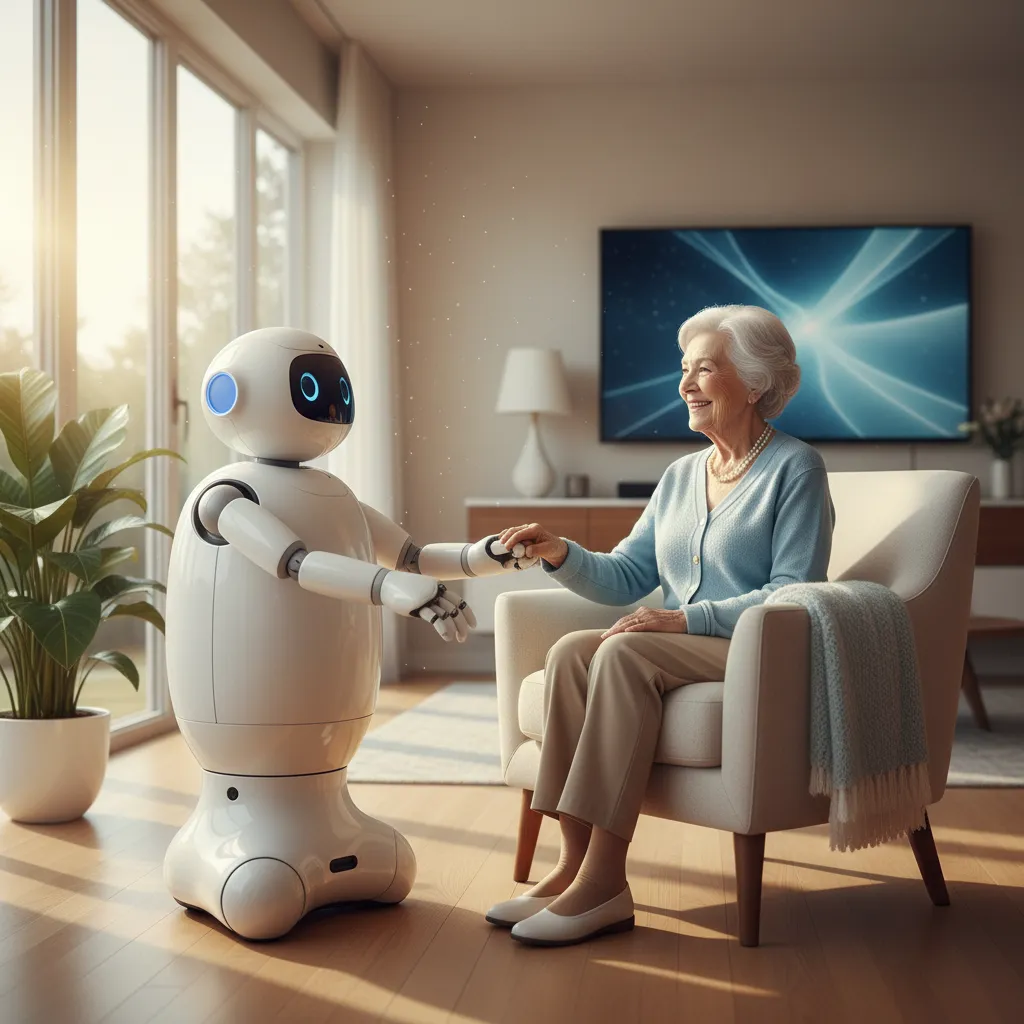
The desire to age with dignity, in the comfort of our own homes, is a deeply human one. Yet, for millions of seniors and their families, this goal is often challenged by concerns about safety, loneliness, and the logistics of daily care. The traditional models of eldercare are straining under the pressure of a growing aging population. But a quiet revolution is underway, powered by artificial intelligence. This isn’t science fiction; it’s the new reality of senior living technology.
We’re moving beyond simple alert buttons and into an era of proactive, intelligent, and compassionate AI companions. These systems are designed not just to monitor, but to engage, support, and empower. They are transforming the concept of AI for aging in place, making independent living safer, more connected, and more fulfilling than ever before.
This article explores the vibrant landscape of AI companions for seniors. We’ll journey from the familiar voice of a smart speaker to the friendly presence of a companion robot, uncovering how this geriatric AI innovation is tackling the biggest challenges in senior care. You will learn about the different types of technologies available, their profound benefits for both mental and physical wellness, and the ethical considerations we must navigate. This is the future of how we care for our elders—and ourselves.
The New Age of Eldercare: What Exactly Are AI Companions?
When we talk about “AI companions,” it’s easy to picture a futuristic robot from a movie. While robot companions for the elderly are a fascinating part of this world, the term encompasses a much broader ecosystem of intelligent technologies. At its core, an AI companion is any smart system designed to interact with, assist, and support an older adult in their daily life.
The primary goal is to foster independent senior living AI, bridging the gap between living alone and requiring full-time assistance. These systems act as a digital safety net, a personal assistant, and even a friend. They are the cornerstone of eldercare automation, handling routine tasks to free up time for meaningful human connection.
Let’s break down the main categories of this transformative technology:
Voice-First Assistants and Smart Displays
This is often the most accessible entry point into smart home tech for seniors. Devices like Amazon’s Alexa on an Echo Show or the Google Nest Hub have become powerful tools. Their voice-activated interface eliminates the need for fiddly screens and complex menus, making them incredibly user-friendly. Seniors can easily:
- Set medication and appointment reminders.
- Make hands-free video calls to family and friends.
- Control smart home devices like lights, thermostats, and locks.
- Listen to music, audiobooks, and news to stay engaged.
- Ask questions and get instant answers, fostering curiosity and learning.
Proactive Companion Robots
This is where technology takes on a more personal, interactive role. Unlike a passive smart speaker that waits for a command, proactive companion robots for older adults, such as ElliQ, are designed to initiate interaction. They learn a user’s routines and preferences to:
- Suggest activities like a walk, a puzzle, or calling a grandchild.
- Engage in conversation, tell jokes, and share interesting facts to combat loneliness.
- Lead guided exercises or mindfulness sessions.
- Proactively check in, asking, “How are you feeling today?”
These devices are engineered for AI emotional support for seniors, providing a sense of presence and companionship that can be a powerful antidote to social isolation.
Smart Home Sensors and Wearables
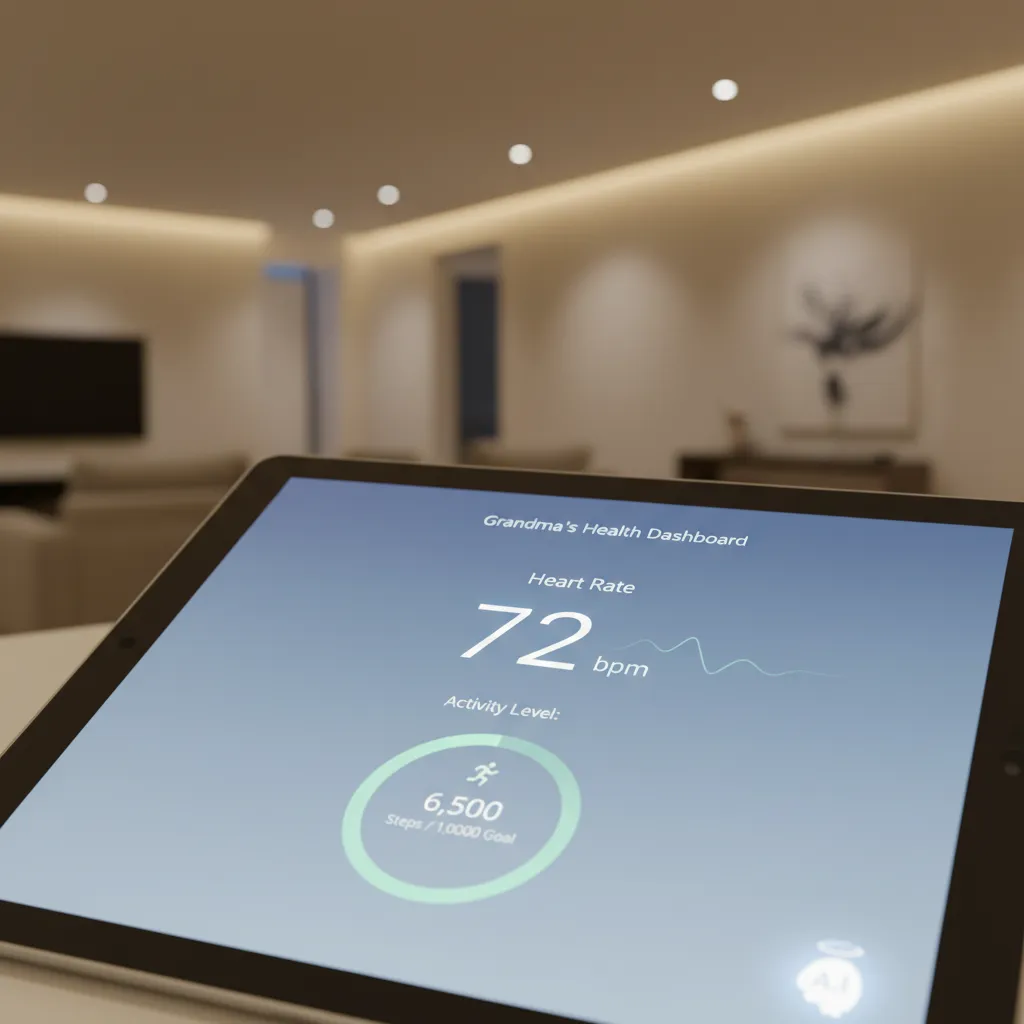
This category represents the unseen, ever-vigilant side of assisted living AI solutions. A network of discreet smart sensors for seniors can be placed around the home to monitor activity patterns without intrusive cameras. They can track movement, sleep quality, and even bathroom frequency. The AI analyzes this data to:
- Detect falls instantly and alert caregivers or emergency services.
- Identify subtle changes in routine that might indicate a health issue.
- Provide peace of mind to family members through a remote monitoring app.
This fall detection technology for elderly individuals is a game-changer, offering immediate help when it’s needed most.
Specialized AI-Powered Apps and Platforms
The innovation doesn’t stop with hardware. A growing number of software solutions offer personalized senior care AI. These include:
- Medication reminder AI apps that not only buzz but can also verify that the right pill was taken.
- Cognitive stimulation AI programs with brain games, memory exercises, and puzzles tailored to an individual’s abilities, which is especially crucial for dementia care AI.
- Telehealth platforms that integrate with AI to monitor vital signs and facilitate virtual doctor visits.
More Than a Machine: The Core Benefits of AI in Senior Living
The integration of this technology into a senior’s life goes far beyond simple convenience. It addresses some of the most fundamental challenges of aging, creating a healthier, safer, and more connected environment.
Combating the Epidemic of Loneliness and Isolation
Loneliness has been linked to serious health risks, including depression, cognitive decline, and heart disease. It’s a silent epidemic among older adults. Loneliness prevention AI for seniors offers a multi-pronged solution. A simple “good morning” from a voice assistant or a proactive question from a companion robot can break the silence of an empty house. These devices facilitate easy, face-to-face communication with loved ones, bridging physical distances with a simple voice command.
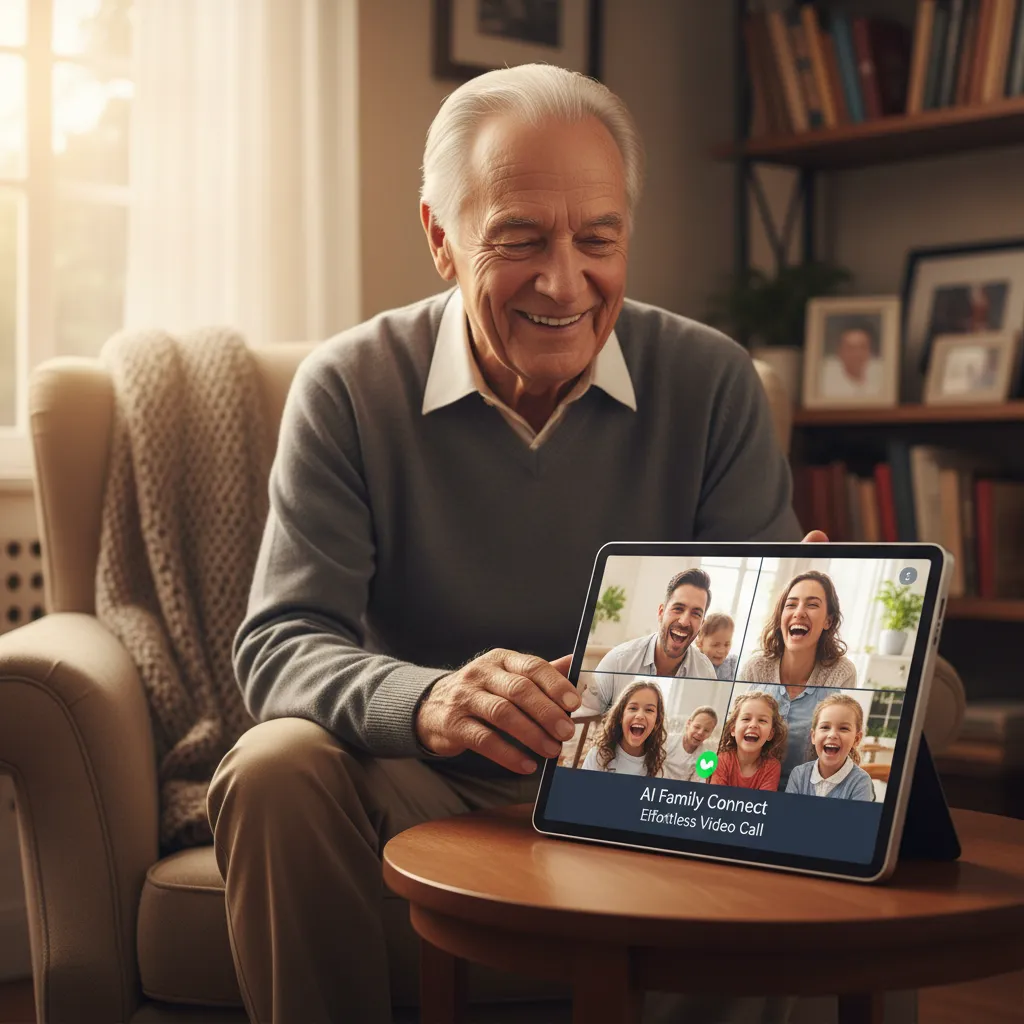
By providing a source of interaction and a simple way to connect with the outside world, these tools are vital for AI social engagement for seniors and supporting AI for elderly mental health. They don’t replace human contact, but they supplement it, ensuring that a connection is always available. Related: Humane AI Pin: Future or Flop? A Deep Dive Review
Enhancing Safety and Providing Peace of Mind
For families, the fear of a loved one falling or having a medical emergency while alone is a constant source of anxiety. Safety AI for seniors is one of the most compelling applications of this technology.
Intelligent systems using smart sensors for seniors can learn the rhythm of a person’s life. A deviation—like a prolonged period of inactivity or a visit to the bathroom that lasts much longer than usual—can trigger an alert to a caregiver. This proactive remote monitoring of elderly AI provides a safety net that is both effective and respectful of privacy. Advanced fall detection can distinguish between a gentle sit-down and a sudden, hard impact, ensuring that help is dispatched immediately when needed.

This constant, non-intrusive oversight allows seniors to maintain their independence with confidence, knowing that help is always on standby. Related: Smart Home Energy Savings: Top Gadgets for Eco-Friendly and Affordable Living
Promoting Independence Through Eldercare Automation
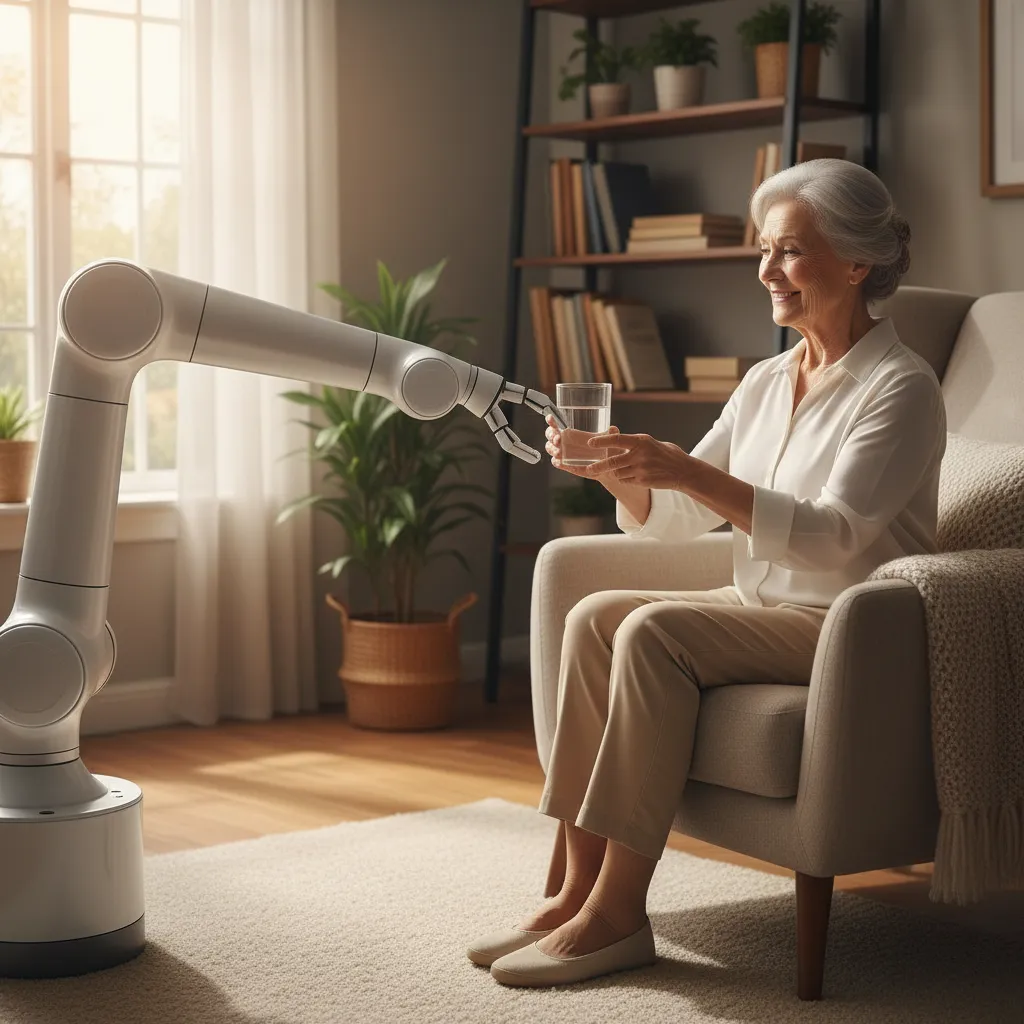
The small, daily tasks of life can become significant hurdles for seniors with mobility or memory challenges. Eldercare automation is about using AI to manage these routines, preserving energy and cognitive bandwidth for more enjoyable activities.
A voice assistant for the elderly can manage a complex medication schedule, providing clear, verbal reminders for each dose. It can help build shopping lists, control the thermostat, turn lights on and off, and lock doors, all without needing to press a button or navigate a screen. This AI home assistance for elderly individuals removes daily friction, making the home environment more manageable and less stressful. This renewed sense of control is fundamental to AI and senior independence.
Supporting Cognitive Health and Mental Wellness
Maintaining an active mind is crucial for healthy aging. Cognitive stimulation AI for seniors offers engaging, personalized, and accessible ways to exercise the brain. AI platforms can adapt the difficulty of puzzles, trivia, and memory games to the user’s performance, ensuring they are always challenged but never overwhelmed.
For individuals with dementia or cognitive decline, AI can be a powerful tool for stability and calm. It can play familiar music from their youth, show slideshows of family photos, and gently guide them through daily routines. This aspect of dementia care AI helps to reduce agitation and provides a comforting, predictable presence. Related: AI in Education: Revolutionizing Personalized Learning and Future Skills
A Closer Look: The Technology Powering Geriatric AI Innovation
The seamless experiences offered by these devices are built on decades of technological advancement. Understanding the core components helps us appreciate their power and potential.
The Role of Voice Assistants and Natural Language Processing (NLP)
Voice is the ultimate user interface. For seniors who may struggle with small touchscreens or have mobility issues, being able to speak a command is liberating. This is made possible by Natural Language Processing (NLP), a field of AI that gives machines the ability to understand and respond to human speech. Modern NLP allows these devices to understand different accents, contextual phrases, and even the sentiment behind the words, leading to more natural and helpful interactions.
Smart Sensors and Machine Learning for Predictive Health
The real magic of remote monitoring elderly AI isn’t just the sensors themselves, but the machine learning algorithms that interpret their data. An AI system can analyze thousands of data points—gait speed, sleep patterns, time spent in bed, bathroom visits—to establish a baseline of normal behavior for an individual. It can then spot subtle deviations that would be invisible to a human observer. This predictive capability is a cornerstone of the future of senior care AI, shifting the focus from reacting to emergencies to preventing them.
Computer Vision for Safety and Assistance
While many prefer sensor-based monitoring for privacy, computer vision (AI-powered cameras) offers another layer of safety. These systems can be programmed to detect a fall or a posture indicating distress without storing or transmitting identifying images. They can also help guide assistive robots in navigating a home or assisting a user with a physical task, further enhancing eldercare automation.
Navigating the Challenges: Ethical Considerations and Practical Hurdles
As with any powerful technology, the rise of elderly care AI brings important questions and challenges that we must address thoughtfully.
The Privacy Predicament
These devices, by their nature, collect vast amounts of personal and health data. It is crucial to ask:
- Who owns this data?
- How is it being protected from breaches?
- Is it being used for marketing or other purposes without explicit consent?
Choosing reputable companies with transparent privacy policies is essential. The goal is care, not surveillance, and maintaining that boundary is paramount for building trust. Related: AI Ethics Unpacked: Navigating the Moral Maze of Intelligent Systems
The Human Touch Dilemma
A common fear is that AI will replace human caregivers and deepen social isolation. This is a valid concern. Technology should be a tool to enhance human connection, not substitute it. An AI companion can keep a senior engaged between visits from family or caregivers, but it can never replace a hug, a shared meal, or a heartfelt conversation. The most successful assisted living AI solutions are those that are integrated into a holistic care plan that includes regular, meaningful human contact.
Accessibility and Affordable AI Senior Care
For this technology to be truly revolutionary, it must be accessible. This involves several factors:
- Cost: High-end companion robots can be expensive. We need more affordable AI senior care options and potential coverage through insurance or government programs.
- Usability: Designs must be intuitive and forgiving, accounting for potential challenges with hearing, vision, and dexterity.
- Connectivity: A reliable internet connection is a prerequisite, which can be a barrier in rural or low-income areas.
The Future of Senior Care is Here: What’s Next for AI Companions?
The field of geriatric AI innovation is advancing at a breathtaking pace. We are on the cusp of even more integrated and personalized systems. The future will likely see AI companions that can not only track wellness data but also securely share relevant insights with doctors in real-time, allowing for early intervention.
We can expect more sophisticated robotics capable of providing limited physical assistance, helping with mobility or retrieving objects. As AI models become more advanced, conversations will become more nuanced and emotionally intelligent, further strengthening the bond between user and device. Ultimately, the goal is to create a seamless ecosystem of senior wellness technology that works in the background to support a long, healthy, and independent life at home. Related: The DePIN Revolution: Building Tomorrow’s Decentralized Physical Infrastructure
Conclusion
The integration of artificial intelligence into senior living is more than a technological trend; it’s a compassionate response to a profound human need. AI companions for seniors are redefining what it means to age in place, replacing anxiety with assurance, isolation with connection, and dependence with empowerment. From a simple voice-activated medication reminder to a proactive robot that encourages a new hobby, these tech solutions for seniors are fostering a new paradigm of personalized, proactive care.
While we must proceed with careful consideration of ethics and privacy, the potential is undeniable. By embracing these tools, we can help our loved ones—and eventually ourselves—navigate the journey of aging with greater dignity, safety, and joy. The conversation about the future of senior care AI is a conversation about the future of family, community, and how we value the golden years of life.
Frequently Asked Questions (FAQs)
H3: What is the best AI companion for the elderly?
There is no single “best” AI companion, as the ideal choice depends on the individual’s needs and tech-savviness. For simple reminders and communication, a smart display like an Amazon Echo Show is excellent. For proactive engagement and combating loneliness, a dedicated companion robot like ElliQ may be more suitable. For a primary focus on safety, a system of discreet smart sensors might be the top priority.
H3: How does AI help prevent loneliness in seniors?
AI prevents loneliness by providing a source of constant, non-judgmental interaction. It initiates conversation, plays music, tells stories, and suggests activities. Critically, it also makes connecting with family and friends effortless through hands-free video calls, removing the technological barriers that can often lead to isolation.
H3: Can AI replace human caregivers?
No. The goal of elderly care AI is not to replace human caregivers but to augment and support them. AI can handle routine tasks like reminders and monitoring, which helps prevent caregiver burnout. This frees up human caregivers to focus on what they do best: providing compassionate, personal, and emotional support.
H3: What is the technology used for fall detection?
Fall detection technology for elderly individuals typically uses a combination of accelerometers, gyroscopes (in wearables), and AI algorithms. Wearable devices detect the sudden speed and impact of a fall. Home-based systems use smart sensors (like motion or radar) or computer vision to analyze movement patterns and identify when a person has fallen, automatically alerting for help.
H3: Are robot companions for the elderly expensive?
The cost varies significantly. Voice assistants like Alexa are relatively inexpensive. However, advanced robot companions for older adults with proactive AI, like ElliQ, represent a larger investment, often involving an initial hardware cost plus a monthly subscription fee. As the technology becomes more widespread, prices are expected to become more accessible, increasing options for affordable AI senior care.
H3: What are the main privacy concerns with senior care AI?
The primary privacy concerns involve data security and usage. These devices collect sensitive health and behavioral data, so it’s vital to ensure it’s encrypted and protected from cyberattacks. It’s also important to understand the company’s data policy: who has access to the data, and whether it’s being sold or used for targeted advertising. Choosing companies with transparent privacy policies is crucial.