AI Wearables for Proactive Health: Your Smart Guide to Future Wellness

Introduction
For generations, healthcare has been a reactive practice. We wait for symptoms to appear, schedule a doctor’s visit, and then treat the problem. But what if we could shift from fixing what’s broken to preventing it from breaking in the first place? This is the revolutionary promise of AI wearables, the vanguard of a new era in proactive health management. These sophisticated smart health devices are more than just glorified step counters; they are powerful digital health companions working 24/7 to provide personalized health insights that were once the exclusive domain of medical labs.
The convergence of advanced biosensors, powerful microprocessors, and sophisticated artificial intelligence is transforming our relationship with our own well-being. This isn’t just about tracking workouts; it’s about understanding the intricate patterns of your sleep, stress, and physiological responses to daily life. It’s about leveraging AI driven health to build a future where you are the empowered CEO of your own wellness.
In this comprehensive guide, we’ll journey into the exciting world of wearable AI benefits, exploring how this next-gen health tech works, the profound impact it’s having on preventative health AI, and what the future of wellness tech holds. Get ready to discover how you can move beyond passive tracking and start actively shaping a healthier, more vibrant life.
The Dawn of a New Era: What Exactly Are AI Wearables?
At its core, an AI wearable is a device worn on the body—like a watch, ring, or patch—that uses a combination of biosensors AI and machine learning algorithms to perform continuous health monitoring. Unlike traditional fitness trackers that simply present raw data (like heart rate or steps taken), AI wearables interpret this data, identify trends, and provide context-rich, actionable advice.
The “AI” is the secret sauce. It’s the intelligent engine that transforms a constant stream of biometric data into a coherent narrative about your health.
- Traditional Tracker: “Your heart rate is 75 bpm.”
- AI Wearable: “Your resting heart rate has been trending 5 bpm higher than your baseline for the past three days, which often correlates with physiological stress or an impending illness. Consider prioritizing rest today.”
This leap from data collection to data interpretation is what makes these devices so powerful. They function as a personal health assistant AI, learning your unique baseline and flagging deviations that could signal anything from poor sleep quality to the early onset of an infection. Devices like the Oura Ring, Whoop band, and the latest Apple Watch are prime examples, showcasing advanced smartwatches health features and smart rings health capabilities that are pushing the boundaries of personal technology.
Beyond Step Counting: The Core Benefits of Wearable AI
The true value of health tracking technology powered by AI lies in its ability to empower users with a deeper understanding of their bodies. It’s about building a holistic picture of your well-being that connects your daily habits to your long-term health outcomes.
From Reactive to Proactive: The Power of Continuous Health Monitoring
The traditional healthcare model relies on snapshots in time—an annual physical, a blood test when you’re feeling unwell. Continuous health monitoring changes the entire paradigm. By tracking key metrics 24/7, these devices create a rich, longitudinal dataset that provides a dynamic view of your health.
This constant stream of information is crucial for AI in preventive care. Algorithms can detect subtle, almost imperceptible changes in your biometrics—like a gradual increase in respiratory rate or a drop in heart rate variability (HRV)—that can be precursors to illness. This early warning system allows you to take proactive steps, such as getting more rest, hydrating, or consulting a doctor, before symptoms become severe. This is the essence of preventative health AI: stopping problems before they start.
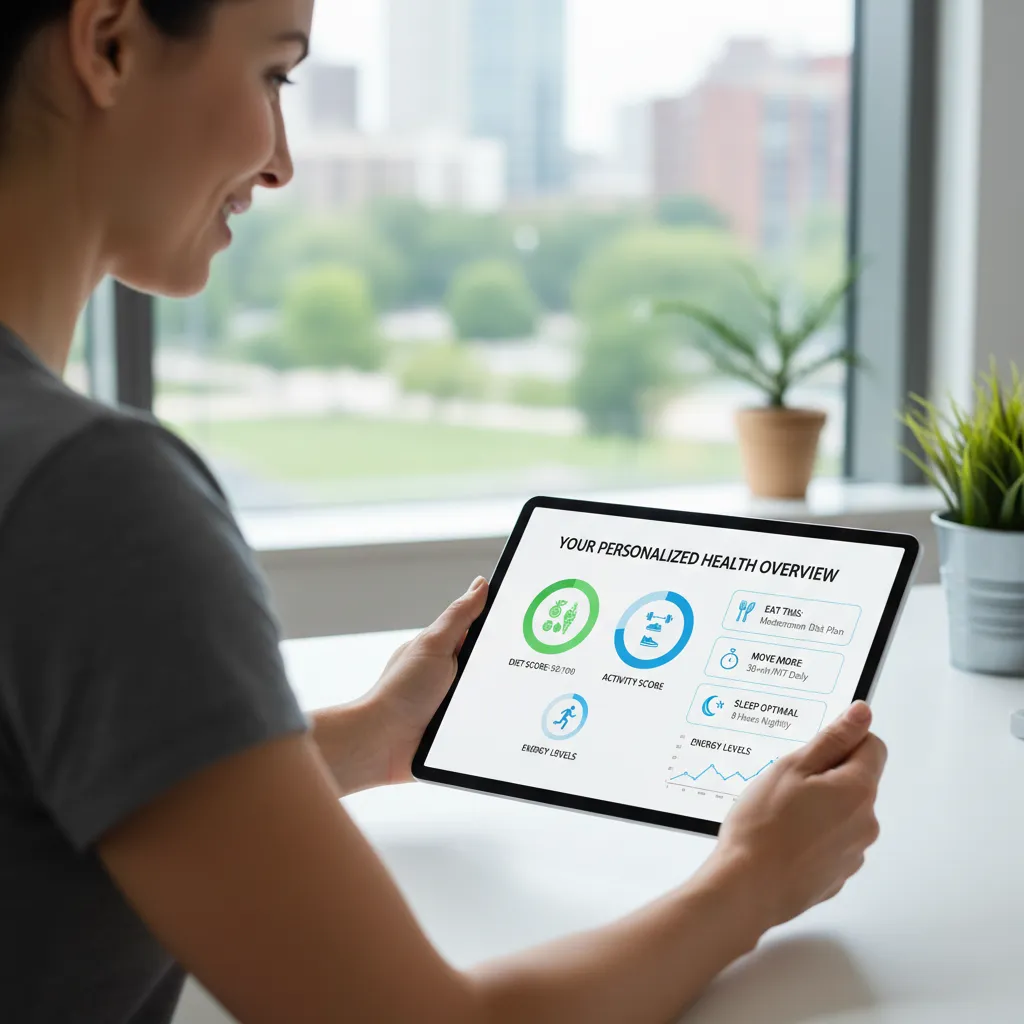
Your Personal Health Detective: AI-Powered Diagnostics and Insights
Raw data is useless without interpretation. This is where health data analytics AI shines. The algorithms in these wearables are trained on massive datasets, allowing them to recognize complex patterns and correlations that a human could never spot.
They analyze how your sleep quality affects your next-day cognitive performance, how a specific type of workout impacts your recovery scores, and how your daily stress levels influence your cardiovascular health. This leads to truly personalized health insights and can even contribute to AI powered diagnostics by flagging anomalies that warrant medical attention. It’s like having a data scientist dedicated to deciphering the language of your body.
Related: Practical XAI: Implementing Explainable AI in Your Business
Mastering Your Mind and Body: AI for Holistic Wellness
Modern health is about more than just physical fitness. Holistic wellness AI integrated into wearables addresses mental and emotional well-being with the same rigor it applies to physical metrics.
- Sleep Tracking AI: Advanced devices don’t just track how long you slept; they analyze your sleep stages (Light, Deep, REM) and provide a “readiness” or “recovery” score. The AI can then offer personalized advice, like suggesting you avoid late-night meals or create a wind-down routine to improve your deep sleep duration.
- Stress Management Wearables: By monitoring metrics like HRV and skin temperature, devices can quantify your physiological stress levels in real-time. Some wearables offer guided breathing exercises or meditation prompts when they detect you’re in a stressed state, acting as a proactive mental health tool.
Related: The AI Fitness Revolution: Hyper-Personalized Workouts and Virtual Coaches
A Digital Guardian for Chronic Conditions
For individuals managing chronic illnesses, AI wearables are a game-changer. The technology facilitates effective AI for chronic disease management and enhances remote patient monitoring. A wearable could, for instance, continuously track a diabetic’s activity levels and sleep patterns, feeding that data into an AI model that helps predict blood glucose fluctuations. This allows patients and their doctors to make more informed, timely decisions about insulin, diet, and lifestyle, leading to better long-term outcomes and fewer emergencies.
The Technology Under the Hood: How AI Driven Health Works
The magic of AI wearables isn’t really magic—it’s a sophisticated three-step process involving cutting-edge hardware and intelligent software working in perfect harmony.
Step 1: The Data Collectors - Advanced Biosensors
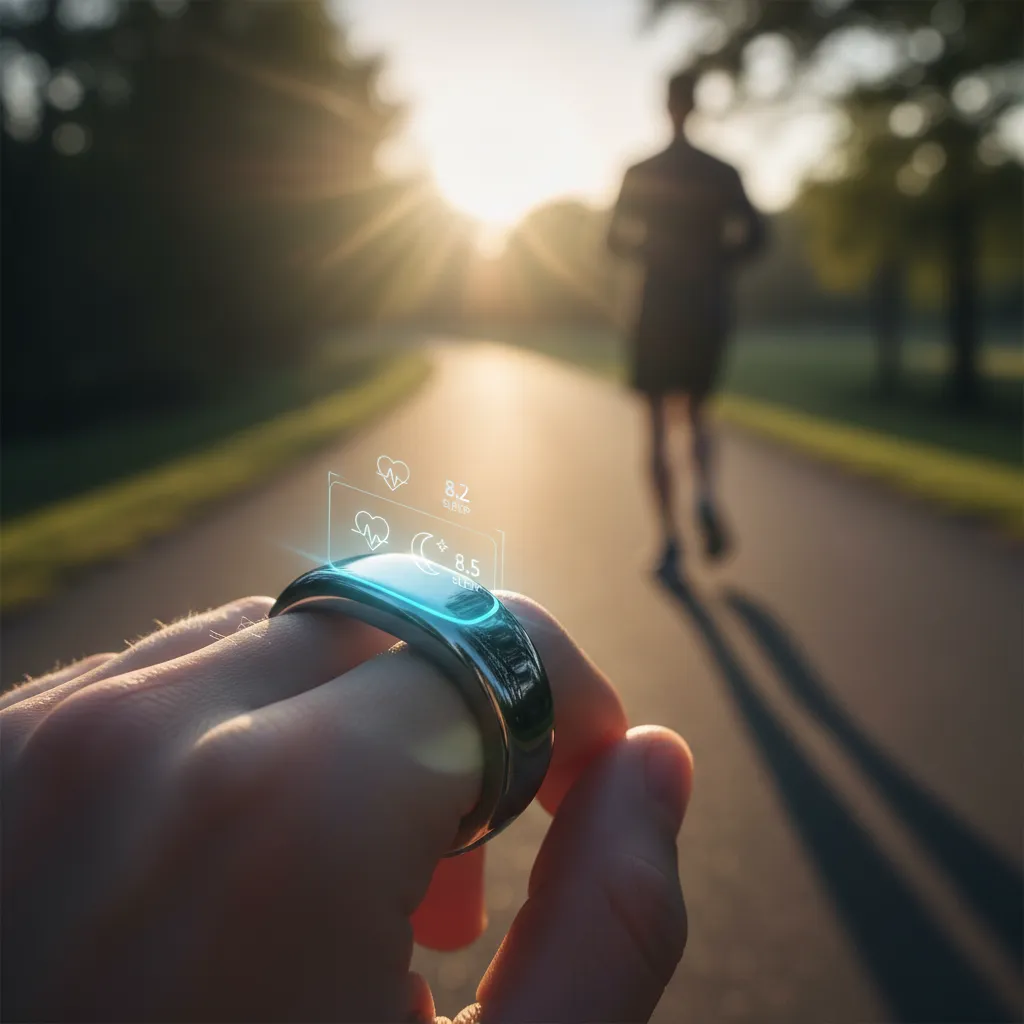
Everything starts with data. Modern wearables are packed with an array of microscopic sensors, each designed to capture a specific physiological signal. This is the world of Biosensors AI.
- Photoplethysmography (PPG): Green and infrared LEDs shine light into your skin to detect blood flow changes, allowing for the measurement of heart rate, heart rate variability (HRV), and blood oxygen levels (SpO2).
- Accelerometers & Gyroscopes: These track motion in 3D space, determining your activity levels, exercise form, and sleep movements.
- Temperature Sensors: Highly sensitive sensors can detect minute changes in your skin temperature, which can be an indicator of sleep cycles, menstrual cycles, and the onset of fever.
Step 2: The Brains of the Operation - Health Data Analytics AI
Once collected, the raw data is fed into the device’s AI engine. This is where health data analytics AI and predictive health analytics come into play. Machine learning algorithms, often processed both on the device and in the cloud, sift through this mountain of data to:
- Establish a Baseline: The AI spends the first week or two learning your body’s unique rhythms and patterns.
- Identify Patterns: It correlates different data streams. For example, it might learn that for you, 30 minutes of moderate exercise at 5 PM leads to a 20% increase in deep sleep.
- Detect Anomalies: Most importantly, it looks for deviations from your established baseline, which could be the first sign that something is amiss.
Step 3: The Outcome - Actionable Insights and Wellness Coaching
The final step is translating this complex analysis into simple, human-readable advice. The companion app on your phone becomes a dashboard for your health, offering insights and guidance. This is the wellness coaching AI component. Instead of just a chart of your heart rate, you get a clear recommendation: “Your body is showing signs of strain. A 20-minute walk would be more beneficial than a high-intensity workout today.” This transforms the device from a passive tracker into an active partner in your healthy living with AI.
The Future is Now: Exploring Next-Gen Health Tech Trends
The current generation of AI wearables is already impressive, but the wearable technology trends on the horizon are nothing short of science fiction becoming reality. This is the future of medical wearables and the evolution of proactive health.
Predictive Power: From Early Detection to Disease Prevention
The ultimate goal of predictive health analytics is to forecast health issues before they happen. Researchers are developing algorithms that can analyze biometric data to predict the onset of infectious diseases like the flu or COVID-19 several days before symptoms appear. In the future, your watch might not just tell you the time; it might tell you to take it easy because your immune system is fighting something off.

Invisible Integration: The Rise of Smart Patches and Biosensors
The future of wearables is less visible. Imagine ultra-thin, flexible smart patches that stick to your skin for weeks at a time, providing medical-grade EKG, hydration levels, and continuous glucose monitoring without the bulk of a watch. Even smart clothing with woven-in biosensors will make health monitoring a completely seamless part of our lives.
The Hyper-Personalized Future: Your Digital Health Twin
One of the most exciting frontiers is the concept of a “digital twin”—a dynamic, virtual model of your body that is continuously updated with data from your wearables. This AI-powered model could be used to simulate the effects of different medications, diets, or lifestyle changes on your specific body before you even try them. It represents the pinnacle of personalized medicine and proactive health management.
Related: How AI in Smart Homes is Revolutionizing Efficiency and Security in 2024
Community and Connection: The Social Side of AI Wellness
Future platforms will allow users to securely share their health data with trusted circles—family members, doctors, personal trainers, or support groups. An elderly parent’s wearable could alert a caregiver to a potential fall, or a marathon trainee could share their recovery data with a coach for optimized training plans. This creates a connected ecosystem of care and support.

Navigating the Challenges: Privacy, Accuracy, and Data Overload
As with any powerful technology, AI wearables come with valid concerns that need to be addressed for widespread, responsible adoption.
- Data Privacy: Your health data is incredibly personal. It’s crucial to choose devices from reputable companies with transparent privacy policies that clearly state how your data is stored, used, and protected.
- Accuracy: While consumer wearables have become remarkably accurate, they are not medical devices. They are designed to detect trends and promote wellness, not to diagnose disease. Always consult a healthcare professional for medical advice.
- Data Overload: The constant stream of information can sometimes lead to anxiety or “analysis paralysis.” It’s important to use these devices as a guide, not a source of stress. The best platforms are those that simplify insights rather than just bombarding you with raw numbers.
Conclusion
We are at the beginning of a profound transformation in personal and public health. AI wearables are no longer a niche for tech enthusiasts or elite athletes; they are becoming essential tools for anyone serious about proactive health management. By providing a continuous, intelligent, and personalized look into our well-being, these smart health devices empower us to move beyond the old, reactive model of care.
From improving sleep with sleep tracking AI to managing anxiety with stress management wearables, the applications are vast and growing. The future of wellness tech is one where we are no longer passive passengers but active drivers of our health journey. By embracing these digital health companions, we can build a future that is not just longer, but healthier, more resilient, and more vibrant. The era of healthy living with AI is here—are you ready to join the revolution?
Frequently Asked Questions (FAQs)
What are examples of AI wearables?
Common examples of AI wearables include smart rings like the Oura Ring, advanced fitness and health bands like Whoop, and high-end smartwatches such as the Apple Watch and Google Pixel Watch. These devices use AI to analyze data from their sensors to provide insights on sleep, recovery, stress, and potential illness.
How does AI in wearables improve health?
AI improves health by transforming raw biometric data (like heart rate and skin temperature) into actionable insights. It establishes your personal health baseline, detects subtle deviations that may signal stress or illness, provides personalized coaching for sleep and exercise, and empowers users to make proactive lifestyle choices for preventative health AI.
Are AI health wearables accurate?
Consumer AI wearables are highly accurate for tracking trends and lifestyle metrics like sleep stages, activity levels, and resting heart rate. However, they are not certified medical devices and should not be used for diagnosing diseases. Their strength lies in trend analysis and early detection of changes from your personal baseline.
What is the difference between a fitness tracker and an AI wearable?
A standard fitness tracker primarily collects and displays raw data, such as steps taken, distance covered, and basic heart rate. An AI wearable goes a step further by using machine learning algorithms to analyze this data, interpret it in the context of your personal health baseline, and provide predictive insights and actionable coaching.
What is the future of health tracking technology?
The future of health tracking technology is moving towards less invasive, more integrated devices like smart patches and sensor-infused clothing. We will see a greater emphasis on predictive health analytics, with devices potentially forecasting illnesses before symptoms appear. The integration with digital health twins for hyper-personalized simulations is also a key future trend.
Can wearables predict illness?
Yes, increasingly so. By using AI driven health analytics to monitor subtle changes in metrics like resting heart rate, heart rate variability (HRV), respiratory rate, and skin temperature, some wearables can detect that your body is under strain or fighting an infection days before you feel sick, giving you a crucial window to rest and recover.
How do smart rings track health?
Smart rings health tracking works by packing advanced sensors into a compact form factor. They typically use infrared photoplethysmography (PPG) sensors on the underside of the ring, which press against the arteries in your finger. This position allows for highly accurate measurements of heart rate, HRV, and blood oxygen, which are then analyzed by the ring’s AI to assess sleep, activity, and readiness.