AI’s Urban Blueprint: How Smart Cities Are Redefining Modern Living
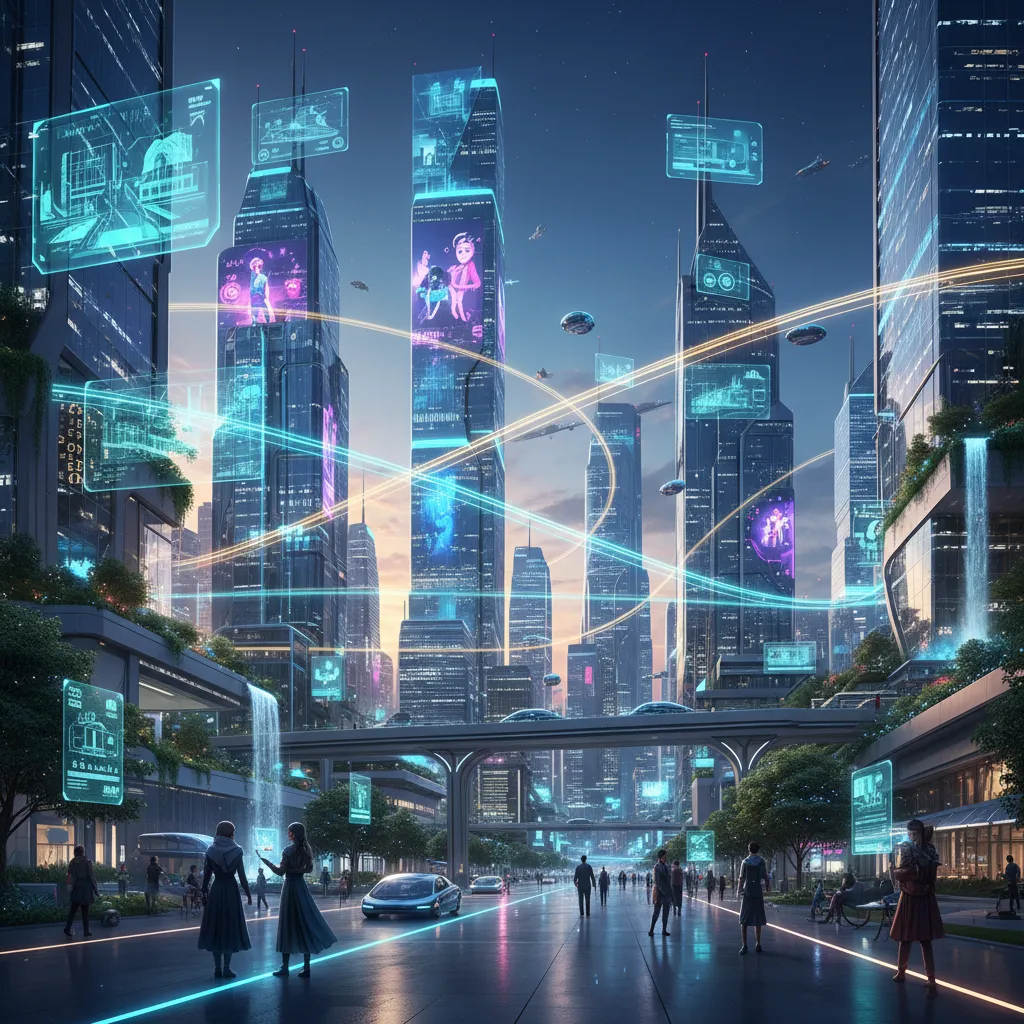
Stuck in traffic again? Worried about the air quality on your commute? Frustrated by inefficient public services? These are the daily frictions of modern urban life. For decades, city growth has often outpaced the infrastructure designed to support it, leading to congestion, pollution, and strained resources. But what if our cities could think, adapt, and respond to our needs in real-time? This isn’t science fiction; it’s the reality being built today with Artificial Intelligence.
The concept of a “smart city” has evolved from a buzzword into a tangible blueprint for the future of urban development. At its core, this revolution isn’t just about sensors and connectivity; it’s about the intelligence that processes the torrent of data these systems produce. AI is the central nervous system, the invisible brain turning raw data into actionable insights that are fundamentally reshaping our relationship with the urban environment.
In this deep dive, we’ll move beyond the hype and explore the practical applications of AI smart cities. We’ll dissect how urban planning AI and smart city technology are creating more efficient, sustainable, and livable spaces for billions. From AI traffic management that untangles gridlock to smart energy grids that conserve power, you’ll discover the core technologies and intelligent city solutions that are defining the next generation of modern living.
The Anatomy of an AI-Powered City
Before we explore the groundbreaking applications, it’s crucial to understand the foundational layers that make an AI city management system possible. A smart city isn’t just a collection of cool gadgets; it’s a deeply integrated ecosystem of hardware, software, and intelligent algorithms working in concert.
1. The Sensory Layer (IoT): The City’s Nerves The entire system begins with data collection. This is handled by the Internet of Things (IoT), a vast network of interconnected sensors embedded throughout the urban landscape.
- Environmental Sensors: Monitoring air and water quality, noise levels, and weather conditions.
- Infrastructure Sensors: Embedded in roads, bridges, and pipes to detect stress, wear, and potential failures.
- Mobility Sensors: GPS trackers on buses and shared bikes, smart parking meters, and traffic cameras.
- Utility Sensors: Smart meters for electricity, water, and gas that provide
real-time urban data.
These sensors act as the city’s nerve endings, constantly feeling the pulse of urban life.
2. The Connectivity Layer: The City’s Bloodstream
All the data collected by IoT devices is useless unless it can be transmitted quickly and reliably. This is where high-speed networks, including 5G and fiber optics, come in. This connectivity layer is the bloodstream, ensuring that massive volumes of information flow seamlessly from the sensors to the central processing centers, creating truly connected cities AI.
3. The Intelligence Layer (AI & Analytics): The City’s Brain This is where the magic happens. Raw data is just noise. AI and machine learning algorithms are the brain that turns this noise into a symphony of actionable intelligence.
- Predictive Urban Modeling: AI algorithms can analyze historical and real-time data to forecast future events, such as traffic jams, energy demand spikes, or areas at high risk for crime.
- Urban Analytics AI: Planners use AI to analyze population movements, service usage, and infrastructure stress, enabling data-driven decisions for
smart city design. - Automation: AI can automate routine tasks, from adjusting traffic light timing to dispatching waste collection vehicles, freeing up human operators to focus on more complex issues.
This intelligent core enables a city to move from being reactive—fixing problems after they occur—to being proactive and even predictive.
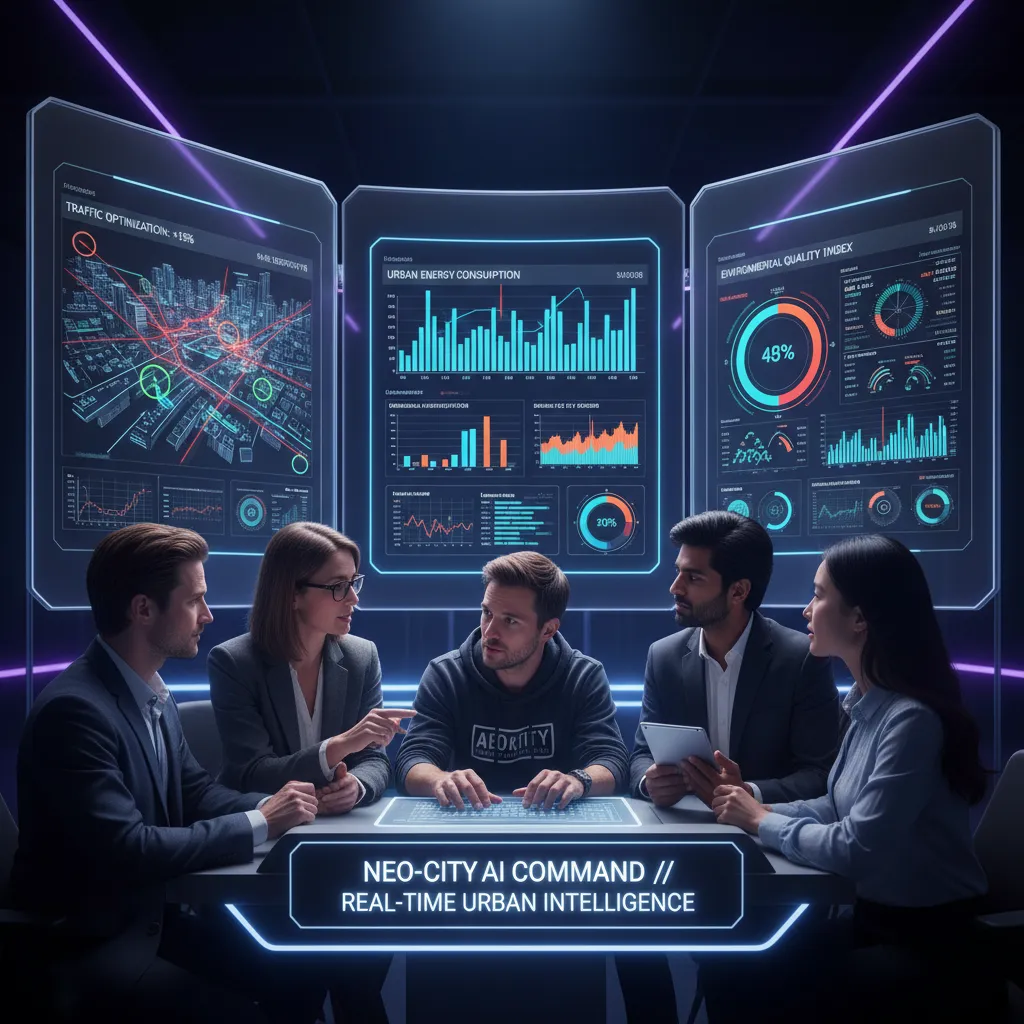
Greener, Cleaner, Smarter: AI for Sustainable Urban Planning
One of the most compelling promises of AI in urban development is its potential to create truly sustainable cities. As urban populations grow, the strain on natural resources intensifies. AI provides the tools to manage these resources with unprecedented precision and efficiency.
Revolutionizing Energy and Utilities
Traditional power grids are wasteful, one-way systems. Smart energy grids, powered by AI, change the game entirely. AI algorithms can predict energy demand based on weather forecasts, public events, and historical usage patterns. This allows utility companies to optimize power generation, reducing waste and preventing blackouts. Furthermore, AI helps integrate renewable energy sources like solar and wind into the grid by managing their variable output, a key component of AI for sustainable development.
Similarly, AI-driven water management systems use sensors to detect leaks in aging pipe networks—a major source of water loss—and predict consumption patterns to ensure efficient distribution.
The Dawn of Intelligent Waste Management
Overflowing bins and inefficient collection routes are a common urban blight. AI waste management systems tackle this head-on. Smart bins equipped with sensors notify sanitation departments when they are full, allowing for the dynamic planning of collection routes. AI analyzes this data to create the most fuel-efficient routes, reducing emissions, costs, and traffic congestion. Some advanced systems can even automate waste sorting to improve recycling rates.
AI Environmental Monitoring for Healthier Living
AI environmental monitoring is crucial for public health. A network of AI-powered sensors can provide a real-time, high-resolution map of air and water pollution across the city. This data can alert citizens with respiratory issues to avoid certain areas on high-pollution days and help policymakers identify and regulate pollution sources more effectively. This proactive approach to environmental health is a cornerstone of AI for smart living. Related: Eco-Smart Living: How AI is Revolutionizing Sustainable Homes
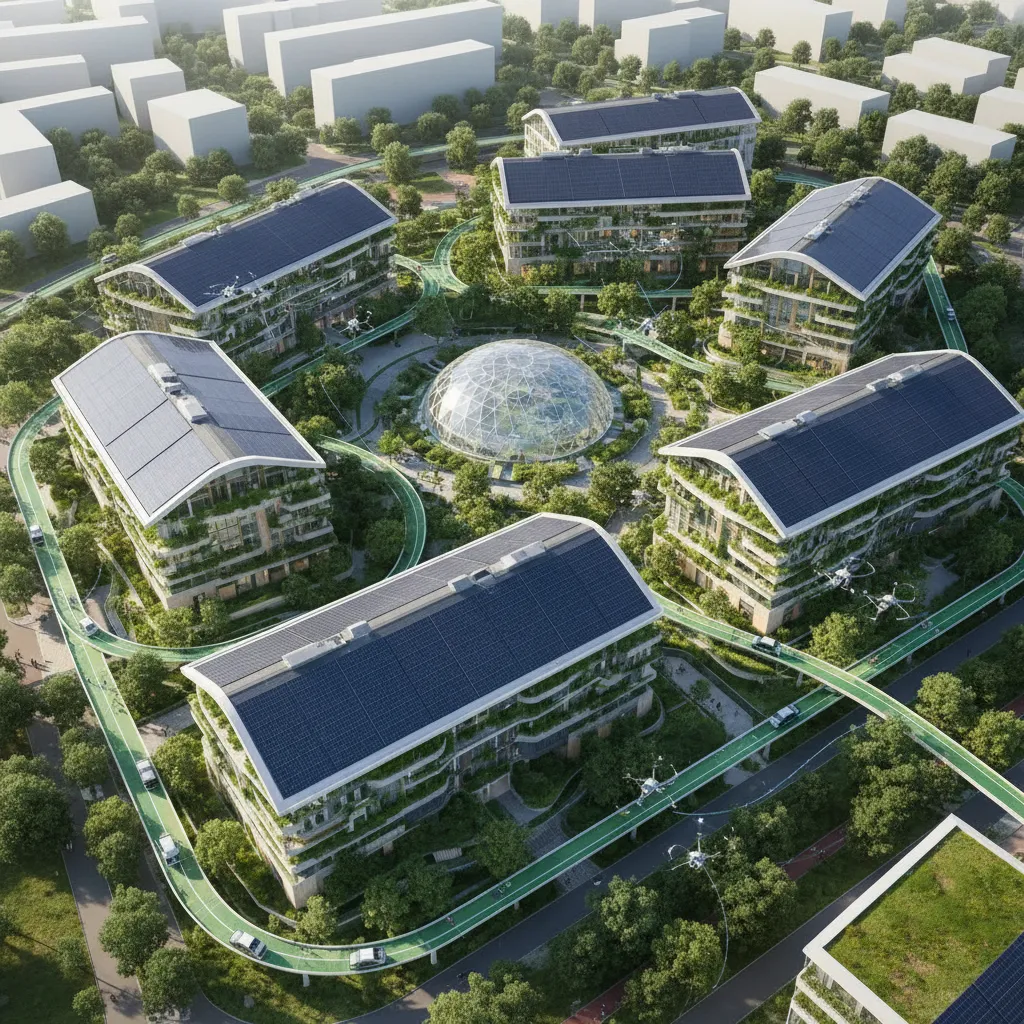
Unlocking Fluidity: AI-Powered Smart Mobility Solutions
Traffic congestion is more than an annoyance; it costs economies billions in lost productivity and contributes significantly to carbon emissions. AI traffic management is perhaps the most visible and impactful application of smart infrastructure AI, promising a future of seamless urban mobility.
The End of Gridlock: Intelligent Transportation Systems
An intelligent transportation systems (ITS) network, governed by AI, can see the entire city’s traffic flow at once. It’s not just about turning a light from red to green; it’s about predictive optimization.
- Adaptive Traffic Signals: AI analyzes real-time traffic flow from cameras and road sensors to dynamically adjust traffic light timing, easing congestion and prioritizing public transport or emergency vehicles.
- Predictive Flow Analysis: By learning a city’s traffic patterns, AI can predict where and when congestion will occur. This information can be fed to navigation apps, rerouting drivers before they hit the jam.
- Smart Parking: AI-powered apps guide drivers directly to available parking spots, drastically reducing the 30% of city traffic caused by drivers circling for a space.
The Rise of Autonomous Mobility
Smart mobility solutions are increasingly centered around autonomous vehicles (AVs). AI is the pilot, navigator, and safety system for these vehicles. In a smart city context, AVs can communicate with each other and with the city’s infrastructure (Vehicle-to-Everything or V2X communication). This allows for “platooning,” where vehicles travel closely together to save fuel, and coordinated movements through intersections, eliminating the need for traffic lights altogether in some future city tech scenarios. Related: Copilot+ PCs: The Ultimate Guide to the New Wave of AI Laptops with Snapdragon X Elite
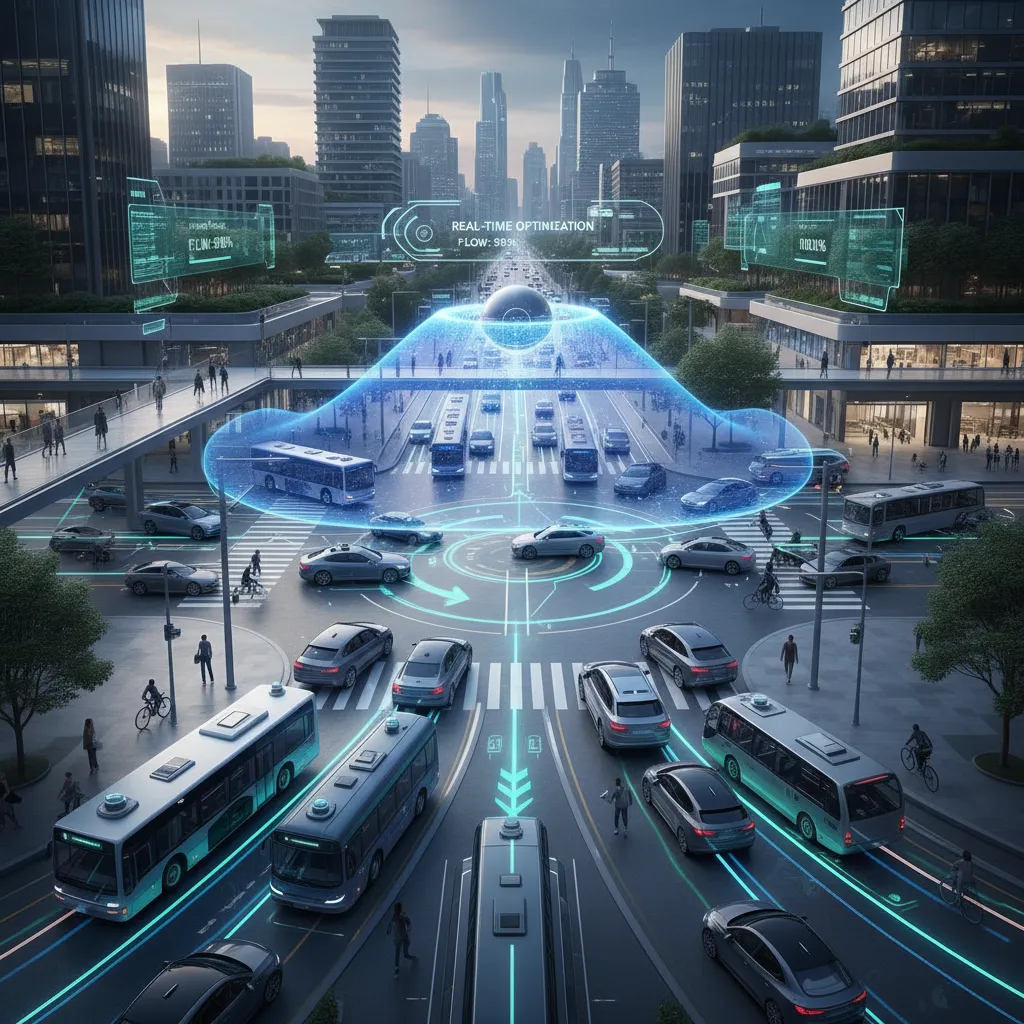
Safer and More Responsive: AI in Public Safety and City Services
AI’s ability to analyze vast datasets and identify patterns is transforming how cities protect their citizens and deliver essential services. This shift towards data-driven governance leads to more efficient, equitable, and responsive urban environments.
Proactive Public Safety
AI public safety solutions aim to prevent incidents before they happen. By analyzing historical crime data alongside other variables like weather, public events, and time of day, predictive models can identify “hotspots” where crime is more likely to occur. This allows law enforcement to allocate resources more effectively, increasing visibility and deterring criminal activity.
During emergencies, AI can optimize response routes for fire trucks and ambulances, analyze drone and camera footage to assess situations, and facilitate communication between different emergency services.
Citizen-Centric Services
Gone are the days of long waits and confusing bureaucracy. AI in city services is streamlining citizen interactions.
- AI-Powered Chatbots: Available 24/7 on city websites, these bots can instantly answer common questions, help residents pay bills, report issues like potholes, and apply for permits.
- Automated Infrastructure Maintenance: Drones equipped with AI-powered computer vision can inspect bridges, buildings, and power lines for defects, identifying potential problems long before they become critical failures. This proactive approach saves money and enhances safety.
- Personalized Public Information: AI can push relevant information to citizens, such as localized emergency alerts, public transport delays, or reminders about community meetings, creating a more informed and engaged populace. Related: What is GPT-4o? The Ultimate Guide to OpenAI’s Omnimodel (2024)
Designing for People: AI in Community Planning and Urban Design
Ultimately, cities are for people. The most advanced AI-powered urban solutions are those that enhance the human experience, foster community, and create more inclusive public spaces. AI community planning uses data to understand how people actually use their city, leading to more human-centric design.
Urban analytics AI can process anonymized data from mobile devices and public Wi-Fi to map pedestrian flows, identify popular gathering spots, and see which parks or plazas are underutilized. Urban planners can use these insights to:
- Optimize Public Spaces: Decide where to place new benches, bike lanes, or public art.
- Plan New Developments: Ensure new neighborhoods have adequate green space, community facilities, and convenient access to public transit.
- Enhance Accessibility: Identify and rectify barriers for people with disabilities by analyzing street-level imagery and accessibility data.
This data-driven approach to smart city design helps create vibrant, walkable, and equitable communities where people feel connected. It moves planning from abstract models to a process grounded in the real-world behaviors and needs of citizens. Related: Supercharge Your Creative Workflow with AI: A Guide for Artists, Writers, and Designers
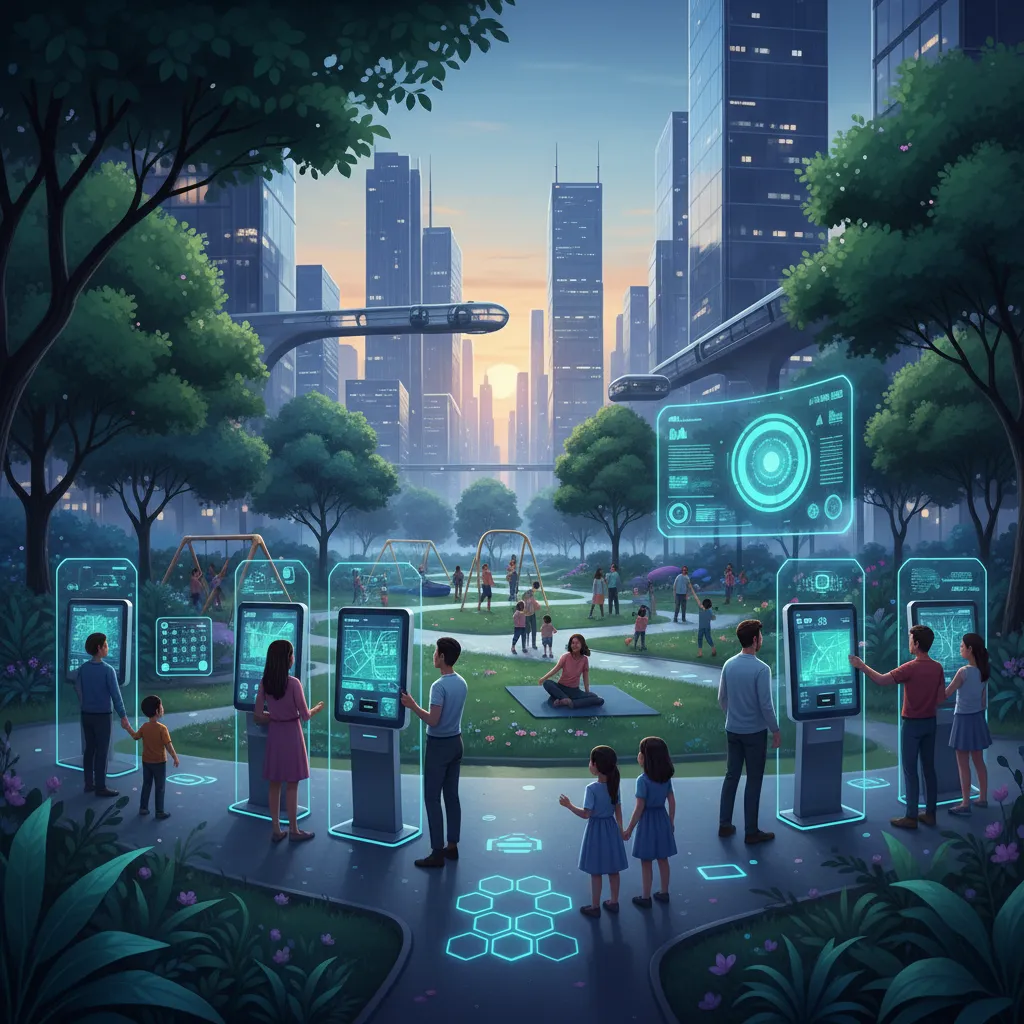
The Road Ahead: Challenges and Ethical Frontiers
The vision of the AI-powered smart city is inspiring, but it’s not without significant challenges. As we build this future of cities AI, we must navigate complex ethical and practical hurdles to ensure the technology serves everyone.
- Data Privacy and Surveillance: The sheer volume of data collected raises legitimate concerns about privacy. Creating robust data governance policies, ensuring anonymization, and being transparent about how data is used are critical to maintaining public trust.
- Algorithmic Bias: If the data used to train
urban planning AImodels reflects historical inequalities, the AI can perpetuate or even amplify those biases in its decisions. For example, a predictive policing model trained on biased data could unfairly target minority communities. - Cybersecurity: Centralizing city operations on a connected network creates a tempting target for cyberattacks. A breach could disrupt everything from traffic control to the power grid, making
urban resilience AIa critical field of development to build systems that can withstand and recover from such attacks. - The Digital Divide: Not all citizens have equal access to the technology and digital literacy needed to benefit from a smart city. Ensuring equitable access and providing education is essential to prevent creating a two-tiered society.
Conclusion: The Dawn of the Cognitive City
The integration of artificial intelligence into the urban fabric marks a pivotal moment in human history. We are moving from cities of concrete and steel to cognitive cities capable of sensing, learning, and responding. This is not about technology for technology’s sake; it is about leveraging urban innovation AI to solve some of the most pressing challenges of our time: climate change, resource scarcity, and social equity.
The AI smart cities of tomorrow promise less time in traffic, cleaner air, safer streets, and more responsive governments. They offer a blueprint for a future where AI for smart living is not a luxury, but the foundation of a more sustainable, efficient, and human-centric world. The road to this future is complex and requires careful navigation of ethical challenges, but the destination—a city that truly works for all its inhabitants—is a goal worth striving for.
What future city tech are you most excited to see become a reality?
Frequently Asked Questions (FAQs)
Q1. What is an AI smart city?
An AI smart city is an urban area that uses Artificial Intelligence (AI) and other technologies, like the Internet of Things (IoT), to collect and analyze data. This data is then used to manage assets, resources, and services efficiently, with the goal of improving the quality of life for its citizens and promoting sustainability.
Q2. What are some real-world examples of AI in smart cities?
Real-world examples include Barcelona’s use of AI for smart water and waste management, Singapore’s intelligent transportation systems that optimize traffic flow in real-time, and Songdo, South Korea’s automated waste disposal systems. Many cities also use AI-powered apps for smart parking and real-time public transit updates.
Q3. How does AI improve urban planning?
AI improves urban planning AI by providing planners with deep insights from real-time urban data. It can simulate the impact of new developments on traffic and public services, identify underutilized areas for revitalization, analyze pedestrian flow to design better public spaces, and model environmental changes, leading to more sustainable and data-driven smart city design.
Q4. What is the role of IoT in creating AI smart cities?
IoT (Internet of Things) devices are the sensory organs of a smart city. They are the millions of sensors—in roads, lampposts, buildings, and vehicles—that collect the raw data about everything from air quality to traffic density. This data is the fuel for AI smart cities; without the constant stream of information from IoT devices, the AI algorithms would have nothing to analyze or act upon.
Q5. What are the main challenges for smart cities?
The main challenges include ensuring robust data privacy and security, preventing algorithmic bias that could lead to social inequality, protecting smart infrastructure AI from cyberattacks, and bridging the “digital divide” to ensure all citizens can access and benefit from the new technology. High implementation costs and the need for new governance models are also significant hurdles.
Q6. How does AI help in traffic management?
AI traffic management uses a network of cameras and sensors to monitor traffic conditions across a city in real time. AI algorithms analyze this data to predict congestion, dynamically adjust traffic light timing to optimize flow, reroute drivers via navigation apps, and prioritize lanes for emergency vehicles, significantly reducing travel times and emissions.