AI for Sustainable Living: Smart Tech, Eco-Friendly Habits & a Greener Future

We’ve all felt it: that growing desire to live a more sustainable life, paired with the overwhelming feeling of not knowing where to start. Do you focus on recycling? Reducing your energy bill? Changing your diet? The path to a greener lifestyle can often feel like a complex map with no clear directions.
But what if you had an intelligent guide, a silent partner working 24/7 to make eco-friendly choices easier, more efficient, and more impactful? This isn’t science fiction; it’s the reality of AI for sustainable living. Artificial intelligence is stepping out of data centers and into our daily lives, becoming a pivotal force in our collective journey toward a healthier planet.
This article is your comprehensive guide to the world of eco-conscious AI. We’ll move beyond the abstract concepts and dive into the practical applications transforming our homes, communities, and global ecosystems. You will learn how this powerful green living technology is not just a tool for scientists and corporations, but a personal ally that can help you reduce your carbon footprint, save money, and build a truly sustainable future.
The Smart Home Revolution: AI for Personal Energy & Resource Management
The most immediate and personal impact of AI on sustainability begins right where we live. The modern smart home is evolving from a novelty of convenience into a hyper-efficient, eco-conscious hub. This is where AI algorithms learn our routines and optimize our resource use in ways we never could manually.
Mastering Smart Home Energy Efficiency with AI
For decades, the thermostat was a simple dial on the wall. Today, AI-powered thermostats like the Google Nest are sophisticated learning centers. They analyze your daily habits—when you wake up, when you leave for work, when you sleep—and build a predictive model to heat and cool your home with maximum efficiency. This dedication to smart home energy efficiency doesn’t just make you more comfortable; it actively works to reduce energy consumption AI-style, often trimming heating and cooling bills by 10-15%.
This intelligence extends far beyond temperature control:
- Smart Lighting: AI systems adjust your home’s lighting based on the time of day, ambient light from windows, and whether a room is occupied, eliminating wasted electricity.
- Appliance Optimization: Smart plugs and appliances can be scheduled by an AI to run during off-peak hours when electricity is cheaper and the grid is less strained, often relying more on renewable sources.
- Energy Audits: Modern sustainable lifestyle apps connect to your smart meter, providing real-time data on your energy usage. These energy saving AI tools act like a personal energy coach, identifying “vampire power” drawn by devices on standby and suggesting actionable changes.
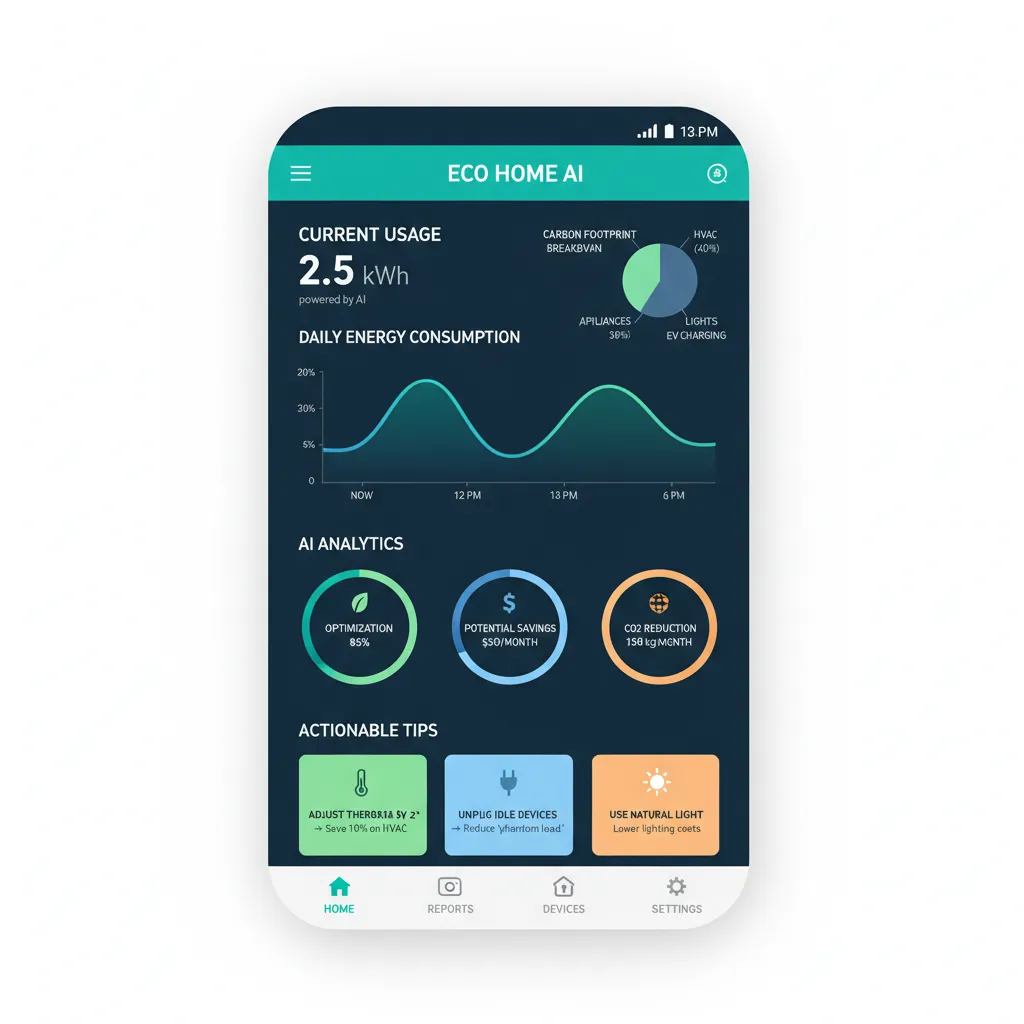
This level of granular control is a game-changer for smart home sustainability, turning our homes from passive energy consumers into active, intelligent participants in a greener grid.
AI-Powered Smart Water Management at Home
Water is one of our most precious resources, and AI is becoming a key tool in its conservation. Smart water management AI is tackling waste head-on, both indoors and out.
Smart sprinkler controllers, for instance, are a massive leap forward from timed systems. They pull real-time weather data, measure soil moisture, and analyze plant types to deliver the precise amount of water needed, and not a drop more. This prevents the all-too-common sight of sprinklers running during a rainstorm.
Inside the home, AI-powered sensors can detect microscopic changes in water pressure within your pipes, identifying and alerting you to leaks long before they cause significant damage and waste.
Cultivating Green Tech Habits with AI
True sustainability is about more than just technology; it’s about behavior. AI is becoming a powerful tool for shaping our habits toward more eco-friendly choices. Apps focused on AI smart consumption act as personal sustainability advisors:
- Reducing Food Waste: AI-driven apps can scan the contents of your fridge, suggest recipes based on what you have, and create smart shopping lists to prevent overbuying and food spoilage.
- Tracking Your Carbon Footprint: By connecting to your accounts, these apps can calculate the carbon cost of your purchases, travel, and energy use, providing a clear picture of your impact and suggesting ways to reduce it.
- Ethical Shopping: AI tools can quickly analyze brands and products, providing sustainability scores based on their supply chain, materials, and corporate practices, empowering you to make informed choices. Related: Quantifying Green: How to Measure Sustainable Investing Impact in 2024
Beyond the Home: AI’s Role in Community and Urban Sustainability
While individual actions are crucial, scaling sustainability requires systemic change. AI is a driving force behind this transformation, helping to build smarter, greener, and more efficient communities and cities.
Intelligent Waste Reduction and AI-Powered Recycling
Our current recycling systems are often inefficient, hampered by human error and contamination. This is where AI powered recycling comes in. In modern sorting facilities, high-speed cameras paired with AI vision systems can identify and separate different types of materials—plastics, glass, paper, metals—with superhuman speed and accuracy.
This dramatically increases the quality and quantity of recycled materials, making the entire process more economically viable. The benefits of AI waste reduction also extend to logistics. AI algorithms optimize waste collection routes for garbage trucks, reducing mileage, fuel consumption, and carbon emissions. This smart routing ensures that resources are used efficiently, contributing to a robust AI and circular economy where waste is minimized and materials are kept in use for as long as possible.

AI in Sustainable Urban Planning and Green Mobility
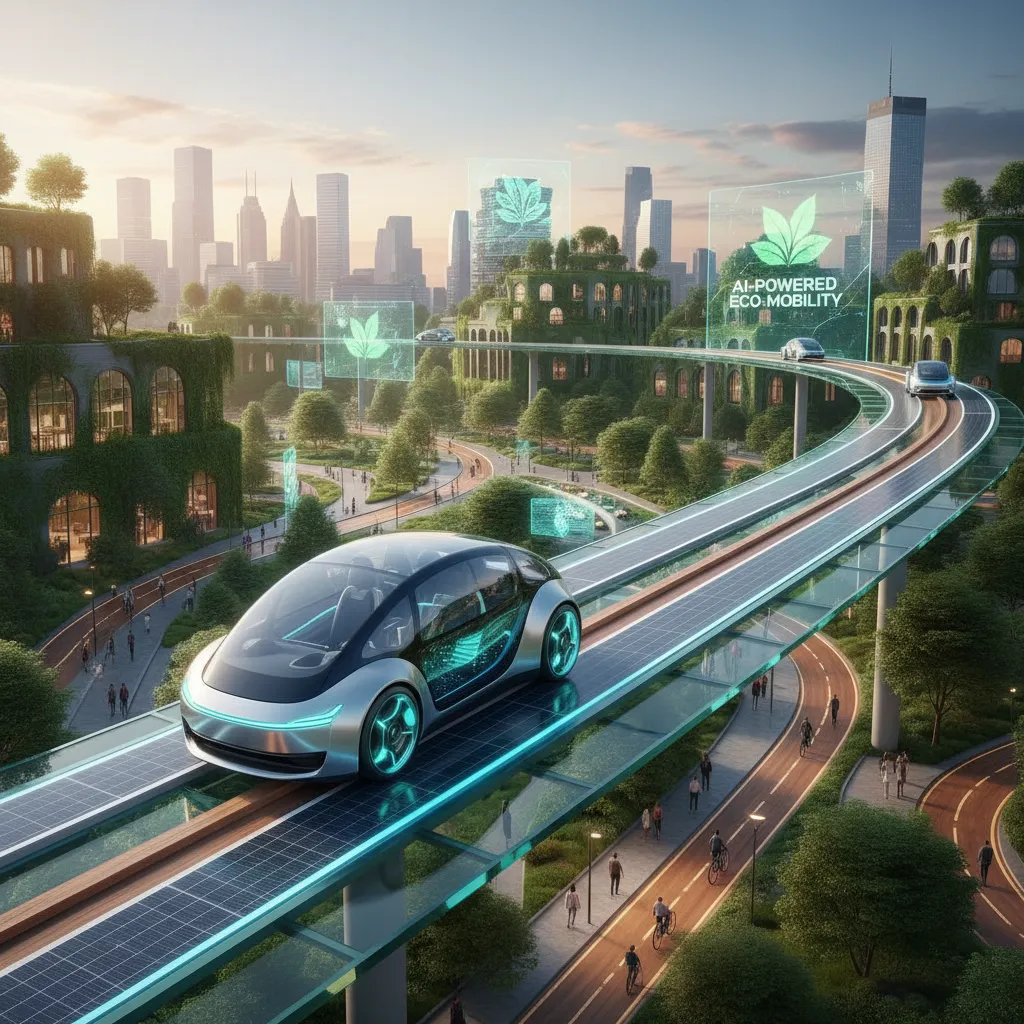
The cities of the future are being designed today with the help of artificial intelligence. Sustainable urban planning AI allows city planners to run complex simulations, modeling the flow of traffic, energy consumption, and even air quality. This helps them design more walkable neighborhoods, optimize the placement of public transit, and ensure ample access to green spaces.
Mobility is at the heart of a sustainable city. AI is the engine driving this transition:
- Traffic Optimization: AI systems analyze real-time traffic data from sensors and cameras to dynamically adjust traffic light timings, easing congestion and reducing vehicle idling time—a major source of urban pollution.
- Public Transit Enhancement: AI helps optimize bus and train schedules based on real-time demand, making public transportation a more reliable and convenient alternative to driving.
- AI for Sustainable Travel: For those who do drive, AI-powered navigation apps now suggest more fuel-efficient routes. Furthermore, AI is critical for managing electric vehicle (EV) charging grids, predicting demand and ensuring grid stability as more people switch to EVs.
This holistic approach to mobility and city design is a cornerstone of the future of green tech.
The Planetary Scale: How AI Tackles Global Environmental Challenges
As we zoom out from our cities to the planet, the scale of our environmental challenges grows—and so does the potential for AI to help solve them. From our farms to our forests, AI for climate action is providing critical tools in the fight for a healthy planet.
Revolutionizing Agriculture for a Hungry Planet
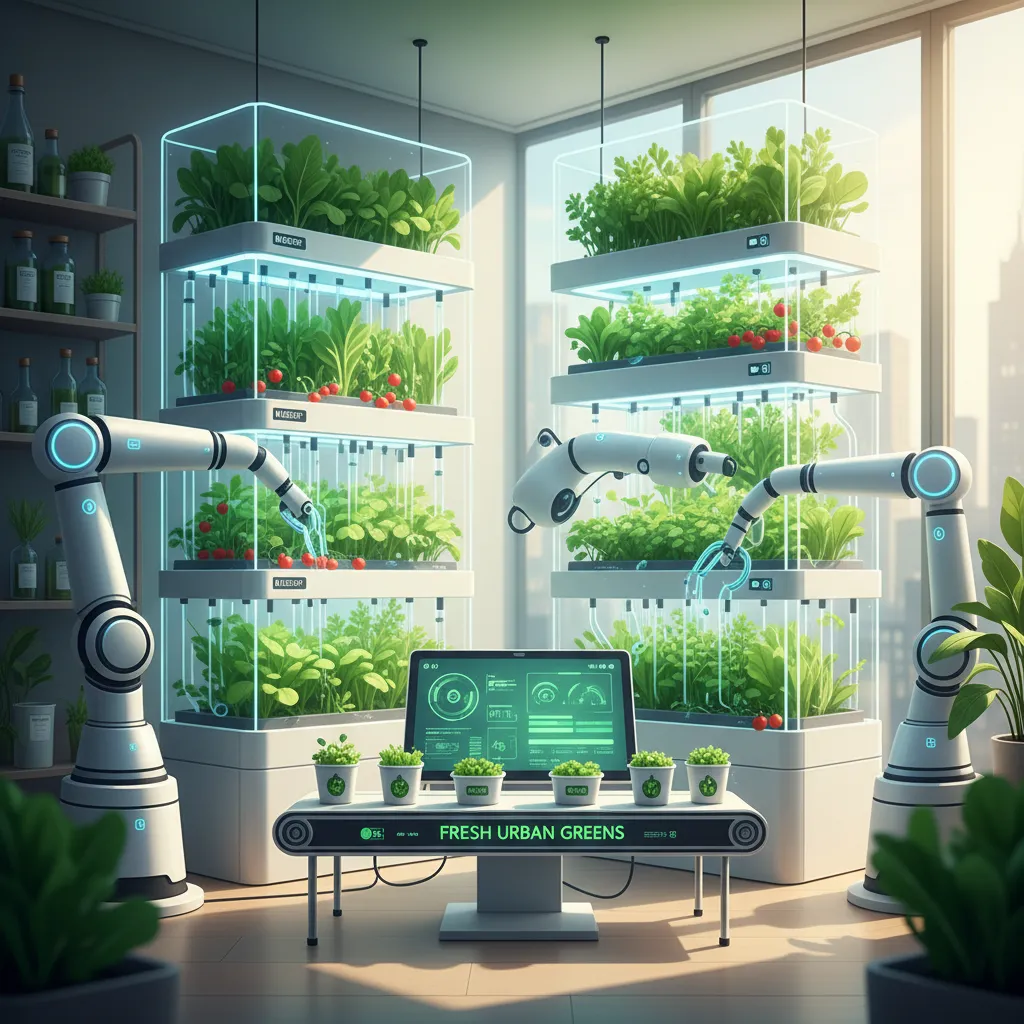
Traditional farming can be resource-intensive, often using more water, fertilizer, and pesticides than necessary. AI in sustainable agriculture, often called precision agriculture, is changing that paradigm.
- Smart Drones and Sensors: Drones equipped with AI-powered cameras fly over fields, identifying areas affected by pests, disease, or dehydration. This allows farmers to apply treatments precisely where they are needed, rather than blanketing entire fields.
- Water and Nutrient Optimization: AI systems analyze data from soil sensors, weather forecasts, and satellite imagery to create hyper-specific irrigation and fertilization plans, maximizing crop yields while minimizing resource use and chemical runoff.
This technology isn’t just about efficiency; it’s about resilience. By helping farmers produce more with less, AI is critical for ensuring global food security in the face of a changing climate. Related: Perplexity Pages: The Ultimate AI Content Generator? (In-Depth Review)
AI for Environmental Monitoring and Biodiversity Protection
Protecting what we can’t measure is nearly impossible. AI for environmental monitoring gives us an unprecedented ability to see and understand the health of our planet. AI algorithms can analyze vast datasets from satellites, drones, and on-the-ground sensors to:
- Track Deforestation: Identify illegal logging operations in near real-time.
- Monitor Ocean Health: Analyze ocean color to track harmful algal blooms and coral bleaching events.
- Detect Pollution: Pinpoint the sources of air and water pollution with incredible accuracy.
This data is vital for conservation efforts. AI driven conservation is also being used to protect endangered species. Researchers use AI to analyze camera trap footage and acoustic recordings to monitor animal populations without disturbing them. In some cases, AI can even recognize individual animals, providing invaluable insights for AI for biodiversity protection and the fight against poaching.
Accelerating Renewable Energy with AI
The shift to renewable energy is fundamental to climate action, but sources like wind and solar are inherently variable. Renewable energy AI is solving this challenge by making green energy more reliable and efficient. AI models can:
- Forecast Energy Production: Predict the output of wind and solar farms with high accuracy by analyzing complex weather patterns.
- Manage Smart Grids: Optimize the distribution of energy across the grid, balancing supply from renewable sources with consumer demand.
- Perform Predictive Maintenance: Analyze data from wind turbines to predict when they will need maintenance, preventing costly downtime.
These AI eco solutions are accelerating our transition away from fossil fuels and building a more resilient, decentralized energy system.
The Future of Green Tech: Eco-Innovation and Ethical Considerations
The potential for AI to create a sustainable world is immense, but it’s not a silver bullet. As we embrace these technologies, we must also navigate the challenges and ethical questions that come with them.
The Double-Edged Sword: Addressing the Carbon Footprint of AI
It’s a critical paradox: the complex AI models that help us save energy are themselves energy-intensive to train and run. The massive data centers that power the cloud have a significant carbon footprint. This is the central challenge of ethical AI green tech.
Thankfully, the industry is responding. Researchers are developing more efficient algorithms (“TinyML”) that require less computational power. Simultaneously, tech giants are investing heavily in powering their data centers with 100% renewable energy and developing innovative cooling techniques. This drive for a sustainable digital transformation is essential for ensuring that AI’s net impact on the planet is overwhelmingly positive. Related: The Psychological Impact of Hyper-Realistic AI Content
AI in Sustainable Product Design and the Circular Economy
Eco-innovation AI is reshaping how we make things. Engineers are using generative AI to design products that are stronger, lighter, and made with fewer materials. This process, known as sustainable product design AI, can also optimize products for their entire lifecycle.
AI can help design electronics that are easier to disassemble and repair, or create packaging that is fully compostable. By tracking materials through the supply chain, AI provides the data backbone for a true AI and circular economy, where products are designed from the start to be reused, remanufactured, or recycled. Related: Sustainable Finance: How to Invest Responsibly & Grow Your Green Portfolio
The Road Ahead: AI as a Cornerstone of a Greener Future
From the thermostat in your home to the satellites monitoring our rainforests, artificial intelligence is weaving itself into the fabric of the global sustainability movement. It is a powerful tool for optimizing systems, changing behaviors, and giving us the data we need to make smarter decisions for our planet.
The future of green tech isn’t just about AI; it’s about how we, as humans, choose to wield this incredible technology. By championing eco-friendly AI solutions and demanding transparency and accountability, we can ensure that this digital revolution leads to a green revolution.
Conclusion: Your Personal Journey with Eco-Conscious AI
We’ve journeyed from the smart plugs in our living rooms to the AI-managed power grids spanning continents. The thread connecting them all is clear: AI is no longer a futuristic concept but a present-day partner in creating a more sustainable world. It empowers us to turn our good intentions into measurable actions, transforming complex environmental challenges into manageable, data-driven solutions.
The path to AI sustainable living isn’t about letting technology take over. It’s about using it as a lever to amplify our own efforts. It’s about leveraging AI carbon footprint reduction tools to make smarter choices, supporting companies that use eco-innovation AI to build a better future, and becoming active participants in this exciting transformation.
Your journey can start small. This week, try a meal-planning app to reduce food waste, research your utility’s smart thermostat programs, or use a browser extension to check the sustainability score of your online purchases. Every small, AI-assisted step you take is part of a much larger, collective shift toward a smarter, cleaner, and truly sustainable future.
Frequently Asked Questions (FAQs)
Q1. How can AI promote sustainability?
AI promotes sustainability by optimizing resource use on a massive scale. It enables smart home energy efficiency, reduces waste through intelligent recycling and logistics, makes agriculture more productive with less water and fewer chemicals, and improves the efficiency of renewable energy grids. Essentially, AI processes vast amounts of data to make systems smarter and less wasteful.
Q2. What are some examples of AI in environmental sustainability?
Great examples include smart thermostats (like Google Nest) that learn your schedule to save energy, AI vision systems in recycling plants that sort materials faster than humans, precision agriculture drones that apply water and pesticides only where needed, and AI algorithms that track deforestation and animal populations via satellite imagery.
Q3. What are the risks of using AI for sustainability?
The primary risk is the energy consumption of AI itself. Training large AI models and running data centers requires significant electricity, which can have a large carbon footprint. This creates an “energy paradox” that the field of ethical AI green tech is actively working to solve through more efficient algorithms and renewable-powered data centers.
Q4. How does AI help in reducing carbon footprint?
AI helps reduce carbon footprints in multiple ways. At home, it optimizes heating and cooling to cut energy use. In transportation, it reduces congestion and optimizes routes for fuel efficiency. In industry, it streamlines supply chains and manufacturing processes. It also accelerates the adoption of renewable energy by making wind and solar power more predictable and reliable.
Q5. Can AI really help fight climate change?
Yes, experts believe AI is a critical tool in the fight against climate change. Its ability to model complex climate systems, accelerate the development of green technologies, optimize our energy grids, and monitor global ecosystems provides humanity with powerful new capabilities for AI for climate action. While not a magic solution, it’s an indispensable ally.
Q6. What is “Green AI”?
“Green AI” is a movement within the artificial intelligence field that focuses on two things: 1) Applying AI to solve environmental and sustainability challenges, and 2) Reducing the environmental footprint of AI technology itself. It promotes research into more energy-efficient algorithms and encourages transparency about the computational cost of AI models.